

Simões de Assis Art Gallery by Arquea Arquitetos
Simões de Assis Art Gallery by Arquea Arquitetos transforms an existing property into a sustainable, transparent cultural landmark with flexible exhibition spaces.


Architects:Arquea Arquitetos
A Contemporary Art Gallery Rooted in Sustainability and Urban Renewal
The Simões de Assis Art Gallery, designed by Arquea Arquitetos, redefines how architecture can enhance cultural engagement in Curitiba, Brazil. Rather than opting for new construction, the project embraced adaptive reuse and sustainable renovation, transforming an existing property into a contemporary gallery that seamlessly blends with the city while amplifying the visibility of art.
For the architects, the commission was more than a design challenge; it was an opportunity to reaffirm that revitalizing existing structures is one of the most sustainable architectural practices. By reimagining spaces, they created a project that not only celebrates art but also contributes to the urban fabric by bringing people closer to cultural expression.

Spatial Experience and Exhibition Flexibility
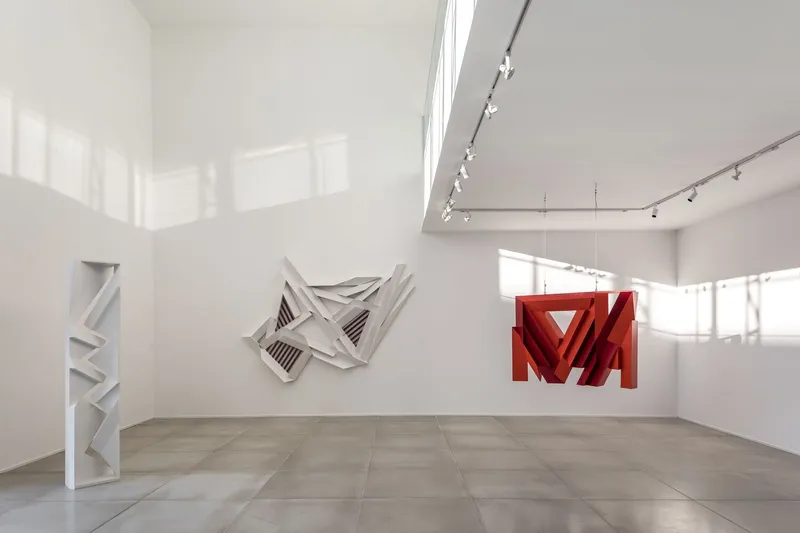
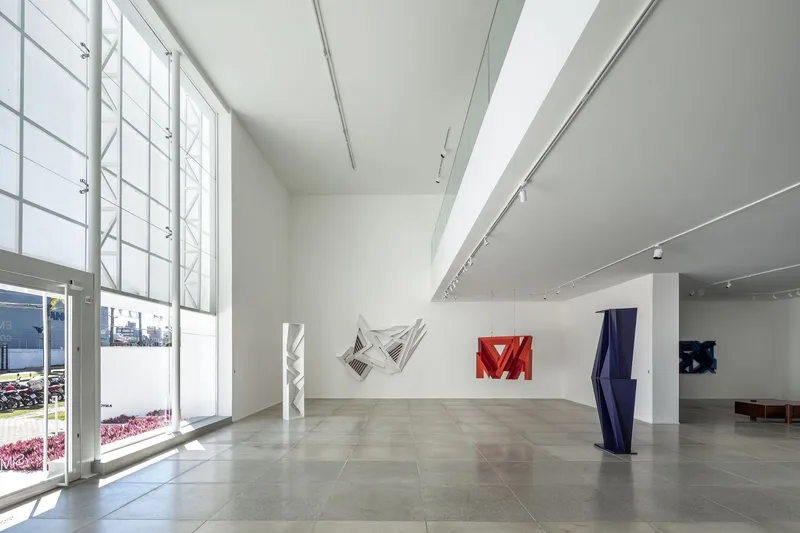
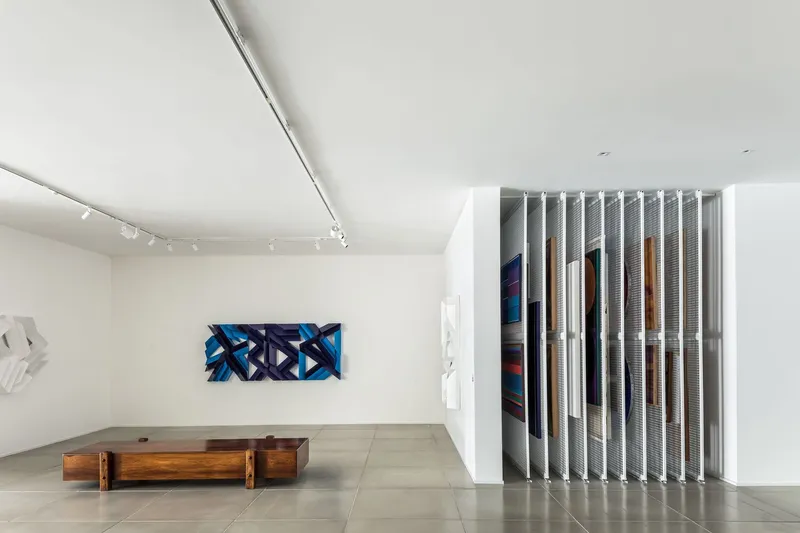
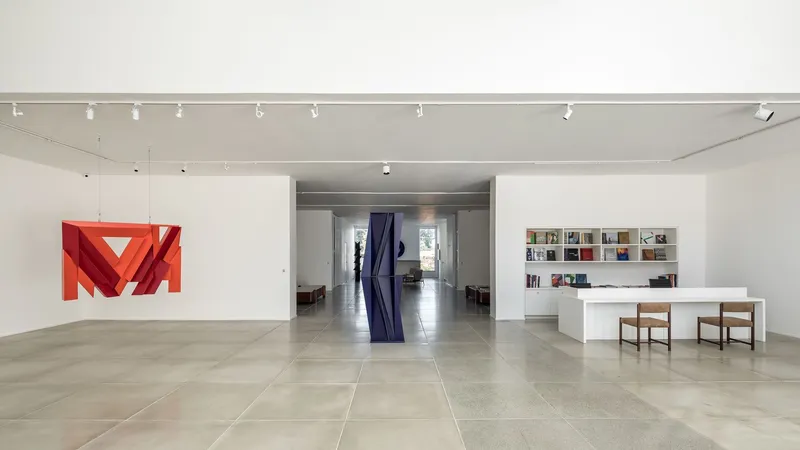
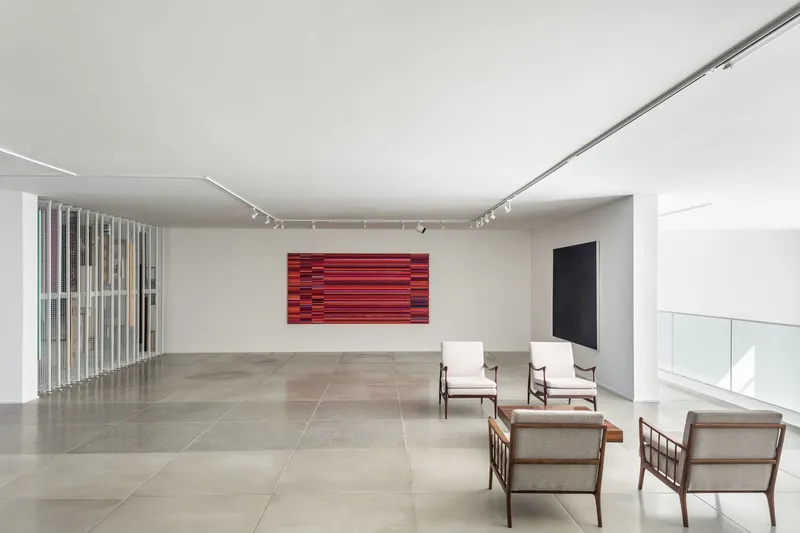
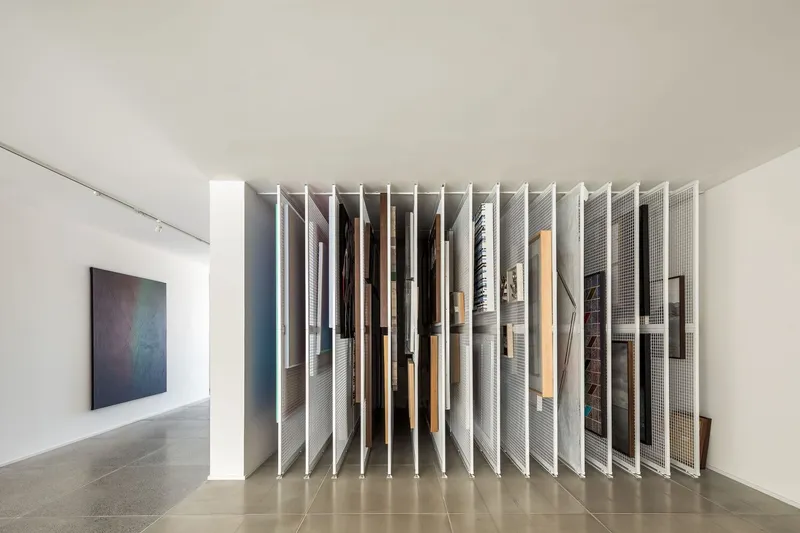
The gallery’s interior prioritizes versatility, enabling a variety of artistic formats—from large-scale installations to intimate exhibitions.
- Ground Floor: The double-height mezzanine at the entrance reaches over 7 meters, while the remaining spaces maintain 4-meter-high ceilings. This generous scale supports monumental artworks and immersive installations, allowing curators to continually reinvent the exhibition experience.
- Layout: A symmetrical floor plan organizes the space into two adaptable exhibition halls, complemented by a central café and lounge area that encourage social interaction, reflection, and dialogue.
- Upper Floor: Administrative offices share space with an additional exhibition hall that overlooks the mezzanine, reinforcing spatial connectivity and offering layered curatorial possibilities.
This balance between functionality and openness reflects Arquea Arquitetos’ commitment to designing environments that foster both cultural display and human connection.
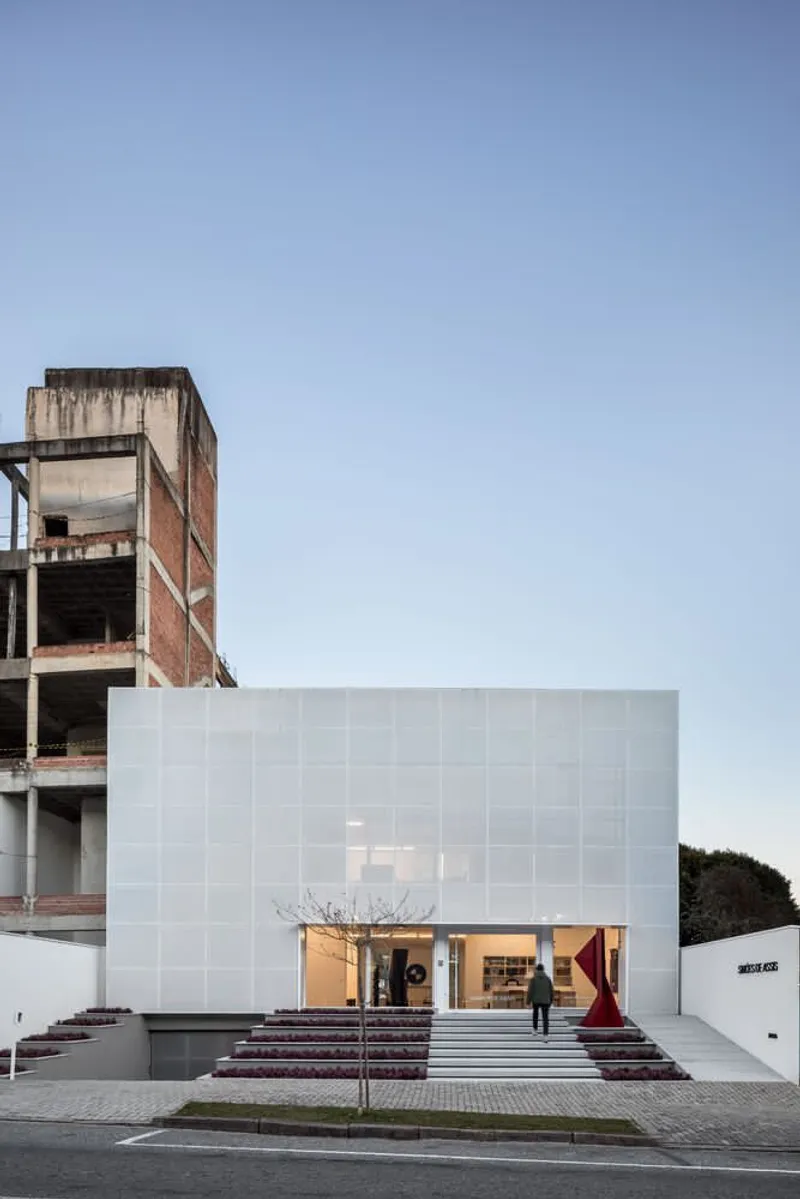
Architectural Transparency and Urban Integration
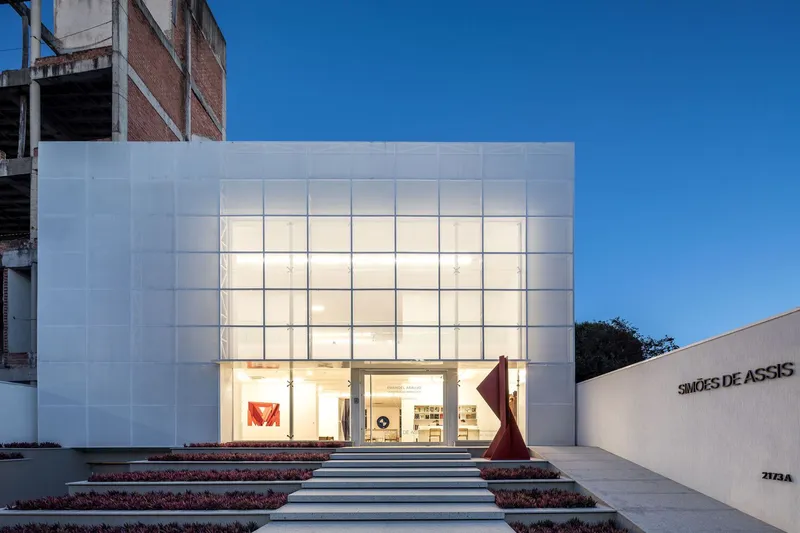
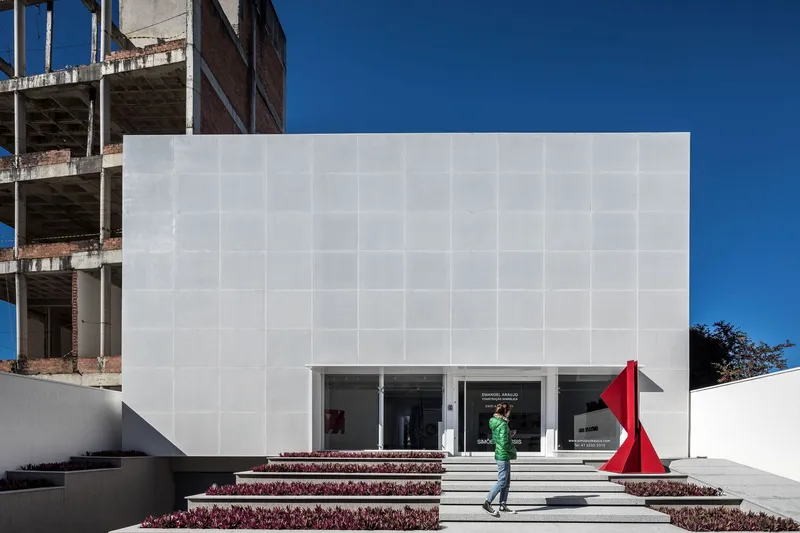
The existing glass façade of the building was preserved to strengthen the relationship between the gallery’s interior and the urban streetscape. The transparency blurs boundaries between public life and the world of art, making exhibitions visible to pedestrians and passersby.
To refine the façade’s performance, two key interventions were introduced:
- A redesigned entrance door, allowing easier logistics for the transport and installation of large-scale works.
- A perforated metal skin, composed of patterned metal plates, installed in front of the glass. This new architectural layer acts as a solar filter, protecting artworks from direct sunlight while maintaining transparency and visual dialogue with the street.
The façade becomes both a protective veil and an inviting gesture, reinforcing the gallery’s presence in the urban landscape.
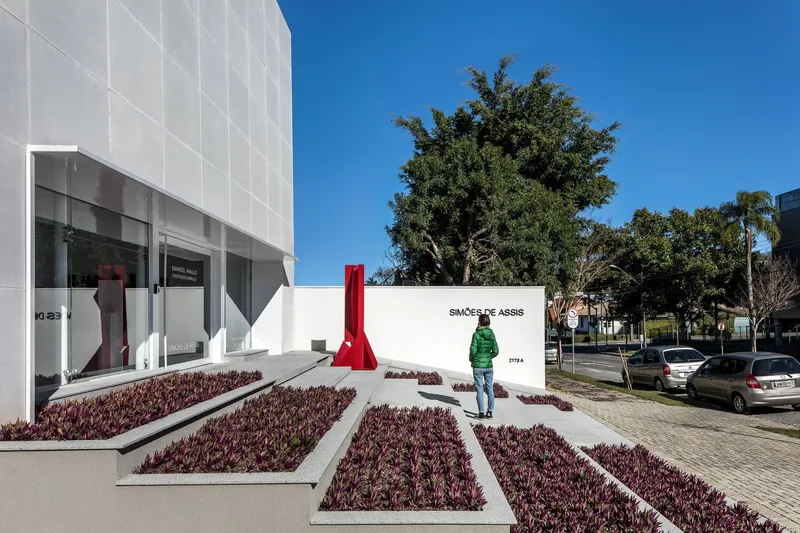

Landscape Design: A Pedestal for Art
The site’s steep setback between sidewalk and entrance posed a challenge but also inspired a distinctive solution. Instead of isolating the building, the architects designed a unifying staircase that stretches across the entire façade.
This gesture serves multiple purposes:
- It overcomes the slope while integrating the entrance sequence.
- It doubles as landscaped garden beds, softening the transition between public space and gallery.
- It acts as a podium or pedestal, elevating the gallery and reinforcing its architectural presence.
This thoughtful intervention transforms the approach to the gallery into a ritual of ascent, framing the building as an object of cultural value while remaining accessible and inviting.
A Gallery as a Cultural Bridge
The Simões de Assis Art Gallery is not just a space for displaying art; it is a cultural landmark that connects the city’s everyday life with contemporary artistic production. By combining sustainable renovation, flexible spatial design, and strong urban presence, Arquea Arquitetos created a building that both respects its context and elevates the public’s experience of art.
All photographs are works of
Eduardo Macarios


Popular Articles
Popular articles from the community


U.GA Architects Wraps an Oval Rooftop Pool in Curved Board-Formed Concrete on Busan's Jeollidan-gil
In Busan's Jeonpo-dong, a 454 m² mixed-use block stacks a neighborhood facility, guest rooms and an oval rooftop pool inside spiraling concrete walls.

longwave studio Reorganizes a 112 m² Tainan Apartment Around the Daily Routines of a Family and Two Cats
In Tainan, Taiwan, birch plywood, rust-red furniture and a freestanding plaster wall link arrival, storage, work and family life in one apartment.

GROUP A Strips a 1969 Rotterdam Harbor Headquarters to Its Frame and Wraps It in Timber Louvers
In Rotterdam's M4H harbor district, Ferro Offices reuses a 1969 frame, adds one timber storey and reaches BREEAM-NL Outstanding.

David Macias Steps a Doorless Stone and Plaster House Down a Tropical Colombian Hillside
In the humid hills of Colombia, Threshold House replaces the front door with an open void and terraces its 850 m² down the slope instead of fighting it.

Similar Reads
You might also enjoy these articles


Hodi-Mandai Geram
Project Function: Preservation and revitalization of the Intangible heritage and socio-spatial identity of the Hodi by Housing, Cultural Memory Center, Sacred Grove, landscape, local tourism economy


Olio Towers: A Mid-Rise for Performers That Fuses Housing, Rehearsal, and Stage
Located blocks from Houston's Theater District, this modular tower stacks living units around a central performance atrium.

Oasis: Modular Green Housing Carved into Dhaka's Urban Fabric
A shortlisted Plugin Housing entry reclaims unauthorized settlements in Dhaka with stepped concrete volumes, green roofs, and ventilation-driven design.

Black Hole: A Floating Megastructure for the Post-Physical Era
Emiliano Mazzarotto envisions a spherical, self-scaling arena where e-sports, digital hotels, and holographic stadiums replace traditional public space.

Explore Arquitetura E Urbanismo Competitions
Discover active competitions in this discipline

Challenge to reimagine the Iron Throne

Photograph architecture without architects

Illustrate the lost glory of Angkor Wat - Render Challenge

Design challenge to reuse E-waste
Comments (0)
Please login or sign up to add comments
No comments yet. Be the first to comment!