
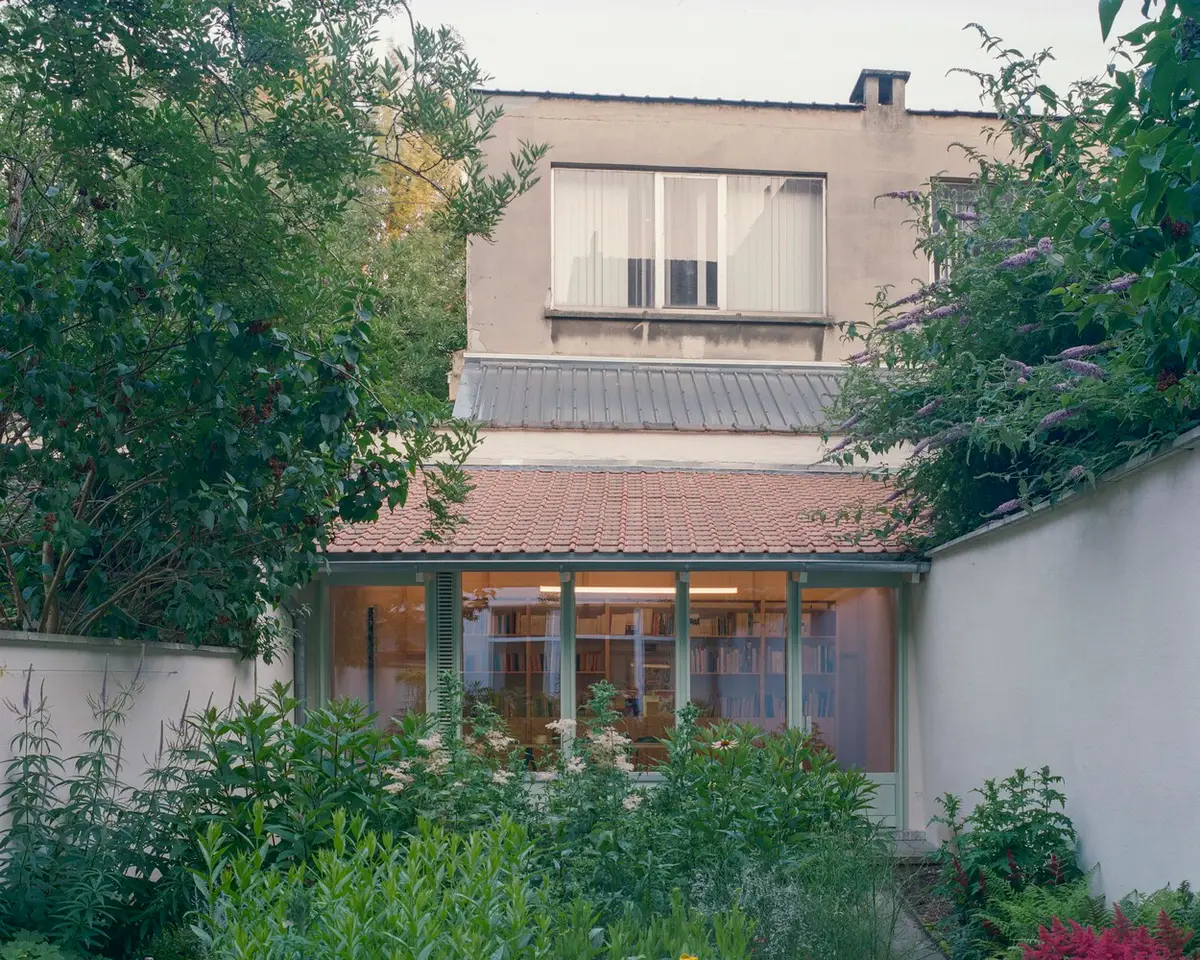
Sint-Joost Drawing Atelier by Wissel Architectuur Studio
A compact, furniture-like drawing atelier in a Brussels garden, crafted with three structural planes, natural light, and precise minimalist detailing.


A Compact Garden Studio Reimagined for Creative Work
The Sint-Joost Drawing Atelier in Saint-Josse-Ten-Noode, Belgium, is a thoughtful small-scale architectural intervention that transforms a forgotten garden structure into a finely crafted creative workspace. Designed by Wissel Architectuur Studio, the 20-square-meter project reinterprets the essence of the original garden house, replacing it with a refined, furniture-like studio tailored for artistic production.
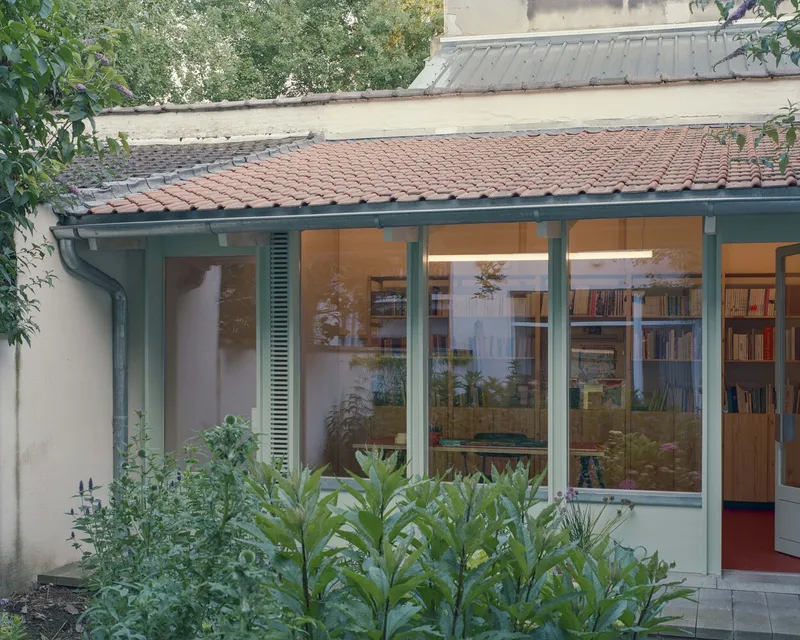
Reviving a Garden Through Architectural Precision
Hidden at the far end of a Brussels garden, the original outbuilding possessed charm but had deteriorated beyond repair. Instead of replicating it literally, the architects looked closely at its proportions, materials, and atmosphere—translating these qualities into a new contemporary structure that honors the spirit of the past.
The design team—Lennart Vandewaetere, Felix Schiettecatte, and Marius Vaneeckhoutte—conceived the new atelier as a sculpted object in the landscape. By focusing on clarity, simplicity, and craftsmanship, they created a studio that blends subtly into its garden surroundings while offering a serene environment for drawing and creative work.
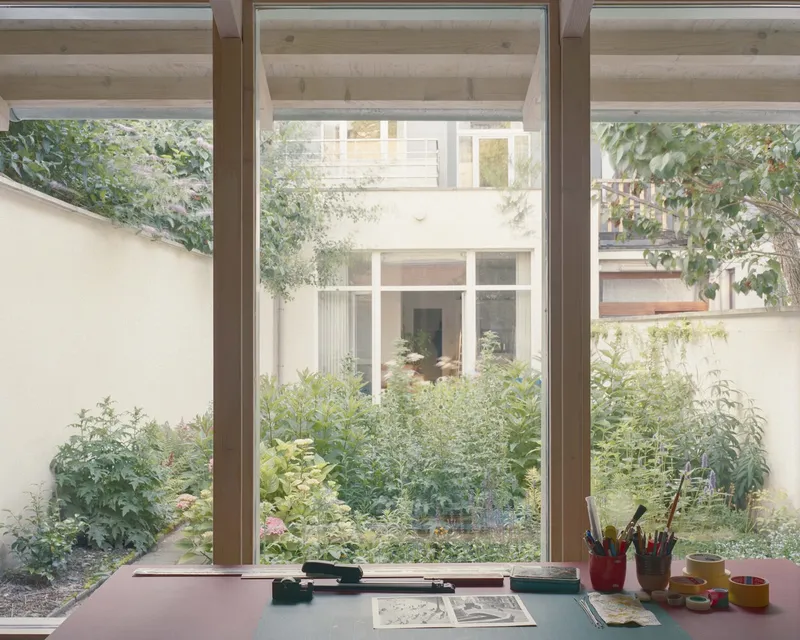
Three Planes Shaping a Furniture-Like Architecture
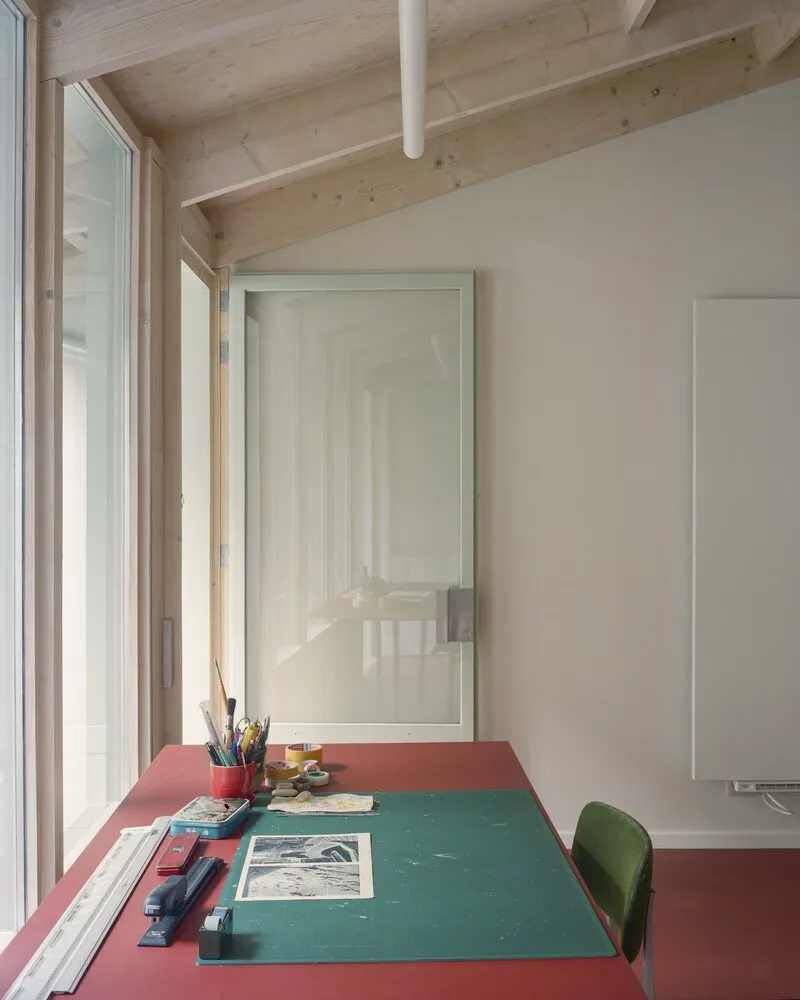
The project is structured around three essential planes: the façade, the roof, and the cabinetry. These elements form a coherent architectural language that feels calm, rational, and beautifully composed.
Each plane is part of a 5 x 5 x 5-meter structural rhythm, converging at a single construction node. This precise meeting point becomes the backbone of the project, giving the atelier the feel of a crafted piece of furniture rather than a conventional garden building. The cabinetry—meticulously integrated along the interior—provides storage, framing, and subtle spatial divisions that support the studio’s creative functions.
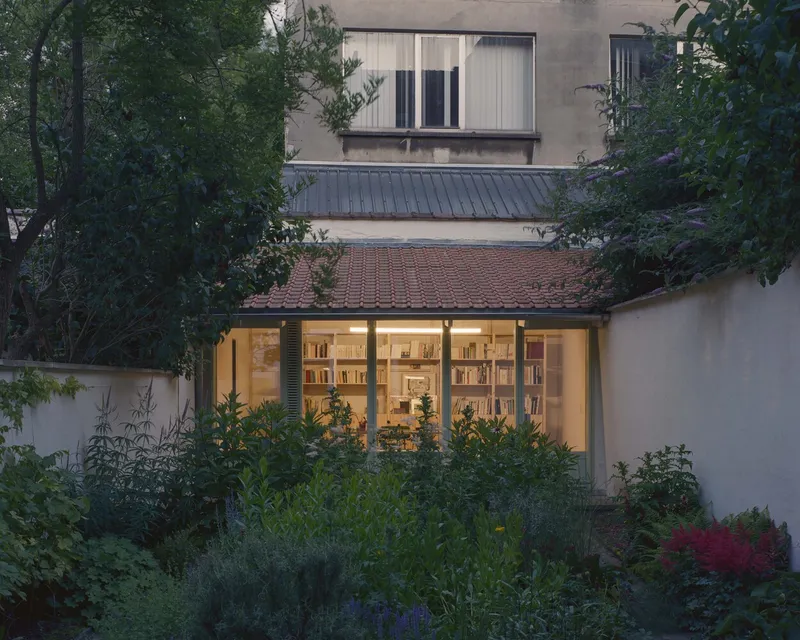
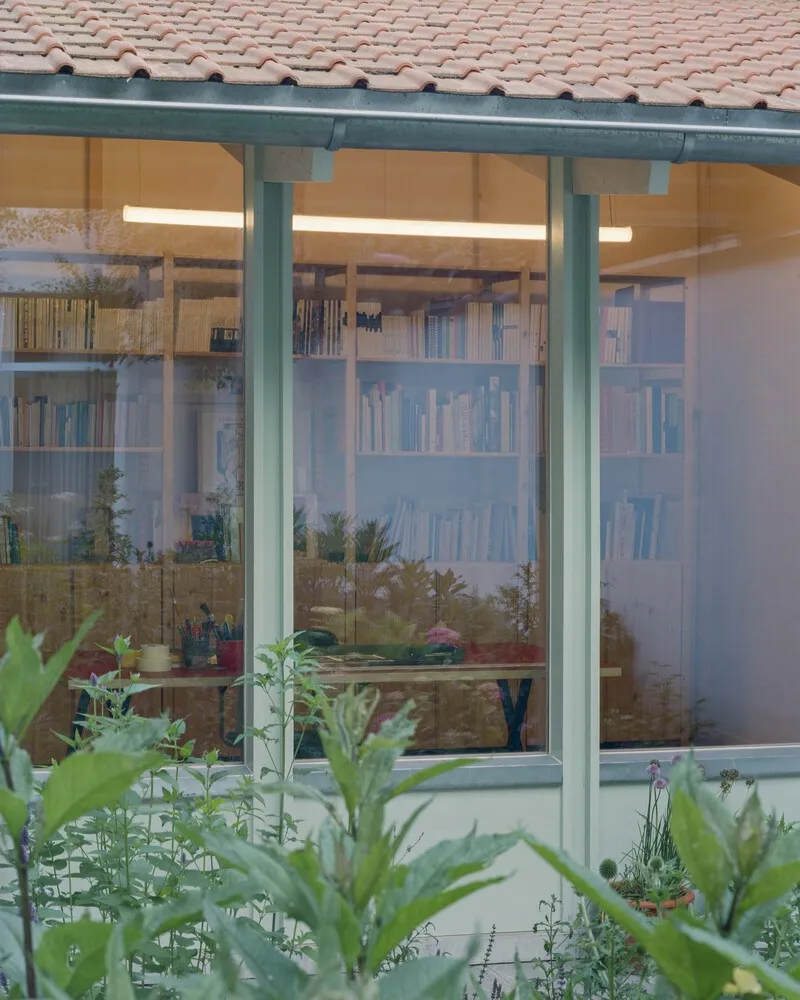
A Bright and Flexible Creative Space
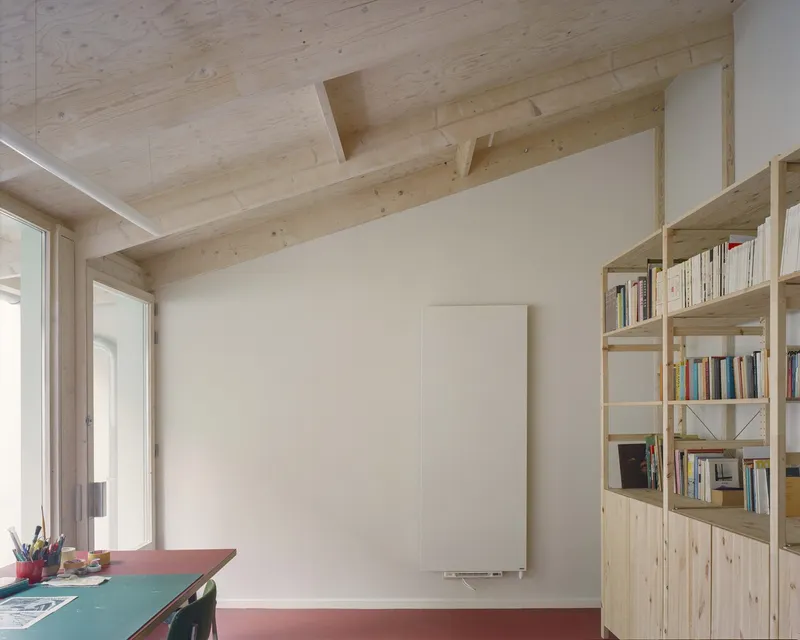
Large windows and a well-calibrated façade system bring soft natural light into the interior, essential for drawing and detailed artistic work. The combination of warm materials, thoughtful joinery, and clean geometries creates a sense of intimacy and focus.
The result is a compact yet generous workspace—engineered with the help of L.A.B.E.A.U.—that balances utility and aesthetics. Every element is intentional, from the shelving to the table placements, ensuring the interior maintains both openness and order.
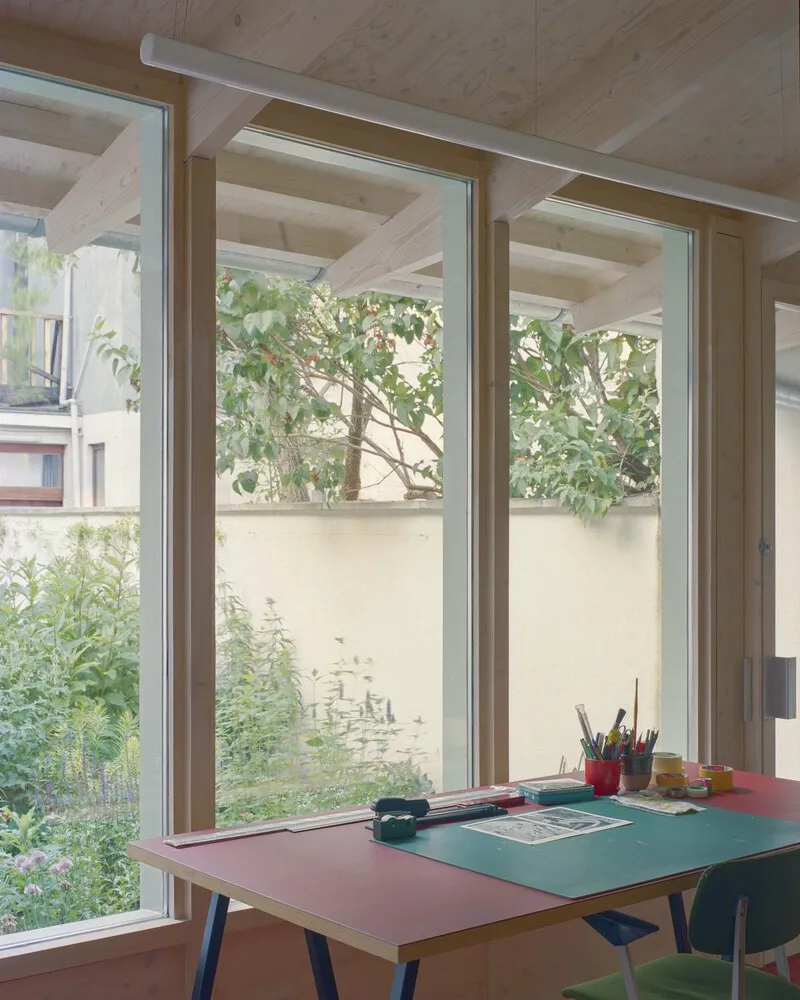
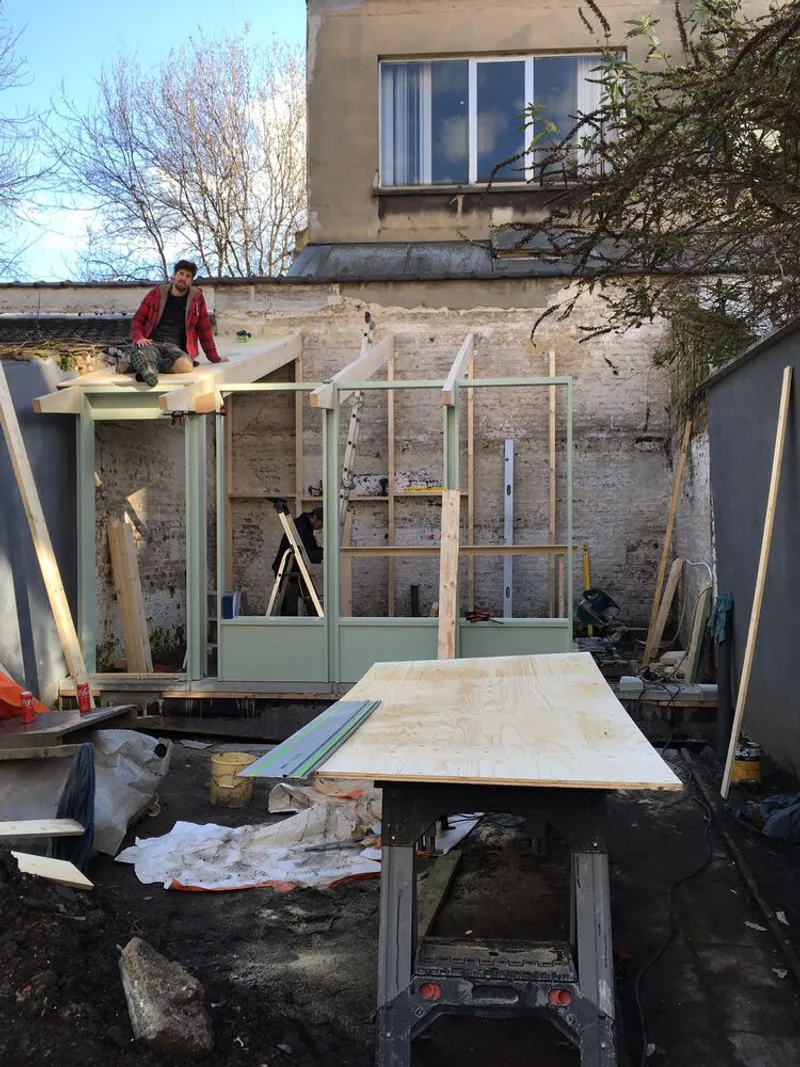
A Contemporary Interpretation of the Garden House
In its final form, the Sint-Joost Drawing Atelier stands as a quiet architectural gem—small in size, yet rich in spatial discipline and craftsmanship. It demonstrates how careful design can elevate a simple garden structure into a meaningful and inspiring environment for creative practice.
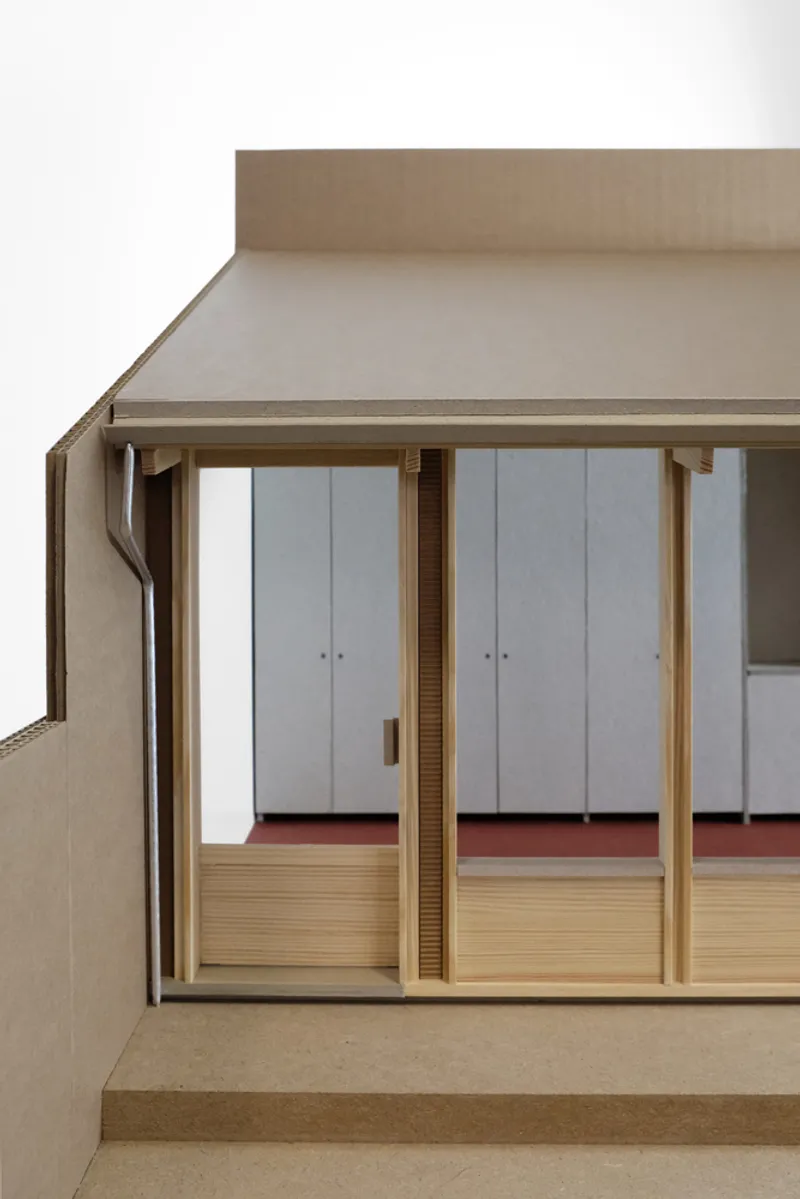
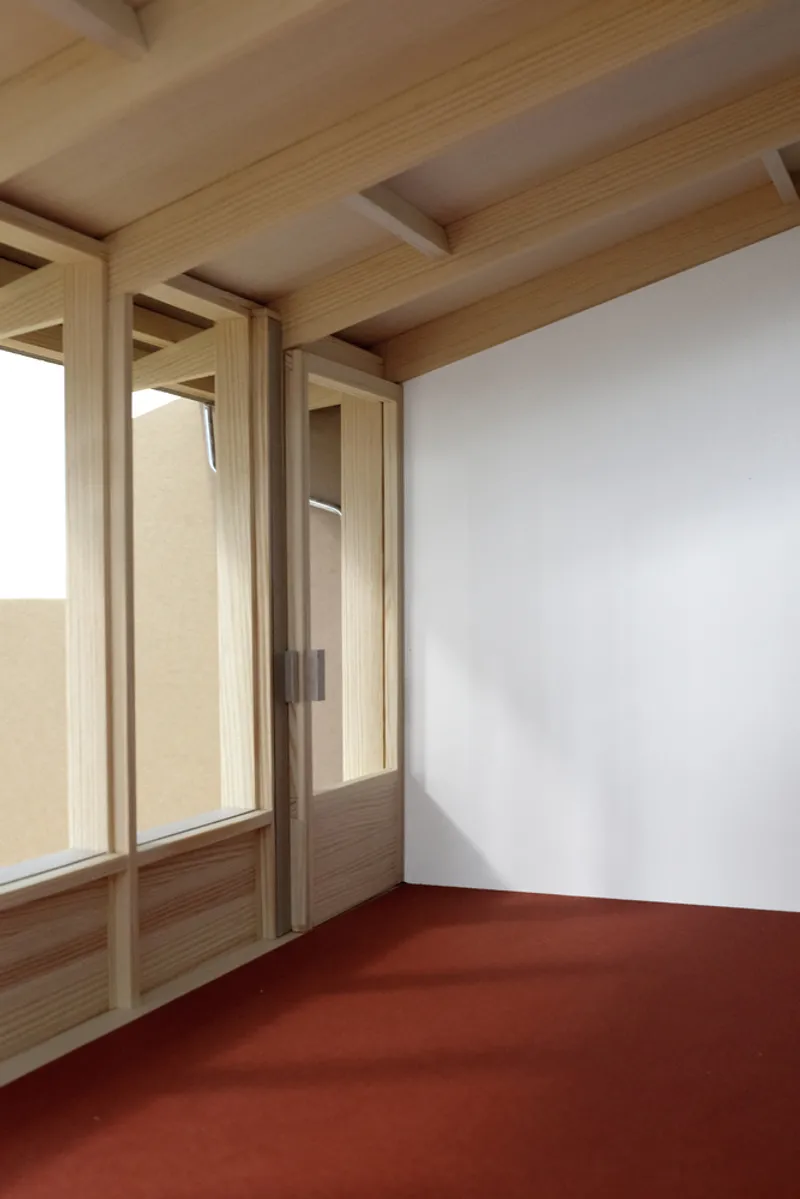
All photographs are works of Severin Malaud, wissel architectuur studio


Popular Articles
Popular articles from the community


Aquadapt: An Underwater Habitat That Rewrites Its Rooms by the Hour
Curved modules ring the seabed while one shell shifts from breakfast room to cinema, farm and football pitch as residents' needs change.

Singing Woman: An Opera House That Performs Before the Curtain Rises
Ovidiu Cristian Pavel's conceptual opera house translates Estonia's choral identity into a sculpted waterfront landmark facing the Baltic Sea.

Opera on the Sea: Driftwood Logic Shapes a Timber Opera House on Estonia's Coast
Trevor Orgill's opera house translates the entangled drift of floating timber into a civic building where wood, water, and music converge.


FCC Arquitectura Expands a Portuguese Granite House with a Board-Marked Concrete Wing
In Portugal, JV House pairs a cleaned-up whitewashed and granite dwelling with a timber-shuttered concrete extension, courtyards and a garden pool.

Similar Reads
You might also enjoy these articles


Hodi-Mandai Geram
Project Function: Preservation and revitalization of the Intangible heritage and socio-spatial identity of the Hodi by Housing, Cultural Memory Center, Sacred Grove, landscape, local tourism economy


Olio Towers: A Mid-Rise for Performers That Fuses Housing, Rehearsal, and Stage
Located blocks from Houston's Theater District, this modular tower stacks living units around a central performance atrium.

Oasis: Modular Green Housing Carved into Dhaka's Urban Fabric
A shortlisted Plugin Housing entry reclaims unauthorized settlements in Dhaka with stepped concrete volumes, green roofs, and ventilation-driven design.

Black Hole: A Floating Megastructure for the Post-Physical Era
Emiliano Mazzarotto envisions a spherical, self-scaling arena where e-sports, digital hotels, and holographic stadiums replace traditional public space.

Explore Atelier Competitions
Discover active competitions in this discipline

Challenge to reimagine the Iron Throne

Photograph architecture without architects

Illustrate the lost glory of Angkor Wat - Render Challenge

Design challenge to reuse E-waste
Comments (0)
Please login or sign up to add comments
No comments yet. Be the first to comment!