
Siyadi Pearl Museum by Studio Anne Holtrop: A Landmark of Heritage Museum Architecture in Bahrain
A poetic museum in Bahrain that reinterprets pearling heritage through innovative materiality and timeless heritage museum architecture.


Honoring the Pearling Legacy Through Architecture
Located in the historic town of Muharraq, Bahrain, the Siyadi Pearl Museum by Studio Anne Holtrop is a remarkable embodiment of heritage museum architecture, blending cultural memory with contemporary spatial expression. The museum is part of the UNESCO-listed Pearling Path and serves as a testament to the island’s millennia-old relationship with the sea and its pearl trade. Through architectural restoration and innovation, the museum breathes new life into the physical remnants of the pearling economy, preserving its essence while presenting it anew.
Pearling Economy and the Cultural Fabric of Bahrain
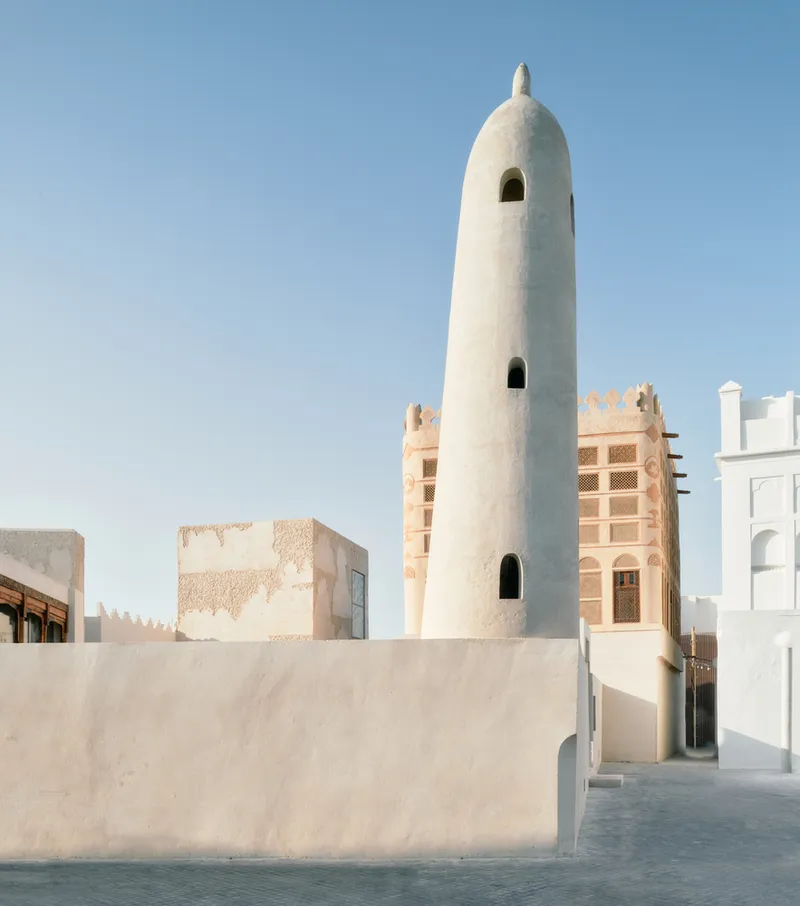
For centuries, Bahrain stood at the center of the Gulf's pearling economy. The island attracted divers, captains, merchants, and craftsmen whose livelihoods were woven into the seasonal rhythm of the pearl trade. Central to this ecosystem were the families of Muharraq—especially the Siyadis—whose majlis (meeting houses) were gathering spaces for international pearl negotiations. The Siyadi Majlis, in particular, is a rare architectural relic that once hosted pearl buyers from India, Europe, and beyond. This site forms the nucleus of the new museum.

Reviving History Through Architectural Restoration
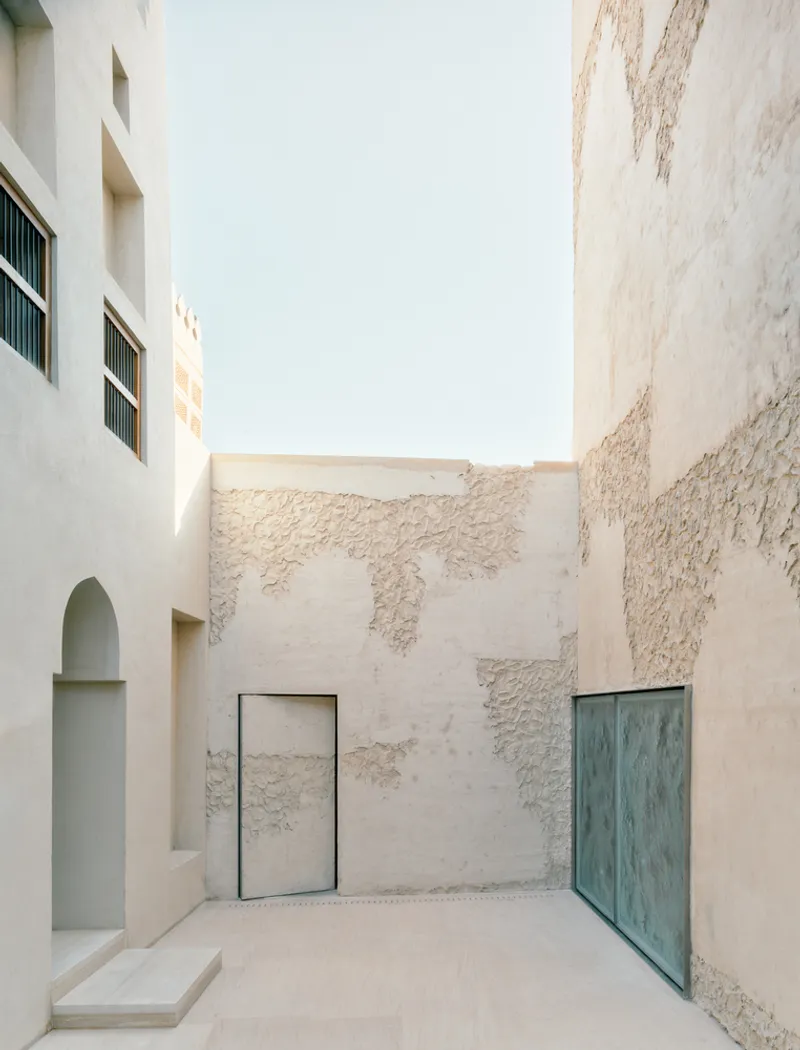
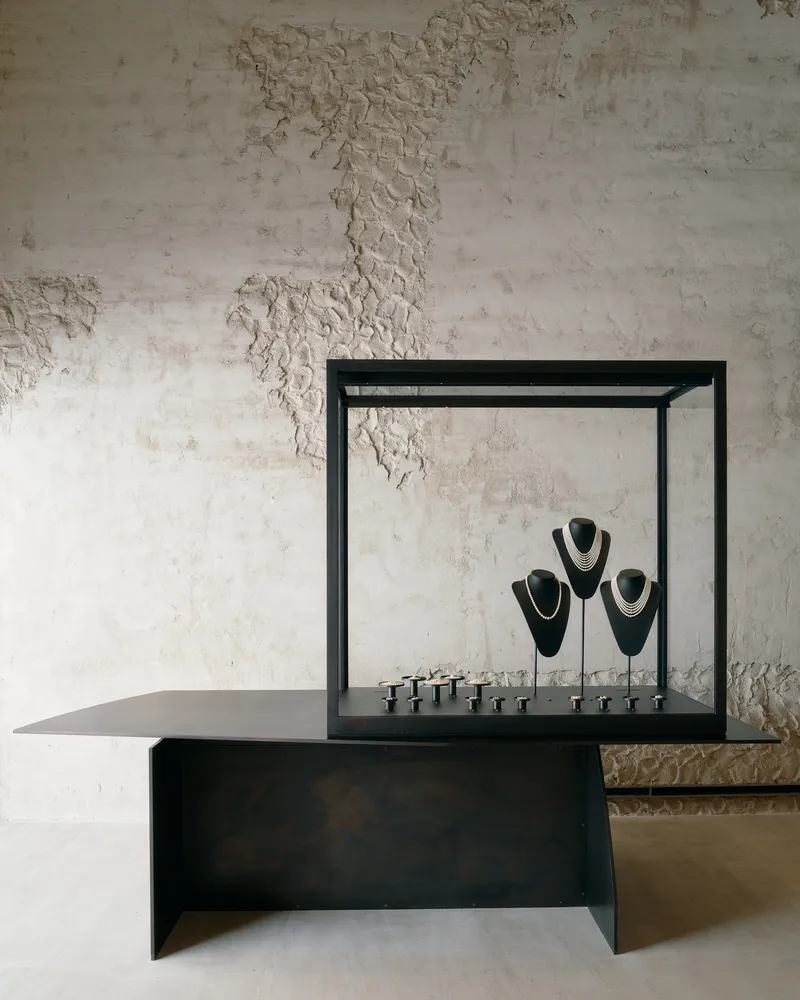
The renovation of the Siyadi Majlis and its neighboring mosque began with careful removal of incompatible additions that had accumulated over time. Studio Anne Holtrop restored the original structure by re-extending existing walls based on uncovered foundations. These interventions respect the building’s spatial DNA while creating new rooms to house exhibitions of historic pearl jewelry, including pieces from the Bahrain National Museum, Mattar Jewelers, and Cartier Collection.

Material Memory: Coral Stone and Plaster Craft
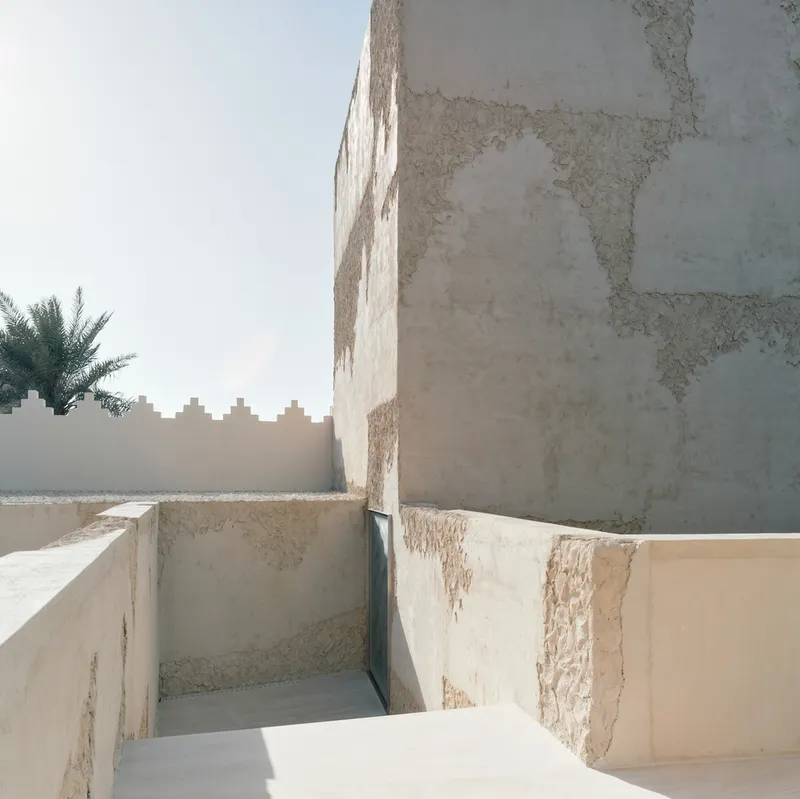
Historically constructed using coral stone—locally known as froush—and finished with lime-based plaster, the restored building retains its regional authenticity. The traditional plaster technique involves a two-layer process: a rough base thrown by hand and a fine decorative layer that often includes carved gypsum reliefs and painted motifs. The guestroom of the Siyadi Majlis, with its rare ornamental surfaces, is among the most artistically rich interiors in Muharraq.
A New Language of Plastering
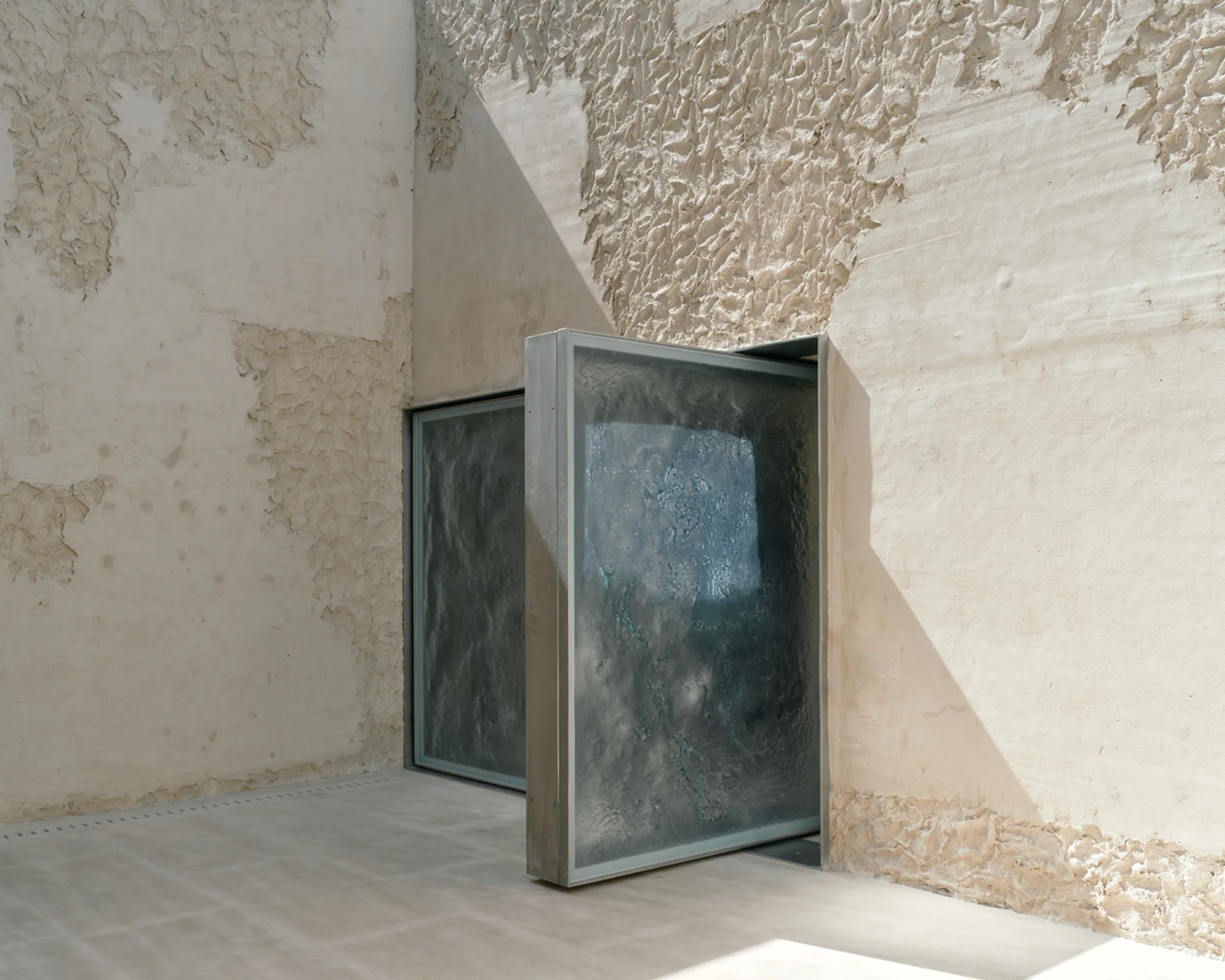
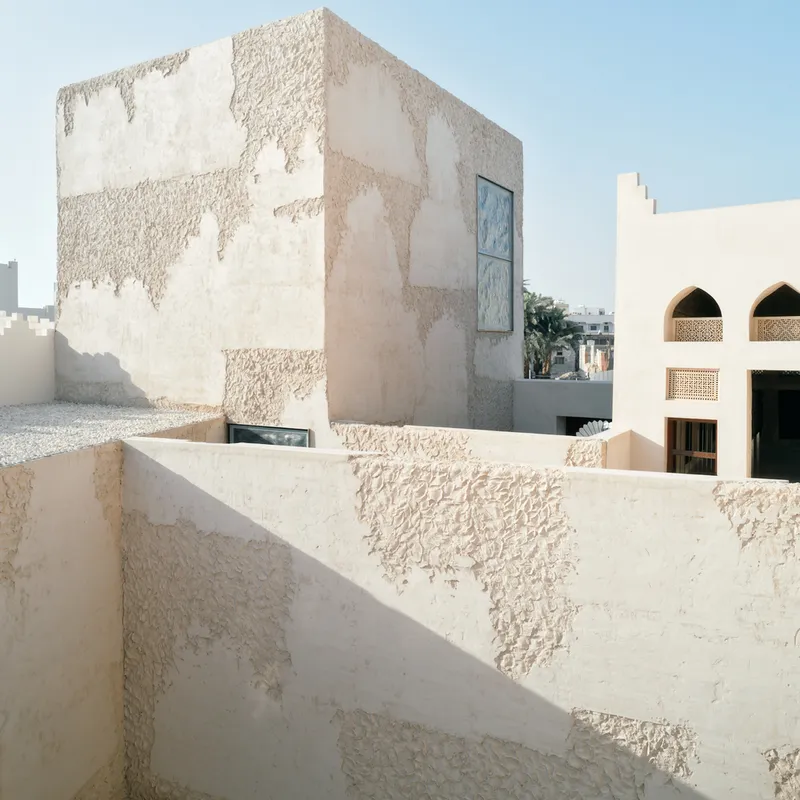
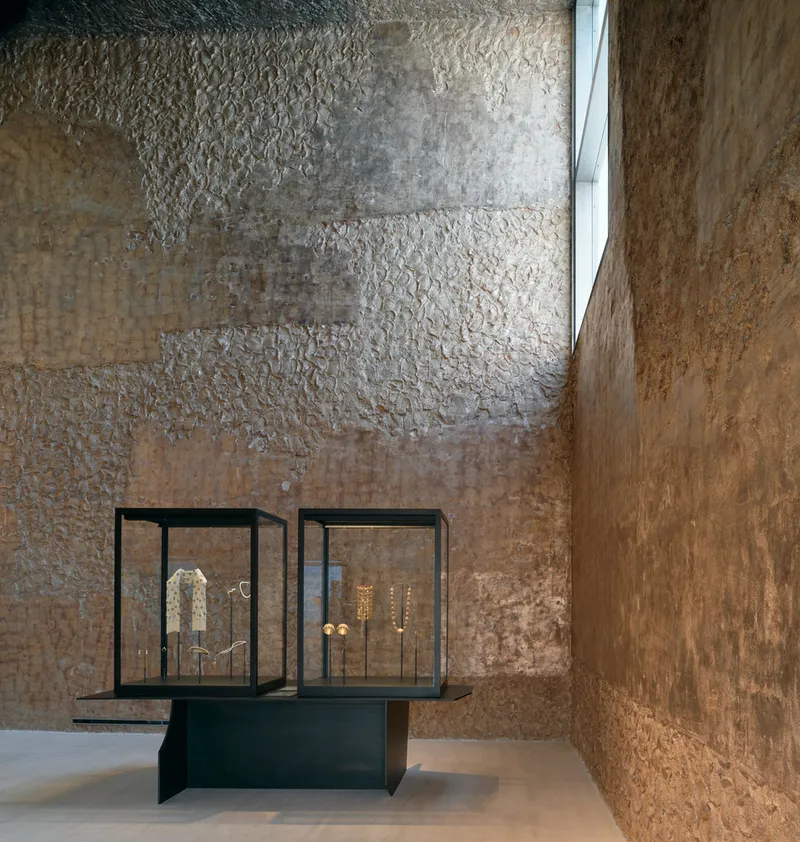
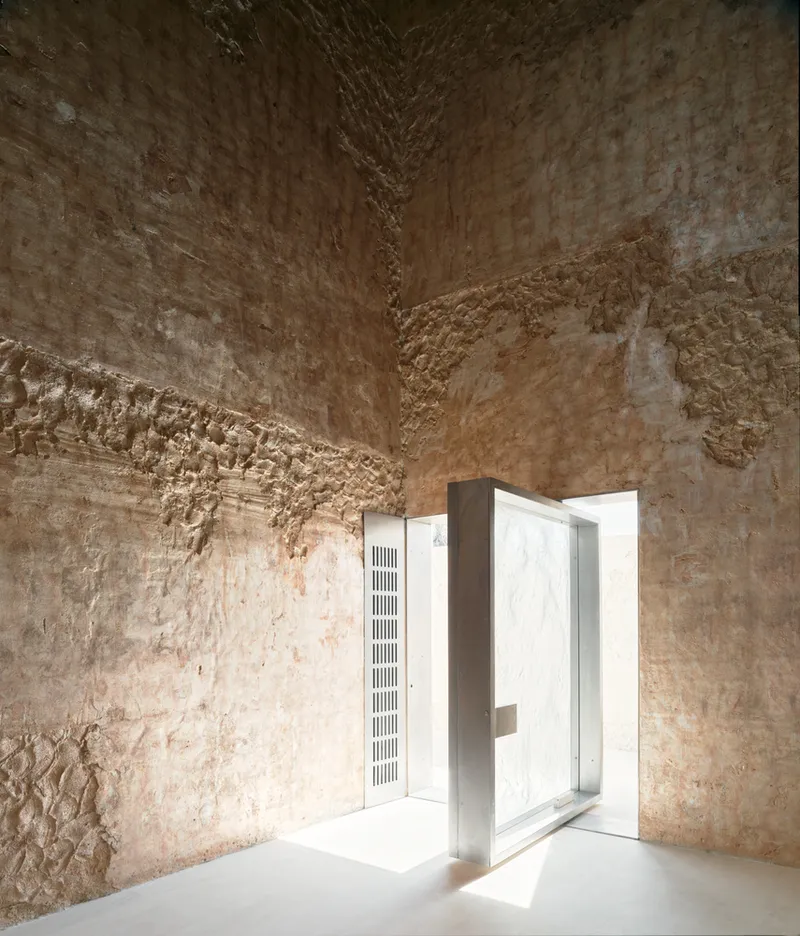
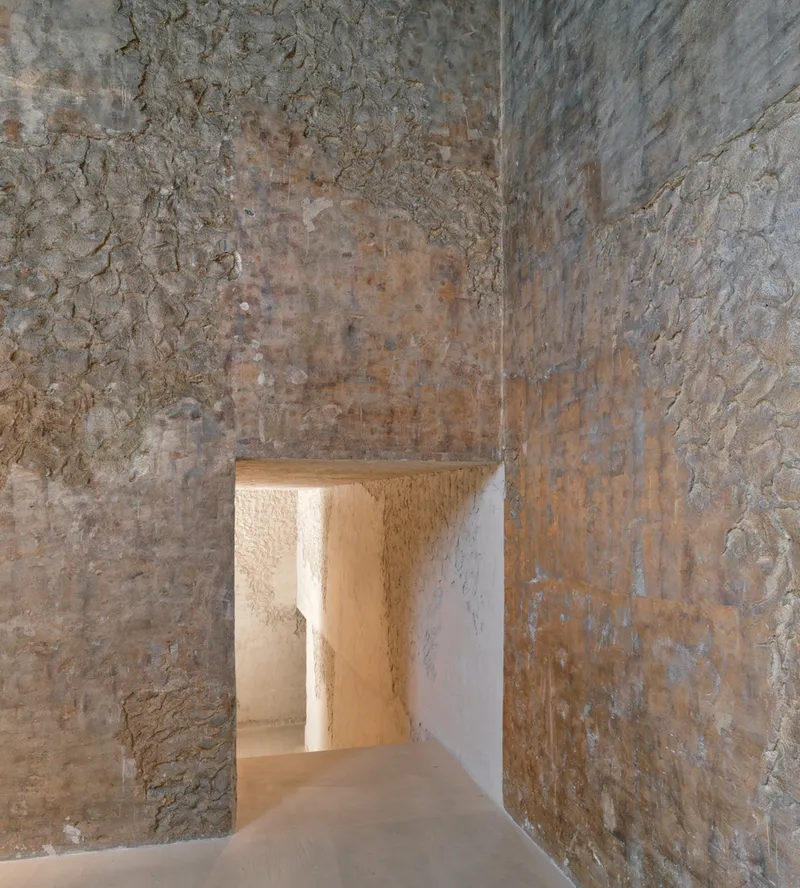
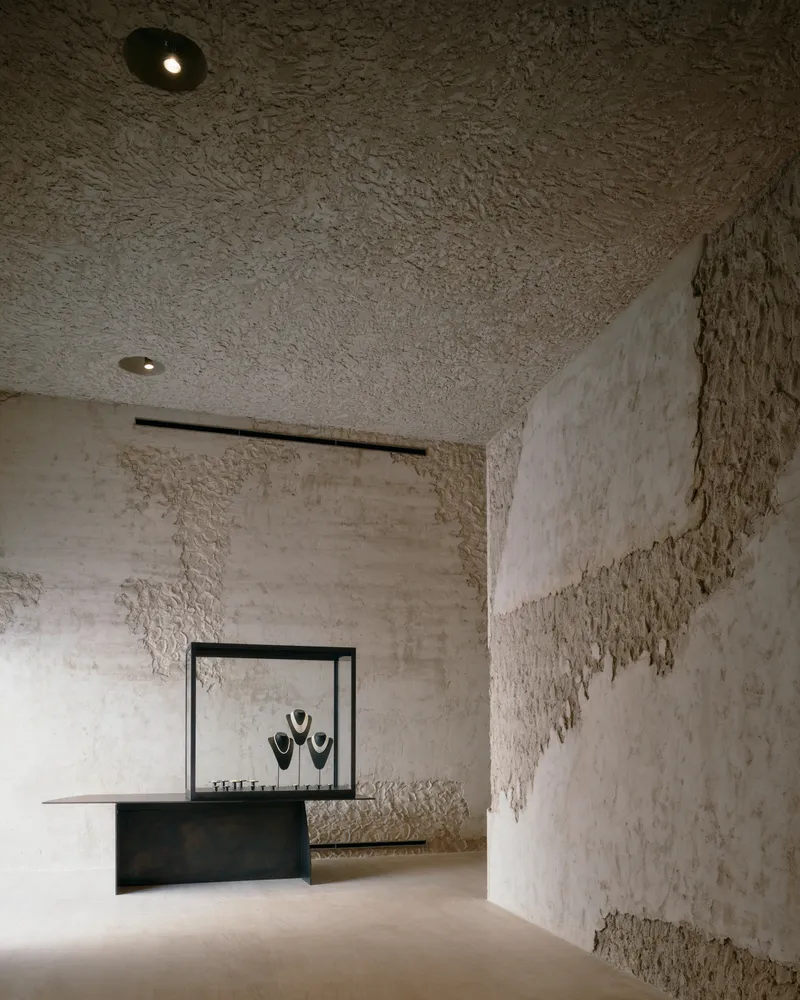
To distinguish between old and new, the architects developed a unique plastering method. The new technique keeps both plaster layers visible—creating a rich visual dialogue between roughness and refinement. A smooth, irregular finish is applied only up to a certain height, allowing the bottom layer to remain exposed. This subtle yet expressive gesture honors historical construction while asserting a contemporary identity rooted in craft.
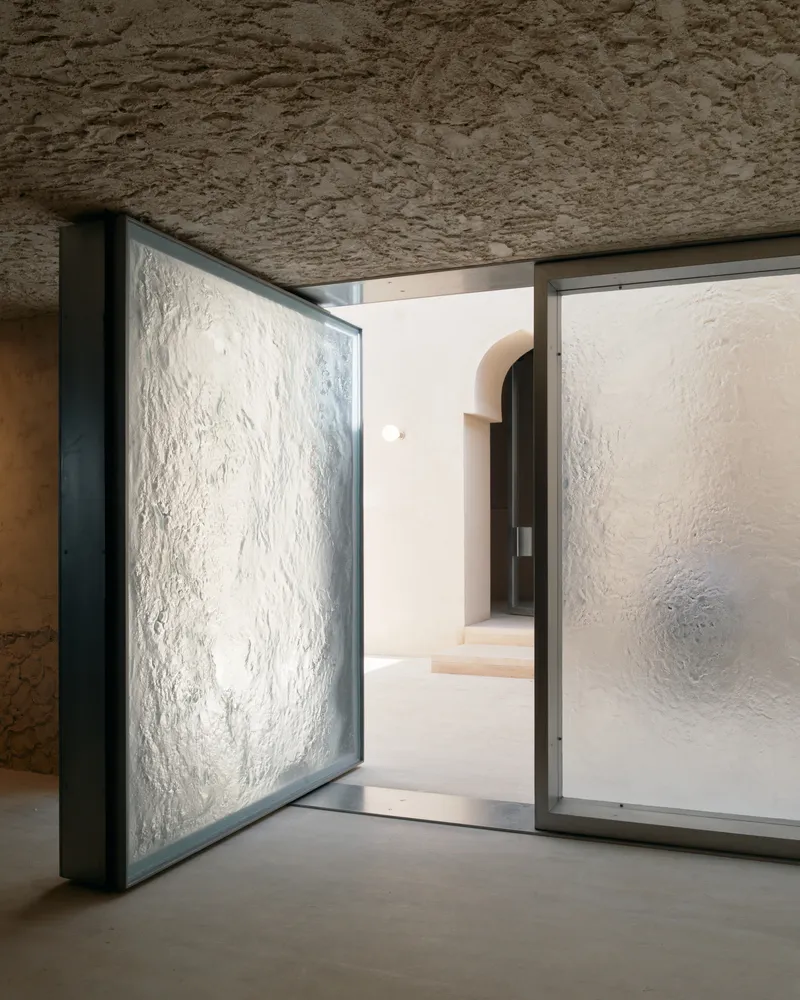
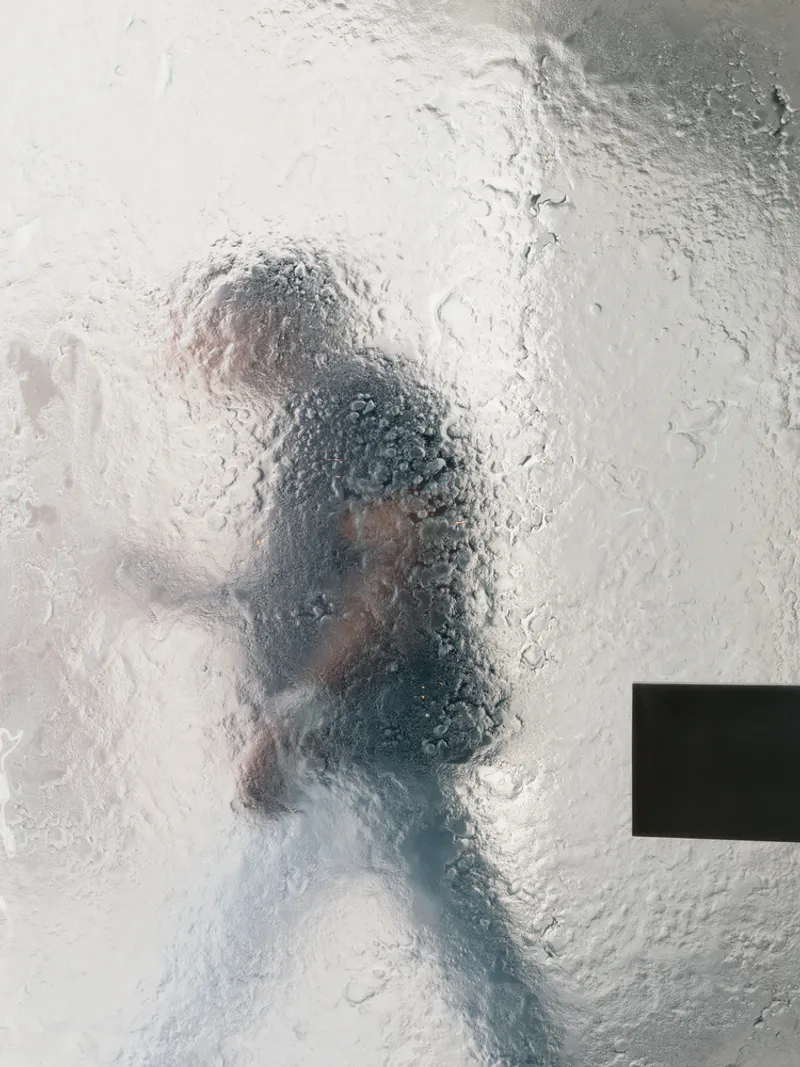
Light, Silver, and Spatial Drama
In the museum's central exhibition hall, which rises to a height of seven meters, the walls are finished with silver foil. Over time, silver naturally oxidizes, taking on a soft golden patina that echoes the historical richness of the original Siyadi interiors. This luminous quality evokes the shimmer of pearls and the Gulf waters, adding a poetic layer to the architectural experience.

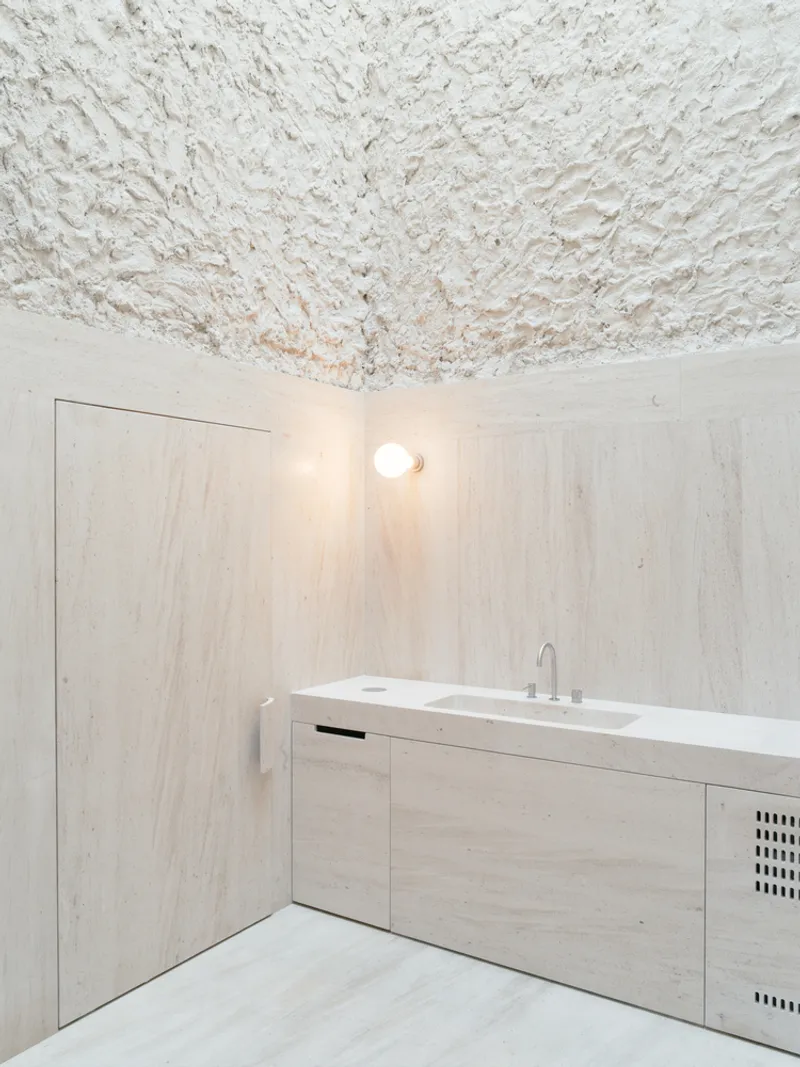
A Museum Anchored in Memory and Innovation
The Siyadi Pearl Museum is more than a building—it is an interpretive vessel. Through minimal yet meaningful design decisions, Studio Anne Holtrop bridges past and present, reactivating Bahrain’s pearling narrative within spaces that feel both timeless and tactile. The museum stands as a critical example of heritage museum architecture, demonstrating how adaptive reuse and cultural preservation can converge through architectural craft and historical sensitivity.
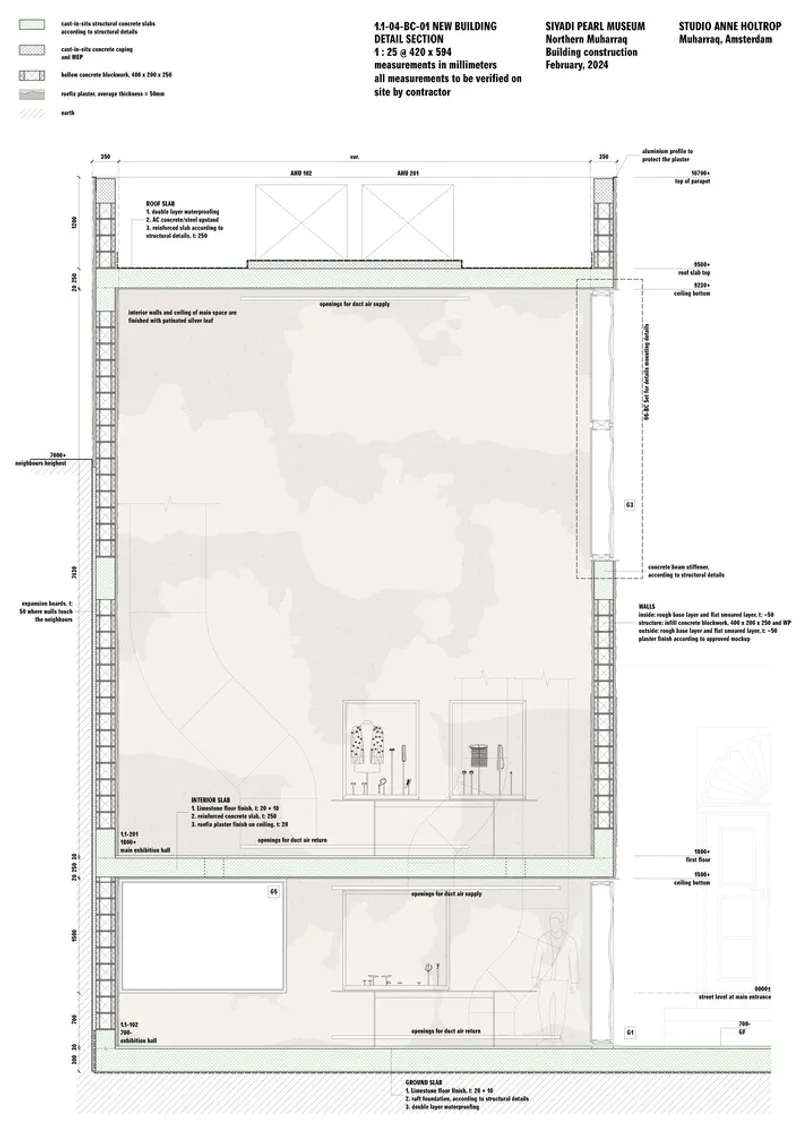
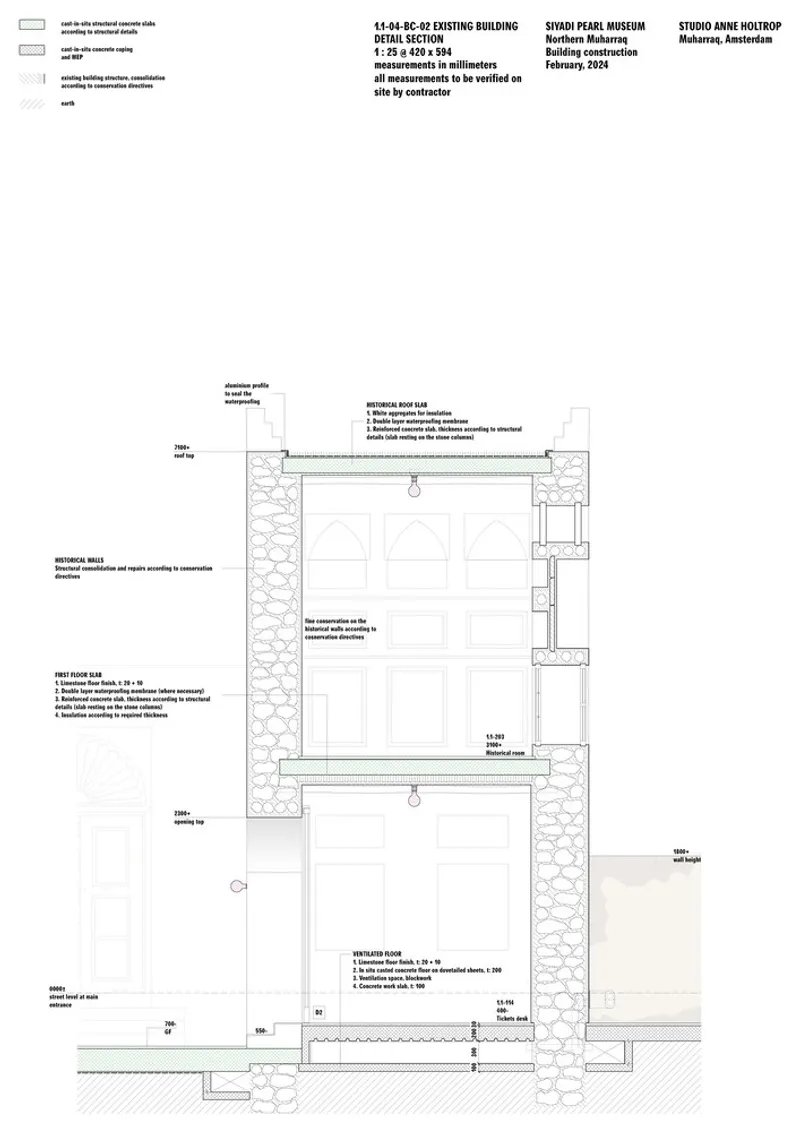
All photographs are works of Anne Holtrop




Popular Articles
Popular articles from the community


Co-life: Sustainable Architecture for Age-Friendly Community Living
Co-life reimagines sustainable architecture for seniors through courtyards, rammed earth, shared gardens, and spaces designed for belonging.

The Earth Pod: 3D Printed Homes for Resilient Refugee Communities
The Earth Pod reimagines refugee housing through 3D printed homes made from clay, combining resilience, self-sufficiency, and rapid shelter.

Hill & Cross Opera: Sculptural Opera House Architecture Shaped by Tallinn’s Landscape and Identity
Hill & Cross Opera reimagines opera house architecture in Tallinn through its sculptural hill, civic plaza, glass wave and a luminous cross.

AL-JANNAH: Sustainable Architecture and Permaculture for Afghan Widows
AL-JANNAH uses sustainable architecture and permaculture to create resilient oasis of housing, learning, work and renewal for Afghan widows.


Similar Reads
You might also enjoy these articles

Bamboo Housing Challenge 2026: Design Affordable, Sustainable Homes Using Bamboo
An international design competition by Bamboo U and IBUKU inviting architects and designers to reimagine affordable housing using bamboo — with the winning design built full-scale in Bali.

Computational Design & Education: Beegraphy Design Awards Introduces 7th Category (Featuring Jiyun's Innovative Approach)
Dive into Beegraphy’s 7th Design Awards category, where computational design meets education to create immersive, interactive learning tools, inspired by Jiyun’s work.
From Parametric Lighting to Urban Furniture: Join the 2nd Workshop in Beegraphy’s Computational Design Series
Dive into Cutting-Edge Design Techniques and Practical Applications with Industry Experts

Last Call: Unleash Your Architectural Genius in SHAK's Kindergarten Design Competition
Urgent call for architects to join SHAK's kindergarten design competition before the looming deadline

Explore Architecture Competitions
Discover active competitions in this discipline



Challenge to reimagine the Iron Throne


Photograph architecture without architects


Illustrate the lost glory of Angkor Wat - Render Challenge


Design challenge to reuse E-waste
Comments (0)
Please login or sign up to add comments
No comments yet. Be the first to comment!