
Spalihof Houses Switzerland: Sustainable Village Densification by Seilerlinhart
Spalihof Houses in Switzerland combine sustainable timber design, historic preservation, and community-oriented spaces, redefining rural densification for future living.


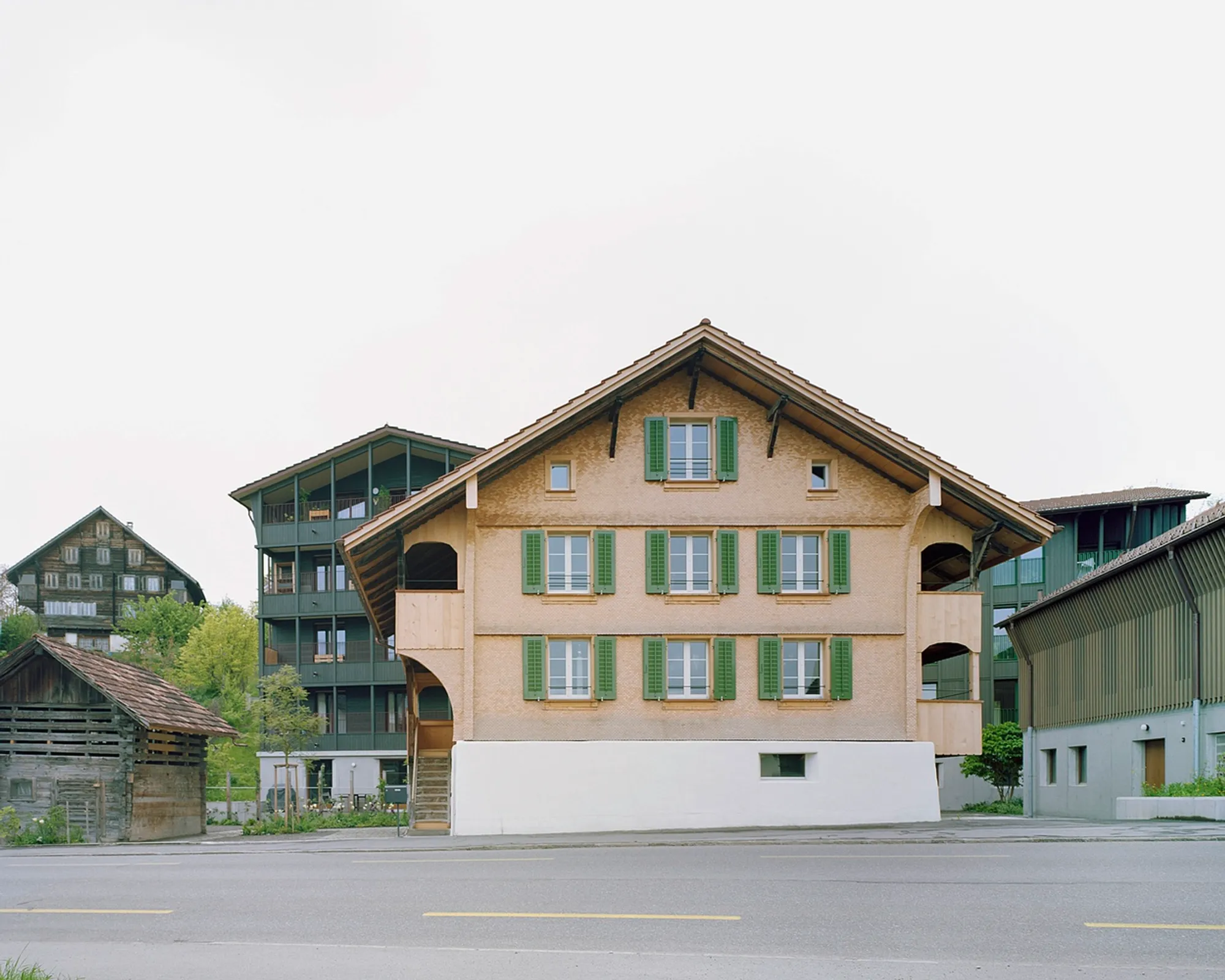
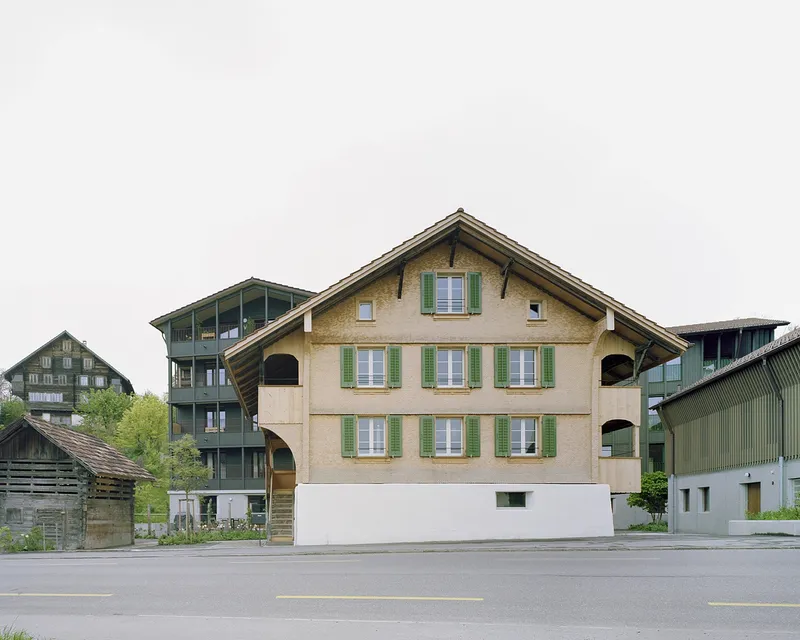
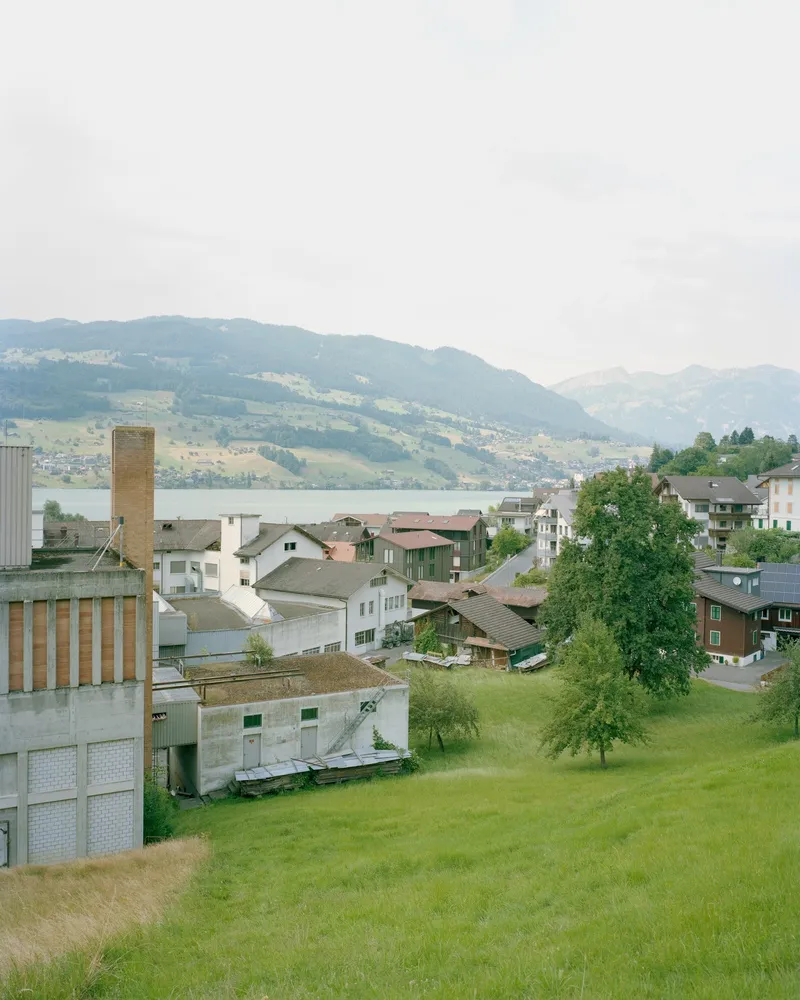
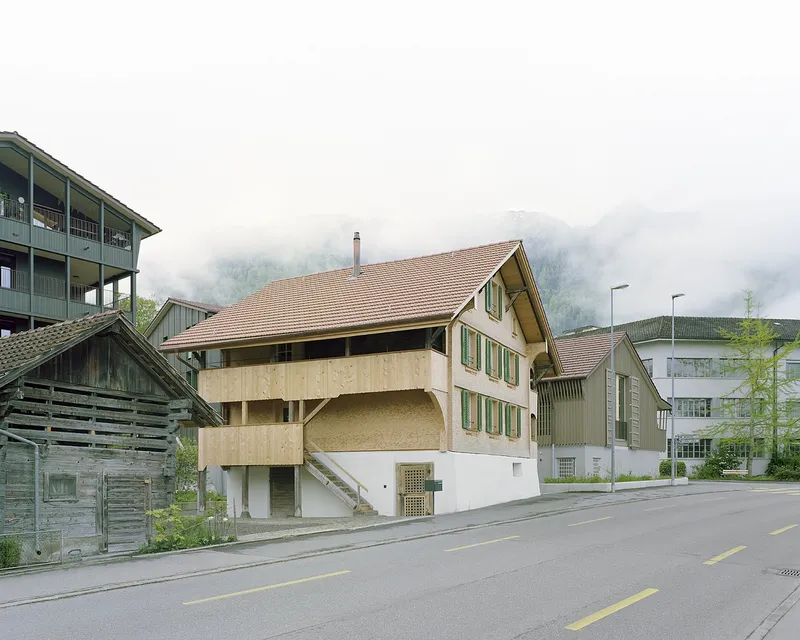
The Spalihof Houses in Sachseln, Switzerland, designed by Seilerlinhart, represent an innovative approach to village densification that harmonizes contemporary living with heritage preservation. By integrating three new timber buildings with the historic Spalihaus dating back to 1463, this project addresses one of the most pressing issues in rural development: how to accommodate larger residential volumes within a small-scale, culturally sensitive context.
Densification Challenges and Design Response
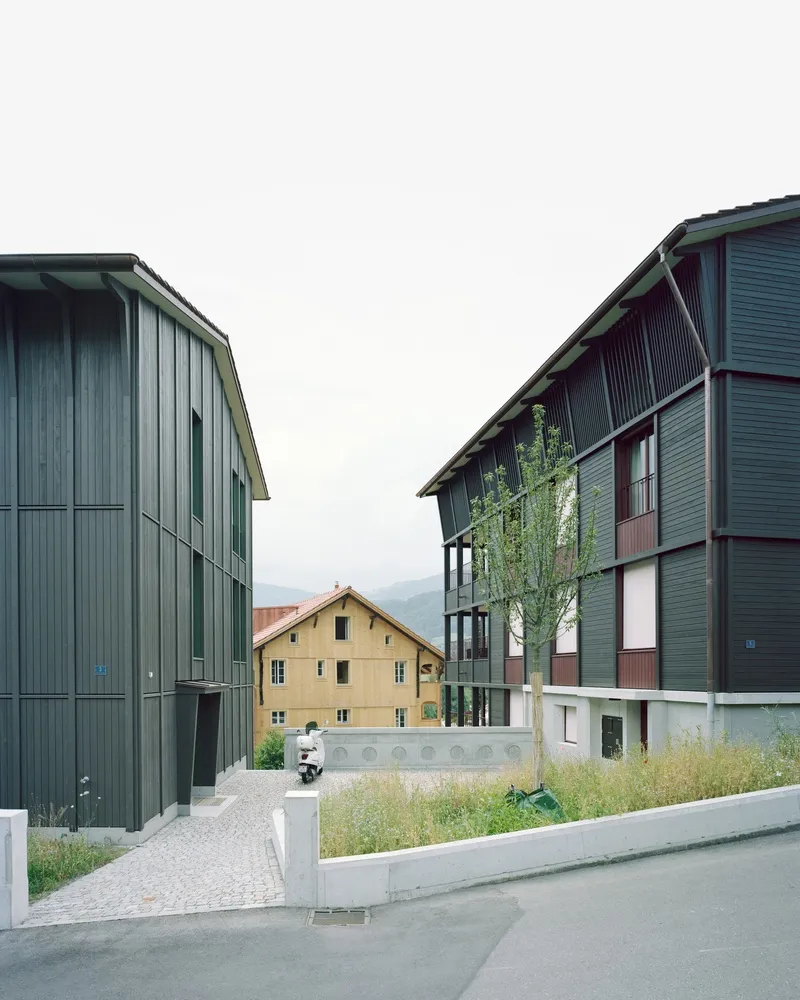
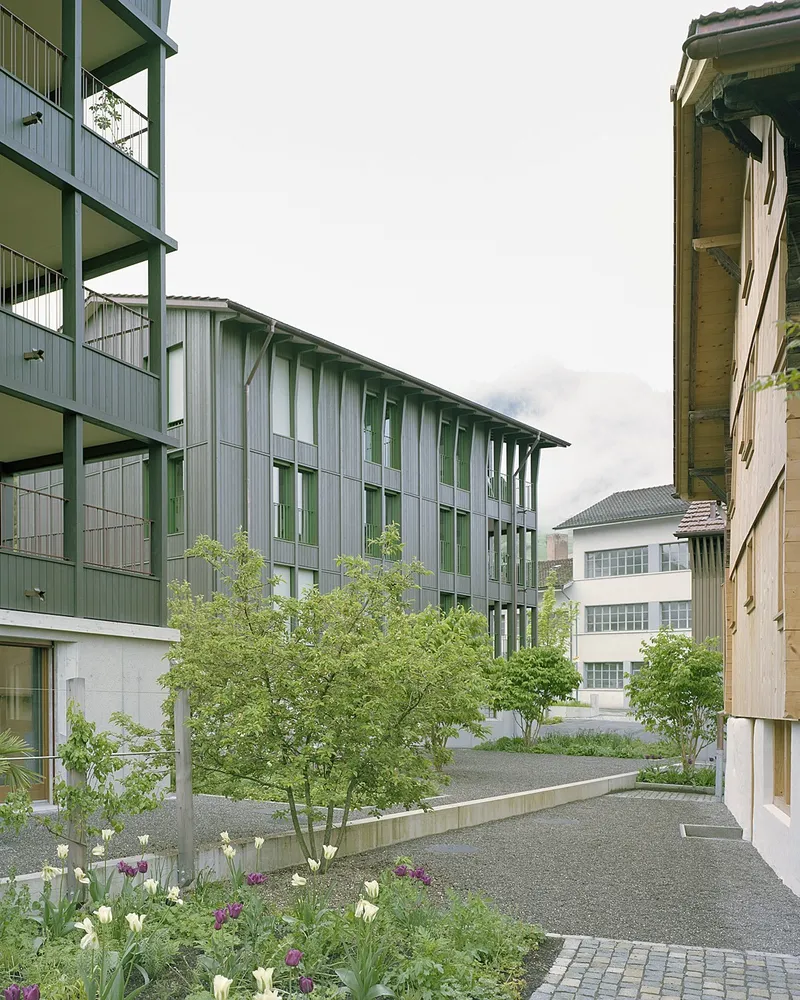
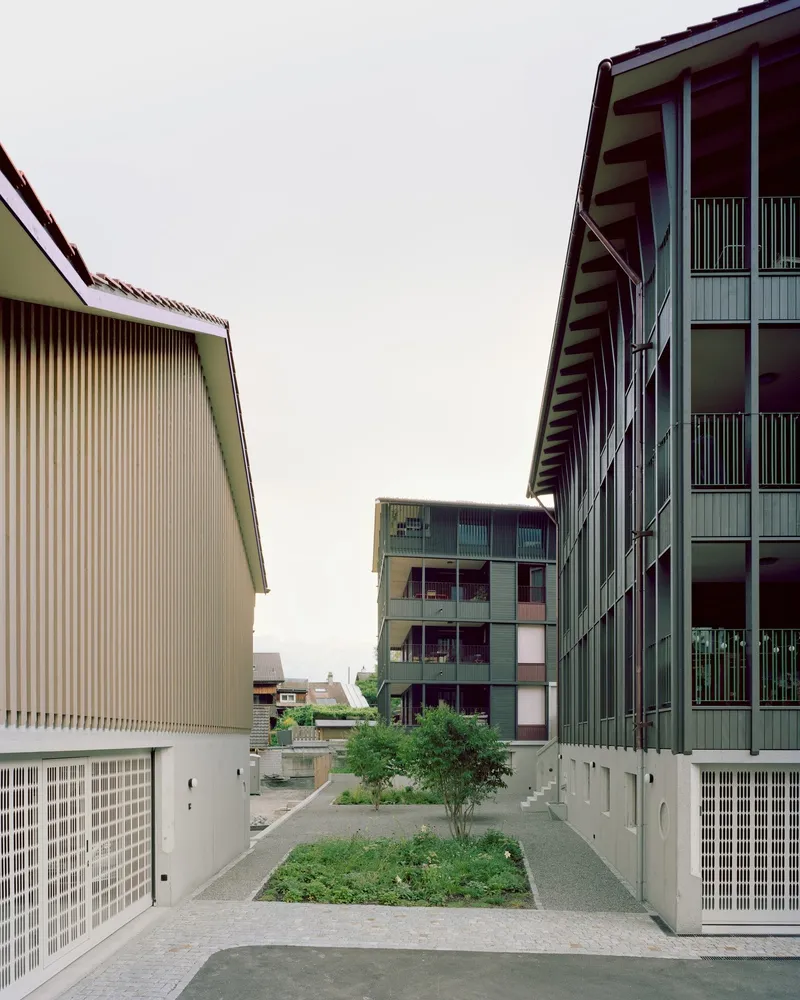
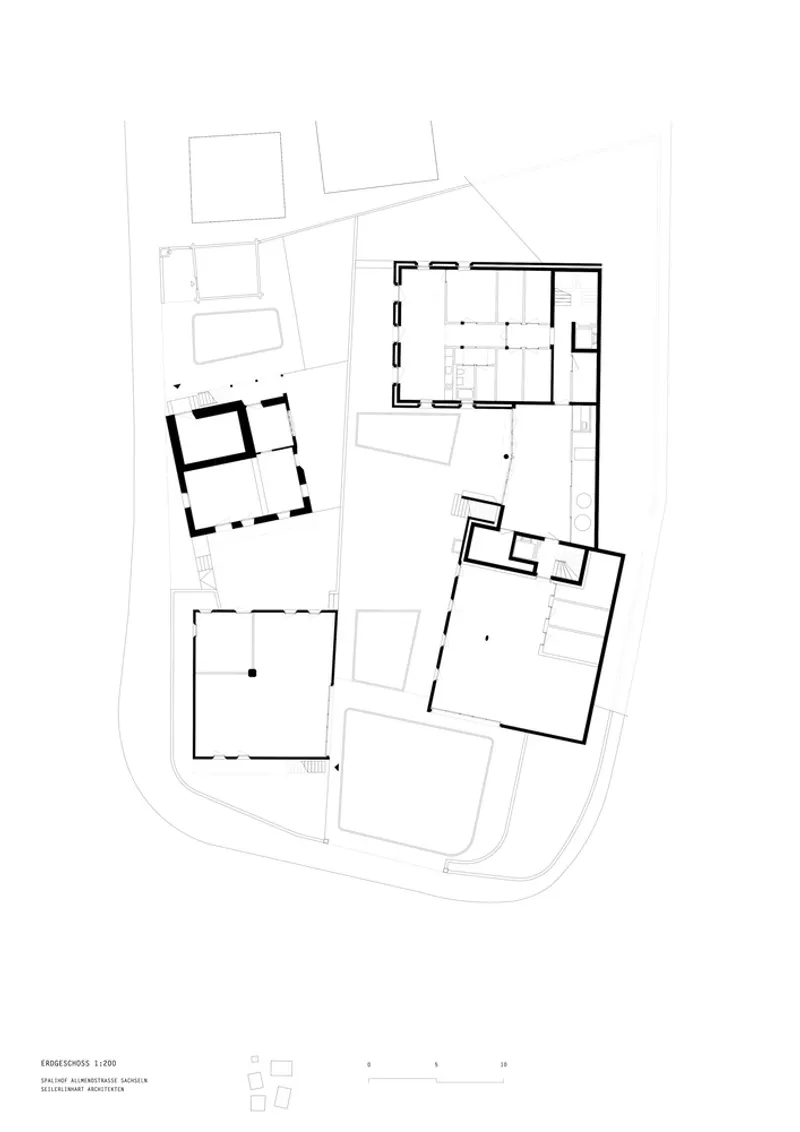
Village densification often creates tension between the need for additional housing and the preservation of traditional character. The Spalihof project demonstrates that thoughtful architectural strategies can reconcile these competing demands. Instead of isolating new structures, the design clusters them around the historic building, forming shared outdoor spaces accessible to the public. This spatial composition strengthens neighborhood cohesion and activates semi-public courtyards, making densification a socially and environmentally responsive process.
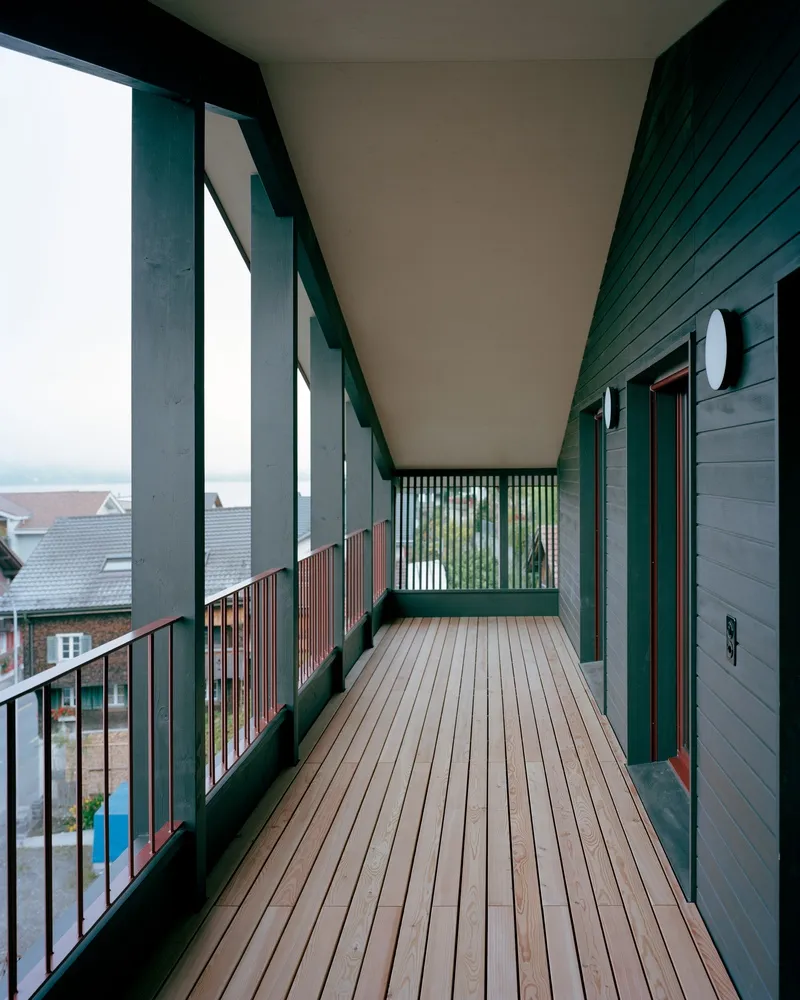
Integration of Historic and Contemporary Architecture
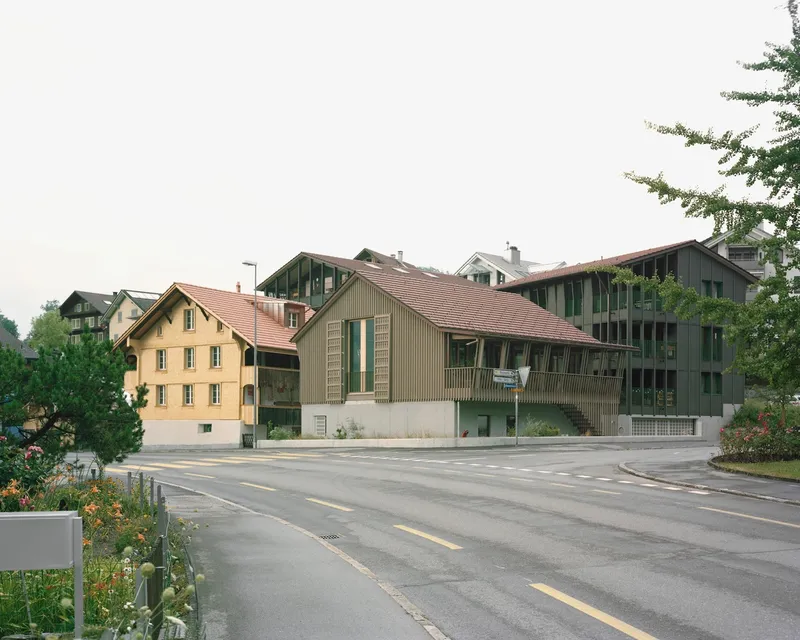
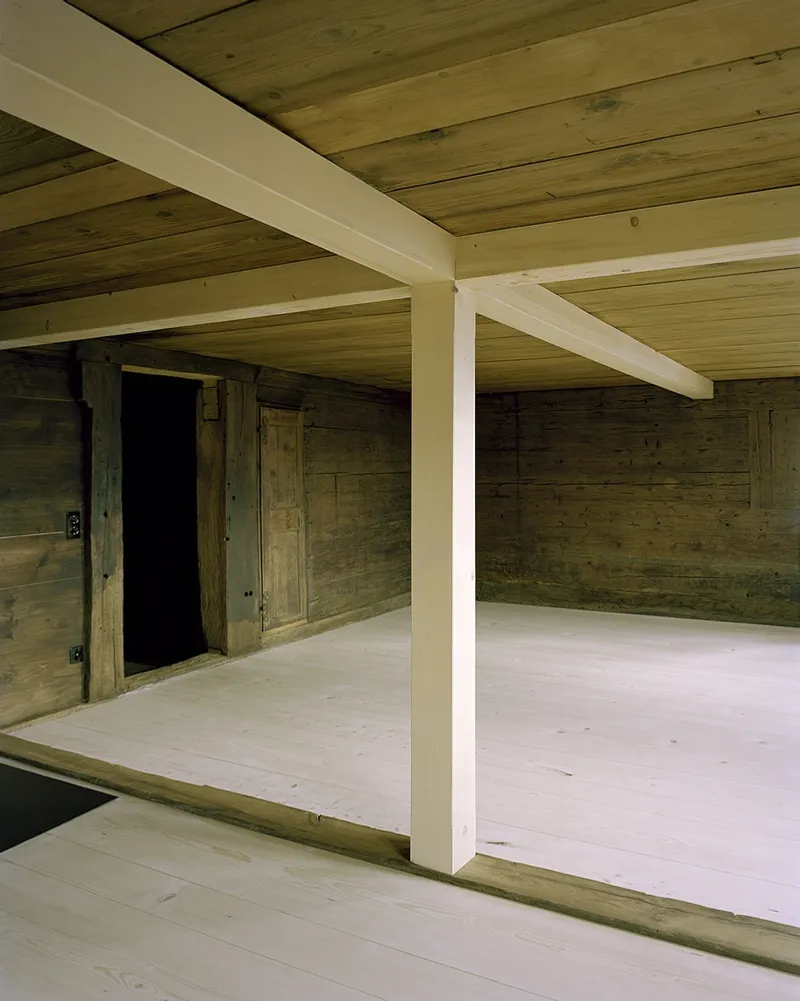
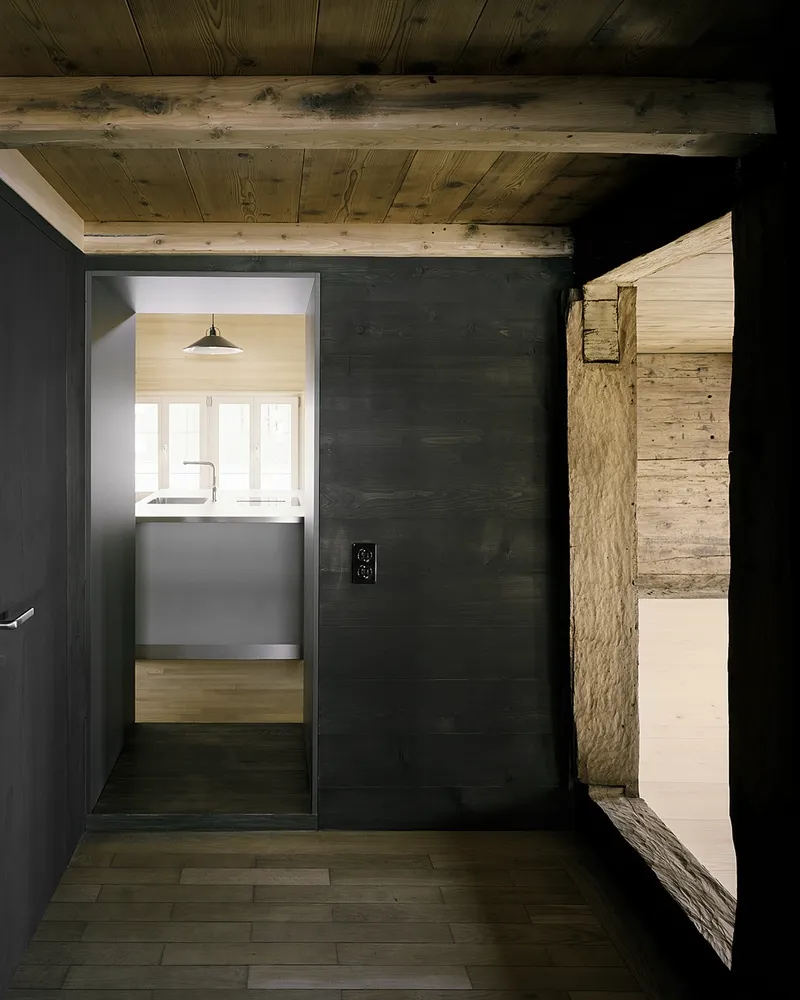
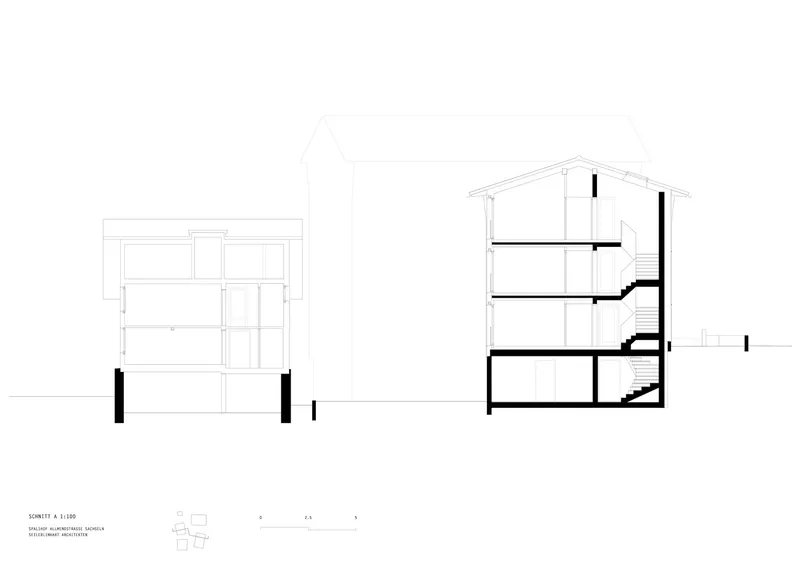
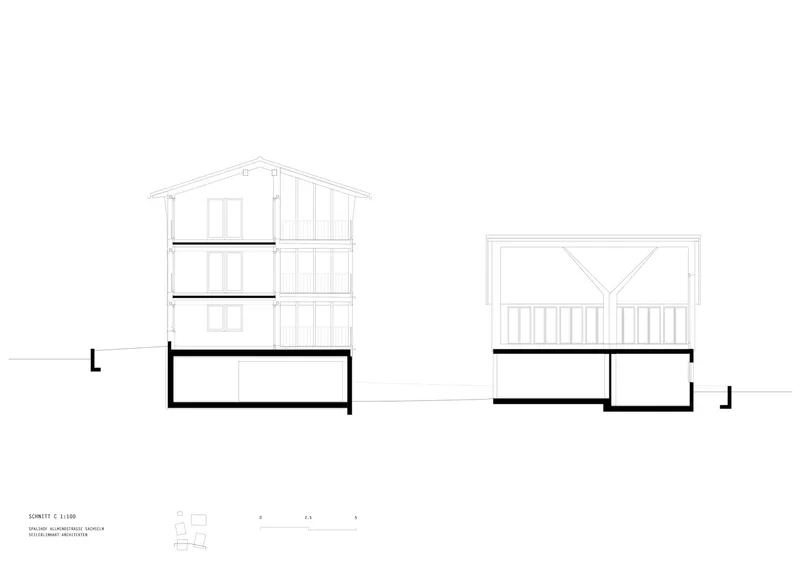
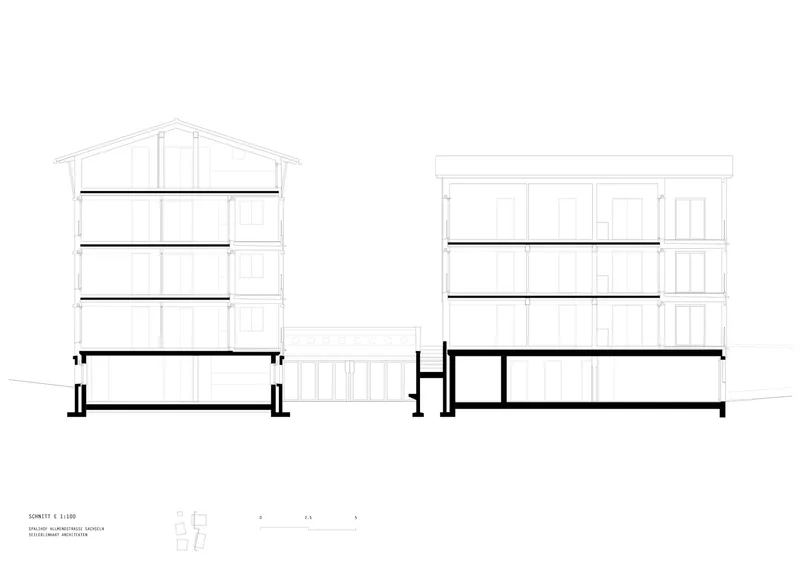
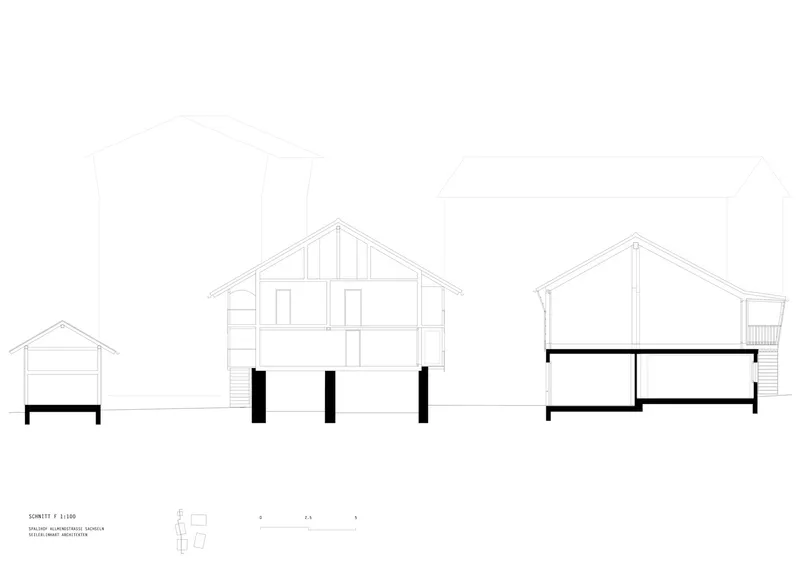
Central to the project is the sensitive restoration and integration of the Spalihaus, a heritage building from 1463. Rather than overshadowing the historic structure, the new houses adopt a complementary aesthetic grounded in timber construction, reflecting Switzerland’s enduring tradition of wooden architecture. These buildings stand on solid bases that mediate the natural topography, creating an architectural dialogue between old and new while preserving the cultural narrative of the site.
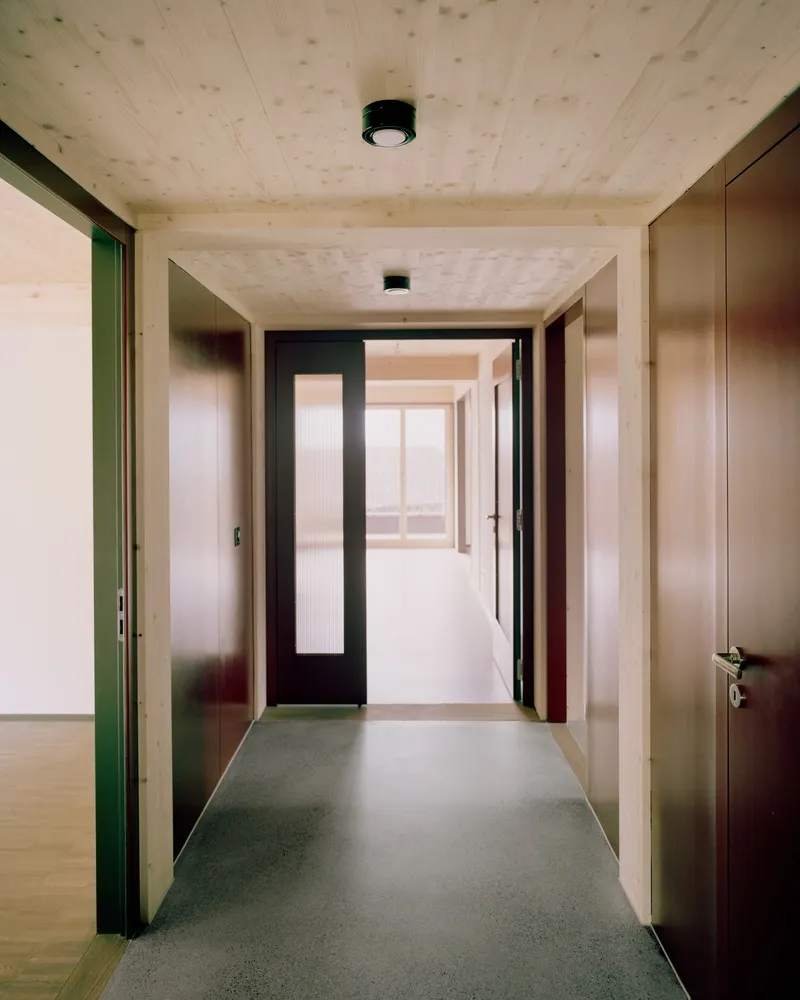
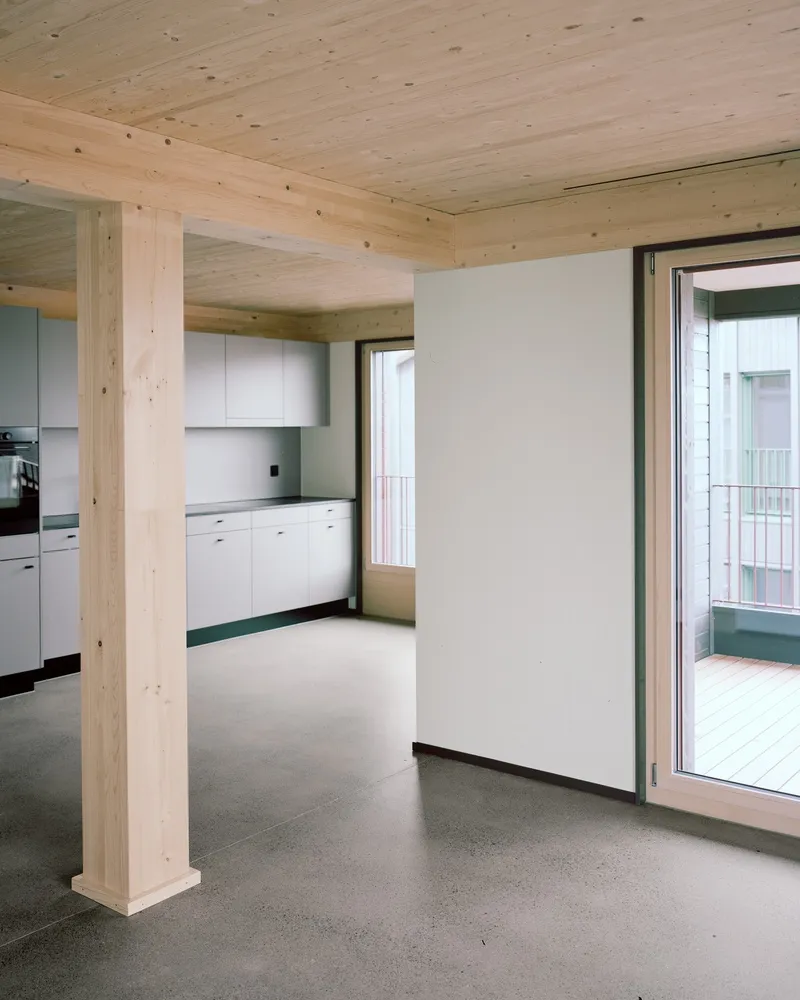
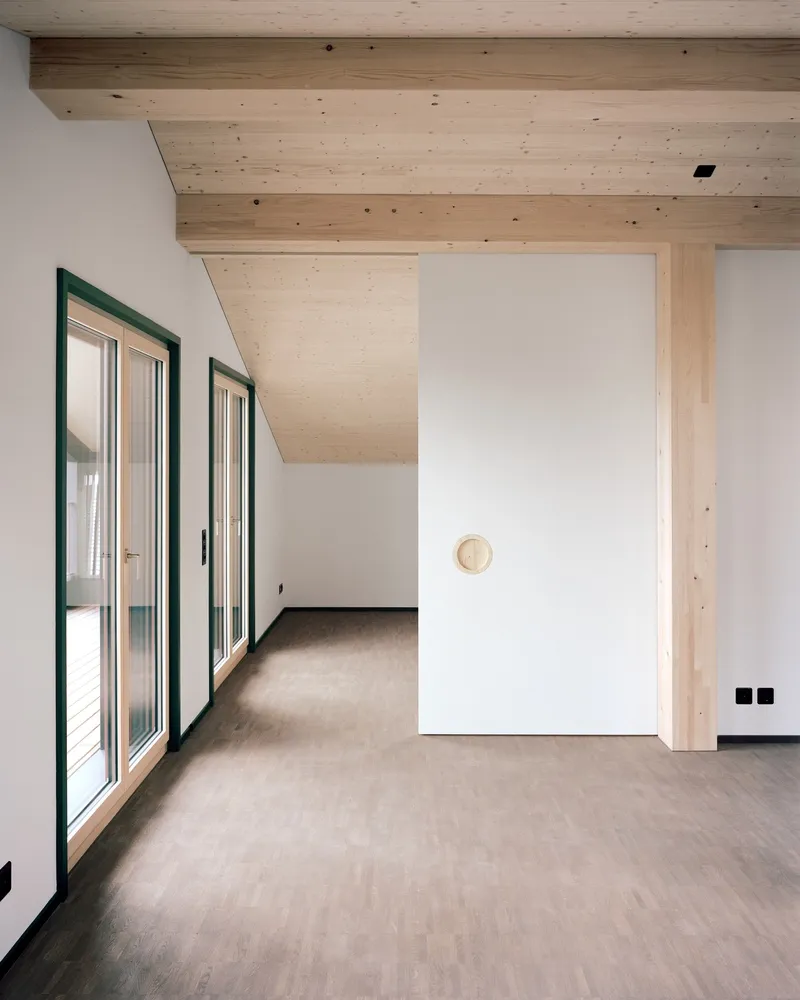
Sustainable Materiality and Environmental Considerations
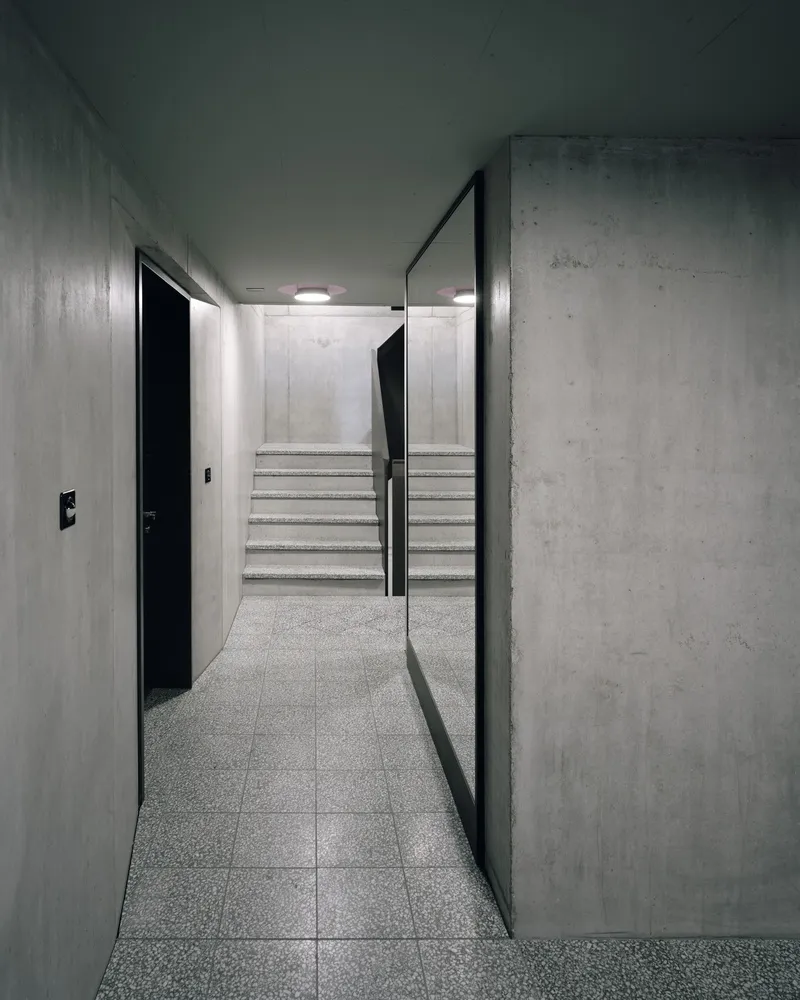
Sustainability was a guiding principle for the Spalihof development. Wood serves as the primary building material for the new structures, not only for its renewable qualities but also for its tactile warmth and historical resonance. Unlike conventional underground parking solutions that involve high carbon emissions and soil sealing, parking for residents has been pragmatically integrated into the bases of two new buildings. This approach minimizes environmental disruption while maintaining functional convenience.
Program Diversity and Community Strength
The Spalihof Houses embrace a mixed-use strategy by offering a wide range of apartment sizes, along with commercial and communal spaces. This diversity encourages a heterogeneous population and fosters intergenerational coexistence, reinforcing neighborhood vitality. Shared spaces, both indoors and outdoors, promote community interaction and create a sense of belonging—key goals in contemporary housing design.
Architectural Language and Spatial Quality
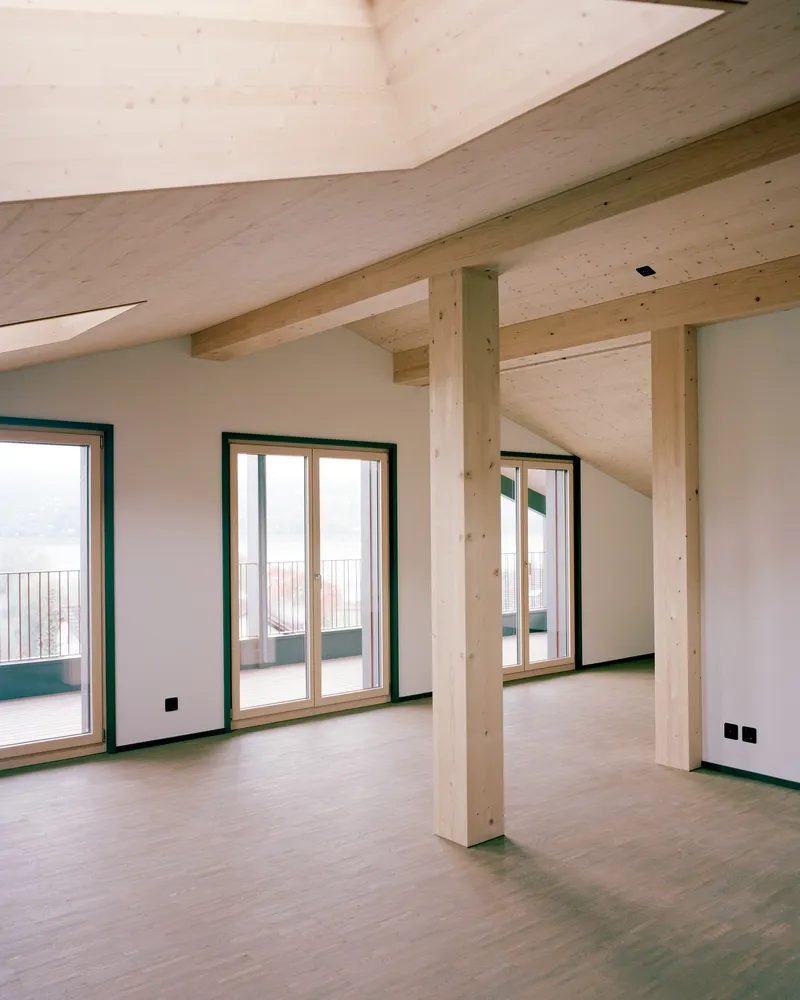
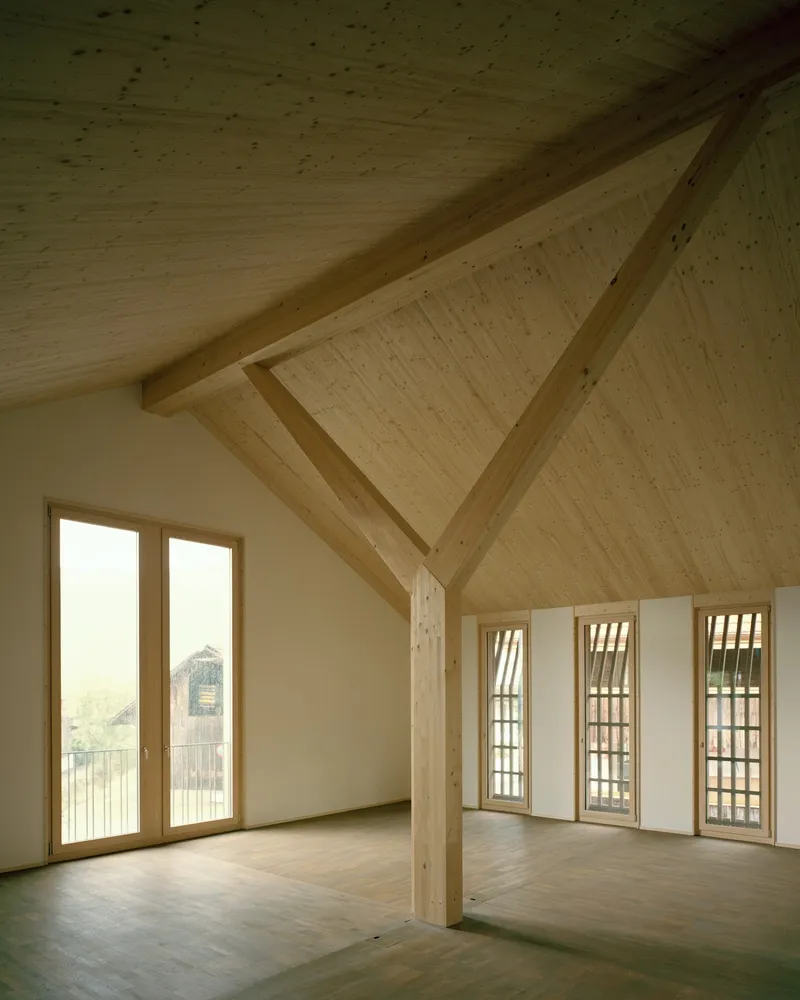
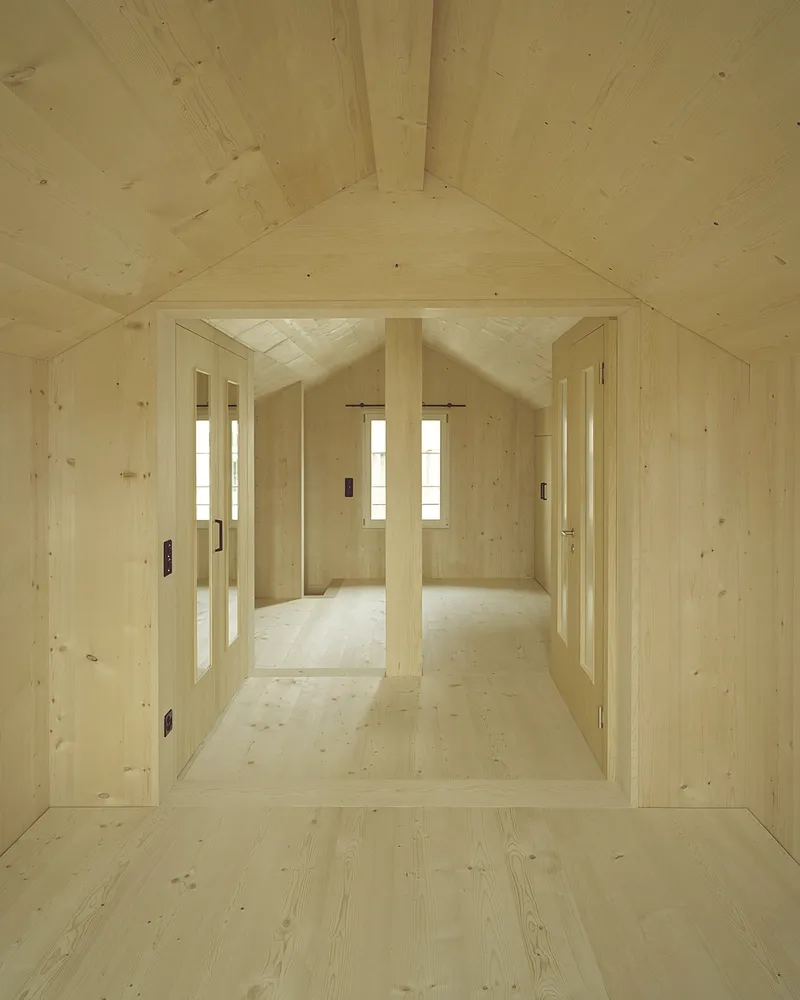
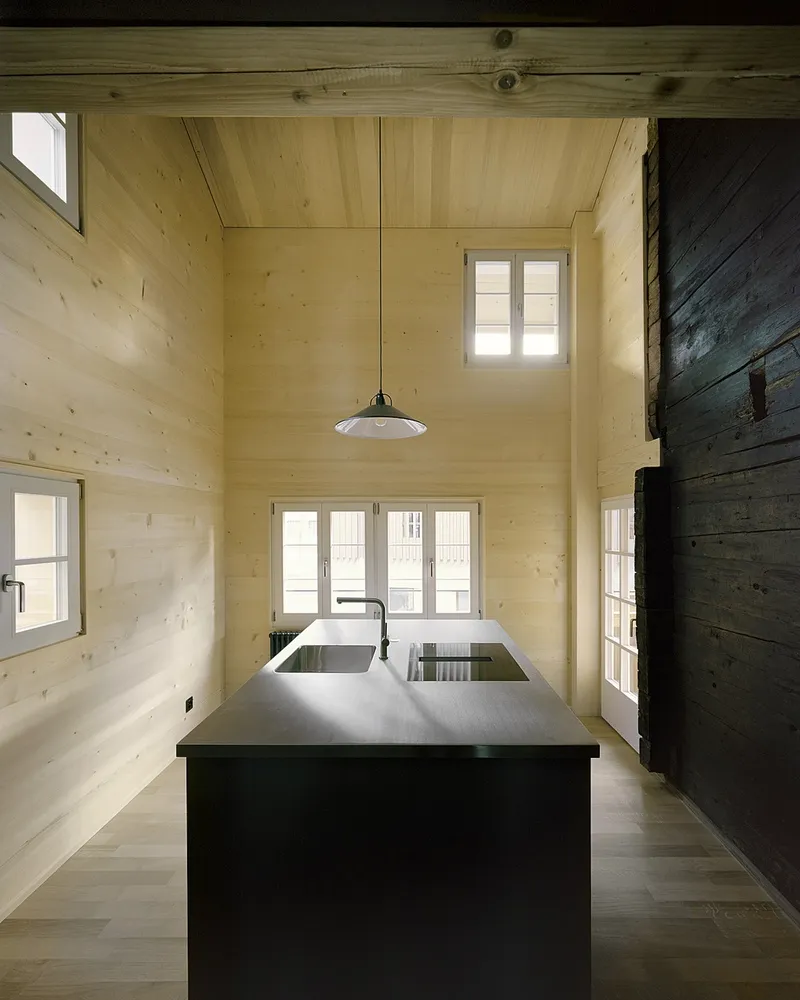
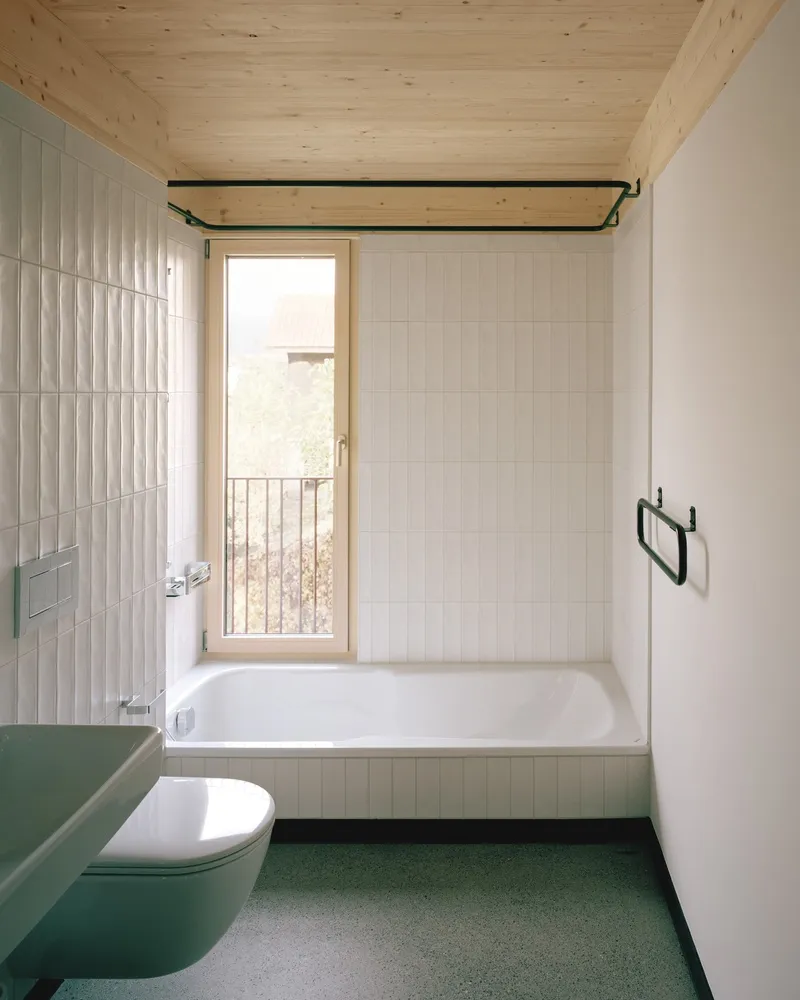
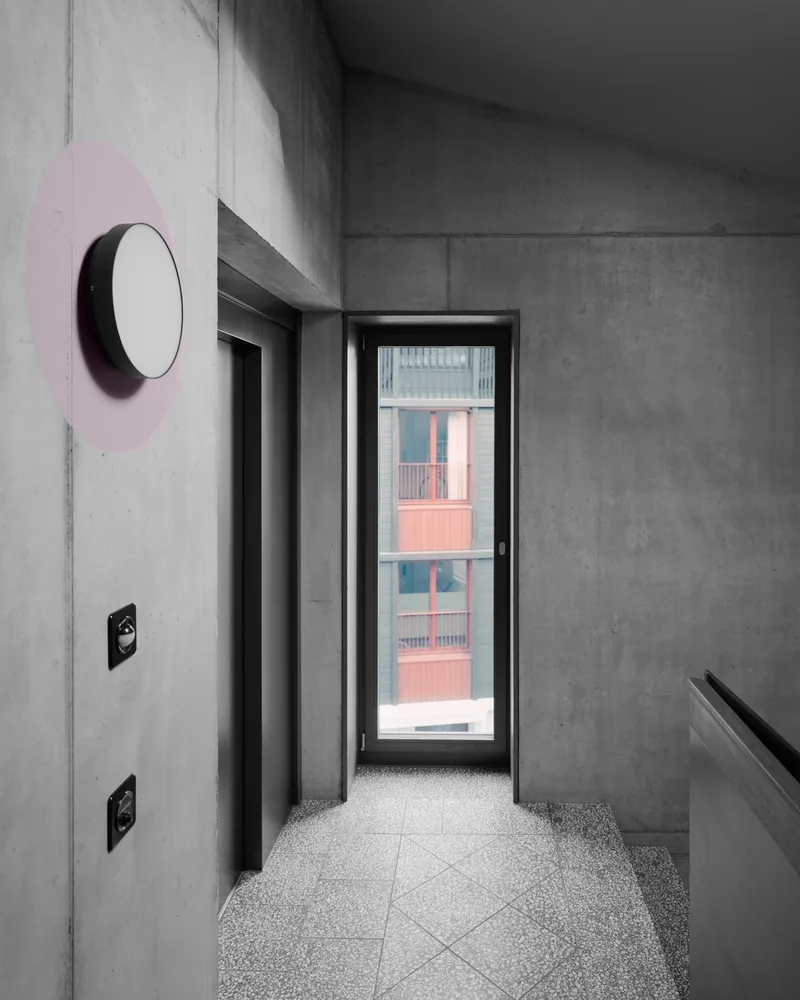
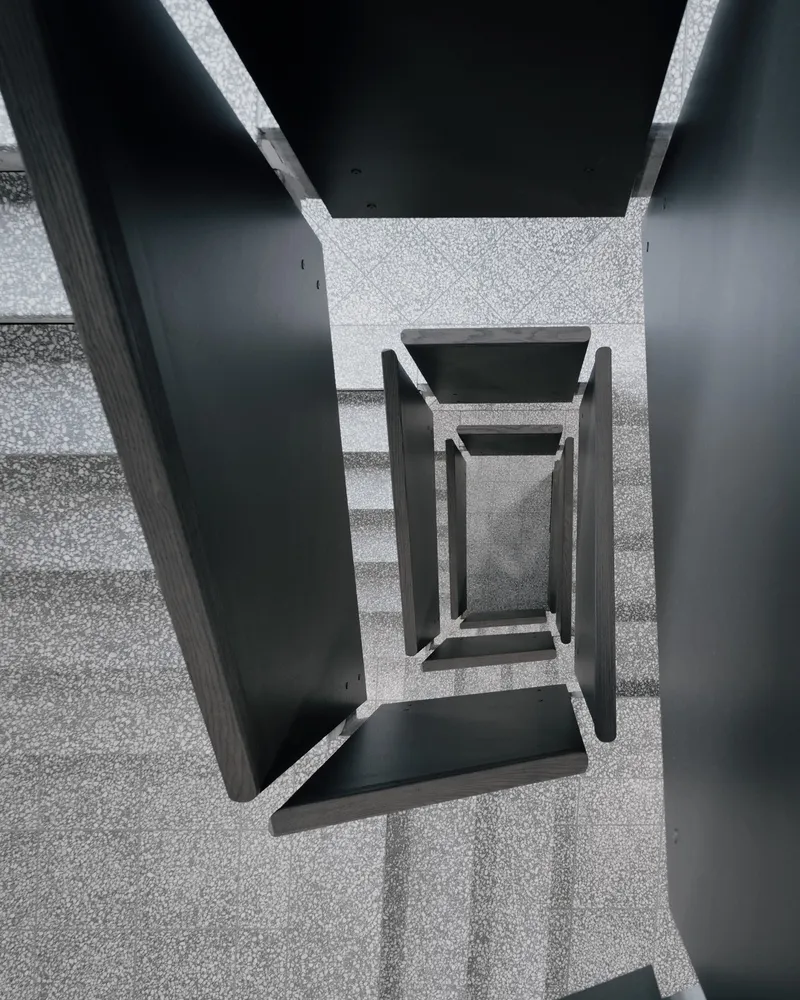
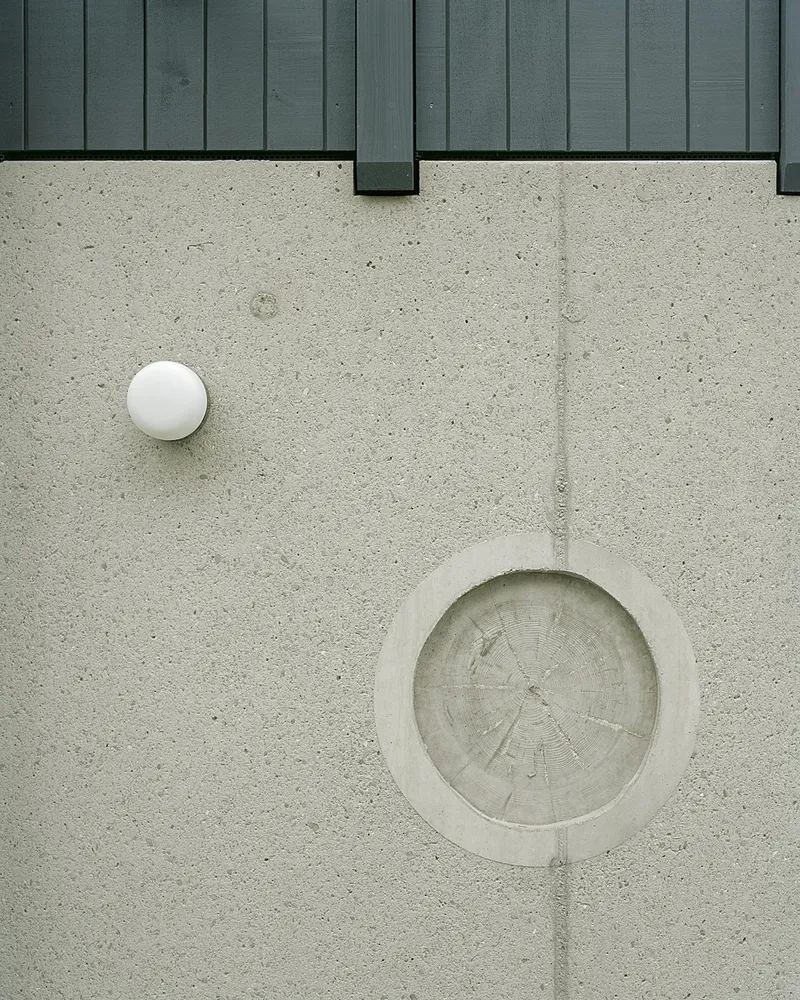
The architectural expression of the new houses combines minimalist detailing with traditional proportions. Generous glazing and timber surfaces create interiors that feel open, warm, and connected to nature. The interplay between the robust stone bases and the light wooden structures above them not only resolves topographical challenges but also delivers a distinctive visual identity rooted in local context.
A Model for Rural Transformation
The Spalihof project offers a replicable blueprint for rural densification without compromise. By preserving historic assets, leveraging sustainable materials, and integrating functional amenities, the project demonstrates that growth can coexist with heritage and ecological stewardship. It challenges the conventional narrative of urbanization, proving that rural villages can evolve without erasing their cultural DNA.
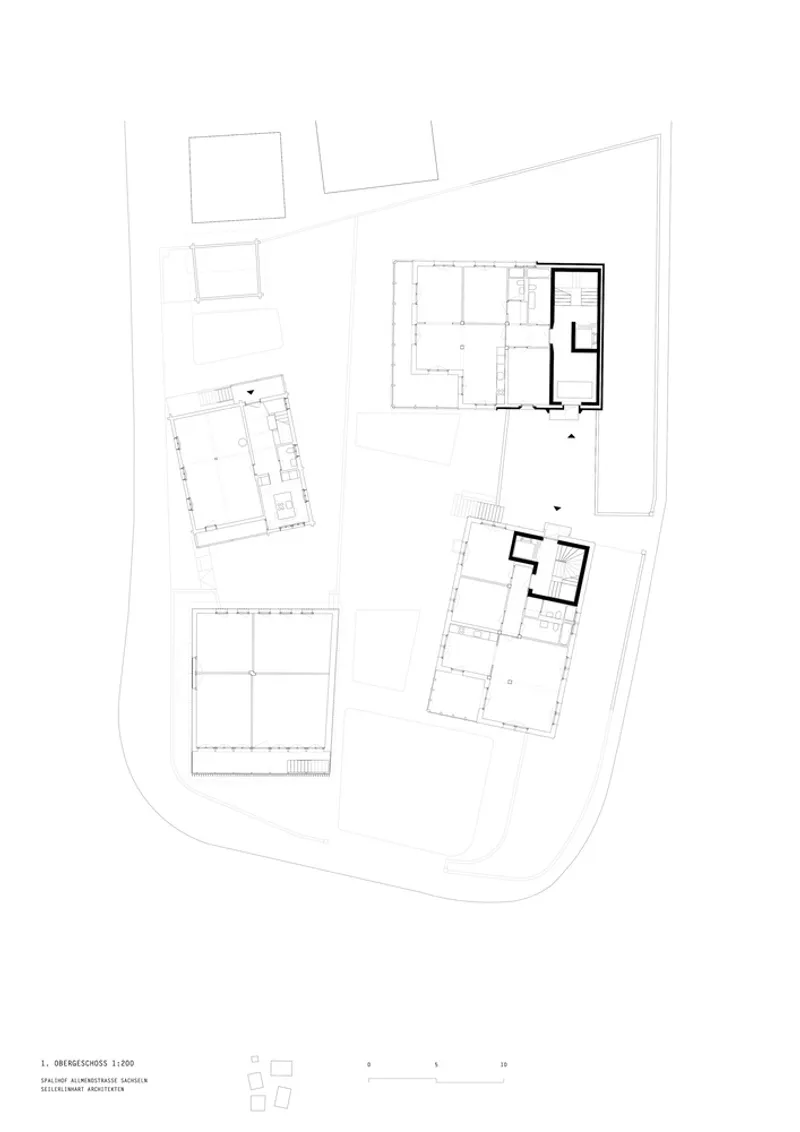
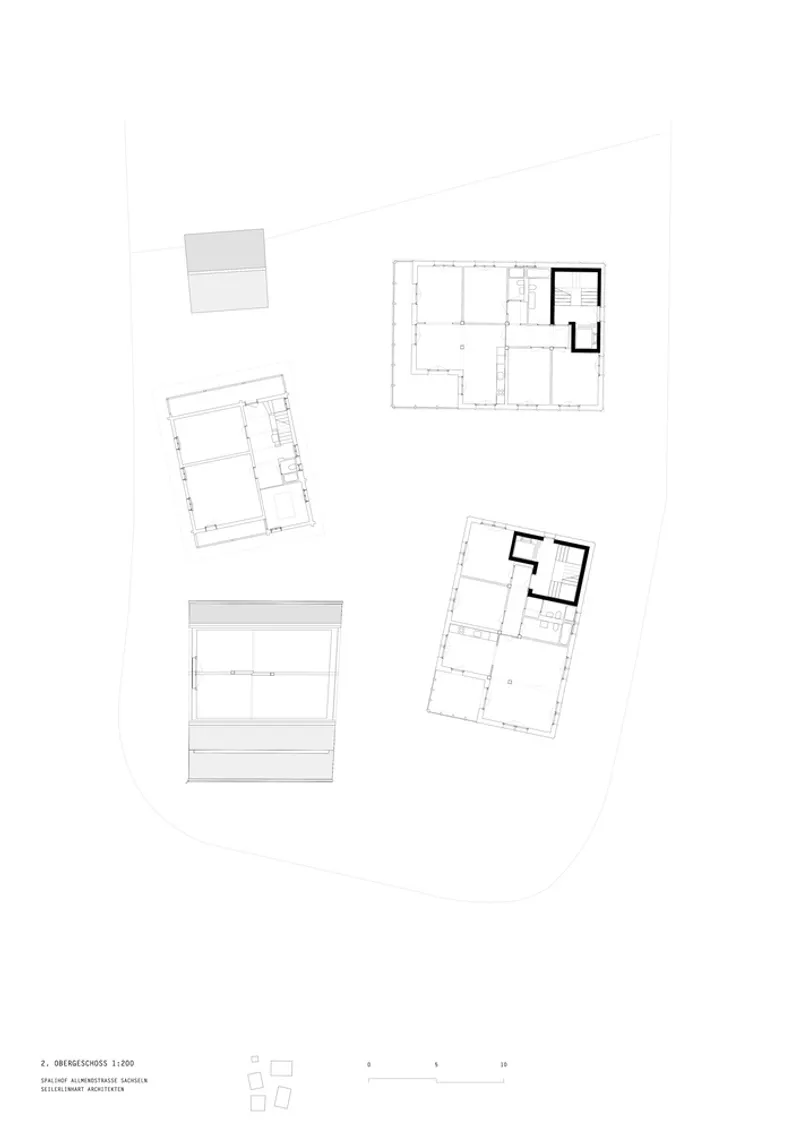
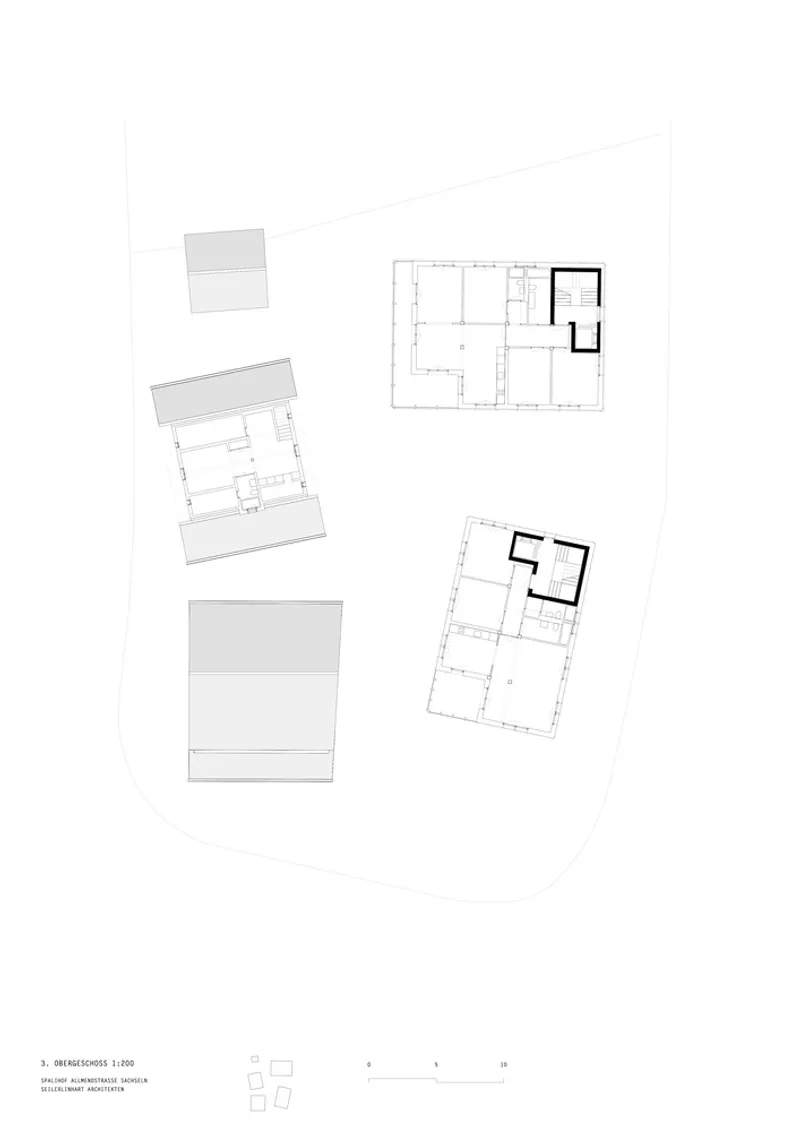
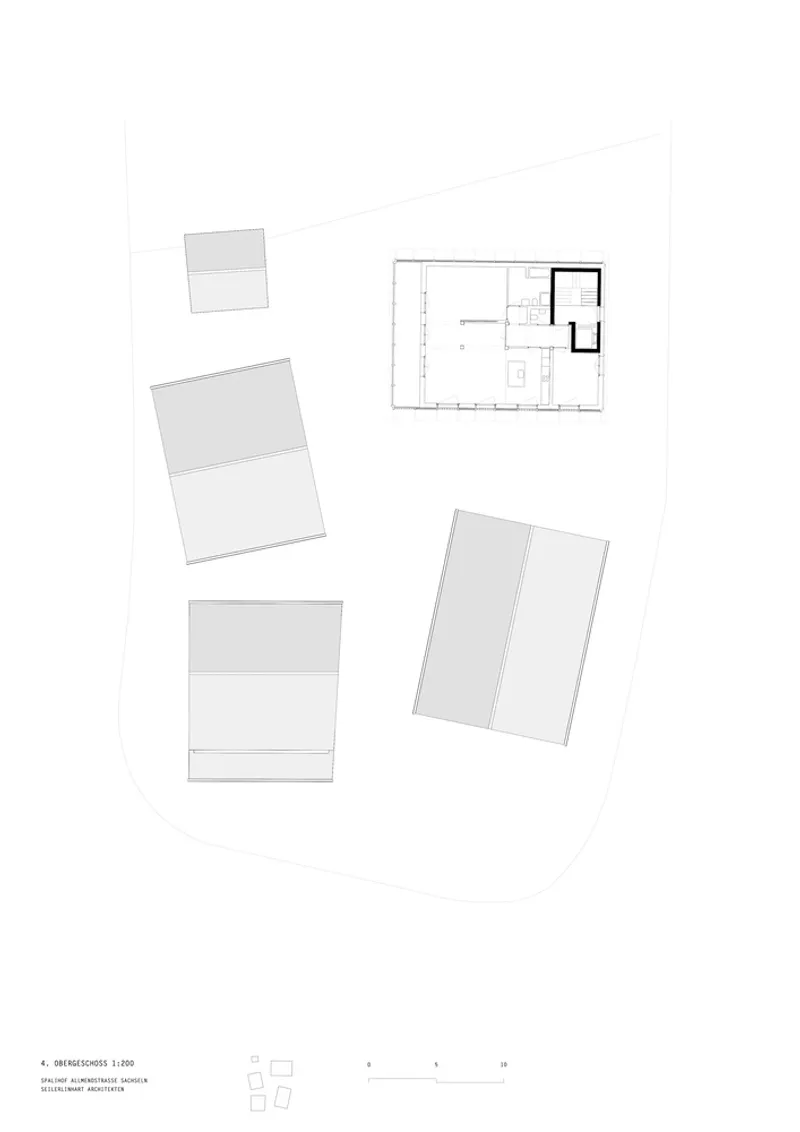
The Spalihof Houses in Switzerland exemplify how architectural design can mediate between the past and the future. Through its integration of the historic Spalihaus, sustainable timber construction, and diverse housing solutions, Seilerlinhart has created a vibrant, inclusive, and environmentally responsible neighborhood that sets a benchmark for future rural development initiatives.
All the photographs are works of Rasmus Norlander



Popular Articles
Popular articles from the community


Co-Life: Senior Housing Design That Reconnects Older Adults With the City
Co-Life reimagines senior housing design through healing gardens, shared streets, workshops, and a sustainable community across generations.

The Musturak Paradise: Senior Living Architecture for a Connected Future in Temara, Morocco
The Musturak Paradise reimagines senior living architecture in Temara via private homes, social spaces, culture, community, and shared care.

Hill & Cross Opera: Sculptural Opera House Architecture Shaped by Tallinn’s Landscape and Identity
Hill & Cross Opera reimagines opera house architecture in Tallinn through its sculptural hill, civic plaza, glass wave and a luminous cross.

The Ocean Hive: Sustainable Architecture for a Self-Sufficient Civilization at Sea
The Ocean Hive imagines sustainable architecture at sea, where modular habitats, algae, wave power and ocean waste sustain a growing colony.


Similar Reads
You might also enjoy these articles

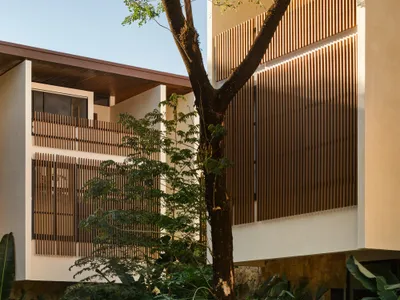
FAMM Arquitectura Organizes Ten Villas Around Courtyards and Jungle in Nosara, Costa Rica
El Molino pairs two elongated volumes with deep overhangs and timber louvers to build a compact coastal community five minutes from the beach.
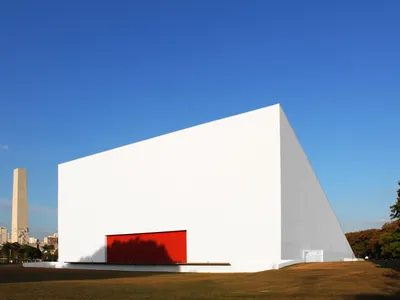
Oscar Niemeyer's Ibirapuera Park Pavilions Define São Paulo's Cultural Identity in Concrete and Curve
A constellation of modernist volumes set within São Paulo's most important urban park, conceived for the city's 400th anniversary in 1954.
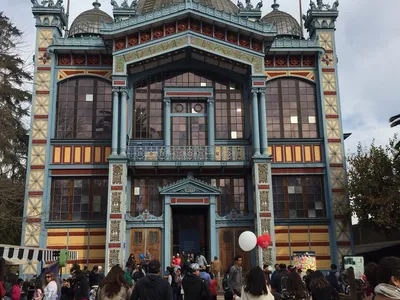
How Henri Picq's 1889 Paris Pavilion Traveled 11,000 Kilometers to Become Santiago's Artequín Museum
A prefabricated iron and glass pavilion built for the Paris Universal Exposition found a second life as a children's art museum in Chile.
Sanjay Puri Architects Wraps a Jaipur Office Tower in Capsule-Shaped Green Buffers
A nine-level climate-responsive workplace near Jaipur Airport uses stacked planter terraces and aluminium screens to fight 40°C heat.

Explore Historic Preservation Competitions
Discover active competitions in this discipline



Challenge to reimagine the Iron Throne


Photograph architecture without architects


Illustrate the lost glory of Angkor Wat - Render Challenge


Design challenge to reuse E-waste
Comments (0)
Please login or sign up to add comments
No comments yet. Be the first to comment!