
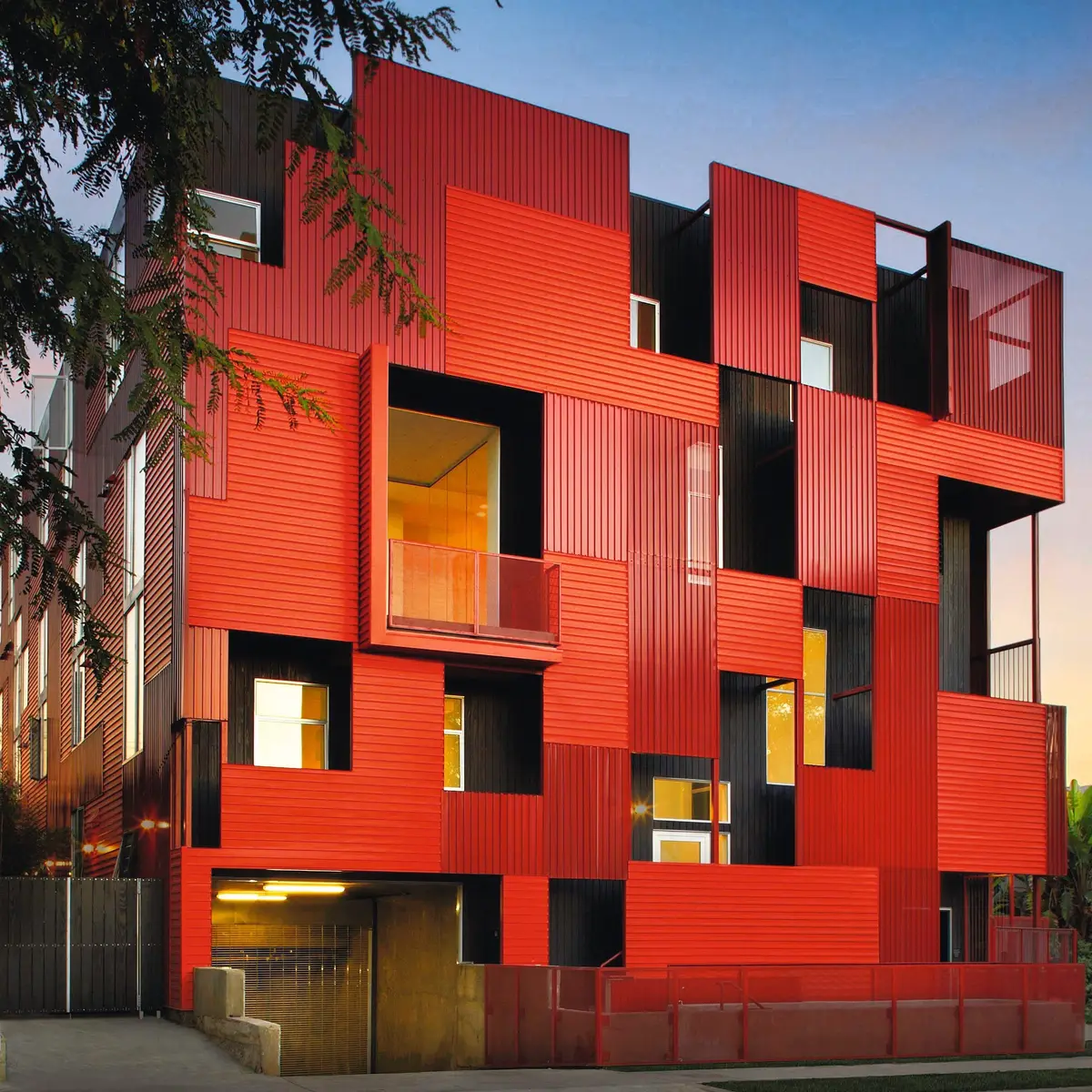
Summarry of Design Implementation
The research inquiry delved into the prospect of how a community sensitive design approach can result in reducing social exclusion.

It delved into the multifaceted needs and obstacles met by the Harijan people. Crucial inquiries centered on how an adaptive design solution can meet the need of the community while designing in a limited margin so that they can make the most of it. The aim was to improve their standard of living while respecting their settlement pattern, cultural beliefs and maintain their communal integrity. Furthermore, the exploration sought to ascertain essential spatial configurations and amenities conducive to bolstering social cohesion and resilience within the Harijan people and also acting as a gateway to introduce themselves with a dignified identity to the mainstream community. Additionally, strategies were devised to enhance accessibility to crucial amenities.
In response, design implementation endeavors were undertaken to translate research insights into pragmatic solutions for settlement planning and infrastructure development. This included integrating an incremental grid with the Harijan community’s settlement patterns for an adaptive solution to their housing needs. Moreover, meticulous coordination of blocks, communal facilities, communal spaces and introducing policies aimed to promote communal integration, optimized functionality and accessibility within and outside the Harijan community, ensuring seamless interaction and resource utilization. Ultimately, the research question served as guiding beacons throughout the design implementation journey, culminating in community sensitive and adaptive design solutions tailored to address the intricate challenges confronting Harijan community.


Popular Articles
Popular articles from the community


The Amber Palace Opera: A Geological Fiction Surfaces on Tallinn's Baltic Waterfront
Pierre Brillard reimagines a Baltic legend as a public landscape, opera house, and waterfront promenade rooted in Tallinn's coastal identity.

Cloaked Colonization: A Mobile Underwater Habitat That Moves Like a Fish
Micah Abaya's shortlisted EHC Pacific entry reimagines ocean settlement as a dispersed network of self-sustaining architectural organisms.

Singing Woman: Contemporary Architecture Inspired by Estonia’s Voice and the Sea
Singing Woman turns Estonia’s song culture into flowing opera house architecture, blending public life, landscape, sea, and national memory.
Extended Shell: Retrofitting Kolkata's Balconies as Living Urban Thresholds
A modular retrofit system recovers the social and environmental intelligence of Kolkata's historic verandas for contemporary Park Street residents.

Similar Reads
You might also enjoy these articles
The Amber Palace Opera: A Geological Fiction Surfaces on Tallinn's Baltic Waterfront
Pierre Brillard reimagines a Baltic legend as a public landscape, opera house, and waterfront promenade rooted in Tallinn's coastal identity.
Dynamic Modules Shelter: A Telescopic Ring for Mountain Pilgrimage
A circular modular framework of steel, bamboo, and fabric grows vertically with demand, wrapping communal ground in adaptable shelter.
Singing Woman: Contemporary Architecture Inspired by Estonia’s Voice and the Sea
Singing Woman turns Estonia’s song culture into flowing opera house architecture, blending public life, landscape, sea, and national memory.

HYPERBLOCK: Flexible Urban Design for Barcelona’s Future City
HYPERBLOCK reimagines Barcelona as flexible urban design, layering density, daylight, public space and adaptable housing above Cerdà’s grid.

Explore Social Design Competitions
Discover active competitions in this discipline


Challenge to reimagine the Iron Throne

Photograph architecture without architects

Illustrate the lost glory of Angkor Wat - Render Challenge

Design challenge to reuse E-waste
Comments (0)
Please login or sign up to add comments
No comments yet. Be the first to comment!