
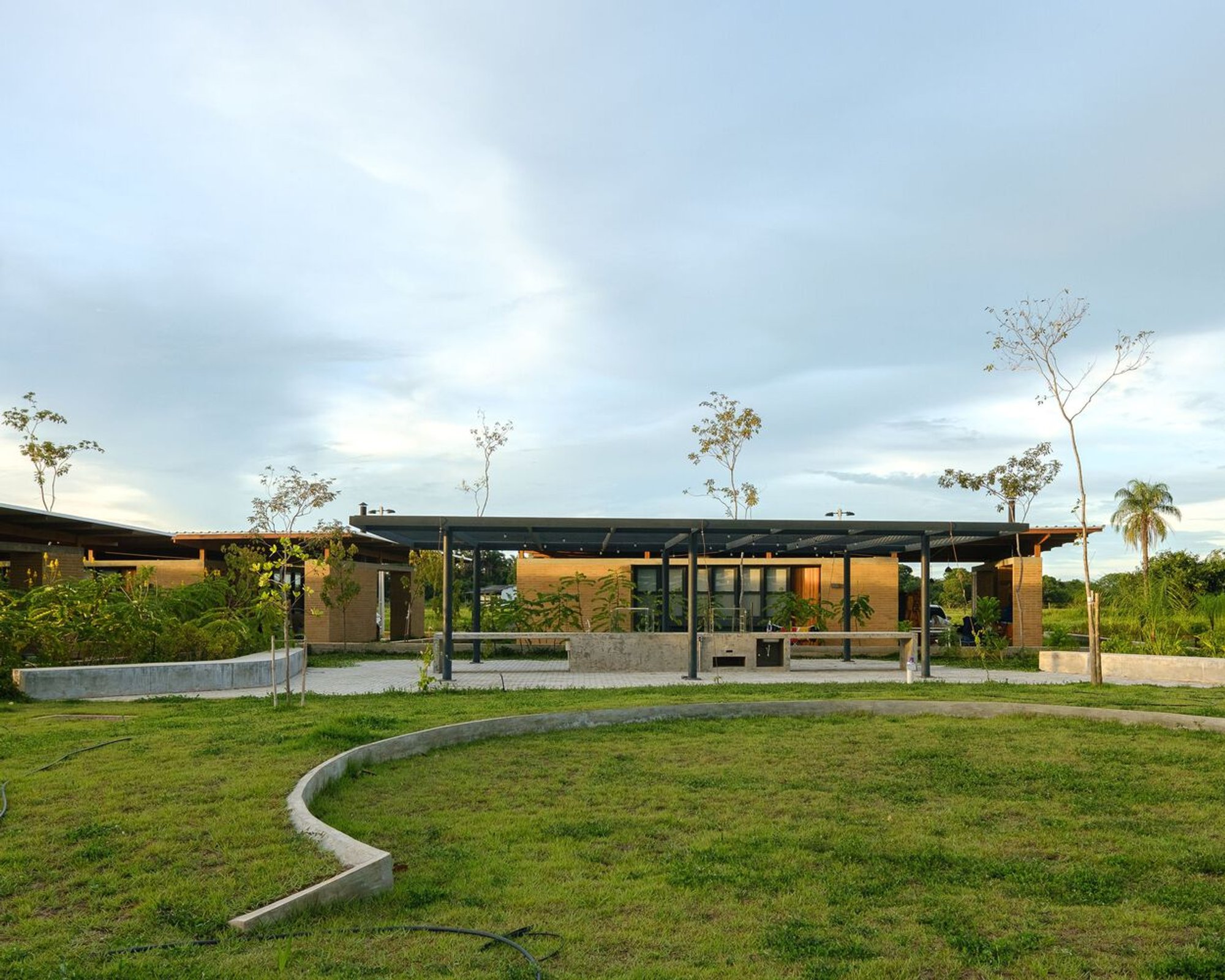
Sustainable Architecture in Brazil: A Case Study of Fazenda Canuanã School Staff Village
This article explores the sustainable architecture of Fazenda Canuanã School Staff Village in Brazil, focusing on bioclimatic design and community involvement.

The Fazenda Canuanã School Staff Village represents a pioneering effort in sustainable architecture in Brazil, located in the heart of Tocantins. This project, executed by the esteemed firms Rosenbaum and Terra e Tuma Arquitetos Associados, illustrates a profound commitment to environmental sustainability and innovative living solutions for school staff in a rural setting.
The Design Philosophy of Fazenda Canuanã School Staff Village
Emphasizing Local Climate and Resources
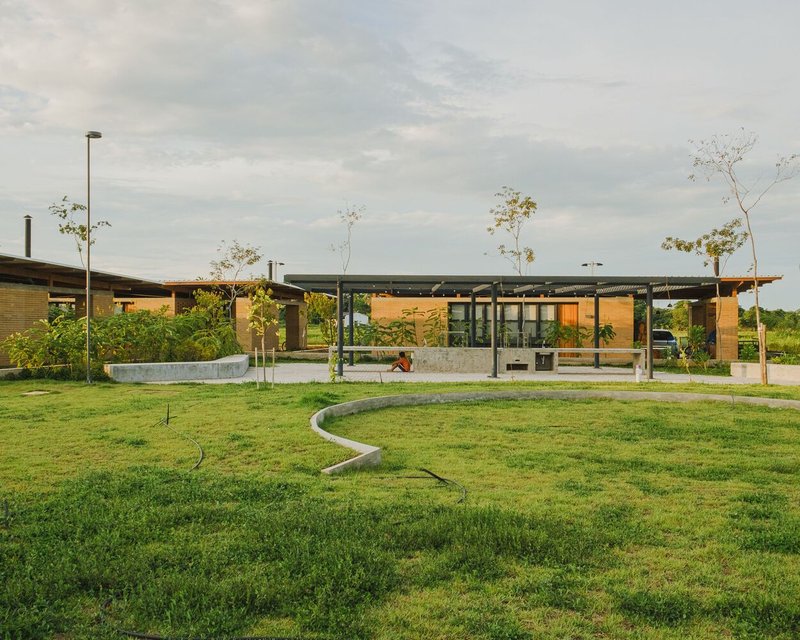
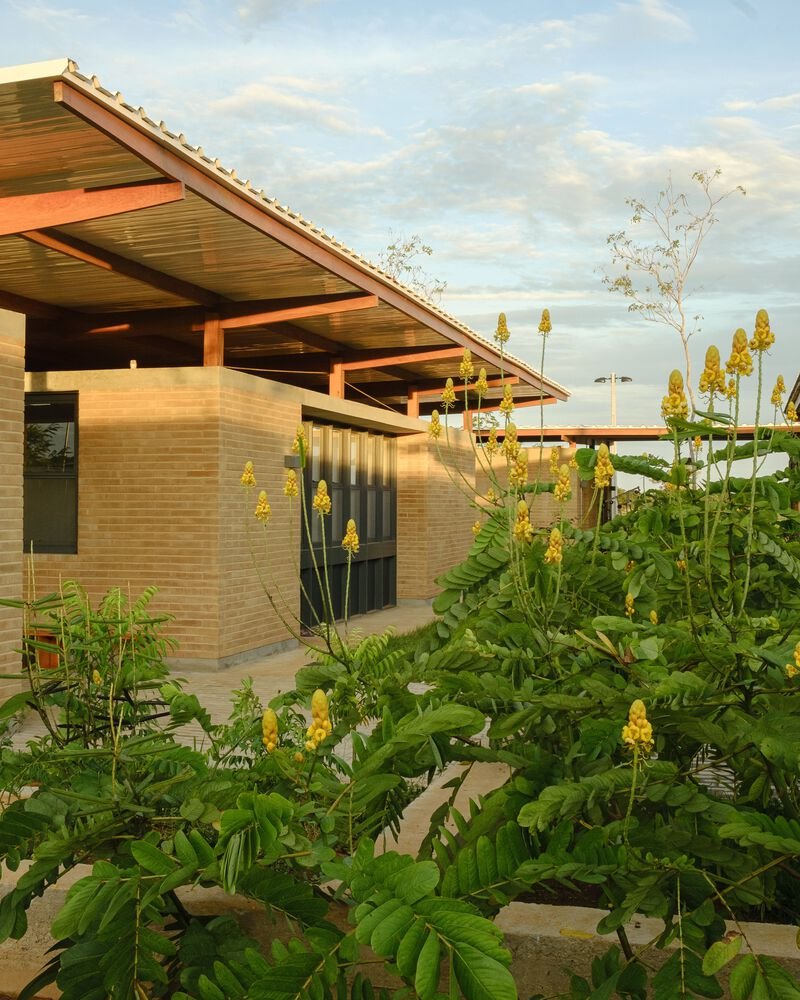
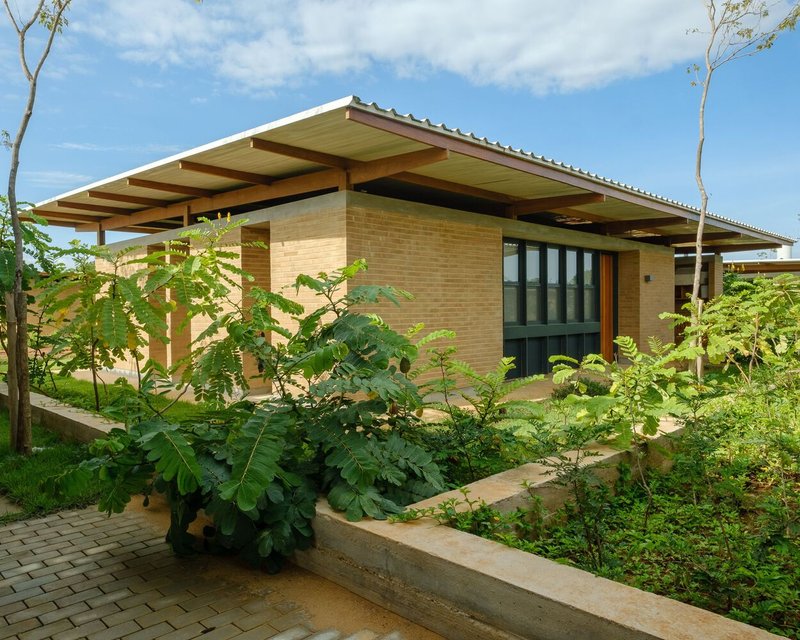
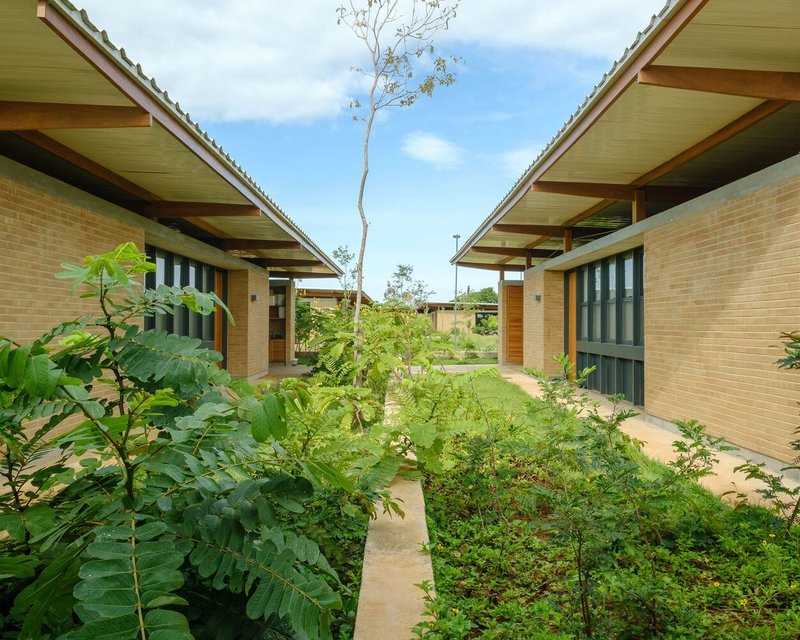
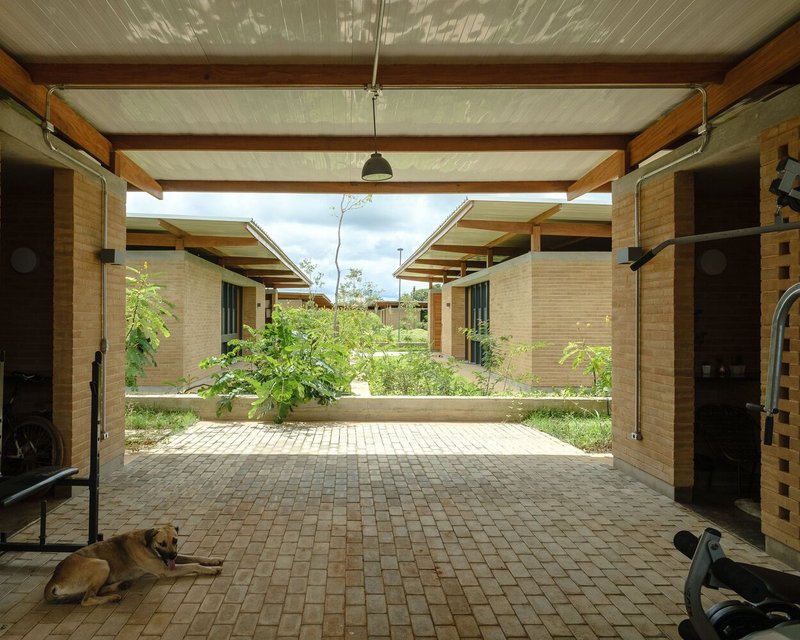
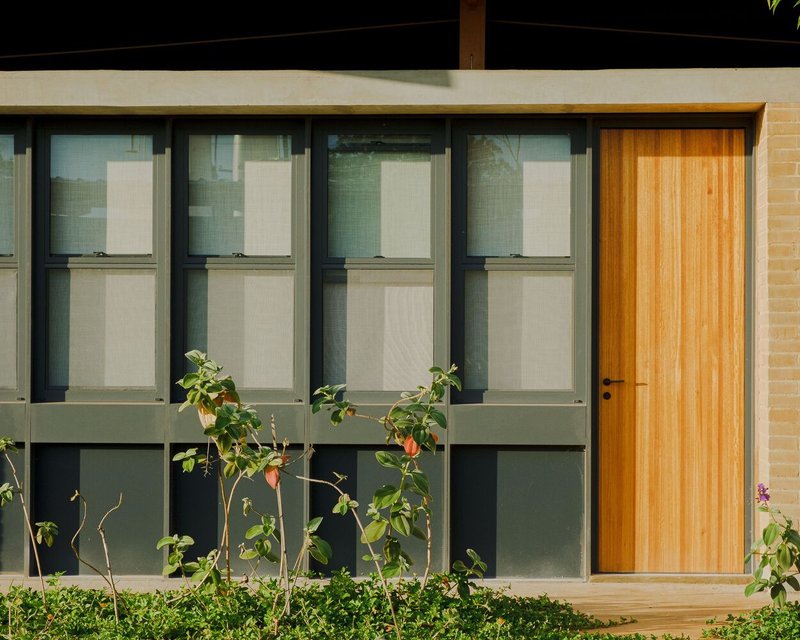
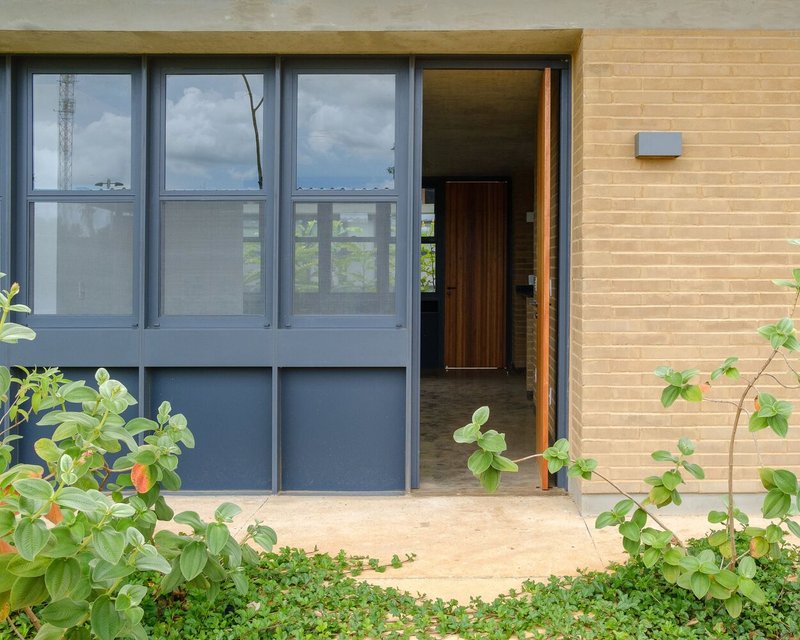
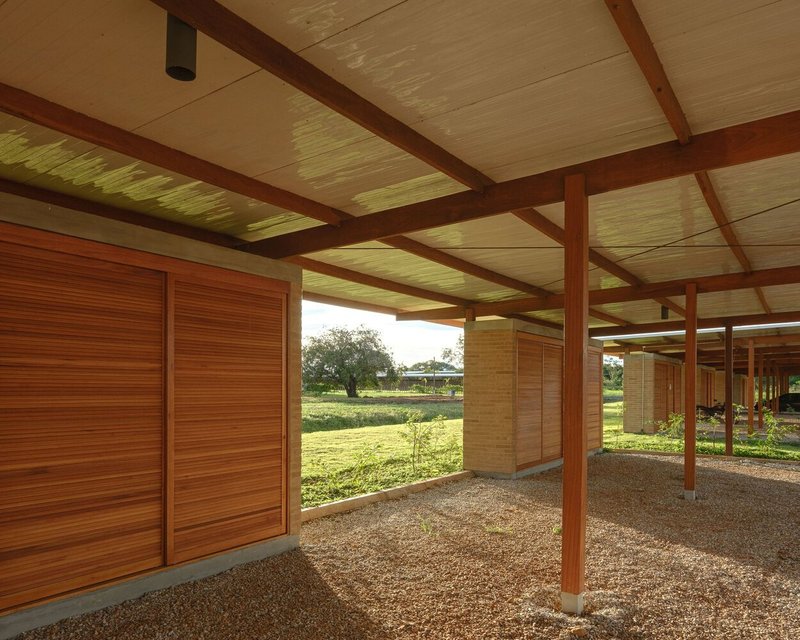
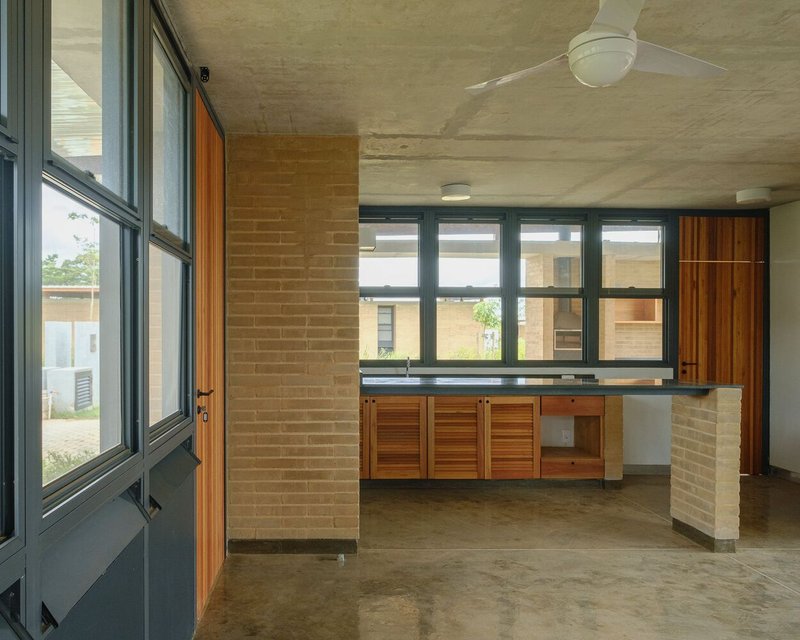
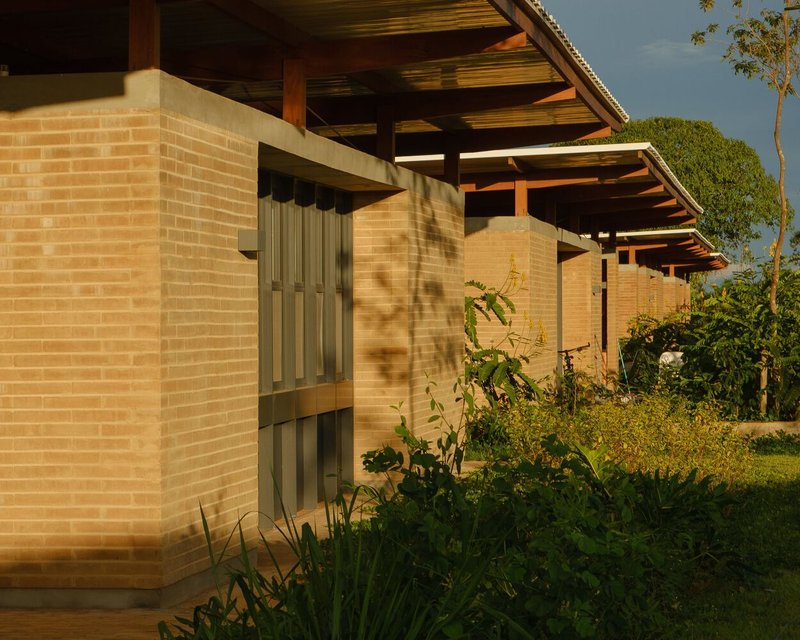
One of the cornerstones of the project is its emphasis on leveraging the local climate and resources to enhance living conditions naturally. The design prominently features soil-cement bricks made on-site, which offer excellent thermal mass to mitigate the intense local heat. This choice not only enhances comfort without the reliance on air conditioning but also reduces the building's carbon footprint.
Bioclimatic Strategies Employed
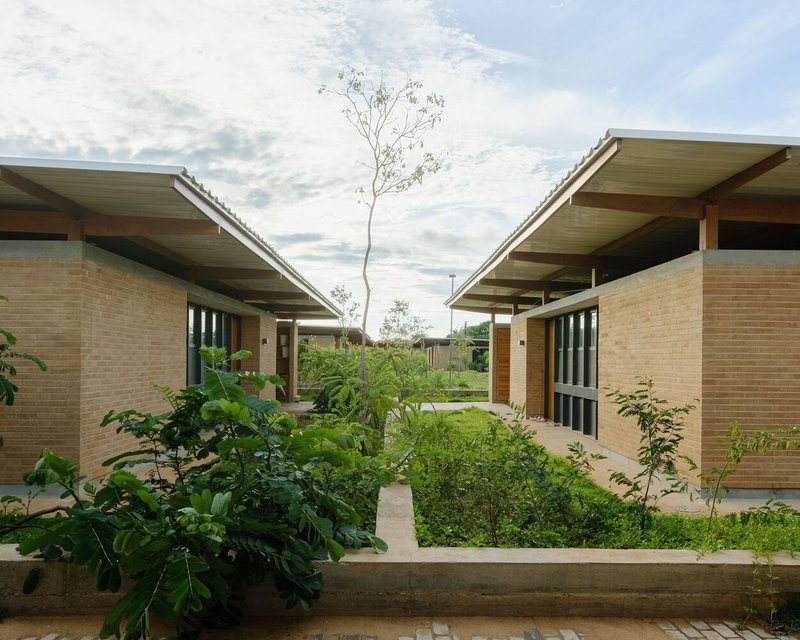
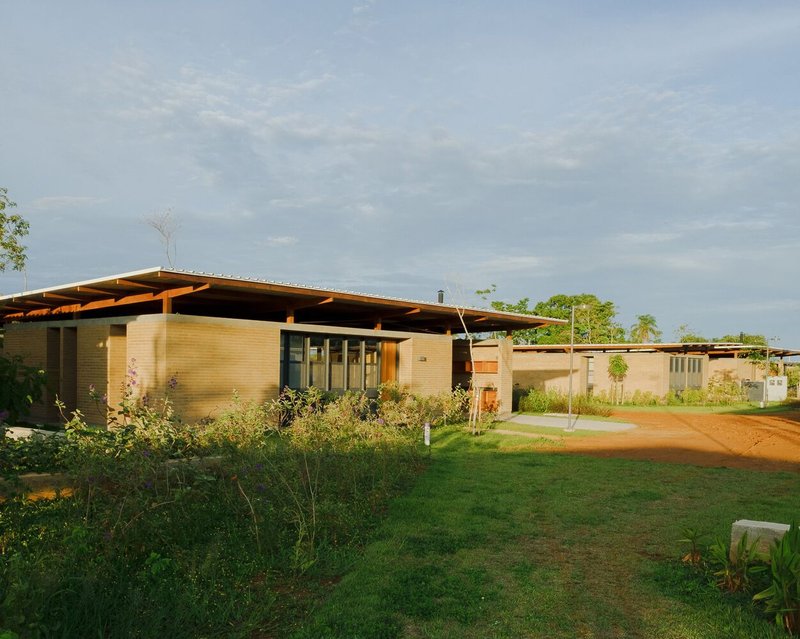
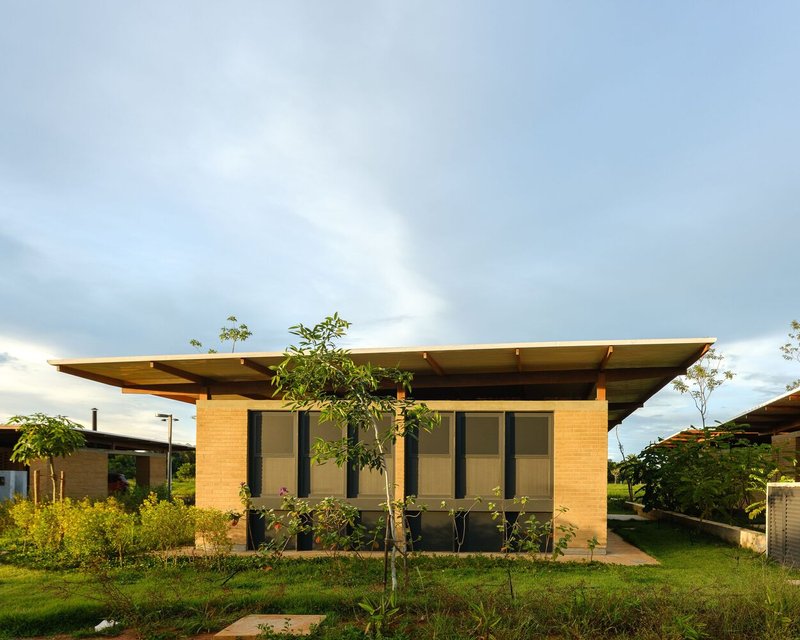
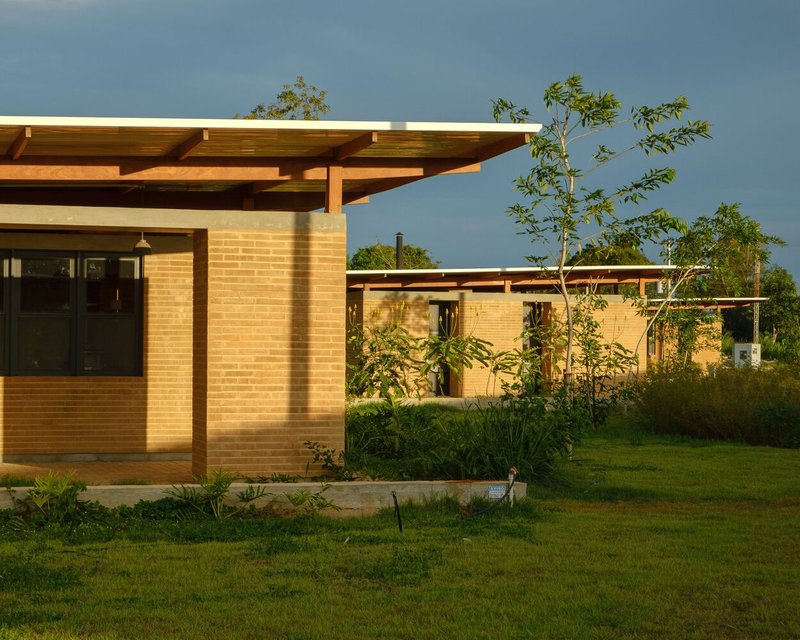
The architects incorporated several bioclimatic strategies to promote thermal comfort and energy efficiency. Notably, the village includes a ventilated windowsill system that permits air circulation while protecting interiors from rain and direct sunlight. The orientation of buildings along the North-South axis maximizes natural ventilation, crucial for cooling in the hot local climate.
Integration with the Natural Environment
Sustainable Urban Design and Landscaping
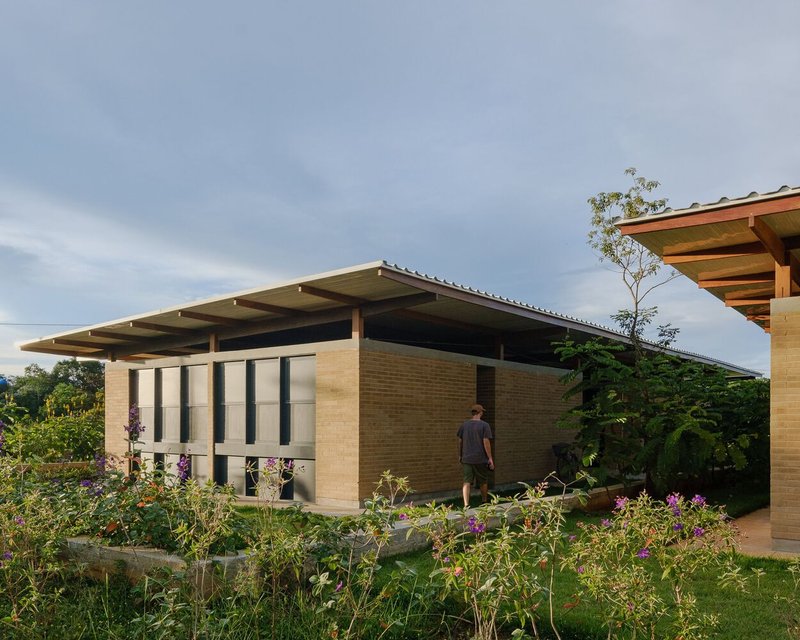
The layout of the Fazenda Canuanã School Staff Village is a testament to thoughtful urban design aligned with sustainability. The arrangement of the houses facilitates not only privacy but also a community-centric lifestyle. The implementation of unpaved gravel streets and extensive vegetation contributes to effective microclimate control and enhances the site's permeability, reducing runoff and increasing groundwater recharge.
Water Management Systems
The project's water management system features bio-ditches and strategically positioned gardens that naturally manage stormwater, directing excess towards the Javaés River, thereby minimizing environmental impact.
Community and Legacy
Constructive Community Engagement
The construction process itself was community-oriented, involving school employees and students. This educational component ensured that the community not only benefited from but also contributed to and learned from the sustainable practices implemented in their living environment.
The Impact on Local Housing
By integrating traditional knowledge with modern sustainable practices, the project sets a new standard for rural staff housing in Brazil, prioritizing environmental and social sustainability.
The Fazenda Canuanã School Staff Village is a flagship project in sustainable architecture in Brazil, offering valuable insights into the integration of environmental sustainability with architectural design. This project not only serves its immediate community but also sets a benchmark for future developments across the country.
By focusing on sustainable practices, from local material use to community involvement and ecological site planning, this project exemplifies how architecture can lead to a more sustainable and equitable future.
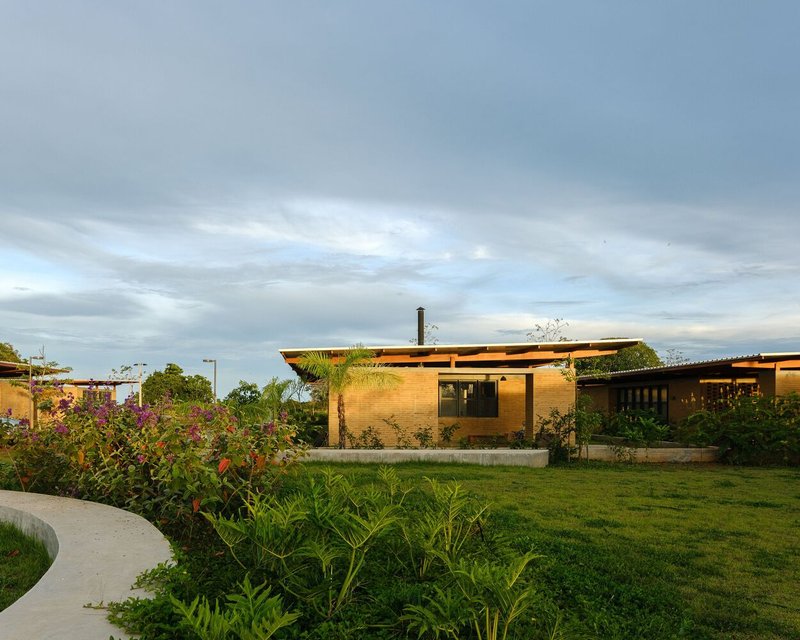
All the photographs are work of Pedro Kok



Popular Articles
Popular articles from the community

An Miên Lumière Cafe by xưởng xép, Ho Chi Minh City, Vietnam
An industrial-inspired café where layered steel and warm light create a dynamic, immersive environment shaped by reflection, depth, and perception.
Treehouse Apartment: A Warm Timber Interior Blending Craft, Play, and Contemporary Living
Warm timber apartment with integrated treehouse, combining natural materials, craftsmanship, and playful design to create a flexible, family-oriented living environment.


The Ken Roberts Memorial Delineation Competition (Krob)
As the most senior architectural drawing competition currently in operation anywhere in the world, it draws hundreds of entries each year, awarding the very best submissions in a series of medium-based categories.
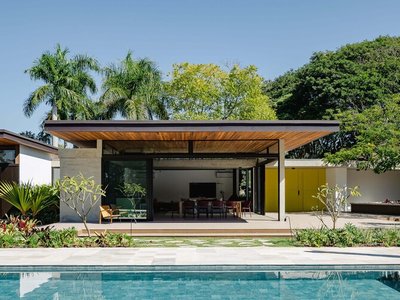
Flamboyant House by Juliana Camargo + Prumo Projetos
Modern Brazilian house integrating existing tree, pool, and volumes with glass, wood, and transitional spaces blending interior, exterior, and landscape seamlessly.
Similar Reads
You might also enjoy these articles

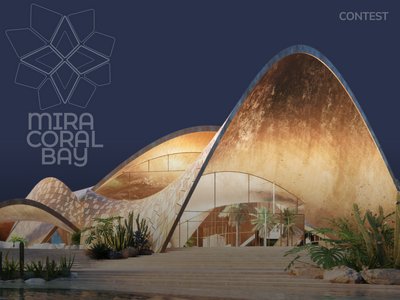
Architectural Competition: Create a Luxury Waterfront Community in the UAE!
Mira Developments announces an open competition for the pre-concept design of Mira Coral Bay in Ras Al Khaimah, UAE


Parametric Design: What Can You Learn from the 1st Workshop of Beegraphy?
Discover the Fundamentals and Advanced Techniques of Parametric Design

Feast of flight factory
A new ecological order with sustainable food resources-insects
Beyond Blueprints : How Architecture Presentation Boards Define The Design Narratives?
Unveiling the Art and Strategy Behind Architectural Storytelling

Explore Architecture Competitions
Discover active competitions in this discipline




The International Standard for Design Portfolios


The Global Benchmark for Architecture Dissertation Awards


The Global Benchmark for Graduation Excellence


Challenge to design public laboratory
Comments (0)
Please login or sign up to add comments
No comments yet. Be the first to comment!