

Sustainable Campus Architecture: California College of the Arts by Studio Gang
Studio Gang’s sustainable campus architecture for CCA fosters creativity and collaboration while reducing environmental impact in San Francisco.


Redefining Learning Spaces with Sustainability and Creativity
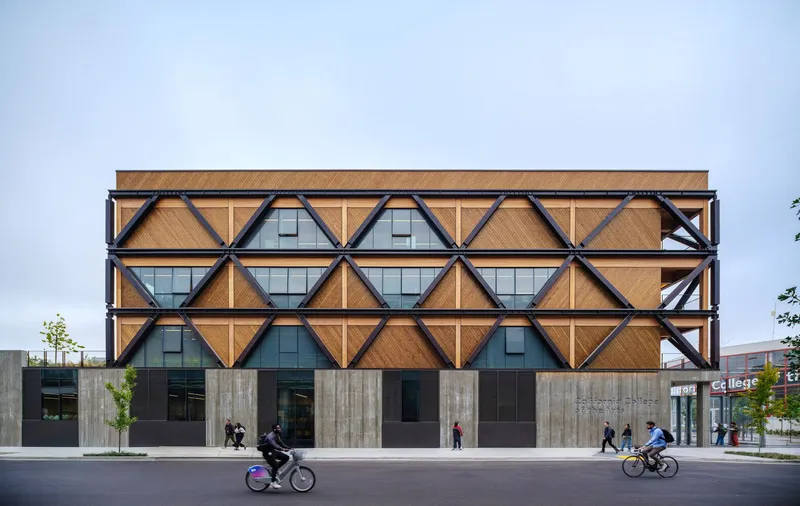
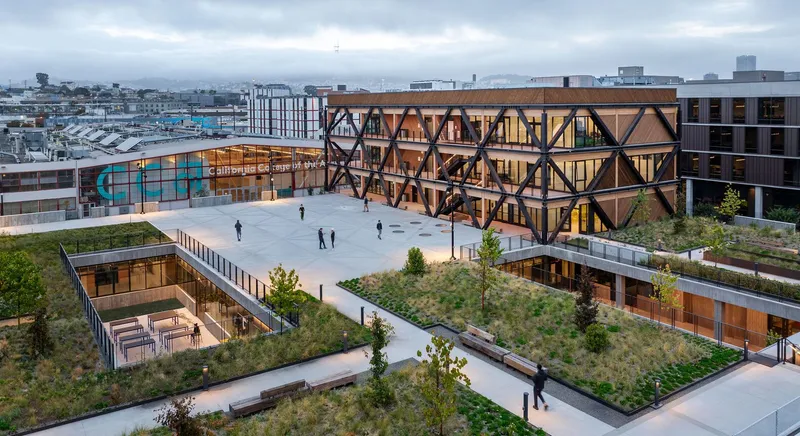
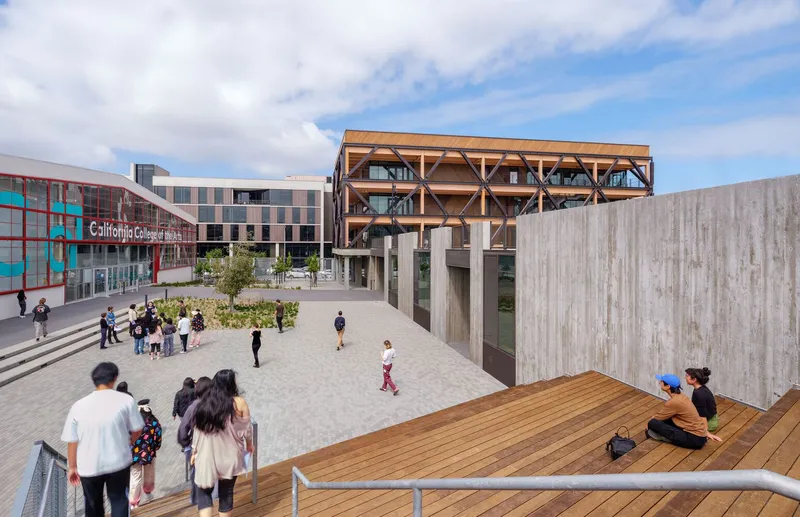
The California College of the Arts (CCA) in San Francisco, designed by Studio Gang, represents an innovative approach to sustainable campus architecture. By blending indoor-outdoor spaces with cutting-edge green design, this 82,305-square-foot addition fosters collaboration, creativity, and sustainability. Led by Jeanne Gang, the project reflects CCA's mission to merge diverse art disciplines while reducing environmental impact.
Historical Context: CCA's Evolution in Design Education
Founded during the Arts and Crafts movement, CCA has evolved into a hub for 34 art and design disciplines, ranging from ceramics to architecture. The expansion builds upon this legacy by creating a vibrant ecosystem that encourages interdisciplinary connections and collaboration among students and faculty.
Architectural Design: A Creative Ecosystem
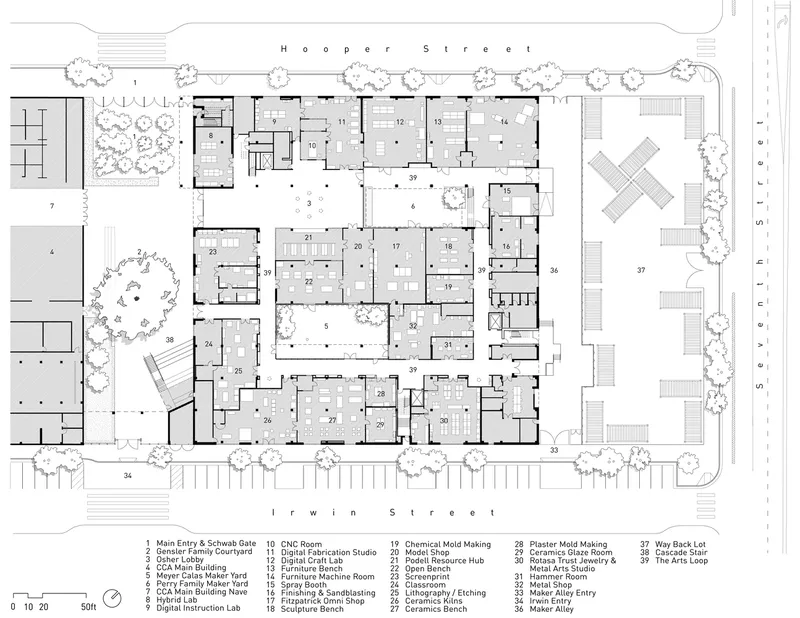
Ground-Level Design: A Hub for Making
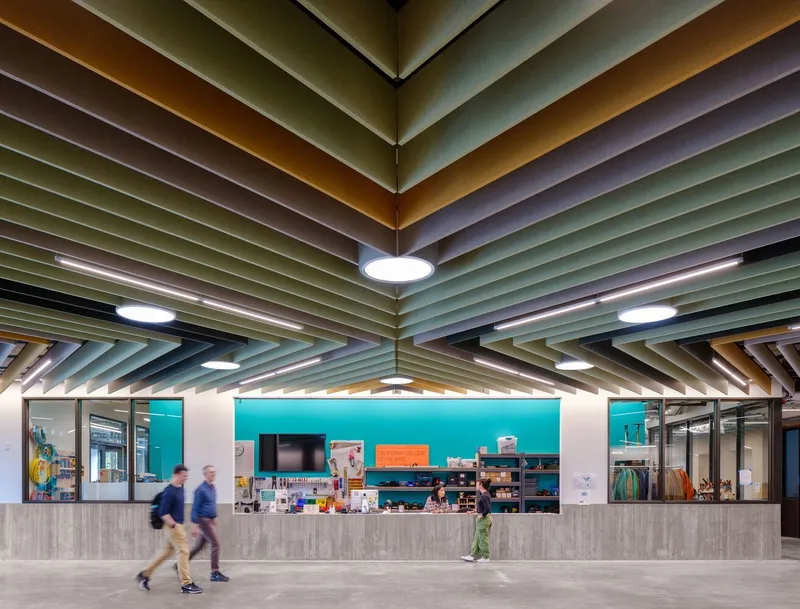
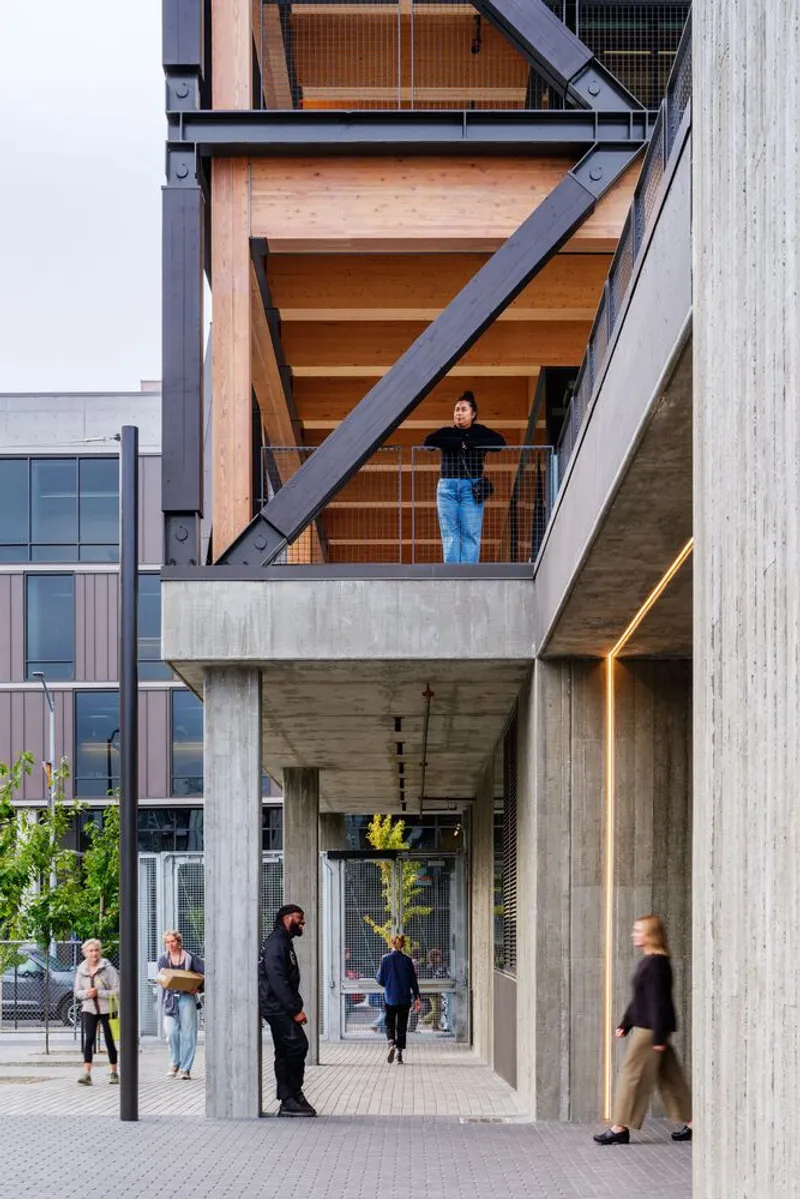
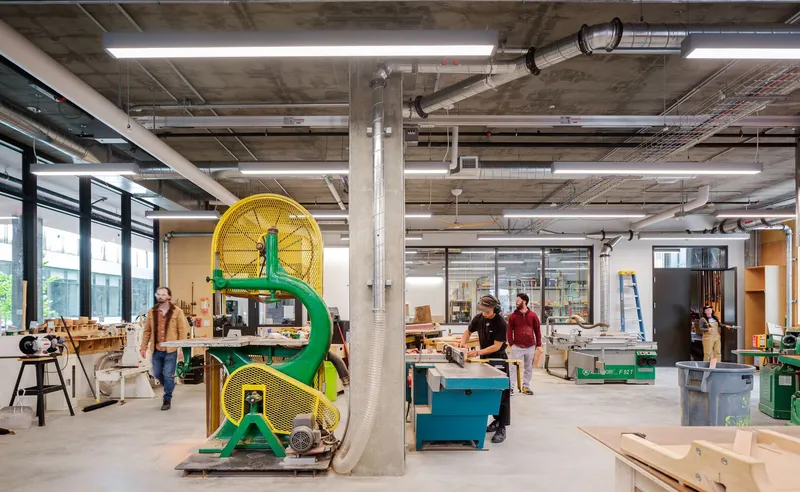
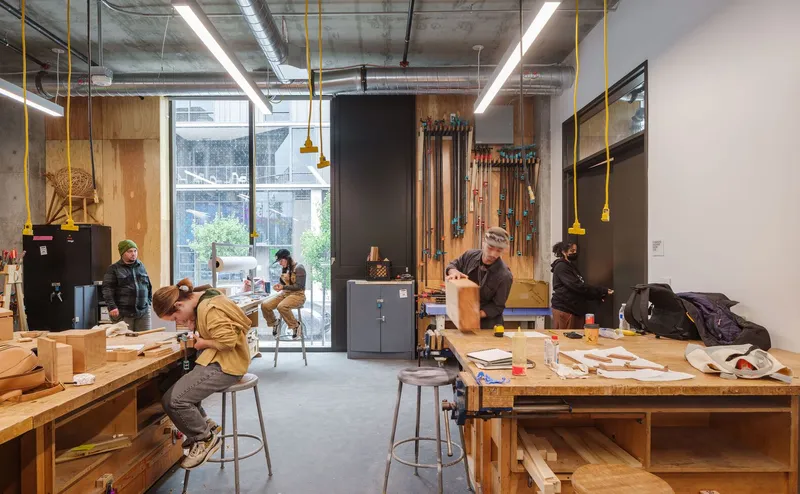
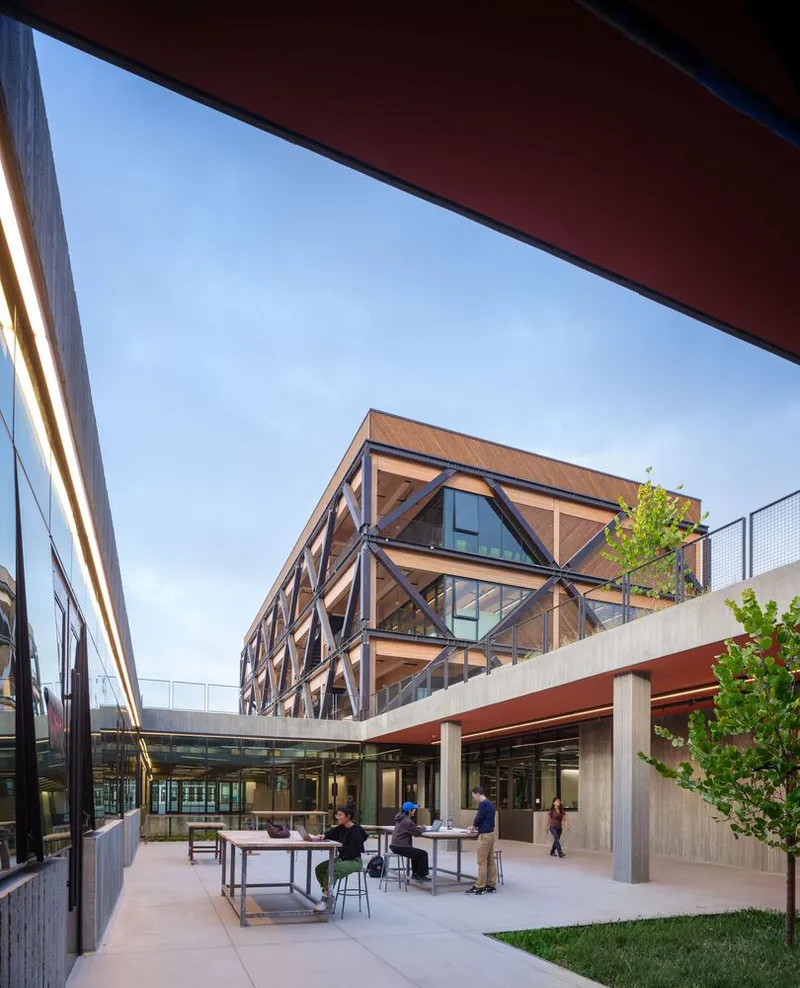
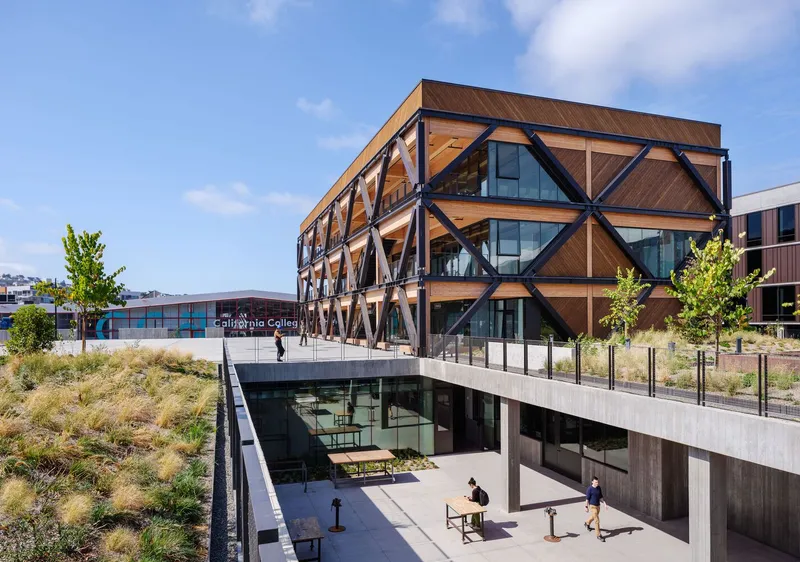
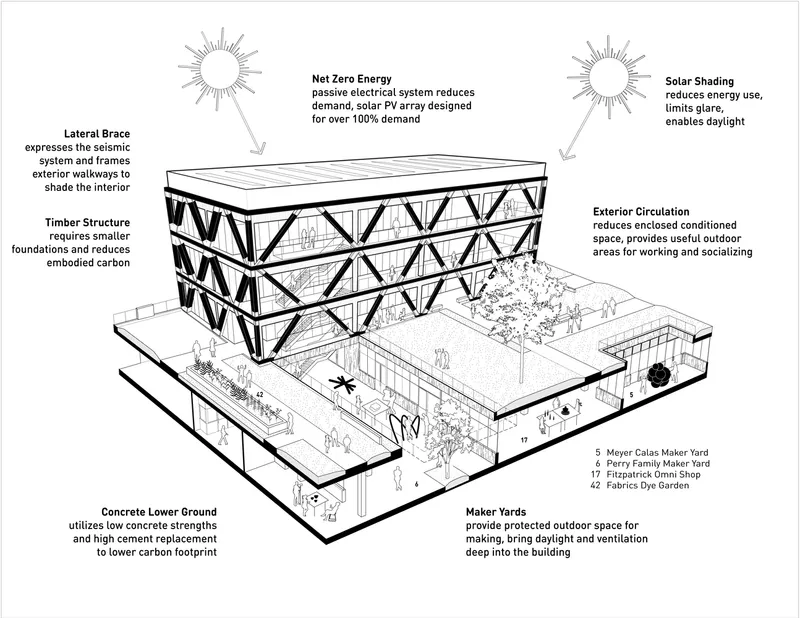
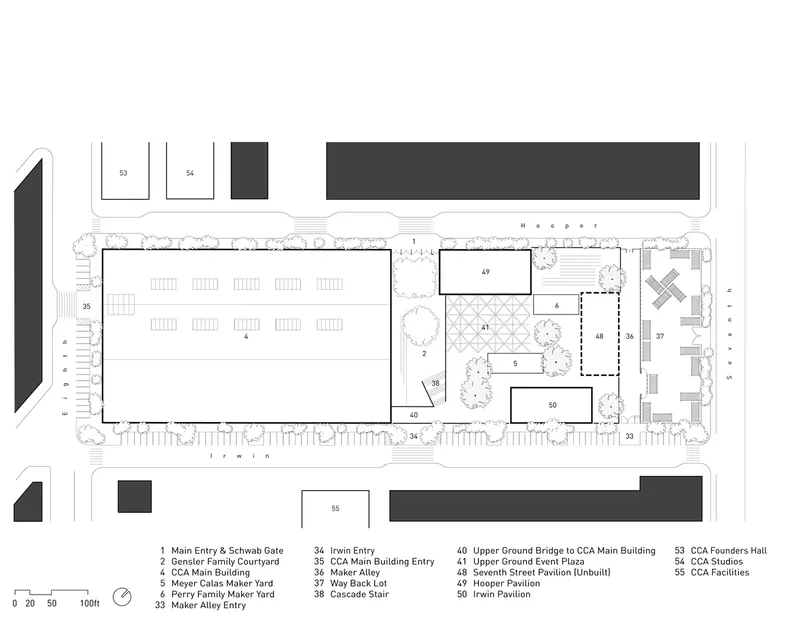
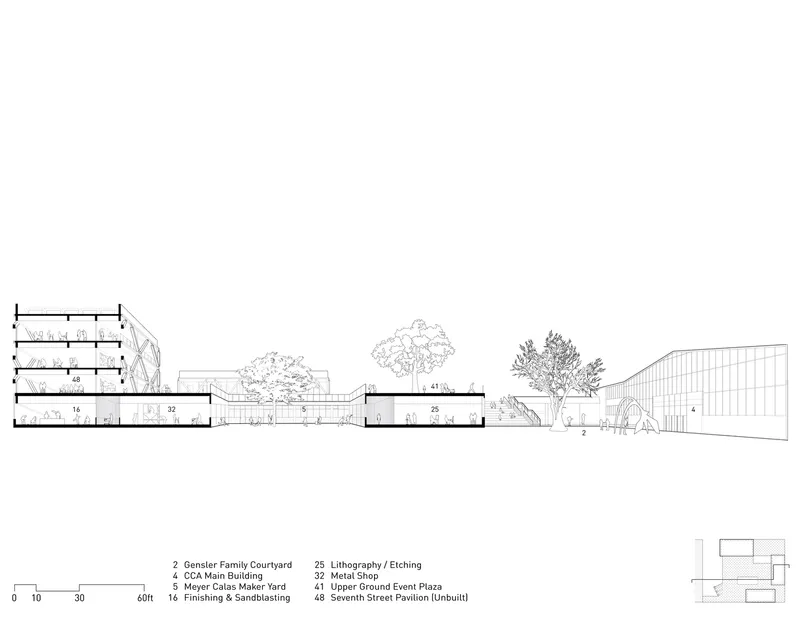
The concrete ground level serves as the heart of physically intensive practices like large-scale fabrication and workshops. Its open-plan layout, organized around shared materials and equipment, promotes visibility and interaction among different programs. Two maker yards carved into this level bring in fresh air and natural light, enhancing the creative environment.

Mass Timber Pavilions: Sustainable and Functional
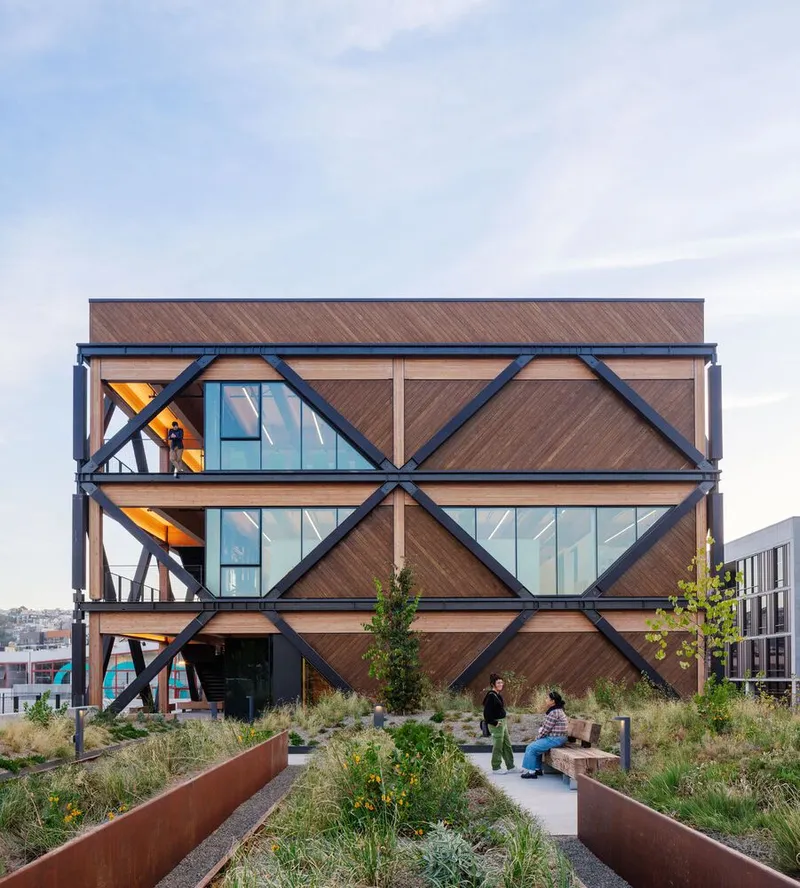
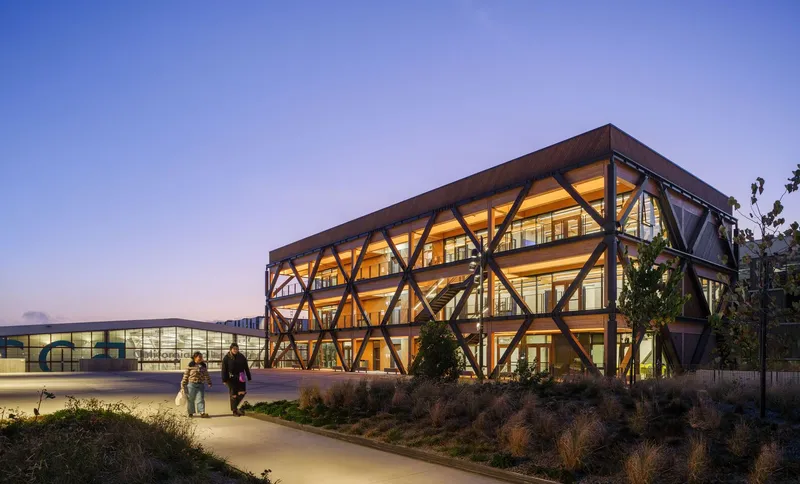
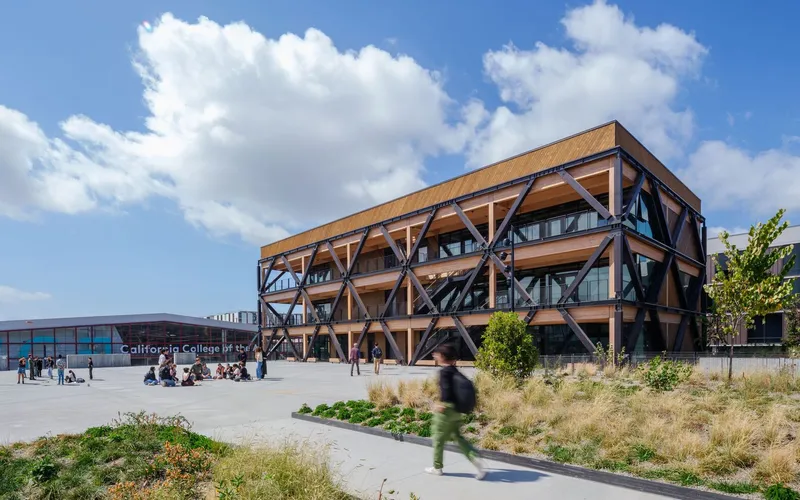
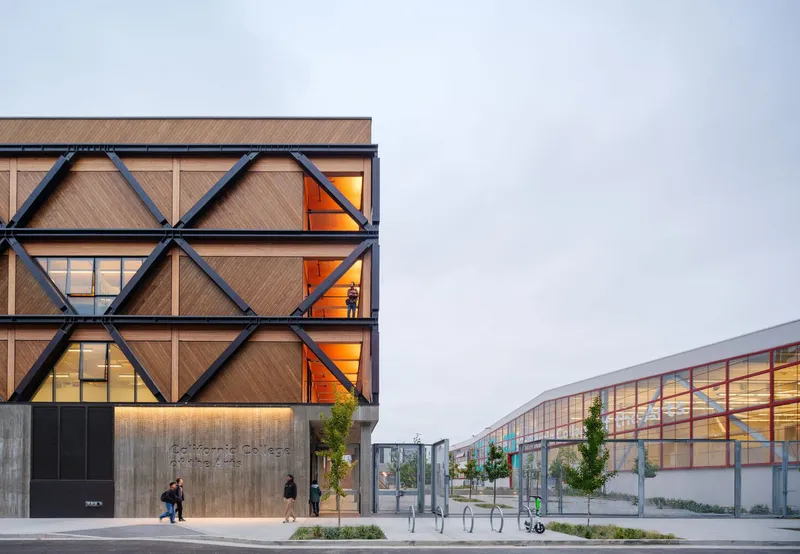
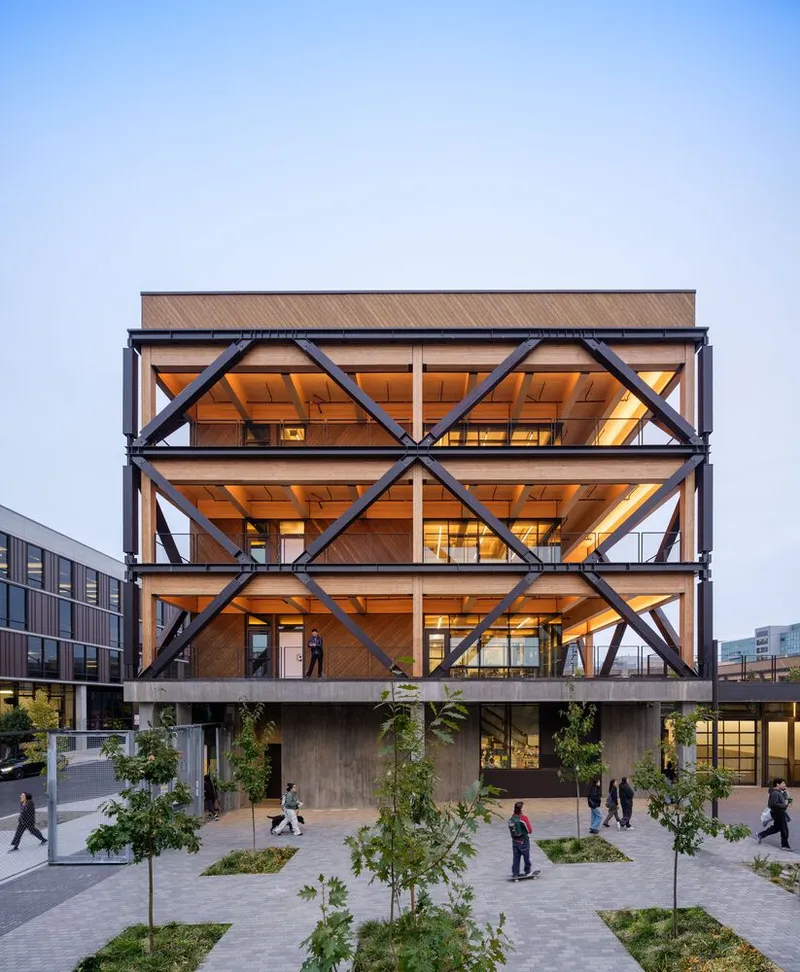
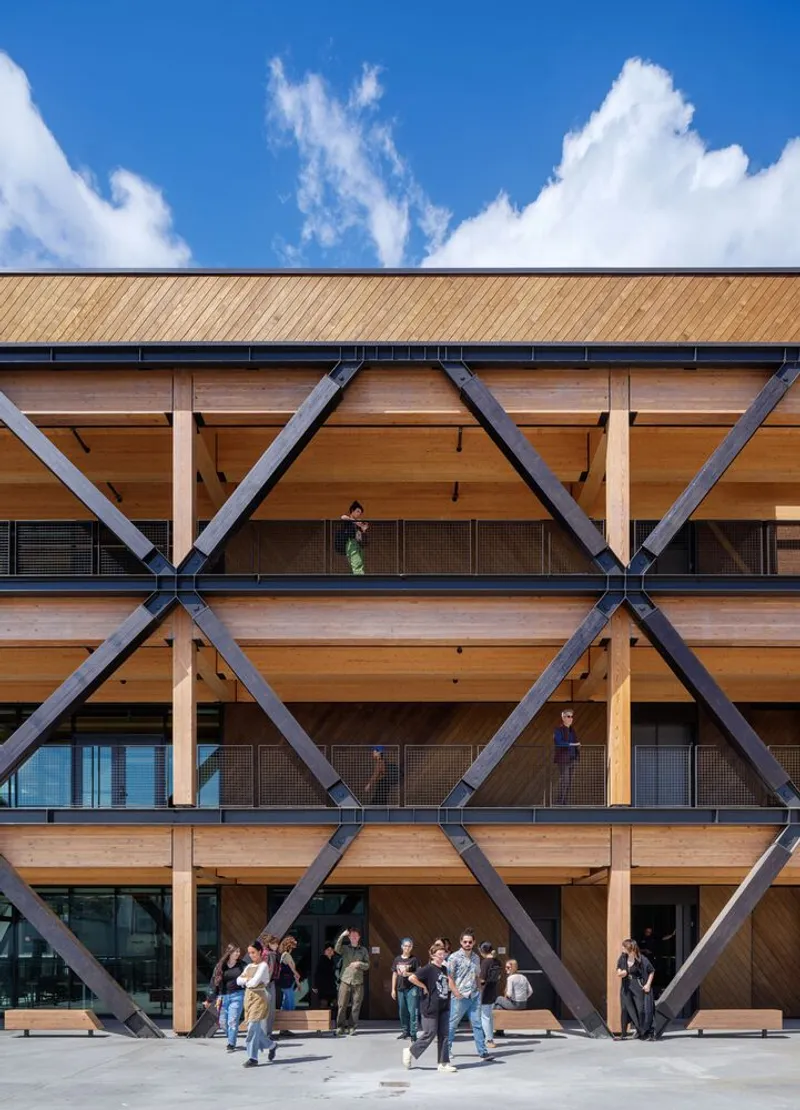
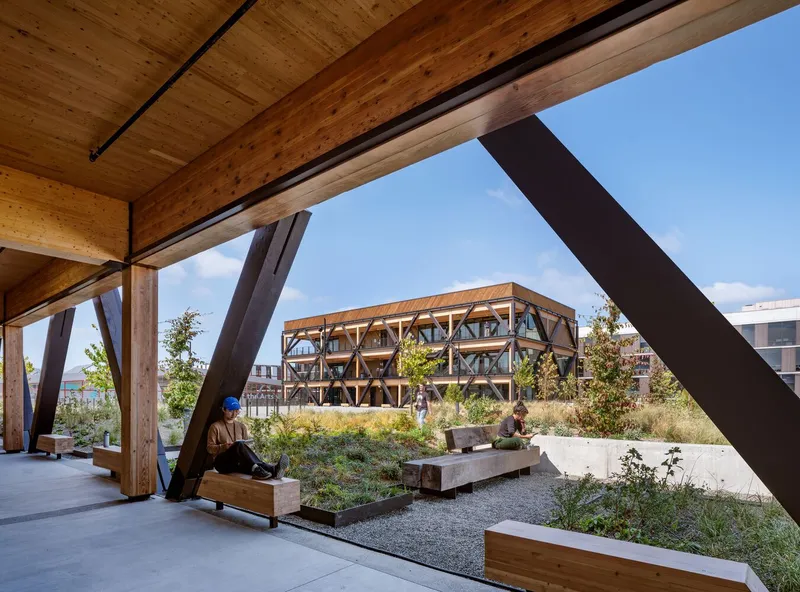
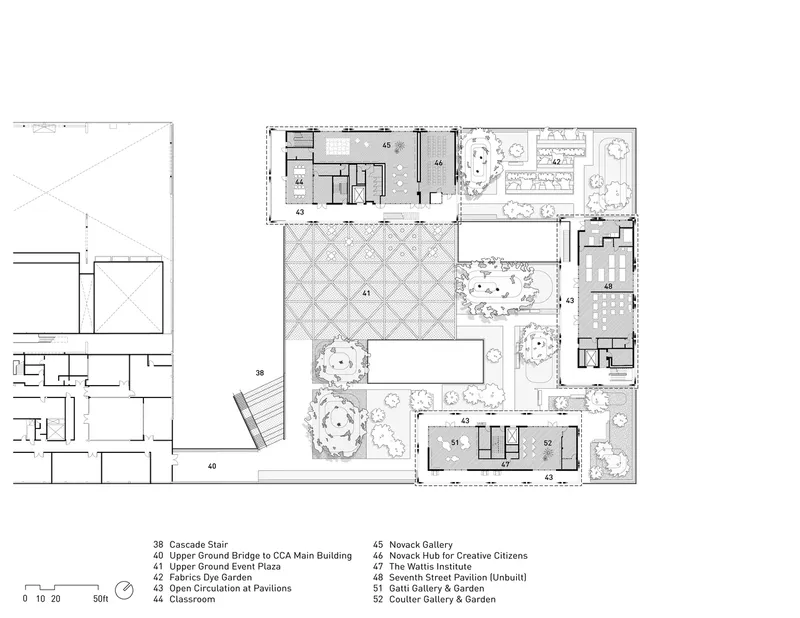
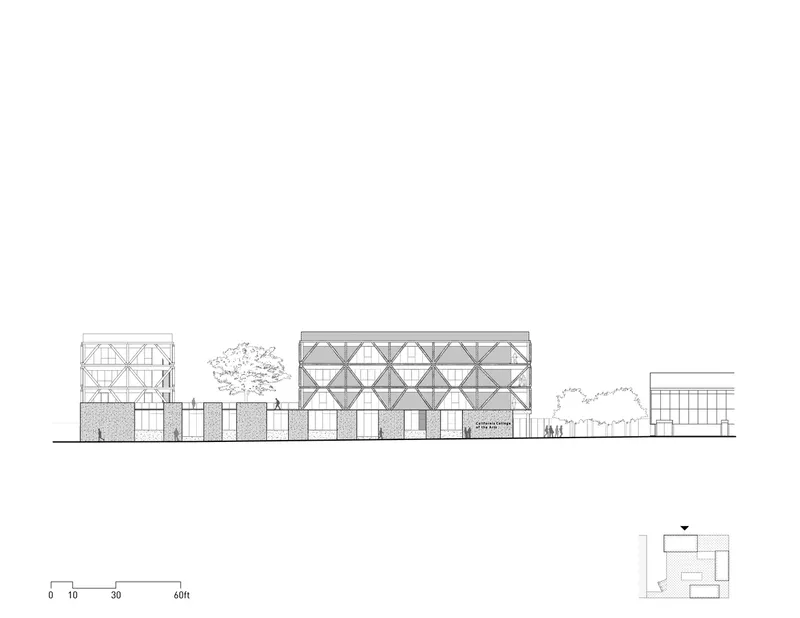
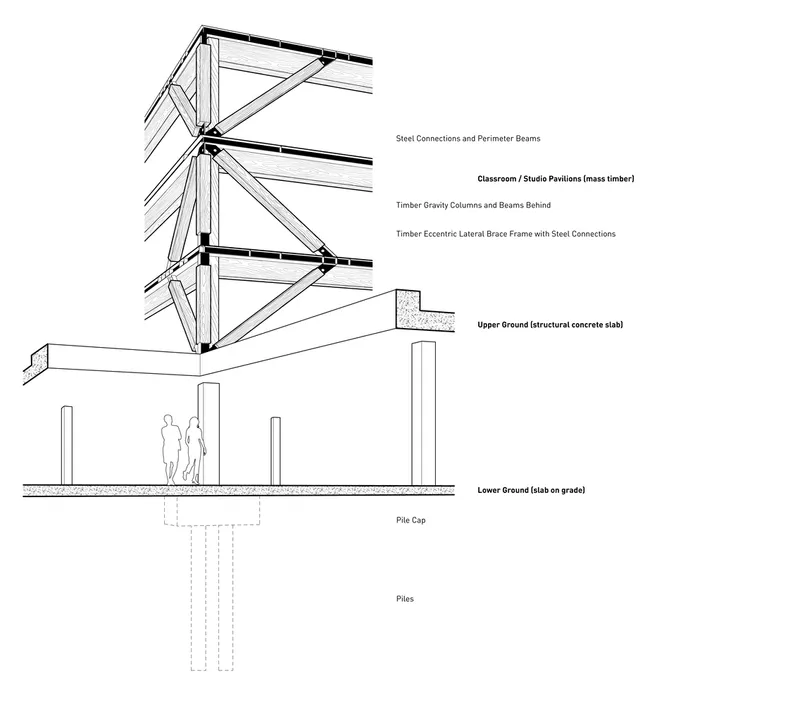
Above the concrete base, two mass timber pavilions house classrooms, studios, and the Wattis Institute for Contemporary Arts. These pavilions feature exposed timber structures, showcasing sustainability and innovation. Their terraced green landscape connects the building’s levels, offering outdoor circulation, informal learning spaces, and panoramic views.
Sustainability at the Core
Embodied Carbon Reduction
The hybrid mass timber structure reduces the building’s embodied carbon footprint by nearly half compared to traditional designs. Minimal finishes further contribute to lowering environmental impact.
Passive Design Strategies
The design incorporates self-shading façades, night-flush ventilation, and strategically placed structural loads to minimize energy consumption. These features naturally cool the building and adapt to future technologies.
Closed-Loop Vision
Infrastructure is in place for a net-positive, closed-loop system, aligning with CCA’s long-term sustainability goals.
Enhancing Community Connection
Studio Gang’s design strengthens CCA’s role within San Francisco’s design and innovation district. The streetscape welcomes the wider community, while the integration of outdoor and indoor spaces invites interaction between students, faculty, and visitors.
The Future of Art and Design Education
This expansion reflects Studio Gang's philosophy of shaping environments that inspire collaboration and innovation. Jeanne Gang’s vision for the California College of the Arts sets a benchmark for sustainable campus architecture, blending design, sustainability, and education in an environment that inspires the next generation of creatives.
All Photographs are work of Jason O Rear


Popular Articles
Popular articles from the community


Singing Woman: Contemporary Architecture Inspired by Estonia’s Voice and the Sea
Singing Woman turns Estonia’s song culture into flowing opera house architecture, blending public life, landscape, sea, and national memory.
Temporary Home for Dogs: A Reversed Zoo Rethinks Animal Shelter Architecture
In Bucharest, a sinuous corridor and freed landscape flip the logic of containment, designing a shelter that works to make itself unnecessary.

Tsunami Convergenics: Turning Catastrophic Ocean Forces into Underwater Housing Infrastructure
A speculative underwater settlement off the coast of Onagawa, Japan, treats tsunamis and typhoons as energy sources rather than threats.

The Amber Palace Opera: A Geological Fiction Surfaces on Tallinn's Baltic Waterfront
Pierre Brillard reimagines a Baltic legend as a public landscape, opera house, and waterfront promenade rooted in Tallinn's coastal identity.

Similar Reads
You might also enjoy these articles


Hodi-Mandai Geram
Project Function: Preservation and revitalization of the Intangible heritage and socio-spatial identity of the Hodi by Housing, Cultural Memory Center, Sacred Grove, landscape, local tourism economy


Olio Towers: A Mid-Rise for Performers That Fuses Housing, Rehearsal, and Stage
Located blocks from Houston's Theater District, this modular tower stacks living units around a central performance atrium.

Oasis: Modular Green Housing Carved into Dhaka's Urban Fabric
A shortlisted Plugin Housing entry reclaims unauthorized settlements in Dhaka with stepped concrete volumes, green roofs, and ventilation-driven design.

Black Hole: A Floating Megastructure for the Post-Physical Era
Emiliano Mazzarotto envisions a spherical, self-scaling arena where e-sports, digital hotels, and holographic stadiums replace traditional public space.

Explore Art Center College Of Design Competitions
Discover active competitions in this discipline

Challenge to design public laboratory

Challenge to reimagine the Iron Throne

Photograph architecture without architects

Illustrate the lost glory of Angkor Wat - Render Challenge
Comments (0)
Please login or sign up to add comments
No comments yet. Be the first to comment!