
Terna Headquarters Renovation in Rome: A Sustainable, Flexible Workplace Transformation by IT'S Studio & eFM
Terna’s renovated headquarters creates flexible, sustainable workspaces with recycled materials, hybrid zones, and adaptive design focused on well-being and contemporary workplace innovation.

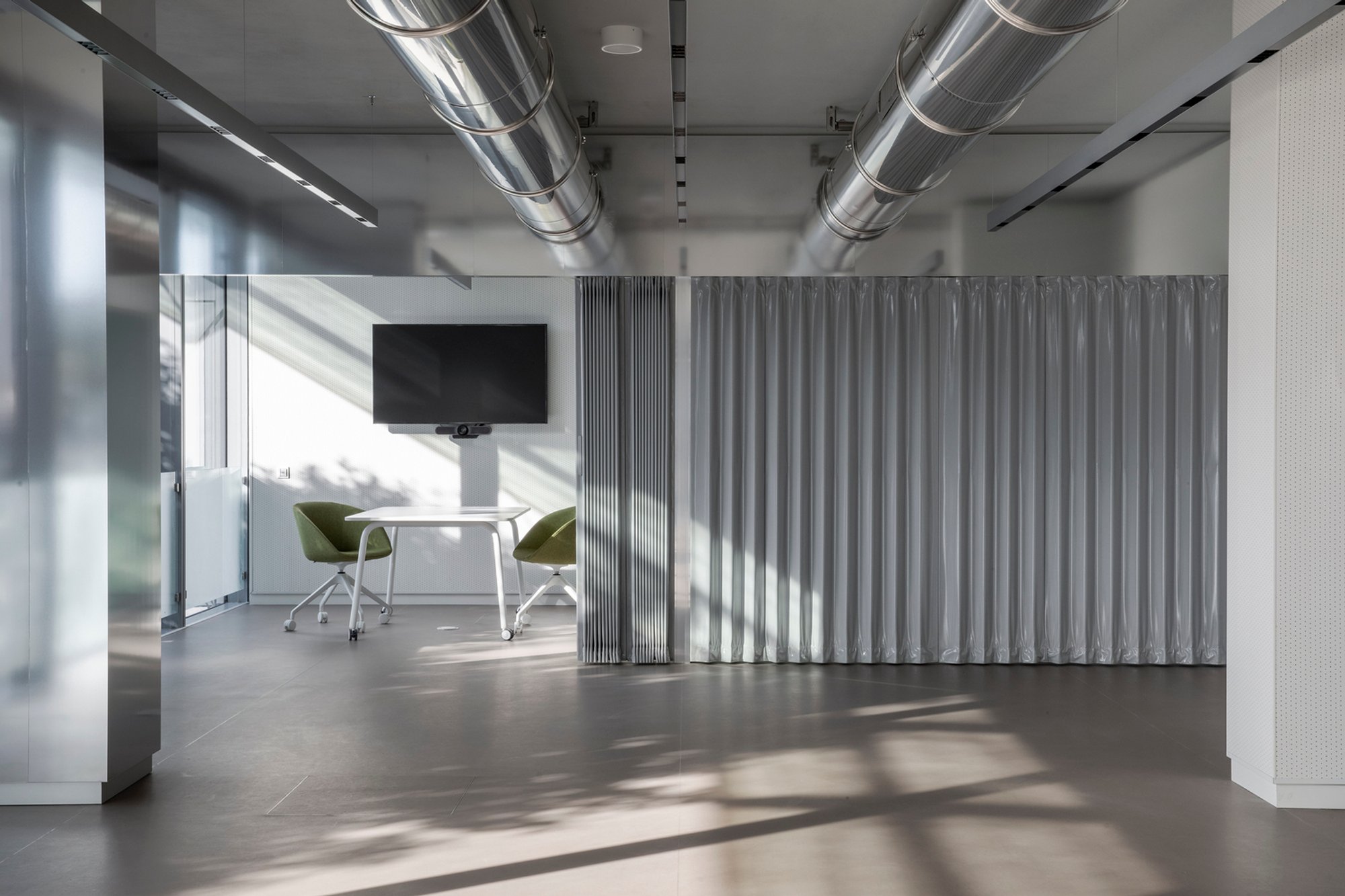
The renovation of the Terna Headquarters in Rome marks a significant evolution in contemporary corporate design, led by IT'S Studio and eFM. Completed in 2024, the 1,100 m² ground-floor redesign reimagines workplace culture through flexibility, hybrid work models, sustainability, and user well-being. The project introduces a fresh architectural language rooted in material innovation, digital infrastructure, and adaptive spatial programming, aligning Terna’s identity as a forward-thinking energy company with a resilient and people-centered environment.
A New Vision for Contemporary Work Environments
IT'S Studio and eFM approached the Terna Headquarters renovation with a dual objective: • Support Terna’s internal transformation toward flexible and hybrid modes of working. • Redefine the spatial aesthetic with materials and atmospheres that express technological innovation and environmental responsibility.
The project introduces adaptable work settings with varying degrees of privacy, connectivity, and mobility. From collaborative hubs to quiet zones and digital literacy areas, each space is equipped with advanced IT infrastructure, enabling seamless workflows in an increasingly hybrid landscape.
A Dynamic Public Space for Work, Interaction, and Leisure
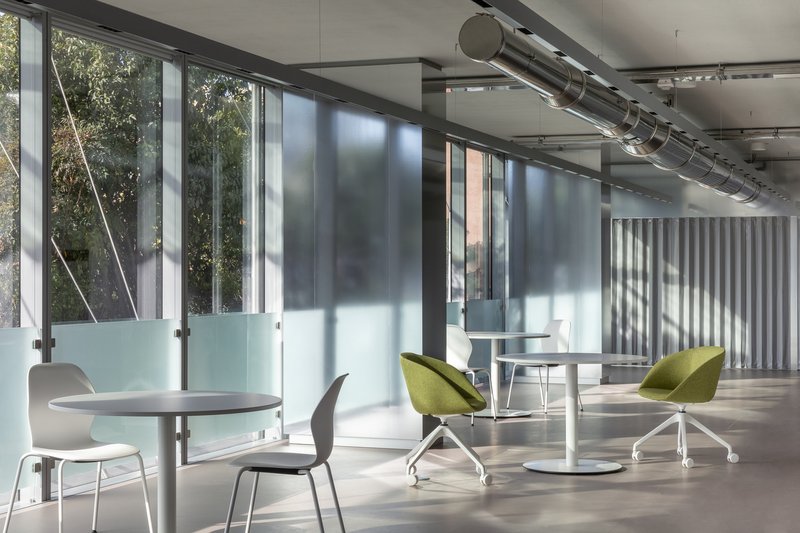
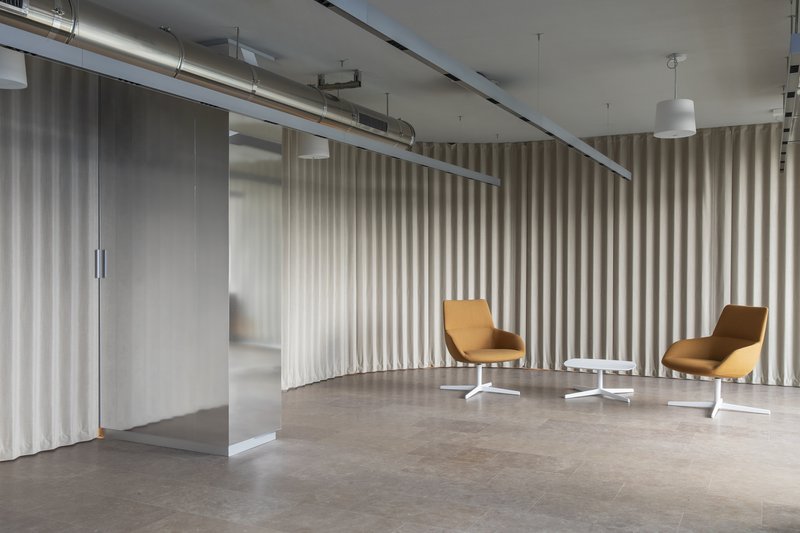
The redesigned ground floor is conceived as a large, open public space organized into two distinct wings:
1. Hybrid Work Zone
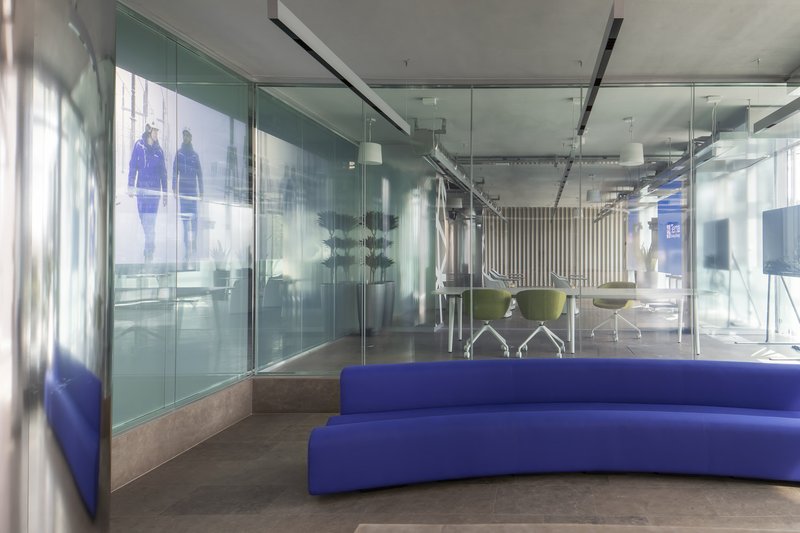
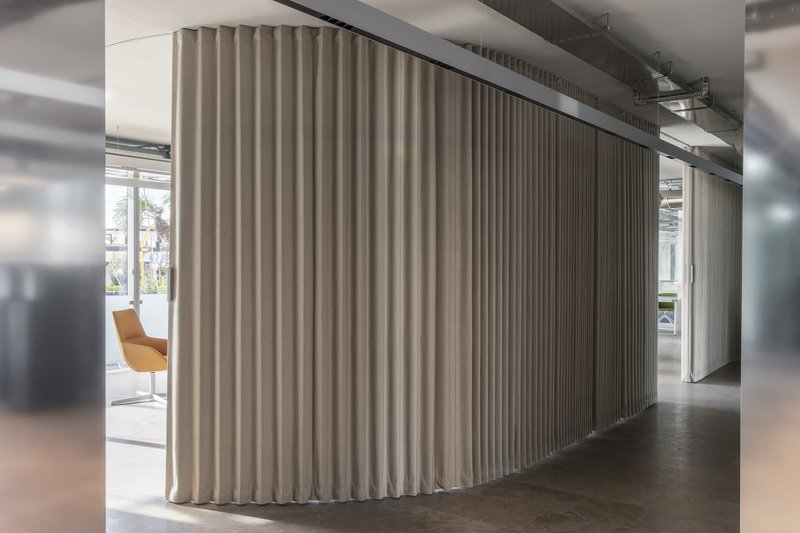
This area integrates: • Resting lounges • Digital learning areas • Modular collaborative workstations Movable partitions allow the environment to shift fluidly based on activity, supporting anything from casual meetings to focused tasks.
2. Dining & Café Wing
The dining area and café serve as a multifunctional social hub. Designed for all-day use, the café can transform into a workspace or casual meeting spot, blurring the lines between work and leisure while fostering community and interaction.
A Welcoming, Sustainable Reception Experience
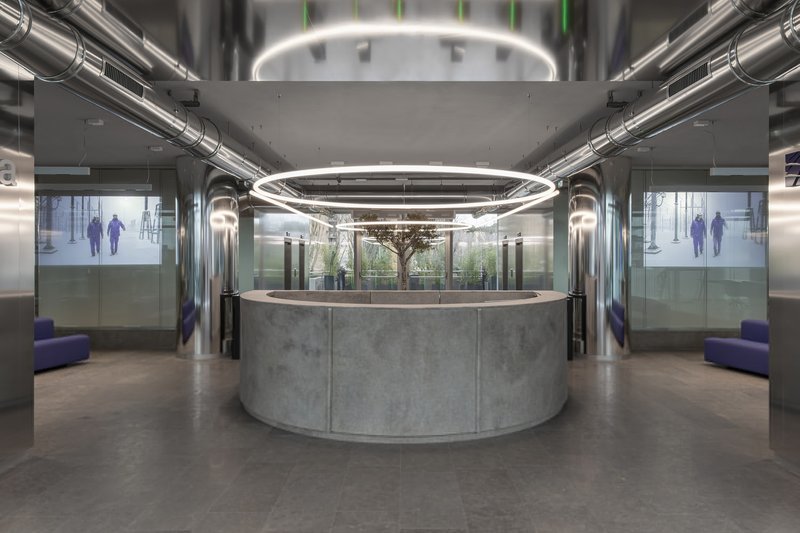
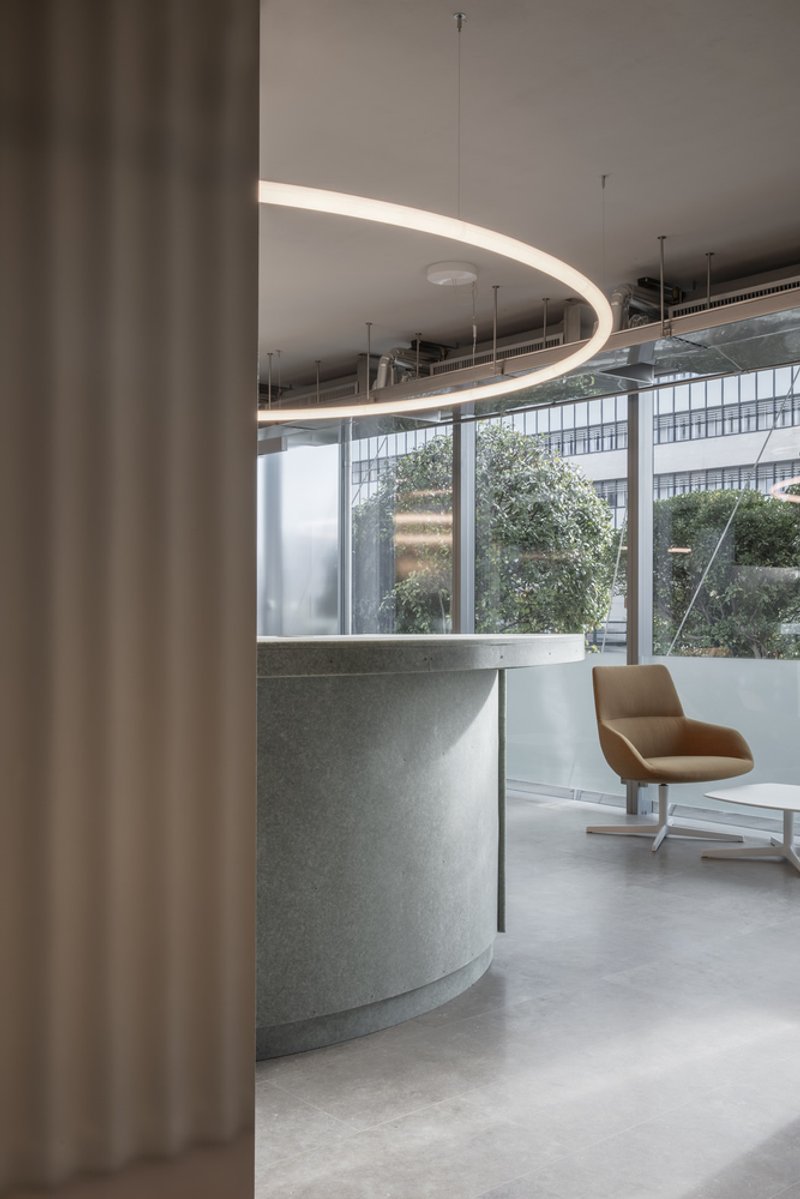
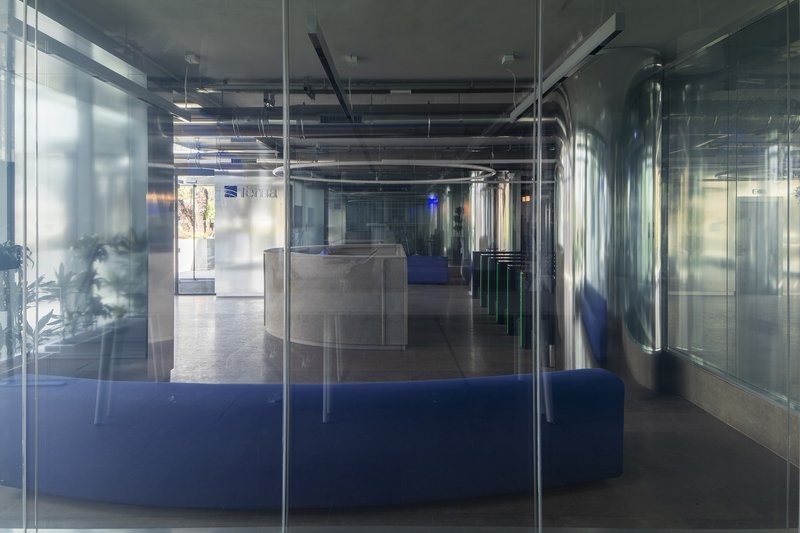
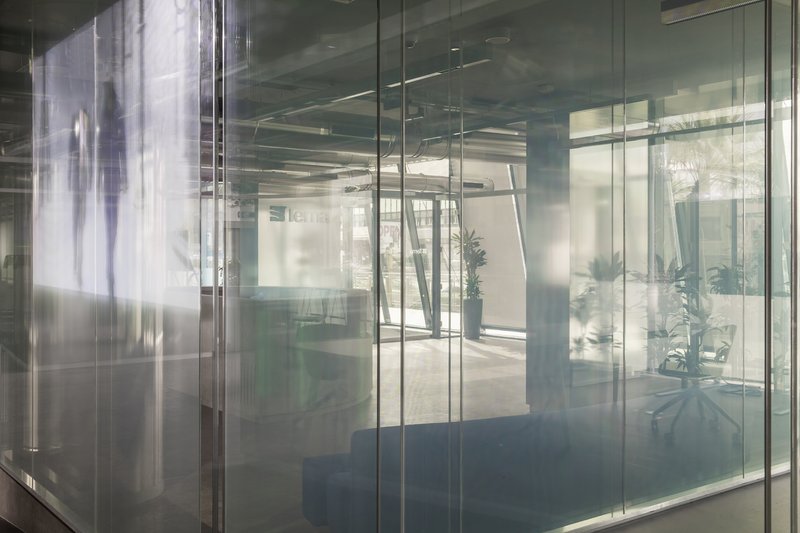
The entrance opens into a bright, expansive reception area featuring a custom soft-shaped desk crafted from 100% recycled and recyclable plastic, developed in collaboration with Plastiz. This bespoke piece reflects the project’s commitment to circular materials and environmental stewardship.
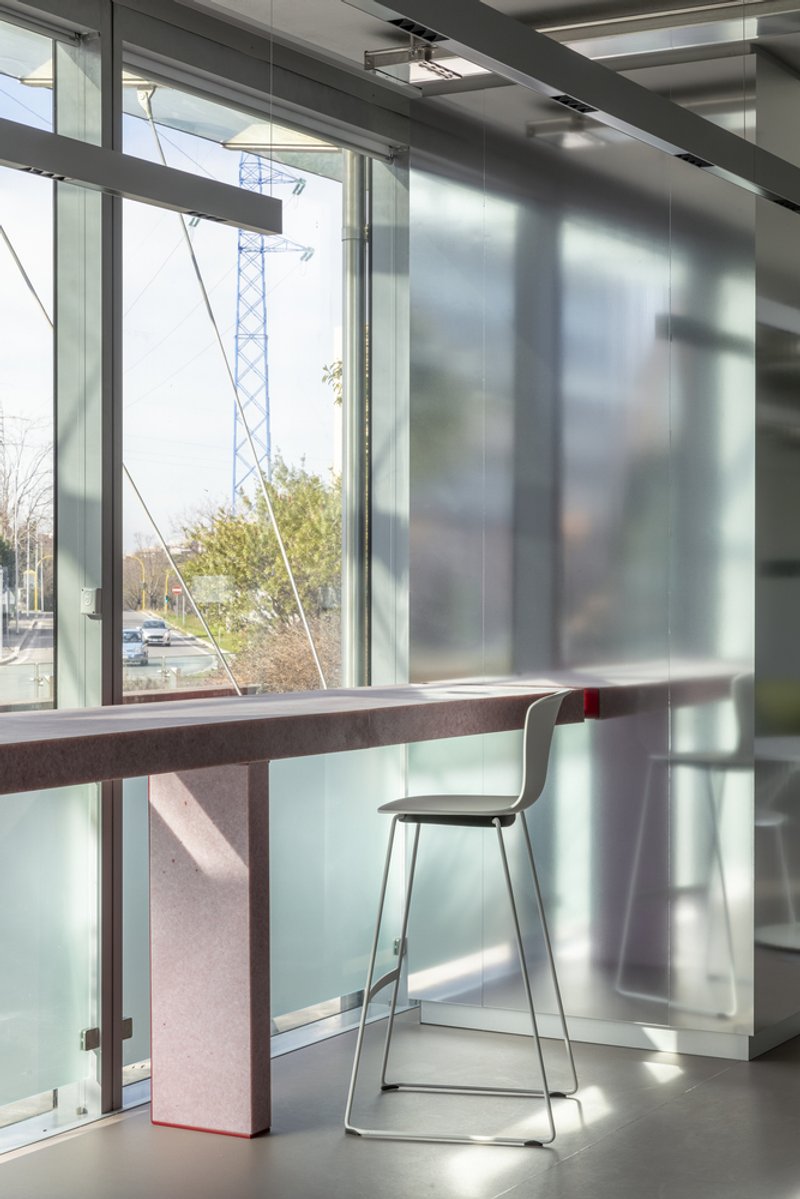
Custom furnishings, crafted from compact slabs with vivid colored veining, reinforce the sustainable narrative while adding a distinct visual identity inspired by Terna’s technological edge.
Sustainable Materials & Sensory Architecture
Material selection plays a central role in shaping the sensory and environmental impact of the project:
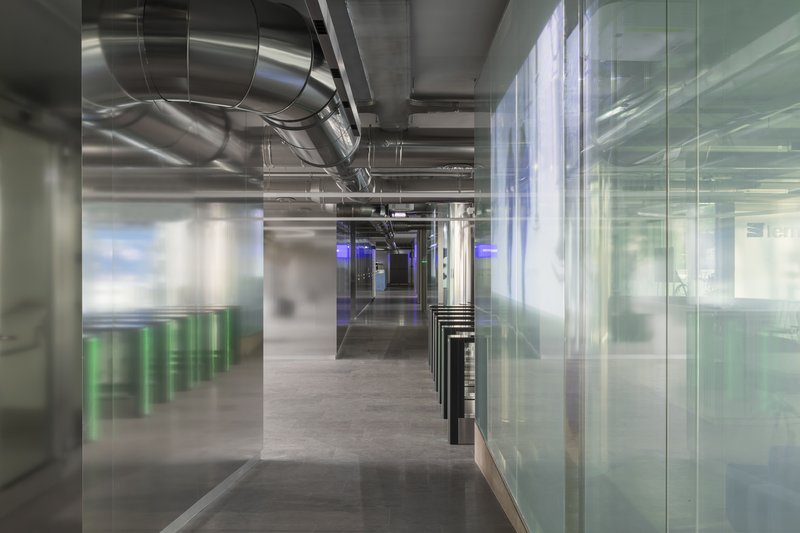
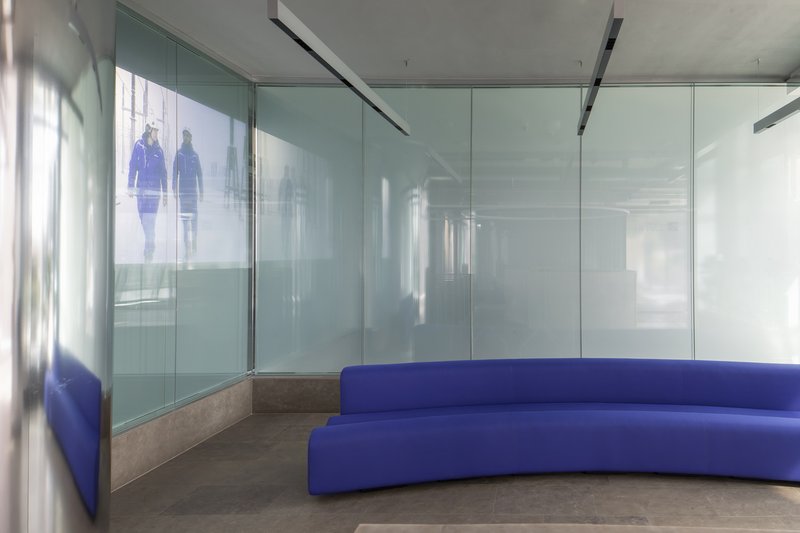
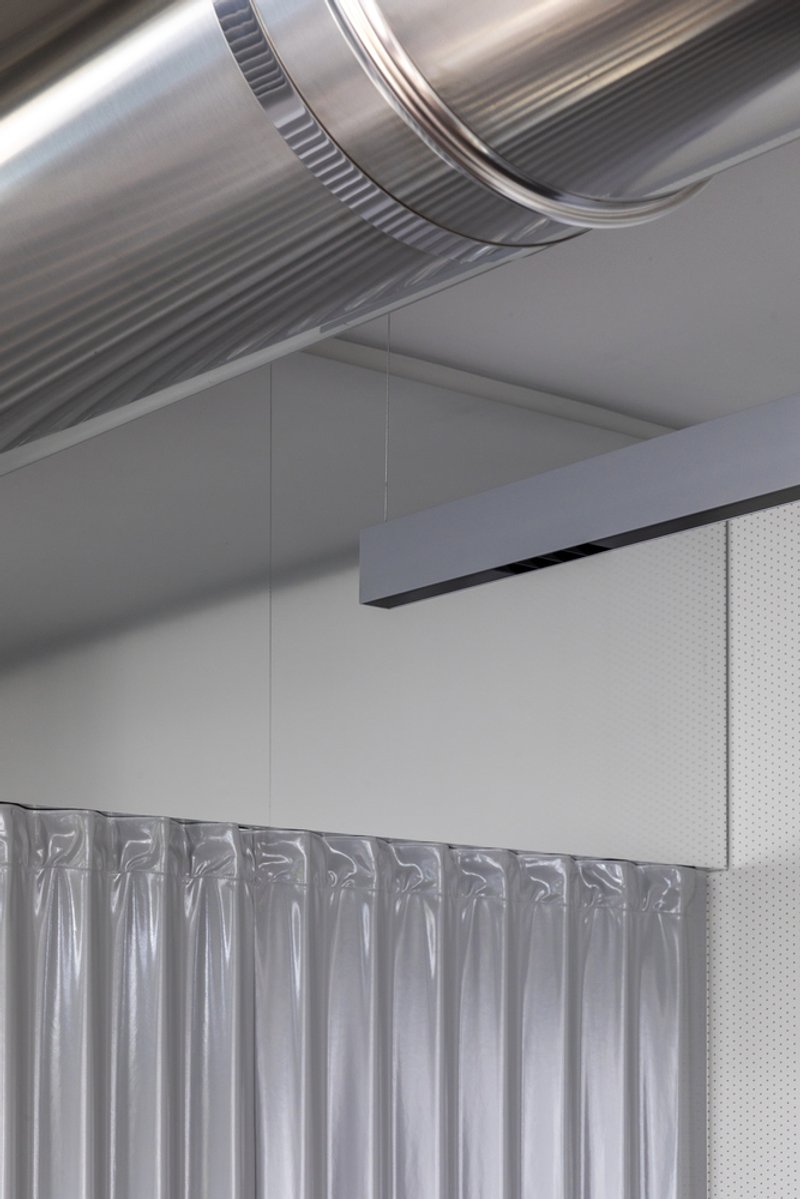
• Linoleum flooring: made from natural components like flaxseed oil, wood flour, jute, and cocoa waste, enhances sustainability in the dining area. • Santa Fiora natural stone, sourced locally in central Italy, gives the reception and common areas a grounded, regional identity. • Reflective aluminum wall cladding introduces depth, light play, and dynamic movement. • Exposed building infrastructure reveals the technical heart of the facility, creating a dialogue between raw utility and refined surfaces.
Acoustic comfort is addressed through new sound-absorbing ceilings, transparent partition walls, and “curtain-style” acoustic panels, balancing openness with controlled soundscapes.
Adaptive Design That Evolves With Company Needs
Flexibility is embedded throughout the spatial layout. Before and after meal times, the dining area transforms into an open collaboration zone. Through Terna’s workplace reservation platform, T-Place, employees can book rooms, desks, or open workstations.
The bar area is expanded into a secondary informal work setting, creating additional micro-environments for conversation, idea-sharing, and informal meetings. Lounge clusters and island counters support spontaneous exchanges, reinforcing a culture of collaboration.
Circular Design Through Custom-Made Elements
Plastiz, an Italian startup specializing in recycling plastic waste, supplied key custom elements including: • Reception desks • Bar counters • Tech bar • Café stations
These bespoke features not only reduce environmental impact but also establish a cohesive design identity through durable, expressive surfaces with natural-like veining.
A Headquarters for the Future
The Terna Headquarters renovation stands as a model for future-ready corporate design, combining sustainability, flexibility, and human-centered thinking. Through strategic material choices, adaptable environments, and a commitment to circular innovation, IT'S Studio and eFM have created a workplace that aligns physical spaces with evolving organizational culture.
All photographs are works of
Eller Studio



Popular Articles
Popular articles from the community

Residence BB 214: Quiet Precision in Ludhiana
Minimalist Architecture & Design Studio composes a residence of white volumes, filtered light, and deliberate restraint in Punjab's urban fabric.

Filtering Space: A Gradual Spatial Experience
From urban intensity to spatial calm.
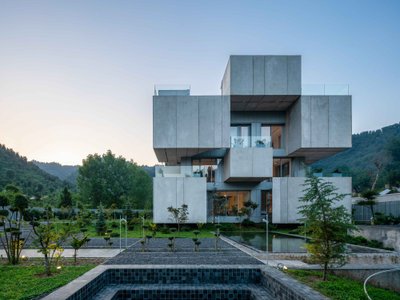
Bood Design Bureau Splits a Gilan Residence in Two to Let the Forest In
Double Side House negotiates privacy and openness through interlocking concrete volumes and planted courtyards in northern Iran's humid Caspian lowlands.
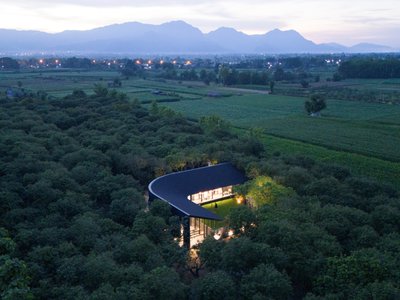
Cafe MADA: A Chiang Rai Pavilion in a Mango Orchard
BodinChapa Architects threaded a 254 m² black-roofed cafe through an existing mango orchard in Chiang Rai, Thailand, built around mature trees.

Similar Reads
You might also enjoy these articles
Filtering Space: A Gradual Spatial Experience
From urban intensity to spatial calm.


The Ken Roberts Memorial Delineation Competition (Krob)
As the most senior architectural drawing competition currently in operation anywhere in the world, it draws hundreds of entries each year, awarding the very best submissions in a series of medium-based categories.

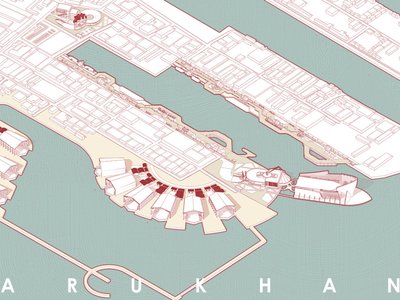
Waterfront Redevelopment and Urban Revitalization in Mumbai: Forging a New Dawn for Darukhana
A transformative waterfront redevelopment project reimagining Darukhana’s shipbreaking heritage into an inclusive urban future.
OUT-OF-MAP: A Call for Postcards on Feminist Narratives of Public Space
Rhizoma Design and Research Lab invites artists, designers, architects, researchers, and students to reflect on how feminist perspectives can reshape public space. Selected works will be exhibited in Barcelona, October 2026. Submissions open until 15 April 2026.
Explore Office Building Competitions
Discover active competitions in this discipline




The International Standard for Design Portfolios


The Global Benchmark for Architecture Dissertation Awards


The Global Benchmark for Graduation Excellence


Challenge to reimagine the Iron Throne
Comments (0)
Please login or sign up to add comments
No comments yet. Be the first to comment!