
Terrazza Biandrà Elevated Plaza by Park Associati: Milan’s Iconic Rooftop Transformation
Terrazza Biandrà is a Milan rooftop plaza with terracotta flooring, panoramic views, flexible seating, pollinator-friendly plants, blending historic restoration and urban elegance.


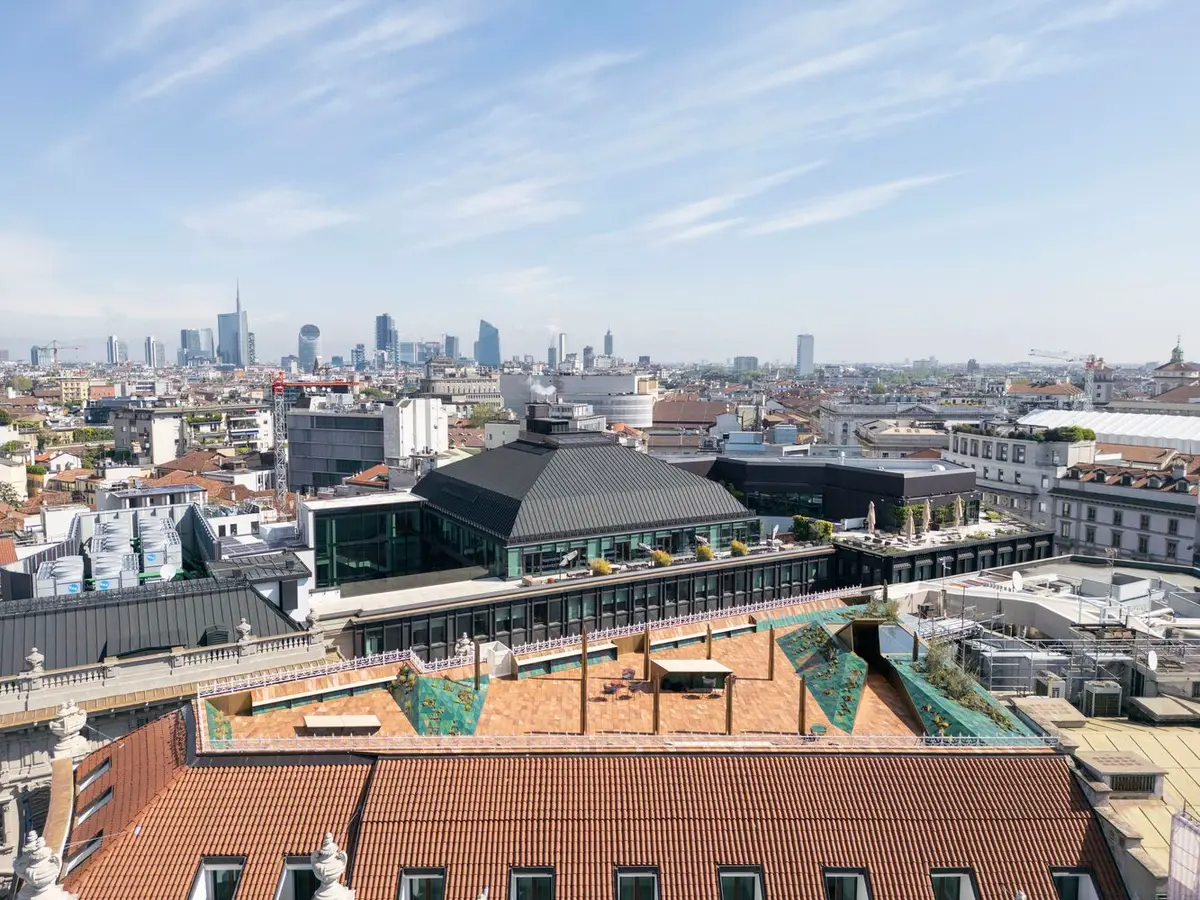
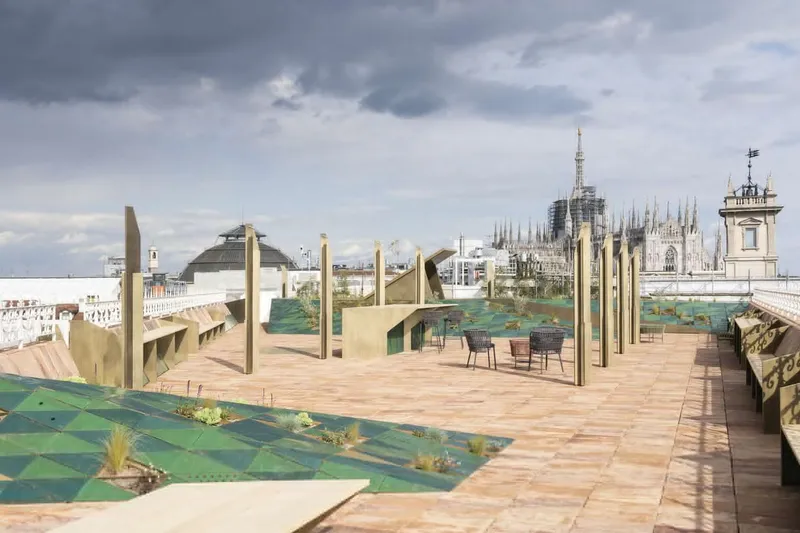
Nestled in the historic heart of Milan, Terrazza Biandrà Elevated Plaza, designed by Park Associati, transforms the rooftop of a landmark early 20th-century building into a serene, elevated public space. Located in Piazza Cordusio, the project revitalizes the terrace atop a building by Luca Beltrami, commissioned by Countess Celeste Dario-Biandrà, blending modern urban design with Milanese heritage. Completed in 2024, this elevated plaza demonstrates the seamless integration of restoration, urban design, and public space innovation.
A Rooftop in Dialogue with History
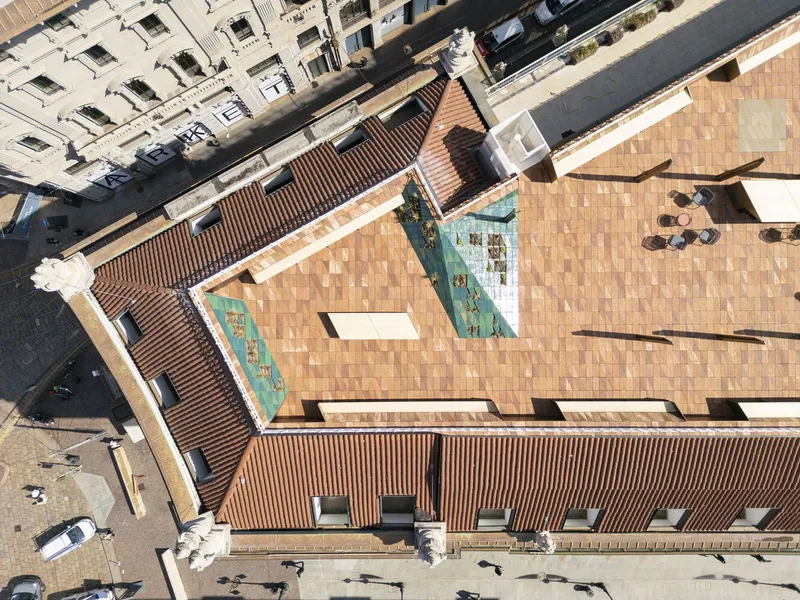
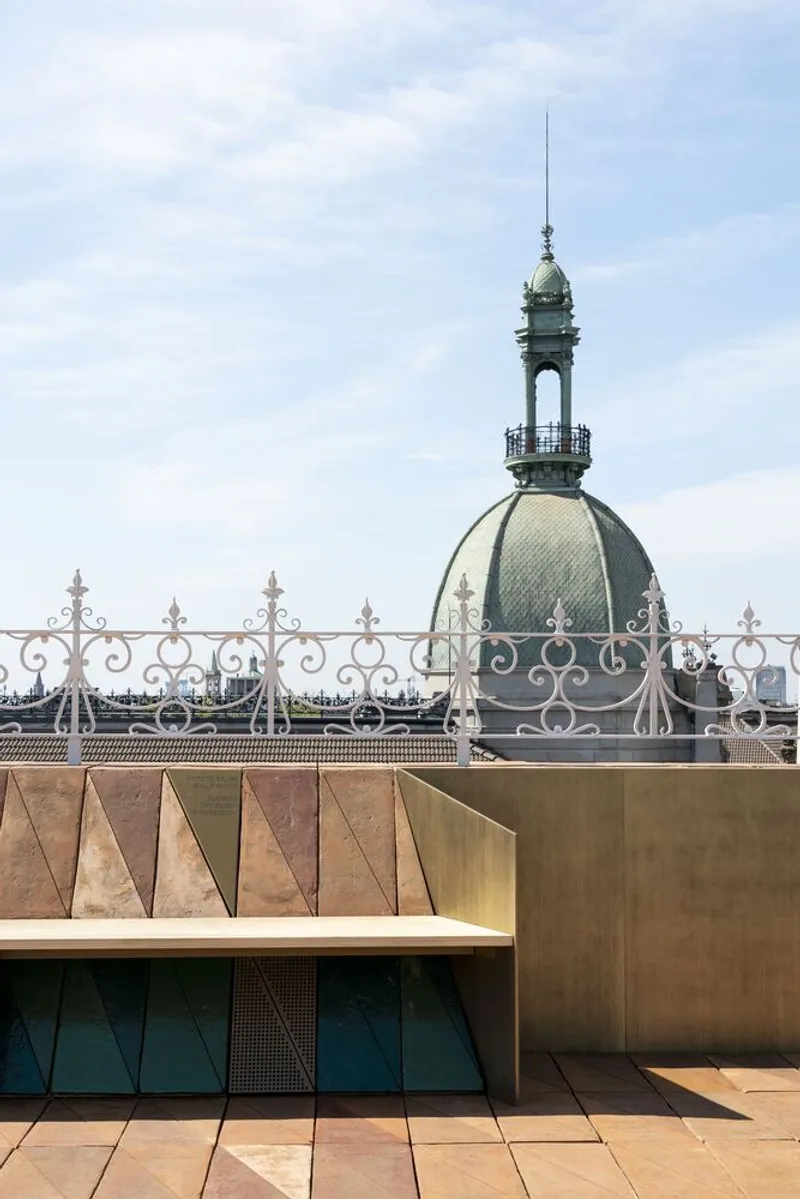
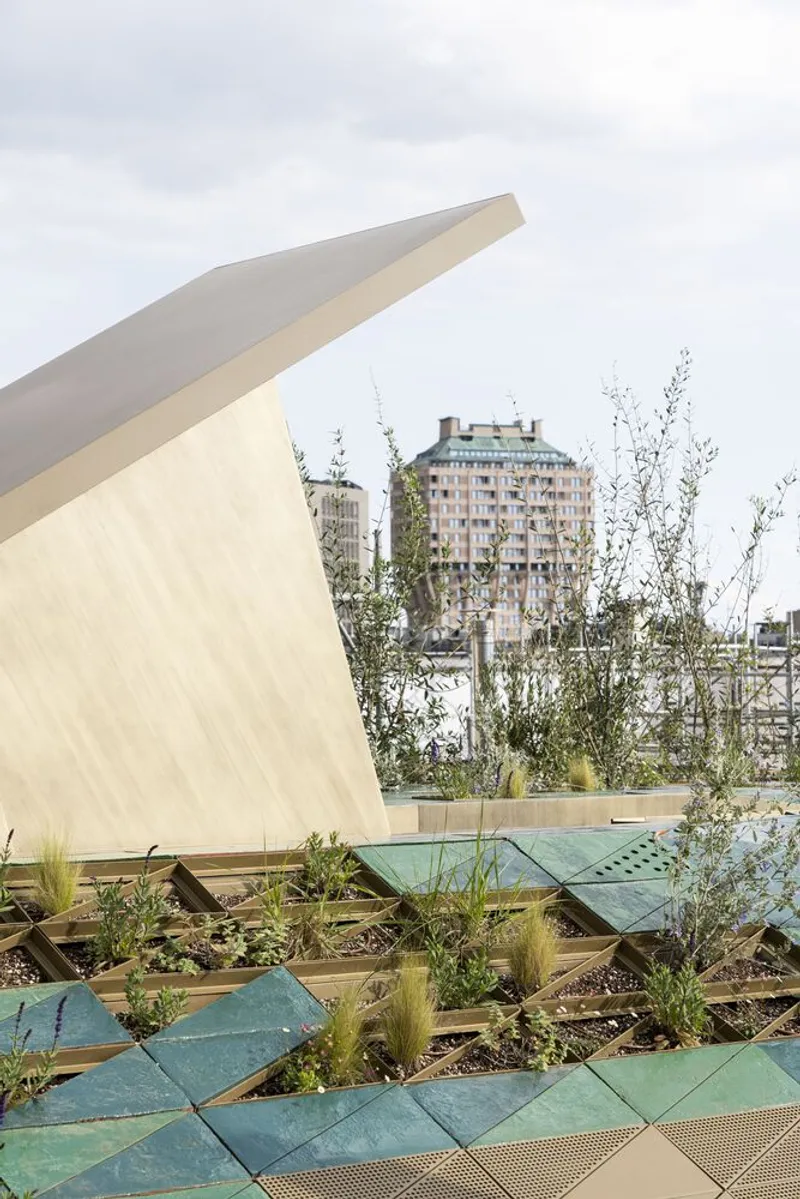
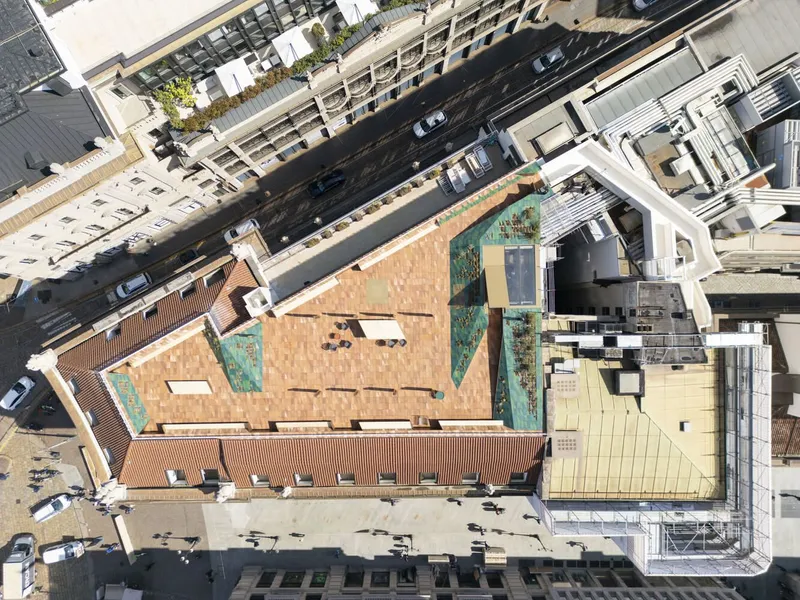
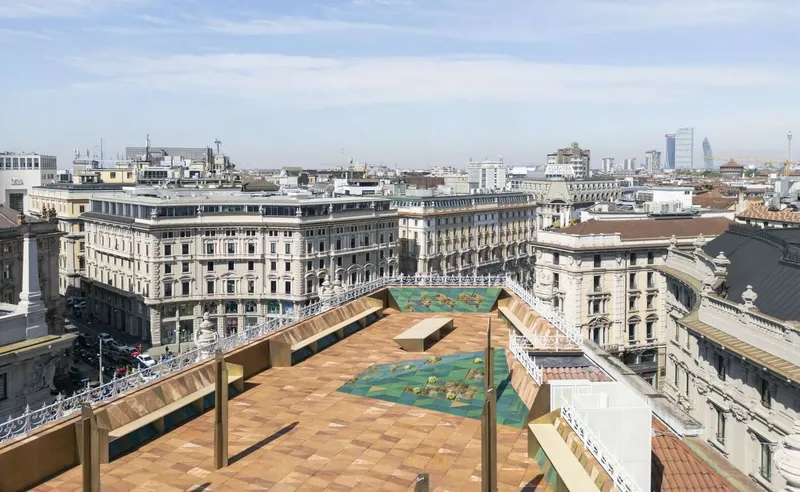
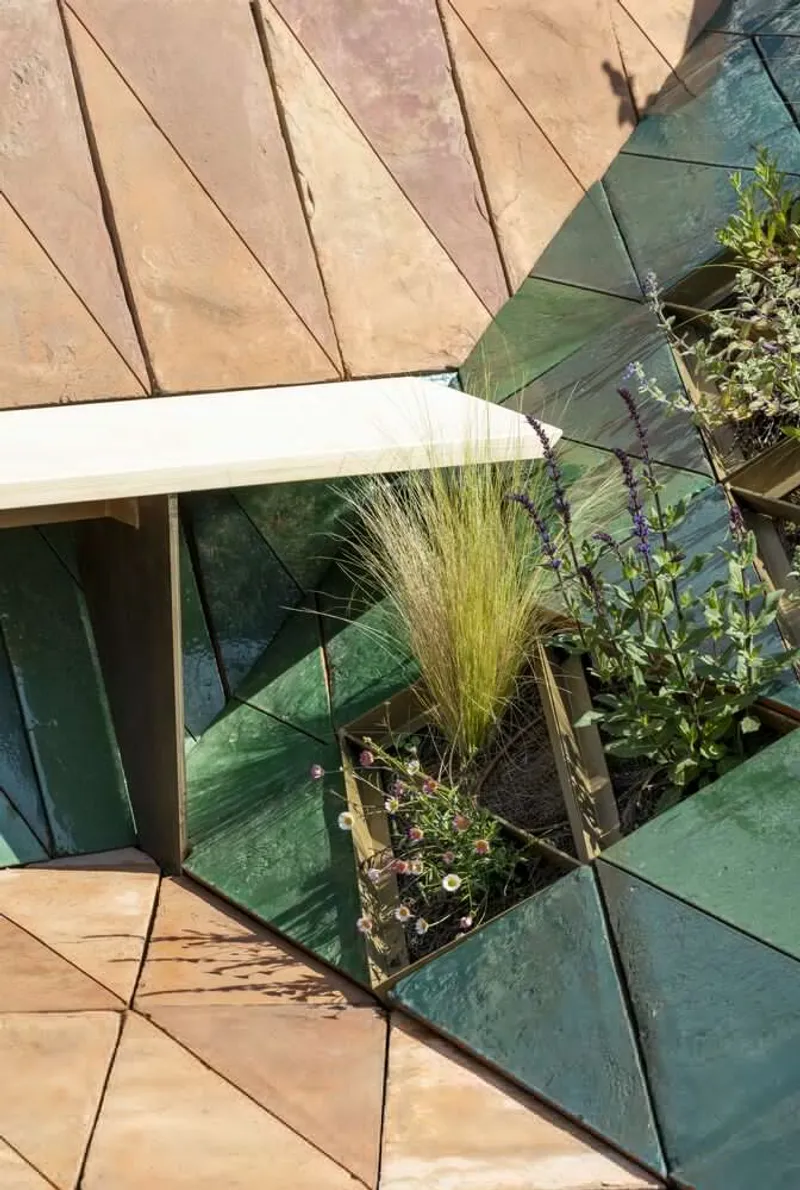
The design approach respects the building’s historic context while introducing a discreet yet iconic urban plaza. The terrace is paved with handmade triangle-cut terracotta tiles, featuring subtle variations in shade that echo the surrounding rooftops. Terracotta-clad parapets curve like the pitched roof of the building, creating a mimetic effect that visually extends the architecture onto the terrace. This material choice conveys both understated elegance and a strong connection to Milanese architectural identity.
Architectural Constraints and Thoughtful Design
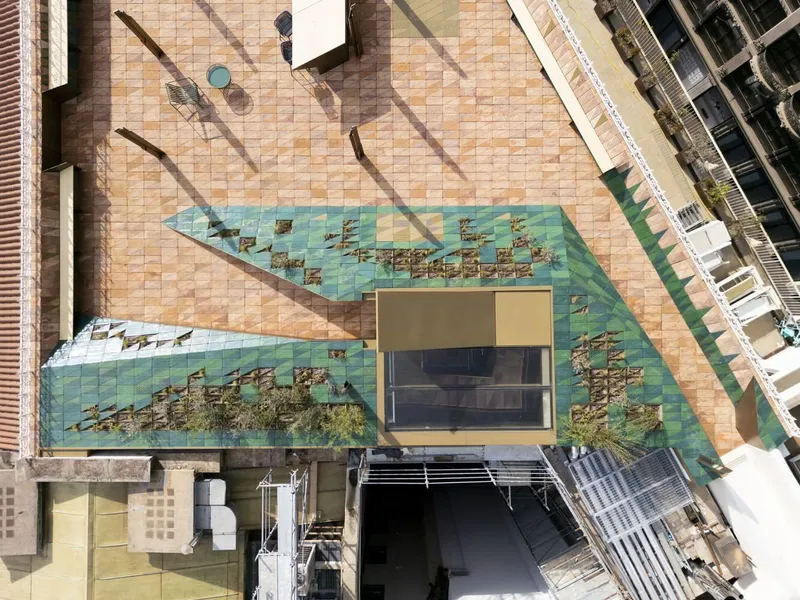
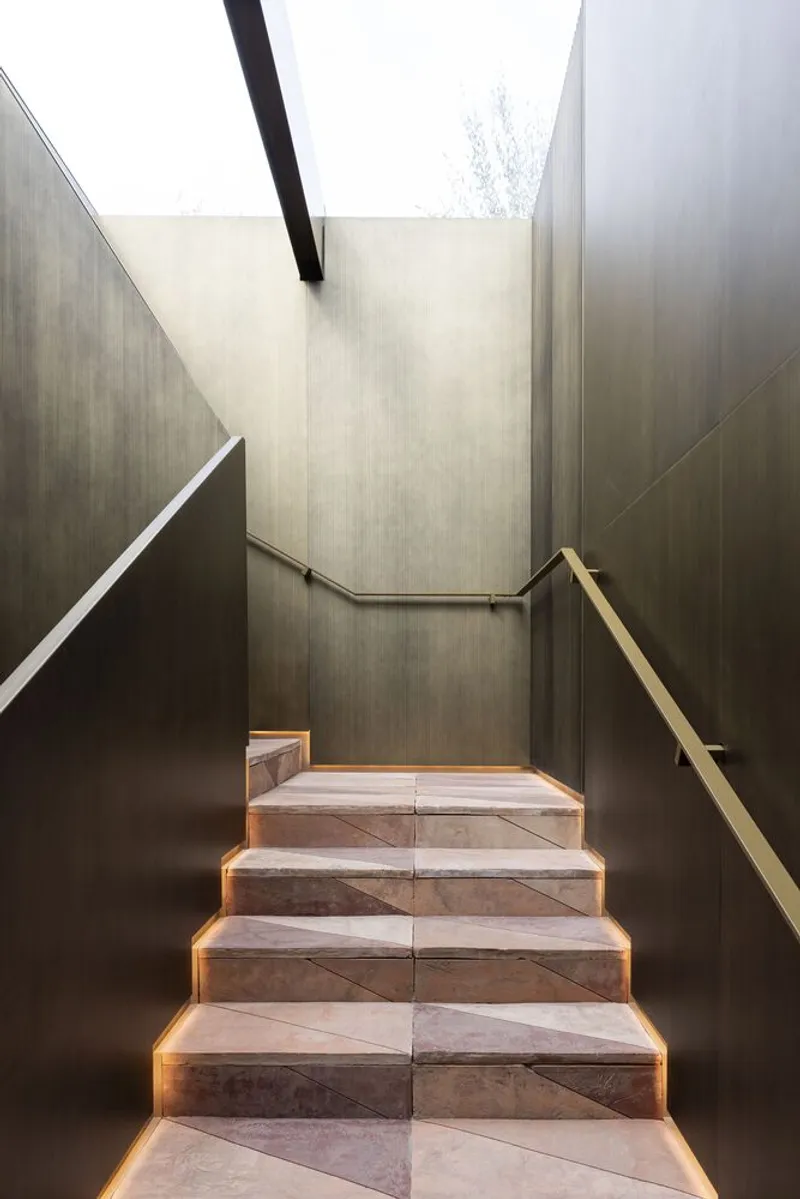
In close collaboration with Milan’s Monuments and Fine Arts Office, Park Associati carefully addressed regulatory constraints, including ridge height limits and the diversion of existing terrace utility systems. A motorized large-panel roof window provides primary access, simultaneously serving as a scenic element that emphasizes ascent. This window remains open whenever the terrace is in use, framing panoramic views of the city.
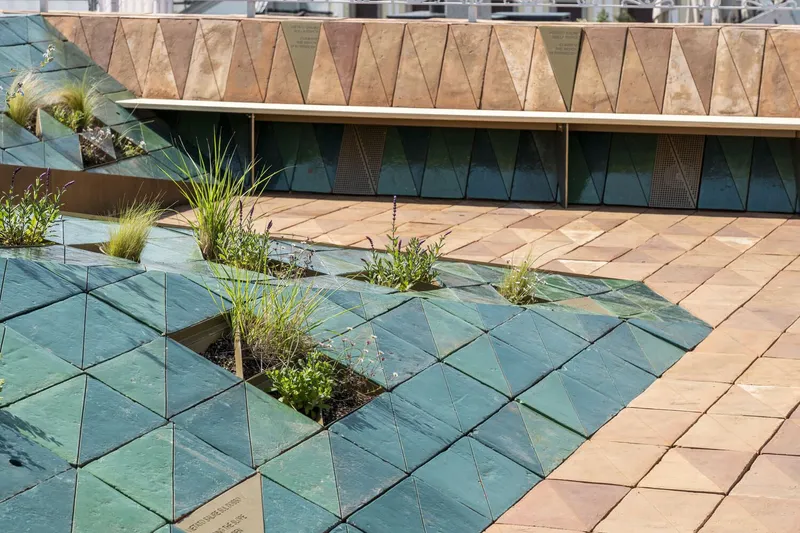
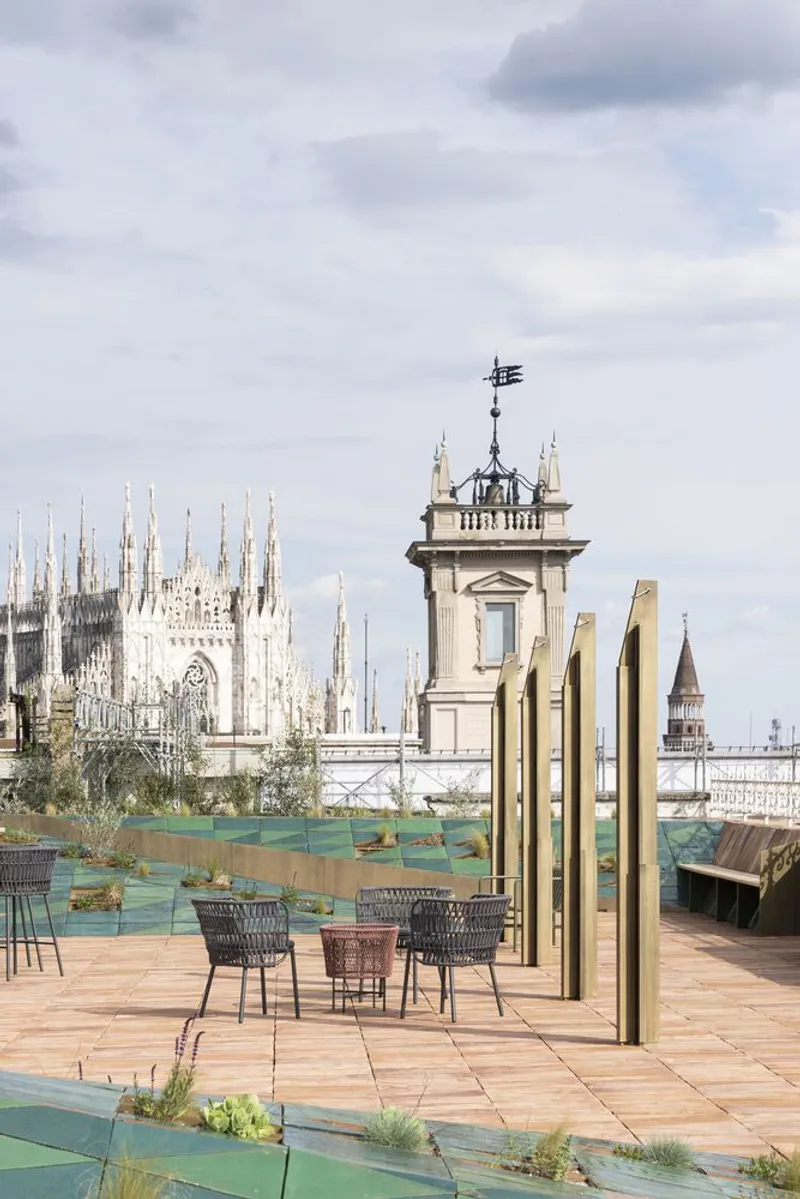
The plaza offers a flexible urban experience: nautical wood seating, modular work areas, and versatile zones allow visitors to relax, hold meetings, or host outdoor events and conferences. A removable overhang protects certain table areas from direct sunlight, while the trapezoidal terrace perimeter features panoramic seating and brass-effect stainless steel recesses, combining functionality with refined aesthetics.
Harmonizing Nature and Urban Context
Vegetation plays a central role in the design, with plant species carefully selected to harmonize with the terracotta flooring and Milan’s urban context. Medium-height, wind-responsive plants greet visitors at the entrance, gradually giving way to smaller species that ensure year-round visual interest. This minimal, precise approach celebrates the passage of seasons and the quiet beauty of spontaneous greenery.
The terrace also encourages biodiversity, featuring pollinator-friendly plants that transform the space into a springtime haven for insects, creating an urban oasis in central Milan.
All photographs are works of Nicola Colella


Popular Articles
Popular articles from the community


graciastudio Turns a Viewless Tijuana Lot Inward Around a Courtyard of Concrete, Timber and Trees
In Tijuana, Jorge Gracia's GA2 House stacks a timber-clad private floor over exposed concrete and replaces a missing view with a planted interior patio.

FCC Arquitectura Expands a Portuguese Granite House with a Board-Marked Concrete Wing
In Portugal, JV House pairs a cleaned-up whitewashed and granite dwelling with a timber-shuttered concrete extension, courtyards and a garden pool.


Singing Woman: An Opera House That Performs Before the Curtain Rises
Ovidiu Cristian Pavel's conceptual opera house translates Estonia's choral identity into a sculpted waterfront landmark facing the Baltic Sea.

ETEH Reworks the Shared Spaces of São Domingos School in Brazil Around Timber, Color and Hanging Plants
At São Domingos School in Brazil, 436 m² of hall, refectory and library are recast with timber joinery, a yellow and blue code and trailing greenery.

Similar Reads
You might also enjoy these articles


Hodi-Mandai Geram
Project Function: Preservation and revitalization of the Intangible heritage and socio-spatial identity of the Hodi by Housing, Cultural Memory Center, Sacred Grove, landscape, local tourism economy


Olio Towers: A Mid-Rise for Performers That Fuses Housing, Rehearsal, and Stage
Located blocks from Houston's Theater District, this modular tower stacks living units around a central performance atrium.

Oasis: Modular Green Housing Carved into Dhaka's Urban Fabric
A shortlisted Plugin Housing entry reclaims unauthorized settlements in Dhaka with stepped concrete volumes, green roofs, and ventilation-driven design.

Black Hole: A Floating Megastructure for the Post-Physical Era
Emiliano Mazzarotto envisions a spherical, self-scaling arena where e-sports, digital hotels, and holographic stadiums replace traditional public space.

Explore Terrazzo Competitions
Discover active competitions in this discipline

Challenge to reimagine the Iron Throne

Photograph architecture without architects

Illustrate the lost glory of Angkor Wat - Render Challenge

Design challenge to reuse E-waste
Comments (0)
Please login or sign up to add comments
No comments yet. Be the first to comment!