

TF Store by Kenta Nagai Studio – A Fashion Boutique Reimagined from a Historic Tofu Shop
TF Store by Kenta Nagai Studio transforms a historic tofu shop into a fashion boutique, preserving memory, heritage, and community identity.


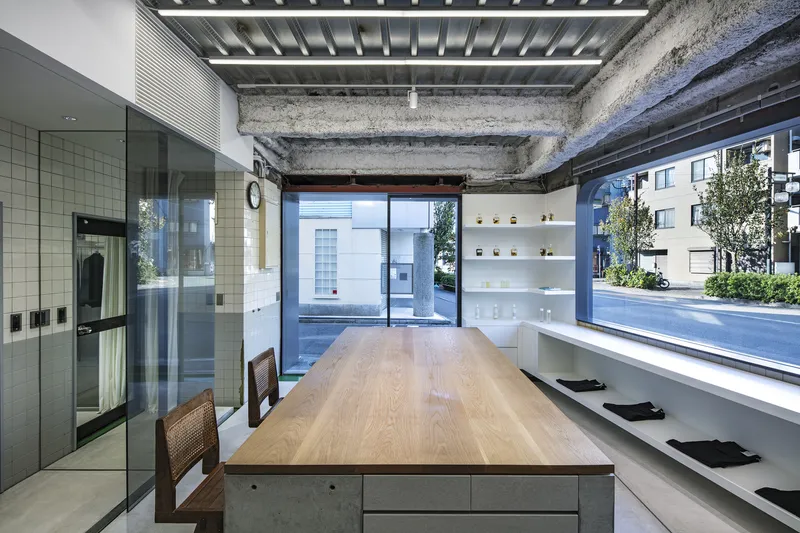
Designed by Kenta Nagai Studio in 2021, this compact 33 m² project in Japan showcases thoughtful spatial planning and minimalist aesthetics. Captured by photographer Kenta Hasegawa, the design maximizes functionality through clean lines, efficient layouts, and a refined material palette, creating an elegant and highly optimized small-scale environment.
Introduction
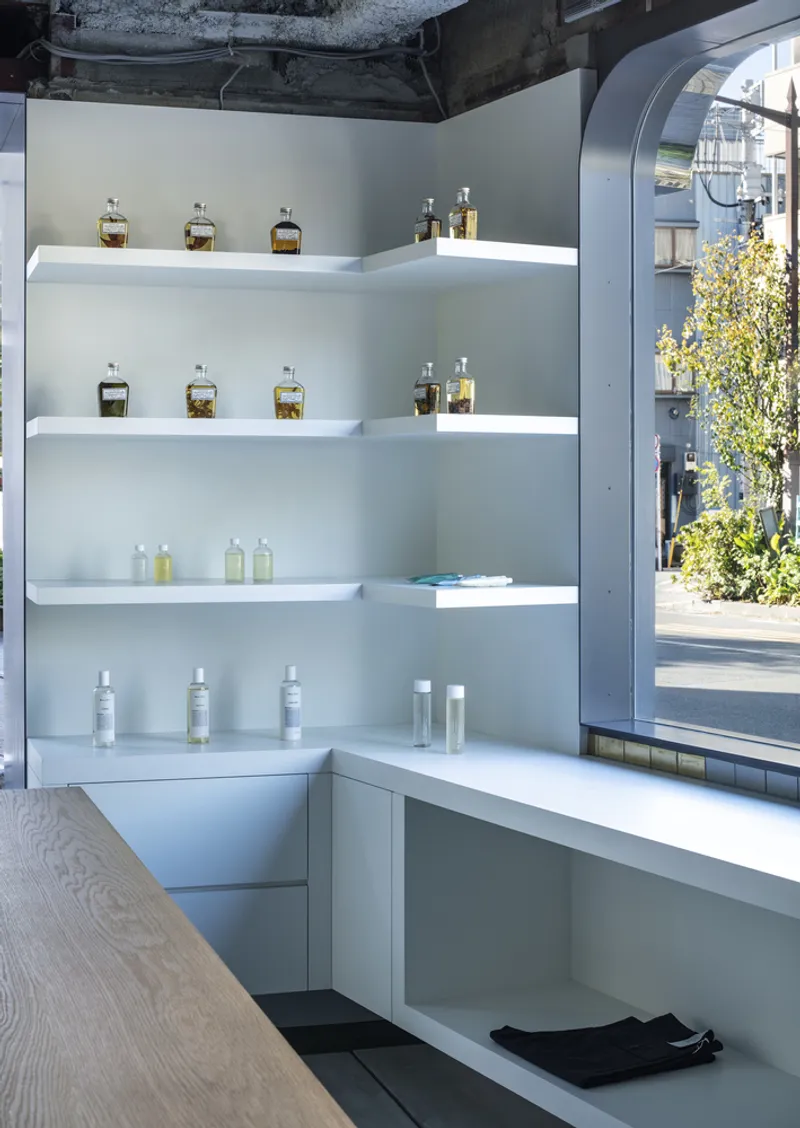
In the heart of a Japanese neighborhood, Kenta Nagai Studio has transformed a long-standing tofu shop into TF Store, a contemporary fashion boutique that pays homage to local history while embracing modern design. With just 33 square meters of space, the project demonstrates how adaptive reuse can preserve memory, community values, and cultural identity within an urban retail environment.
The Story Behind TF Store
The name TF stands for ToFu, a nod to the building’s original life as a tofu shop cherished by the community for more than 65 years. The boutique’s first store had been located next door to the tofu shop, and the brand deliberately chose the name in hopes of becoming as beloved as its neighbor.
When the tofu shop owner decided to retire, TF Store inherited the site and its legacy. Instead of erasing history, Kenta Nagai Studio took the opportunity to integrate fashion retail into the former tofu shop, preserving structural and spatial elements that carried decades of memory.
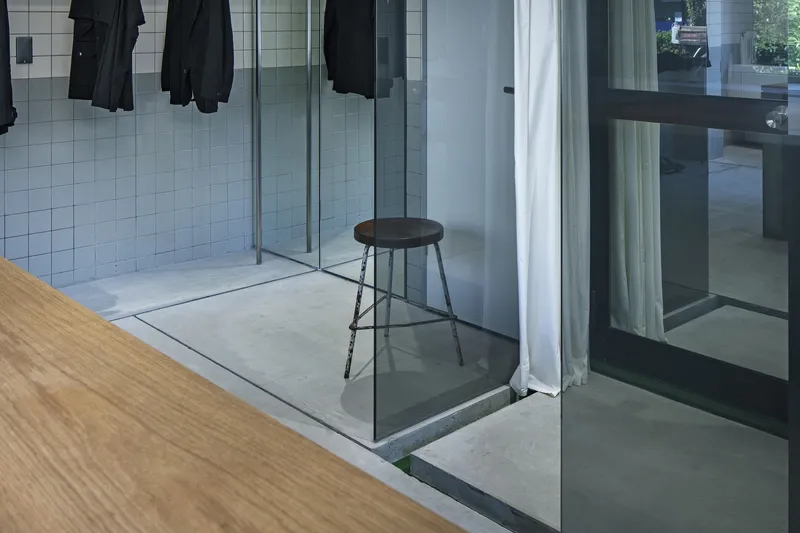
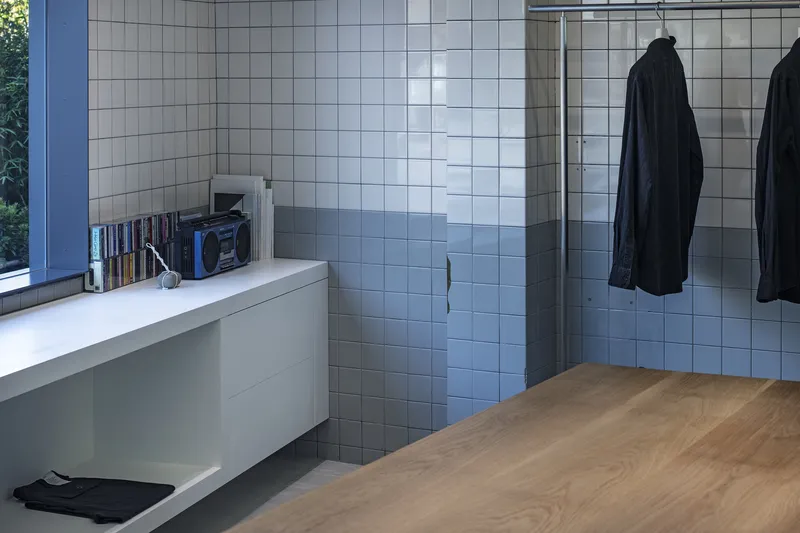
Design Concept – Preserving Memory Through Architecture
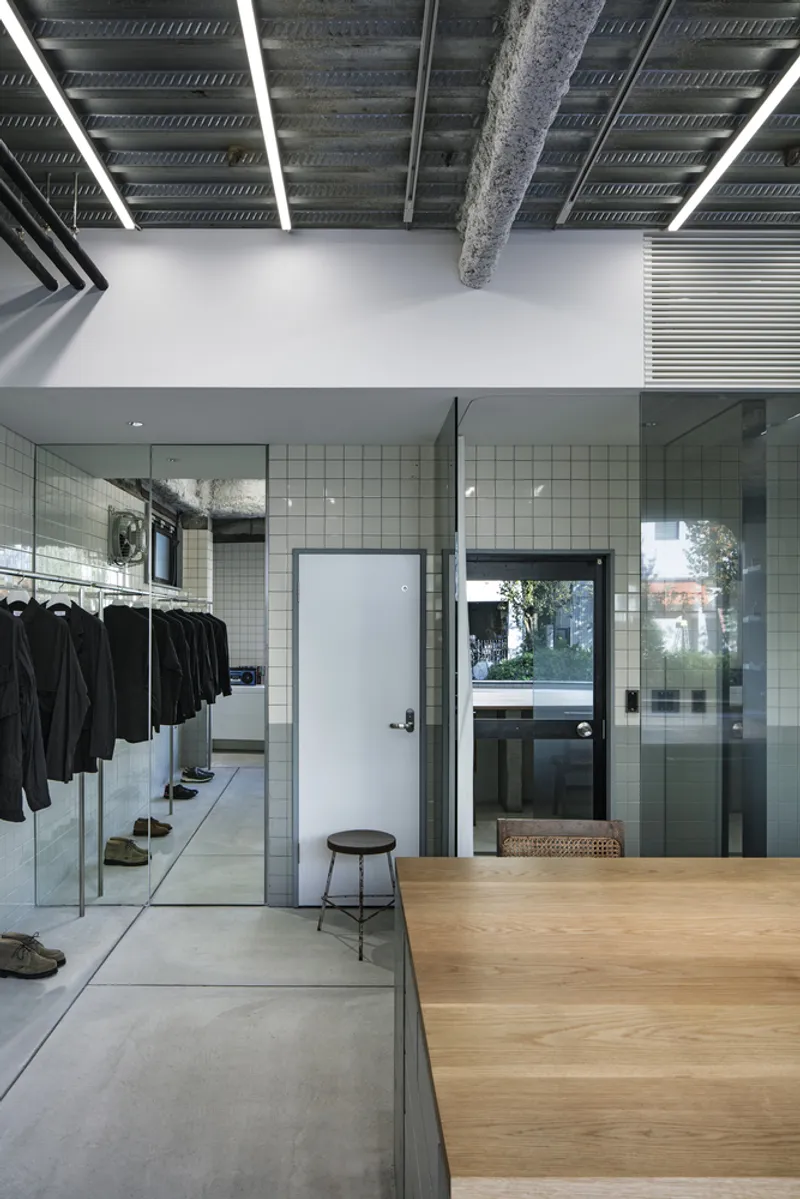
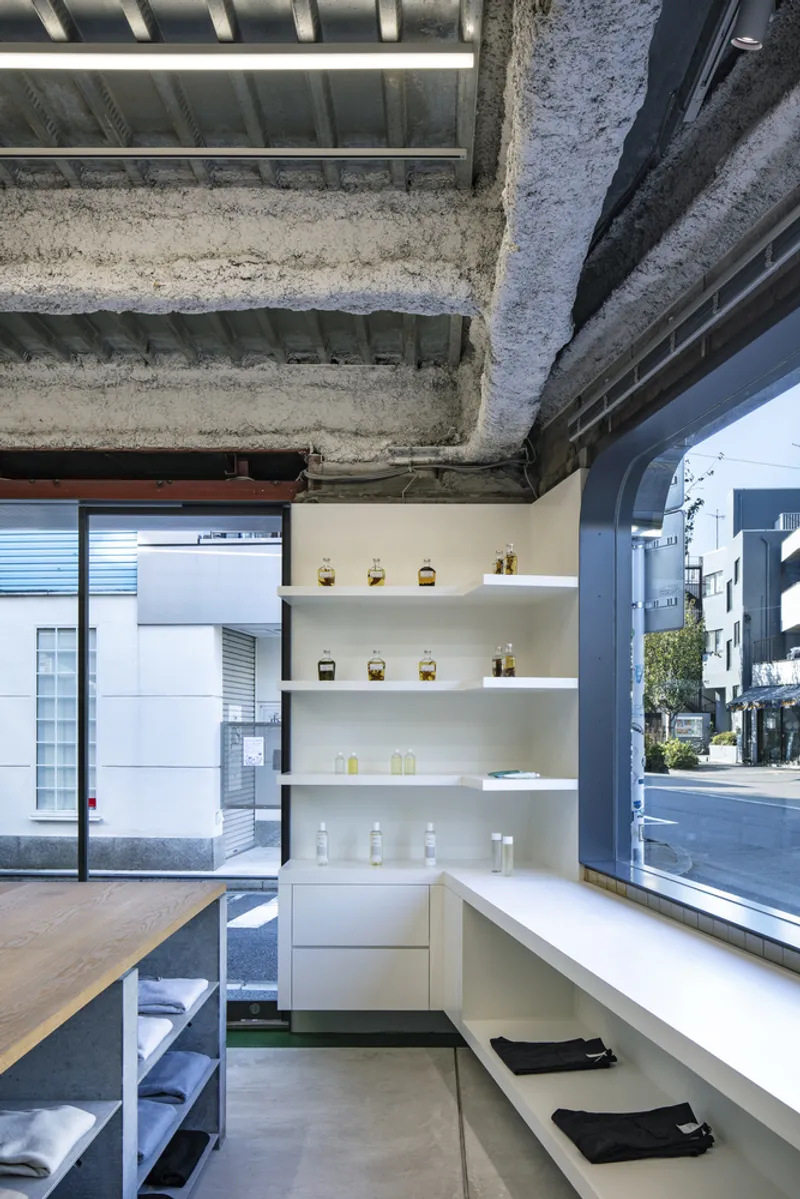
Kenta Nagai Studio’s approach was rooted in adaptive reuse and cultural continuity. Rather than stripping the space, the architects retained much of the existing structure, including walls, beams, and openings, to maintain a tangible connection to the past.
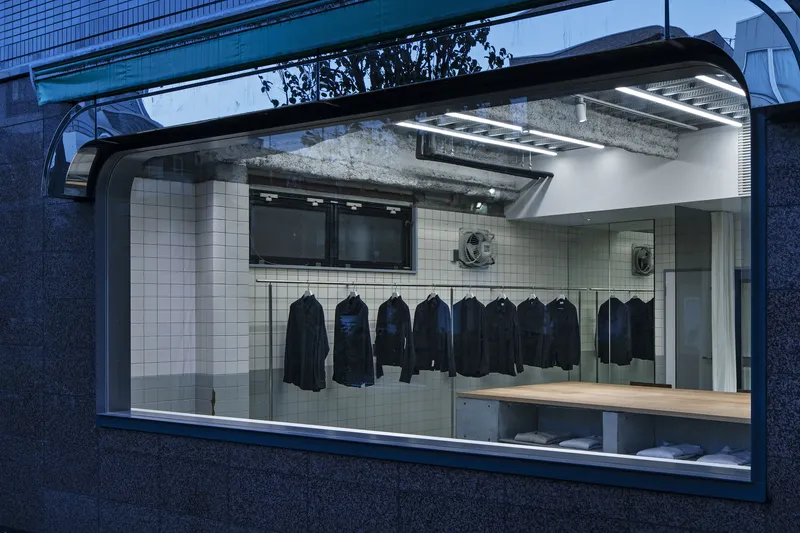
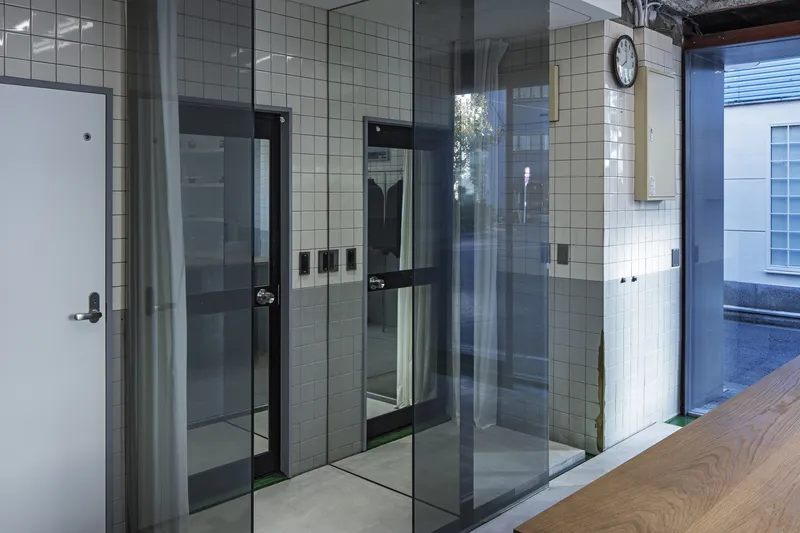
The boutique design emphasizes:
- Minimal interventions – respecting the existing framework.
- Natural light and transparency – highlighting both fashion pieces and the architectural layers.
- Warm material palette – wood, plaster, and metal elements to blend tradition with contemporary aesthetics.
- Functional zoning – transforming kitchen and storage areas into display and retail spaces without losing their original essence.
By merging the old tofu shop’s spatial DNA with TF Store’s new identity, the boutique becomes a place where customers experience fashion alongside memory and nostalgia.
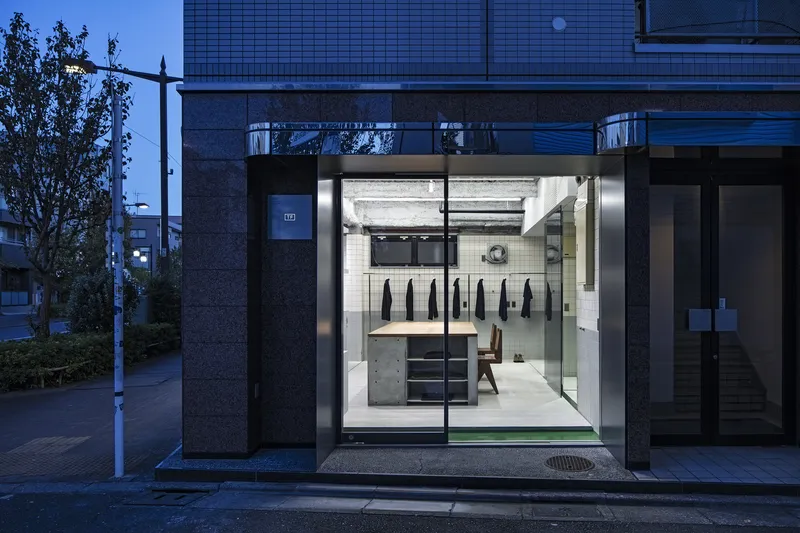
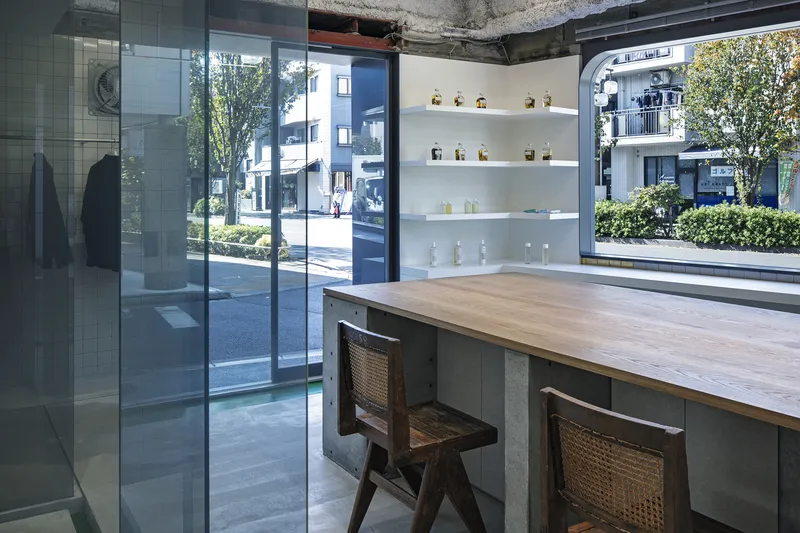
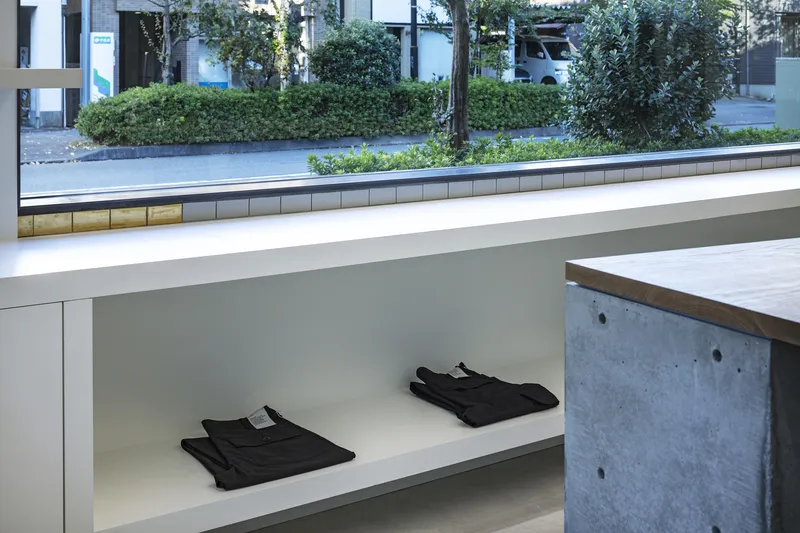
A Boutique Within History
The transformation is more than architectural—it’s cultural. The tofu shop that once served daily life now serves style and creativity. For local residents, the store is both familiar and renewed; for new visitors, it represents an authentic story of place.
In essence, the boutique that once stood next to the tofu shop now lives inside it, carrying forward a shared heritage while redefining its use for the next generation.
The TF Store by Kenta Nagai Studio demonstrates the power of architectural storytelling through adaptive reuse. It respects memory, sustains urban identity, and creates a meaningful retail experience where fashion intersects with history.
This project is a reminder that architecture is not just about new construction, but about continuity, transformation, and the preservation of collective memory.
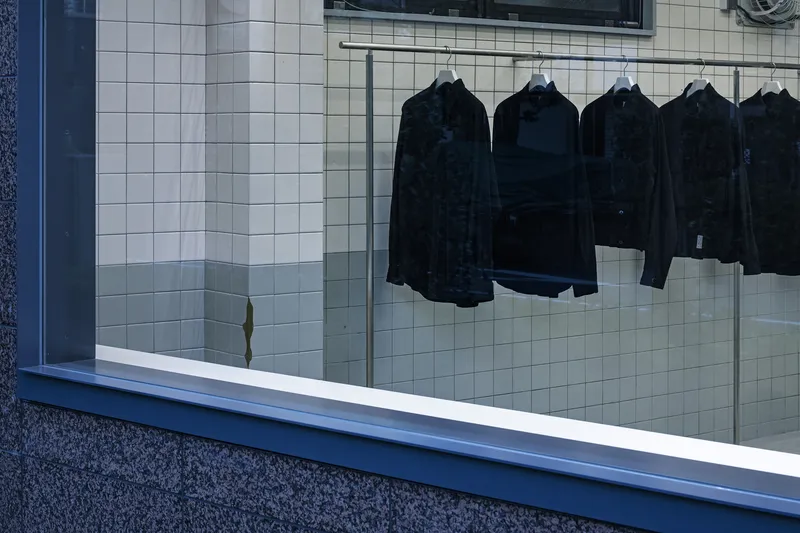
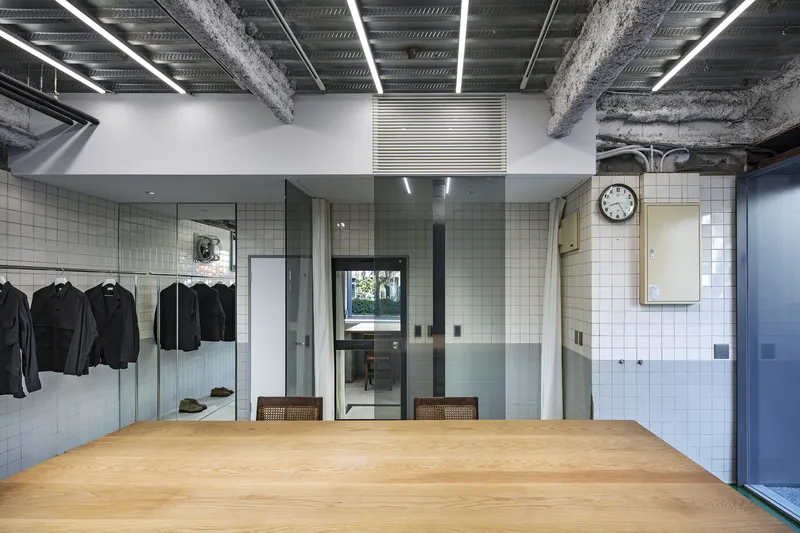
All photographs are works of Kenta Hasegawa




Popular Articles
Popular articles from the community


Riyadh For All: Intergenerational Urban Design for Active Aging in Rabat
Riyadh For All reimagines urban design in Rabat with intergenerational co-living, adaptive courtyards, and Moroccan cultural exchange today.

AL-JANNAH: Sustainable Architecture and Permaculture for Afghan Widows
AL-JANNAH uses sustainable architecture and permaculture to create resilient oasis of housing, learning, work and renewal for Afghan widows.

Co-life: Sustainable Architecture for Age-Friendly Community Living
Co-life reimagines sustainable architecture for seniors through courtyards, rammed earth, shared gardens, and spaces designed for belonging.
EW PARK: Sustainable Architecture Reimagines the Future of Urban Parking
EW PARK reimagines city parking as a modular wooden tower combining automation, solar energy, electric mobility, and adaptable urban design.


Similar Reads
You might also enjoy these articles


Hodi-Mandai Geram
Project Function: Preservation and revitalization of the Intangible heritage and socio-spatial identity of the Hodi by Housing, Cultural Memory Center, Sacred Grove, landscape, local tourism economy


Olio Towers: A Mid-Rise for Performers That Fuses Housing, Rehearsal, and Stage
Located blocks from Houston's Theater District, this modular tower stacks living units around a central performance atrium.

Oasis: Modular Green Housing Carved into Dhaka's Urban Fabric
A shortlisted Plugin Housing entry reclaims unauthorized settlements in Dhaka with stepped concrete volumes, green roofs, and ventilation-driven design.

Black Hole: A Floating Megastructure for the Post-Physical Era
Emiliano Mazzarotto envisions a spherical, self-scaling arena where e-sports, digital hotels, and holographic stadiums replace traditional public space.


Explore High Fashion Design Competitions
Discover active competitions in this discipline



Challenge to reimagine the Iron Throne


Photograph architecture without architects


Illustrate the lost glory of Angkor Wat - Render Challenge


Design challenge to reuse E-waste
Comments (0)
Please login or sign up to add comments
No comments yet. Be the first to comment!