
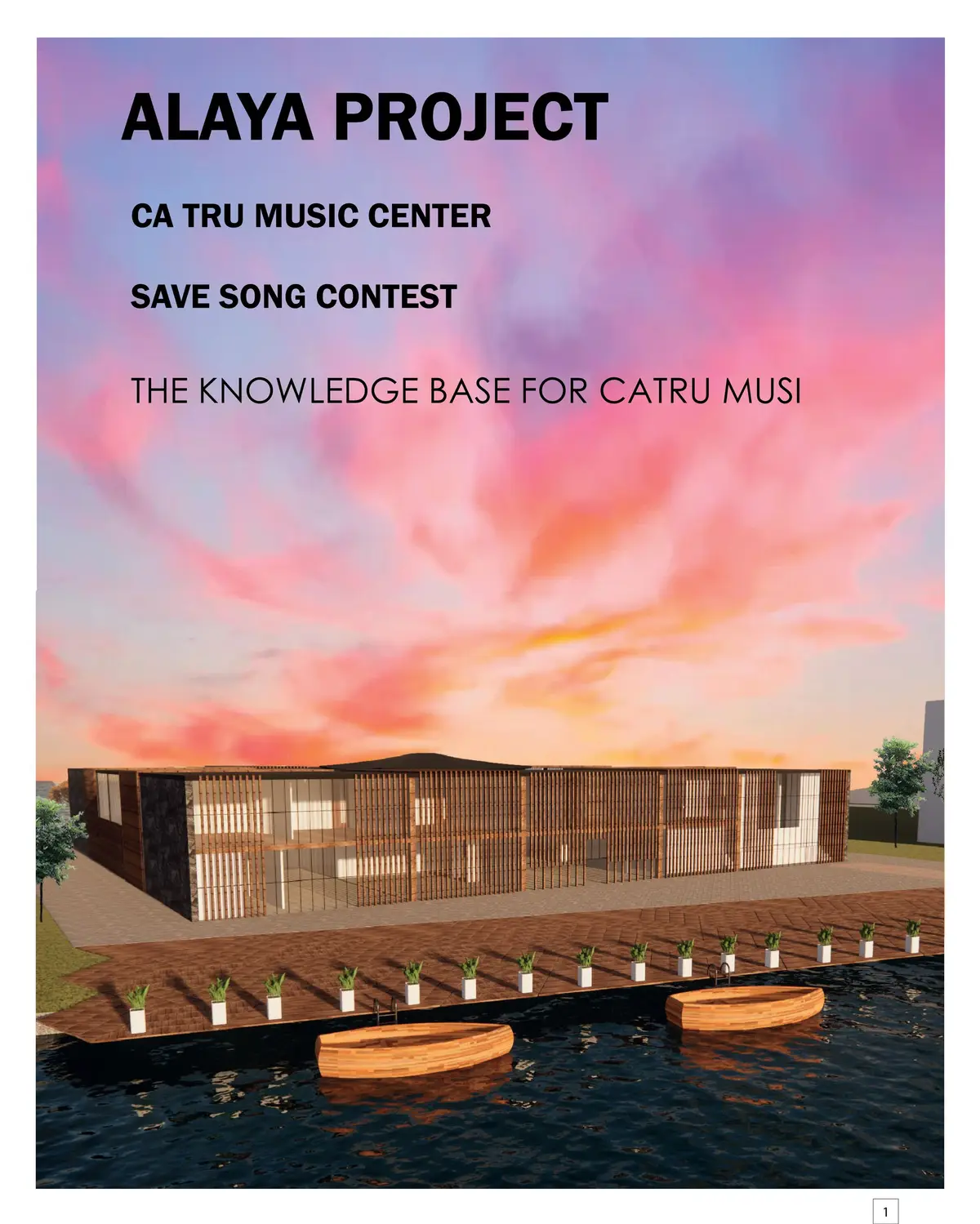
The ALAYA Project: Merging Traditional and Modern Architecture in Hanoi
Explores ALAYA Project's blend of traditional Vietnamese architecture and modern design in Hanoi's cultural hub.


The ALAYA Project, conceptualized by Luis Caiza, stands as a testament to the harmonious blend of traditional Vietnamese architecture and modern minimalist design. As a shortlisted entry in the Save Song competition, this project aims to serve as a cultural and educational hub, specifically designed for the preservation and promotion of Ca Tru music. With a deep focus on the principles of knowledge, enlightenment, and true awakening, the ALAYA Project not only offers a space for artistic expression but also symbolizes the timeless journey towards spiritual and intellectual growth.
Overview
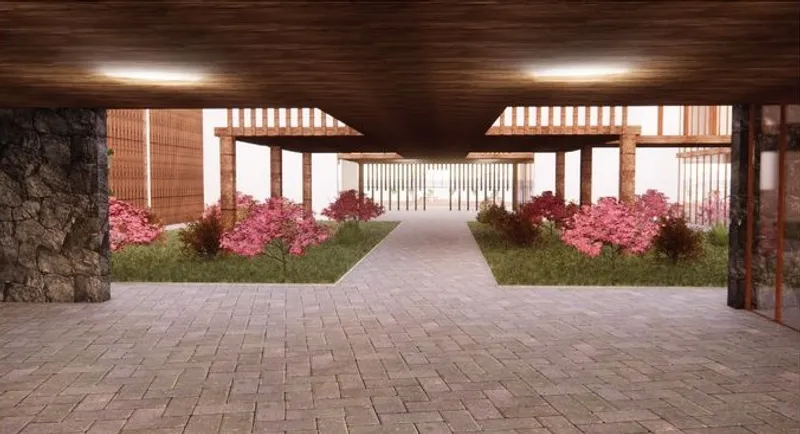
The ALAYA Project is a multifunctional center that includes a music conservatory, a mini-theater, and various workshop spaces, all meticulously designed to reflect the traditional pagoda morphology of Vietnam. The project's design pays homage to the Tran Quoc Pagoda, integrating its architectural essence into a contemporary setting.
Key Features
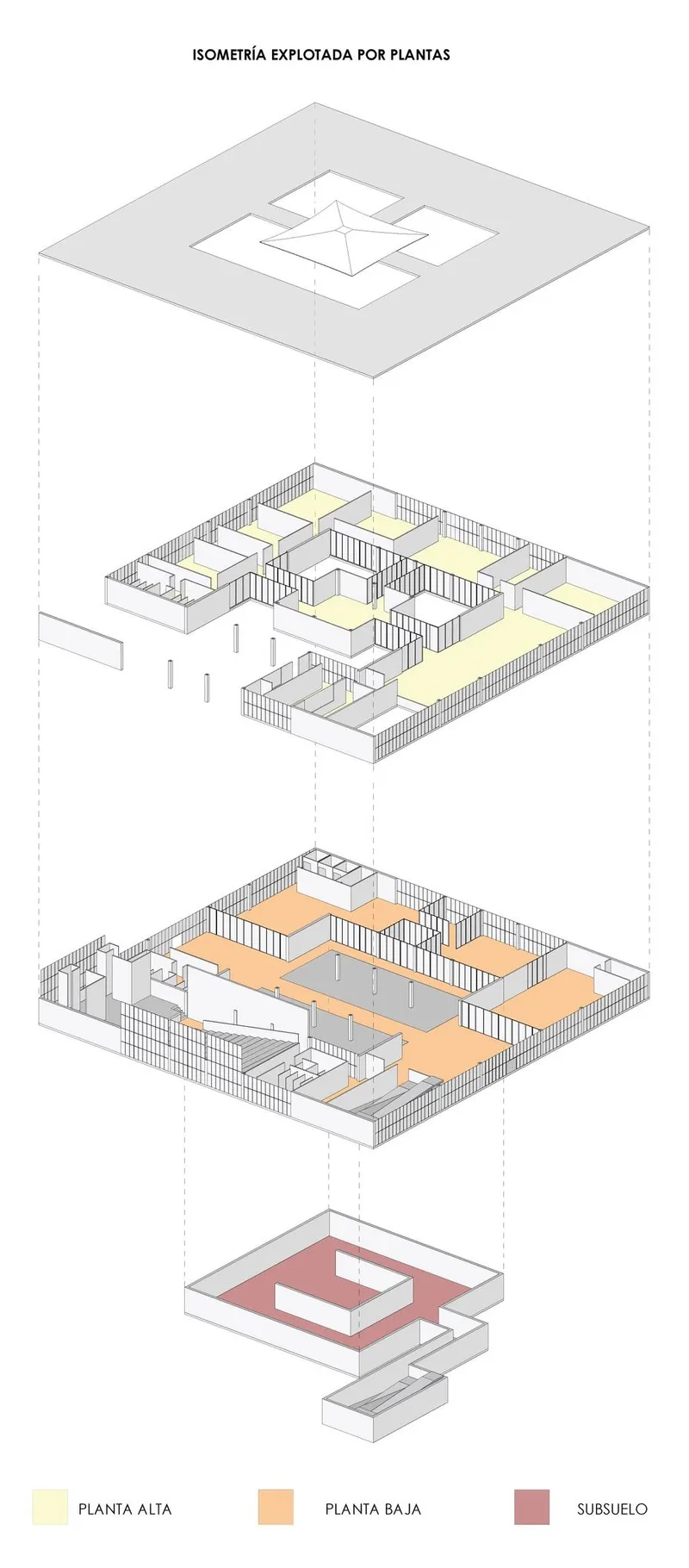
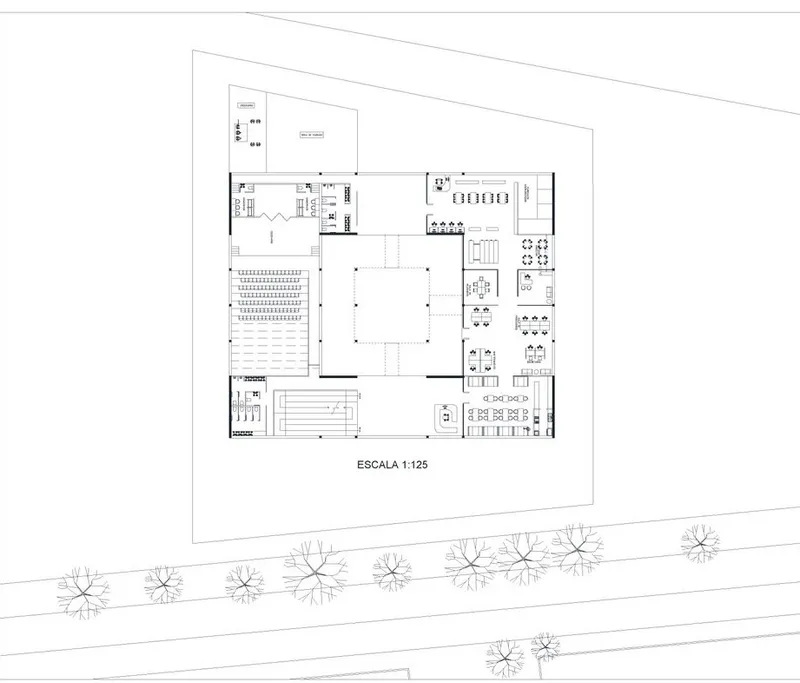
Isometric Exploded Views: The isometric exploded views of the project showcase the spatial organization across different levels—upper floor, ground floor, and basement. These diagrams provide a clear understanding of the building's layout and the distribution of functions within the space.
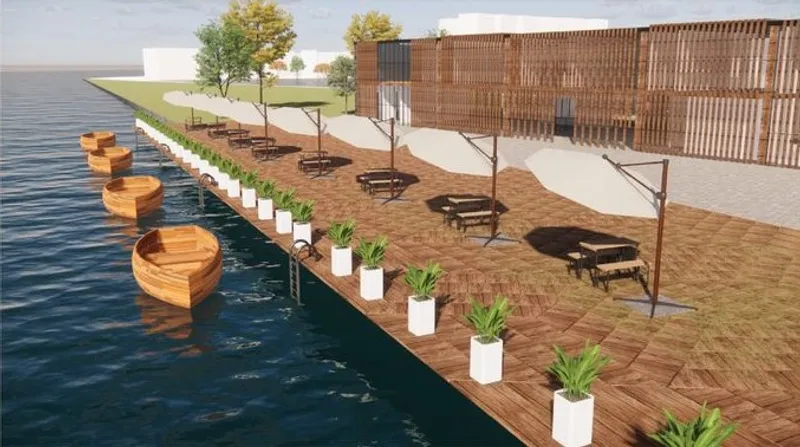
Front Facade and Elevations: The detailed elevations and front facade drawings illustrate the building's exterior design, emphasizing the use of traditional materials such as mahogany wood and stone, combined with modern elements like glass.
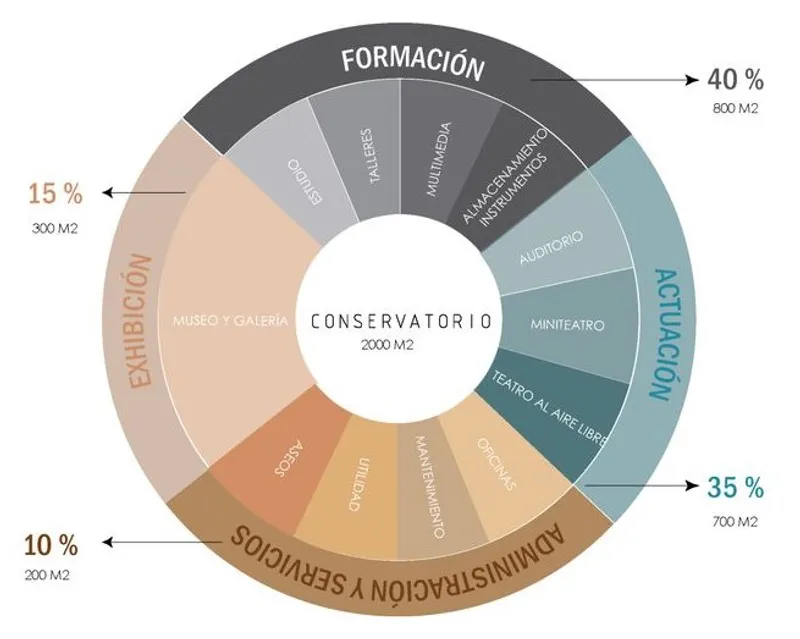
Program Outline: The project encompasses a total land area of 3,073.7 m², with a construction area of 2,000 m². The program outline divides the space into various functional areas, including classrooms, administrative offices, a library, and a museum-gallery.
Materiality and Structure: The choice of materials—mahogany wood, stone, and glass—reflects a deep respect for traditional Vietnamese architecture while embracing the simplicity and elegance of modern design.
Design Philosophy
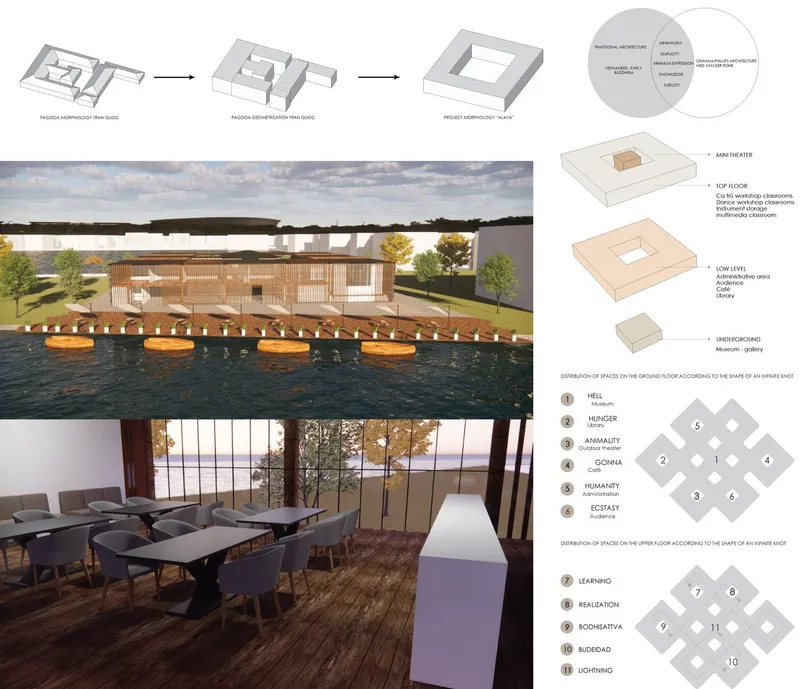
The design philosophy of the ALAYA Project is rooted in the exploration of traditional Vietnamese architecture, particularly the pagodas, and the minimalist approach of modern architecture. The project seeks to create a balance between the old and the new, capturing the spiritual and symmetrical essence of traditional designs while incorporating the clean lines and functionality of contemporary architecture.
Spatial Organization
The distribution of spaces within the ALAYA Project is inspired by the Buddhist concept of the infinite knot, symbolizing the endless journey towards enlightenment. The ground floor is organized to represent different stages of human experience—hell, hunger, animality, humanity, and ecstasy—each corresponding to specific functional spaces such as the museum, library, and audience areas.
The upper floor follows a similar thematic organization, focusing on stages of learning, realization, bodhisattva, buddhahood, and lightning. This thoughtful spatial arrangement not only enhances the user's experience but also reinforces the philosophical underpinnings of the project.
Project Development
The development of the ALAYA Project began with a comprehensive site analysis that included the historical context of Hanoi and Vietnam, urban studies, and climatic data. This analysis informed various design alternatives aimed at creating a comfortable and culturally resonant environment for users.
The most significant contribution to the project was the analysis of local architecture, particularly the Tran Quoc Pagoda. This provided valuable insights into traditional architectural morphologies and materials, which were then reinterpreted in the context of modern design.
Design Evolution
The design process involved multiple iterations, each exploring different approaches to integrating traditional and modern architectural elements. The final design was selected for its ability to achieve a harmonious balance between these two styles, resulting in a structure that is both innovative and deeply rooted in cultural heritage.
Interior Design
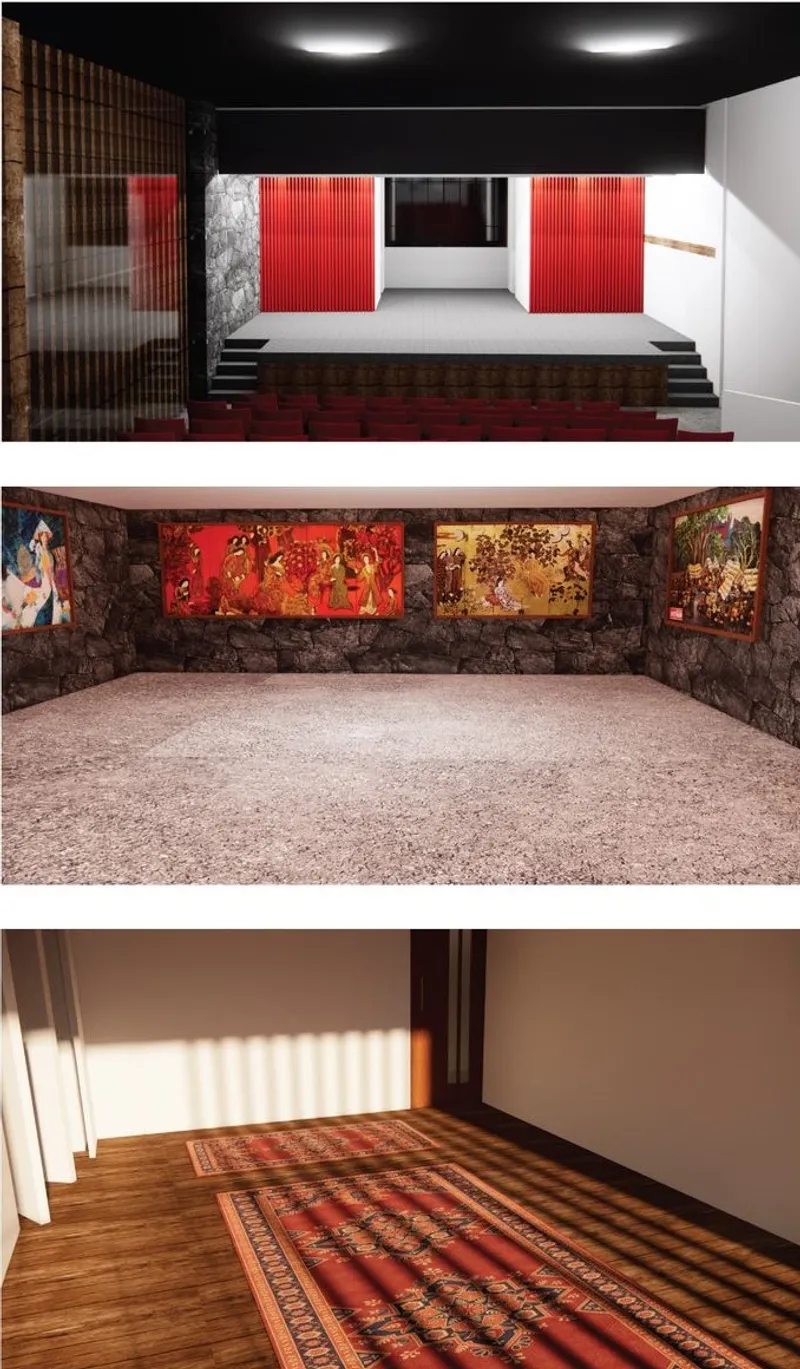
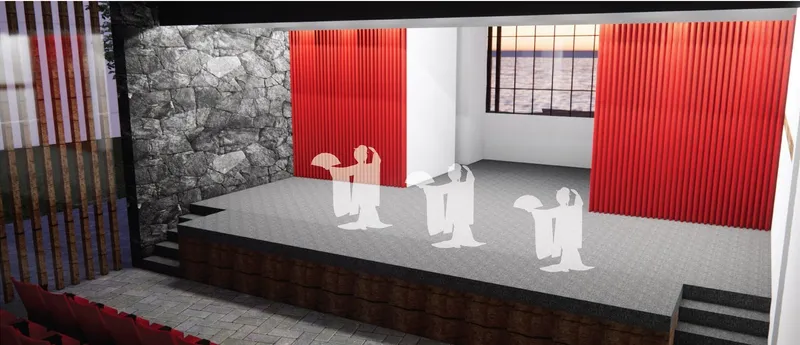
The interior spaces were designed with a focus on functionality and comfort, drawing on ergonomic standards from sources like Neufert's architectural guidelines. This ensures that each space within the ALAYA Project is not only aesthetically pleasing but also practical and user-friendly.
Challenges and Solutions
One of the main challenges faced during the development of the ALAYA Project was gathering sufficient information to create a design that would be both suitable and appealing to the residents of Hanoi. Despite these challenges, the project team was able to overcome obstacles through extensive research and collaboration, resulting in a design that resonates with the local community.
The ALAYA Project by Luis Caiza is a remarkable example of how traditional Vietnamese architectural design can be seamlessly integrated with modern minimalist principles. By focusing on the cultural and spiritual aspects of design, the project not only serves as a center for Ca Tru music but also stands as a symbol of the endless journey towards knowledge and enlightenment.
This project highlights the importance of preserving cultural heritage while embracing contemporary design practices, offering valuable insights for architects and designers worldwide. With its thoughtful integration of traditional and modern elements, the ALAYA Project is set to become a landmark in the architectural landscape of Hanoi.


Popular Articles
Popular articles from the community


The Musturak Paradise: Senior Living Architecture for a Connected Future in Temara, Morocco
The Musturak Paradise reimagines senior living architecture in Temara via private homes, social spaces, culture, community, and shared care.

Co-life: Sustainable Architecture for Age-Friendly Community Living
Co-life reimagines sustainable architecture for seniors through courtyards, rammed earth, shared gardens, and spaces designed for belonging.

Conexión: Biophilic Design Reimagines High-Rise Living in Hong Kong
Conexión reimagines high-rise living in Hong Kong through biophilic design, green facades, shared spaces, daylight, water and nature within.

Little Red Riding Hood: Architectural Design as a Journey Through Fear, Light, and Storytelling
Little Red Riding Hood reimagines the fairy tale through architectural design shaped by fear, light, scale, memory, uncertainty, and choice.

Similar Reads
You might also enjoy these articles

Day and Night Park: A Time-Based Urban Newsstand in Beijing
A temporary urban newsstand in Beijing blending travel, light, and reading through poetic colors, compact form, and community-focused design.

Modernist Patio Renovation in El Masnou, Barcelona by Oliver Segura Arquitectura + Cebrià Arquitectura
Modernist patio renovation blending tradition and innovation with a movable pool, leveled floors, and Catalan materials in El Masnou.

Alto Residencial Coop: Cooperative Housing Development in Santiago de Compostela by Carbajo Barrios Arquitectos
A linear cooperative housing complex blending white volumes and perforated metal façades, enhancing community living, natural light, privacy, and urban integration.

Vil Genis School by BPA ARCHITECTURE – Massy, France
Vil Genis School in Massy, France, features sustainable design, south-facing classrooms, community integration, accessible spaces, and modern educational architecture.

Explore Cultural Architecture Competitions
Discover active competitions in this discipline

Challenge to reimagine the Iron Throne

Photograph architecture without architects

Illustrate the lost glory of Angkor Wat - Render Challenge

Bring back Drive In's
Comments (0)
Please login or sign up to add comments
No comments yet. Be the first to comment!