
The Architectural Marvel of the Yayoi Kusama Gallery by MACh Arquitetos and Rizoma Arquitetura
The article explores the innovative architecture of Yayoi Kusama Gallery, blending art, nature, and sustainable design seamlessly.


The Yayoi Kusama Gallery, designed by MACh Arquitetos and Rizoma Arquitetura, stands as a striking testament to contemporary architectural innovation. Situated in the lush landscapes of Inhotim, Brazil, this gallery serves as a harmonious blend of natural elements and modern design, offering a unique space for art, reflection, and interaction.

Overview of the Yayoi Kusama Gallery Design
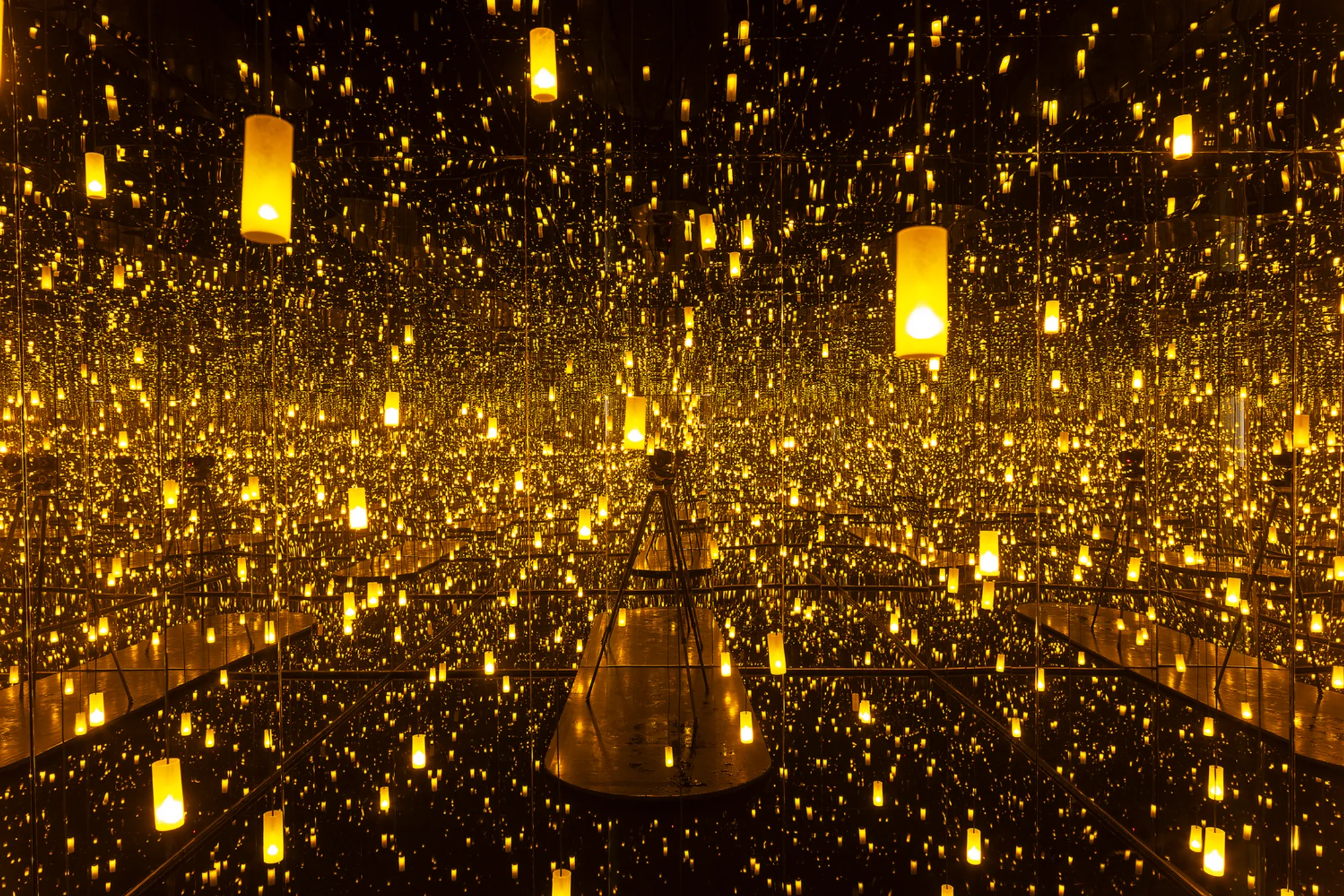
The gallery spans an impressive 2023 m² and is home to two iconic installations by Yayoi Kusama: I am here but nothing and Aftermath of Obliteration of Eternity. These installations attract a steady influx of visitors, necessitating an architectural design that not only houses the art but also accommodates large crowds with ease.
This challenge inspired a pavilion that transcends the notion of a static structure. The gallery becomes a living, breathing entity that interacts with its environment, enhancing the visitor experience at every turn.
Architectural Features of the Yayoi Kusama Gallery
1. Integration with the Landscape
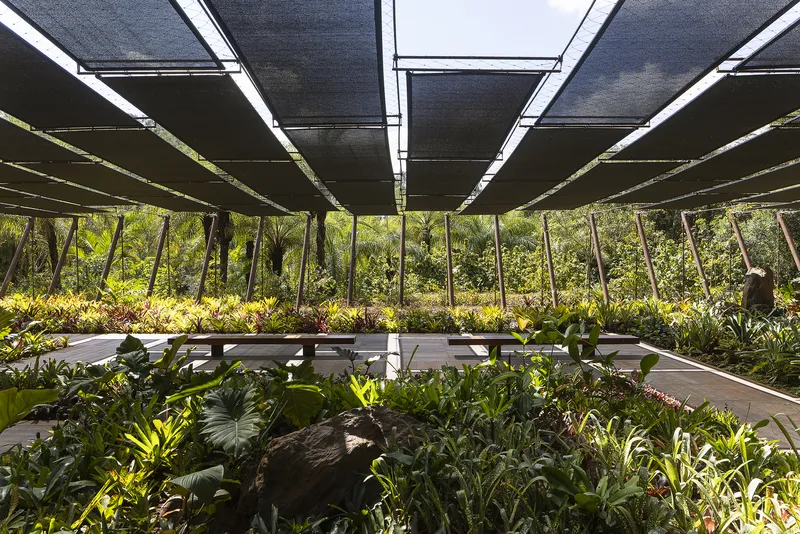
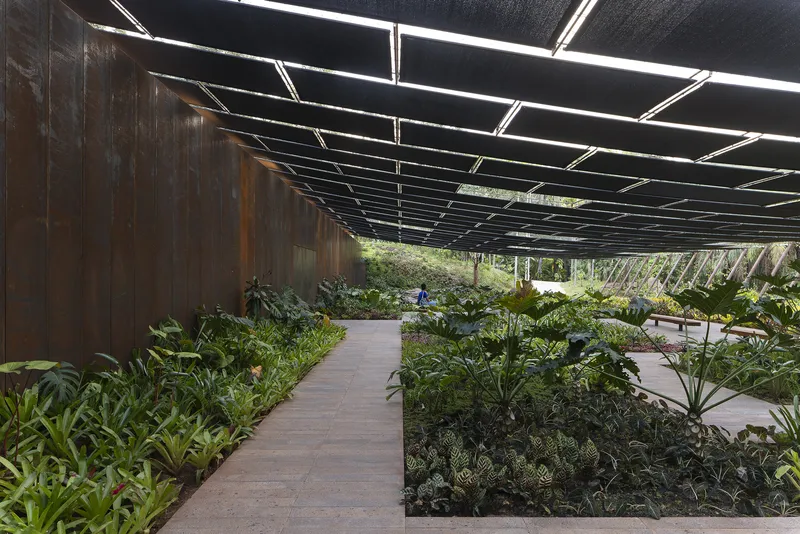
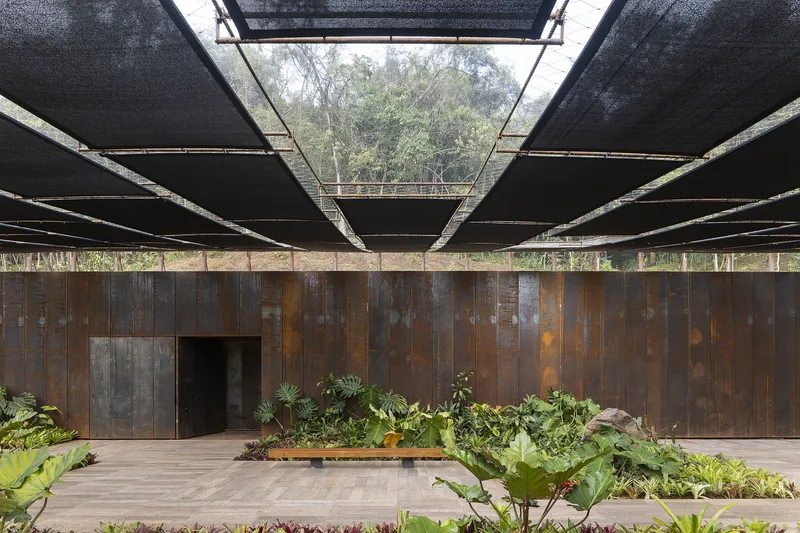
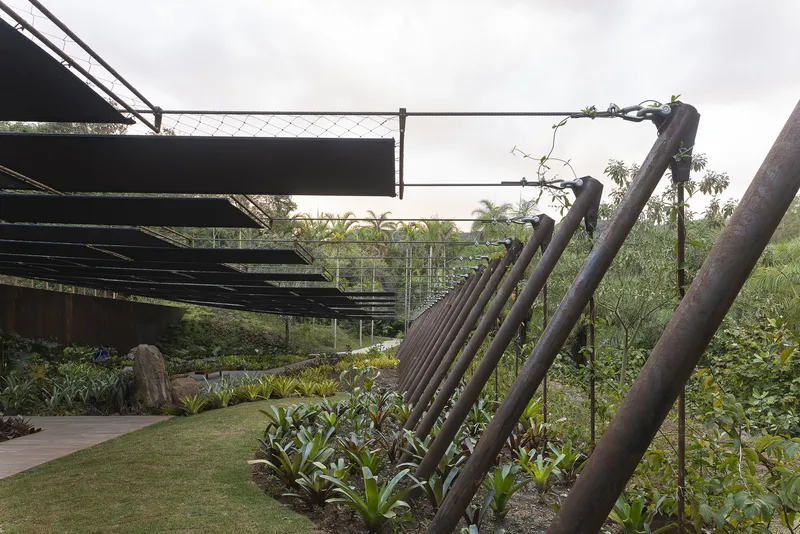
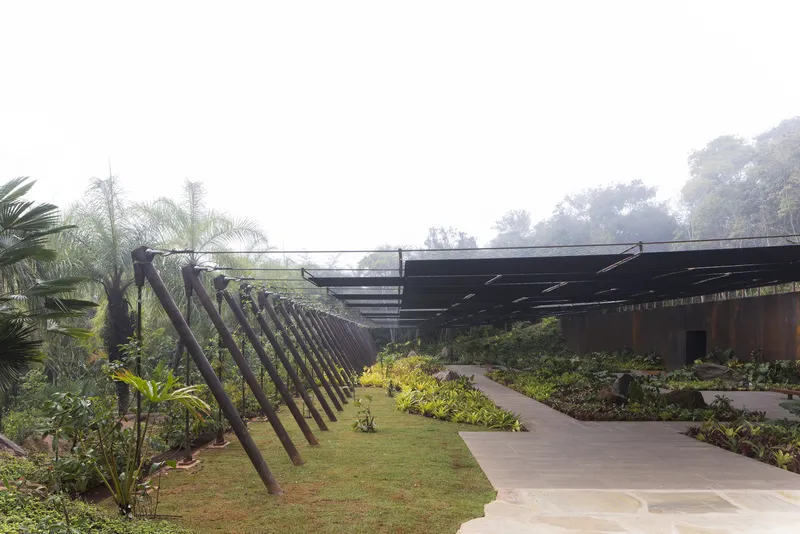
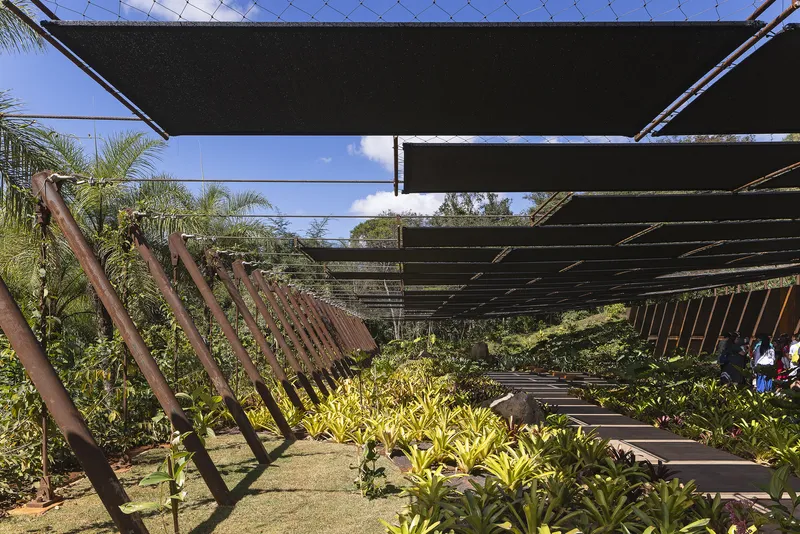
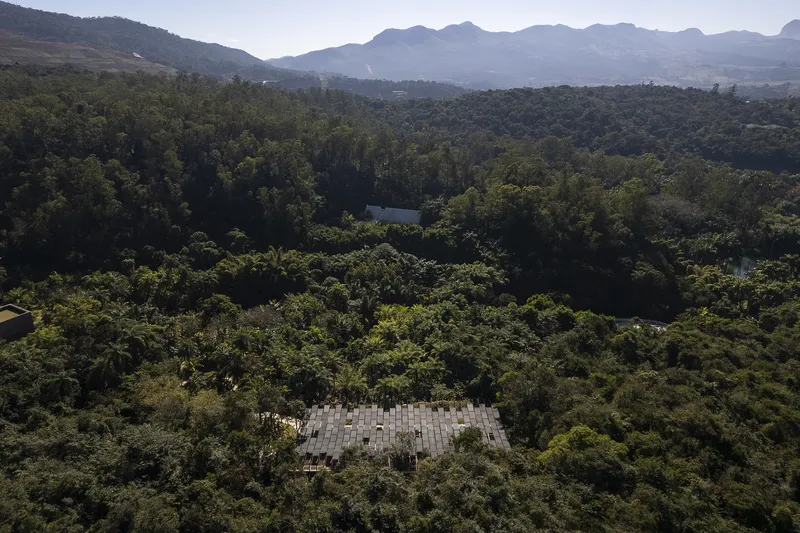
The gallery exemplifies a seamless integration with its environment. It occupies a plateau, which was previously altered by human intervention, and transforms it into an architectural masterpiece. The design uses minimal structural elements, creating a shading system of parallel cables that gently mimic the natural contours of the original site.
This tensioned shading system serves a dual purpose: providing shelter and reimagining the topography of the location.
2. Natural and Sustainable Materials
The structure employs materials like tensioned cables, a flexible metal mesh, and concrete. These materials are not only robust but also environmentally conscious.
The incorporation of the Congea tomentosa, a climbing plant introduced to Brazil by renowned landscape architect Roberto Burle Marx, adds an evolving dimension to the gallery. This plant changes color throughout the year, symbolizing the passage of time and blending the built environment with the natural world.
3. Visitor-Friendly Spaces
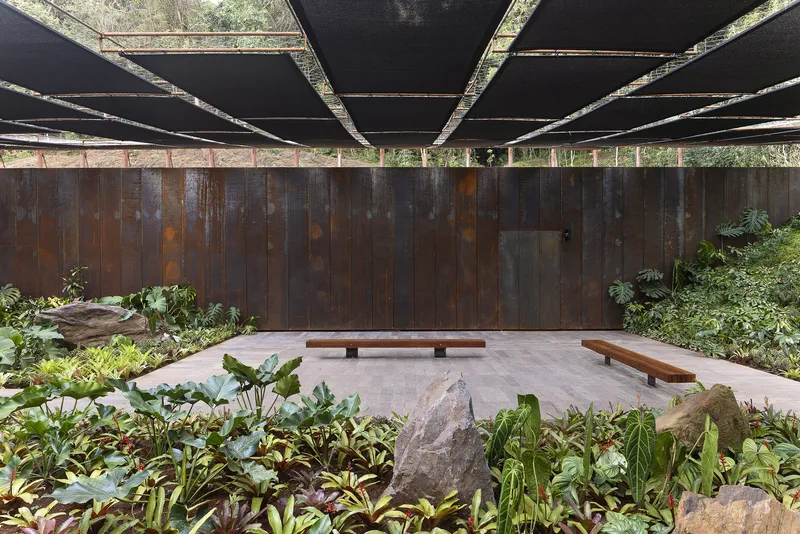
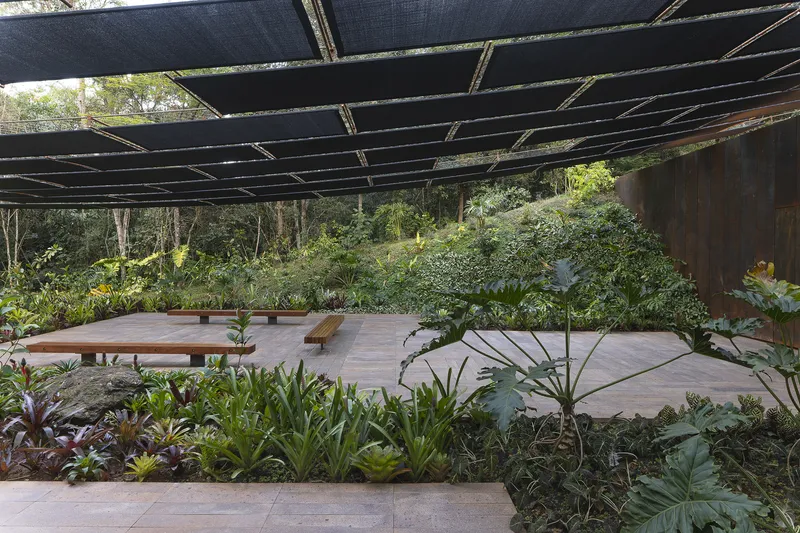
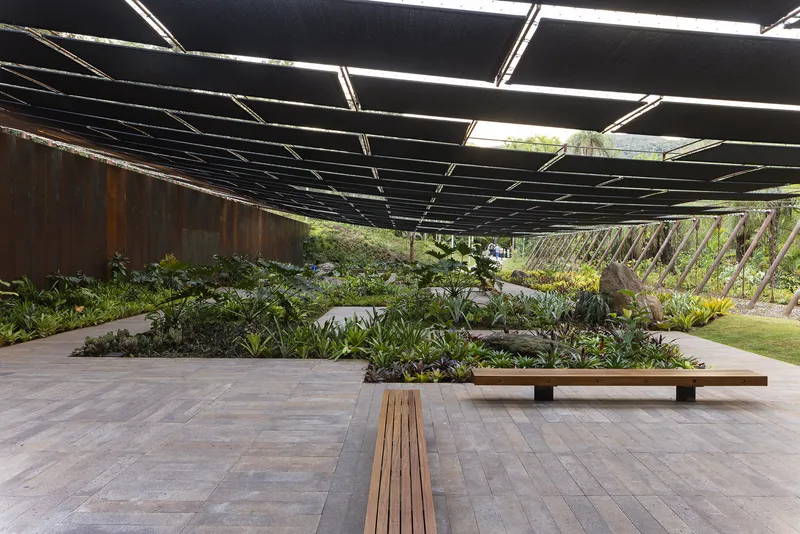
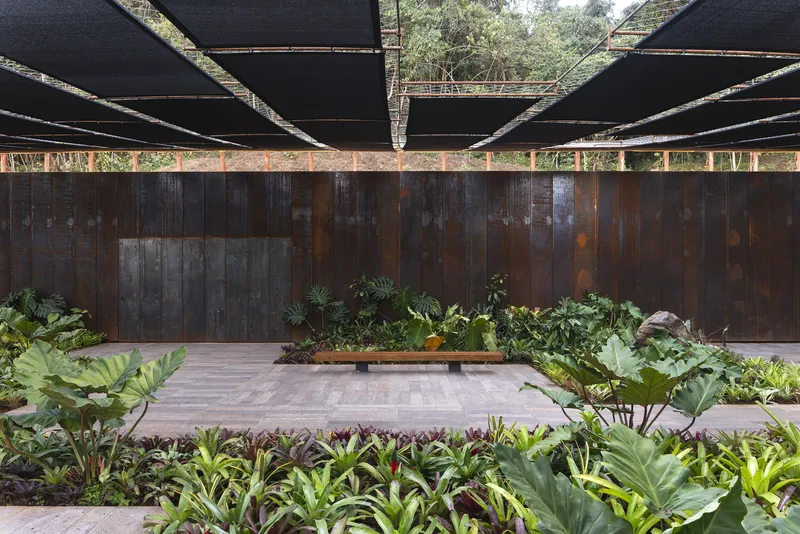
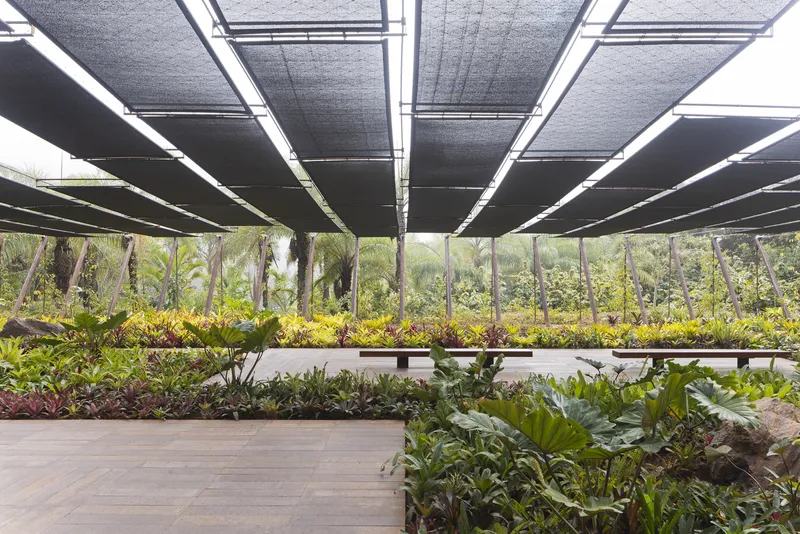
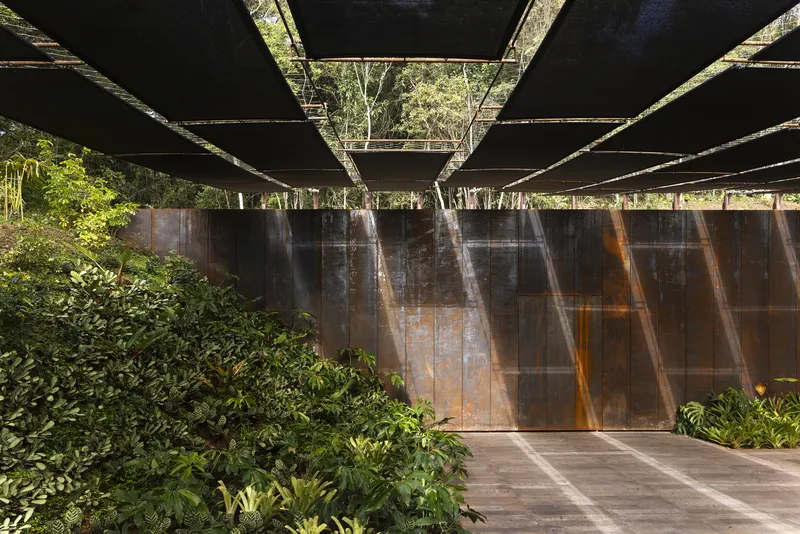
Underneath the shading roof, the gallery invites visitors to linger. Pathways of small pebbles and prefabricated concrete slabs guide guests through a thoughtfully designed landscape. Along these paths, wooden benches offer spaces for rest and contemplation, enhancing the experience of the surrounding gardens.
A Symbol of Connection
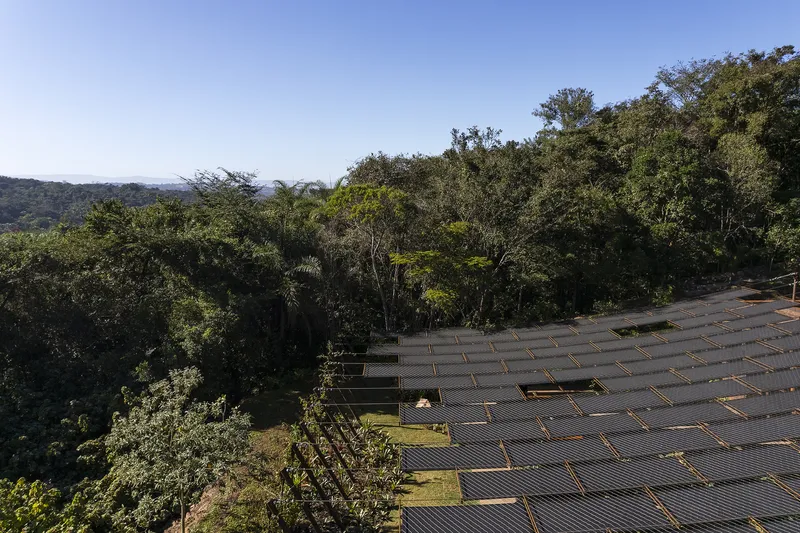
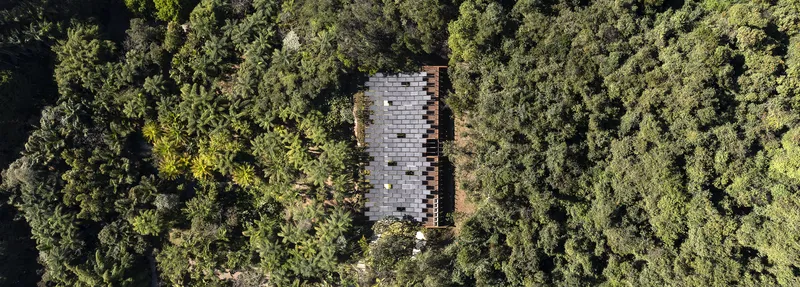
From above, the Yayoi Kusama Gallery appears as a vibrant intervention in the landscape. Its horizontal form acts as a bridge between two distinct environments: the untamed natural forest and the manicured garden. This connection is not merely visual but also experiential, as visitors transition from one setting to the next.
The gallery’s design is a poetic response to its surroundings, presenting itself not as a standalone object but as an integral part of the topography.
Innovative Shading Design
The shading system stands out as a hallmark of the gallery's design. It consists of tensioned cables that stretch from the slope’s highest point to the plateau's edge. This system metaphorically reconstructs the natural profile of the site while providing shelter.
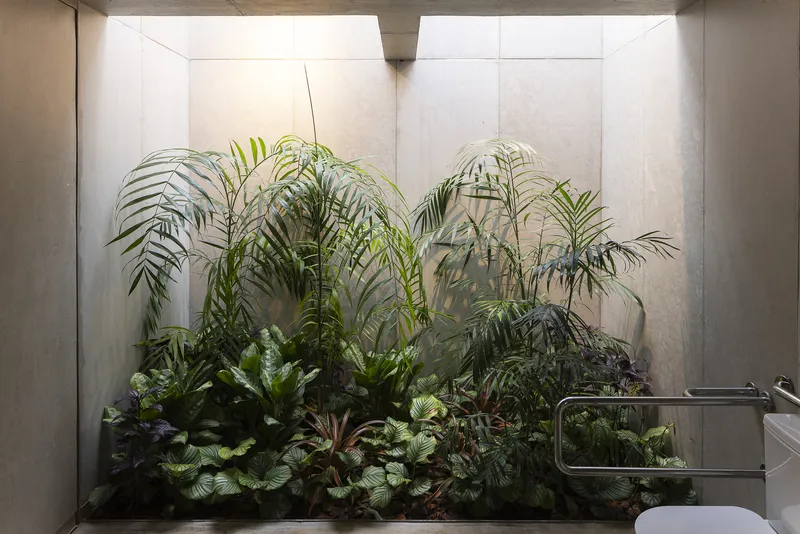
The metal mesh used in the shading system supports the Congea tomentosa plant, which enhances shading and regulates rainwater. The interplay of light, shadow, and greenery transforms the gallery into a dynamic, ever-changing space.
Interior Spaces: A Minimalist Approach
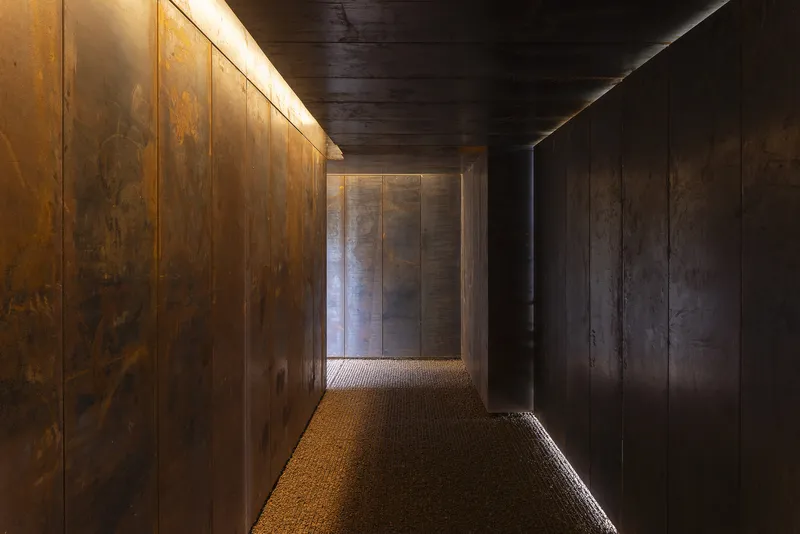
The gallery's interior embraces minimalism to ensure that the focus remains on Kusama’s installations. Large windows allow natural light to illuminate the art, while also offering glimpses of the surrounding forest. This thoughtful design creates an immersive atmosphere where art and nature coexist harmoniously.

The Legacy of Yayoi Kusama’s Art in Architecture
The Yayoi Kusama Gallery is more than a space for art; it is itself a piece of art. Its design reflects Kusama's philosophy of interconnectedness, infinity, and transformation. By blending innovative architecture with natural elements, the gallery pays homage to Kusama's legacy and offers visitors an unforgettable experience.
The Yayoi Kusama Gallery by MACh Arquitetos and Rizoma Arquitetura redefines how architecture can interact with art and nature. Its thoughtful design, sustainable elements, and seamless integration with the landscape make it a landmark not just in Brazil but in the global architectural community.
Visitors to the gallery are not only treated to the brilliance of Kusama's installations but also to a transformative journey through a space where architecture and nature exist in perfect harmony.
All photographs are work of Leonardo Finotti




Popular Articles
Popular articles from the community


The Musturak Paradise: Senior Living Architecture for a Connected Future in Temara, Morocco
The Musturak Paradise reimagines senior living architecture in Temara via private homes, social spaces, culture, community, and shared care.

Co-Life: Senior Housing Design That Reconnects Older Adults With the City
Co-Life reimagines senior housing design through healing gardens, shared streets, workshops, and a sustainable community across generations.

Co-life: Sustainable Architecture for Age-Friendly Community Living
Co-life reimagines sustainable architecture for seniors through courtyards, rammed earth, shared gardens, and spaces designed for belonging.

Play: Fragments of Their World
Familiar architecture becomes modular playground design, creating safe spaces where displaced children can learn, connect, imagine and play.


Similar Reads
You might also enjoy these articles


Hodi-Mandai Geram
Project Function: Preservation and revitalization of the Intangible heritage and socio-spatial identity of the Hodi by Housing, Cultural Memory Center, Sacred Grove, landscape, local tourism economy


Olio Towers: A Mid-Rise for Performers That Fuses Housing, Rehearsal, and Stage
Located blocks from Houston's Theater District, this modular tower stacks living units around a central performance atrium.

Oasis: Modular Green Housing Carved into Dhaka's Urban Fabric
A shortlisted Plugin Housing entry reclaims unauthorized settlements in Dhaka with stepped concrete volumes, green roofs, and ventilation-driven design.

Black Hole: A Floating Megastructure for the Post-Physical Era
Emiliano Mazzarotto envisions a spherical, self-scaling arena where e-sports, digital hotels, and holographic stadiums replace traditional public space.

Explore Art Gallery Competitions
Discover active competitions in this discipline



Challenge to reimagine the Iron Throne


Photograph architecture without architects


Illustrate the lost glory of Angkor Wat - Render Challenge


Design challenge to reuse E-waste
Comments (0)
Please login or sign up to add comments
No comments yet. Be the first to comment!