
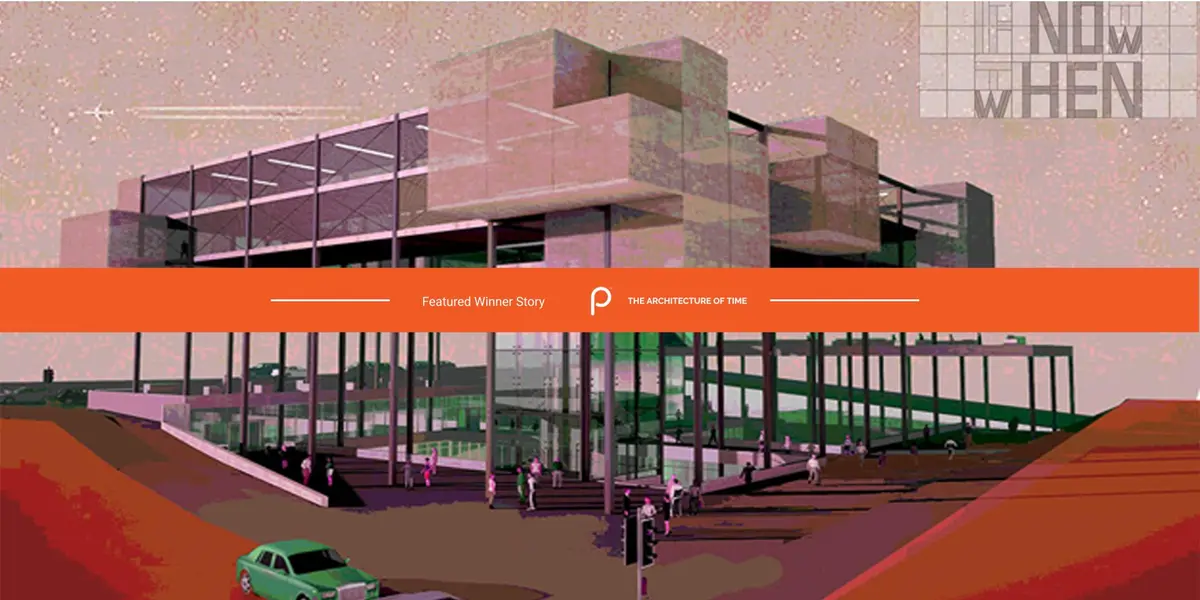
Architecture that adapts to the needs of time.
The Architecture of Time - Result Story


Only a few man-made artefacts/ forms/ organizations survive several decades or even millennia. Most of these are not built with the intent of longevity but are mostly accidents of time and history.
Often defined by constant change, buildings thrive for expansive spans of time, contents within them evolving and adapting to the needs of the time, playing a key role in the community until it can no longer turn over to serve a purpose. Eventually leading to its dysfunction.
But why do we rely on accidents to evade the long drawn out decay of built forms? What crucial factors are we missing in order to be able to make this decision ourselves? What elements are we ignoring that would act as a catalyst to extend the lifeline of a building?
Are all elements that contribute to successful design entirely tangible? Consider ‘time’. Society always functions in flux. Consider constantly evolving ‘user needs. Think about how all three of these interact to define built forms.
Look into how programmes are designed and outlined. Why is it that we focus so much on the now, that we do not stop to maybe think that even the tiniest user function or need might change? Why do we scrimp on even the least bit of space to change?
The design challenge was to develop an architectural concept that encapsulates the existence of a building as a process - in a case example of a skills development centre.
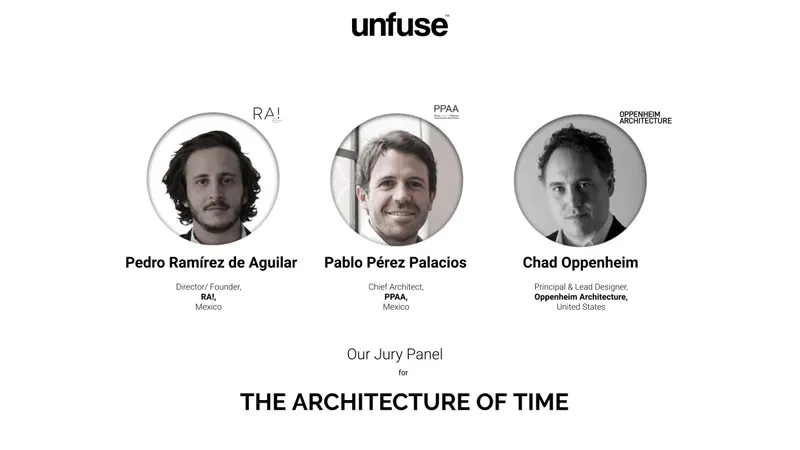
The jury for the competition consisted of esteemed designers, professionals, and academicians from around the world. The Lead Jurors for the competitions were as follows:
Pedro Ramírez de Aguilar, Director/ Founder, RA!, Mexico
Pablo Pérez Palacios, Chief Architect, PPAA, Mexico
Chad Oppenheim, Principal & Lead Designer, Oppenheim Architecture, United States
Some of the Best of competition projects are:
Winning Project: TIME FRAME
By: 기헌전 & 선우변
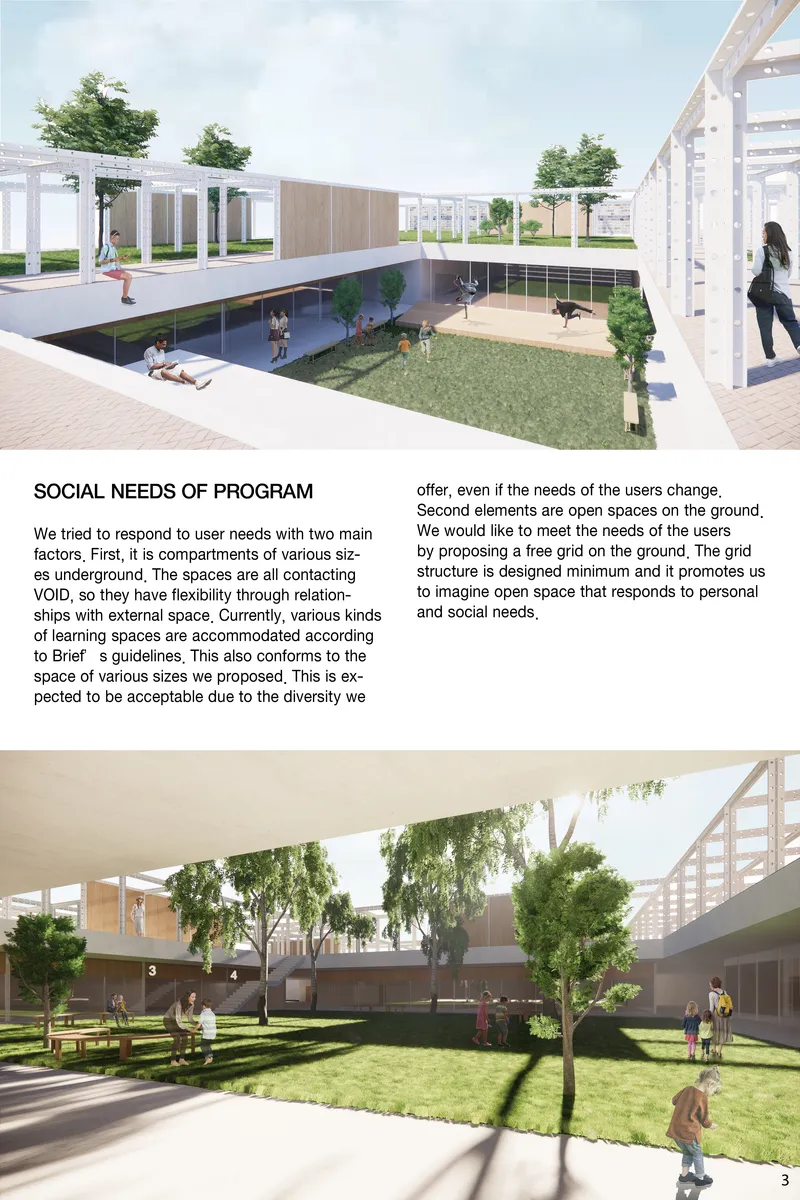
Description: Before our design process, we thought about elements that don't change in architecture over time. We found out that the act of gathering and needs for protected indoor space is the everlasting characteristics of human beings. Our building contains concepts that could exist universally and flexibly over time, encompassing timelessness of architecture.
------------------
People’s Choice: Creative Arcade
By: Misak Terzibasiyan
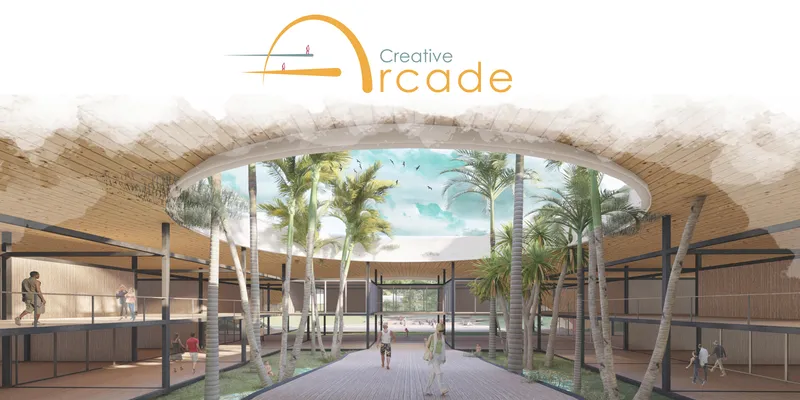
Description: Merida, is built above the ancient Maya city Tho, meaning “city of five hills.” That was the centre of Mayan culture and activity in the Yucatan region. In many cultures, Arch is related to ceremonies of renewal. Walking through an Archway means moving into a new phase of life.
--------------------
Editor’s Choice: THE "TIMELESS" OBSERVATORY
By: Jordanka Peycheva & Thom Wood-Jones
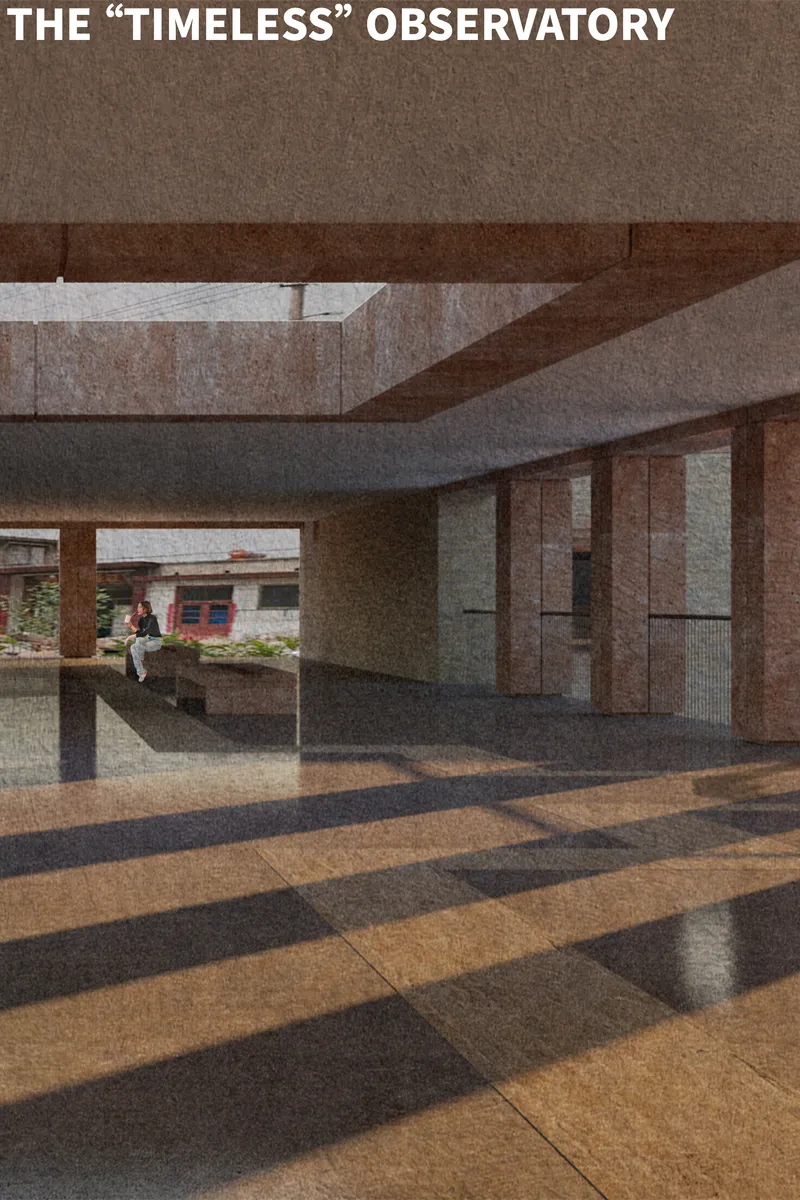
Description: To learn is to observe. A "timeless" observatory - a place beneath the treetops to observe the human and the celestial vault in all its entirety, and the phenomena that occur in it throughout the ordinary day.
--------------------
Editor’s Choice: Architecture Of Time
By: Melisa Acar & Musa Gôçmez
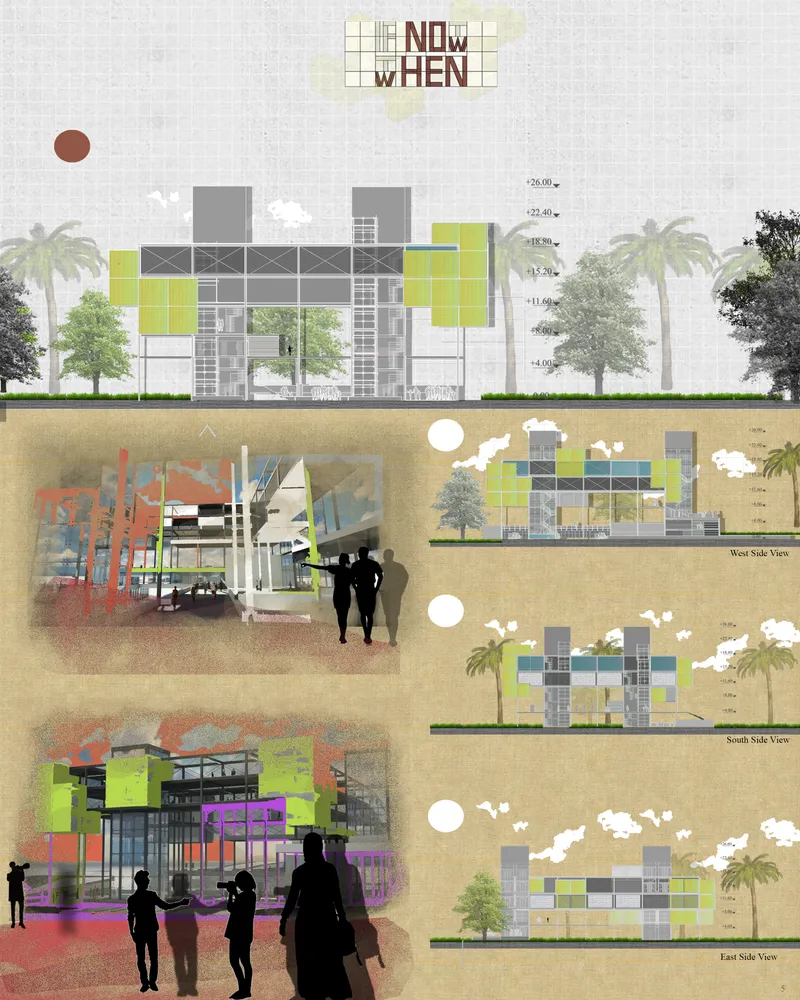
Description: The goal of the project: It has been to offer a new building system that does not ignore the development of technology and can keep up with the development and prevent memory destruction.
Discover the design brief here: https://uni.xyz/competitions/the-architecture-of-time/info/about
Discover the full results here: https://uni.xyz/competitions/the-architecture-of-time/entries
Follow us on social media: Facebook | Instagram | LinkedIn | Twitter | Youtube
Discover other design competitions to participate here: https://uni.xyz/competitions


Popular Articles
Popular articles from the community


Co-life: Sustainable Architecture for Age-Friendly Community Living
Co-life reimagines sustainable architecture for seniors through courtyards, rammed earth, shared gardens, and spaces designed for belonging.

Play: Fragments of Their World
Familiar architecture becomes modular playground design, creating safe spaces where displaced children can learn, connect, imagine and play.

Lunar Spiral: Space Architecture Shaped by the Mathematics of the Universe
Lunar Spiral reimagines space architecture through Fibonacci geometry, lunar regolith, levitating habitats, and self-sustaining Moon living.
Opera by the Sea: Curved Volumes and Coastal Geometry on Tallinn's Waterfront
A wave-inspired cultural landmark beside Linnahall fuses a 2,000-seat concert hall, library, museum, and public terraces into one flowing composition.

Similar Reads
You might also enjoy these articles
BAMBOO BLOCK: Sustainable Architecture for a Creative Refugee Children’s Playground
BAMBOO BLOCK uses sustainable architecture, modular play spaces and local materials to create a flexible refuge for children to learn and play.
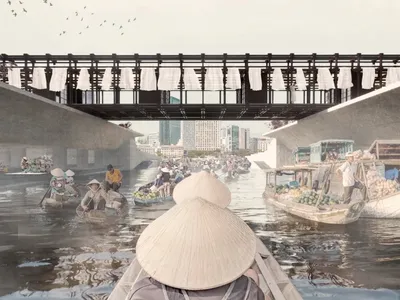
Thu Thiem Banks Market: A Canal Carved into Public Life
Nicolas Eberle's winning Street City Vietnam entry transforms Ho Chi Minh City's waterfront into a layered marketplace woven around water.
Opera by the Sea: Curved Volumes and Coastal Geometry on Tallinn's Waterfront
A wave-inspired cultural landmark beside Linnahall fuses a 2,000-seat concert hall, library, museum, and public terraces into one flowing composition.
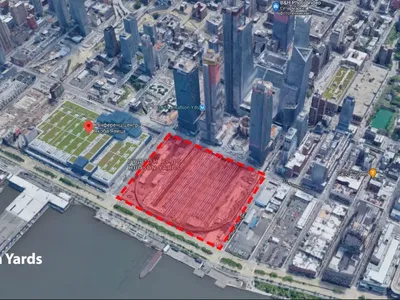
Hudson Yards: A Green Ray and Vertical Ecosystem for Manhattan's Dense Future
A shortlisted New Dencities entry organizes towers, courtyards, and a continuous landscape axis into one interconnected urban framework.

Comments (0)
Please login or sign up to add comments
No comments yet. Be the first to comment!