

The Cabin
In Vistdal, 2680 Vågå, Norwegen

Cocoon // A-frame // rammeverk //
In the Norwegian Fylke Innlndet lies the small municipality of Vaga.
Due to its mountainous and natural landscape, Norway represents a unique experience for every tourist.
Norway‘s clear natural beauty has attracted visitors from all over the world. The location of the cabins is in the middle of the natural habitat, which offers hiking and mountaineering areas next to it. The site is surrounded by landscapes that stretch for kilometers and offer great views. The lush flora and fauna are accessible from this place.
Due to Norway‘s closeness to nature, a coexistence
between people and nature is significant, which at this time is becoming increasingly important in the context of the concepts of bioph and climate change.
The trekking cabins provide basic functioning resources to seek shelter in the most remote places in the middle of nature.
Over time, the design and way of living has evolved, but the function of a compact retreat in the most remote places close to nature, has remained.
The cabins are designed to blend perfectly into the landscape, this is due not only to the regional choice of materials, but also to the shape of the structures. The cabins consist of two offset A-frame parts, which overlap each other. This creates a living space that flows smoothly into the bedroom.
The northern part of the smaller A-frame house offers each visitor a separate bathroom with an elongated skylight. The interlocking wall surfaces between the kitchenette and the bathroom create a small additional room, which functions as a technical room.
The cabins are accessed separately from the street, in addition, they have large glazed openings on the south side, which guarantee generous lighting, as well as direct the view of visitors to the valley and provide the opportunity to enjoy and observe this unique nature. From the living area you can access a small loggia, which offers a lot of privacy due to its elevated position with respect to the outside space.
The cabins have a depth of 11 meters, are 5.5 meters wide and 6 meters high at the highest point. The wooden framework, which is intended to give the visitor a kind of floating feeling inside, also forms the supporting structure. The room sequences are compact and functionally structured and offer a domicile for up to 6 people.
The material shall be chosen from the region of Norway the interior boarding for example is untreated pine wood and the insulation between the compartments is made of wood fiber. Furthermore, the point foundations make the least possible impact on the ecosystem. Thus, the CO2 footprint is reduced to a minimum.
Through this choice of materials, the A-Frame houses blend perfectly into the surroundings of the mountainous landscape of Norway.


Popular Articles
Popular articles from the community


Co-life: Sustainable Architecture for Age-Friendly Community Living
Co-life reimagines sustainable architecture for seniors through courtyards, rammed earth, shared gardens, and spaces designed for belonging.

Play: Fragments of Their World
Familiar architecture becomes modular playground design, creating safe spaces where displaced children can learn, connect, imagine and play.

The Earth Pod: 3D Printed Homes for Resilient Refugee Communities
The Earth Pod reimagines refugee housing through 3D printed homes made from clay, combining resilience, self-sufficiency, and rapid shelter.

The Ocean Hive: Sustainable Architecture for a Self-Sufficient Civilization at Sea
The Ocean Hive imagines sustainable architecture at sea, where modular habitats, algae, wave power and ocean waste sustain a growing colony.

Similar Reads
You might also enjoy these articles
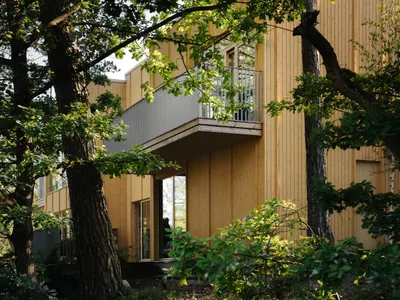
Sustainable Architecture Design: Embracing Nature and Modernity at Villa Solsidan
The article explores Villa Solsidan by AndrénFogelström, showcasing its sustainable architecture design and integration with the natural surroundings in Saltsjöbaden, Sweden.

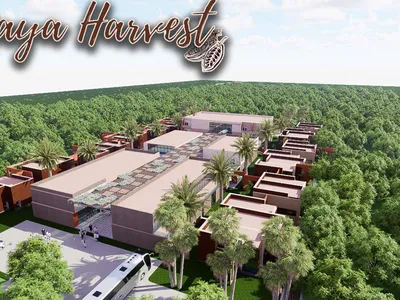
Maya Harvest: A Cacao Resort Village Rooted in Mayan Tradition and Local Craft
Situated within a Tabasco cacao plantation, this shortlisted resort proposal merges vernacular materials with hands-on cultural immersion.
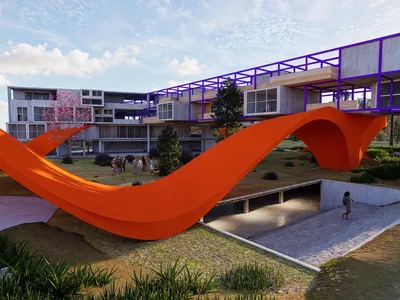
Harmonia: A River-Shaped Community That Grows Over Decades in Boa Vista
Curved pathways and modular grid structures along the Branco River create a phased settlement designed to evolve from 2030 to 2050.
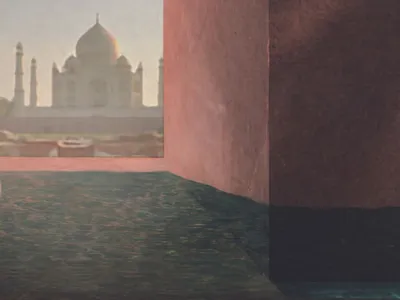
The Architecture of Bathing: A Mughal Hammam Reimagined Across the Yamuna
Charlotte May's honorable mention entry for The Black Taj reinterprets Agra's bathing rituals through red sandstone, water, and framed views of the Taj Mah

Comments (0)
Please login or sign up to add comments
No comments yet. Be the first to comment!