

The Corner House: A Model of Tropical Climate Architecture in Urban Manila
A climate-responsive urban complex in Manila reimagines public architecture through adaptive open-air design and tropical innovation.


A New Typology for Urban Retreats in the Tropics
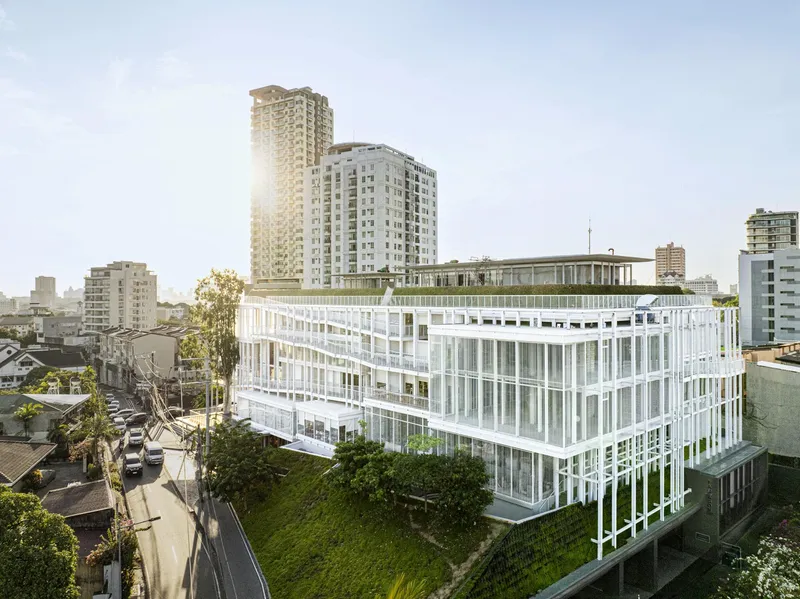
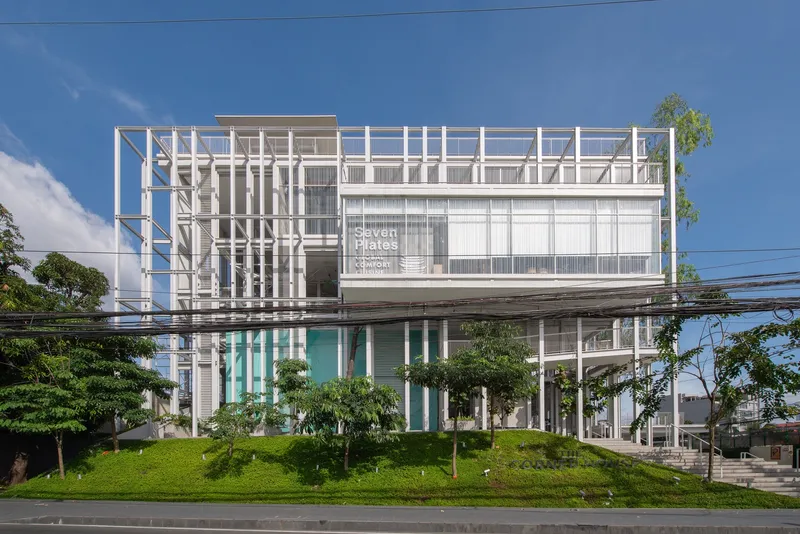
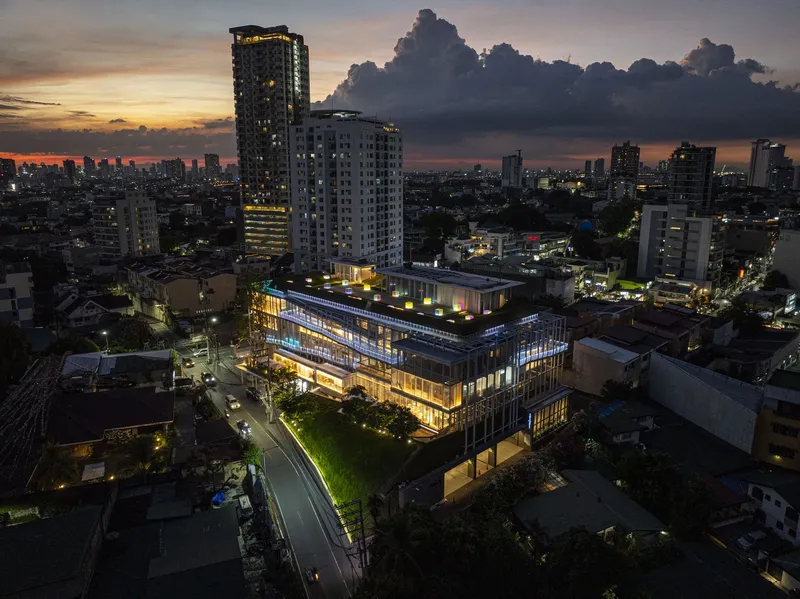
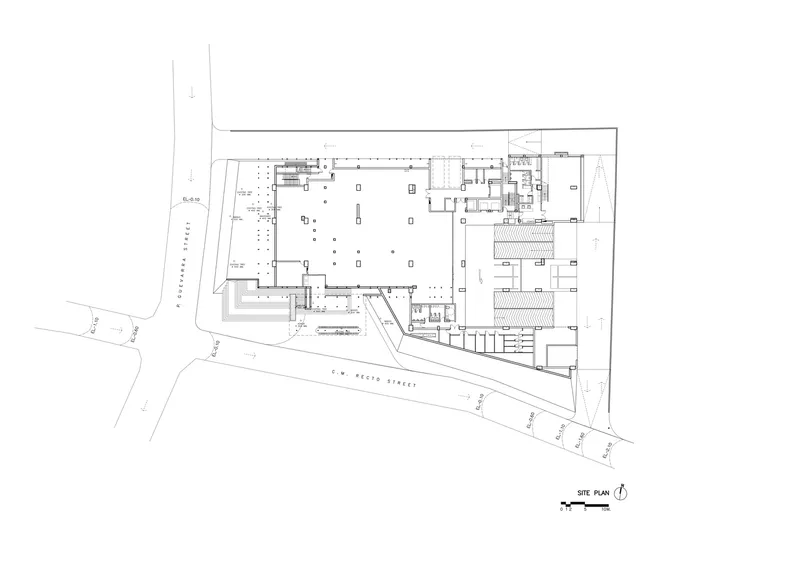
Located at a busy intersection in San Juan City, Manila, The Corner House by the Department of ARCHITECTURE redefines how urban structures respond to the dense fabric and hot, humid conditions of Southeast Asian cities. Designed as an open-air commercial complex, it merges architectural innovation with climate-responsive design, establishing a new urban typology centered around public accessibility, spatial fluidity, and thermal comfort.
Integrating Architecture with the Climate and the City
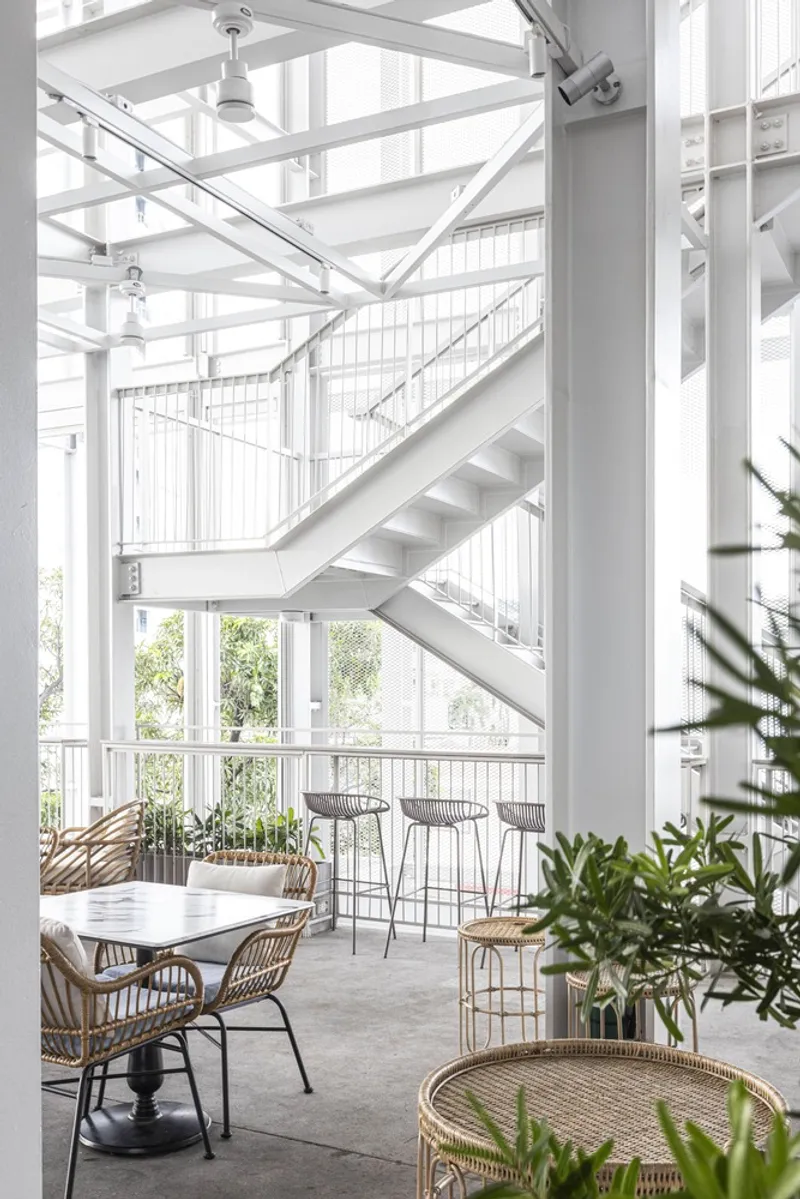
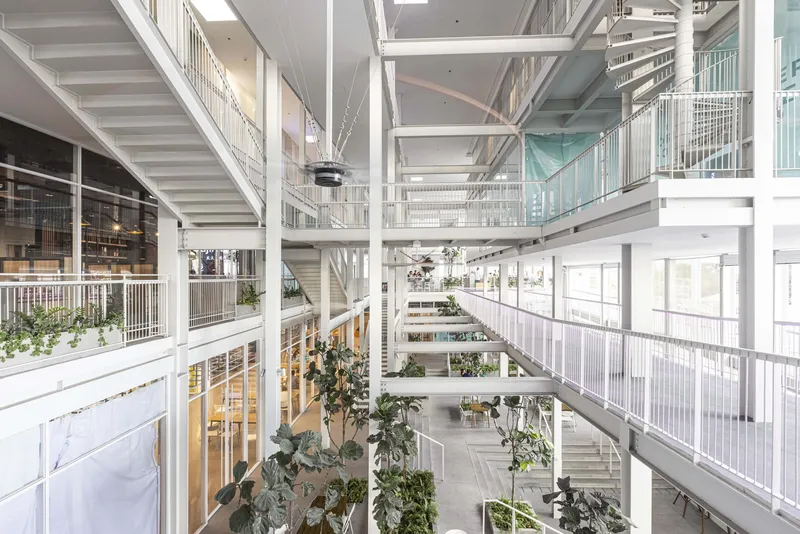
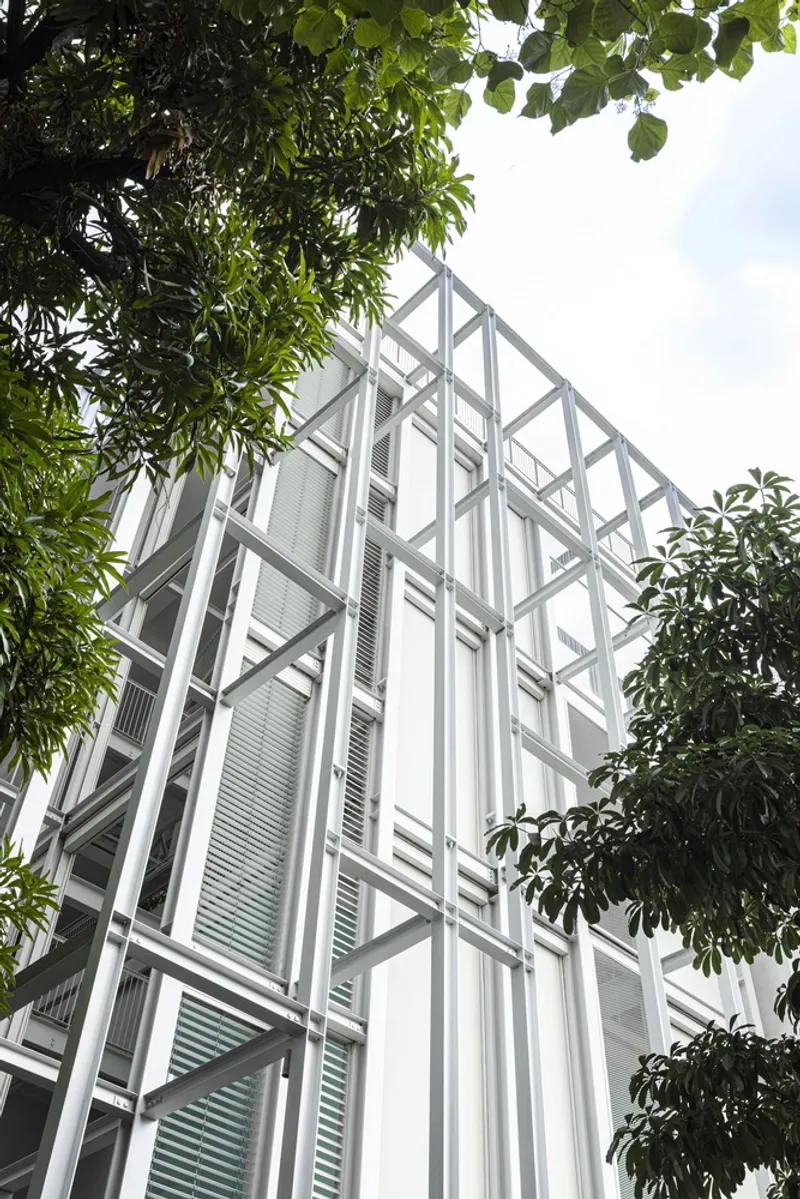
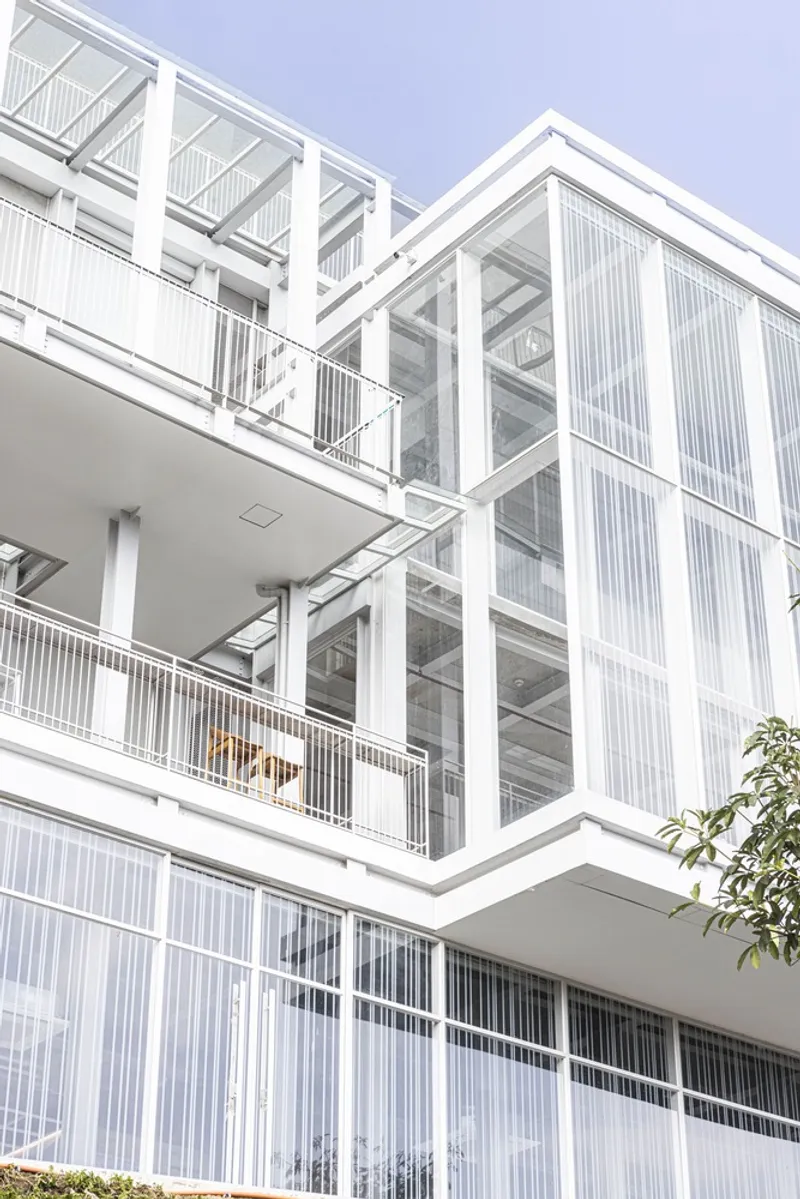
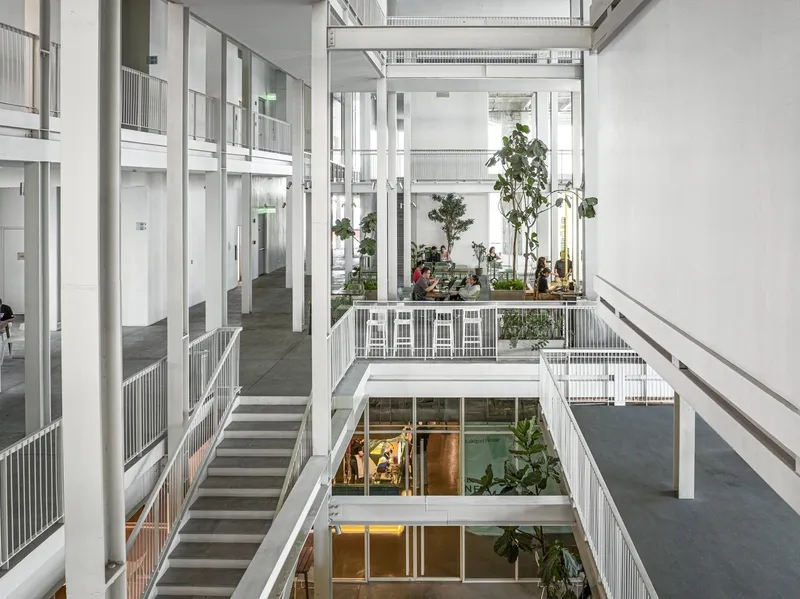
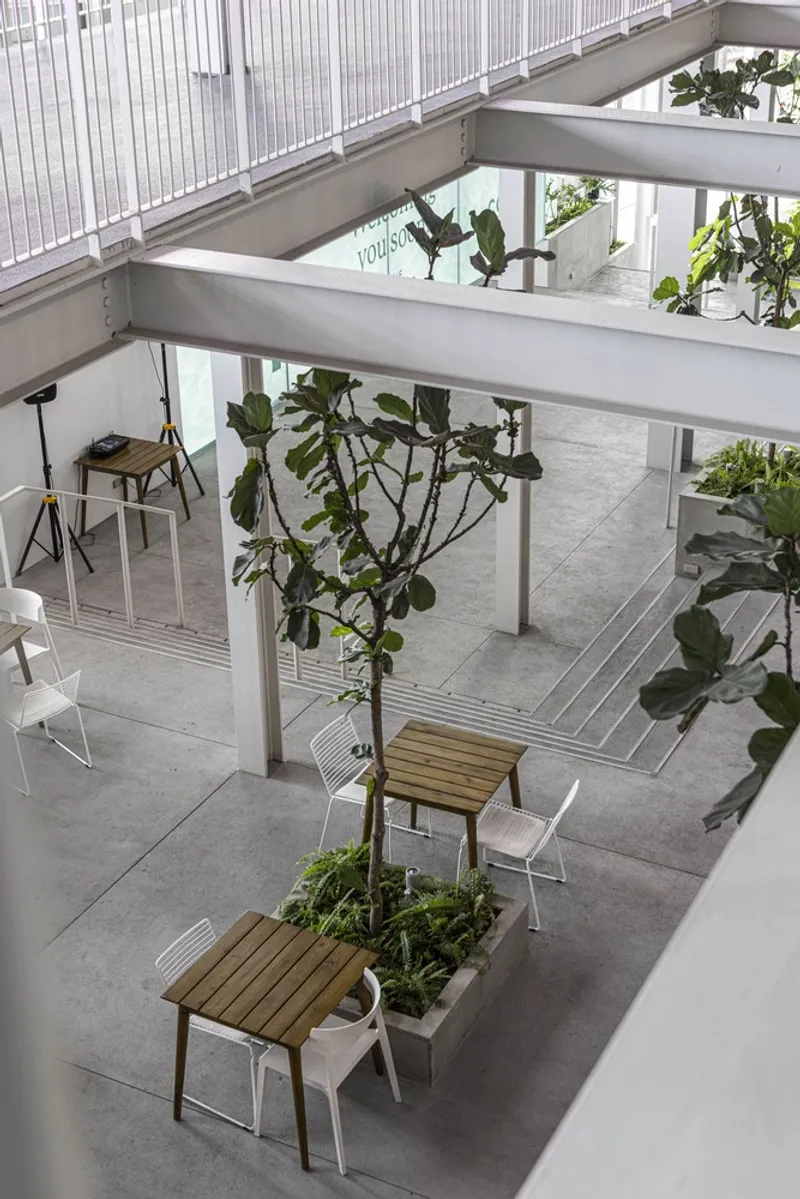
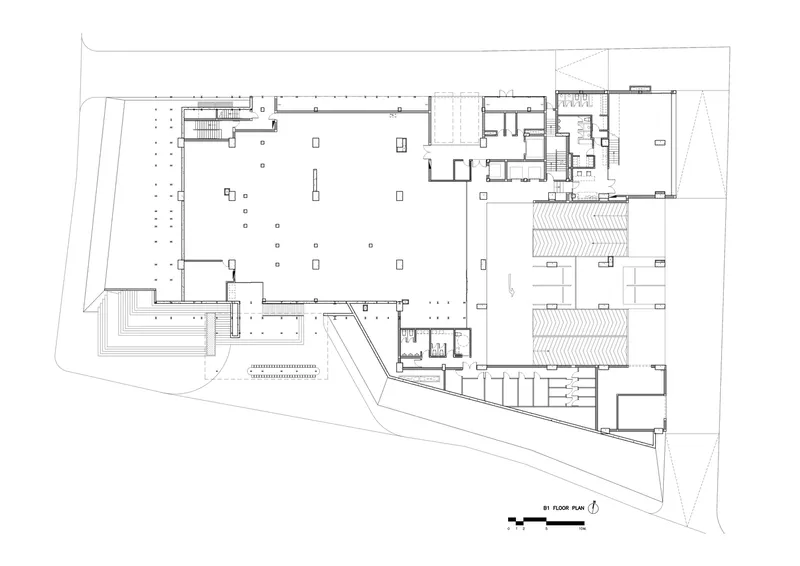
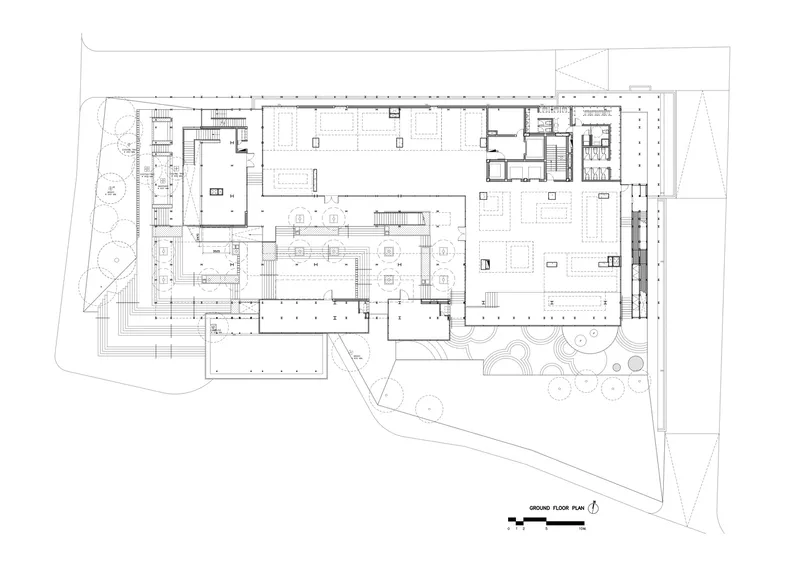
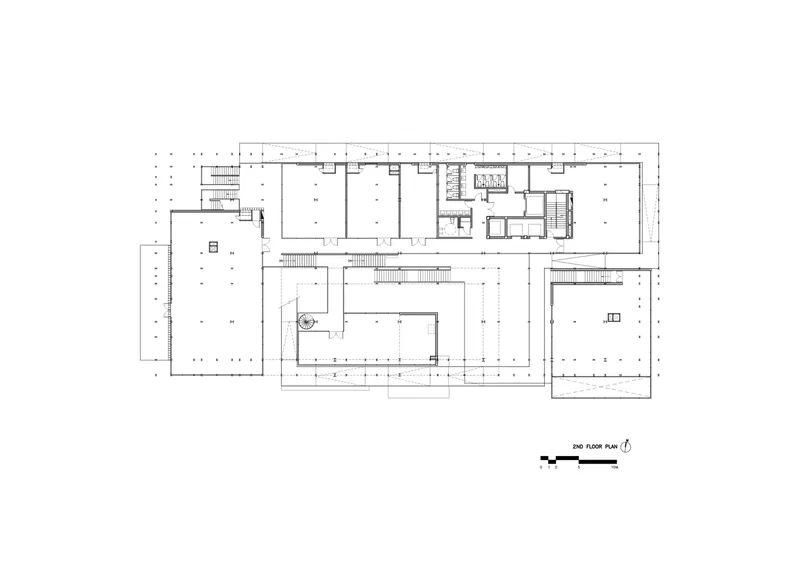
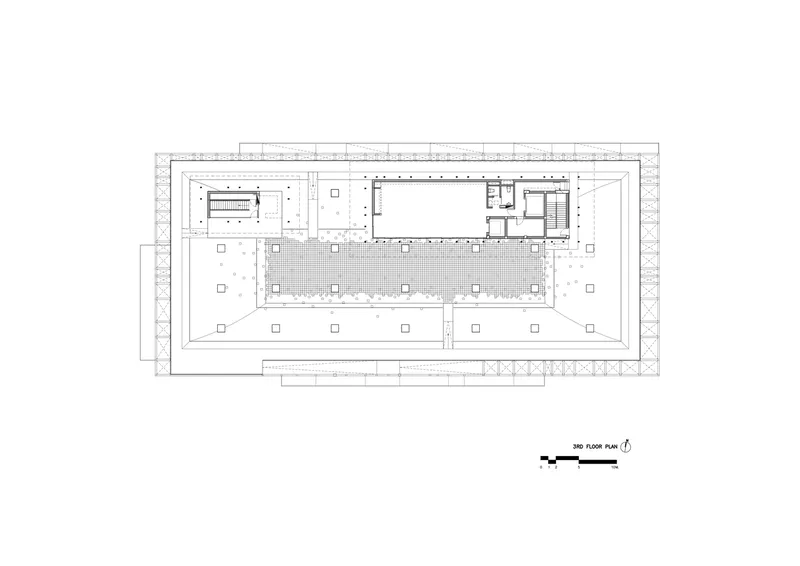
The Corner House is not a sealed, air-conditioned box. Instead, it opens up to the city through cascading ground planes that connect pedestrians to a four-story atrium filled with floating restaurant volumes. Its porous structure and semi-open circulation promote airflow, visual transparency, and a sense of community, creating an architectural refuge within the urban heat and congestion.
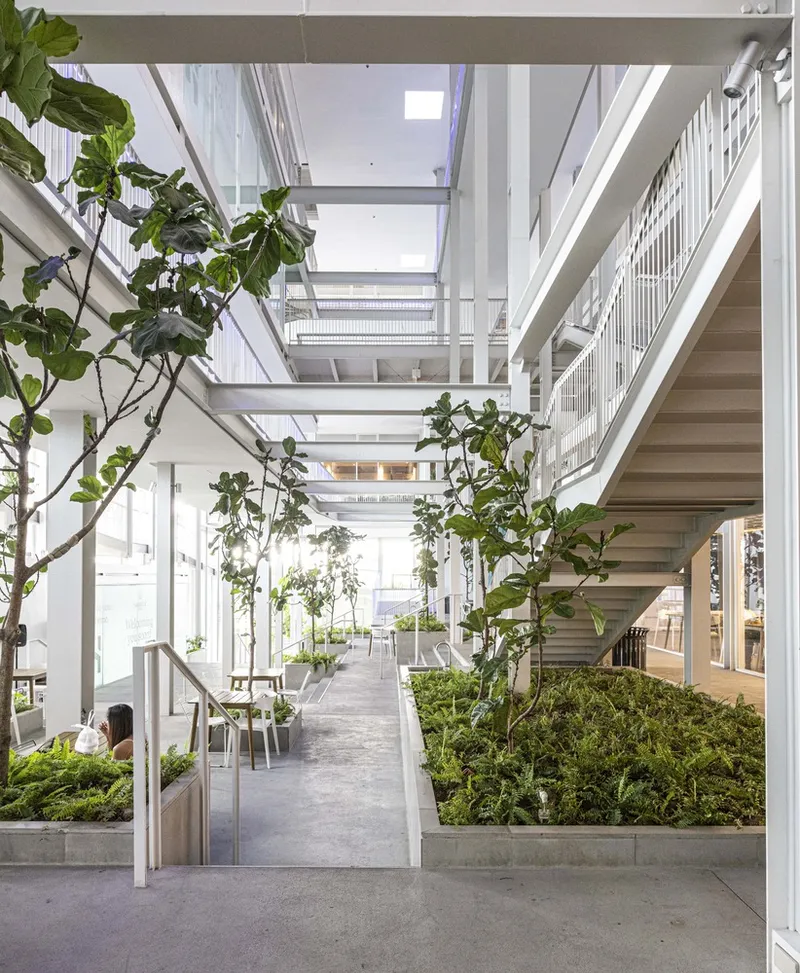
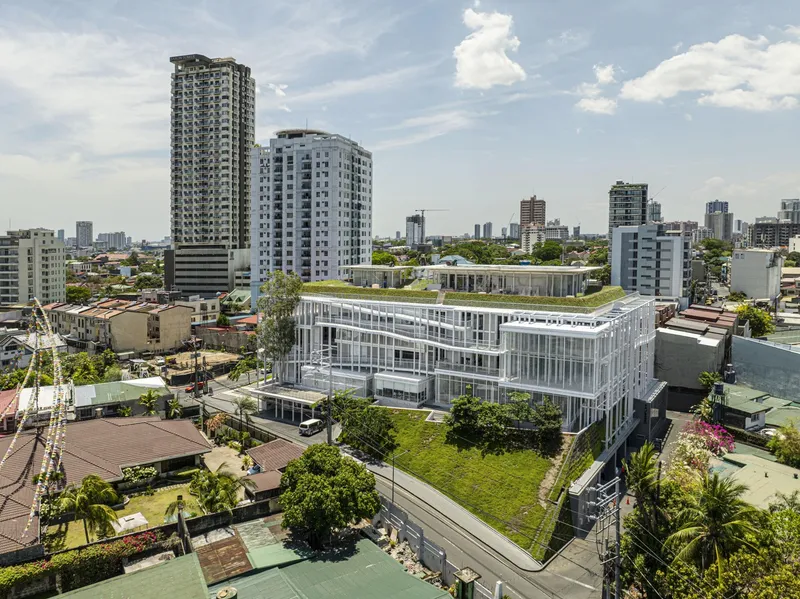
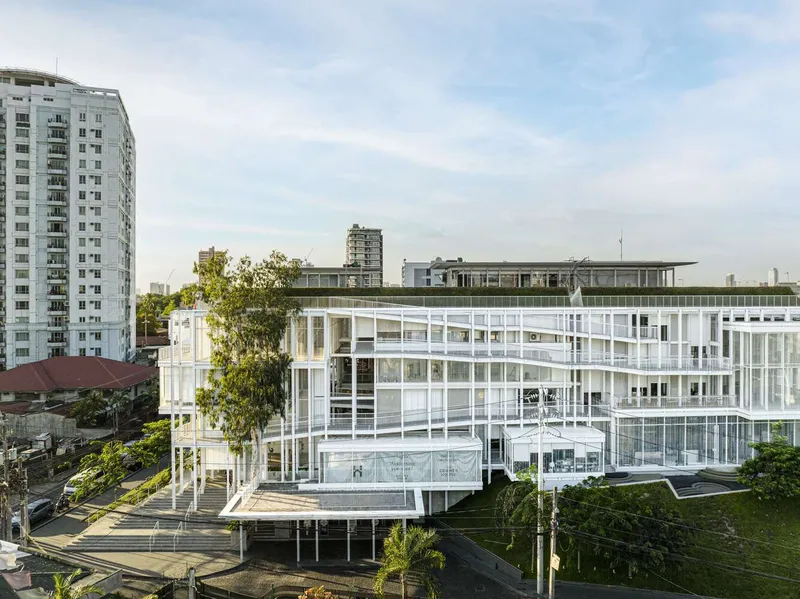
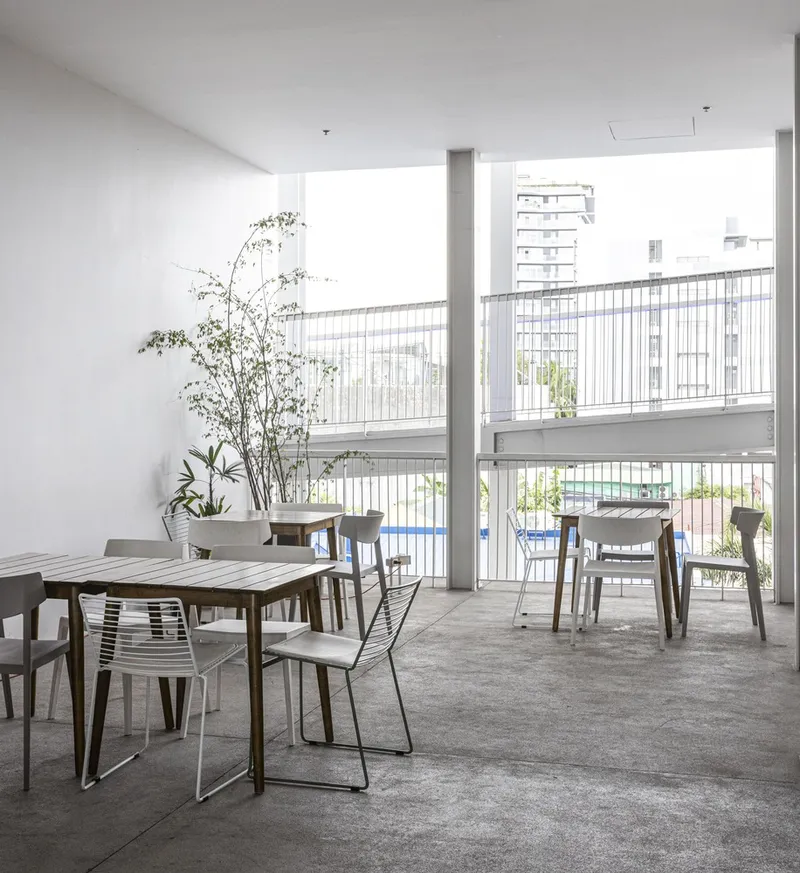
The design addresses Manila’s tropical monsoon climate through an adaptive envelope system. Motorized louvers and roller blinds can open to allow breezes during dry seasons or close during heavy rains, effectively transforming the space into a climate-responsive pavilion that breathes with its environment.
The Spiral Ramp as Urban Connector and Experience
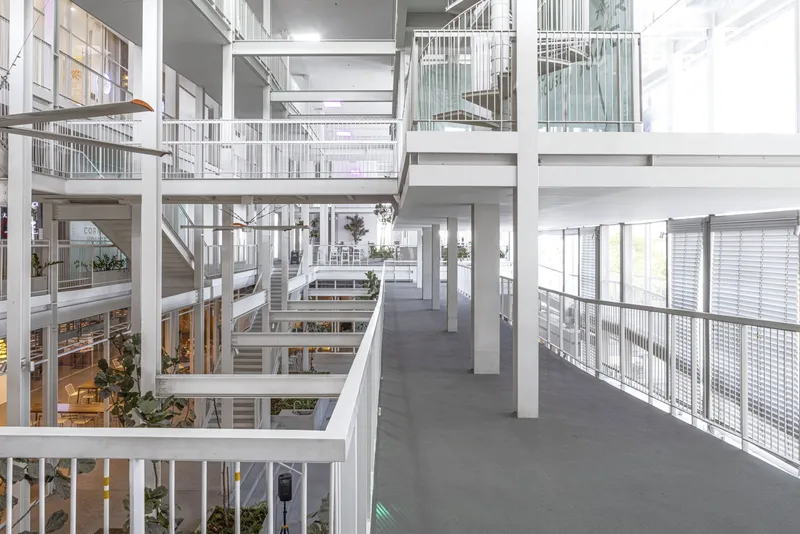
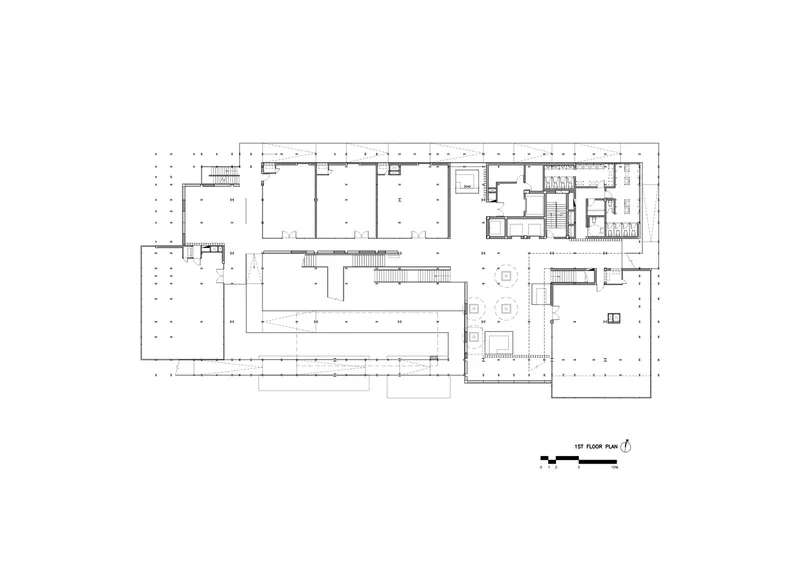
A 500-meter spiraling ramp weaves through the heart of the project, starting from the ground floor and curling upward through different levels. This architectural promenade is more than circulation; it is a multifunctional corridor for jogging, dining, hosting exhibitions, and engaging in social events. This design element invites users to actively engage with the architecture and the environment rather than passively occupy it.
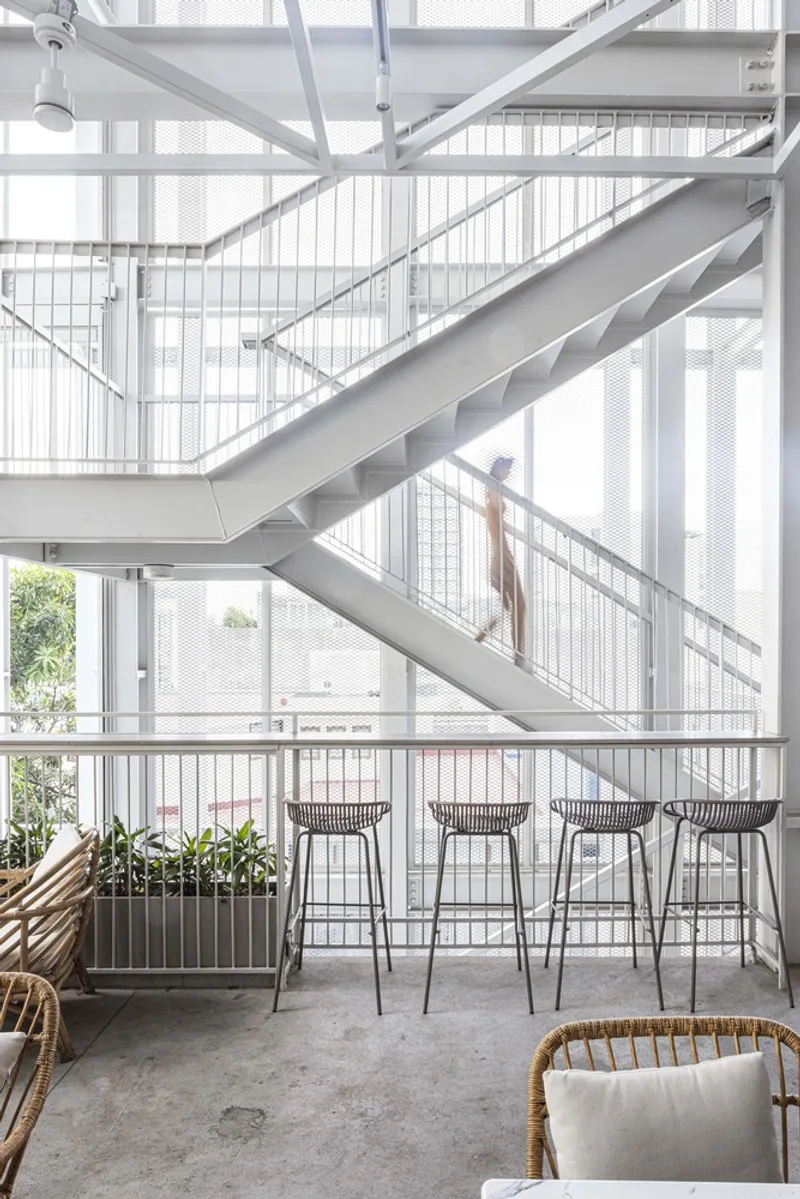
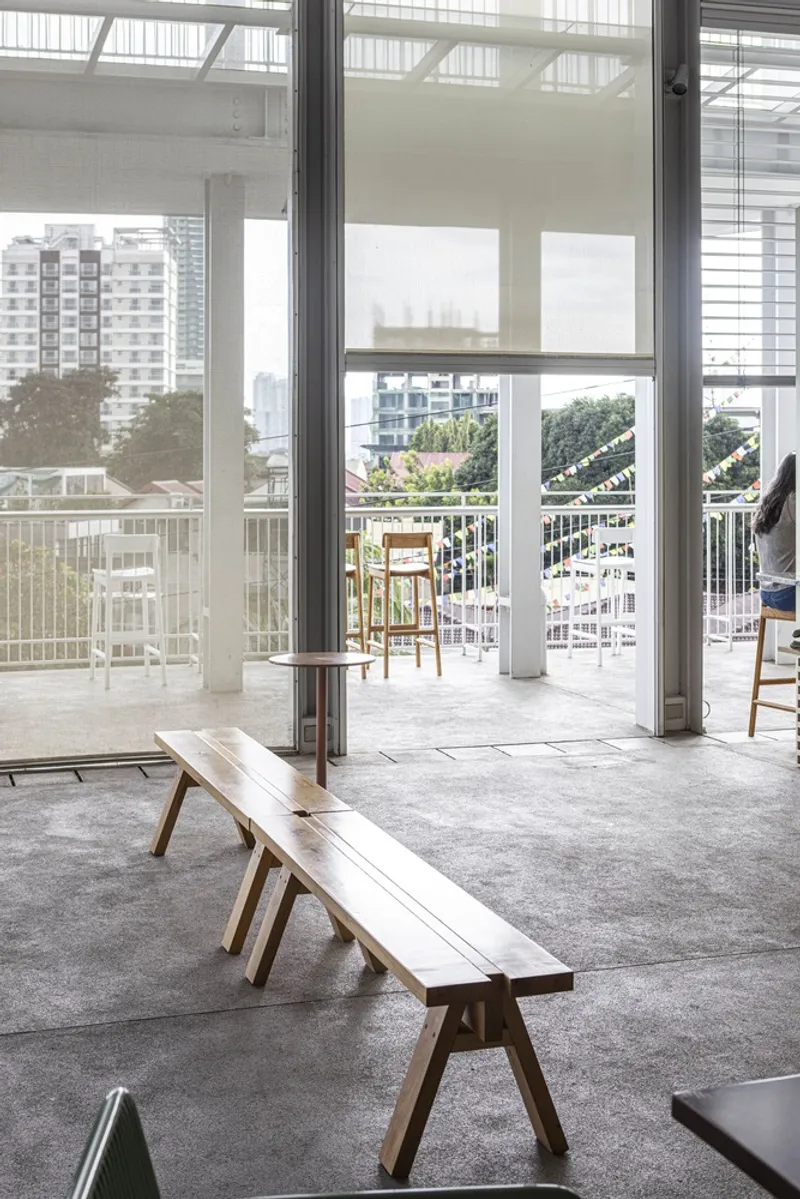
The ramp acts as a sensory experience, drawing people upwards through shifting views, textures, and light. In doing so, it encourages interaction between people and the surrounding cityscape, promoting a walkable, health-conscious, and socially activated environment.
Embracing Light, Air, and Structure
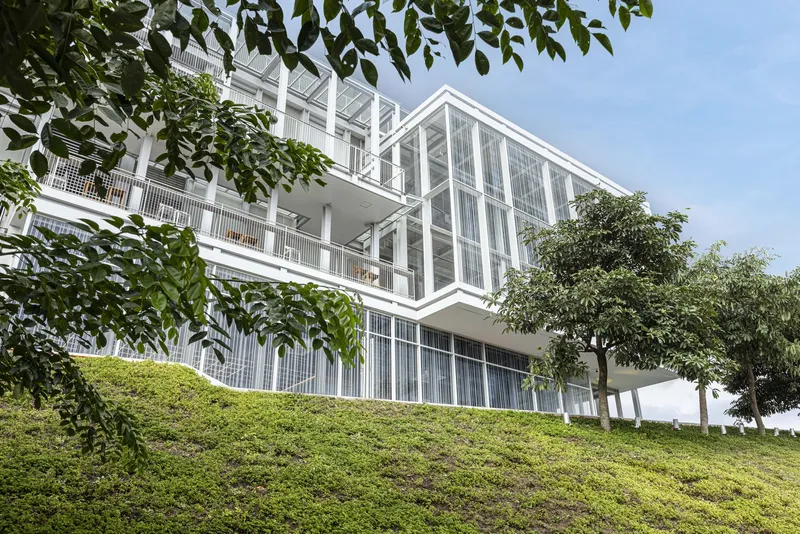
To ensure comfort year-round, the project employs a lightweight steel framework, operable partitions, and ceiling fans to encourage natural ventilation. These passive strategies reduce reliance on artificial cooling systems, aligning with sustainable principles suited for tropical climate architecture.
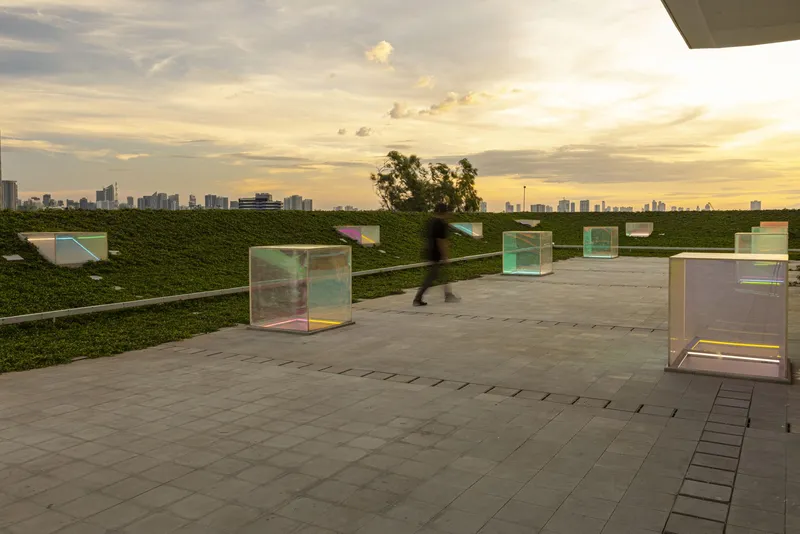
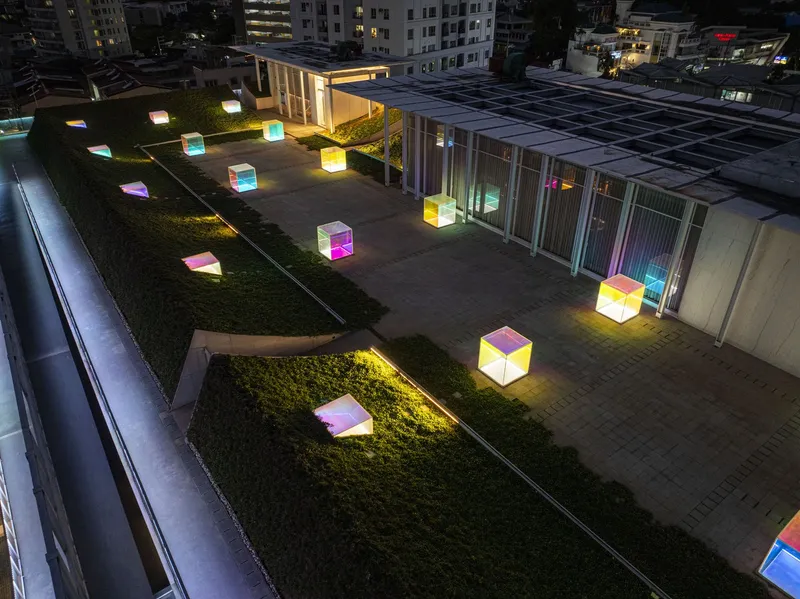
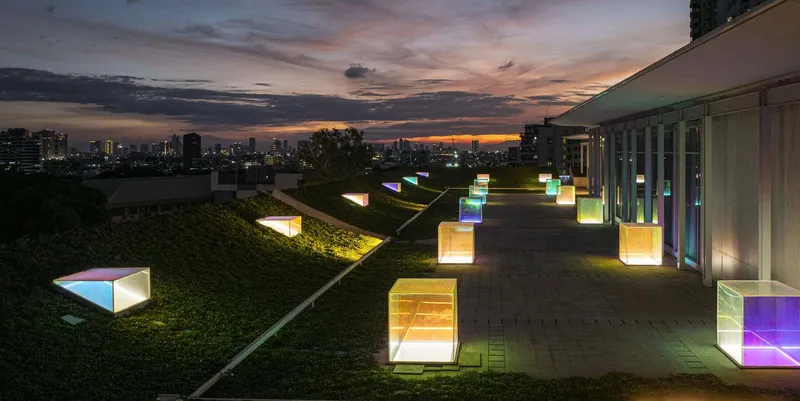
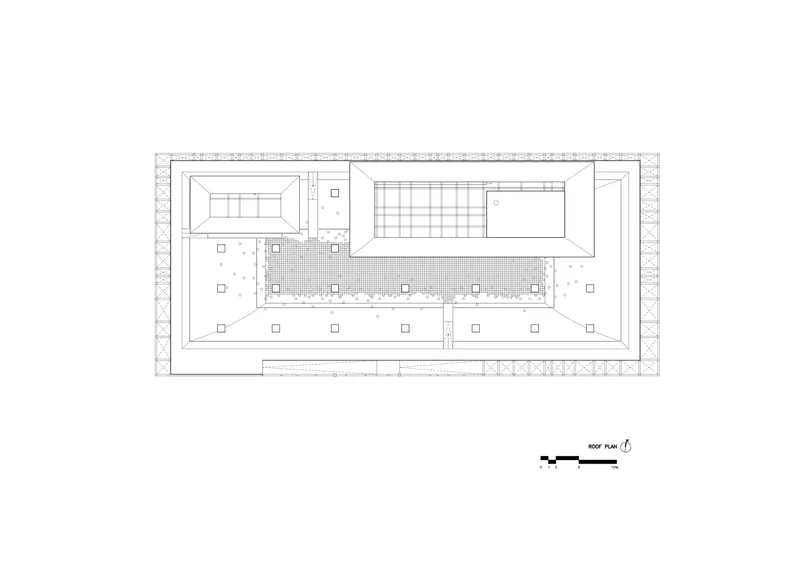
Above the ramp and open-air atrium, dichroic skylights add another layer of environmental interaction. As sunlight filters through, colorful beams are cast across interior spaces, enhancing the emotional and spatial experience. At night, these skylight cubes transform into glowing high tables, functioning as landscape lighting and furnishing for rooftop events.
A Rooftop Sanctuary Above the Urban Chaos
Crowning the project is a green rooftop event space tucked into bermed landscaping that buffers views and sound from the street below. This elevated zone becomes a hidden garden within the city, ideal for gatherings, meditation, or casual escape. Here, the architectural language remains consistent—light, air, flexibility—while offering a new perspective over Manila’s skyline.
A Living Framework for Public Engagement
The Corner House is more than a building; it is a living ecosystem embedded in the rhythms of Manila. By prioritizing open-air movement, climate adaptability, and architectural openness, the project fosters social interaction, healthful engagement, and environmental responsiveness.
As a benchmark for tropical climate architecture, it represents a future-forward model for Southeast Asian cities looking to build not only for density and function but for comfort, connectivity, and community.
All Photographs are works of Jar Concengco, Greg Mayo


Popular Articles
Popular articles from the community


Jaramillo Van Sluys Arquitectura and Urbanismo Turn a Demolished Registry Lot in Quito into an Orchard Plaza
In Quito's Centro Histórico, a 2,800 m² plaza exposes the San Agustín convent wall and redraws its lost Augustinian orchard in volcanic stone.

LT2A and OPEN Architectes Thread a Brick and Glass High School Through a Wooded Belgian Campus
In Braine-l'Alleud, a 3,000 m² wing for Collège Cardinal Mercier pairs pale brick with a glazed colonnade, deferring to a small chapel and a dense wood.

Cube Design Draws an Ecological Corridor Between Two Shenzhen Hills with the Nankai Building
Beside Shenzhen's container docks, the Nankai Building pairs stacked balconies with a climbing green screen to connect two hillsides across its height.

longwave studio Reorganizes a 112 m² Tainan Apartment Around the Daily Routines of a Family and Two Cats
In Tainan, Taiwan, birch plywood, rust-red furniture and a freestanding plaster wall link arrival, storage, work and family life in one apartment.

Similar Reads
You might also enjoy these articles

Gil Mello Arquitetura Tilts a Single Roof Toward the Waterfalls on a Plateau Above Aiuruoca, Brazil
In Aiuruoca, Minas Gerais, a 200 m² house of local labor and reclaimed poles pairs a low valley veranda with a tall mountain one.

U.GA Architects Wraps an Oval Rooftop Pool in Curved Board-Formed Concrete on Busan's Jeollidan-gil
In Busan's Jeonpo-dong, a 454 m² mixed-use block stacks a neighborhood facility, guest rooms and an oval rooftop pool inside spiraling concrete walls.

Felipe Hess Arquitetos Turns a Blind Stone Wall to the Street and Opens a Brazilian House onto a Courtyard and Canal
A canal-front house in Brazil hides behind painted stone and planting, then opens to an olive-tree courtyard, a reed-ceilinged porch and a curving pool.

David Macias Steps a Doorless Stone and Plaster House Down a Tropical Colombian Hillside
In the humid hills of Colombia, Threshold House replaces the front door with an open void and terraces its 850 m² down the slope instead of fighting it.
Explore Public Architecture Competitions
Discover active competitions in this discipline

Challenge to reimagine the Iron Throne

Photograph architecture without architects

Illustrate the lost glory of Angkor Wat - Render Challenge

Design challenge to reuse E-waste
Comments (0)
Please login or sign up to add comments
No comments yet. Be the first to comment!