
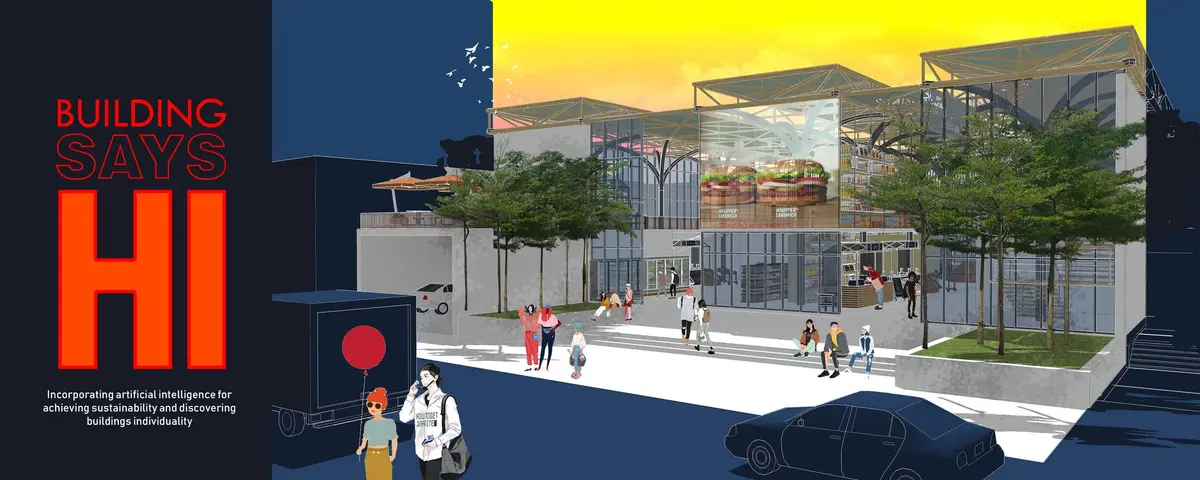
The Future of Adaptive Architecture with Artificial Intelligence
Revolutionizing sustainable architecture with AI-driven designs, creating smarter, self-adaptive buildings for a better future.


In an era where sustainability and adaptability are paramount, "Building Says Hi" emerges as a groundbreaking project showcasing how artificial intelligence (AI) can transform the architectural landscape. By embedding AI as a "building brain," this innovative design enables the structure to respond dynamically to its environment, fostering a harmonious relationship between form, function, and nature.
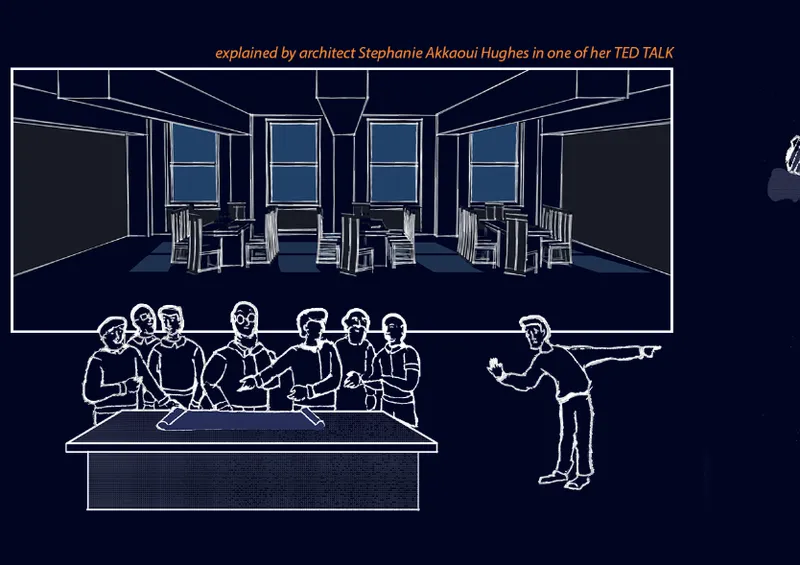
A 150-Year-Old Inspiration
The project draws inspiration from a 150-year-old wooden structure at Cambridge University, where a clever solution using preserved oak reserves revitalized the building. This story resonates with the essence of "Building Says Hi"—rethinking what architecture can achieve by blending tradition with modern AI-driven solutions.
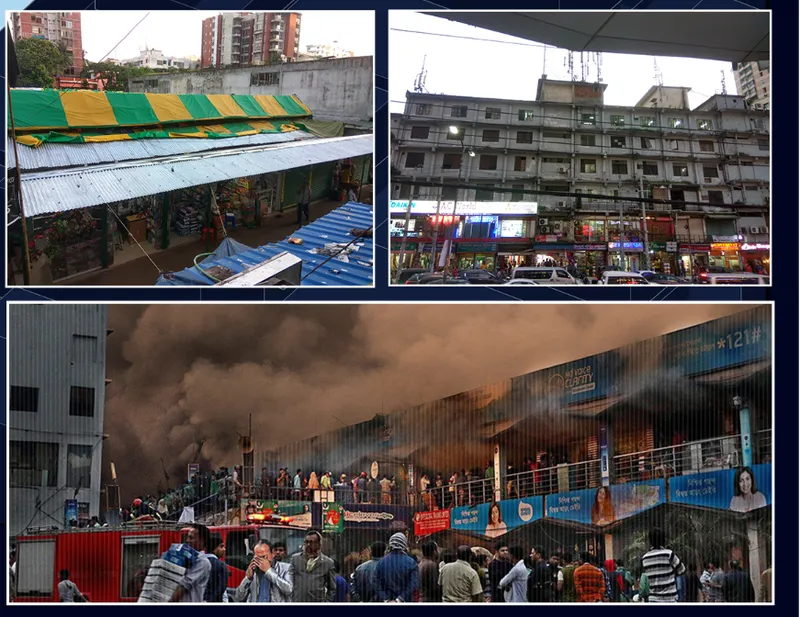
Parameters of Sustainability
To redefine the role of architects, the project incorporates three core abilities:
- Physical Sustainability: Using eco-friendly materials.
- Resilient Design: Adapting to unpredictable environmental changes.
- Anticipatory Features: Preparing for future uncertainties like climate impacts.
The Role of AI in Architecture
AI serves as the foundation for this adaptive design, leveraging:
- Data Mining: Collecting insights from user interactions.
- Data Processing: Simulating and predicting environmental changes.
- Learning Intelligence: Synchronizing with the surroundings to evolve dynamically.
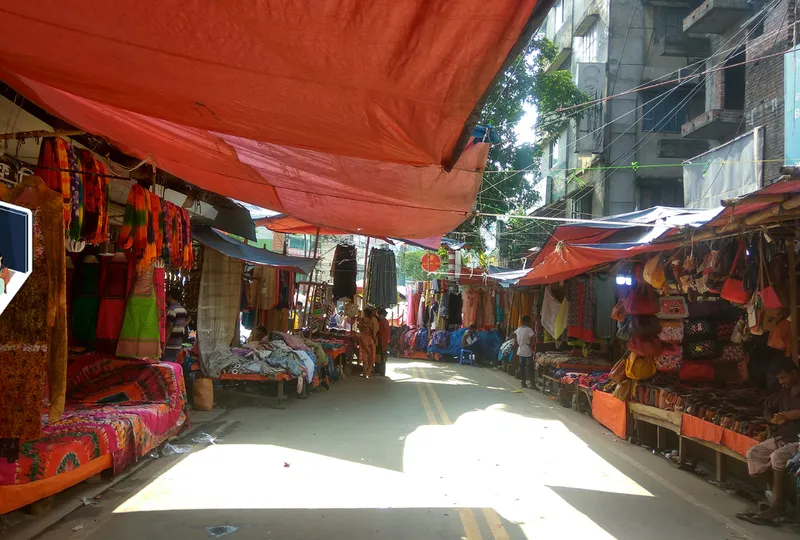
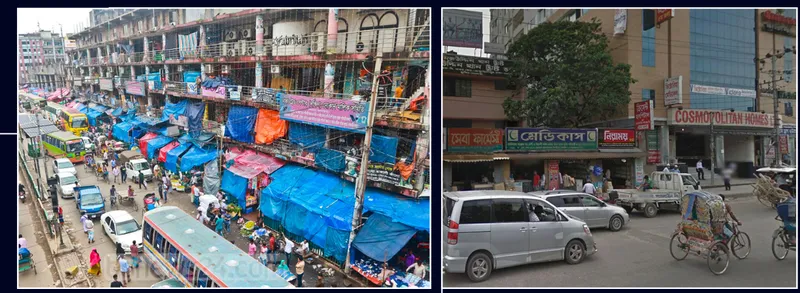
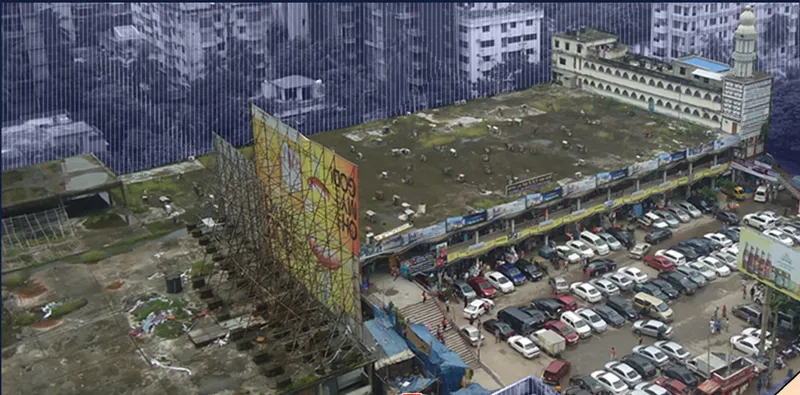
Site Transformation: The Gulshan Market Case Study
Located in Dhaka, the reimagined Gulshan Market is a testament to how adaptive architecture can rejuvenate urban spaces. This 4.1-acre site underwent a transformation guided by user-centric insights. By addressing consumer behavior and spatial inefficiencies, the design integrates:
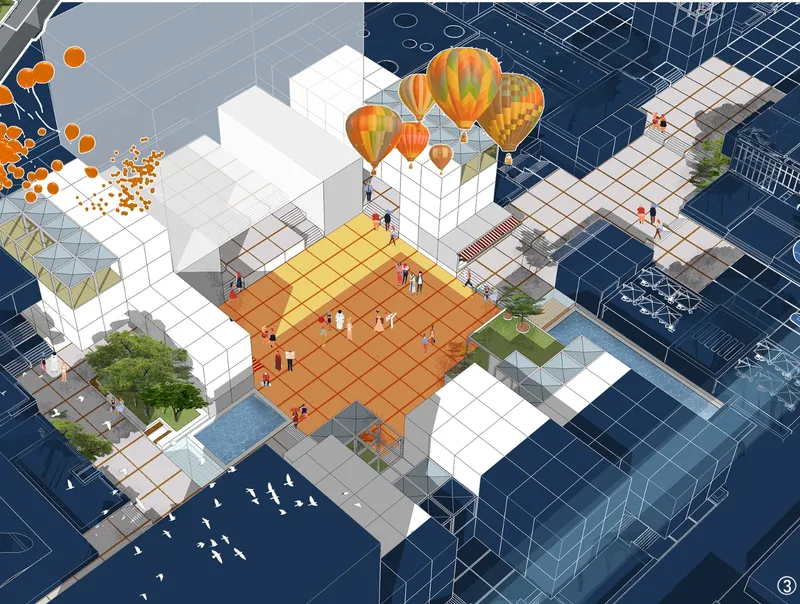
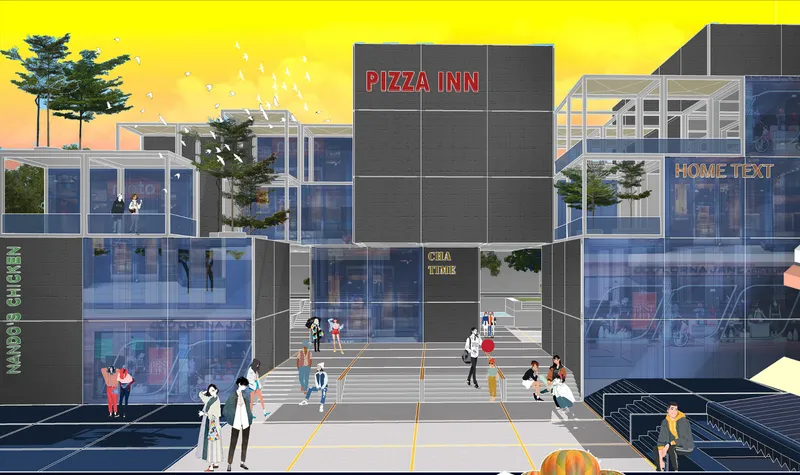
- Semi-Outdoor Cubes: Creating vibrant activity zones.
- Vertical Expansion: Supporting sustainable growth while minimizing spatial footprints.
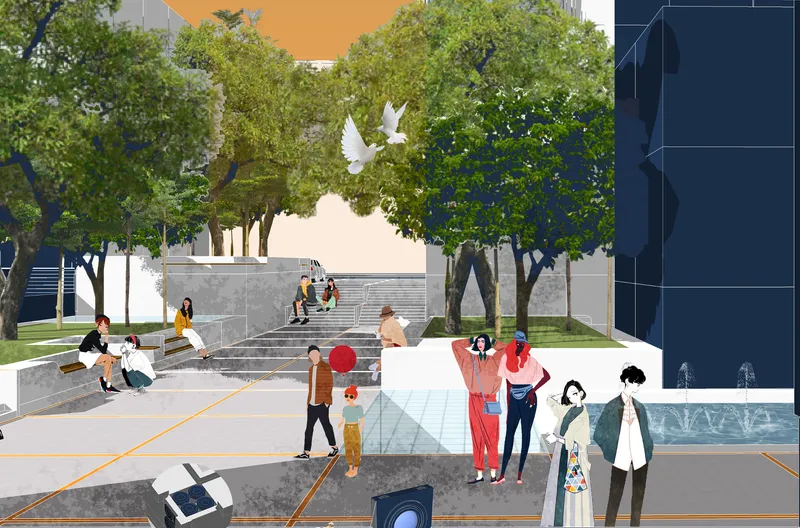
- Interactive Spaces: Enhancing human interactions with shaded areas and public hubs.
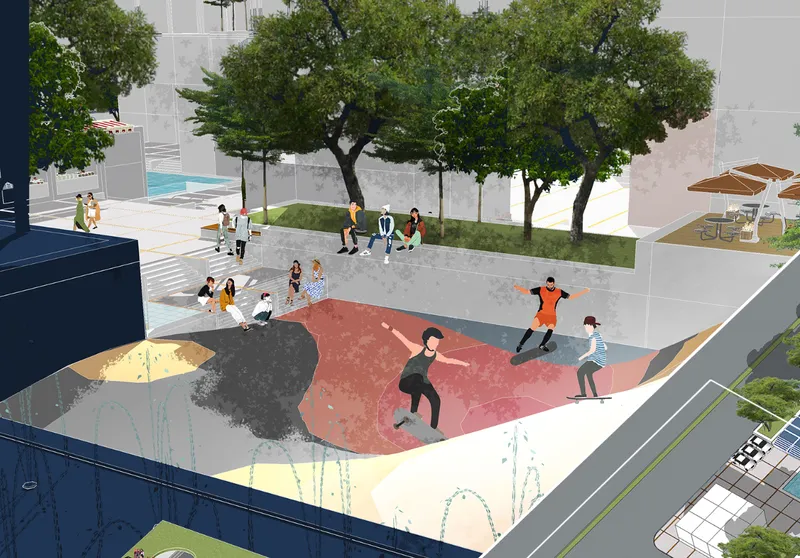
Design Phases: Archean to Apex
The project evolves through three distinct phases:
- Archean Stage: Establishing functional zones with activity magnets.
- Augmenting Stage: Horizontal expansion to meet occupant demands.
- Apex Stage: Vertical integration for residential, commercial, and community spaces.
Key Features of the Redesign
- Self-Sustainable Cubes: Equipped with compact sensors for real-time environmental adjustments.
- AI-Driven Insights: Enhancing public interaction through responsive design.
- Futuristic Retailing: Leveraging interactive screens and conveyor robots for seamless shopping experiences.
Epilogue: Building as a Living Entity
"Building Says Hi," designed by Shariful Anik and shortlisted for the UnIATA '19 competition, transcends conventional architecture. It embraces AI as a collaborator, crafting a future where buildings not only adapt but also communicate their individuality. This is not just architecture—it’s a vision of coexistence between humanity and intelligent design.


Popular Articles
Popular articles from the community


Opera by the Sea Estonia: Three Shells Dissolving Architecture into Tallinn's Coastline
A winning opera house proposal replaces monumental form with interconnected shells that blur the boundary between building, park and Baltic Sea.

Cloaked Colonization: A Mobile Underwater Habitat That Moves Like a Fish
Micah Abaya's shortlisted EHC Pacific entry reimagines ocean settlement as a dispersed network of self-sustaining architectural organisms.

Singing Woman: Contemporary Architecture Inspired by Estonia’s Voice and the Sea
Singing Woman turns Estonia’s song culture into flowing opera house architecture, blending public life, landscape, sea, and national memory.

Opera on the Sea: Driftwood Logic Shapes a Timber Opera House on Estonia's Coast
Trevor Orgill's opera house translates the entangled drift of floating timber into a civic building where wood, water, and music converge.

Similar Reads
You might also enjoy these articles


Hodi-Mandai Geram
Project Function: Preservation and revitalization of the Intangible heritage and socio-spatial identity of the Hodi by Housing, Cultural Memory Center, Sacred Grove, landscape, local tourism economy


Olio Towers: A Mid-Rise for Performers That Fuses Housing, Rehearsal, and Stage
Located blocks from Houston's Theater District, this modular tower stacks living units around a central performance atrium.

Oasis: Modular Green Housing Carved into Dhaka's Urban Fabric
A shortlisted Plugin Housing entry reclaims unauthorized settlements in Dhaka with stepped concrete volumes, green roofs, and ventilation-driven design.

Black Hole: A Floating Megastructure for the Post-Physical Era
Emiliano Mazzarotto envisions a spherical, self-scaling arena where e-sports, digital hotels, and holographic stadiums replace traditional public space.

Comments (0)
Please login or sign up to add comments
No comments yet. Be the first to comment!