

The Lawrenceville School Tsai Commons and Field House by Sasaki: Redefining Student Life Through Integrated Design
The Lawrenceville School Tsai Commons integrates athletics, dining, and student life with innovative design, fostering community and wellness.


Completed in 2022 by renowned architecture and design firm Sasaki, the Tsai Commons and Field House at The Lawrenceville School marks a transformative addition to the historic New Jersey campus. Designed as a key element of the school’s long-term master plan, this 253,000-square-foot facility unifies athletics, wellness, recreation, and dining into one cohesive and architecturally refined environment.
A Holistic Vision for Campus Life
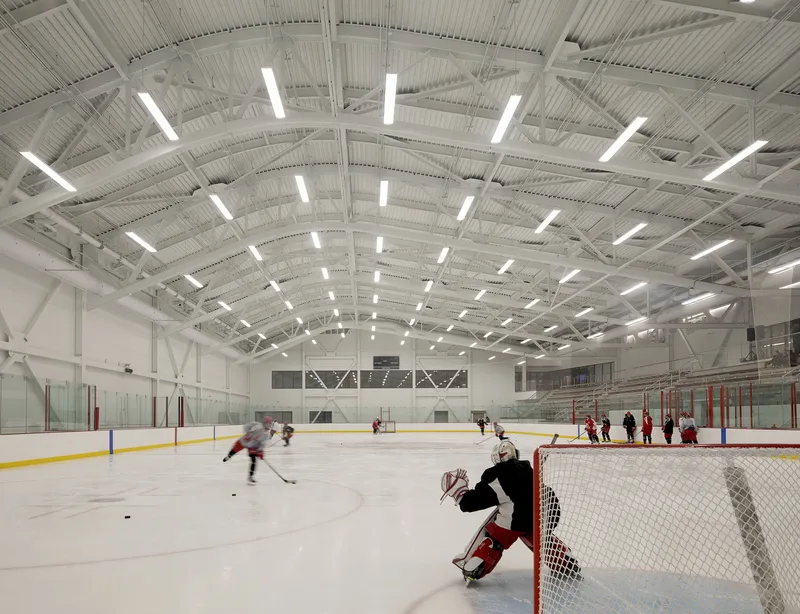
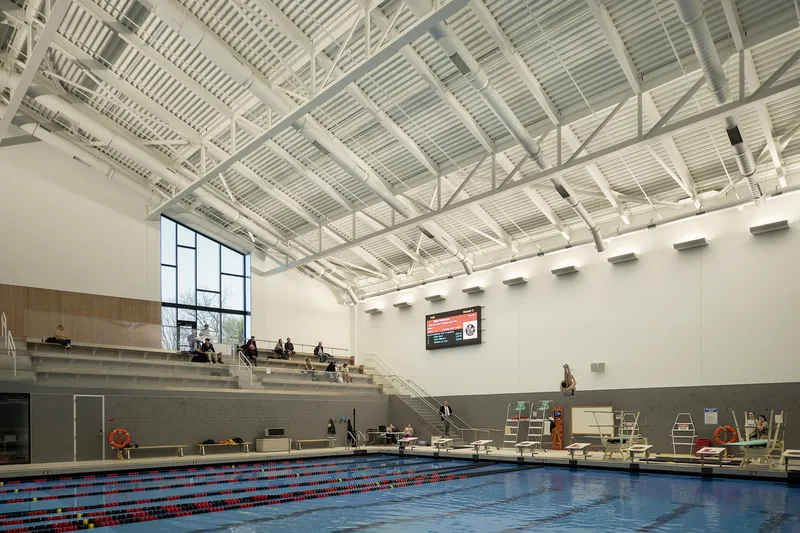
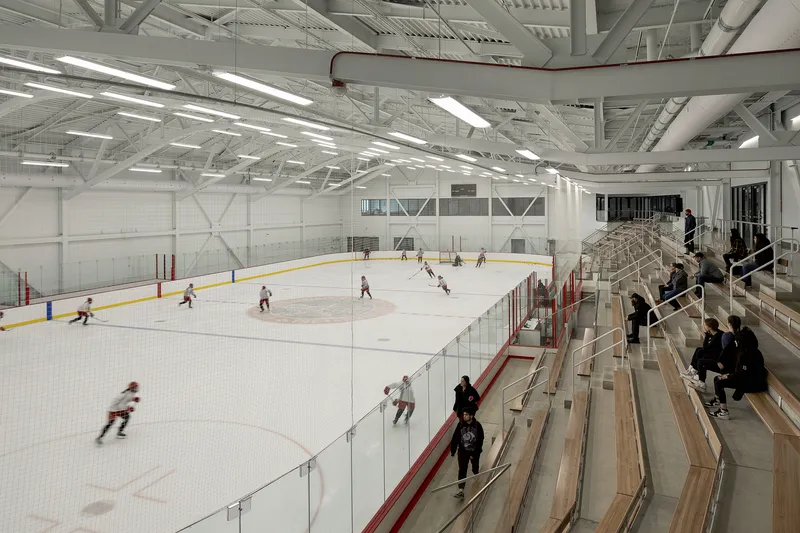
Anchoring the second phase of The Lawrenceville School’s master plan, the Tsai Field House goes beyond conventional athletic or dining spaces. It is a vibrant campus hub that supports all aspects of student life. By integrating a new dining hall, swimming pool, ice rink, fitness center, and associated locker rooms, Phase I of the project establishes a dynamic foundation. Phase II, slated for completion in 2024, will introduce a new lobby, basketball courts, multipurpose rooms, and comprehensive renovations to the original historic Field House, preserving its legacy while extending its use.
Respecting Scale and Context Through Thoughtful Massing
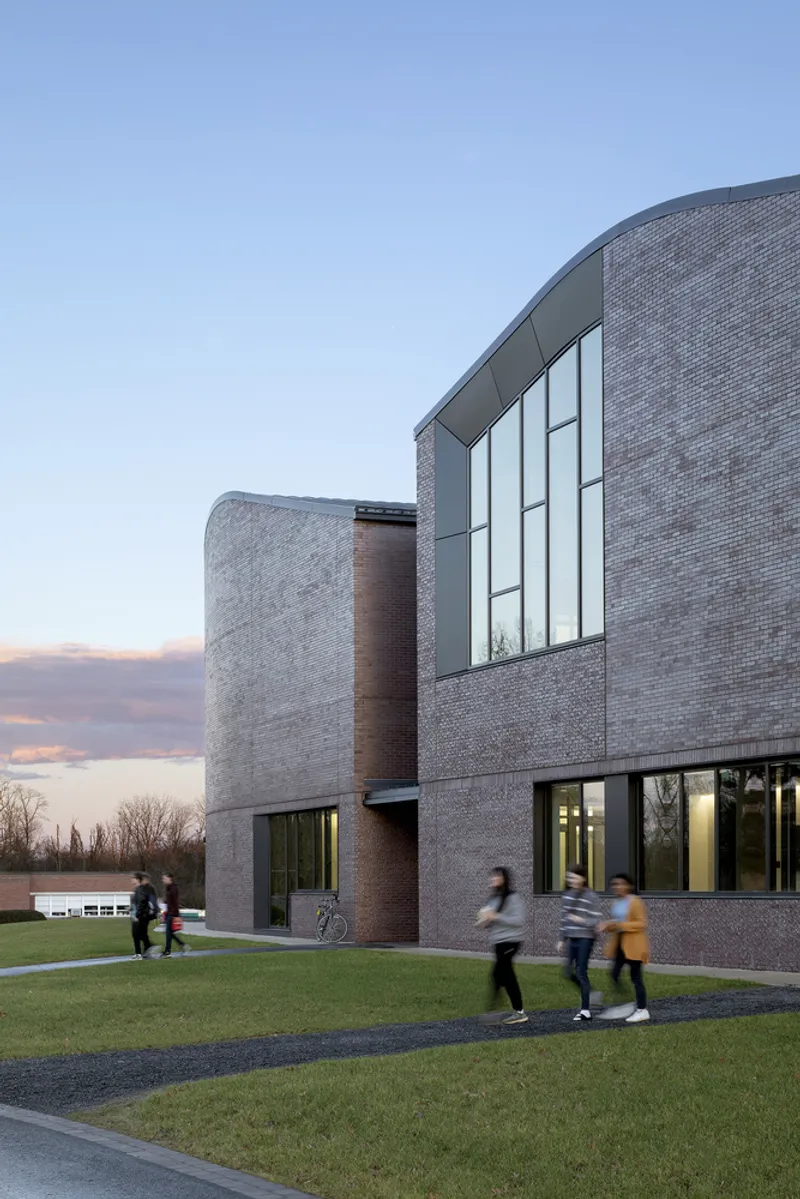
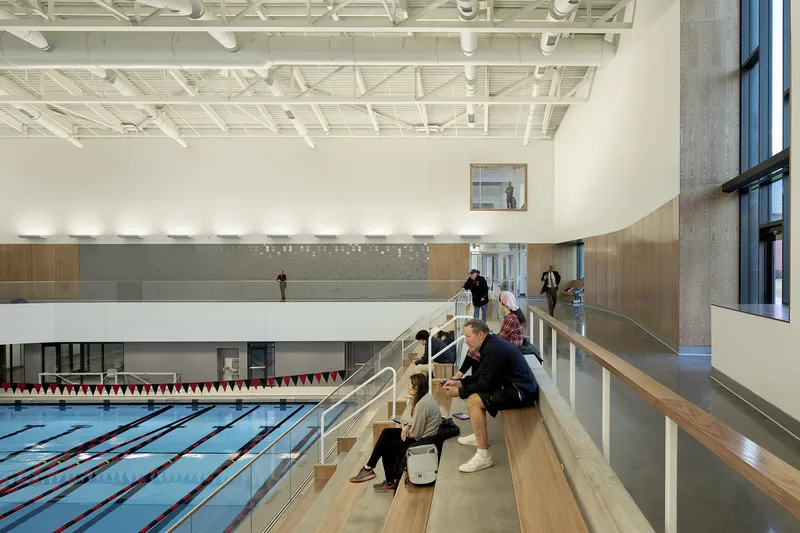
One of the greatest design challenges tackled by Sasaki was maintaining architectural harmony with the surrounding campus. Unlike typical sports facilities that dominate with sheer volume, the Tsai Commons and Field House utilizes strategic siting and massing to remain sensitive to the scale of nearby residential halls and the Kirby Science Center. By embedding the large volumes for the pool, ice rink, and basketball courts into the site's natural slope, the design allows these elements to sit partially underground. This reduces visual bulk and enables the upper floor to serve as a concourse level, offering spectators sweeping views across all athletic venues.
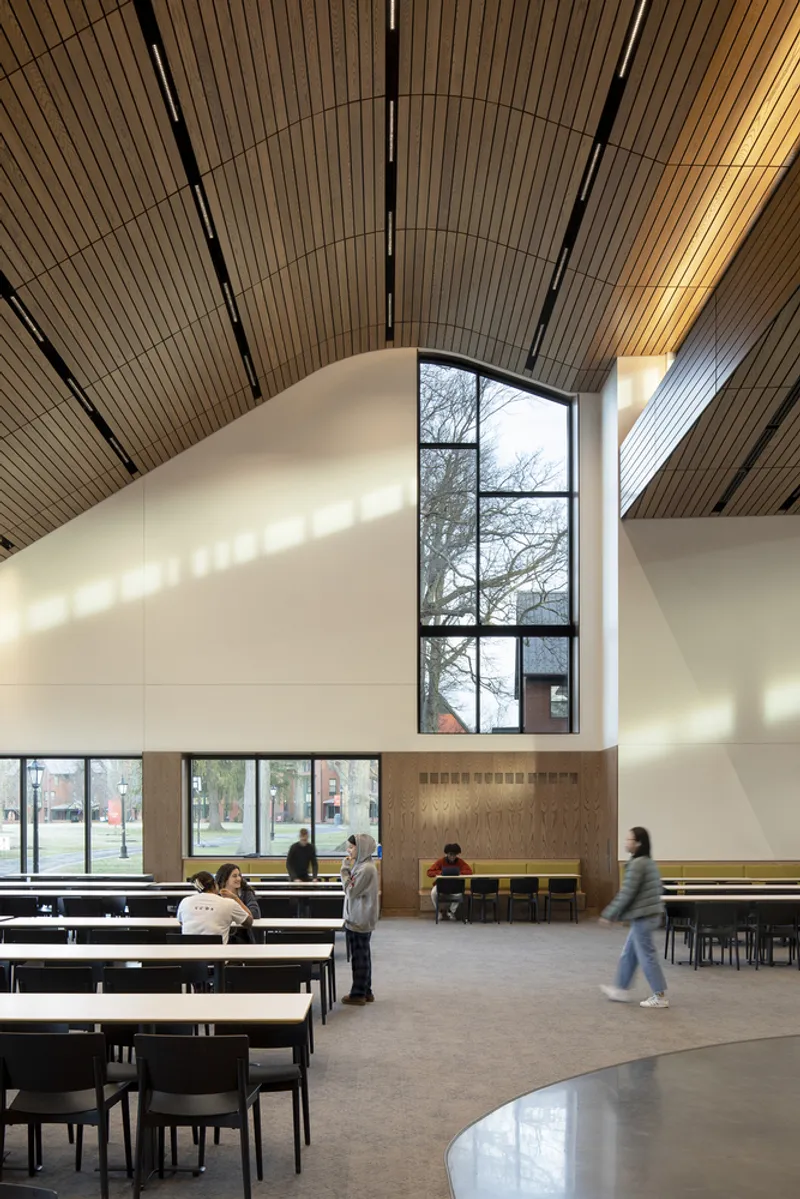
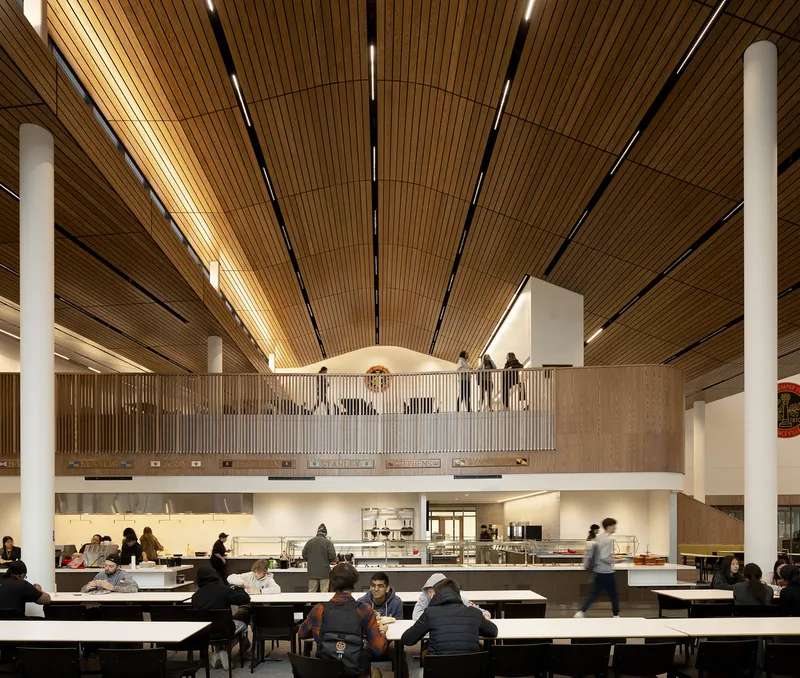
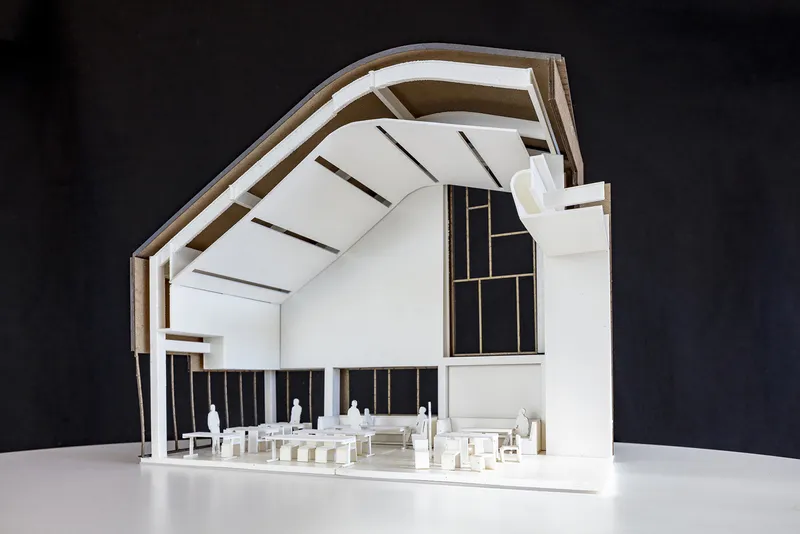
The distinctive curved roofscape draws inspiration from the existing historic Field House’s arched structural frames. The contemporary reinterpretation of these curves creates a cohesive architectural language, blending tradition with innovation. These gently undulating roof forms not only bring natural clerestory lighting into key spaces like the dining area but also cleverly conceal mechanical systems, enhancing the building's clean aesthetic.
Merging Dining and Athletics for Greater Community Impact
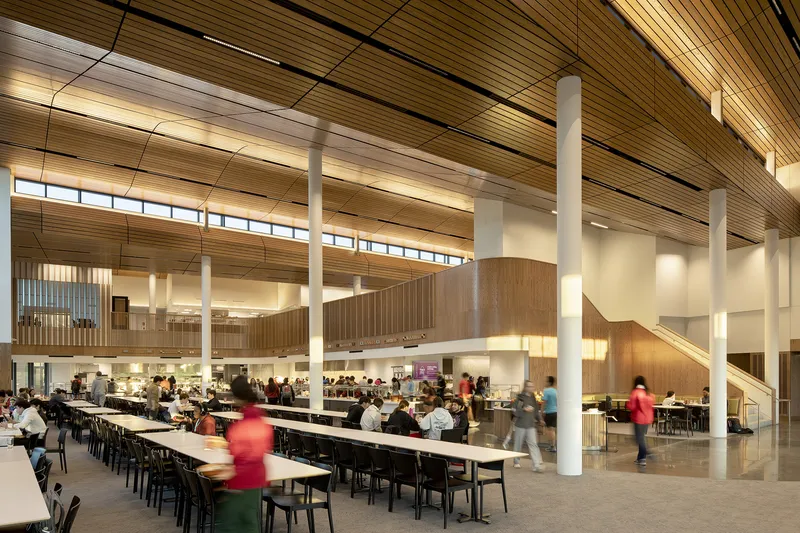
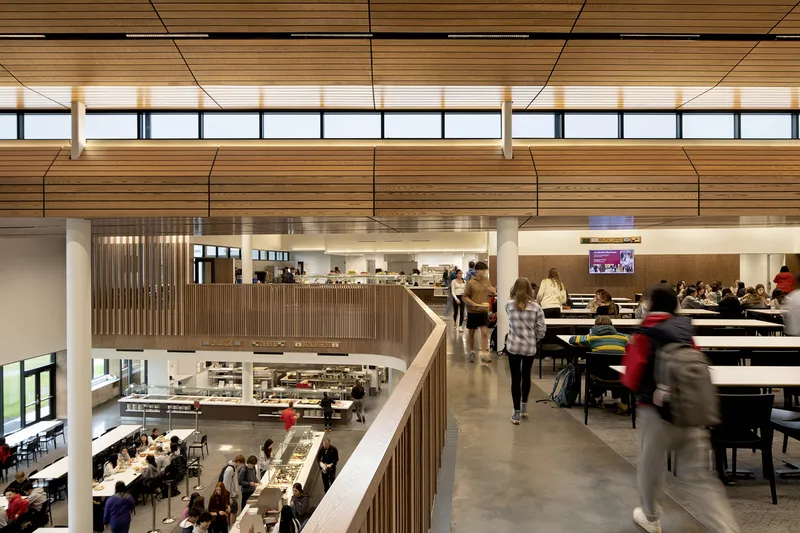
One of the most impactful architectural decisions was to house the dining commons within the same structure as athletic and wellness facilities. This move deliberately erodes the boundaries between the "general student" and the "athlete," creating a space that belongs to everyone. The dining facility, which serves over 500 students, staff, and faculty daily, acts as a central gathering place on campus, supporting casual interaction, nutrition, and community-building.
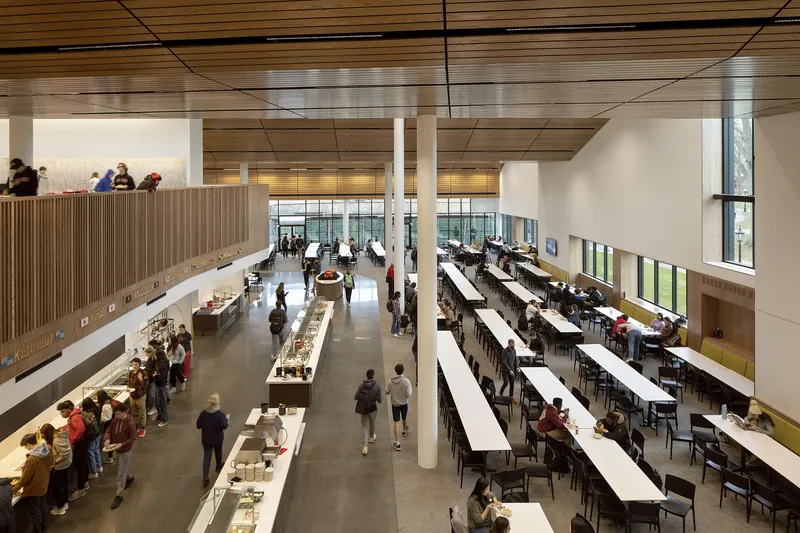
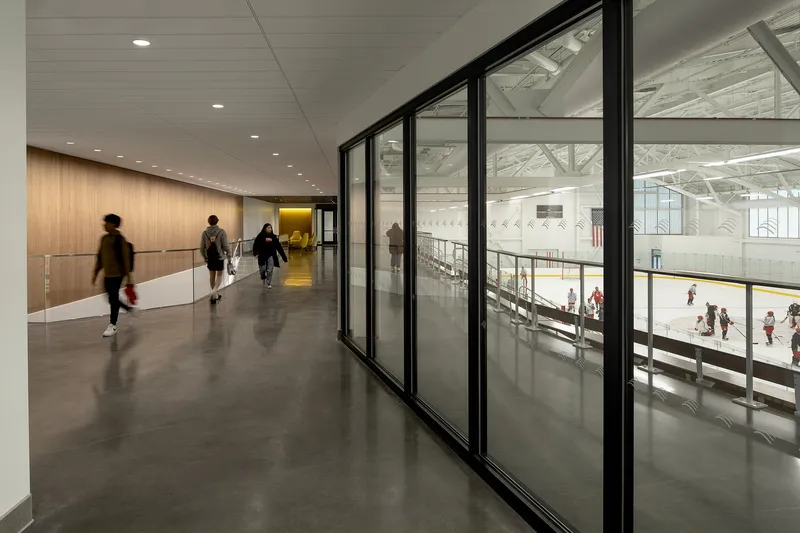
A mezzanine level is dedicated specifically to first-year students, fostering a sense of belonging and social integration. The interior layout encourages connectivity while maintaining functional separation. Circulation is strategically planned: the upper level acts as the primary link between venues, functioning like a bridge and overlook, while the lower level serves student-athletes, offering direct access to locker rooms, sports fields, and spectator entrances.
Seamless Circulation and Intuitive Wayfinding
Designed with clarity and flow in mind, the circulation strategy simplifies navigation for both daily users and visitors. Key community nodes—the dining commons and the upper lobby—anchor the spatial hierarchy. From there, a network of paths branches out, connecting recreational and athletic spaces. Whether arriving from the main academic campus to the north or crossing from the athletic fields to the south, students are intuitively guided through the building’s volumes without interruption or confusion.
Technical Innovation and Collaborative Expertise
The success of the project reflects the expertise of a multidisciplinary team. Structural engineering was led by LeMessurier Consultants, while Acentech managed acoustics to ensure performance and comfort across loud recreational areas and quieter dining spaces. Lighting design by LAM Partners, civil engineering by The Reynolds Group, and RR Irrigation's landscape irrigation support contributed to a sustainable and highly functional campus facility.
Material selections were made with durability and aesthetics in mind, with components from manufacturers such as Endicott, Kalwall®, Vitro®, Alucobond, Assa Abloy, Armstrong, Europly Plus, IMETCO, and Kawneer.
A New Standard for Educational Architecture
The Tsai Commons and Field House exemplifies how modern educational architecture can elevate student experience through holistic, integrated design. More than a sports complex or dining facility, it serves as a physical and symbolic center of community at The Lawrenceville School—a place where learning, health, and social connection converge.
All Photographs are works of Jeremy Bittermann


Popular Articles
Popular articles from the community


The Amber Palace Opera: A Geological Fiction Surfaces on Tallinn's Baltic Waterfront
Pierre Brillard reimagines a Baltic legend as a public landscape, opera house, and waterfront promenade rooted in Tallinn's coastal identity.

Tsunami Convergenics: Turning Catastrophic Ocean Forces into Underwater Housing Infrastructure
A speculative underwater settlement off the coast of Onagawa, Japan, treats tsunamis and typhoons as energy sources rather than threats.

Singing Woman: Contemporary Architecture Inspired by Estonia’s Voice and the Sea
Singing Woman turns Estonia’s song culture into flowing opera house architecture, blending public life, landscape, sea, and national memory.

Opera on the Sea: Driftwood Logic Shapes a Timber Opera House on Estonia's Coast
Trevor Orgill's opera house translates the entangled drift of floating timber into a civic building where wood, water, and music converge.

Similar Reads
You might also enjoy these articles


Hodi-Mandai Geram
Project Function: Preservation and revitalization of the Intangible heritage and socio-spatial identity of the Hodi by Housing, Cultural Memory Center, Sacred Grove, landscape, local tourism economy


Olio Towers: A Mid-Rise for Performers That Fuses Housing, Rehearsal, and Stage
Located blocks from Houston's Theater District, this modular tower stacks living units around a central performance atrium.

Oasis: Modular Green Housing Carved into Dhaka's Urban Fabric
A shortlisted Plugin Housing entry reclaims unauthorized settlements in Dhaka with stepped concrete volumes, green roofs, and ventilation-driven design.

Black Hole: A Floating Megastructure for the Post-Physical Era
Emiliano Mazzarotto envisions a spherical, self-scaling arena where e-sports, digital hotels, and holographic stadiums replace traditional public space.

Explore School Building Competitions
Discover active competitions in this discipline

Challenge to design public laboratory

Challenge to reimagine the Iron Throne

Photograph architecture without architects

Illustrate the lost glory of Angkor Wat - Render Challenge
Comments (0)
Please login or sign up to add comments
No comments yet. Be the first to comment!