
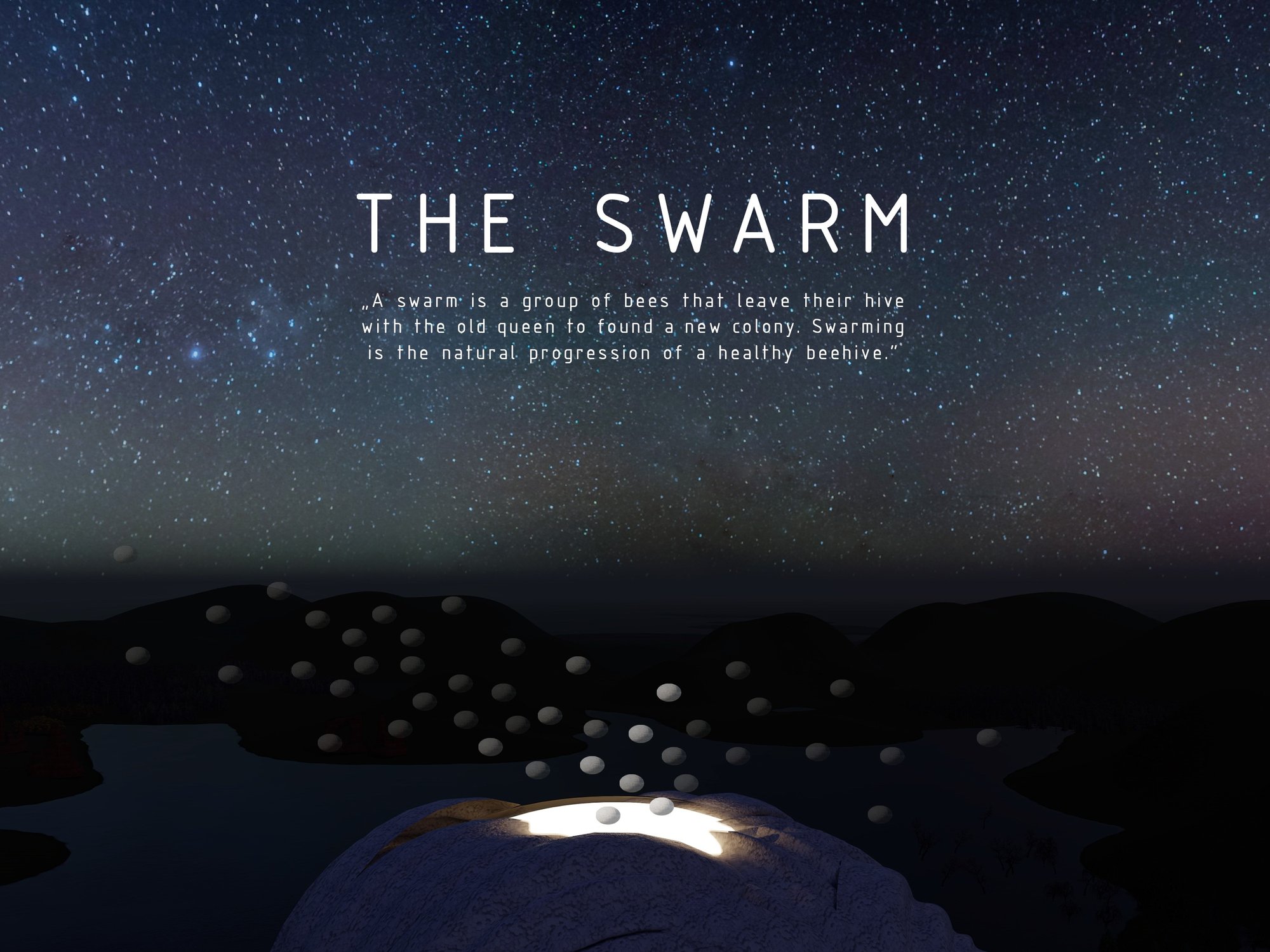
THE SWARM
Earth after the apocalypse becomes a planet with critical conditions. People wanting to live on Earth again must first find a way to survive in a hostile environment.

THE SWARM
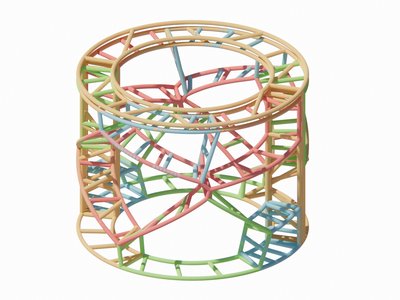
The main inspiration of the project was a beehive. The operation of the newly arrived population is based on three phases. Firstly, people arrive on Earth with the main unit and find a suitable place to locate the base. The Main Unit is a place in which they reside, that provides all the factors needed for survival. The second phase is the exploration of Earth with capsules. The main challenge in this phase is to restore soils, waters and air to their original, human-friendly state. This phase is defined as the longest - the estimated time to restore the Earth to a state safe for humans is about 500 years. Phase three includes new settlement of the Earth. After cleaning the planet, new human colonies, like a swarm in a beehive, will leave the main unit and settle in cities created from the structures of connected capsules.
BUILDING MATERIAL
The main unit and capsules were built of material that was based on the modified mycelium that is natural such as bracket fungus. The main features of the material are strength and flexibility. It can easily adapt its form to the surface on which it grows. The main unit is covered in unregular apertures, where the building material grows, creating a cocoon shape. The cocoon is used as a base for the living capsules.
EARTH CLEANING
The process of cleaning the earth is key when regarding the need of a re-settled planet. Radioactive radiation, acid rain, mostly extinct flora and fauna - these are adversities that will take hundreds of years to eliminate. Exploration of the earth will take place in groups of 6 people - two per capsule. Such an expedition will explore an area of 50 km2 within 2 weeks. The material from which the capsule is built adapts to the surface and shape of the terrain. This allows people to explore any place on Earth. The capsule can float in the air, dive deep into the ocean or attach itself to a mountainside. During the 2-week study period, material from the capsule begins to grow while implanting itself in the surrounding area. After completing the research, the group will return to the main unit. At the landing site, part of the biological building material of the capsules is left, which, during rapid decomposition, will fertilize the soil and breaks down toxins in land and water.
THE FUNCTION
The plan of the main unit approximates a circle. The facility is divided into 10 main departments:
• community garden: located in the central part, a park with an area of approx. 300 m2. It is a reminiscent of the original Earth's ecosystem from before the apocalypse with 4 seasons and years.
• command room: the place of command during space travel, later a place of meetings and strategic decisions.
• living area: containing four types of residential modules and common recreational areas.
• Service sector: localization of services, e.g. Doctor's offices, clinics, entertainment
• Vertical farm - a place of food cultivation, quantitatively appropriate to the needs of the population.
• Water intake - tanks storing potable water and treatment for waste water and water obtained from outside the unit.
• Technical department - a department dealing with inspections and repairs of the unit, including engines, all electronics and artificial atmosphere.
• Laboratories - a department dealing with the studying of samples obtained from the surface of the Earth and the improvement of chemical compounds that accelerate the purification of the planet.
• Warehouses - facilities for storing equipment and tools
• Energy - department of energy generation based on renewable energy sources, as well as a place where water is processed into energy without any CO2 emissions
The building consists of 9 floors. The communication between the floors takes place through aero-tubes located in the central garden. At the time of landing on Earth, a population of 160 people is enough to settle down on the ground floor. The upper floors are intended to be used as reserves for living at the time of human development. The main unit is designed to accommodate approximately 3,000 people.


Popular Articles
Popular articles from the community

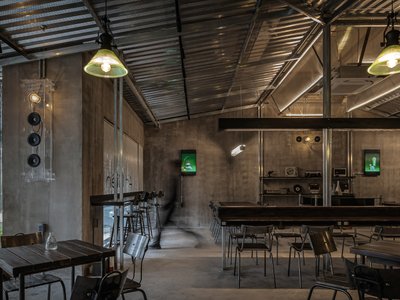
An Miên Lumière Cafe by xưởng xép, Ho Chi Minh City, Vietnam
An industrial-inspired café where layered steel and warm light create a dynamic, immersive environment shaped by reflection, depth, and perception.
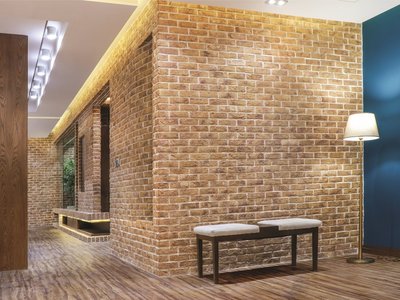
A Contemporary Take on Iranian Residential Architecture
A modern interior design in Mashhad that reinterprets brick, light, and spatial flow to create a warm, contemporary residential architecture.
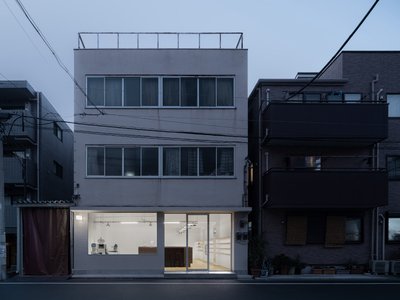
Atelier Macri Concept Store Interior Design by CASE-REAL
Atelier Macri store features a "ko" counter, walnut wood details, cork displays, blending retail, gallery, and seamless customer experiences.
On the Brooks House by Monsoon Collective – A Contemporary Kerala Home Rooted in Tradition
Kerala home blending tradition and modernity with water-inspired design, brick architecture, courtyard planning, and sustainable rainwater harvesting strategies.


Similar Reads
You might also enjoy these articles
Converge Hub – A Human-Centered and Sustainable Mobility Hub at the Urban Edge
Its open and permeable design promotes sustainable movement through walkable connections, green axes, and integrated public transport
51st Annual KRob - Ken Roberts Memorial Delineation Competition
Join us in celebrating 51 years in excellence in architectural representation! With $2,400 in prize money awarded across 8 categories, this prompt-less competition is accessible to all!


Explore Architecture Competitions
Discover active competitions in this discipline




The International Standard for Design Portfolios


The Global Benchmark for Architecture Dissertation Awards


The Global Benchmark for Graduation Excellence


Challenge to reimagine the Iron Throne
Comments (0)
Please login or sign up to add comments
No comments yet. Be the first to comment!