

Thompson Centre Journal
Solarpunk: Chicago acts, for a better healthy climate

This proposal, is a vision in the future, in which city, culture and nature can coexist. And the urban landscape can expand unrestricted on the vertical dimension. This vision comes to find a new art movement called, Solarpunk.
From definition, is both a lifestyle movement and a relatively new eco-futurist, speculative fiction subgenre focused on envisioning a positive future beyond scarcity and hierarchy, in which humanity is reintegrated with nature, and technology is used for human-centric and ecocentric purposes. Solarpunk philosophy tends to be fairly pragmatic and proactive, it asks 'what can we do right now'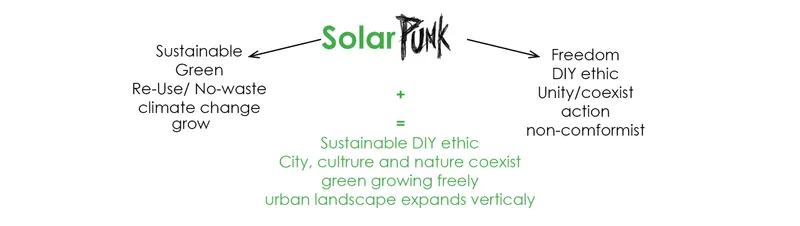
Solarpunk aesthetics are illustrating how the future would look if humanity succeeded in solving major contemporary challenges, emphasizing on sustainability problems such as climate change and pollution.
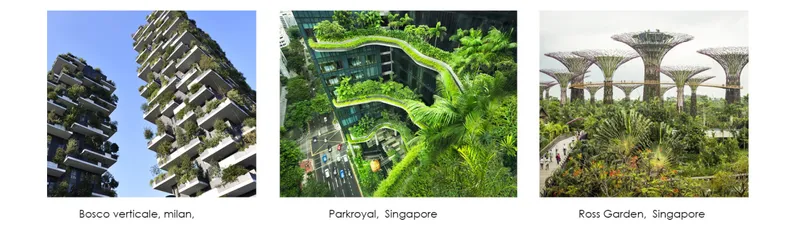
It appears in a multitude of media and arts such as literature, fine arts, architecture, fashion, music, tattoos, comics and video games. It’s action, focuses on renewable energies such as solar and wind power. Popular icons in the genre include solar panels, waterfalls, indigenous peoples and animals, wind turbines, vertical gardens, and fruits.
Although solarpunk is highly concerned with technology, it also embraces low-tech ways of living sustainably such as gardening, positive psychology, and DIY culture.
(DIY = Do It Yourself).
Some examples of existing Solarpunk practice are displayed below:
City of Chicago
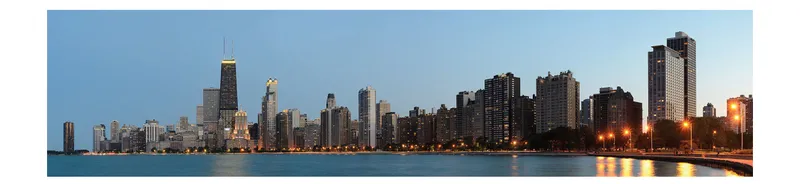
Chicago is located in northeastern Illinois on the southwestern shores of freshwater Lake Michigan. The City of Chicago, is the most populous city in the U.S. state of Illinois, and the third most populous city in the United States. The construction boom accelerated population growth after the great fire of 1871. Chicago made noted contributions to urban planning and zoning standards, including new construction styles (including the Chicago School of architecture), the development of the City Beautiful Movement, and the steel-framed skyscrapers. Chicago is also an international hub for finance, culture, commerce, industry, education, technology, telecommunications, and transportation.
Thompson Centre
The building opened in May 1985 as the State of Illinois Center. The open-plan offices on each floor are supposed to carry the message of "an open government in action." In 2019, Illinois governor J. B. Pritzker signed a bill to begin the sale of the Thompson Center, with a proposed three-year timeline to find a buyer. This has sparked activism from preservationists and architects concerned about the future of the building.
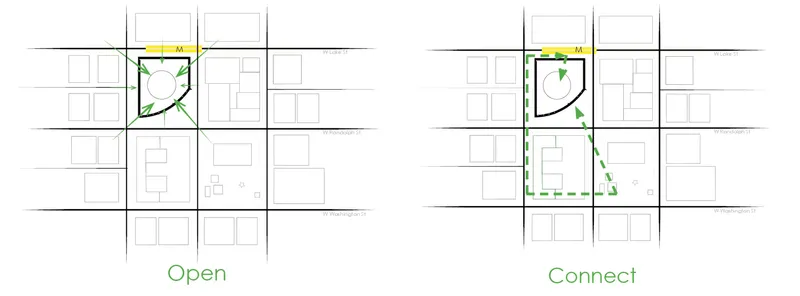
Open and Connect
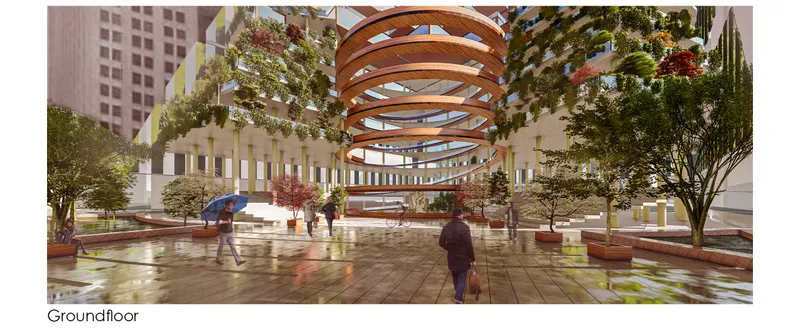
To begin with, we opened the ground floor, so it can be accessible from every corner of the block, making it open and public again. The property takes up the entire block bound by Randolph, Lake, Clark and LaSalle Streets, within Chicago's Loop. The Lake/Clark train station is the second busiest in the system, and it comes very close to the Centre. Taking this into consideration, the station podium expanded and became part of the building, giving the station more space and safety at the first floor.
Retain and Reuse
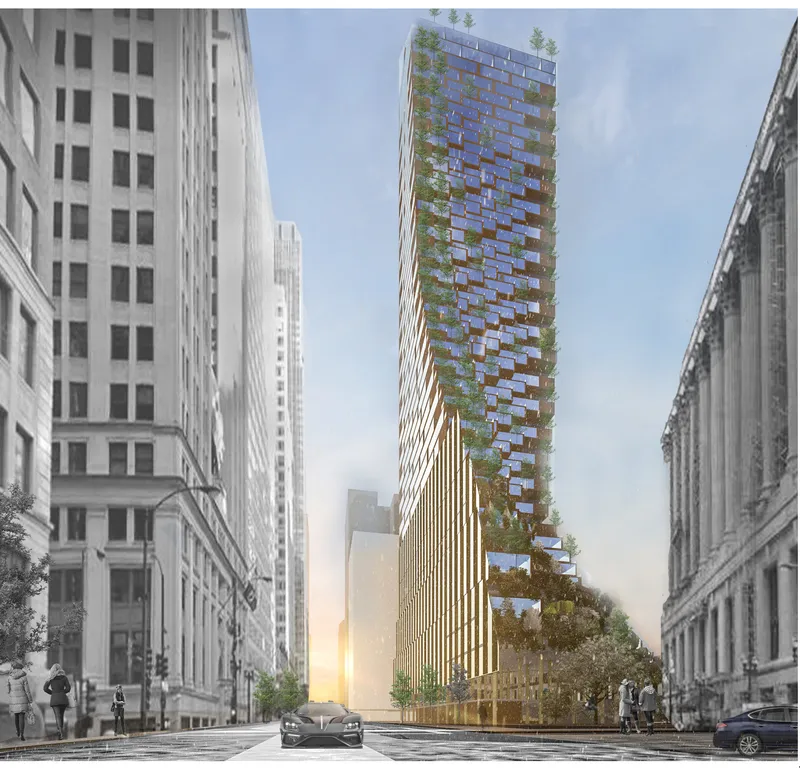
The intention was to keep the most of the building untouched. We removed the curved glasses from the south façade and gradually reduced the floors, creating public park spaces where closed offices used to be, redefining open plans. Following the existing linear mirror pattern, and the footprint of the transparent façades, we decided to replace half of them with climbing ivy plants, so the space can be open and closed at the same time. In this way, we brought vegetation and greenery, along with the public space, in the middle of the city, and accessible to everyone. The opening of the façade allows comfortable movement and gives the chance to expand the building in the vertical dimension, combining shapes and uses.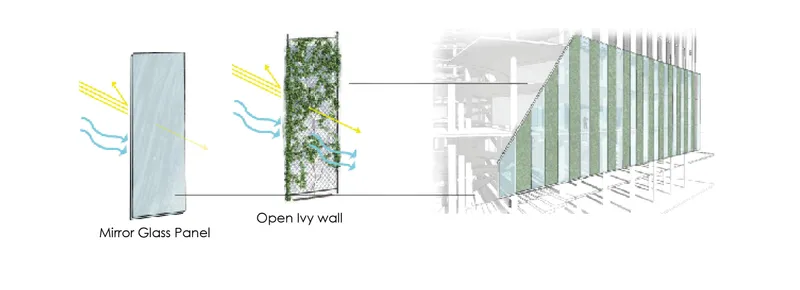
Art Gallery and events
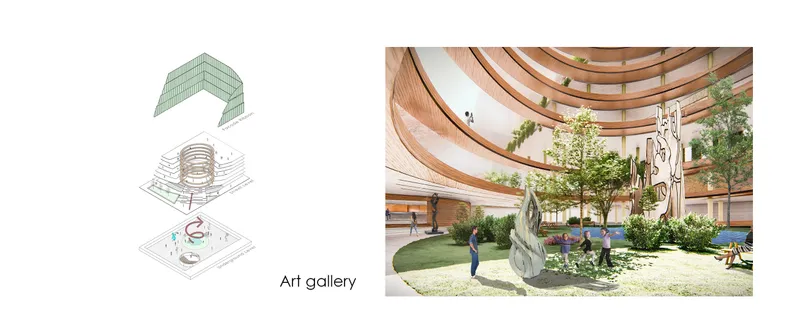
At the front entrance of the center, there is a sculpture, made by the French artist Jean Dubuffet, and it implies that this building houses a tremendous art collection. Its collection includes nineteen specially commissioned artworks funded by the State of Illinois Art-in-Architecture Program. In order to not only keep, but also revive this heritage, the sculpture moved to down to the center’s core, near the auditorium which now can support various events and play part in the exhibitions the open underground floor would host. A wooden spiral structure ramp connects all public levels, creating a sloping vertical tour around the public jungle, letting pedestrians admire plenty of art pieces than are scattered along the route, among nature.
As main goal of this rehabilitation, is not only to revive the building, but make it Centre again. By bringing life, nature and public uses in this area, the whole city regains its identity, becomes closer to young people and it is also acting as a cooling system.
The multi-level nature of the design opens up opportunities to showcase important cultural moments and events in the city by providing spaces for cultural activities of all kinds. It creates an open dialogue with artists, citizens and foundations, ensuring that landscape, art and technology became integrated building elements, rather than merely decorative elements.
Site Study
Our proposal brings together two distinct facade types: the Green Solarpunk Facade and the Glass Facade. Both facades are subject to an optimized variation of architectural parameters throughout the building’s height (low, mid or high).
Sun and View
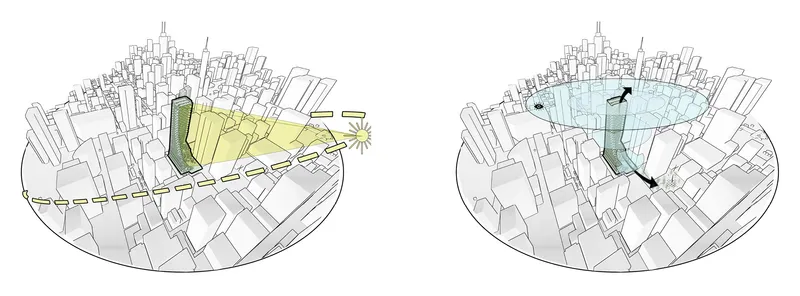
Both types of façade were determined by the building’s orientation. The north and west direction are more closed, in contrast with the eastern and southern sides, that are more exposed to the sun and full of nature. The green façade assures thermal comfort, air quality, noise absorption and promotes biophilia and ecosystem co-living. Also provides different views of the city.
Vegetation
The parameters varying throughout the building’s height, depth, screen density and planting types. The green façade creates a healthy urban environment, with plants and trees from the local landscape, creating a collection of species in the center of Chicago, where everyone can see them up close and learn about each species. The planting rises up, winding from street level to the top, while is punctuated with public seats that offer opportunities for rest amongst gardens.
Mixed-Use Tower
The mixture of uses was motivated by the concepts of togetherness joint ownership and open access for local residents and the wider community. We therefore created the space not only to be accessible and tailored to the users of the building, but also for the people and visitors to Chicago.
Public
The public space, is a permeable open space that invites both visitors and residents. The retail spaces have their own unique access to balconies and terraces, allowing shoppers and visitors to engage with an environment that differs from that of typical retail mall or street. At lower levels, the tower directly engages with the old Thompson Centre by bringing people up thereby expanding the public realm up and into the building. The connection from ground level unfolds through stairs and platforms, leading the visitors up along the retail and entertainment facilities.
Semi-Public
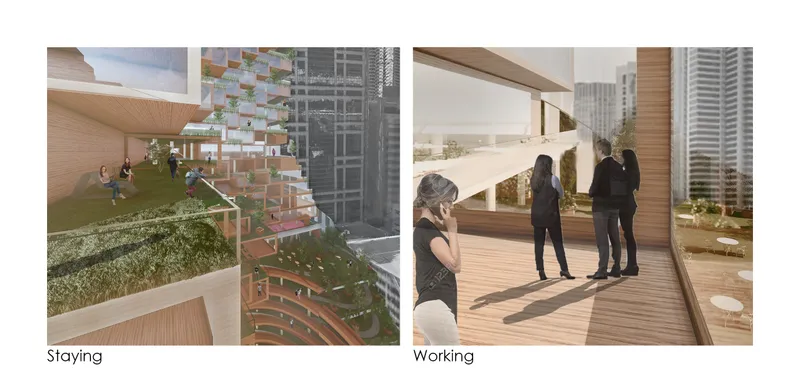
As the tower takes off from the ground to reach the sky, the floor gradually reduces in size. From the public park and restaurant at the top of the existing structure, the tower starts to entwine around itself, creating spaces for potential working places and hotel facilities, giving opportunities to starter offices and temporary visitors to stay within the city. The open plan of the working spaces, offers a great flexibility in use, promoting collaboration and improving productivity. There are also several connections between indoor and outdoor spaces, aiming at the straight interaction people should have with nature and fresh air. At the same levels, some of the flexible spaces, can adopt an accommodating orientation. Chicago is a financial and industrial center. The need of short stay in a sharing studio or a hotel room is rising, as the capacity reduces. So, depending on the demand, some spaces can function as a temporary hotel for individuals, or group of people such as a basketball team, or participants in a global convention, held in these multi use floors also.
Private
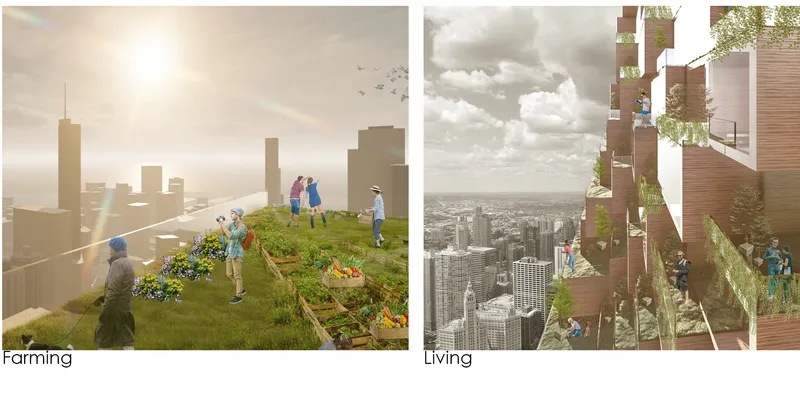
As the building rises, a flowing movement appears, to offer a smooth transition from semi-public multiuse, to private living. The tower is gradually stepping back, to provide individual balconies and common spaces on every floor. In that way, residents will have their own nested green balcony, but also, they can gather for activities and leisure at the green shared spaces each floor provides. The twisting culminates at the top of the tower, revealing the indoor greenhouse and the roof urban gardens. The roof top is 280 m. height. That makes it the bigger and the higher green roof in Chicago. The top end can also be used as an observatory, small event venue and urban farming gardens, combining community, landscape and sustainability.
The multi-level nature of the design opens up opportunities to showcase important cultural moments and events in the city by providing spaces for cultural activities of all kinds. It creates an open dialogue with artists, citizens and foundations, ensuring that landscape, art and technology became integrated building elements, rather than merely decorative elements.
 Sustainability and Health
The design encompasses sustainability via a wide range of related key topics. These topics span from the production of healthy urban environments, to the achievement of an ultra-low carbon building system, as well as guaranteeing a resilient and future-ready development.
The building environmental strategy includes utilizing ultra-energy efficient and smart building technologies that exploit synergies between different typologies for energy and water resource usage. The development will be future-proofed and made resilient against predicated climate change and shifts in work and lifestyle patterns. Moreover, the design concept is to bring sustainable living into the vertical dimension, offering spaces of active circulation, exercise and a multitude of green spaces for occupants to live, work and play in their local neighborhood. The Solarpunk Tower aims to create spaces that are human and environmental friendly, for physiological and psychological comfort and stimulation.


Popular Articles
Popular articles from the community

Tsunami Convergenics: Turning Catastrophic Ocean Forces into Underwater Housing Infrastructure
A speculative underwater settlement off the coast of Onagawa, Japan, treats tsunamis and typhoons as energy sources rather than threats.

The Amber Palace Opera: A Geological Fiction Surfaces on Tallinn's Baltic Waterfront
Pierre Brillard reimagines a Baltic legend as a public landscape, opera house, and waterfront promenade rooted in Tallinn's coastal identity.

Opera on the Sea: Driftwood Logic Shapes a Timber Opera House on Estonia's Coast
Trevor Orgill's opera house translates the entangled drift of floating timber into a civic building where wood, water, and music converge.
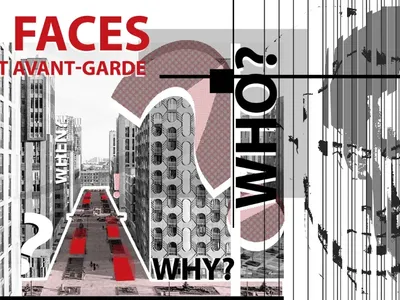
Faces of the Soviet Avant-Garde: Turning Moscow's Street Names into an Open-Air Museum
A network of sculptural installations across a Moscow residential district transforms forgotten architect names into spatial encounters with cultural memor

Similar Reads
You might also enjoy these articles

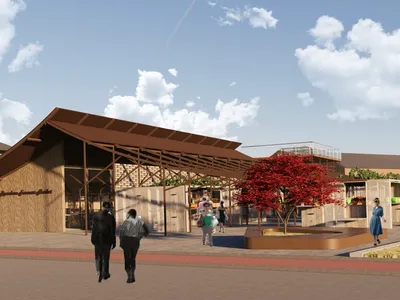
The Rhythm of Seasons
A Farmers' Market Connecting Nature and the City

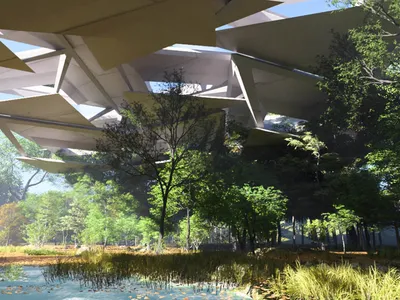

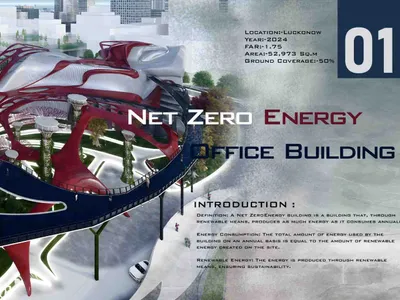
More Than a Building-Designing a Living System
More Than a Building-Designing a Living System
Base Beyond
DESERT COMPOUND ARID: TOURISM OF ABSENCE AND ABUNDANCE


Comments (0)
Please login or sign up to add comments
No comments yet. Be the first to comment!