

TOGO BOOKS nomadik: Adaptive Reuse Bookstore and Café by Coil Kazuteru Matumura Architects in Osaka
Adaptive reuse bookstore and residence in Osaka blending books, food, community participation, traditional materials, and satoyama landscape views within warm wooden interiors.


TOGO BOOKS nomadik, designed by Coil Kazuteru Matumura Architects, is a thoughtfully crafted adaptive reuse architecture project in Osaka, Japan that blends residential living with a cultural and commercial bookstore space. Completed in 2021 and covering an area of approximately 175 square meters, this unique architectural intervention transforms an existing house into a multifunctional environment where books, food, and everyday life coexist harmoniously.

Located in Nose, a rural town in northern Osaka Prefecture, the project reflects a deep appreciation for the surrounding satoyama landscape, a traditional Japanese countryside environment that balances human activity with nature. The design concept responds directly to the client’s vision: creating a place where reading, community, meals, and daily life intersect.
Through careful spatial planning, sustainable materials, and collaborative construction methods, TOGO BOOKS nomadik stands as an inspiring example of small-scale cultural architecture and adaptive reuse design.

Architectural Concept: Integrating Living and Commerce
The central design idea behind TOGO BOOKS nomadik revolves around the concept of “a place where books and food coexist.” Rather than separating commercial and residential functions, the architects integrated both programs into a single cohesive architectural environment.
The project began with an existing residential structure, which was carefully renovated and expanded to include a bookstore, kitchen, and gathering spaces. Instead of drastically altering the building, the architects focused on preserving the domestic character while introducing commercial functionality.
This approach reflects a growing trend in contemporary architecture that prioritizes adaptive reuse, cultural sustainability, and community-oriented design. By repurposing an existing building, the project reduces construction waste while maintaining the historical and emotional connection to the site.
The resulting architecture creates a warm and inviting atmosphere where visitors can browse books, share meals, and engage with the surrounding landscape.

Spatial Organization and Interior Experience
The spatial layout of TOGO BOOKS nomadik is designed to encourage exploration and interaction between different functions within the building.
Ground Floor: Books, Kitchen, and Garden Connection
Upon entering the building, visitors are greeted by a carefully curated selection of new books displayed near the entrance. This welcoming area introduces the bookstore experience while naturally guiding guests deeper into the space.
Beyond the entrance lies an open kitchen, which plays a central role in the project’s concept of combining food and literature. The kitchen is positioned to remain visually connected with the bookstore area, allowing the aromas and activity of cooking to enhance the overall sensory experience.
A defining architectural feature of the ground floor is the double-height space lined with bookshelves, creating a vertical library environment that emphasizes the presence of books throughout the interior. Natural light filters through windows, illuminating the exposed wooden beams and creating a warm and inviting atmosphere.
The interior extends toward an engawa-style veranda, a traditional Japanese transitional space between indoors and outdoors. This veranda opens directly to the garden, reinforcing the building’s relationship with the surrounding natural environment.
Upper Floor: Quiet Reading with Landscape Views
The upper floor provides a calm and intimate reading area, designed as a retreat for visitors who want to immerse themselves in books.
Large windows frame views of the northern satoyama landscape, connecting readers with the changing seasons and rural scenery. This quiet space contrasts with the more active ground floor areas, offering a balanced architectural experience between social interaction and solitary reflection.
The spatial simplicity of the upper level highlights the beauty of natural materials and emphasizes the project’s focus on slow living and mindful reading.
Materiality and Craft: Reusing Traditional Elements
One of the most remarkable aspects of the project is its emphasis on material reuse and craftsmanship.
During renovation, the architects preserved and repurposed materials from the original house wherever possible. For example, the earthen walls were recreated using soil from the demolished walls, which was carefully sifted, mixed with rice straw, and fermented to produce a traditional plaster material.
This process not only reduced construction waste but also preserved the building’s material memory. The resulting walls reflect a tactile, natural quality that enhances the building’s warmth and authenticity.
Such material strategies demonstrate the architects’ commitment to sustainable architecture and traditional construction techniques.
Artistic Details and Personalized Interiors
TOGO BOOKS nomadik also incorporates unique artistic elements that add personality and storytelling to the space.
The bathroom walls feature mosaic tiles created by ceramic artist Toon, whose designs evoke the whimsical feeling of illustrated storybooks. These handcrafted tiles contribute to the narrative quality of the interior environment.
Meanwhile, the countertop includes custom inlays made from paperback-sized and bookmark-shaped tiles, carefully selected by the client’s family. These small details transform everyday surfaces into meaningful design elements, reinforcing the connection between architecture, literature, and daily life.
Such personalized features highlight how architecture can become a collaborative creative process between architects, artists, and residents.

Community Participation and Collaborative Construction
Another distinctive aspect of the project is its community-driven construction process.
From the early planning stages, the design intentionally included areas where the client and local residents could participate in the building process. Friends, neighbors, and collaborators contributed to various construction activities, creating a sense of shared ownership and cultural exchange.
This participatory approach reflects the philosophy of community-based architecture, where buildings are not just designed for people but also built with them.
By involving local participants, the project strengthens its relationship with the surrounding community and reinforces its role as a cultural gathering place.


Landscape Design: Connecting the Garden with the Satoyama Environment
The outdoor landscape plays an important role in completing the architectural experience.
The garden was developed through a workshop-style planting process in collaboration with Hitomori Kurashi Amagaeru, a group dedicated to environmentally sensitive landscape practices.
Rather than imposing a highly controlled garden design, the goal was to allow the planting to gradually blend with the surrounding satoyama ecosystem. Over time, the garden will evolve alongside the natural landscape, creating a seamless transition between cultivated space and wild environment.
This strategy reflects the project’s broader philosophy of coexistence between architecture, nature, and local culture.


Adaptive Reuse and Cultural Architecture in Japan
TOGO BOOKS nomadik represents an important example of small-scale adaptive reuse architecture in Japan.
Instead of demolishing an existing structure, the architects embraced the opportunity to reimagine a traditional house as a cultural and commercial hub. The project demonstrates how thoughtful renovation can breathe new life into older buildings while maintaining their character.
In rural areas like Nose, such architectural strategies contribute to regional revitalization, supporting local culture and community engagement.
Through its bookstore, kitchen, garden, and reading spaces, the project offers a place where knowledge, food, and everyday life intersect in meaningful ways.


Conclusion: A Living Space for Books, Food, and Community
TOGO BOOKS nomadik is more than a bookstore or residence, it is a living cultural space where architecture supports everyday rituals and community connections.
By combining adaptive reuse, traditional materials, community participation, and landscape integration, Coil Kazuteru Matumura Architects have created an environment that celebrates the simple yet profound relationship between reading, cooking, and living.
The project illustrates how thoughtful architectural design can transform a modest building into a vibrant place where culture, nature, and human interaction coexist.
As contemporary architecture continues to explore sustainable and community-focused approaches, TOGO BOOKS nomadik stands as a compelling example of how small interventions can generate meaningful social and cultural impact.


All photographs are works of
Yoshiro Masuda


Popular Articles
Popular articles from the community


Faces of the Soviet Avant-Garde: Turning Moscow's Street Names into an Open-Air Museum
A network of sculptural installations across a Moscow residential district transforms forgotten architect names into spatial encounters with cultural memor
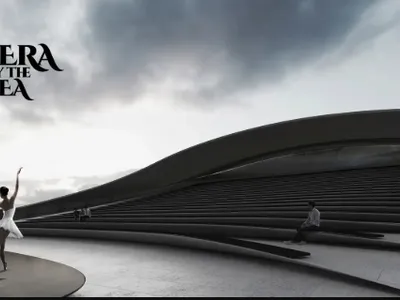
Opera by the Sea Estonia: Three Shells Dissolving Architecture into Tallinn's Coastline
A winning opera house proposal replaces monumental form with interconnected shells that blur the boundary between building, park and Baltic Sea.

Tsunami Convergenics: Turning Catastrophic Ocean Forces into Underwater Housing Infrastructure
A speculative underwater settlement off the coast of Onagawa, Japan, treats tsunamis and typhoons as energy sources rather than threats.

Cloaked Colonization: A Mobile Underwater Habitat That Moves Like a Fish
Micah Abaya's shortlisted EHC Pacific entry reimagines ocean settlement as a dispersed network of self-sustaining architectural organisms.

Similar Reads
You might also enjoy these articles

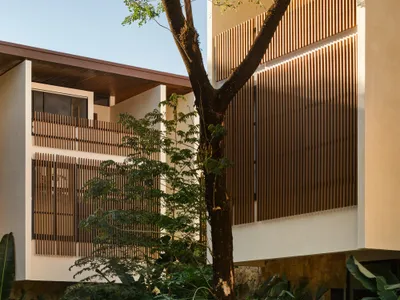
FAMM Arquitectura Organizes Ten Villas Around Courtyards and Jungle in Nosara, Costa Rica
El Molino pairs two elongated volumes with deep overhangs and timber louvers to build a compact coastal community five minutes from the beach.
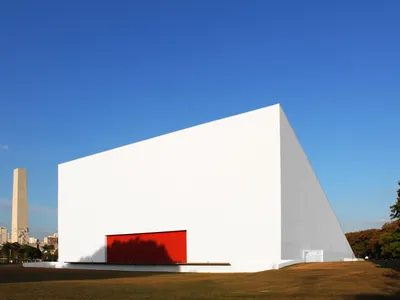
Oscar Niemeyer's Ibirapuera Park Pavilions Define São Paulo's Cultural Identity in Concrete and Curve
A constellation of modernist volumes set within São Paulo's most important urban park, conceived for the city's 400th anniversary in 1954.
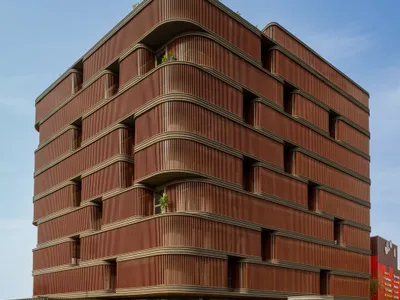
Sanjay Puri Architects Wraps a Jaipur Office Tower in Capsule-Shaped Green Buffers
A nine-level climate-responsive workplace near Jaipur Airport uses stacked planter terraces and aluminium screens to fight 40°C heat.
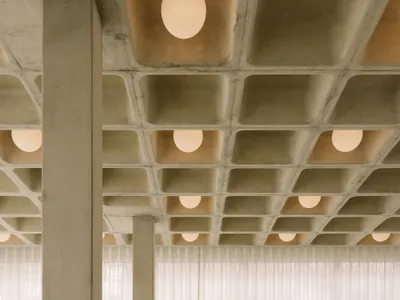
RHO Converts a Berlin Spree-Side Industrial Courtyard into Enkime's 1,000 m² Agency Headquarters
A social media agency's new home in Charlottenburg trades glossy branding for concrete waffle ceilings, glazed tile, and sheer curtains.

Explore Tetsuo Kobori Architects Competitions
Discover active competitions in this discipline

Challenge to reimagine the Iron Throne

Photograph architecture without architects

Illustrate the lost glory of Angkor Wat - Render Challenge

Bring back Drive In's
Comments (0)
Please login or sign up to add comments
No comments yet. Be the first to comment!