
Transforming Renka Residence from a Rice Mill into a Modern Home
Renka Residence exemplifies adaptive reuse architecture by transforming a historic rice mill into a modern home and community space while preserving heritage.

Adaptive reuse architecture is an approach that preserves the historical essence of buildings while transforming them into functional spaces suited for contemporary needs. Renka Residence, designed by raumus in Fukuoka Prefecture, Japan, exemplifies this principle by repurposing a 70-year-old rice mill into a modern residence and community space.
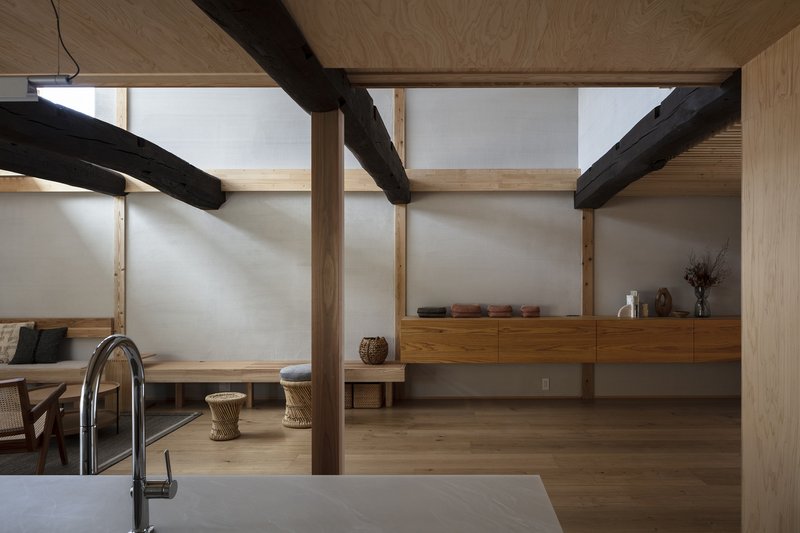
Revitalizing Heritage through Adaptive Reuse
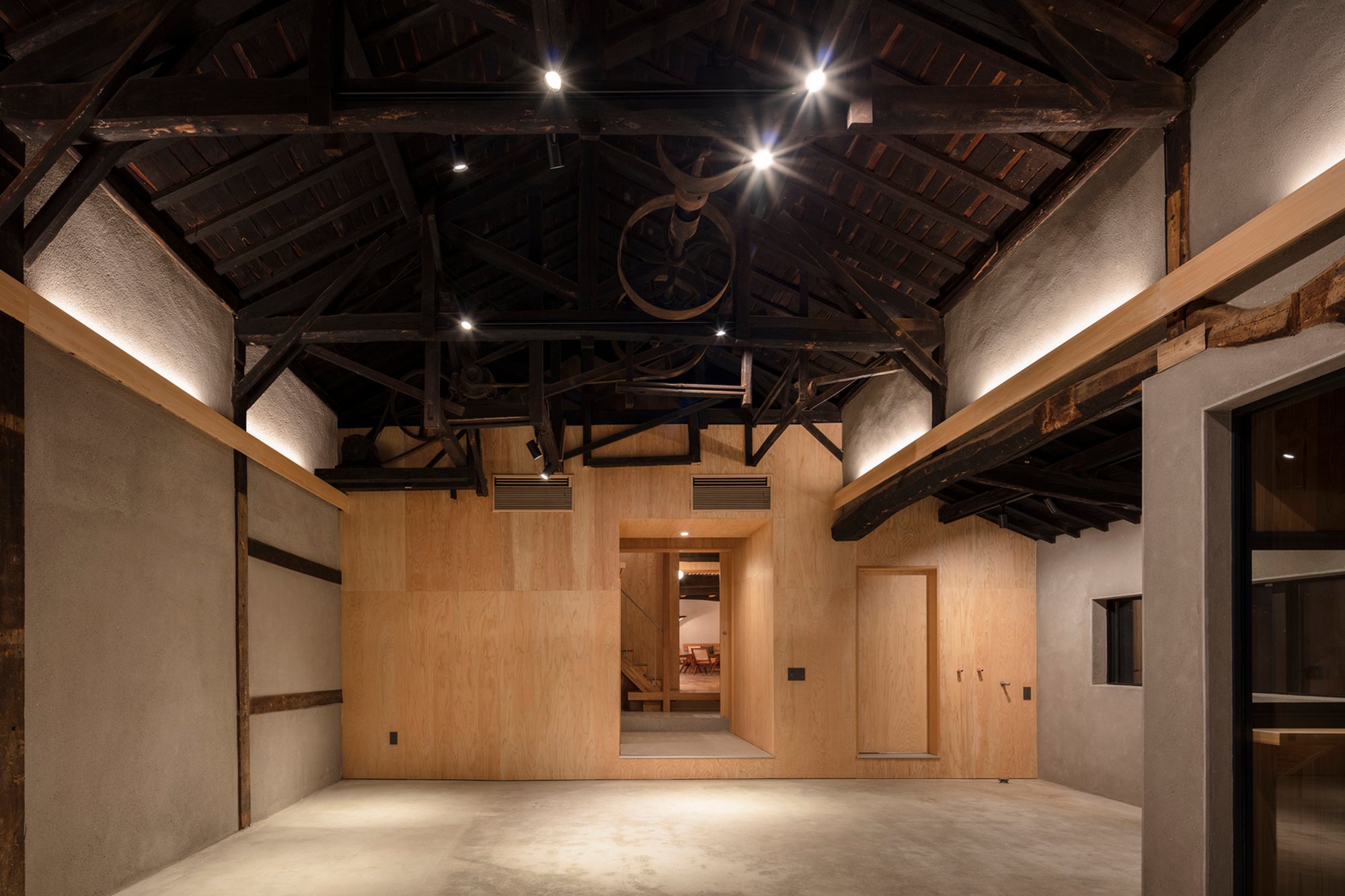
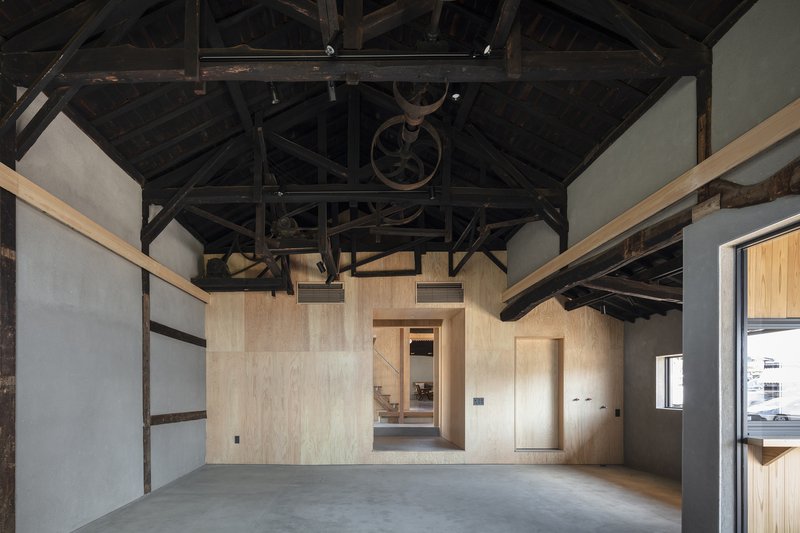
Renka Residence stands as a testament to how architecture can bridge the past and present. The structure, once a rice mill integral to local culture, was carefully reimagined to retain its original character while adapting to new functions. Instead of demolishing the mill, the renovation preserved its structural integrity and historic elements, ensuring that the spirit of the space remained intact.
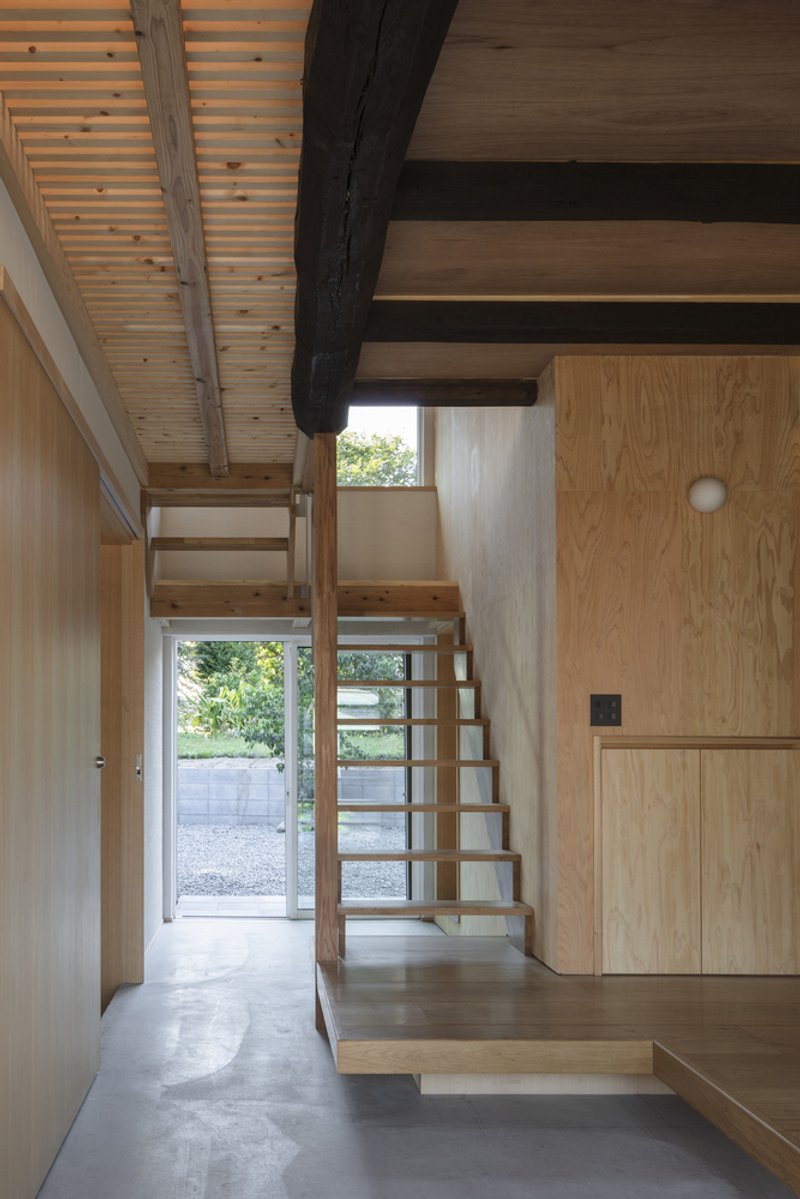
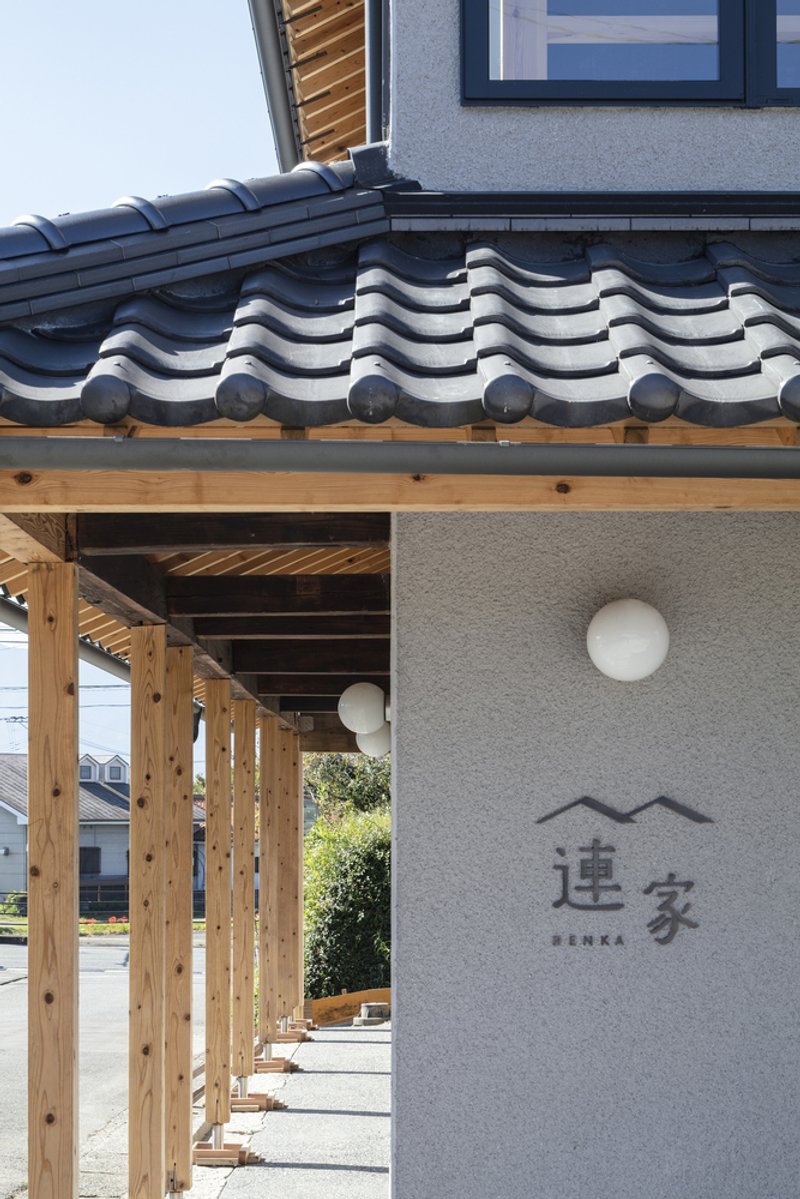
The project aimed not just to create a home but to inspire future renovations by demonstrating the possibilities of adaptive reuse. The decision to repurpose rather than rebuild aligns with Japan’s growing emphasis on sustainable development, reducing construction waste and maintaining the local cultural landscape.
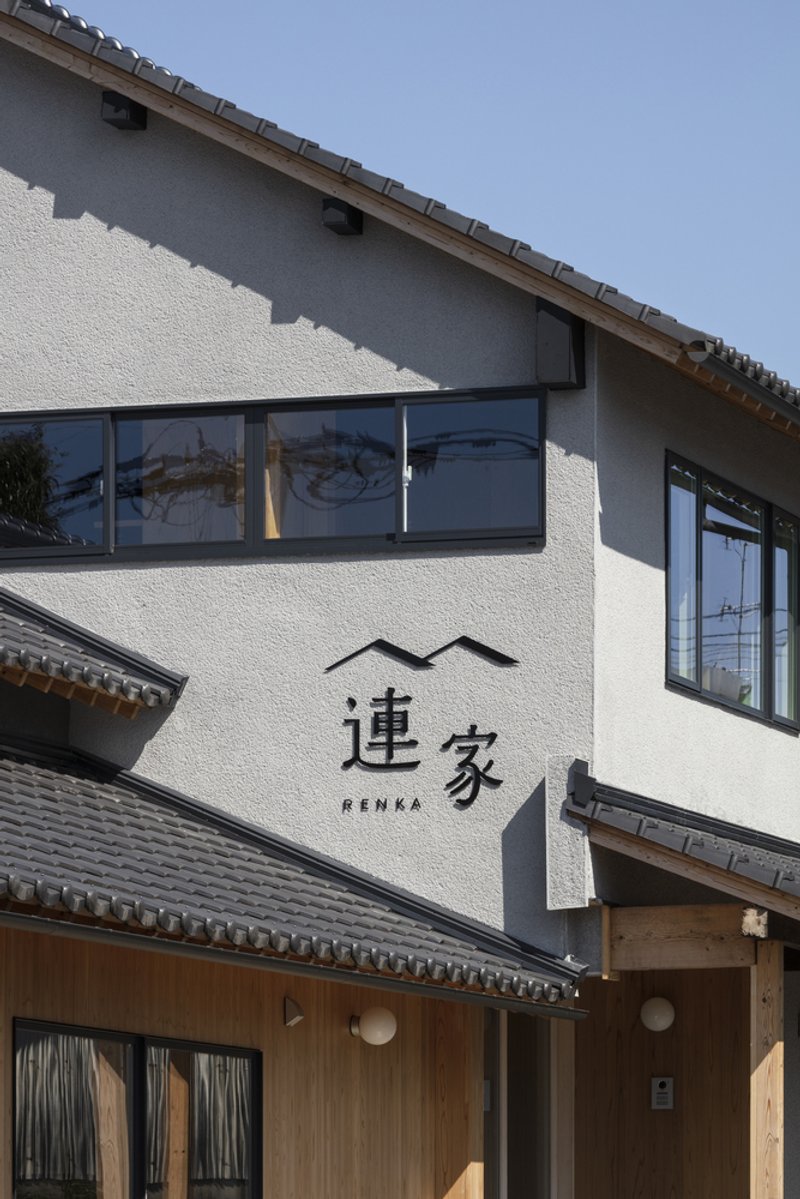
Balancing Tradition with Modern Functionality
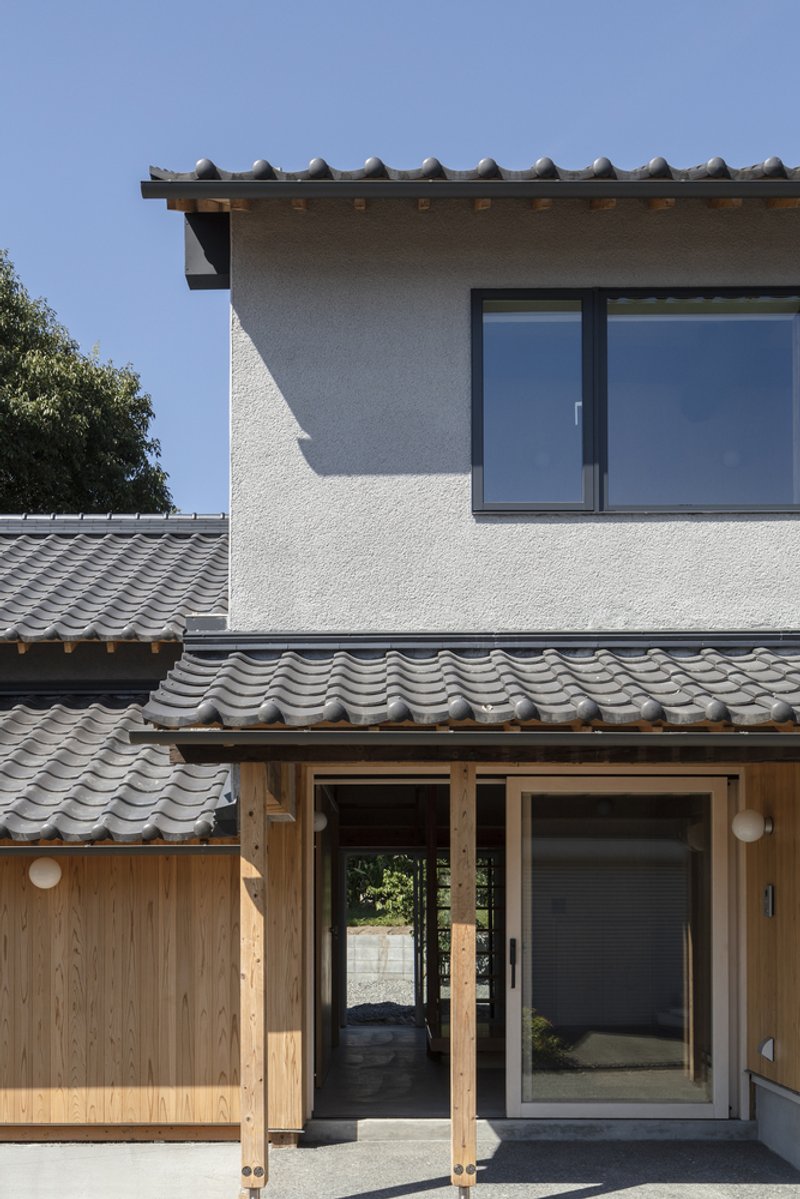
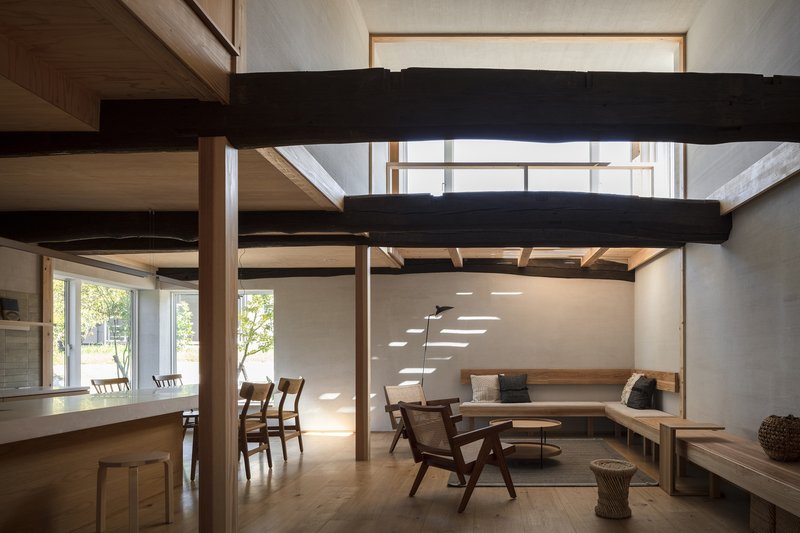
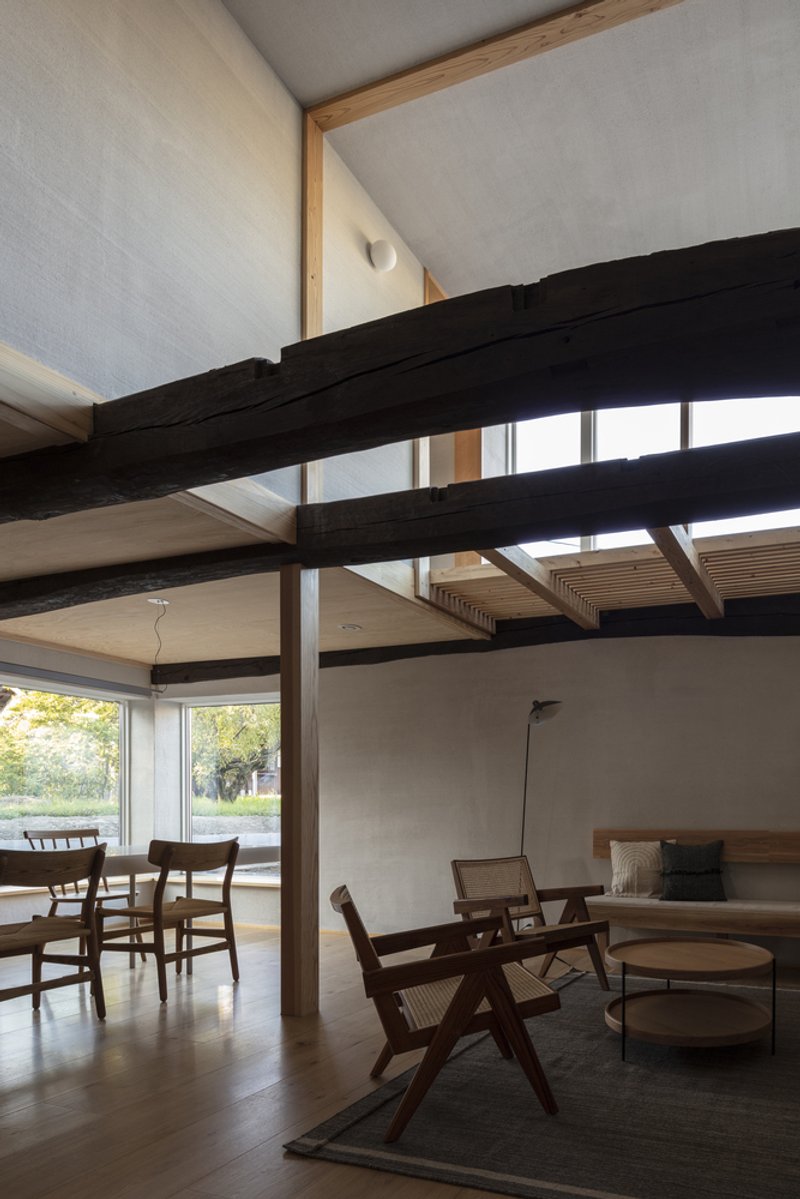
The original rice mill consisted of two sections: a single-story milling facility and a two-story warehouse. The renovation divided these spaces into distinct yet interconnected functions. The two-story structure was transformed into a private residence, providing a comfortable living environment while retaining its industrial heritage. The one-story portion was reimagined as a retail space, fostering interaction between the home and the surrounding community.
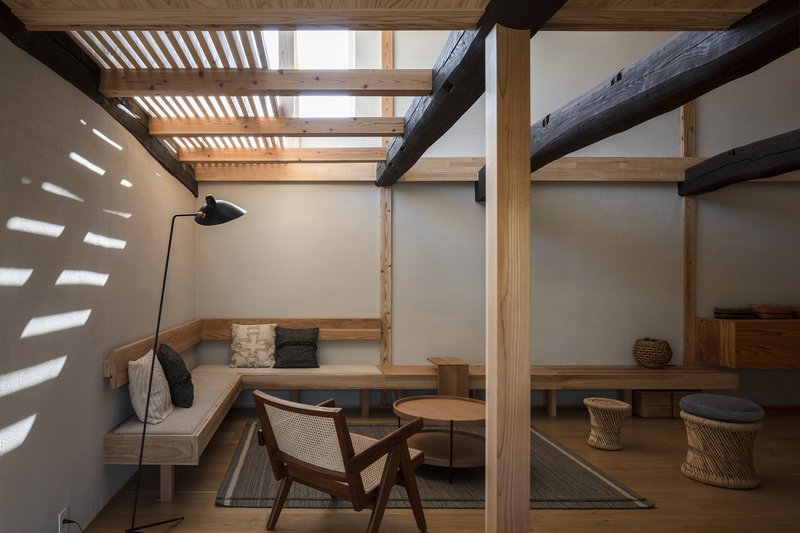
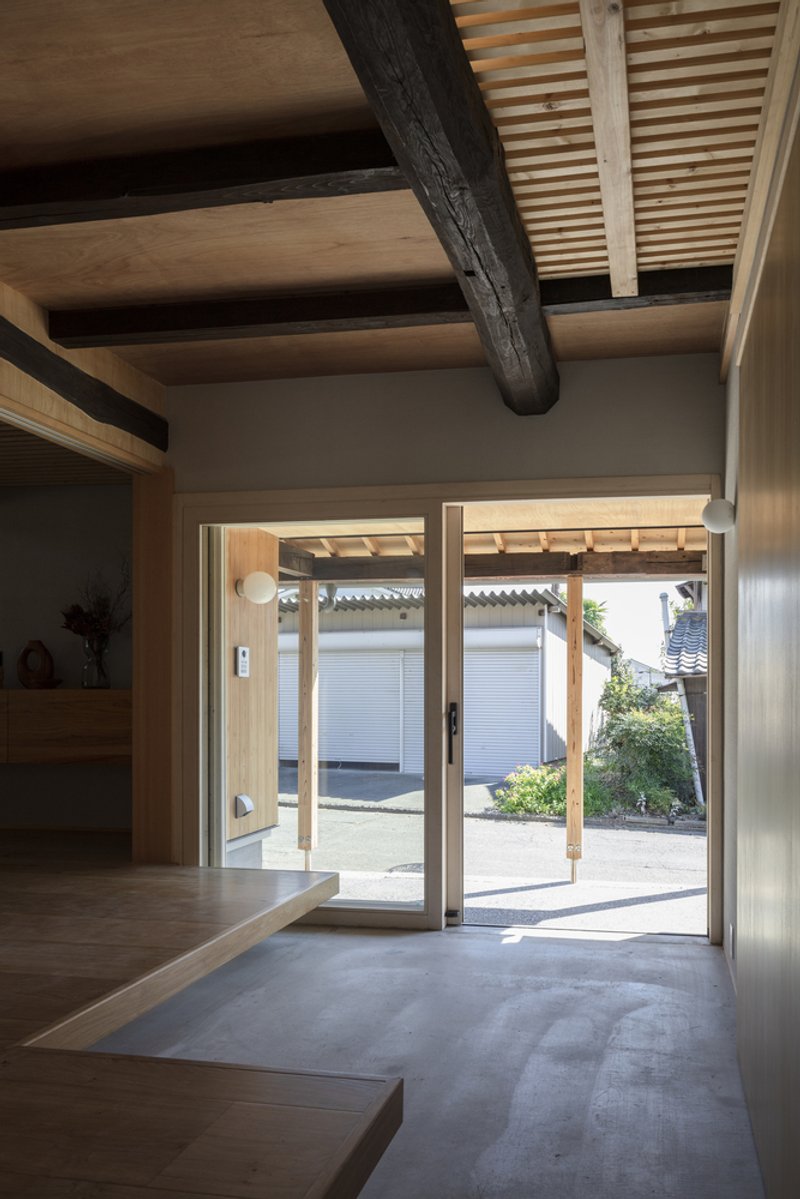
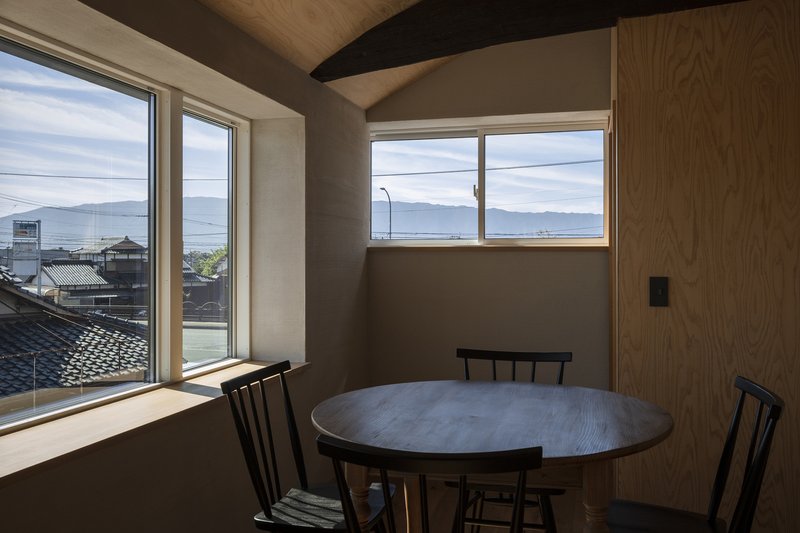
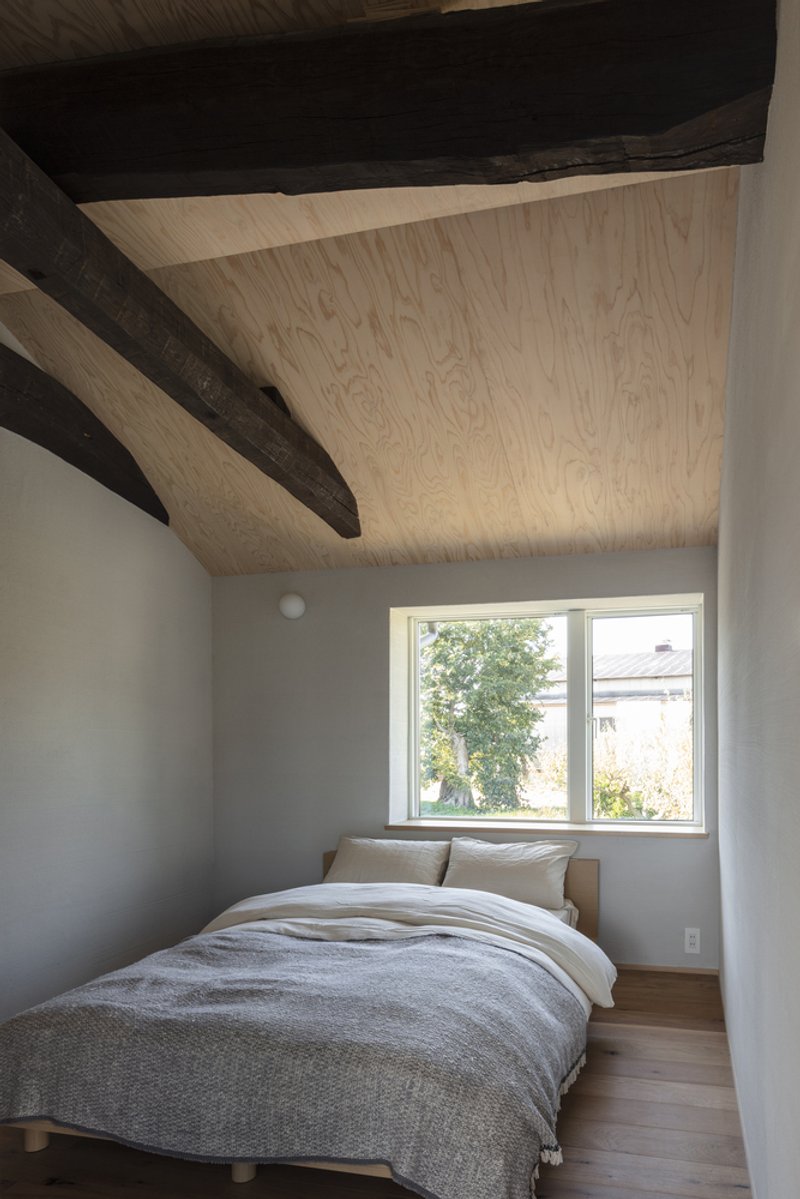
By maintaining the existing framework and integrating modern elements, the project creates a seamless blend of old and new. Traditional wooden beams and exposed brickwork highlight the building’s past, while contemporary materials and open-plan interiors make the space livable and adaptable for present-day needs.
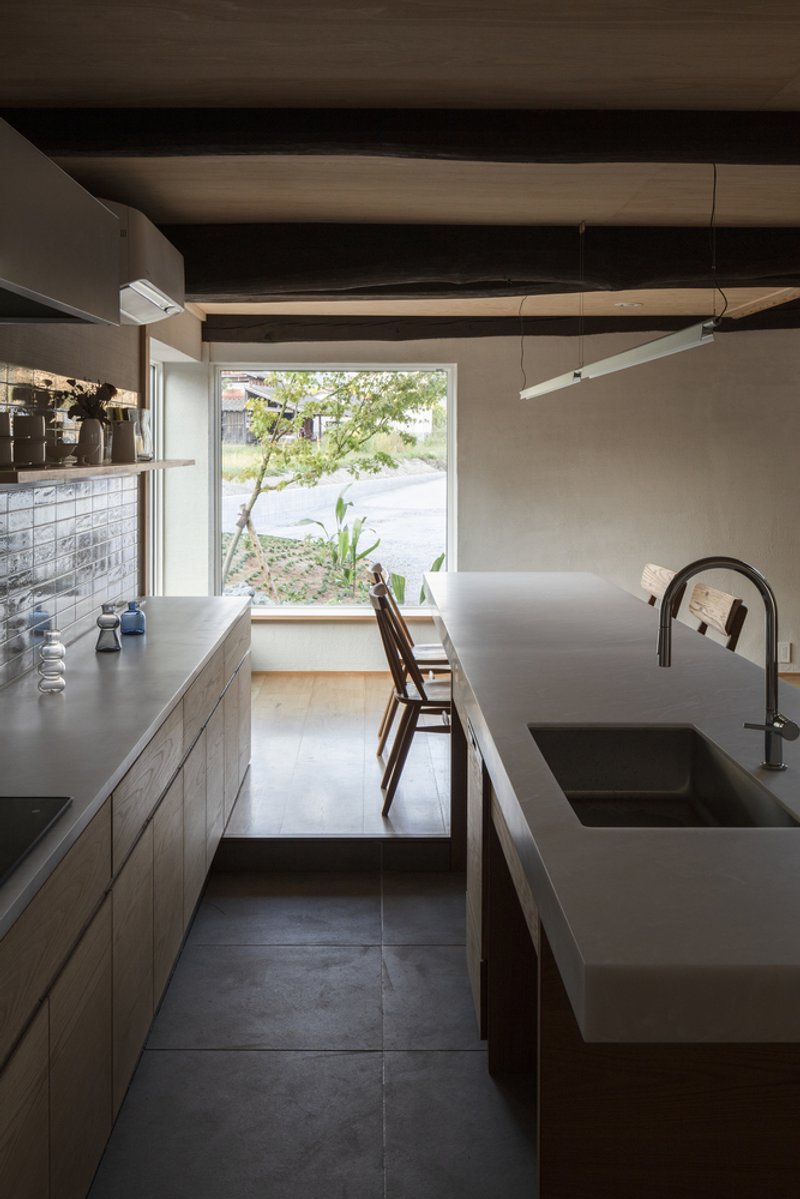
A Sustainable Approach to Modern Model Homes
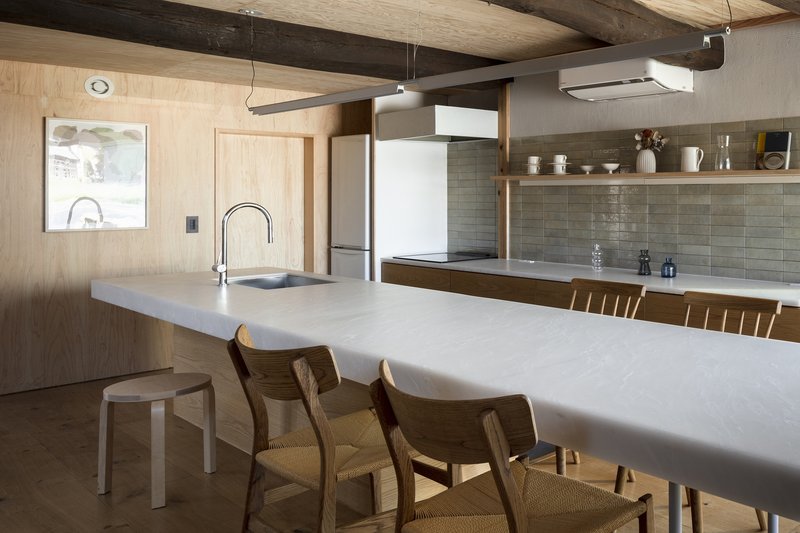
Many model houses in Japan are built with short-term utility in mind, often being demolished within five years due to design obsolescence. Renka Residence challenges this trend by promoting a more sustainable, long-term vision for architectural development. Instead of discarding the past, it embraces an evolving design ethos where spaces adapt over time to meet changing demands.
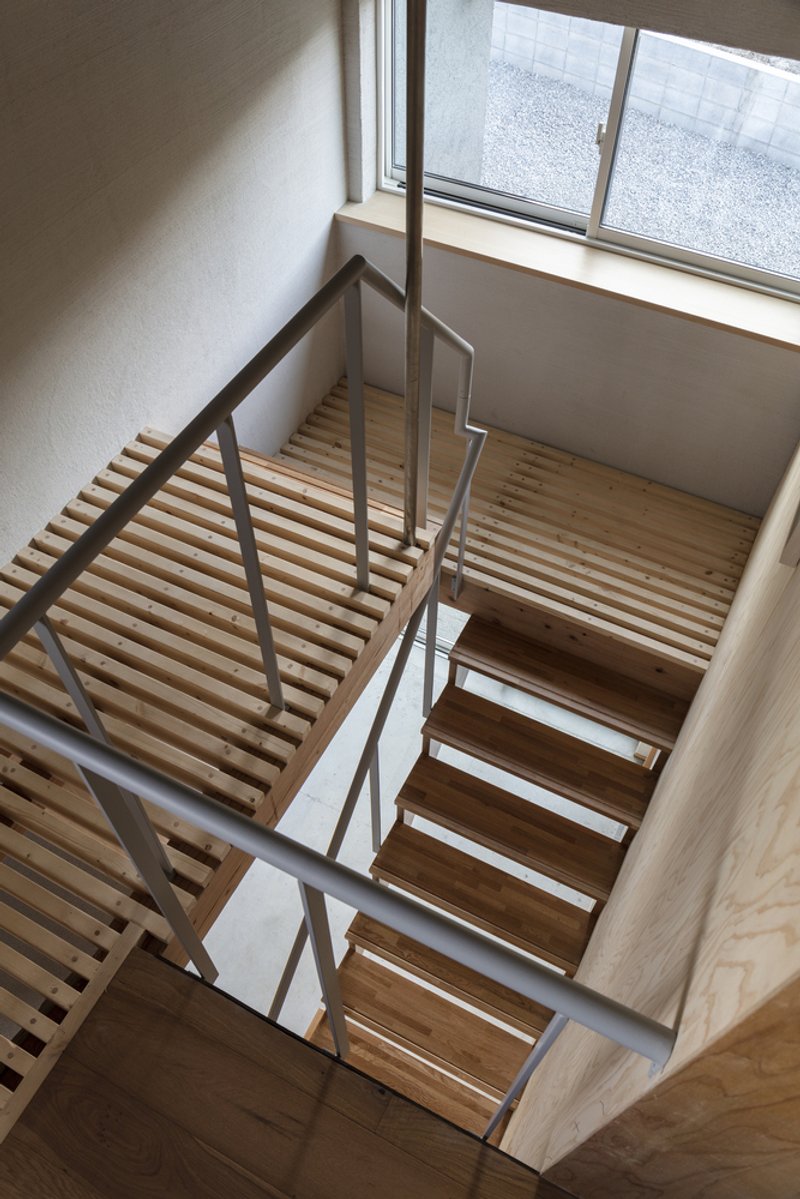
This model home serves as a prototype for how adaptive reuse architecture can extend the life cycle of existing structures. By integrating flexibility into the design, Renka Residence allows future generations to reinterpret and modify the space without compromising its historical essence.
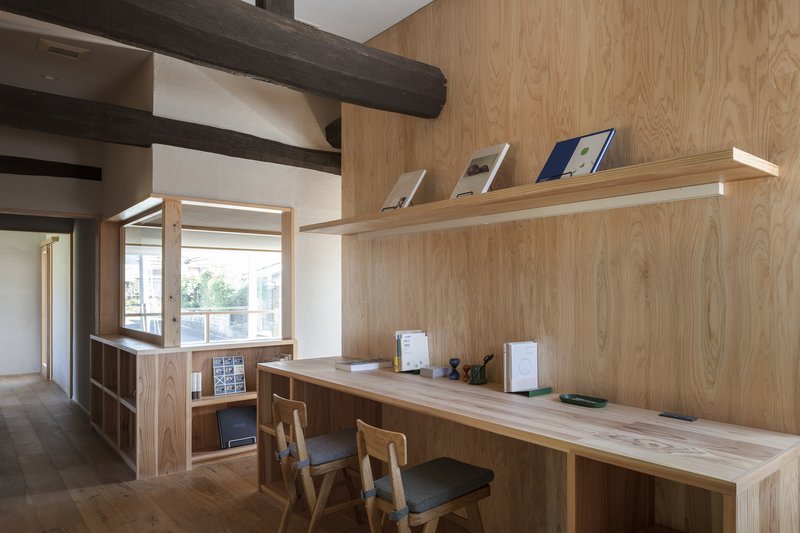
Community Engagement and Cultural Continuity
Beyond being a residence, Renka Residence fosters a meaningful connection with its surroundings. The retail space ensures that the building remains an active part of the community rather than becoming an isolated private home. This approach strengthens local engagement, creating an architectural landmark that contributes to the cultural fabric of the area.
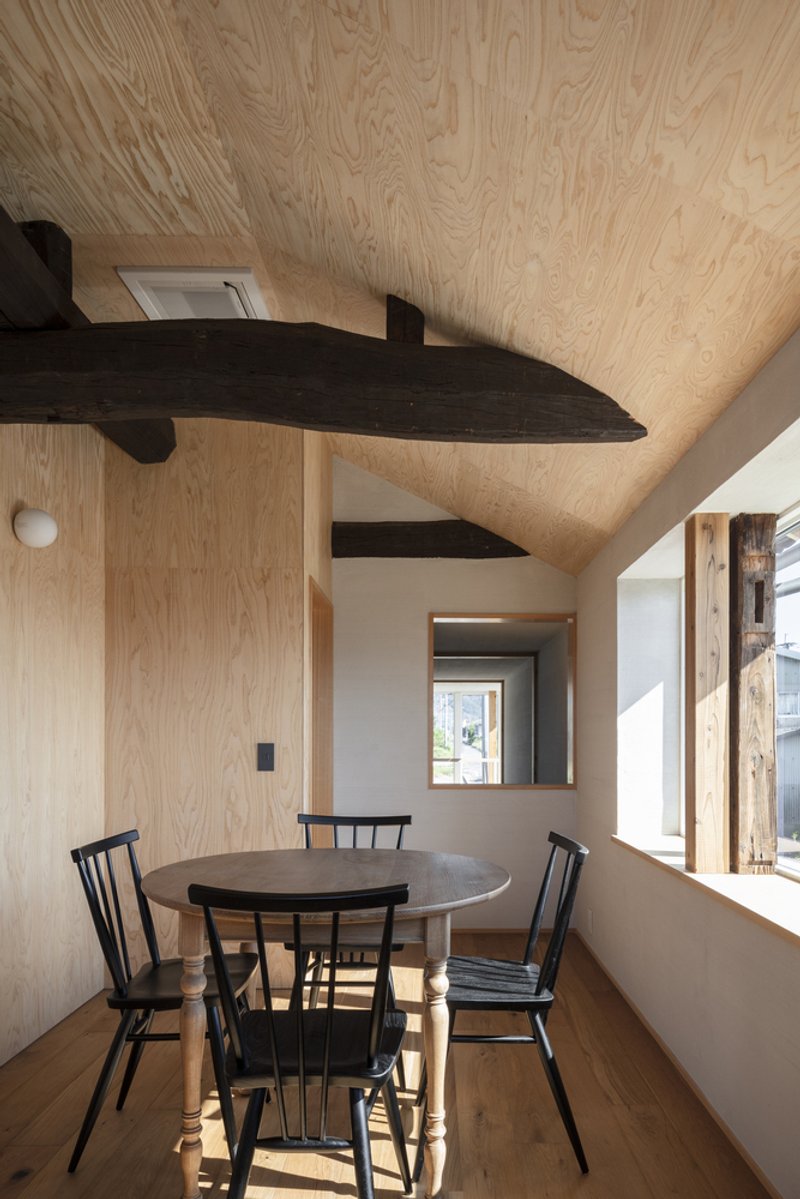
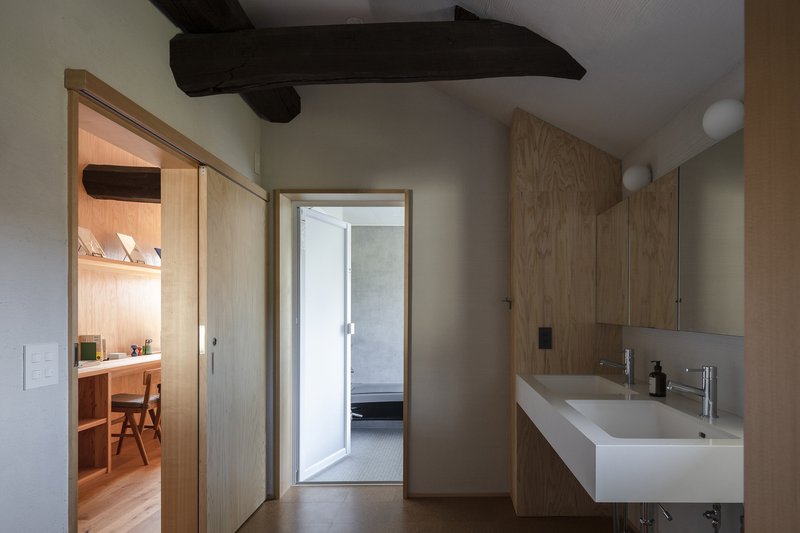
The renovation preserves not just the physical structure but also the social history embedded within its walls. It transforms a once-functional industrial space into a vibrant place of gathering, proving that adaptive reuse is not only an architectural strategy but a cultural responsibility.
The Future of Adaptive Reuse Architecture
Renka Residence embodies the core principles of adaptive reuse architecture—preserving history, enhancing sustainability, and maintaining cultural relevance. By transforming an aging rice mill into a functional and aesthetically compelling space, raumus demonstrates how existing buildings can be repurposed in innovative and meaningful ways.
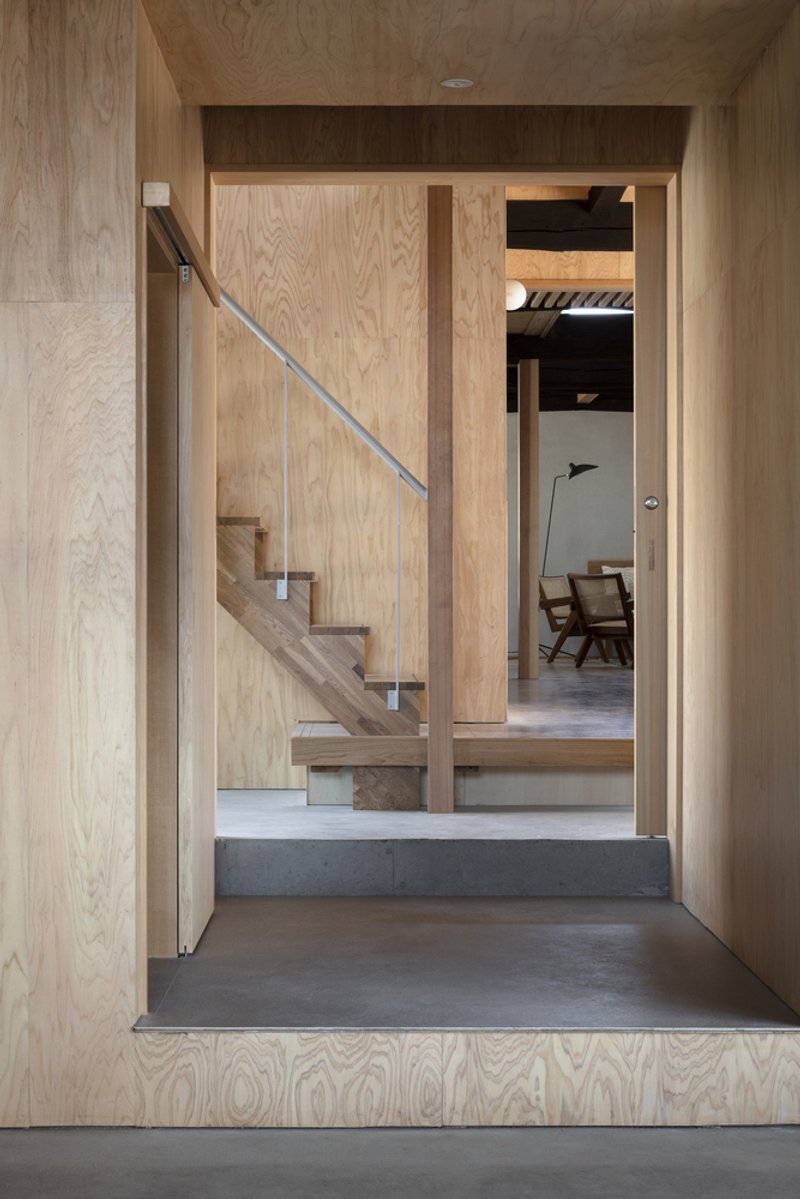
As urban areas continue to evolve, adaptive reuse offers a sustainable alternative to demolition and new construction. Projects like Renka Residence set a precedent for future developments, showing that architecture can honor the past while shaping a more thoughtful, community-centered future.
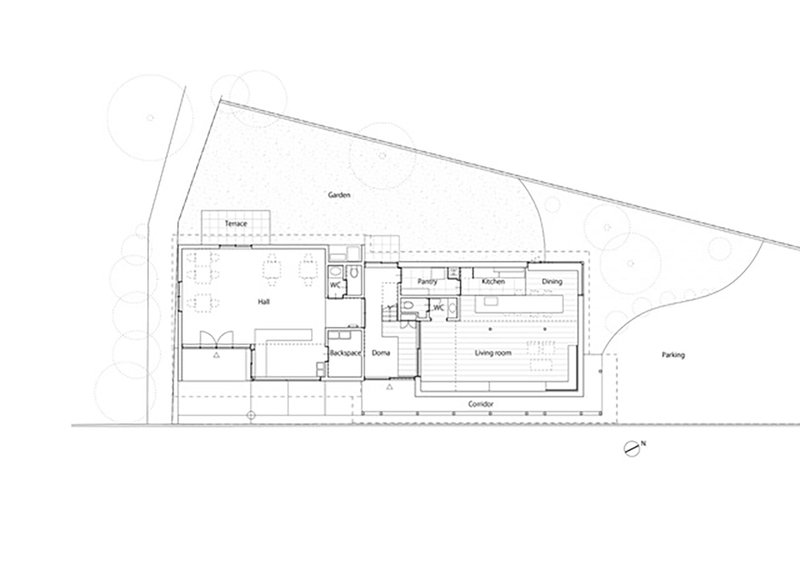
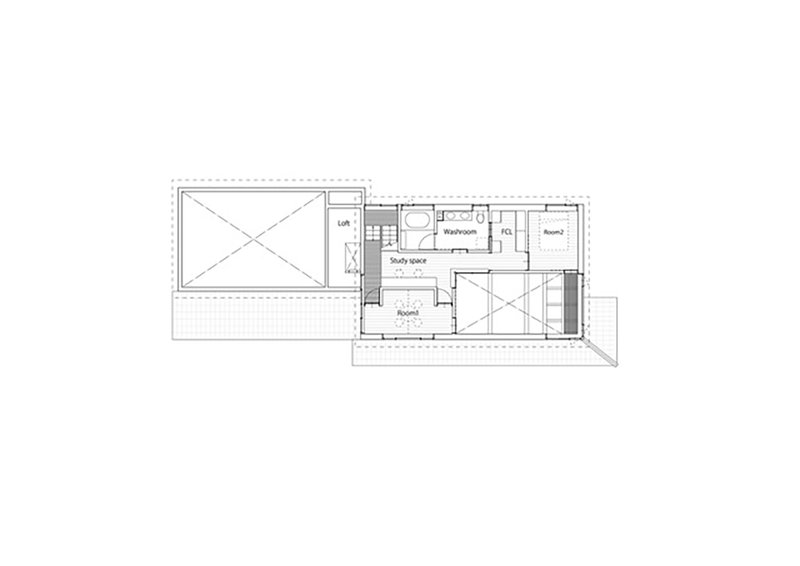
All Photographs are works of Norihito Yamauchi




Popular Articles
Popular articles from the community

ure LLC Builds a Timber-Framed Suburban Office That Doubles as a Community Living Room in Hiroshima
KItoNOKO wraps sawtooth roofs and corrugated metal around an exposed timber frame to give a commercial district a new civic anchor.
Three Architects Stitch a Social Center into a Crumbling Galician Hamlet
In Muimenta, Spain, timber and plywood volumes graft onto granite ruins to anchor a rural revitalization effort.
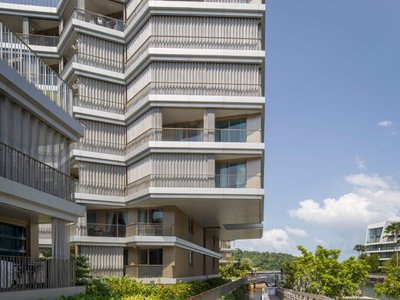
KCAP and DCA Architects Build a Stepped Urban Village on Singapore's King's Dock Waterfront
A 26,000 square meter residential development in Singapore trades tower isolation for terraced courtyards and a planted promenade along the harbor.
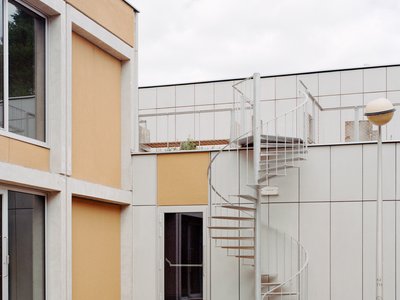
MAKER architecten Rewire a 1972 Brutalist Dormitory on the VUB Campus as a Living Lab
A modular renovation strategy in Belgium breathes new life into Willy Van Der Meeren's modernist student housing without erasing its concrete bones.


Similar Reads
You might also enjoy these articles


Bamboo Housing Challenge 2026: Design Affordable, Sustainable Homes Using Bamboo
An international design competition by Bamboo U and IBUKU inviting architects and designers to reimagine affordable housing using bamboo — with the winning design built full-scale in Bali.
Computational Design & Education: Beegraphy Design Awards Introduces 7th Category (Featuring Jiyun's Innovative Approach)
Dive into Beegraphy’s 7th Design Awards category, where computational design meets education to create immersive, interactive learning tools, inspired by Jiyun’s work.
From Parametric Lighting to Urban Furniture: Join the 2nd Workshop in Beegraphy’s Computational Design Series
Dive into Cutting-Edge Design Techniques and Practical Applications with Industry Experts

Introducing Sphere by UNI: Pioneering a New Era in AEC Industry
Unlocking Global Potential with BIM and Agile Management


Explore Architecture Competitions
Discover active competitions in this discipline




The International Standard for Design Portfolios


The Global Benchmark for Architecture Dissertation Awards


The Global Benchmark for Graduation Excellence


Challenge to reimagine the Iron Throne
Comments (0)
Please login or sign up to add comments
No comments yet. Be the first to comment!