
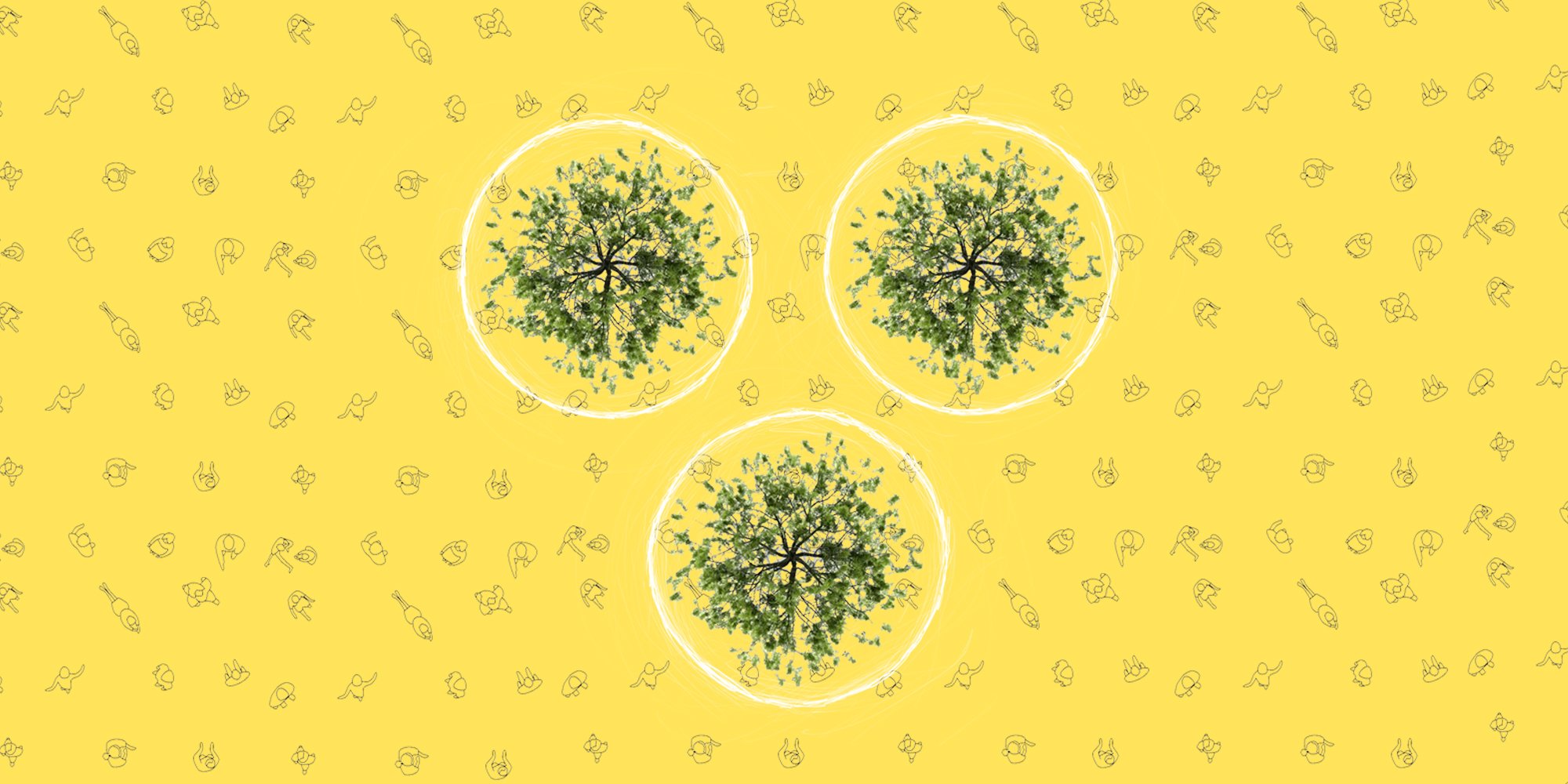
Tri Hita Karana
A philosophical concept for the architectural treatment of a brewed café

Q: What was the concept behind the project?
A: Brewed Café is a special method of processing coffee in a very natural way without the use of machines but only with physical distillation. Seeing the large distribution of these types of cafes in the world, the goal is that this cafe in a certain location fits best and we can undoubtedly achieve this only starting from the authentic elements which in this case are divided into two concepts:
The exterior concept is based on the local philosophy “Tri Hita Karana”, which is a traditional philosophy for life on the island of Bali, Indonesia. It is derived from the Balinese spiritualism and beliefs, which promotes harmony among fellow human beings through communal cooperation and promoting compassion; harmony towards God, manifested in numerous rituals and offerings to appease deities; and harmony with their environment, which strife to conserve the nature and promote the sustainability and balance of the environment.
The concept of the interior is the incorporation of the exterior with the interior through the greenery, which dominates the interior. The furniture is designed with recycled glass and transparent plastic, having a more passive role in the visual aspect of the experience of the cafe, but to serve for their necessary function in the cafe.
Q: What was the intent behind the organization of elements across various levels (Architectural, Site, Urban)?
A: The initial shape of the building was started by the philosophical concept "Tri Hita Karana", where through three circles this concept is presented figuratively, each of them represents a cafe area while their union represents the common point where coffee is prepared. This functional distribution has also created the architecture of the building which has been preserved through these three circular volumes.
We concretize these 3 philosophical spaces into functional spaces by removing them from each other. Although physically separated, by the presence of people and their interaction they are emotionally close to each other, in nature, people and soul.
Q: How many iterations were tried to arrive at the final outcome?
A: The process of conceiving this object has gone through several stages of analysis where during each the advantages and disadvantages of variants have been identified and so after several attempts the final result has been achieved where the shape of the object has been achieved which is mainly derived from the philosophical concept of "Tri Hita Karana".
Q: How were the materials chosen?
A: A very important point during the design of facilities is the proper selection of materials. At this stage are analyzed what are the materials that would best live this project and no doubt that in the first place came the local and traditional materials with which the buildings have historically been built in these locations, expanding with other materials during the selection of whose primary criterion was naturalness and being ecological materials. The structure of the building is designed with laminated wood materials, the roof is with Thatch Roof a source and ecological material, while the furniture part is designed with transparent materials: glass and recycled plastic.
Q: How was a specific objective attempted to be met?
A: The purpose of this design is not only to offer the visitors of this cafe the pleasure of enjoying a delicious coffee but also to spend a high quality time in a local environment introduced within a contemporary architecture.
Q: What is the expansion plan of the project?
A: If in the future it is required to expand this cafe to a larger complex this can easily be done by adding circles that are easily connected to each other either functionally or visually.
Q: How will the project transform with the passing time?
A: Over time, this object will continue to be unified with nature and slowly become part of it and thus become a natural space which serves as a space for enjoying a coffee as special as brewed café. Therefore, the treatment of architecture in harmony with nature and location is very important.



Popular Articles
Popular articles from the community

Treehouse Apartment: A Warm Timber Interior Blending Craft, Play, and Contemporary Living
Warm timber apartment with integrated treehouse, combining natural materials, craftsmanship, and playful design to create a flexible, family-oriented living environment.


The Ken Roberts Memorial Delineation Competition (Krob)
As the most senior architectural drawing competition currently in operation anywhere in the world, it draws hundreds of entries each year, awarding the very best submissions in a series of medium-based categories.
Flamboyant House by Juliana Camargo + Prumo Projetos
Modern Brazilian house integrating existing tree, pool, and volumes with glass, wood, and transitional spaces blending interior, exterior, and landscape seamlessly.
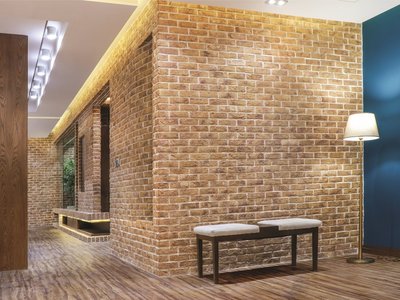
A Contemporary Take on Iranian Residential Architecture
A modern interior design in Mashhad that reinterprets brick, light, and spatial flow to create a warm, contemporary residential architecture.

Similar Reads
You might also enjoy these articles

Creating evolutionary co-working spaces
Co-Design Milan Juror's interview
Enhancing the self-learning experience - Juror's opinion
A discussion on libraries of future
Plugin Housing Challenge - Jury panel interview
Future of Urban-Housing
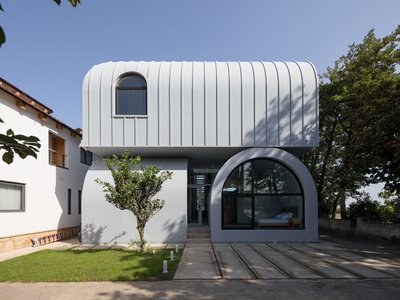
Vault on Vault Villa by KRDS: Innovative Iranian Architecture by the Caspian Sea
Vault on Vault Villa by KRDS combines Iranian vaulted architecture, modern steel structures, and passive climate design overlooking the Caspian Sea.
Explore Architecture Competitions
Discover active competitions in this discipline




The International Standard for Design Portfolios


The Global Benchmark for Architecture Dissertation Awards


The Global Benchmark for Graduation Excellence


Challenge to design luxury tourism on rails
Comments (0)
Please login or sign up to add comments
No comments yet. Be the first to comment!