
Unveiling the Architectural Brilliance of the Dance Center Buenos Aires: A Nexus of Culture and Design
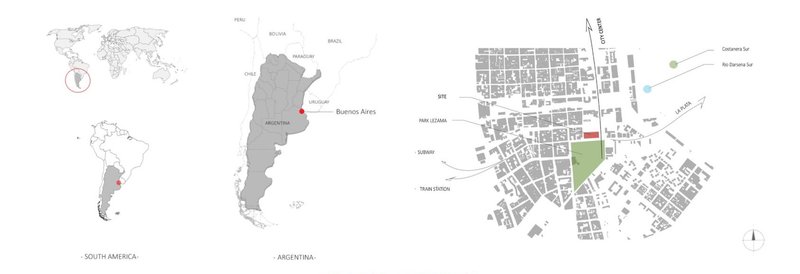
This piece delves into the architectural and cultural facets of the Dance Center Buenos Aires, located in the historic San Telmo neighborhood.

Nestled in the vibrant neighborhood of San Telmo, Buenos Aires, the Dance Center Buenos Aires stands as a testament to the harmonious blend of movement and architecture. Designed by the visionary Jana Sujakova, this cultural and educational facility not only showcases the dynamic nature of dance but also elevates the community's connection to the arts. This article delves into the architectural ingenuity and cultural significance of this landmark, which epitomizes the fusion of "architectural innovation" and cultural heritage.
The Vision Behind the Dance Center
The inception of the Dance Center Buenos Aires was driven by a dual purpose: to foster a space for dance education and to integrate the local community with the cultural tapestry of Buenos Aires. The center is strategically positioned as a cultural hub, highlighting the city’s deep-rooted affinity for tango and other Latin dance forms. The architect, Jana Sujakova, envisioned a structure that not only accommodated functional dance spaces but also resonated with the rhythmic contours of dance through its design.
Architectural Design and Features
Conceptual Framework
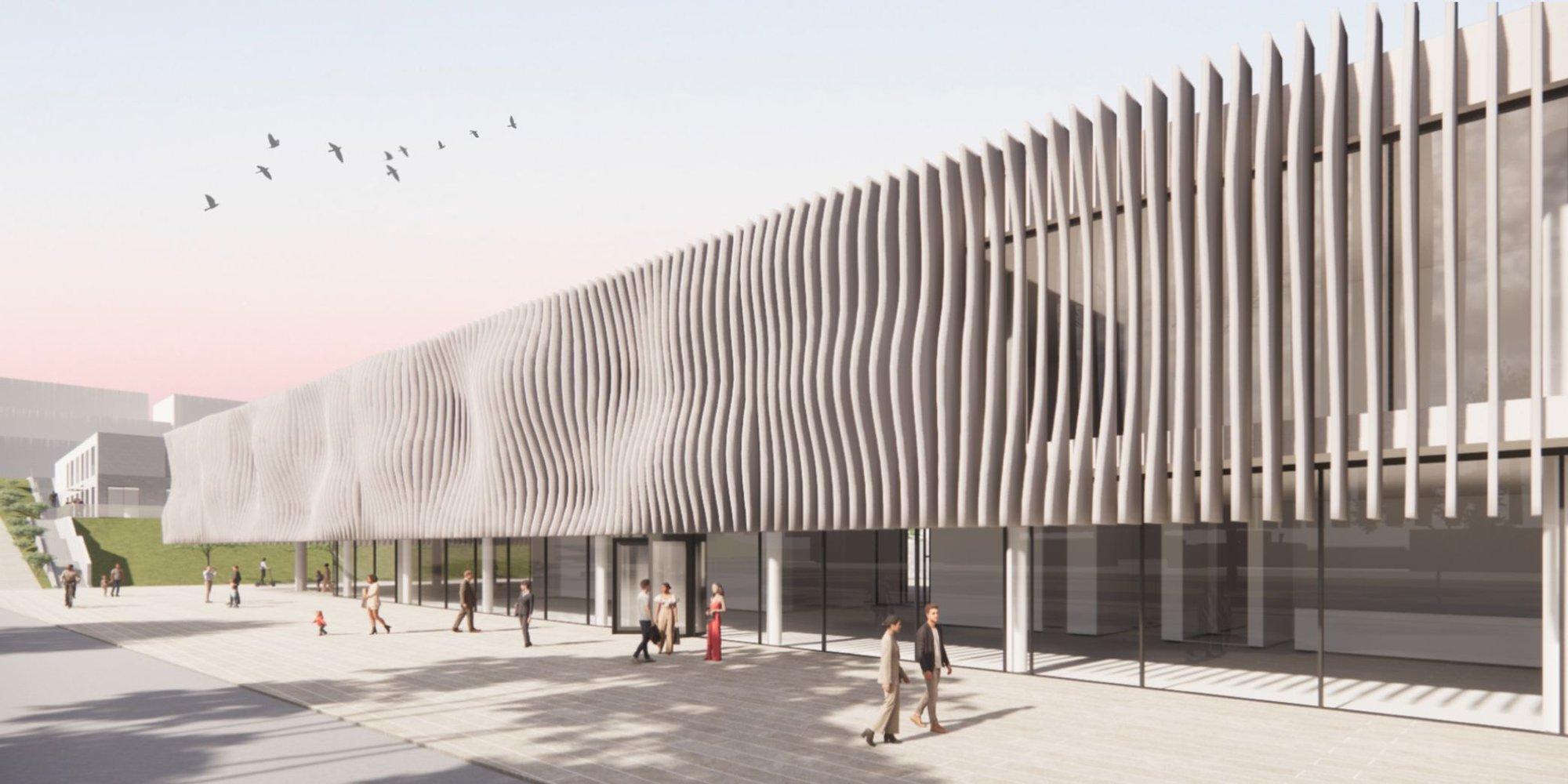
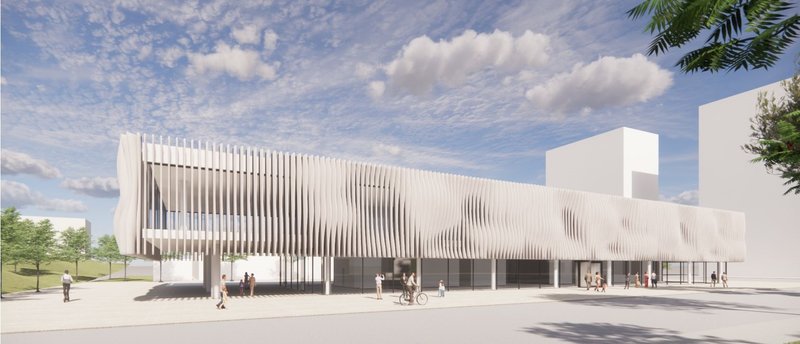
The architectural concept of the Dance Center revolves around the creation of a semi-closed block, distinctively designed to complement the urban fabric of San Telmo. The design employs a unique grid-like composition, inspired by the surrounding buildings yet introducing a contemporary flair through its curved façades, which mimic the fluid movements of dance.
Structural Layout
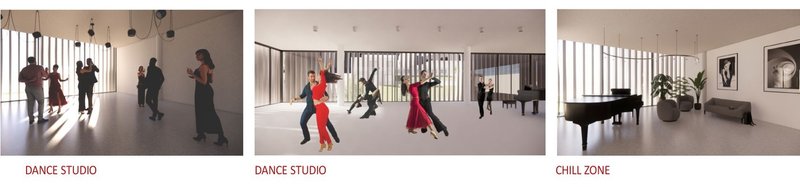
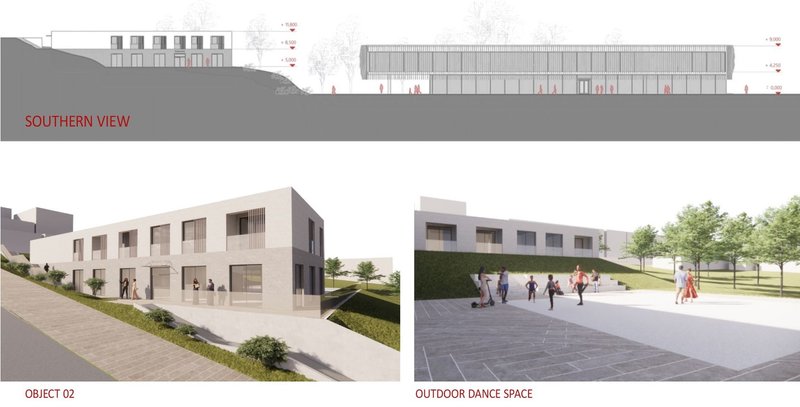
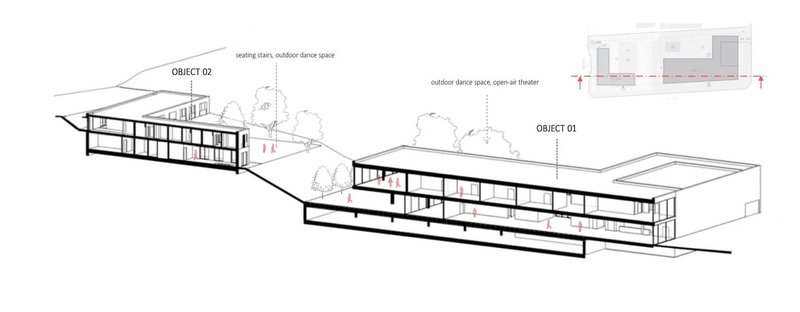
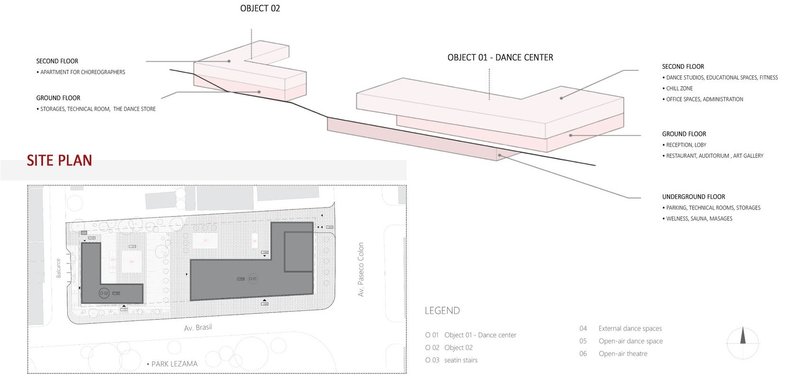
The complex is comprised of two main structures. The primary building serves as the heart of dance activities, equipped with two ground floors and a basement dedicated to wellness and technical functions. The secondary building, quieter and more secluded, offers additional dance studios and spaces for choreographers and educators.
Innovative Use of Space
One of the standout features of the Dance Center is its dynamic use of outdoor spaces. From open-air dance platforms to an outdoor theater, the design invites the community to engage with the performing arts in a direct and interactive manner. The façade’s shading elements are not merely functional but are choreographed to create varying visual effects based on the viewer's perspective, enhancing the kinetic experience of the architecture.
Integrating Community and Culture
The Dance Center does more than provide education and entertainment; it acts as a catalyst for community engagement and cultural events. With facilities that range from a welcoming lobby to an art gallery and a restaurant, the center is designed to be more than a dance school—it is a venue for cultural exchange and communal gatherings.
Sustainability and Environmental Consideration
In keeping with contemporary architectural practices, the Dance Center incorporates elements of sustainability. The choice of materials, the inclusion of green spaces, and energy-efficient design practices all reflect a commitment to environmental stewardship while catering to the functional needs of a dance facility.
The Dance Center Buenos Aires exemplifies how architecture can embody and enhance cultural expression. It stands not only as a facility for dance but as a beacon of architectural innovation, inviting both dancers and the public to partake in a continuous celebration of art and movement. This center, with its blend of aesthetics, functionality, and community focus, sets a new benchmark for cultural architecture in Latin America.
As cities around the world seek to strengthen their cultural infrastructure, the Dance Center Buenos Aires offers a compelling blueprint for integrating artistic and communal functions through thoughtful and innovative architectural design. The project underscores the vital role of architecture in shaping not just cityscapes but also the cultural and social dynamics of urban life.




Popular Articles
Popular articles from the community

Louis Malle Cinema: A Limestone Cultural Landmark Revitalizing Community Life in Prayssac
Limestone cinema extension with public forecourt, blending heritage and modern design to create flexible cultural spaces and strengthen community interaction.
Treehouse Apartment: A Warm Timber Interior Blending Craft, Play, and Contemporary Living
Warm timber apartment with integrated treehouse, combining natural materials, craftsmanship, and playful design to create a flexible, family-oriented living environment.
A Contemporary Take on Iranian Residential Architecture
A modern interior design in Mashhad that reinterprets brick, light, and spatial flow to create a warm, contemporary residential architecture.

Solar Steam: A Climate-Responsive Architecture That Redefines the Monument
A climate-responsive memorial architecture that transforms heat, decay, and time into a living system reflecting humanity’s ecological impact.


Similar Reads
You might also enjoy these articles


The Ken Roberts Memorial Delineation Competition (Krob)
As the most senior architectural drawing competition currently in operation anywhere in the world, it draws hundreds of entries each year, awarding the very best submissions in a series of medium-based categories.
A Contemporary Take on Iranian Residential Architecture
A modern interior design in Mashhad that reinterprets brick, light, and spatial flow to create a warm, contemporary residential architecture.
Franche-Comté Advanced School of Engineering by Dominique Coulon & associés, Besançon
A flexible engineering school immersed in woodland, combining concrete minimalism, adaptable spaces, and natural light to support evolving educational environments.


Documentation Work on Buddhist Wooden Temple
Architectural syncretism and cultural hybridity: A comparative study of the Buddhist temples in Chattogram Hill tracks

Explore Architecture Competitions
Discover active competitions in this discipline




The International Standard for Design Portfolios


The Global Benchmark for Architecture Dissertation Awards


The Global Benchmark for Graduation Excellence


Challenge to design an urban locus of culture and heritage
Comments (0)
Please login or sign up to add comments
No comments yet. Be the first to comment!