
Urban Renewal Strategies in Historic Districts: A Case Study of Chengdu Pengzhou Longxing Temple Area by BIAD-ASA Studio
Exploring the transformation of Chengdu's Pengzhou Longxing Temple Area, blending urban renewal with historic preservation, culture, and modern public spaces.


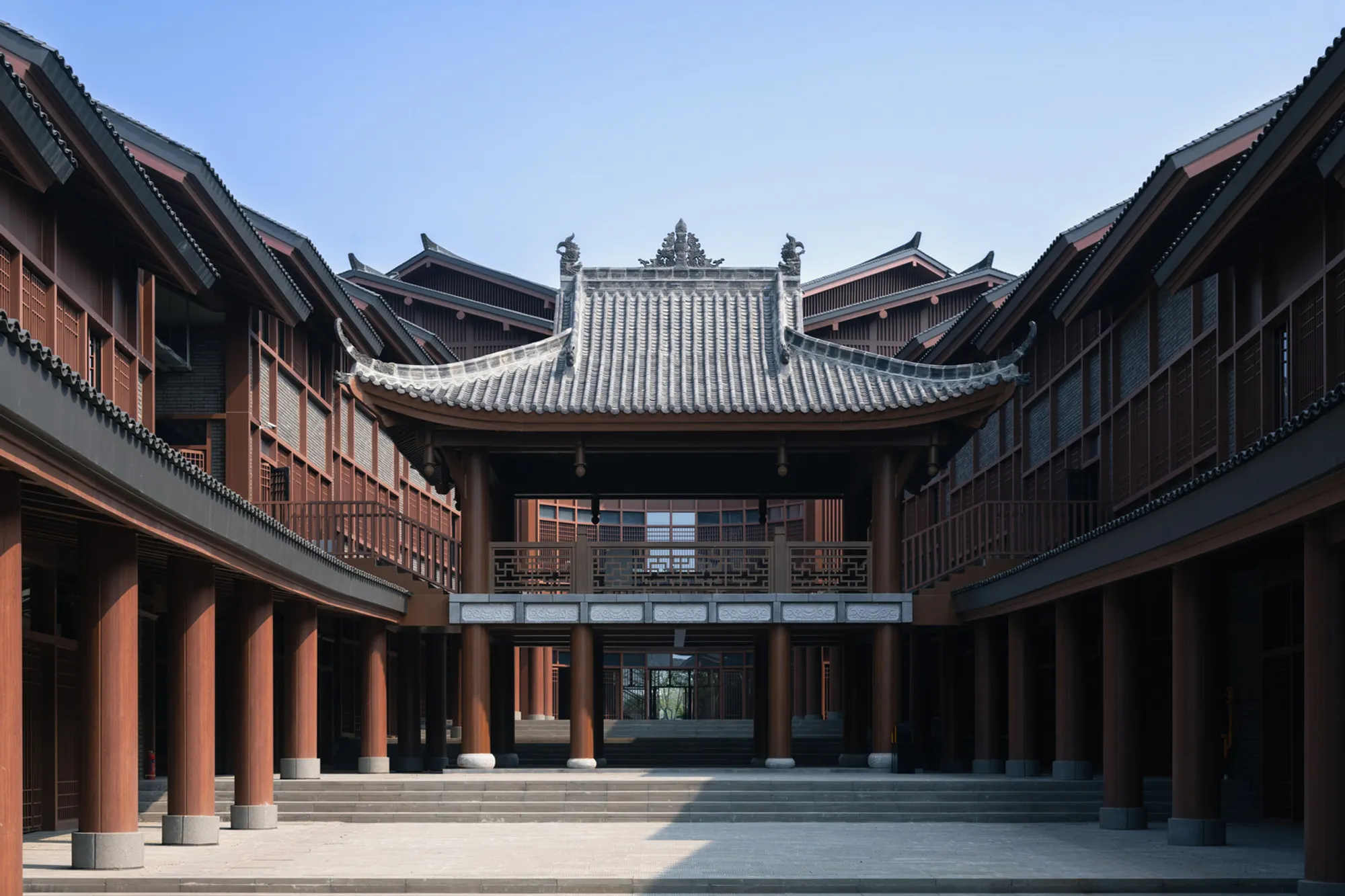
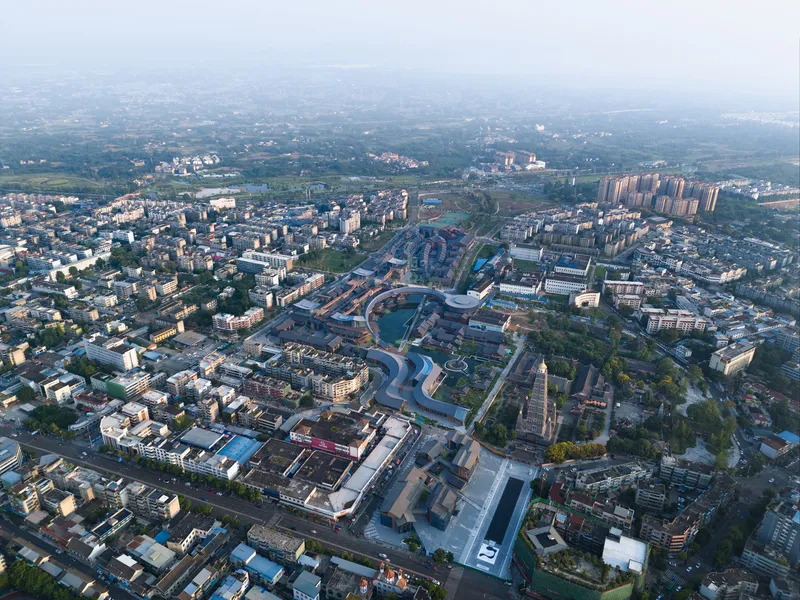
In the bustling old town of Pengzhou city, a transformative urban renewal project unfolds, led by the innovative BIAD-ASA Studio. At the core of this endeavor lies the Chengdu Pengzhou Longxing Temple Area, a region steeped in history, culture, and the echoes of a thousand years. This comprehensive renewal project not only revitalizes a key historic district but also sets a benchmark for integrating modern urban planning with cultural preservation.
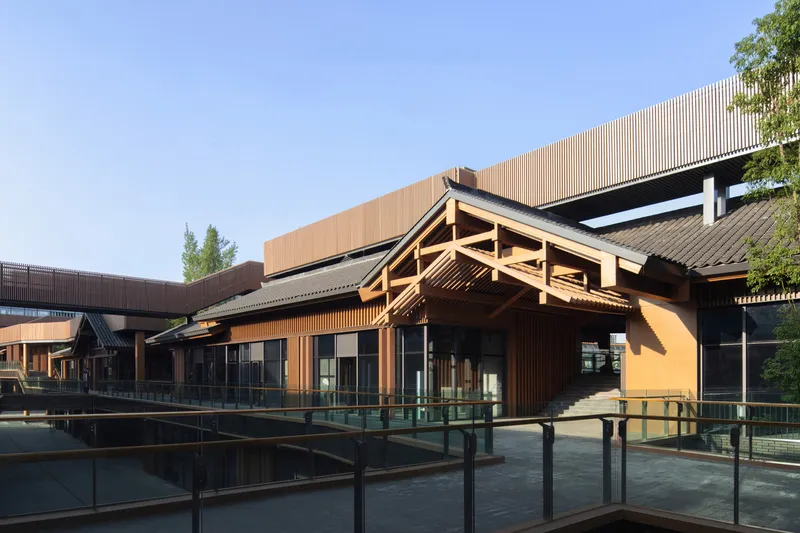
Reimagining Pengzhou’s Urban Core
Crafting a New Urban Center
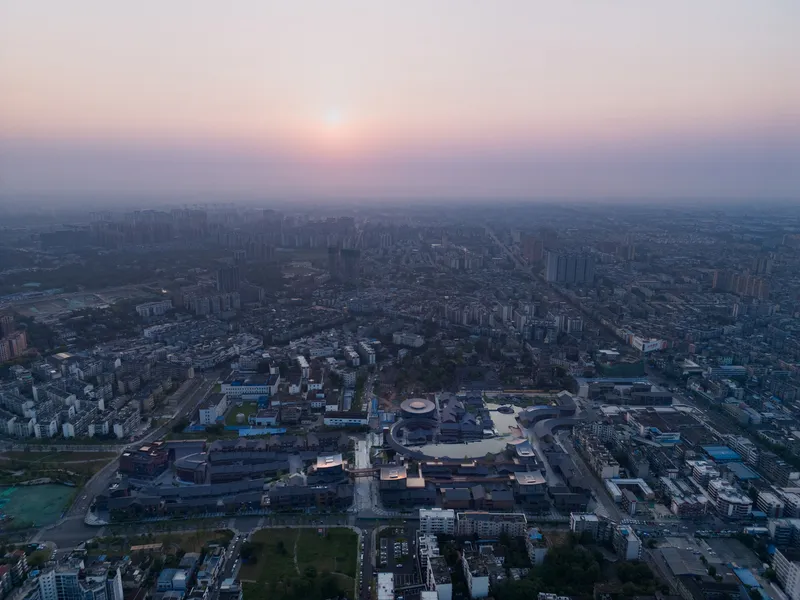
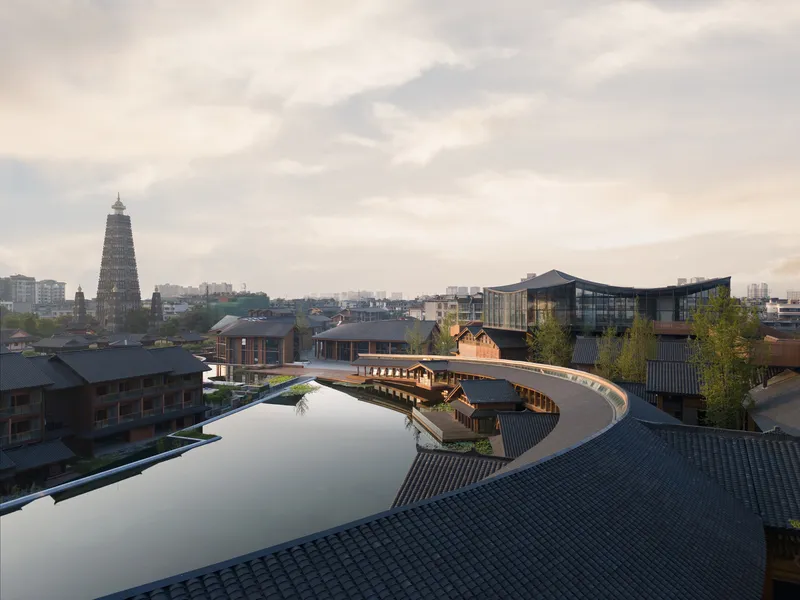
The vision behind the renewal of the Chengdu Pengzhou Longxing Temple Area was to create a vibrant new center for Pengzhou city that harmoniously blends commerce, culture, hotels, and residences. This ambitious goal required a meticulous balance of development and operating costs, ensuring a sustainable future for the area's rejuvenation.
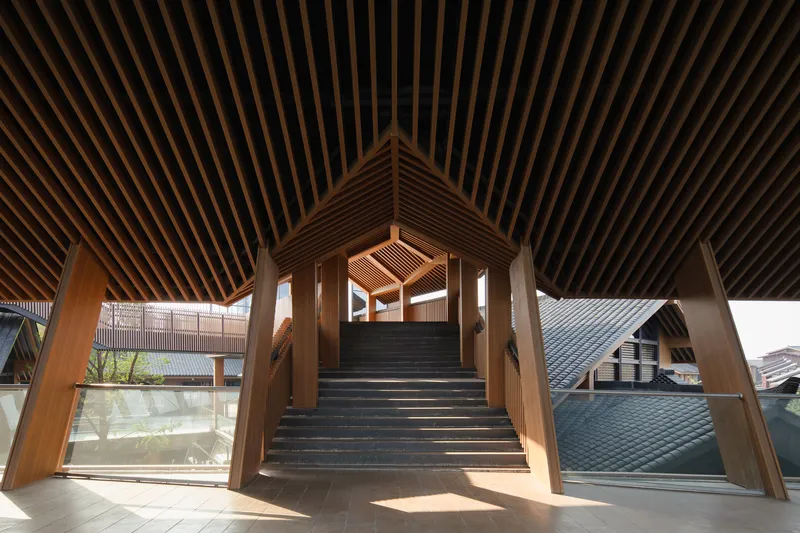
Seamless Integration of Commercial and Cultural Functions
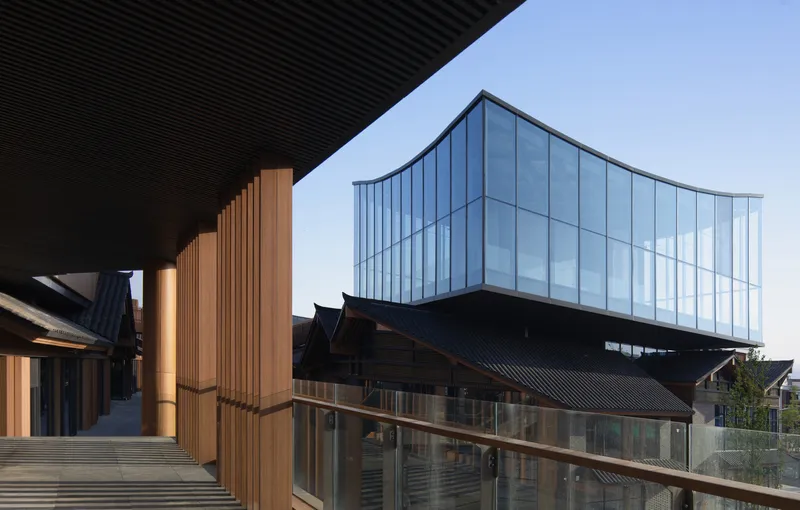
The project navigates the delicate balance between commercial viability and cultural significance, employing a strategy of "functional segmentation and dynamic integration". This approach ensures that the renewed district serves both its residents and the broader community, fostering a lively, culturally rich urban environment.
Preserving Tradition through Contemporary Design
Reviving Traditional Spatial Images
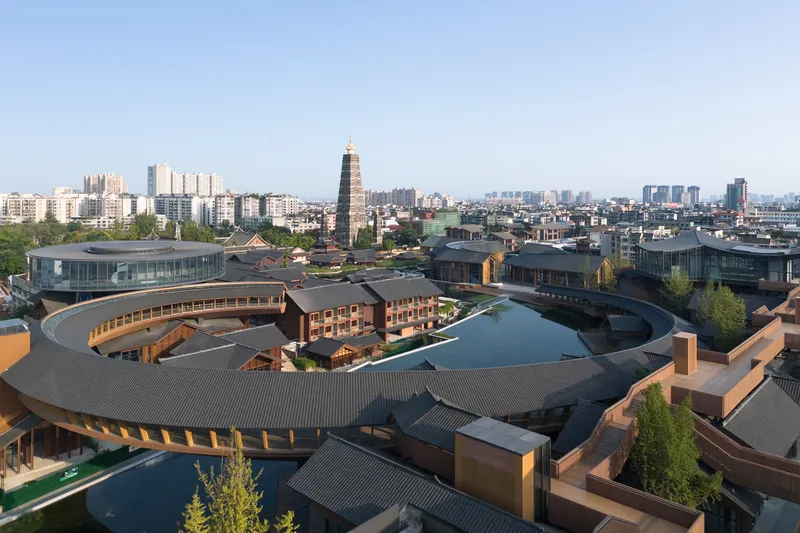
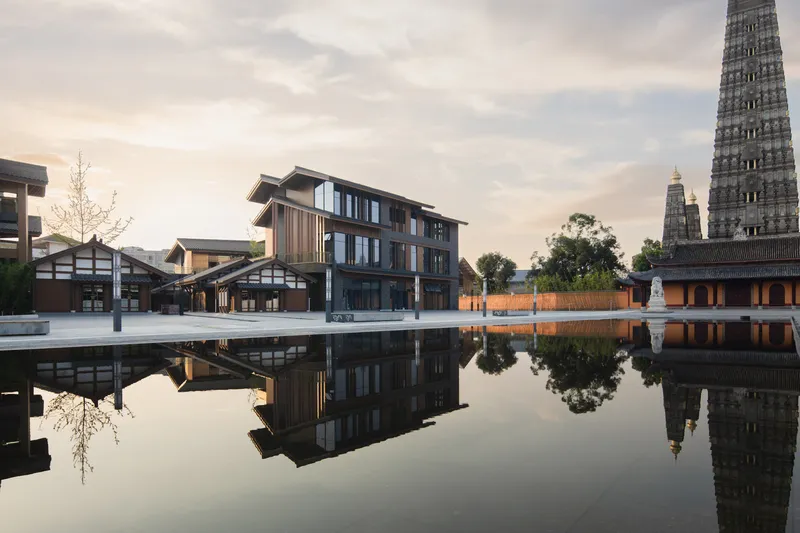
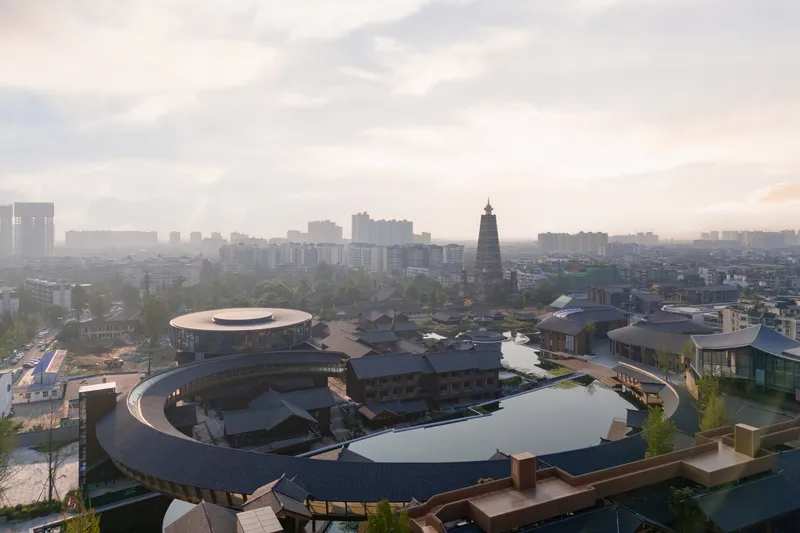
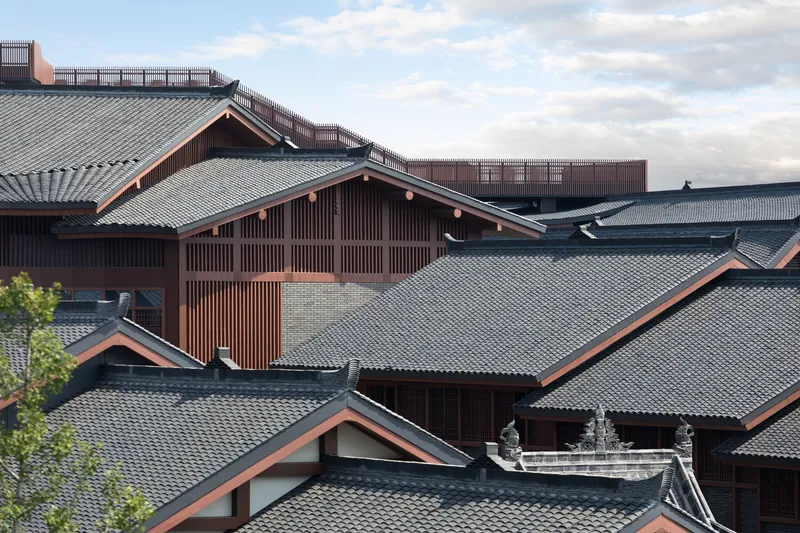
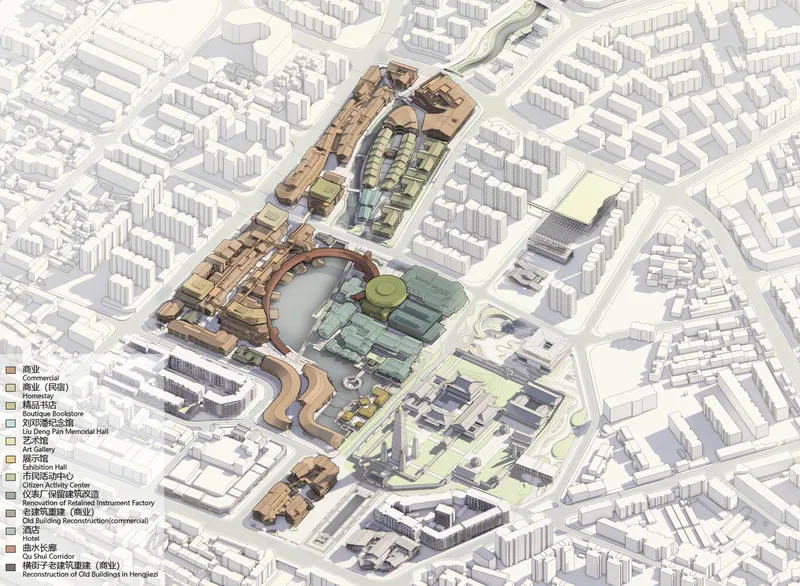
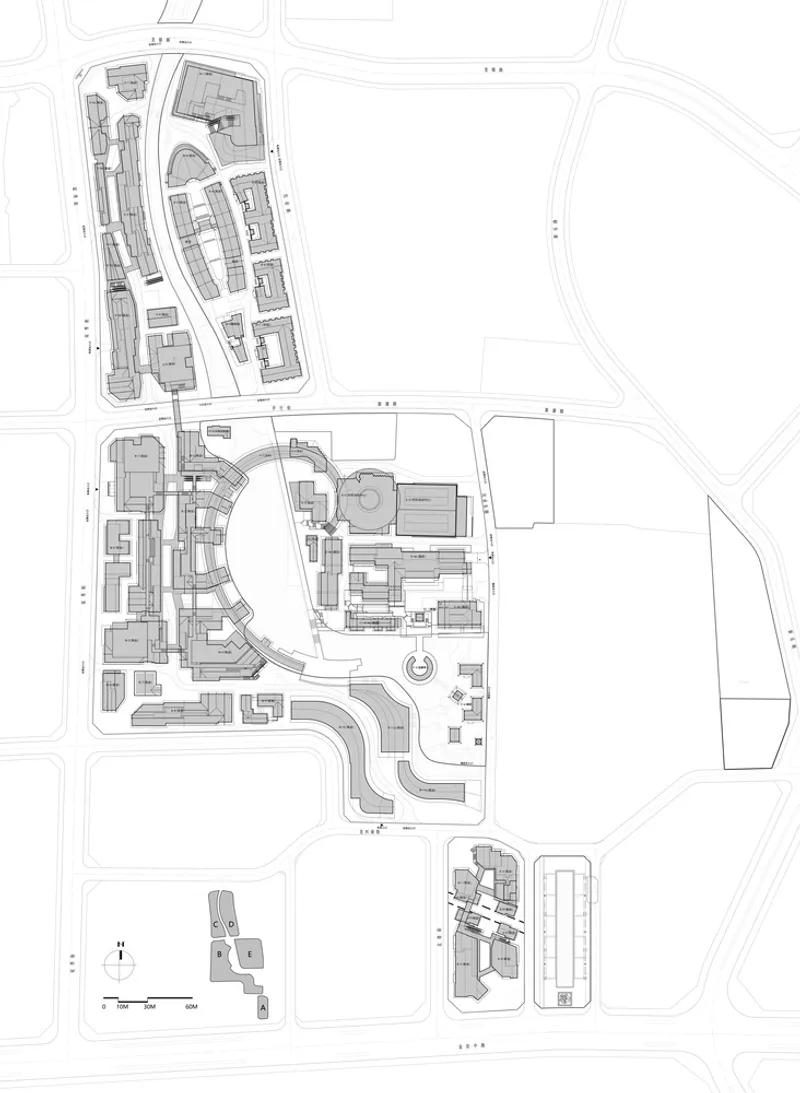
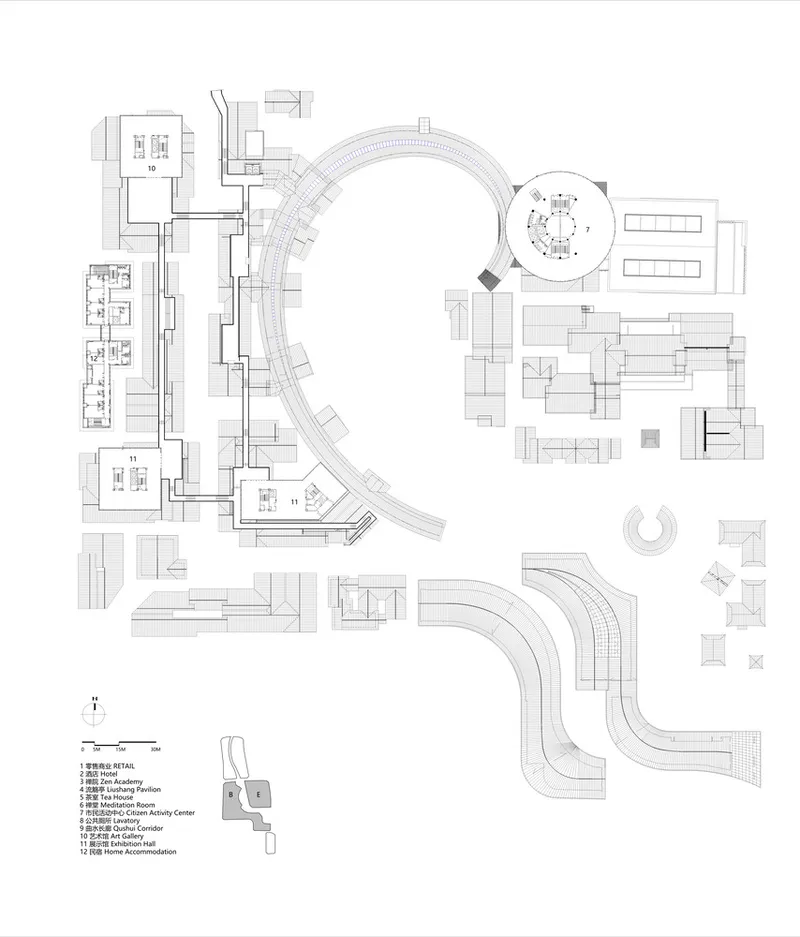
BIAD-ASA Studio embarked on a journey to architecturally represent the city's history, focusing on three key traditional spatial images: "Ten-side Bush", "Pitched-roofs", and "Sky-Line". Each element draws inspiration from the region's historical layout, architectural styles, and urban skyline, thoughtfully integrated into the modern design.
Ten-side Bush: Embracing Nature and Heritage
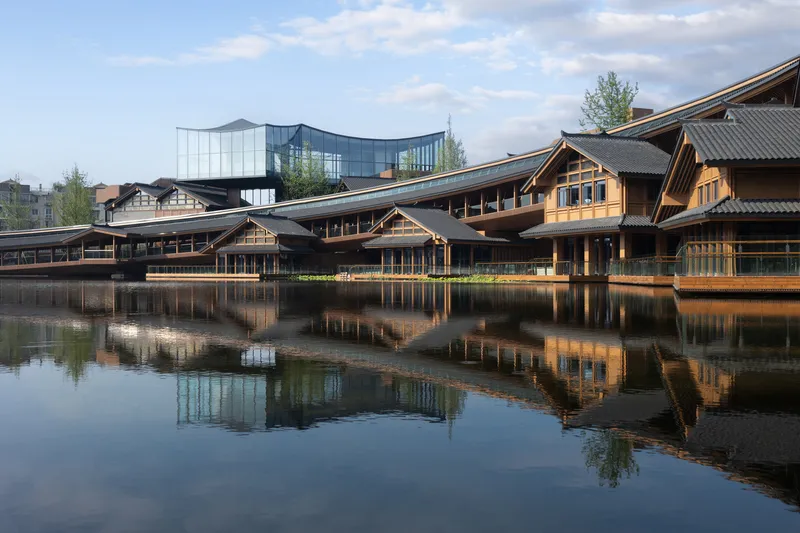
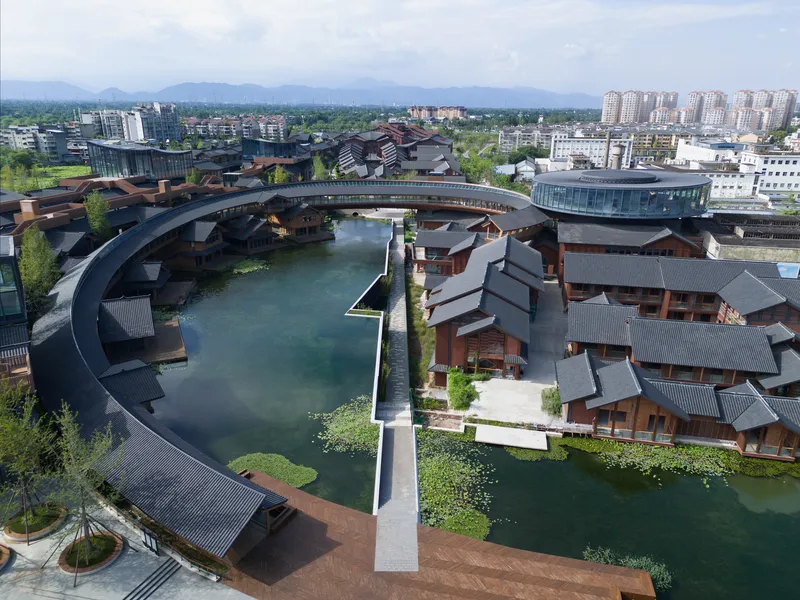
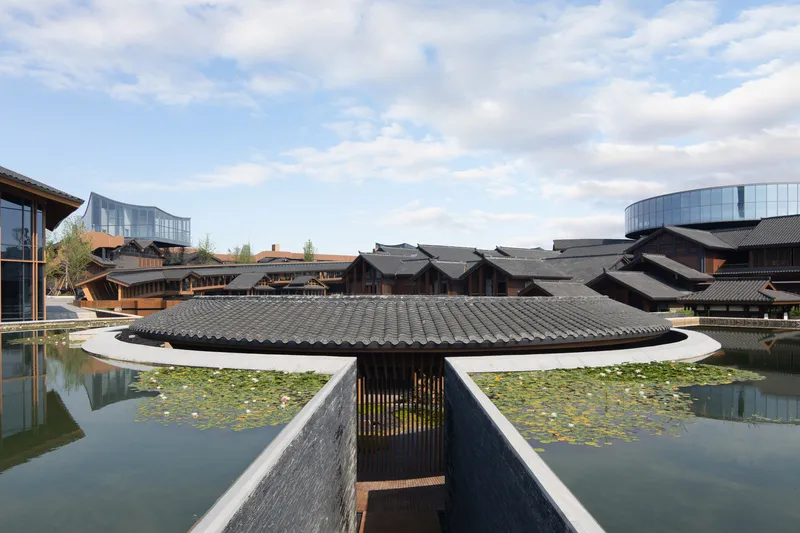
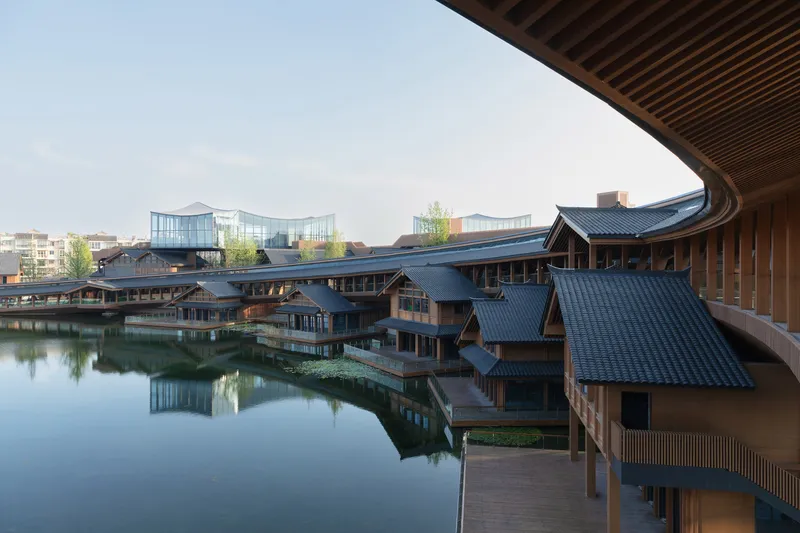
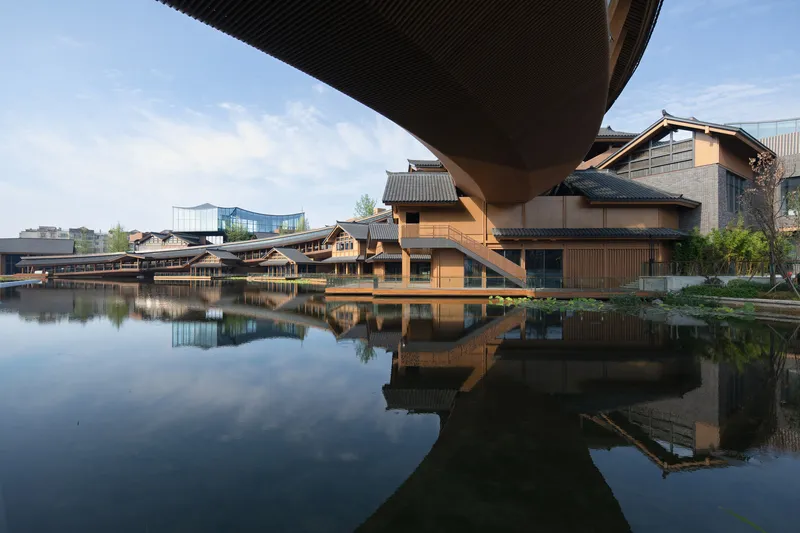
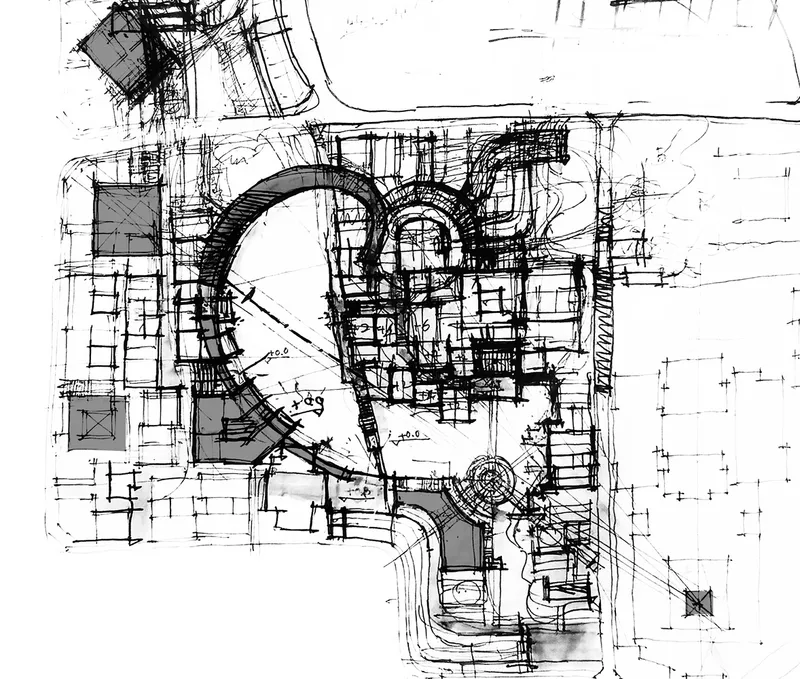
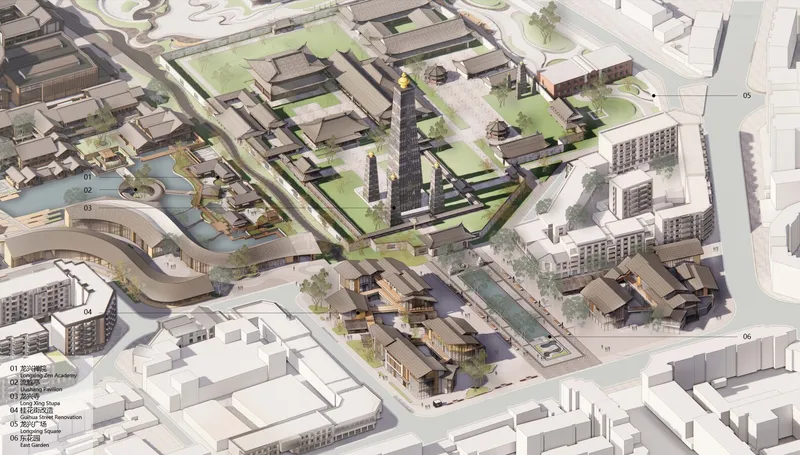
Centering around the Longxing Temple, the design revitalizes the surrounding environment, transforming abandoned factories into green spaces and reintroducing water elements to reflect the area's natural beauty.
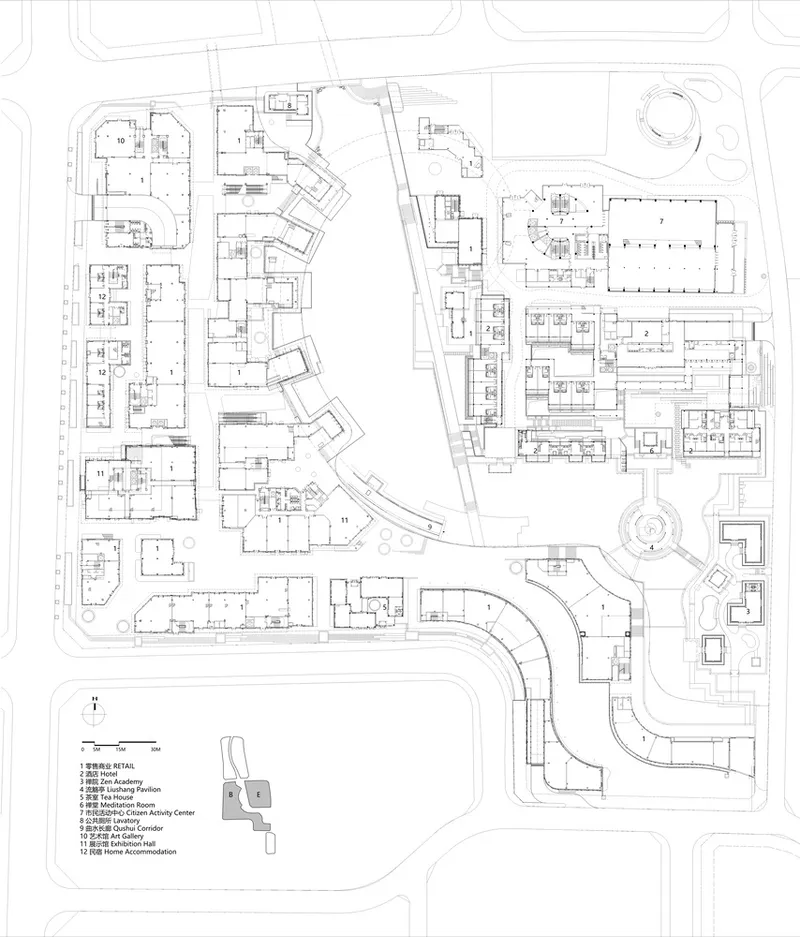
Pitched-roofs: A Nod to Local Urban Imagery
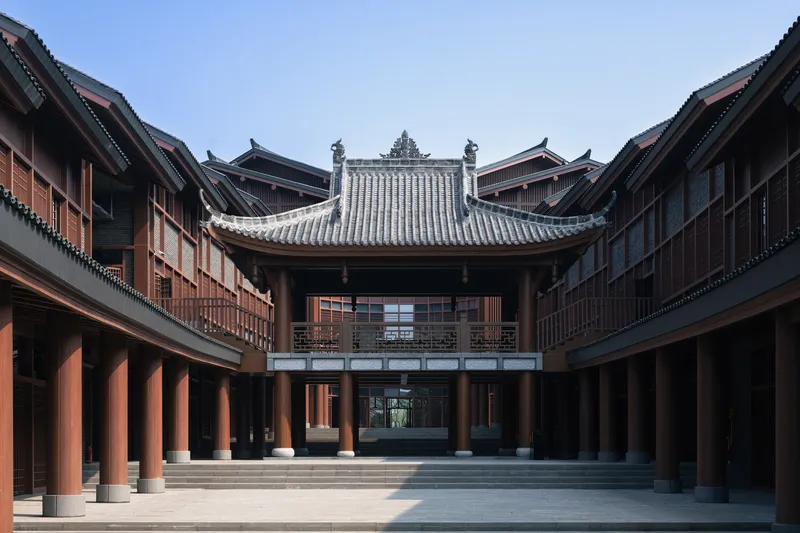
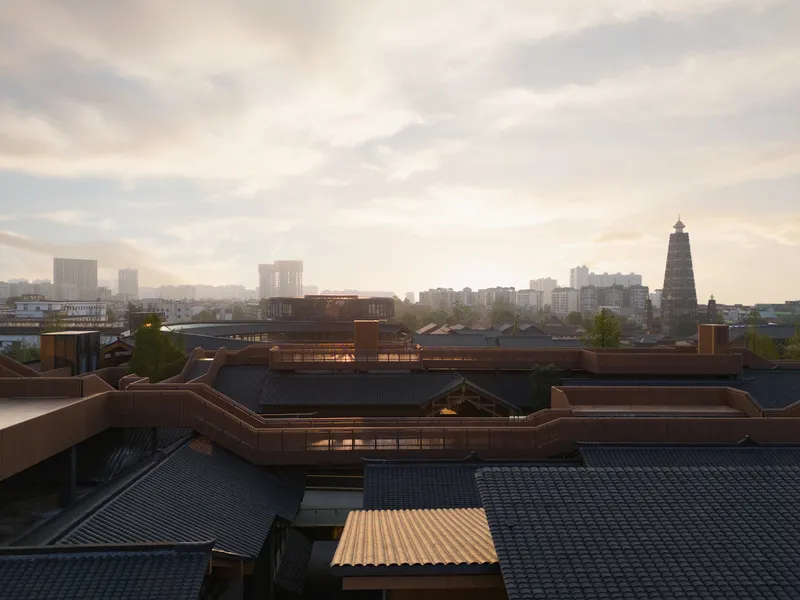
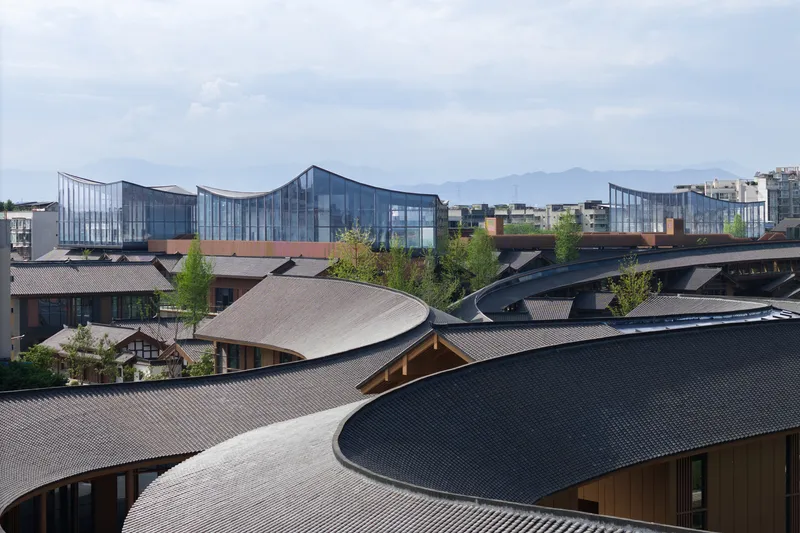
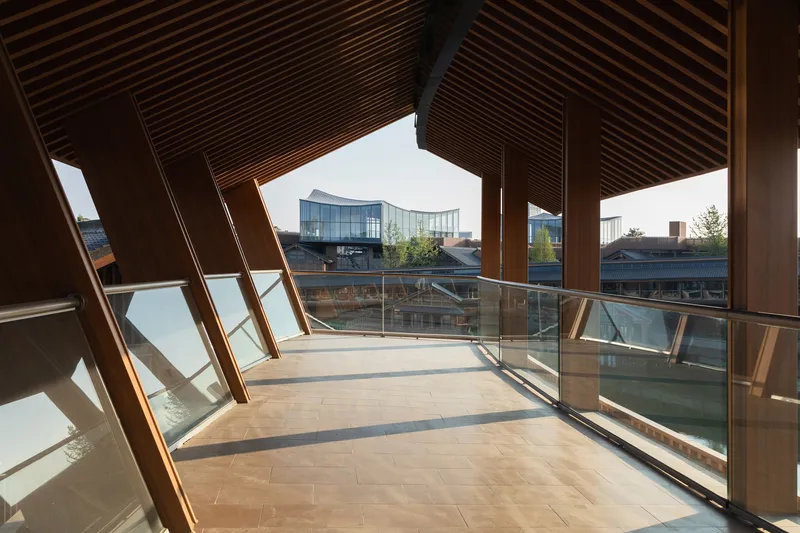
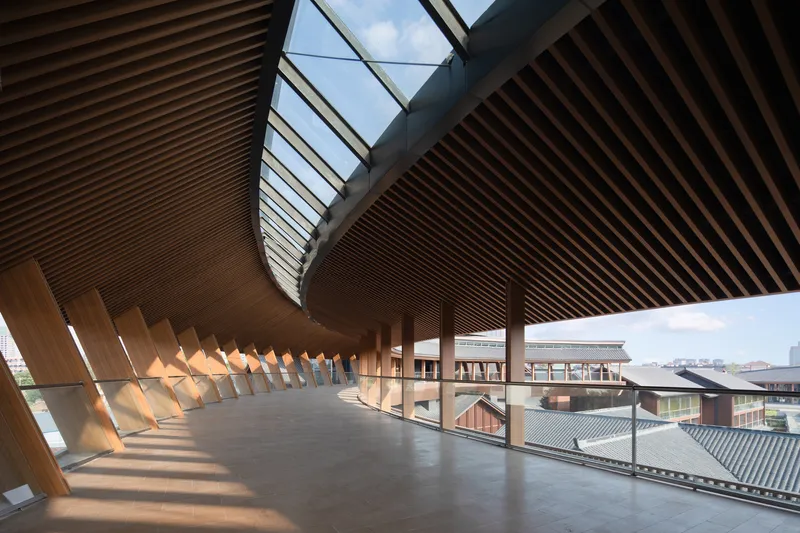
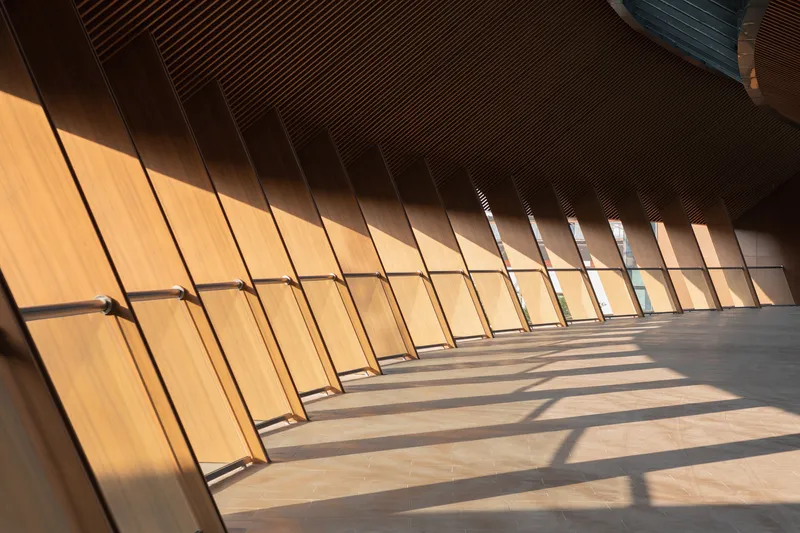
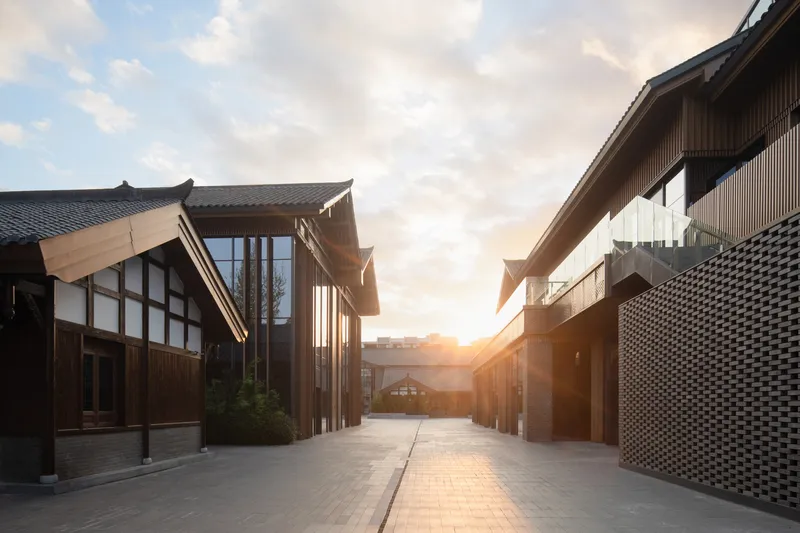
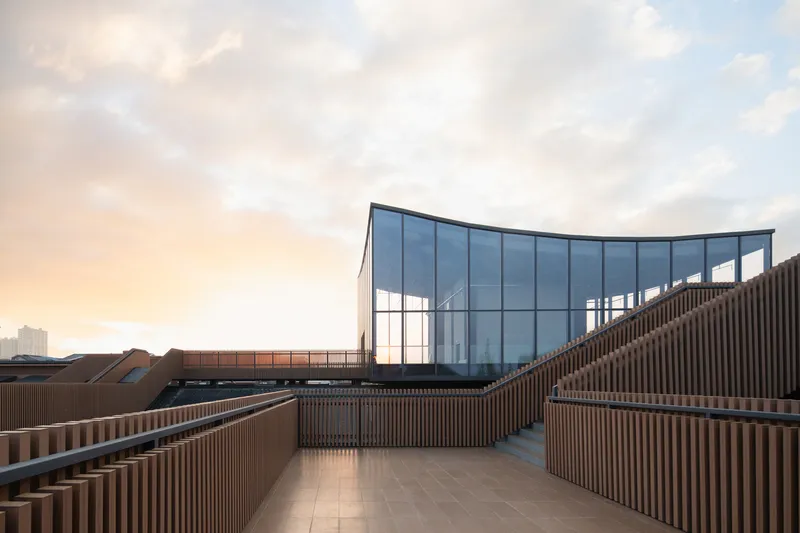
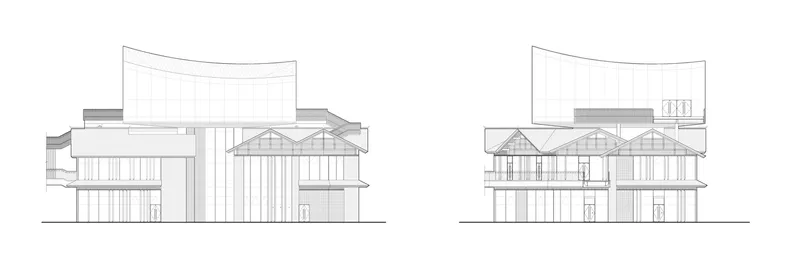
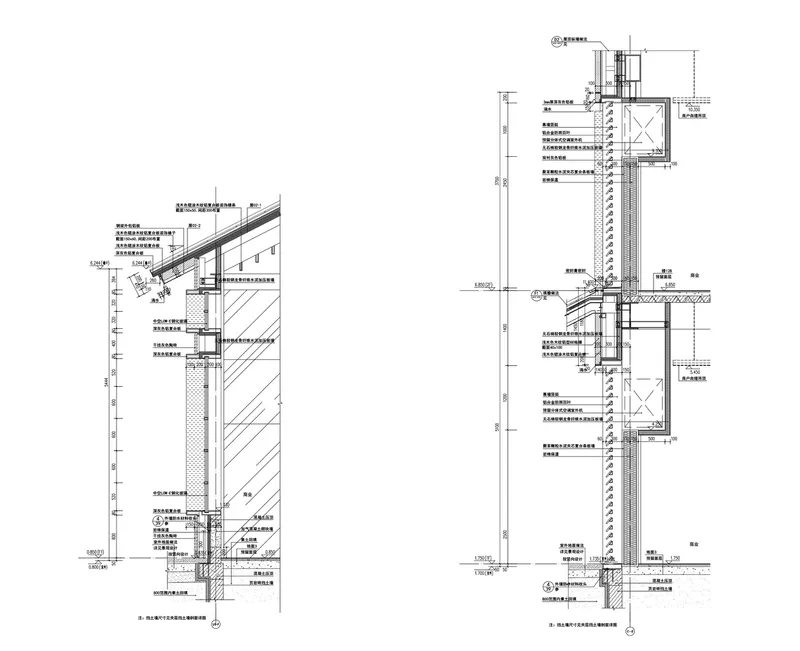
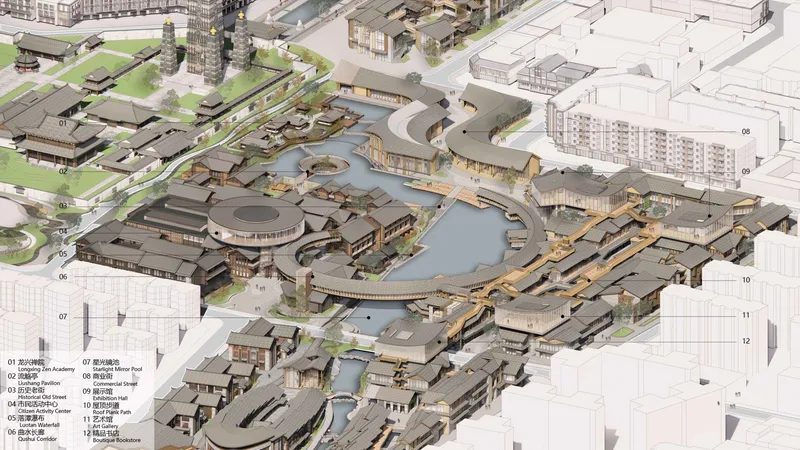
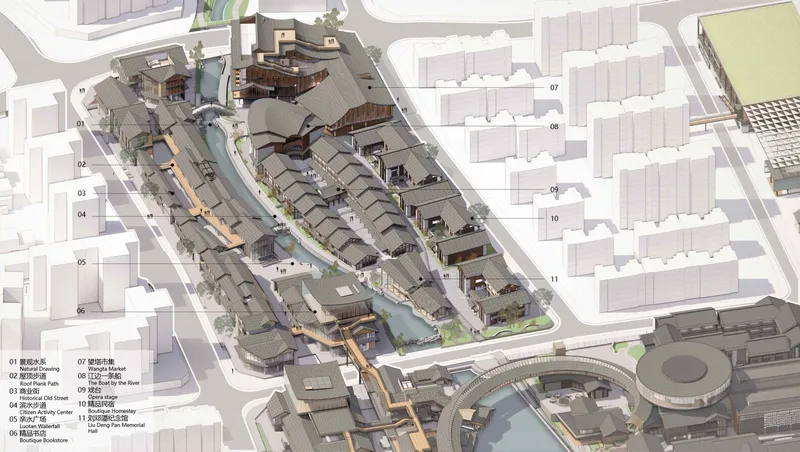
The iconic sloping roofs that once defined the local urban landscape until the 1990s are reinterpreted in the project. This design choice not only pays homage to the architectural heritage but also creates dynamic public spaces filled with walkways and platforms, offering residents and visitors a taste of traditional city life.
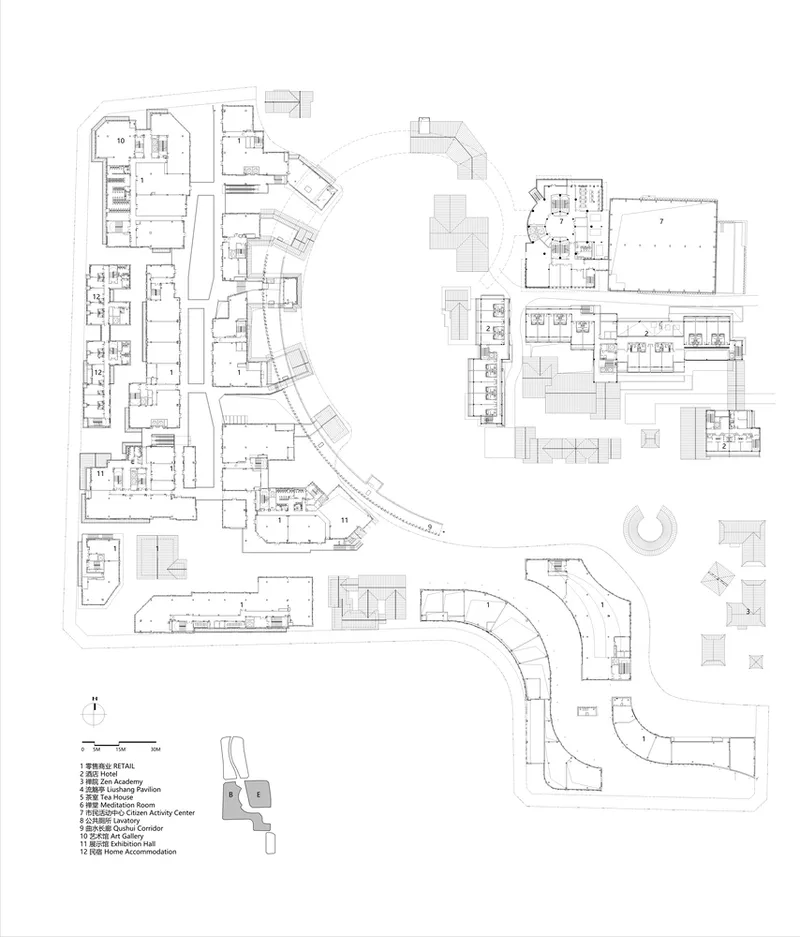
Sky-Line: Reshaping the Urban Silhouette
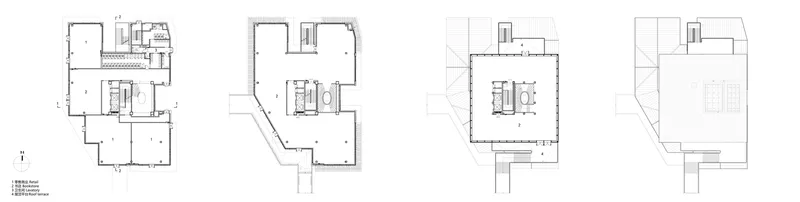
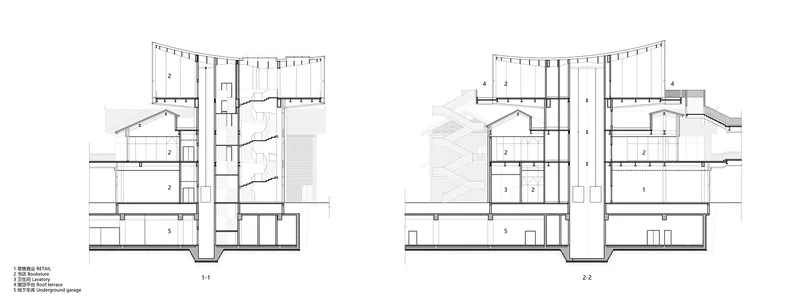
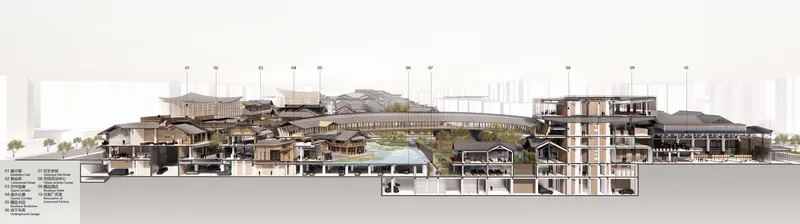
By limiting commercial buildings to three floors and emphasizing detached cultural buildings, the project recreates the traditional urban skyline, reminiscent of ancestral temples and historical structures, thus maintaining the city's unique visual identity.
Creating Multi-Dimensional Public Spaces
Landscape Integration and Public Engagement
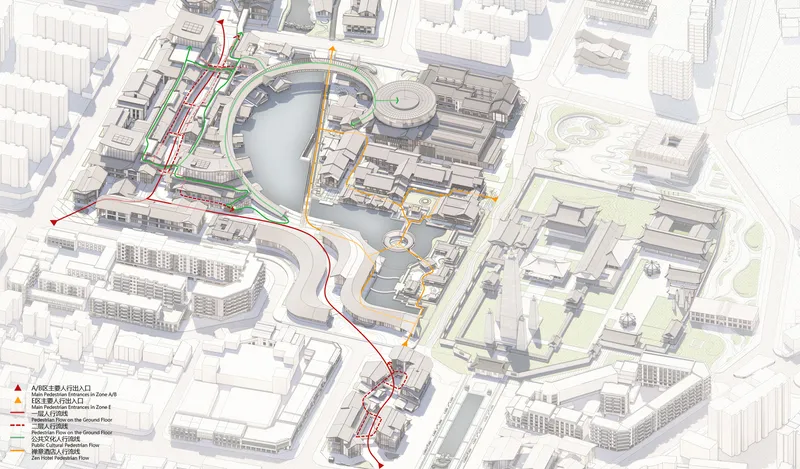
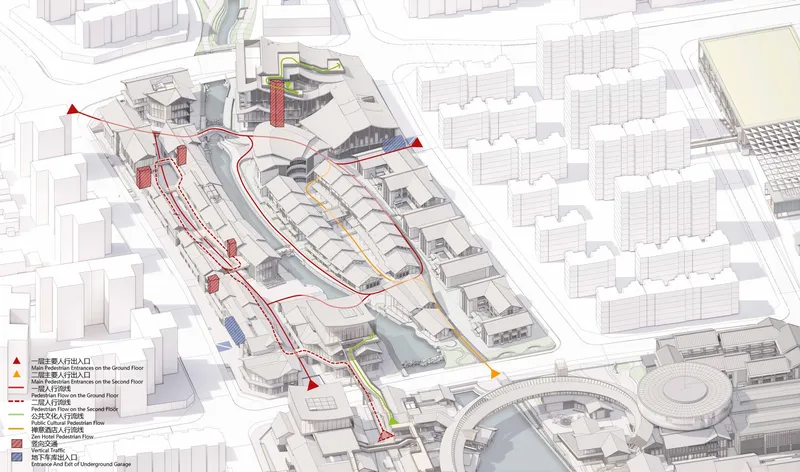
The project pioneers the creation of three-dimensional landscape public spaces that align with traditional aesthetics while accommodating modern functions. An innovative aerial corridor and multi-level pedestrian spaces offer new perspectives and experiences, blending seamlessly with the natural and built environment.
Revitalization without Erasure
The renewal project faces the challenge of preserving Pengzhou's urban memory while meeting contemporary needs. By sorting historic buildings based on their cultural value and adopting differentiated protection measures, the project respects the past while embracing the future.
A Model for Urban Renewal
The Regional Urban Renewal of Chengdu Pengzhou Longxing Temple Area by BIAD-ASA Studio stands as a testament to the possibilities of urban renewal strategies in historic districts. Through a thoughtful blend of traditional imagery, contemporary design, and public engagement, the project breathes new life into Pengzhou's historic core, offering a vibrant, culturally rich urban space for future generations. This case study not only revitalizes a significant area of Chengdu but also provides valuable insights into sustainable urban development, cultural preservation, and the dynamic integration of commercial and cultural functions.
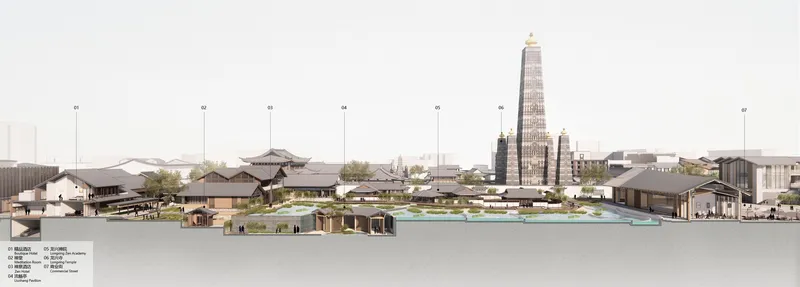
All photographs are work of Arch-Exist, BIAD-ASA Studio




Popular Articles
Popular articles from the community


The Musturak Paradise: Senior Living Architecture for a Connected Future in Temara, Morocco
The Musturak Paradise reimagines senior living architecture in Temara via private homes, social spaces, culture, community, and shared care.

The Earth Pod: 3D Printed Homes for Resilient Refugee Communities
The Earth Pod reimagines refugee housing through 3D printed homes made from clay, combining resilience, self-sufficiency, and rapid shelter.

Conexión: Biophilic Design Reimagines High-Rise Living in Hong Kong
Conexión reimagines high-rise living in Hong Kong through biophilic design, green facades, shared spaces, daylight, water and nature within.

Co-life: Sustainable Architecture for Age-Friendly Community Living
Co-life reimagines sustainable architecture for seniors through courtyards, rammed earth, shared gardens, and spaces designed for belonging.

Similar Reads
You might also enjoy these articles


Hodi-Mandai Geram
Project Function: Preservation and revitalization of the Intangible heritage and socio-spatial identity of the Hodi by Housing, Cultural Memory Center, Sacred Grove, landscape, local tourism economy


Olio Towers: A Mid-Rise for Performers That Fuses Housing, Rehearsal, and Stage
Located blocks from Houston's Theater District, this modular tower stacks living units around a central performance atrium.

Oasis: Modular Green Housing Carved into Dhaka's Urban Fabric
A shortlisted Plugin Housing entry reclaims unauthorized settlements in Dhaka with stepped concrete volumes, green roofs, and ventilation-driven design.

Black Hole: A Floating Megastructure for the Post-Physical Era
Emiliano Mazzarotto envisions a spherical, self-scaling arena where e-sports, digital hotels, and holographic stadiums replace traditional public space.
Explore Chengdu Competitions
Discover active competitions in this discipline



Challenge to reimagine the Iron Throne


Photograph architecture without architects


Illustrate the lost glory of Angkor Wat - Render Challenge


Design challenge to reuse E-waste
Comments (0)
Please login or sign up to add comments
No comments yet. Be the first to comment!