

Villa T By la obra: A Light-Filled Retreat Rooted in Material Honesty
Villa T by la obra transforms an existing apartment into a light-filled, monastic retreat through integrated furniture, honest materials, and calm spatial flow.


Villa T is a thoughtful residential renovation by la obra that reinterprets an existing apartment in León, Spain, transforming it into a serene, light-driven domestic refuge. Originally known as Villa Terraza, the home already carried within it a quiet ambition: to be shaped by sunlight, openness, and everyday rituals. This foundational idea guided the entire architectural approach, allowing the project to evolve through sensitivity rather than excess.
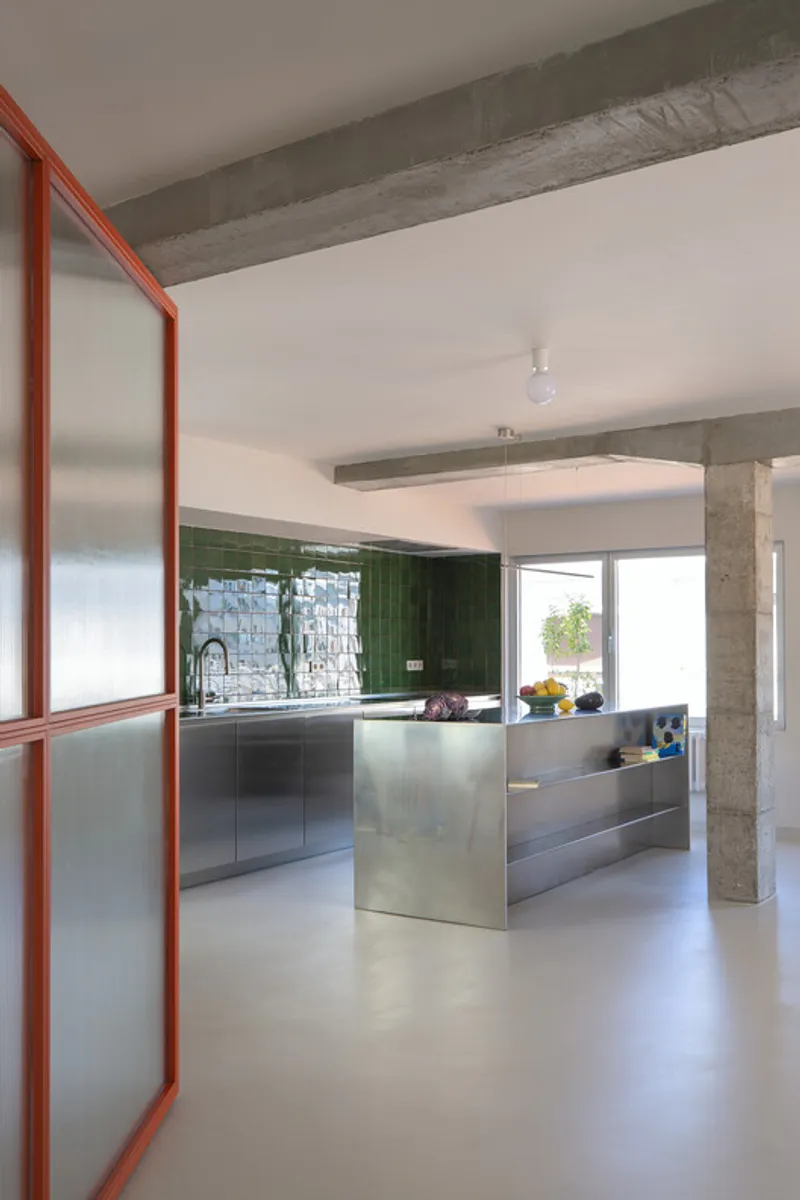
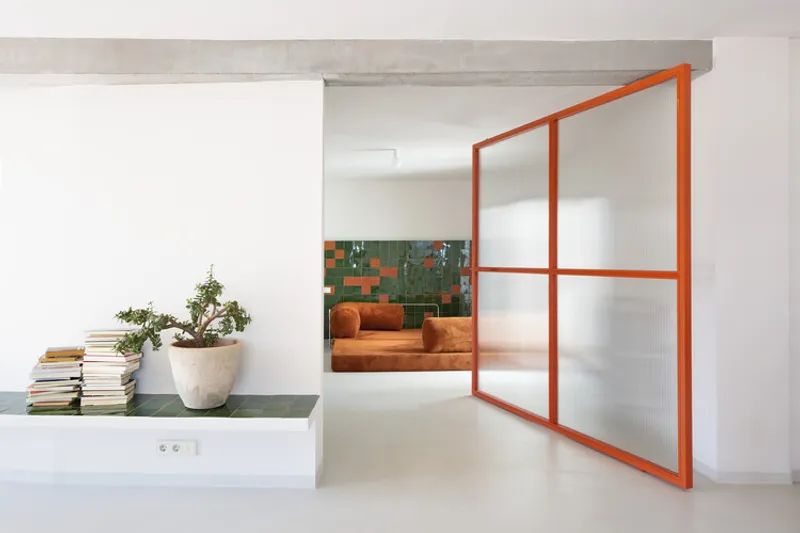
The apartment opens toward multiple orientations, enabling natural light to choreograph daily life. Morning brightness, soft afternoon glow, and long shadows at dusk establish a rhythm that defines how the space is inhabited. Rather than imposing a new identity, the design amplifies what was already present: light, calm, and the desire for simplicity.
Villa T celebrates the value of building carefully outside major urban centers, proving that refined contemporary architecture can thrive in slower, more contemplative environments. The house is conceived as a setting for unhurried pleasures: reading in silence, walking barefoot across cool surfaces, resting under natural light. The client’s wish for a calm, almost monastic atmosphere led to a restrained material palette where every element feels essential.
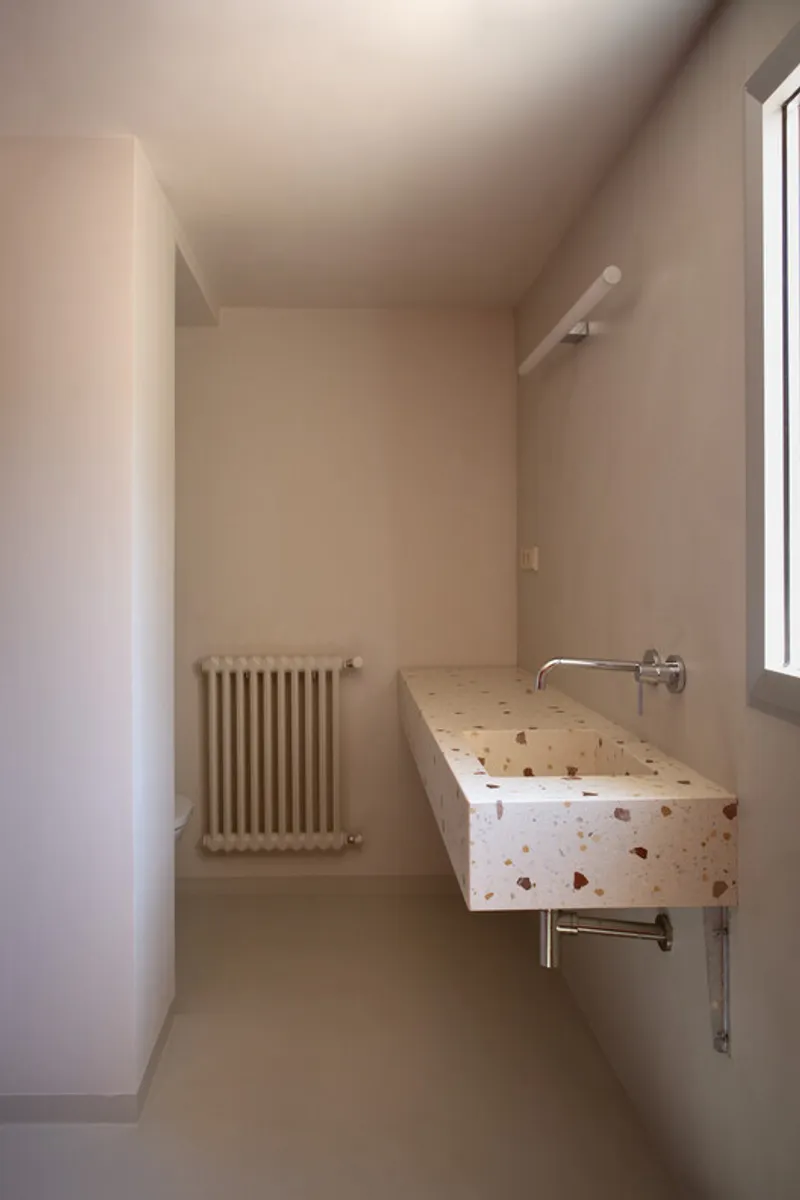
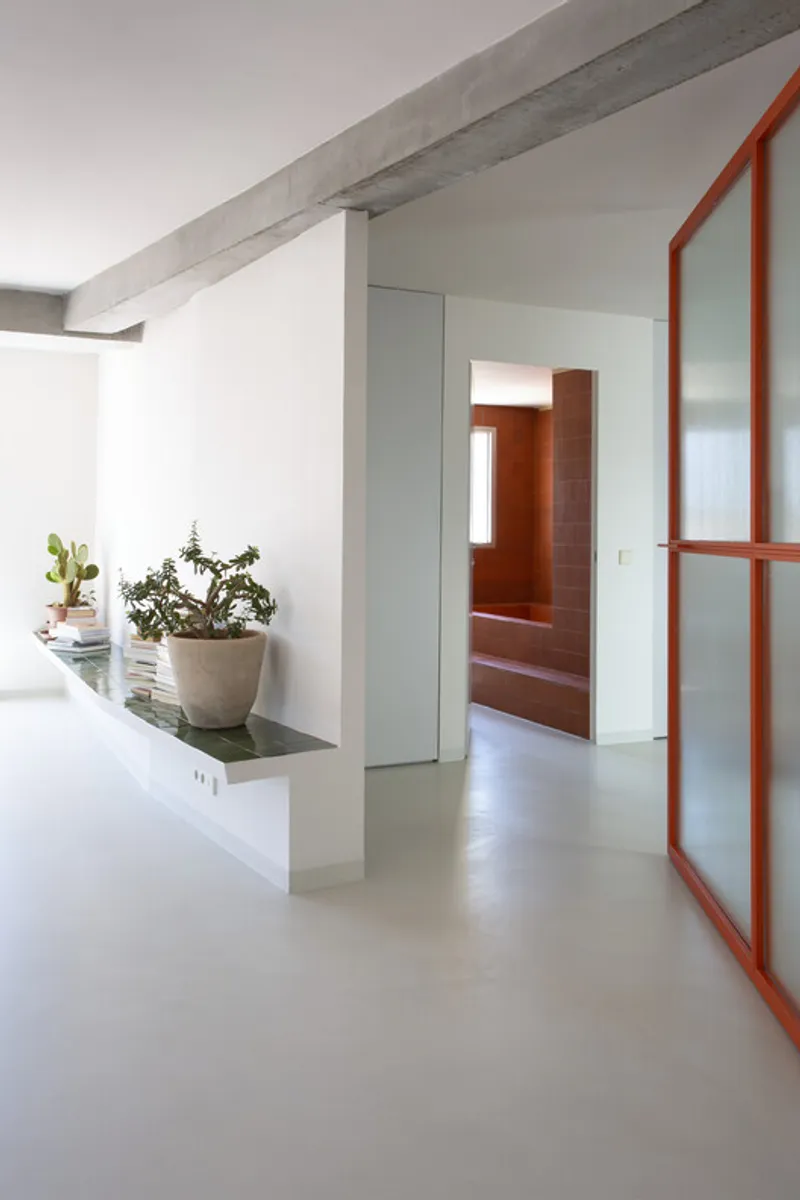
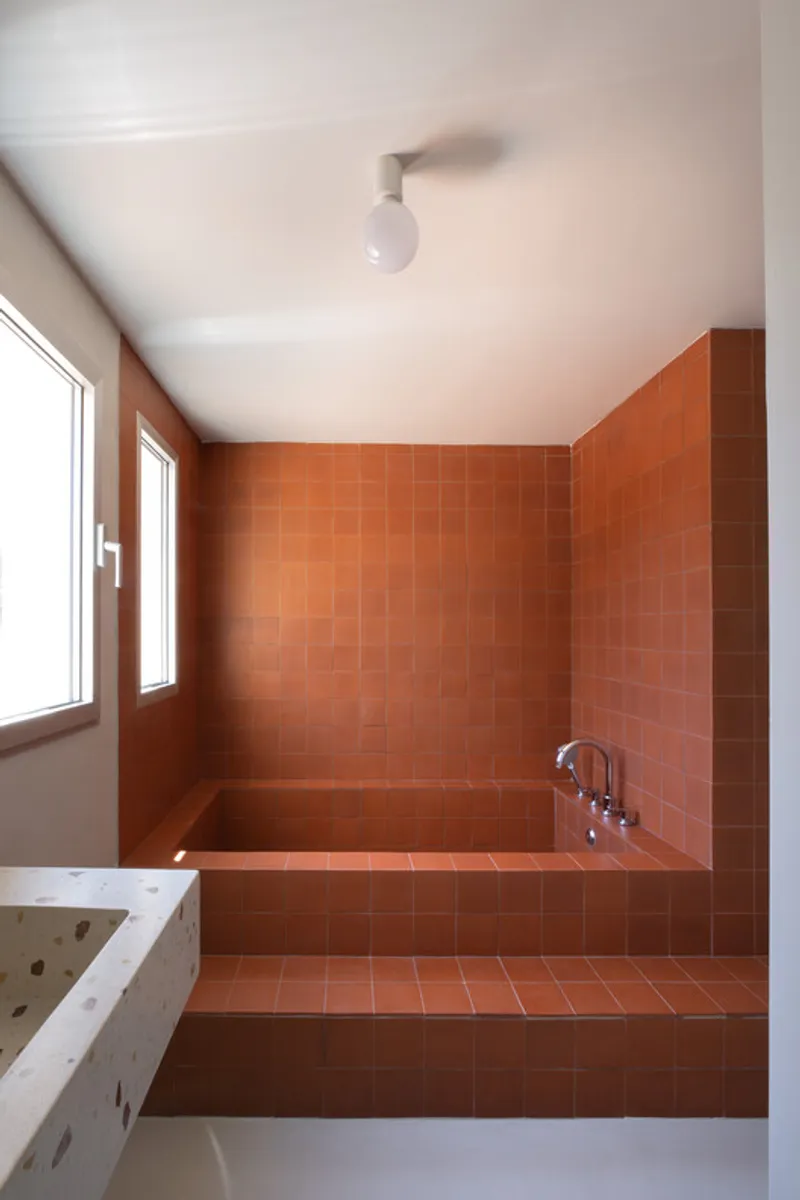
Furniture is not introduced as an afterthought but emerges directly from the architecture. Custom wardrobes grow seamlessly from walls, shelves and headboards follow a consistent modular logic, and a sculptural bathtub becomes part of the home’s interior landscape. A monolithic steel kitchen island anchors the living space, while terrazzo sinks, handmade ceramic elements, and a continuous microcement floor reinforce the tactile coherence of the project.


Local craftsmanship and manual techniques play a central role, elevating humble materials through precision and care. Ceramic pieces: both traditional and contemporary: share dimensions that allow them to function as cladding, steps, and transitions, blurring the boundary between surface and structure. This integration ensures visual continuity while enhancing the spatial flow.
The original layout, marked by unconventional circulation and corner bathrooms, was embraced rather than corrected. A large pivoting steel-and-glass door acts as a flexible partition, allowing the home to adapt to different modes of living. When opened, the interior extends effortlessly toward the terrace, reinforcing a sense of expansion and retreat.
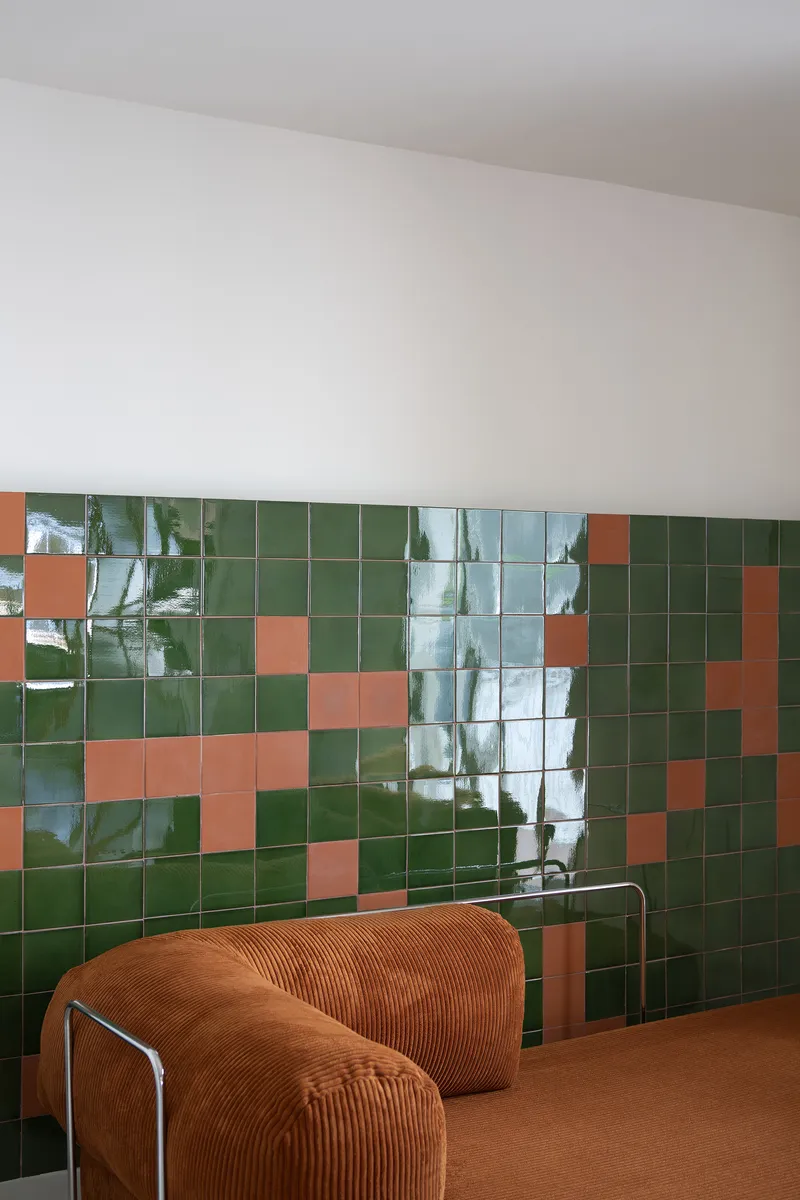
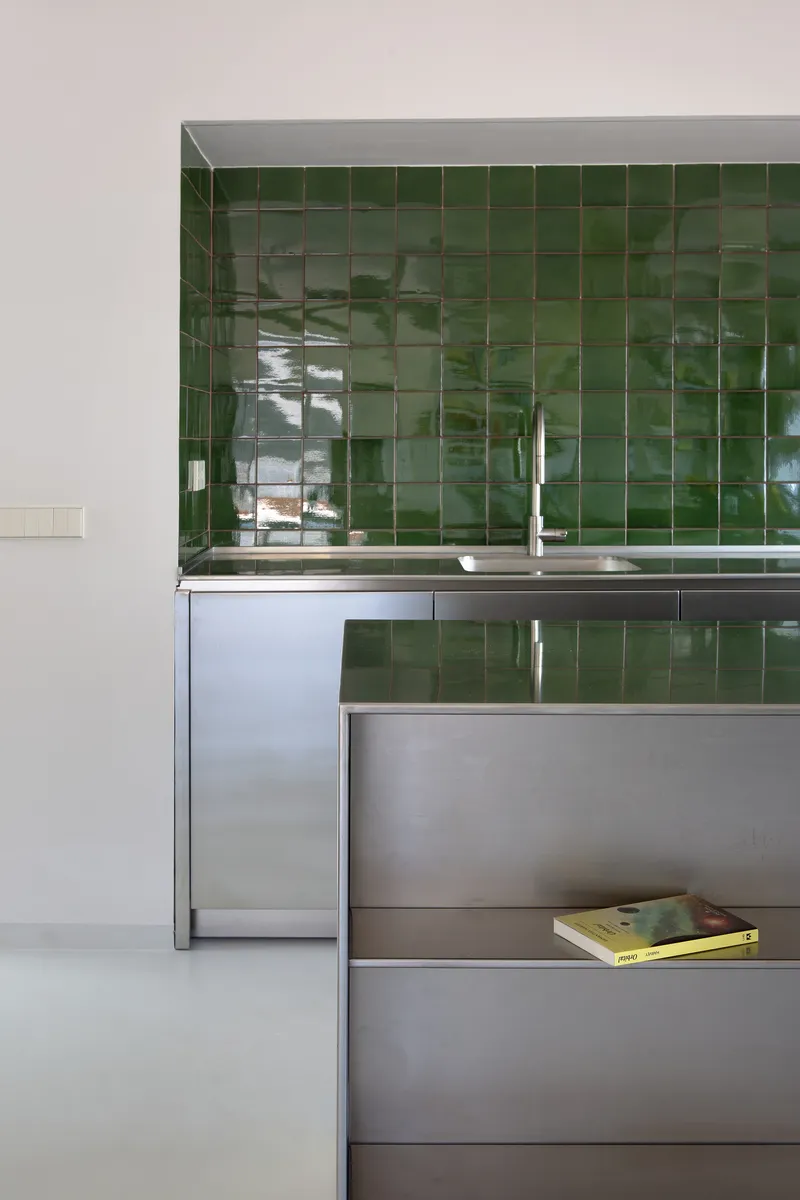
Villa T does not seek spectacle. Instead, it offers a quiet form of luxury: one defined by light, material honesty, and spatial generosity. It demonstrates that living better does not require more, but rather a deeper understanding of what already exists.
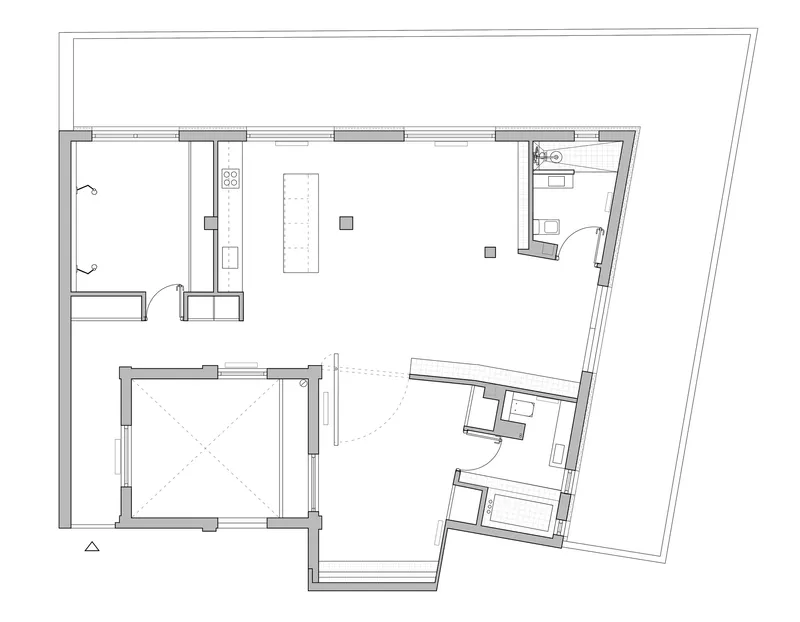
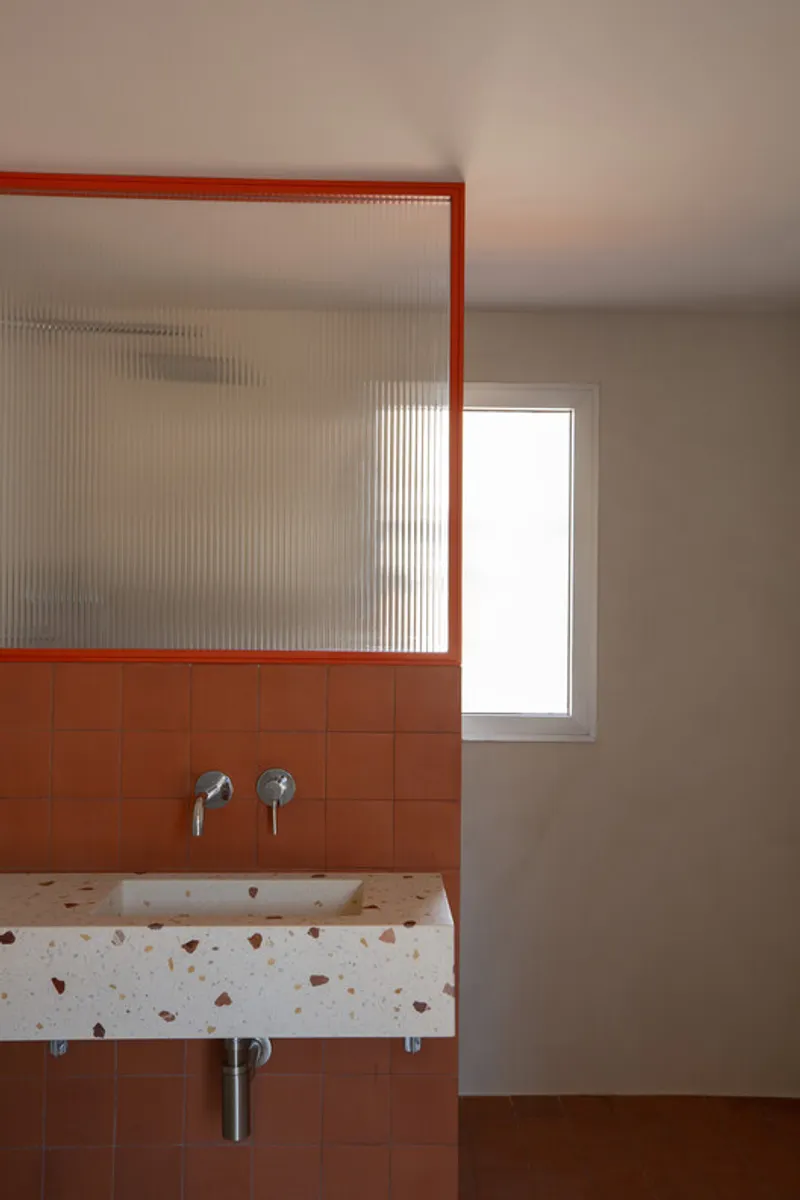
All the photographs are works of Elena Almagro


Popular Articles
Popular articles from the community


Cube Design Draws an Ecological Corridor Between Two Shenzhen Hills with the Nankai Building
Beside Shenzhen's container docks, the Nankai Building pairs stacked balconies with a climbing green screen to connect two hillsides across its height.

David Macias Steps a Doorless Stone and Plaster House Down a Tropical Colombian Hillside
In the humid hills of Colombia, Threshold House replaces the front door with an open void and terraces its 850 m² down the slope instead of fighting it.

U.GA Architects Wraps an Oval Rooftop Pool in Curved Board-Formed Concrete on Busan's Jeollidan-gil
In Busan's Jeonpo-dong, a 454 m² mixed-use block stacks a neighborhood facility, guest rooms and an oval rooftop pool inside spiraling concrete walls.

Jaramillo Van Sluys Arquitectura and Urbanismo Turn a Demolished Registry Lot in Quito into an Orchard Plaza
In Quito's Centro Histórico, a 2,800 m² plaza exposes the San Agustín convent wall and redraws its lost Augustinian orchard in volcanic stone.

Similar Reads
You might also enjoy these articles


Hodi-Mandai Geram
Project Function: Preservation and revitalization of the Intangible heritage and socio-spatial identity of the Hodi by Housing, Cultural Memory Center, Sacred Grove, landscape, local tourism economy


Olio Towers: A Mid-Rise for Performers That Fuses Housing, Rehearsal, and Stage
Located blocks from Houston's Theater District, this modular tower stacks living units around a central performance atrium.

Oasis: Modular Green Housing Carved into Dhaka's Urban Fabric
A shortlisted Plugin Housing entry reclaims unauthorized settlements in Dhaka with stepped concrete volumes, green roofs, and ventilation-driven design.

Black Hole: A Floating Megastructure for the Post-Physical Era
Emiliano Mazzarotto envisions a spherical, self-scaling arena where e-sports, digital hotels, and holographic stadiums replace traditional public space.

Explore Villa Vernacular Competitions
Discover active competitions in this discipline

Challenge to design luxury tourism on rails

Challenge to reimagine the Iron Throne

Photograph architecture without architects

VR headsets Storefront design competition
Comments (0)
Please login or sign up to add comments
No comments yet. Be the first to comment!