
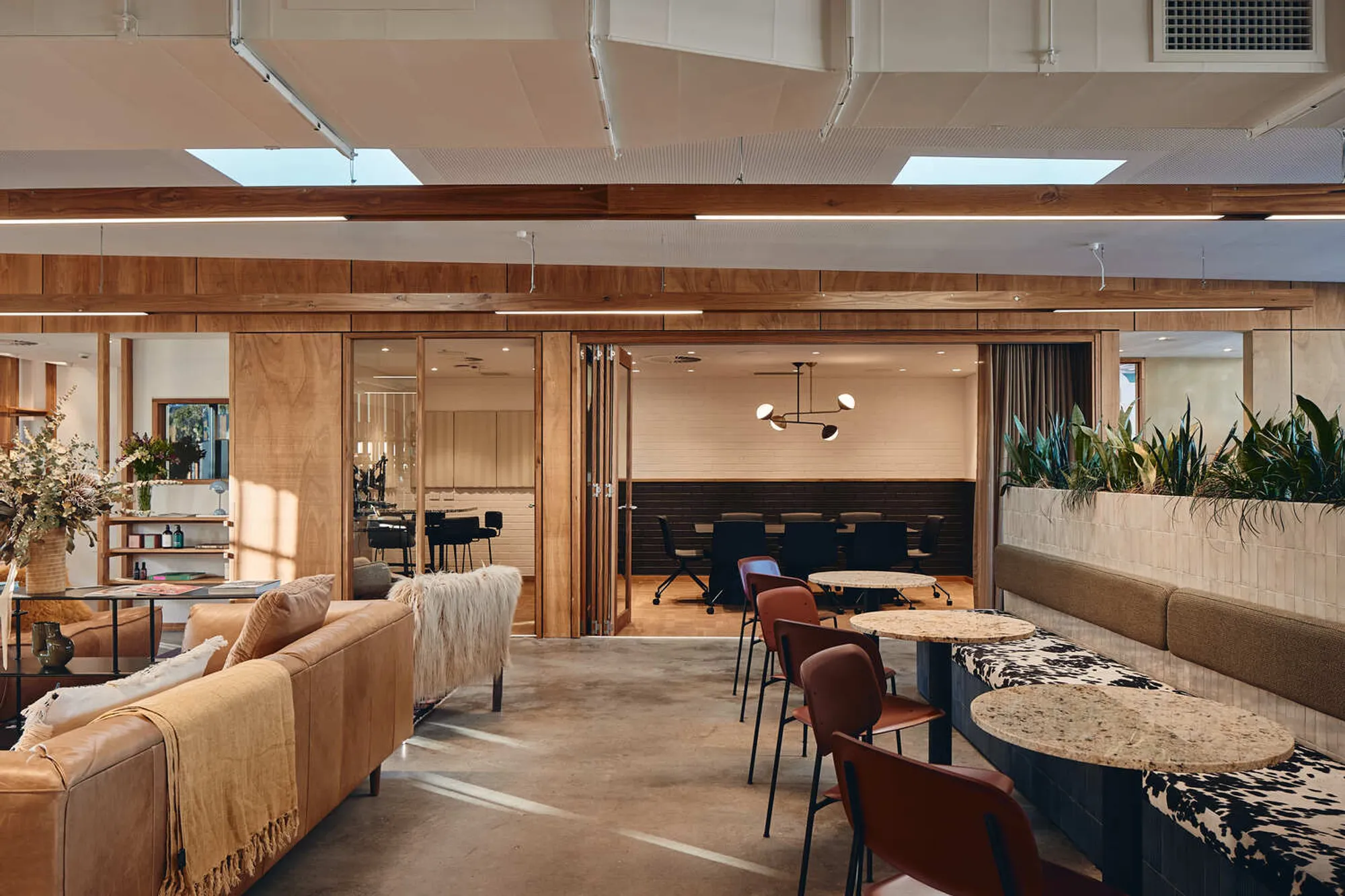
Vitality House + Works: A Pioneering Mixed-Use Wellness and Workspace Architecture in West Leederville
An innovative mixed-use wellness and workspace architectural project combining adaptive reuse, nature, and community in West Leederville, Australia.


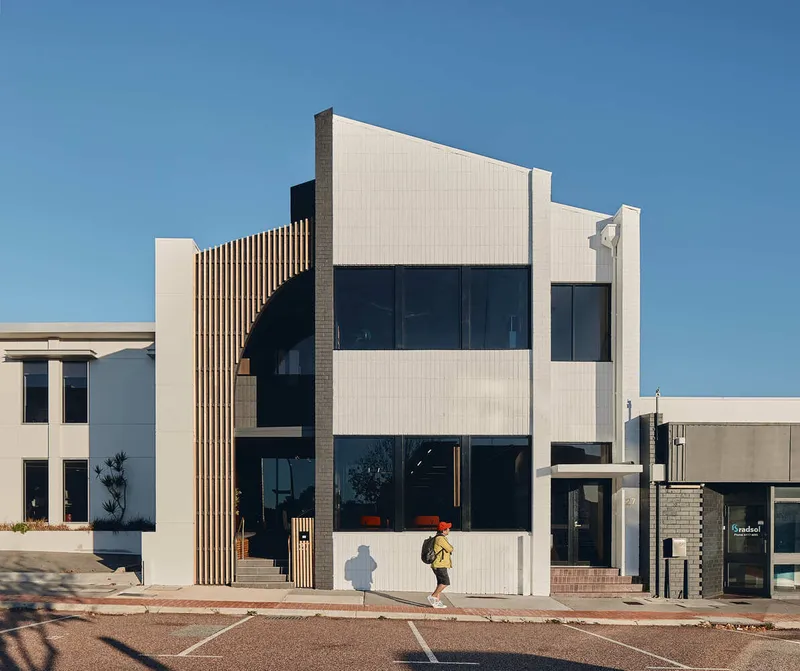
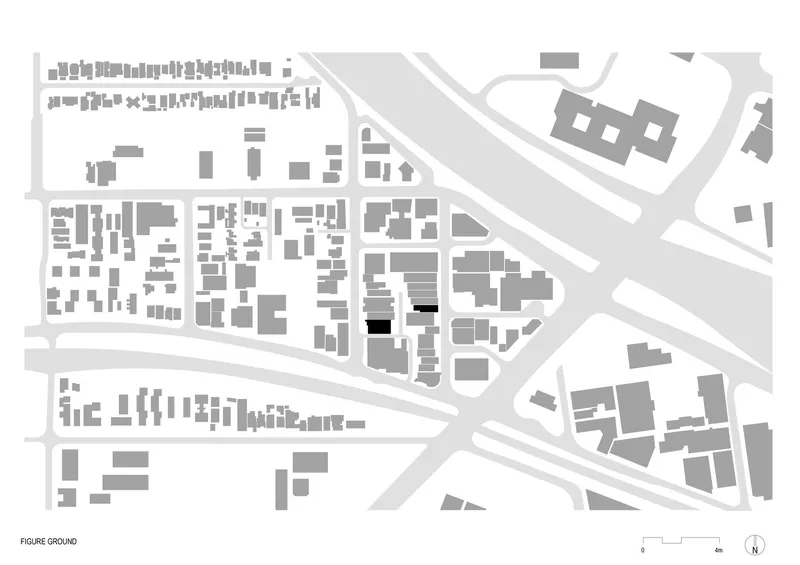
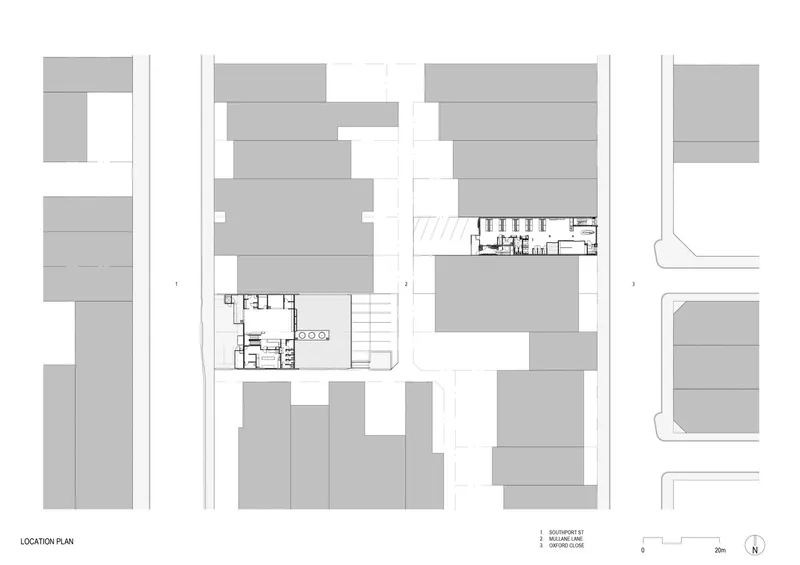
Located in West Leederville, Australia, the Vitality House + Works project by iredale pedersen hook architects exemplifies innovative mixed-use wellness and workspace architecture. This architectural gem, completed in 2024, transforms tired existing buildings into vibrant, multifunctional spaces that foster wellbeing, purpose, connection, and the joy of life for its members.
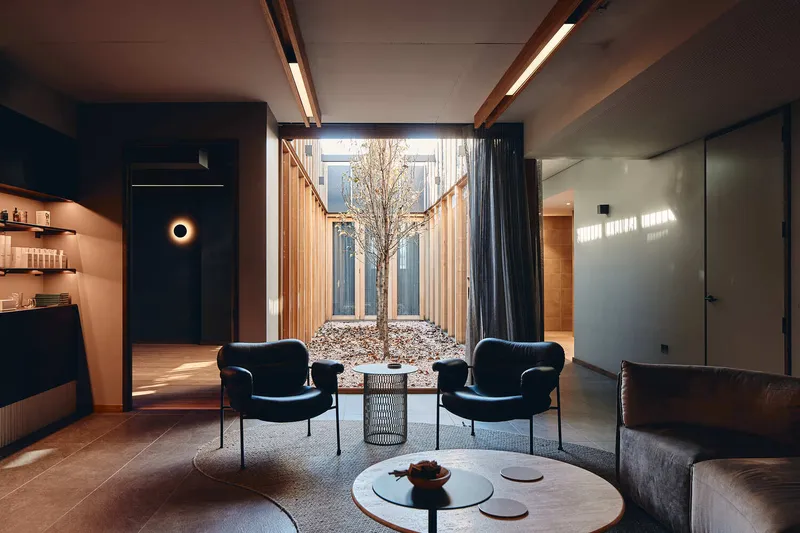
Integration of Wellness and Work in Architecture
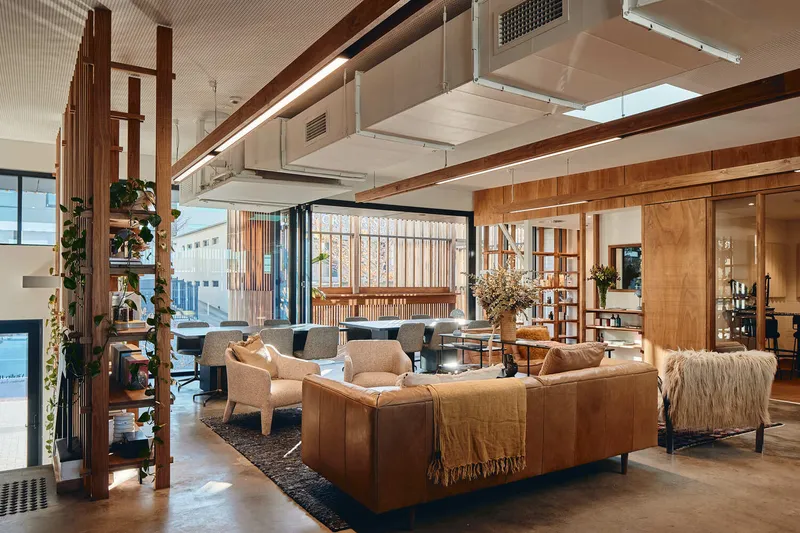
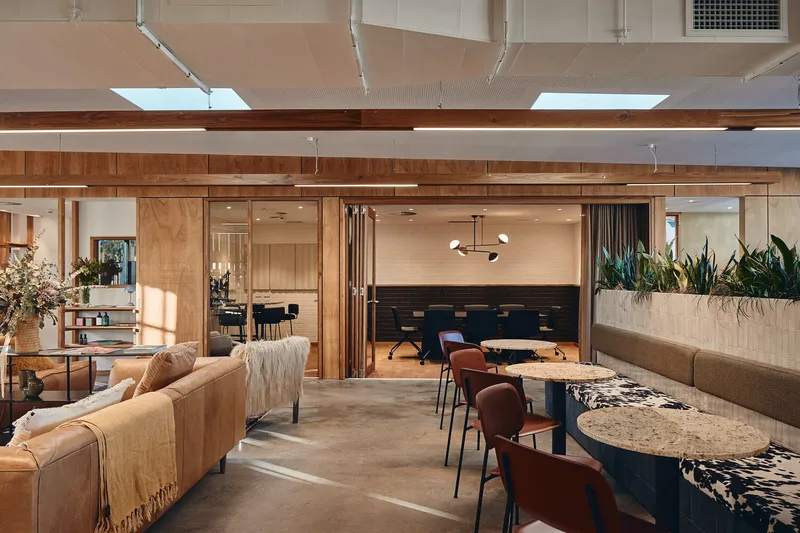
Vitality House + Works is designed as a members-only collection of spaces that uniquely blend work, social engagement, physical wellness, and reflection. This seamless integration challenges conventional work environments by creating atmospheres that cater both to individual contemplation and community interaction. The architecture orchestrates a thoughtful flow of environments, emphasizing tactile and enriching materials, and a deep awareness of nature and the surrounding environment.
Architectural Approach and Materiality
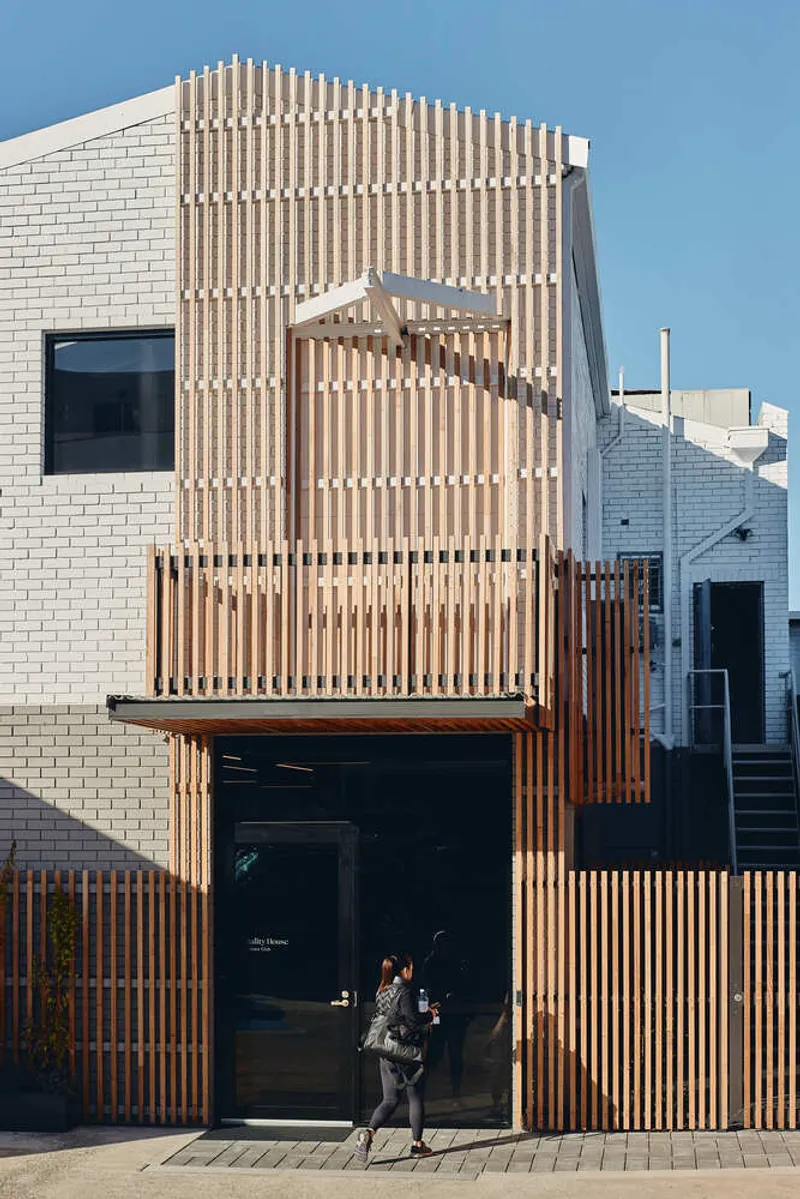
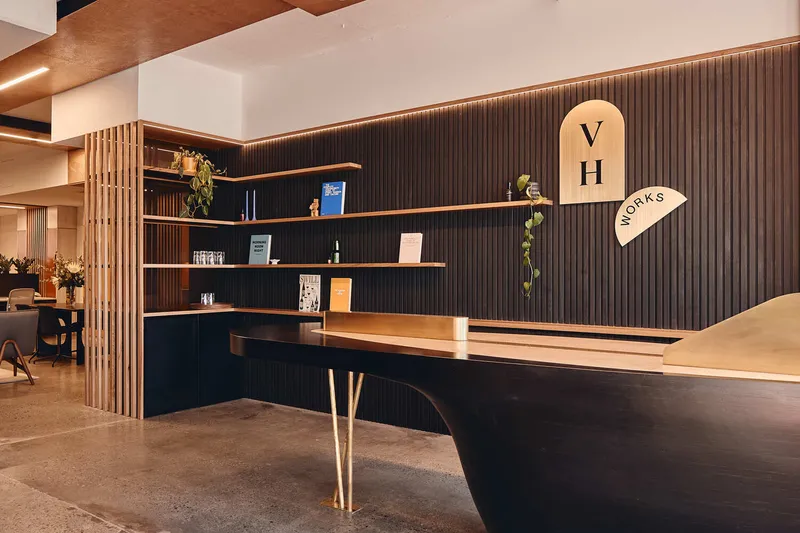
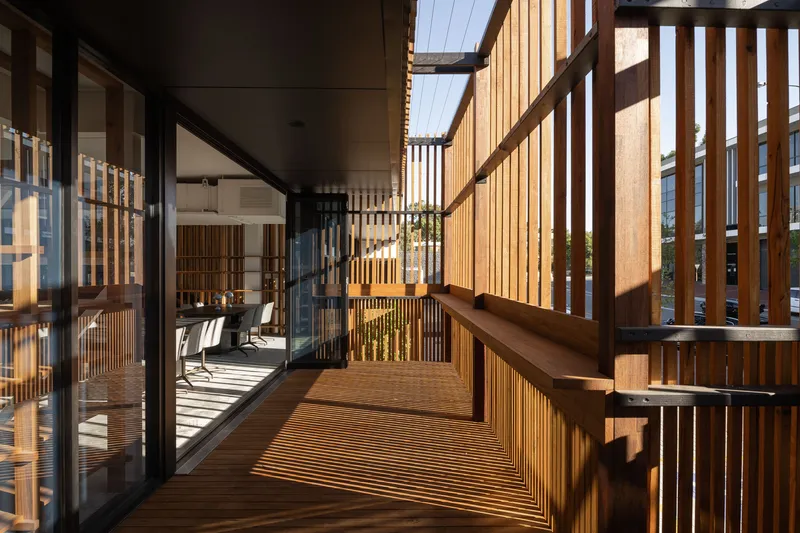
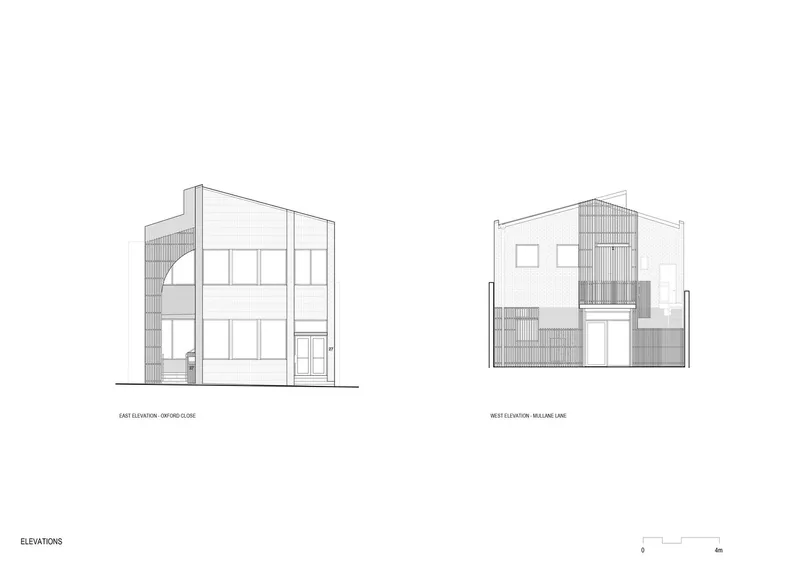
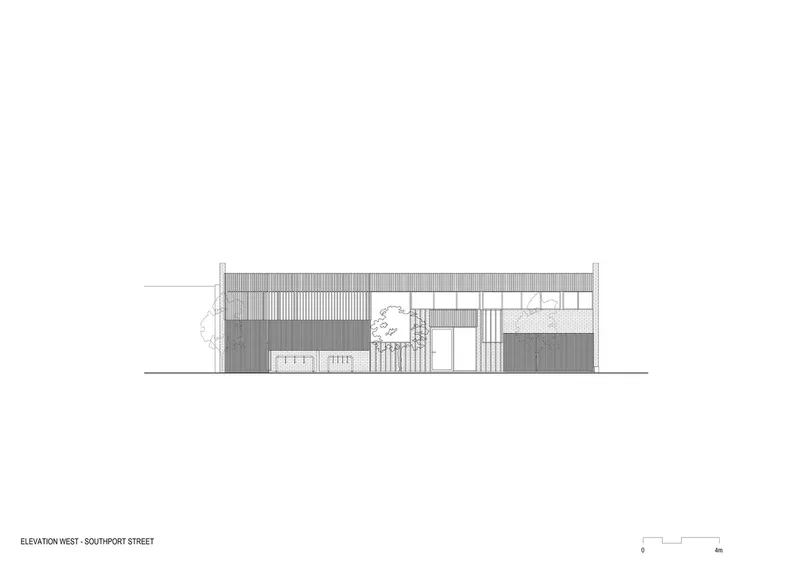
The project creatively upcycles fatigued structures by layering them with timber battens—oiled and weathered to celebrate the passage of time—thereby enhancing multiple street and laneway frontages. The inclusion of undercover balconies and terraces animates the public domain and counters the anonymity often seen in adjacent buildings. Accessibility is prioritized with lifts and ramps linking verandas and primary spaces, maintaining a strong connection between indoor and outdoor realms.
Spatial Programming and Environmental Awareness
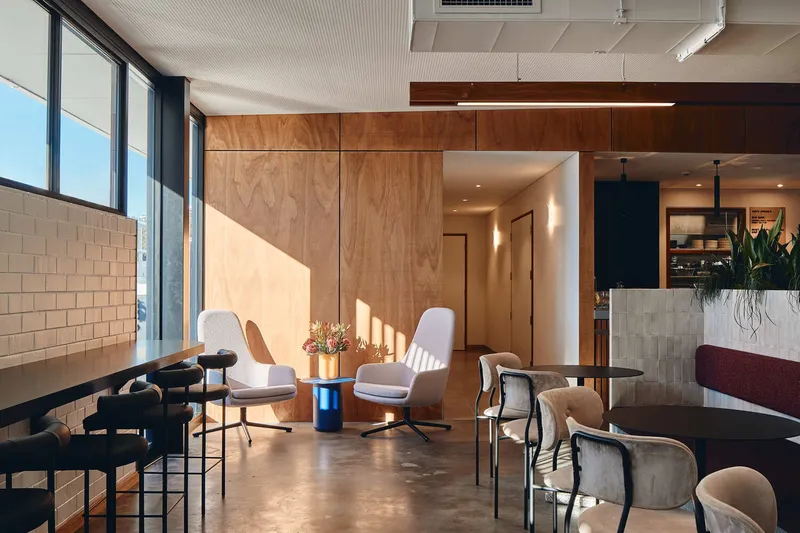
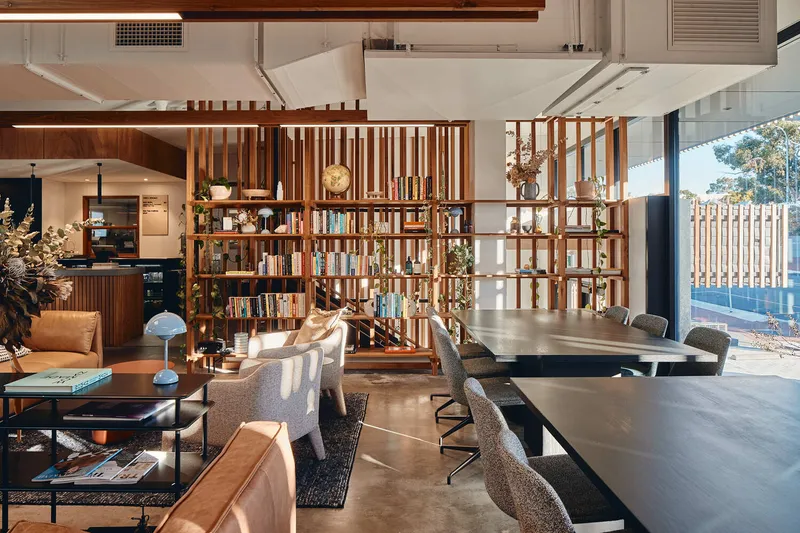
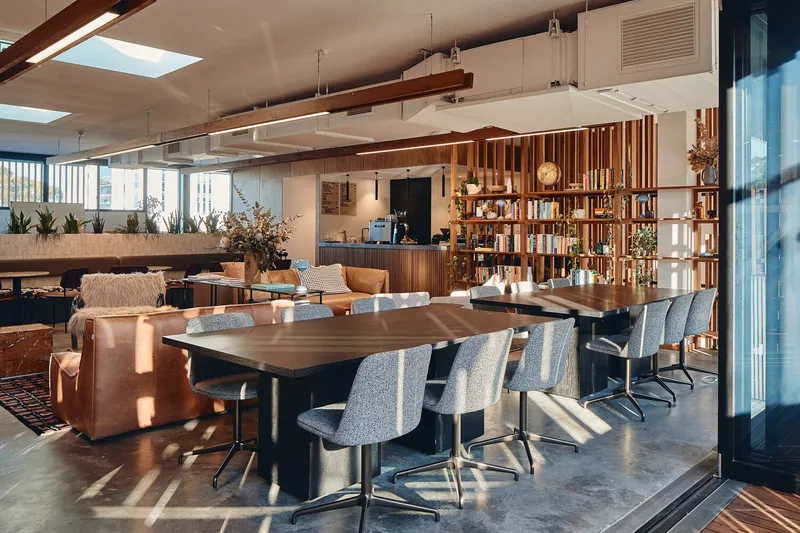
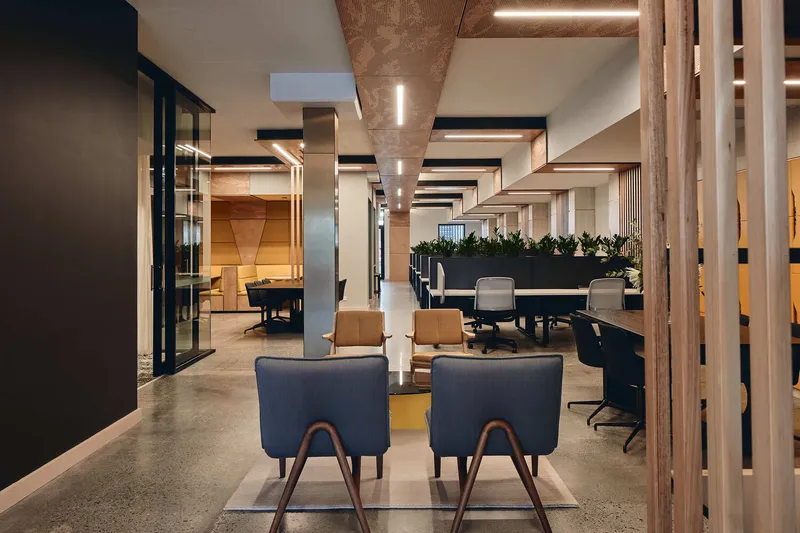
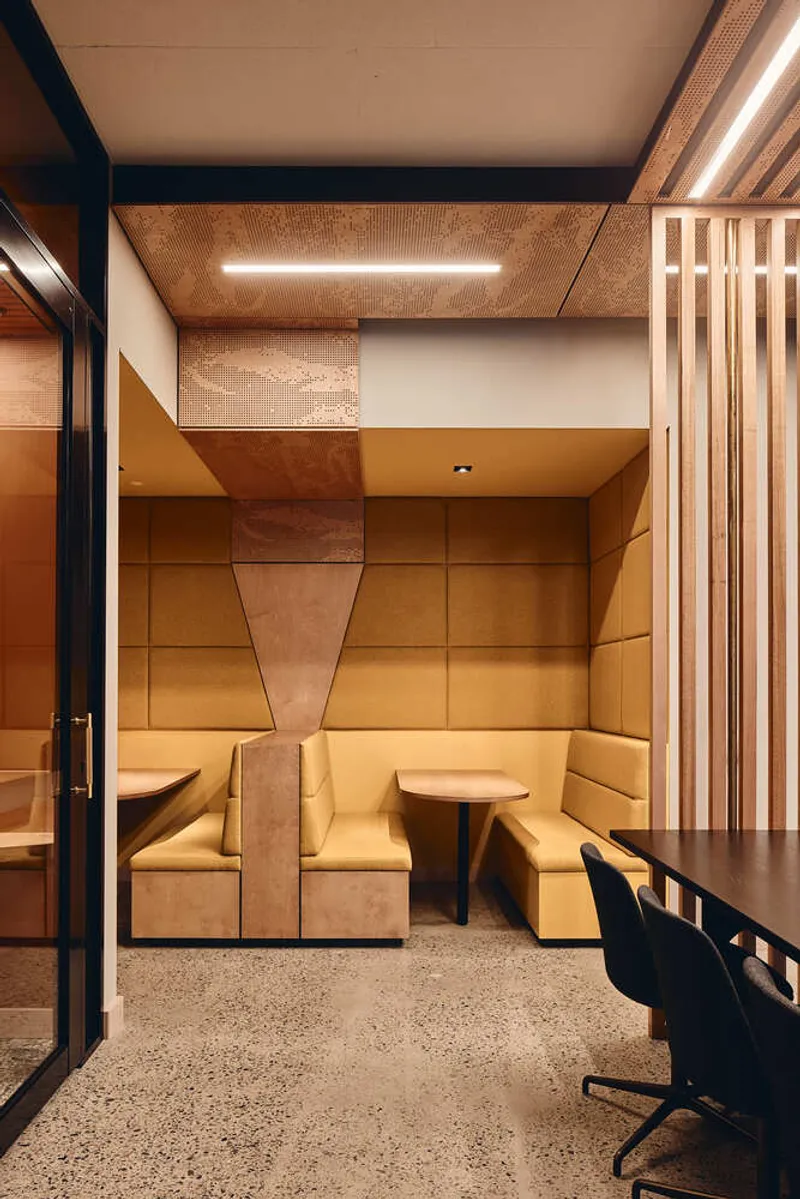
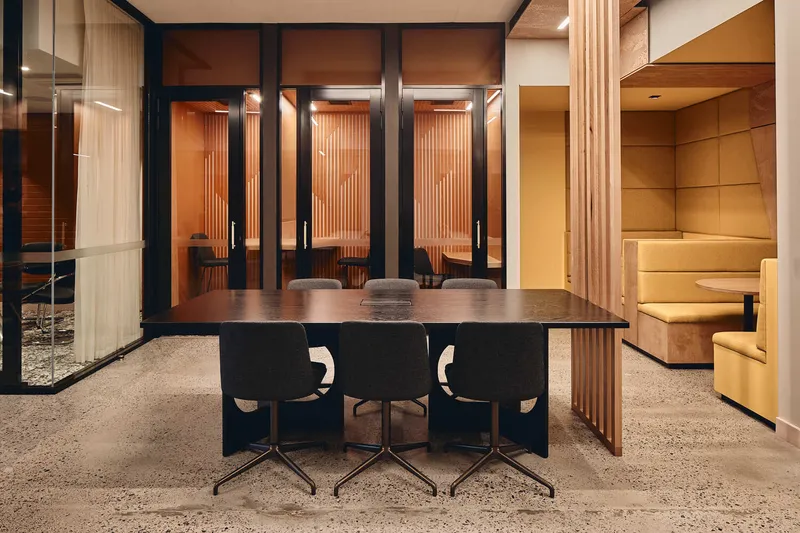
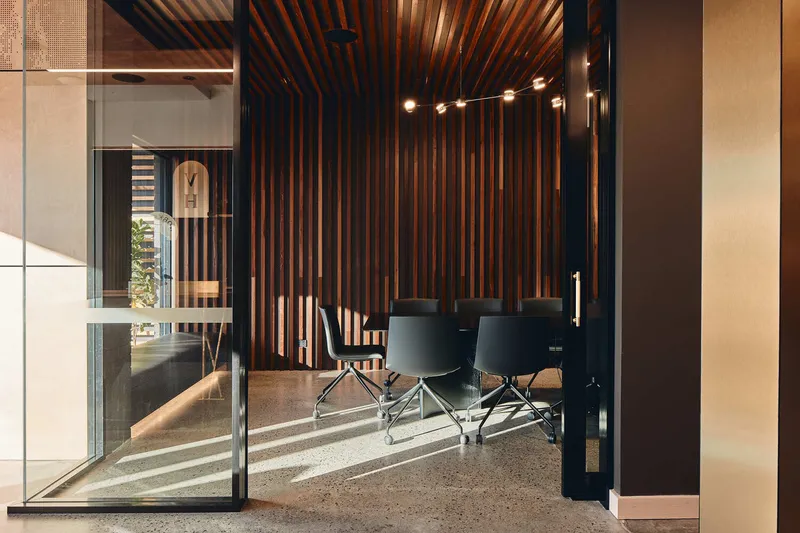
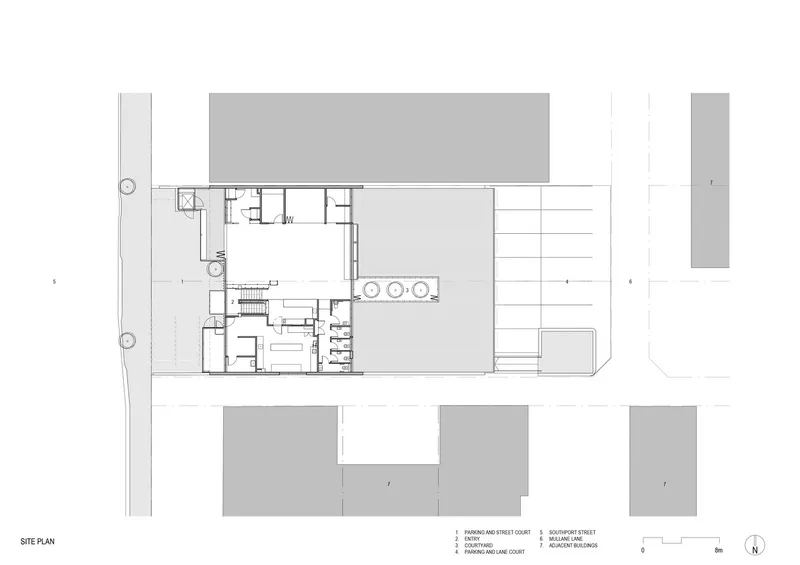
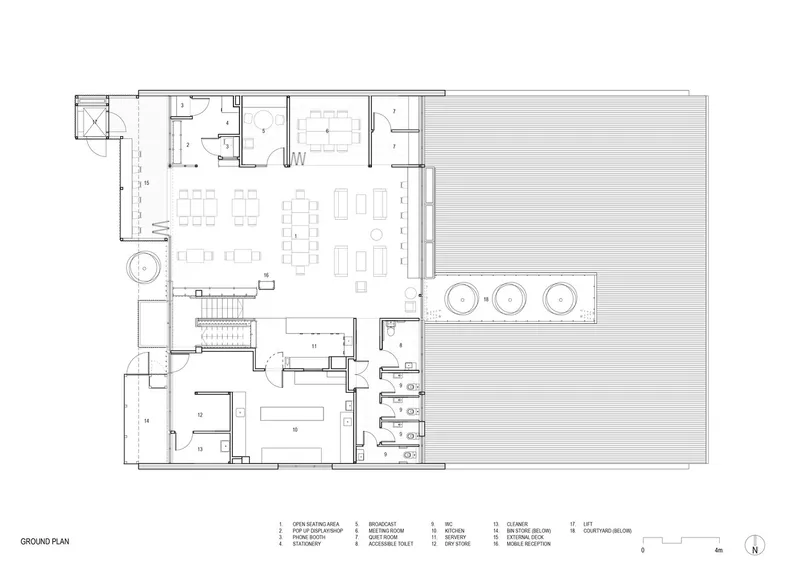
Vitality House + Works embraces a carefully choreographed sequence of spaces that respond to both programmatic needs and individual users. The upper level activates the workspace environment with shared desks, group meeting rooms, private offices, a café, exhibition shop, recording studio, and acoustically isolated phone booths. These spaces are oriented to the cardinal points to harness natural light: vibrant morning light invigorates productivity, while the gentle filtered afternoon light promotes focus and calm.
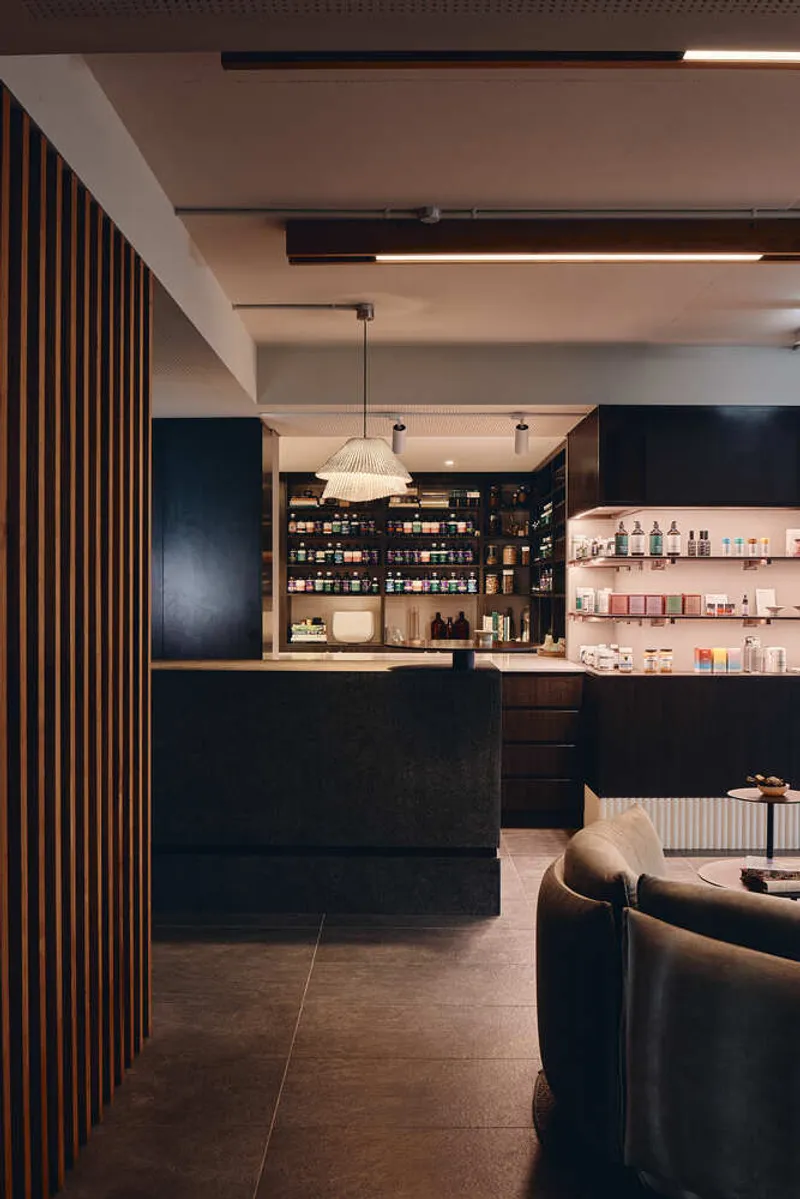
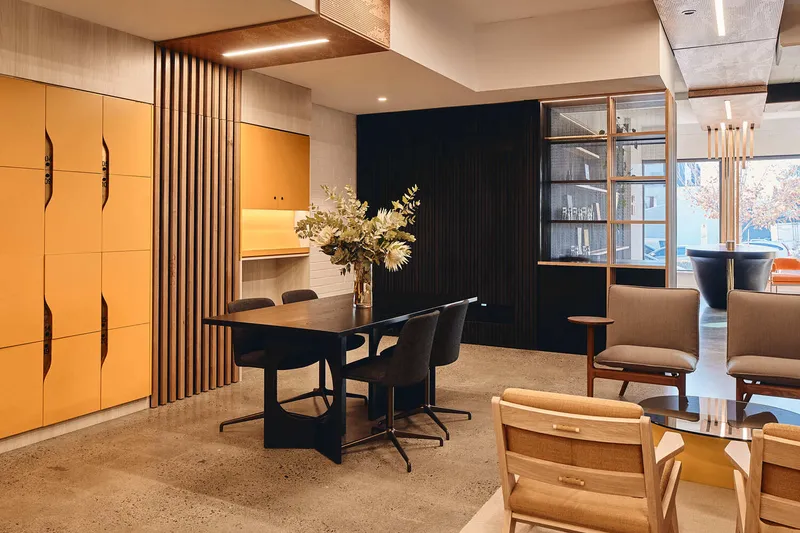
The design’s use of large timber light fixtures and continuous timber paneling not only creates warmth but also reinforces the connection between interior spaces and nature. This architectural sensitivity fosters mental wellness and creates immersive environments for both work and social interaction.
A Sanctuary for Reflection and Recovery
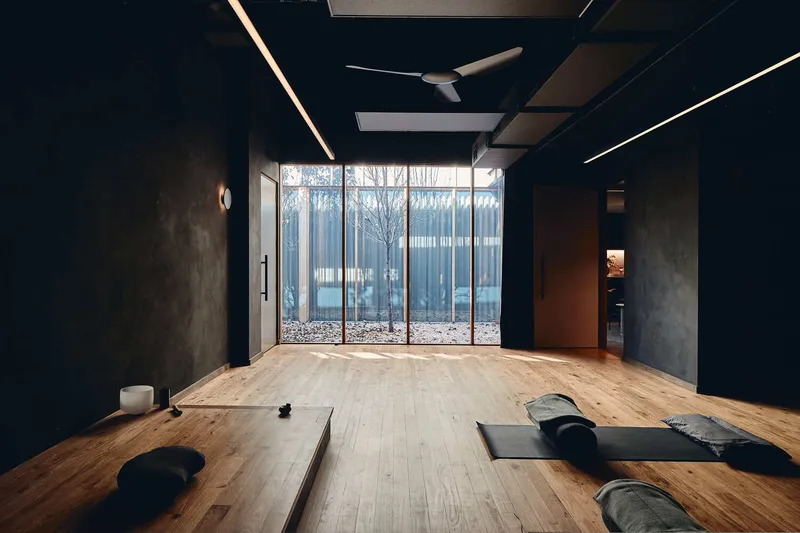
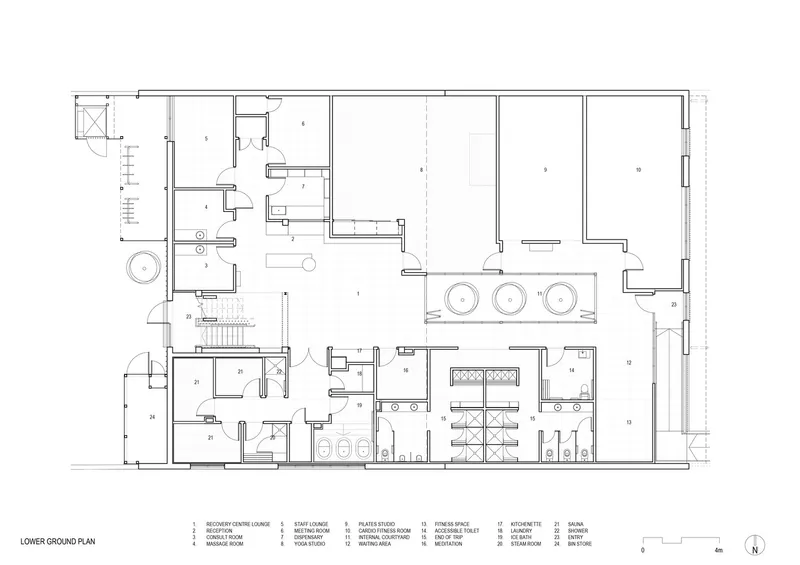
Contrasting with the bright upper levels, the lower level embraces a more subdued ambiance with darker textured surfaces, promoting reflection and contemplative experiences. A dramatic void carved out of a former music warehouse is filled with deciduous trees and stone pebbles, bringing natural elements indoors and offering a dynamic focal point that changes with the seasons.
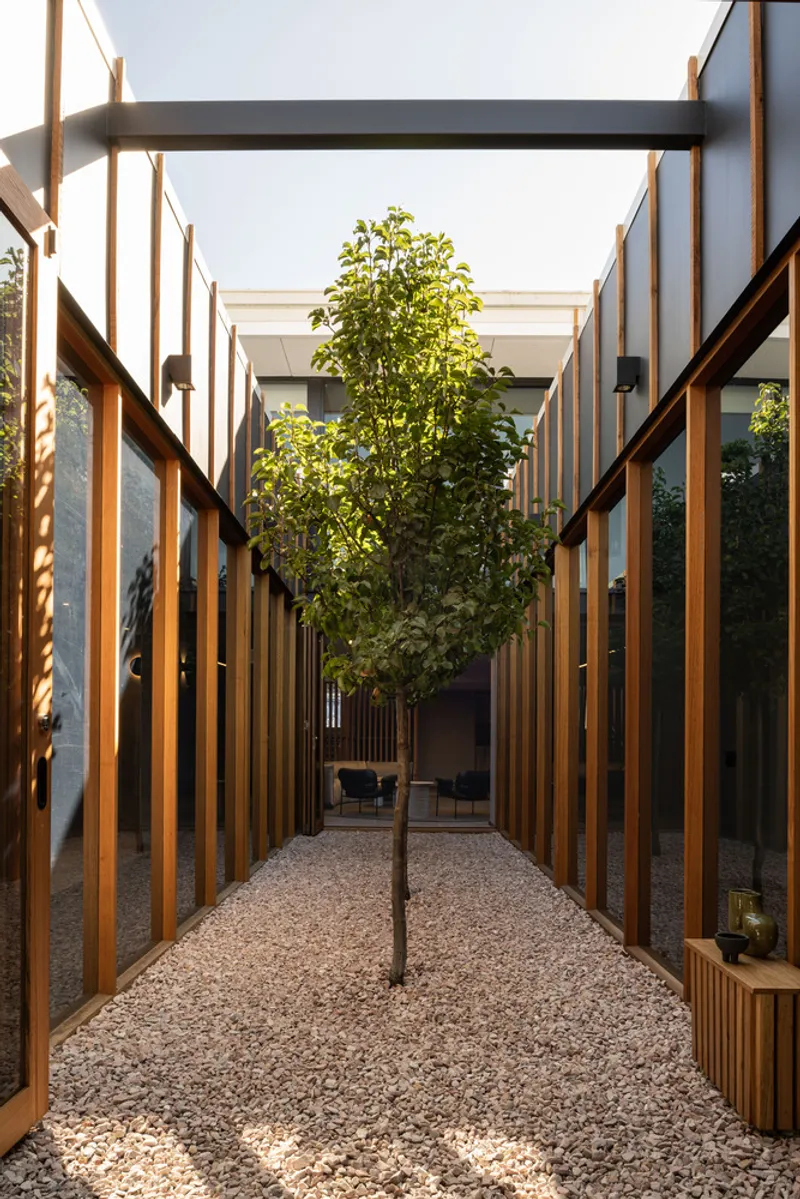
This level houses wellness facilities including yoga and Pilates studios, ice baths, saunas, and a dispensary, each designed to provide a multi-sensory, slower-paced environment that encourages recovery and physical wellbeing.
Symbolism and Cultural Connection in Design
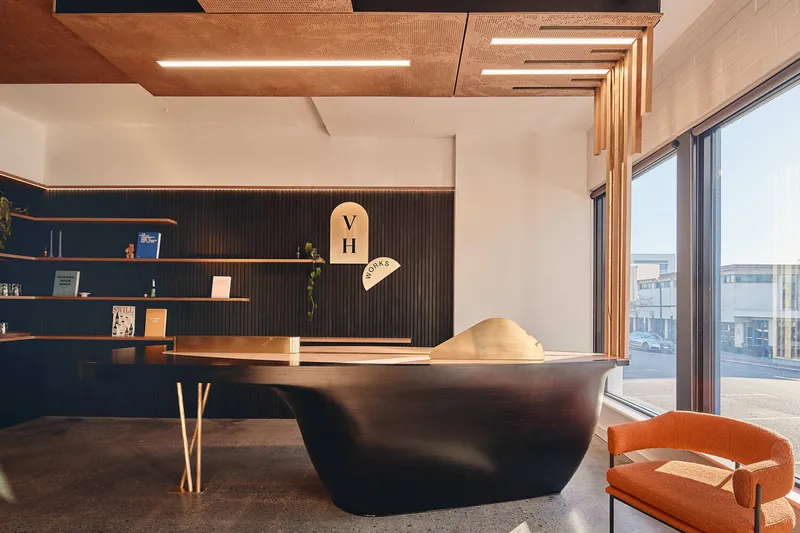
Vitality Works incorporates symbolic design elements such as a central “tree of life” at the street entry, symbolizing growth and connection. The welcome desk, inspired by the Hakea seed pod, anchors the space with its organic form. Timber panels embedded with Indigenous art and brass fragments throughout the interiors highlight cultural storytelling, creating a vein of connection running through the building.
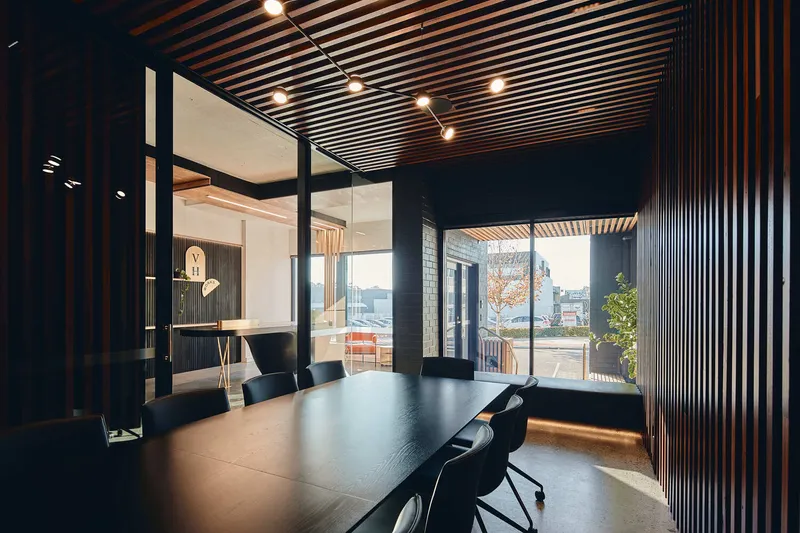
Meeting rooms and quieter spaces are crafted with recycled jarrah battens and dark joinery to cultivate privacy and calmness. Subtle color accents represent the Hakea flower’s growth, becoming more intense deeper inside, enriching the spatial narrative.
A New Paradigm in Mixed-Use Architecture
Vitality House + Works is a compelling example of mixed-use wellness and workspace architecture that redefines the boundaries between work, wellness, and community. It showcases how adaptive reuse combined with sensitive design can create environments that nurture mental and physical wellbeing while fostering meaningful social connections. This project stands as a model for future architectural interventions prioritizing holistic human experience.
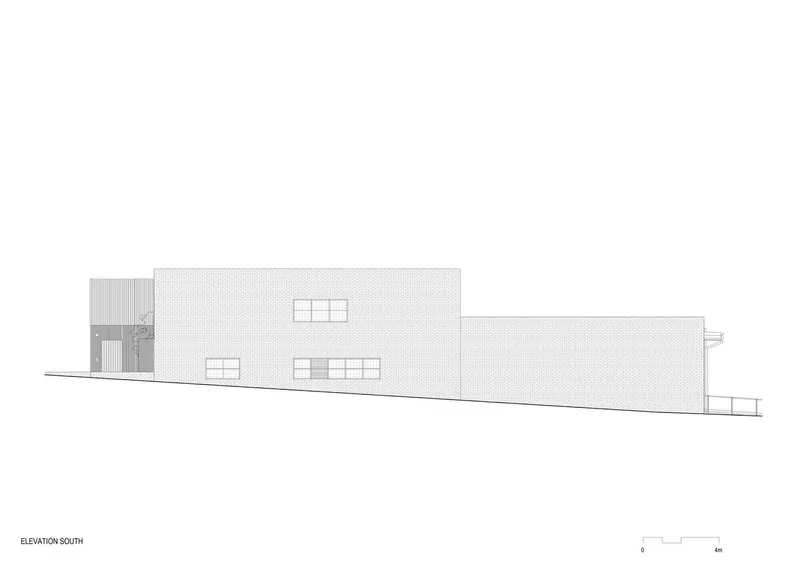
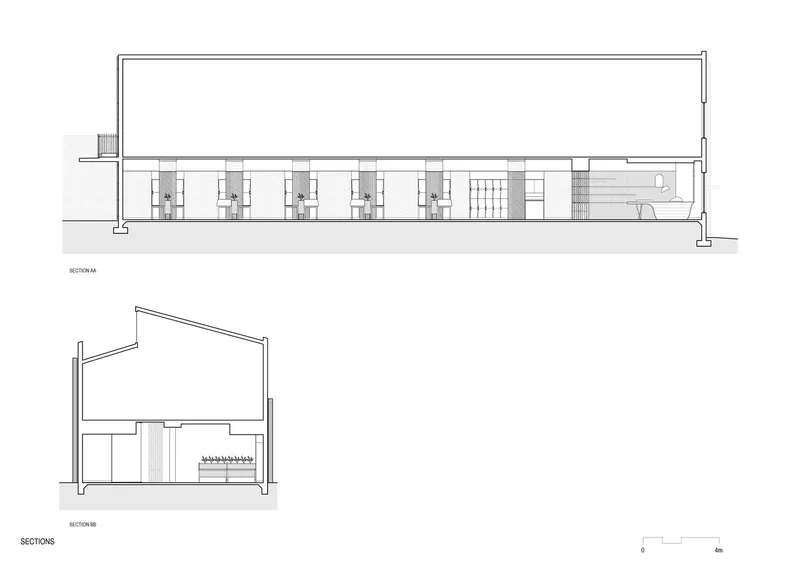
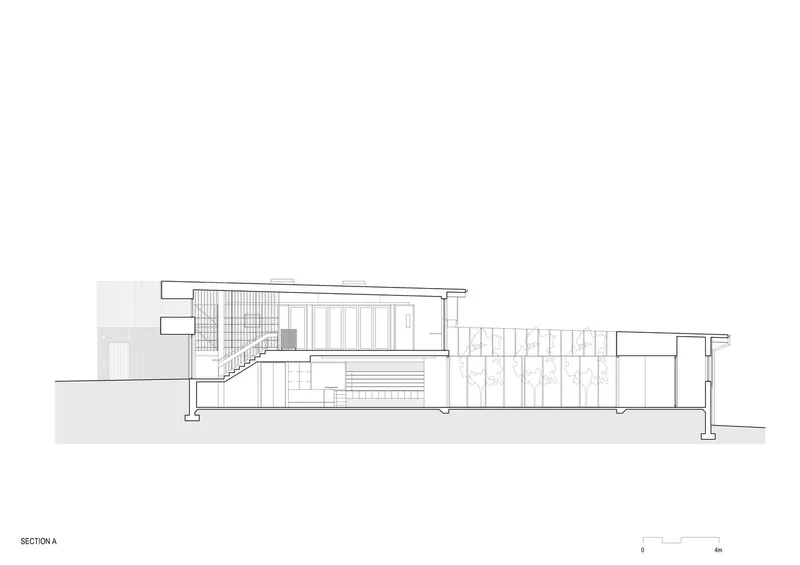
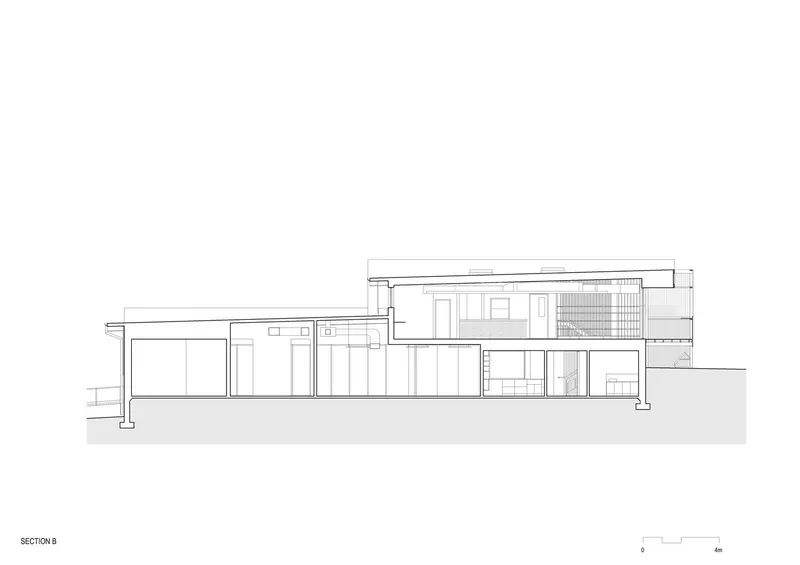
All Photographs are works of Peter Bennetts, Dion Robeson



Popular Articles
Popular articles from the community


The Earth Pod: 3D Printed Homes for Resilient Refugee Communities
The Earth Pod reimagines refugee housing through 3D printed homes made from clay, combining resilience, self-sufficiency, and rapid shelter.

Play: Fragments of Their World
Familiar architecture becomes modular playground design, creating safe spaces where displaced children can learn, connect, imagine and play.

Co-Life: Senior Housing Design That Reconnects Older Adults With the City
Co-Life reimagines senior housing design through healing gardens, shared streets, workshops, and a sustainable community across generations.

Hill & Cross Opera: Sculptural Opera House Architecture Shaped by Tallinn’s Landscape and Identity
Hill & Cross Opera reimagines opera house architecture in Tallinn through its sculptural hill, civic plaza, glass wave and a luminous cross.


Similar Reads
You might also enjoy these articles

FAMM Arquitectura Organizes Ten Villas Around Courtyards and Jungle in Nosara, Costa Rica
El Molino pairs two elongated volumes with deep overhangs and timber louvers to build a compact coastal community five minutes from the beach.
Oscar Niemeyer's Ibirapuera Park Pavilions Define São Paulo's Cultural Identity in Concrete and Curve
A constellation of modernist volumes set within São Paulo's most important urban park, conceived for the city's 400th anniversary in 1954.
How Henri Picq's 1889 Paris Pavilion Traveled 11,000 Kilometers to Become Santiago's Artequín Museum
A prefabricated iron and glass pavilion built for the Paris Universal Exposition found a second life as a children's art museum in Chile.
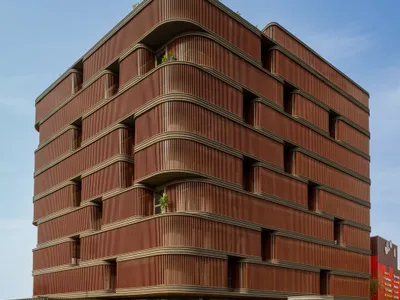
Sanjay Puri Architects Wraps a Jaipur Office Tower in Capsule-Shaped Green Buffers
A nine-level climate-responsive workplace near Jaipur Airport uses stacked planter terraces and aluminium screens to fight 40°C heat.

Explore Architecture Competitions
Discover active competitions in this discipline



Challenge to reimagine the Iron Throne


Photograph architecture without architects


Illustrate the lost glory of Angkor Wat - Render Challenge


Design challenge to reuse E-waste
Comments (0)
Please login or sign up to add comments
No comments yet. Be the first to comment!