
Wood-Concrete House Design: A Contemporary Transformation by MANO
A stunning transformation blending wood and concrete, redefining suburban architecture with light-filled, open spaces and material harmony.


Introduction to Wood-Concrete House Design
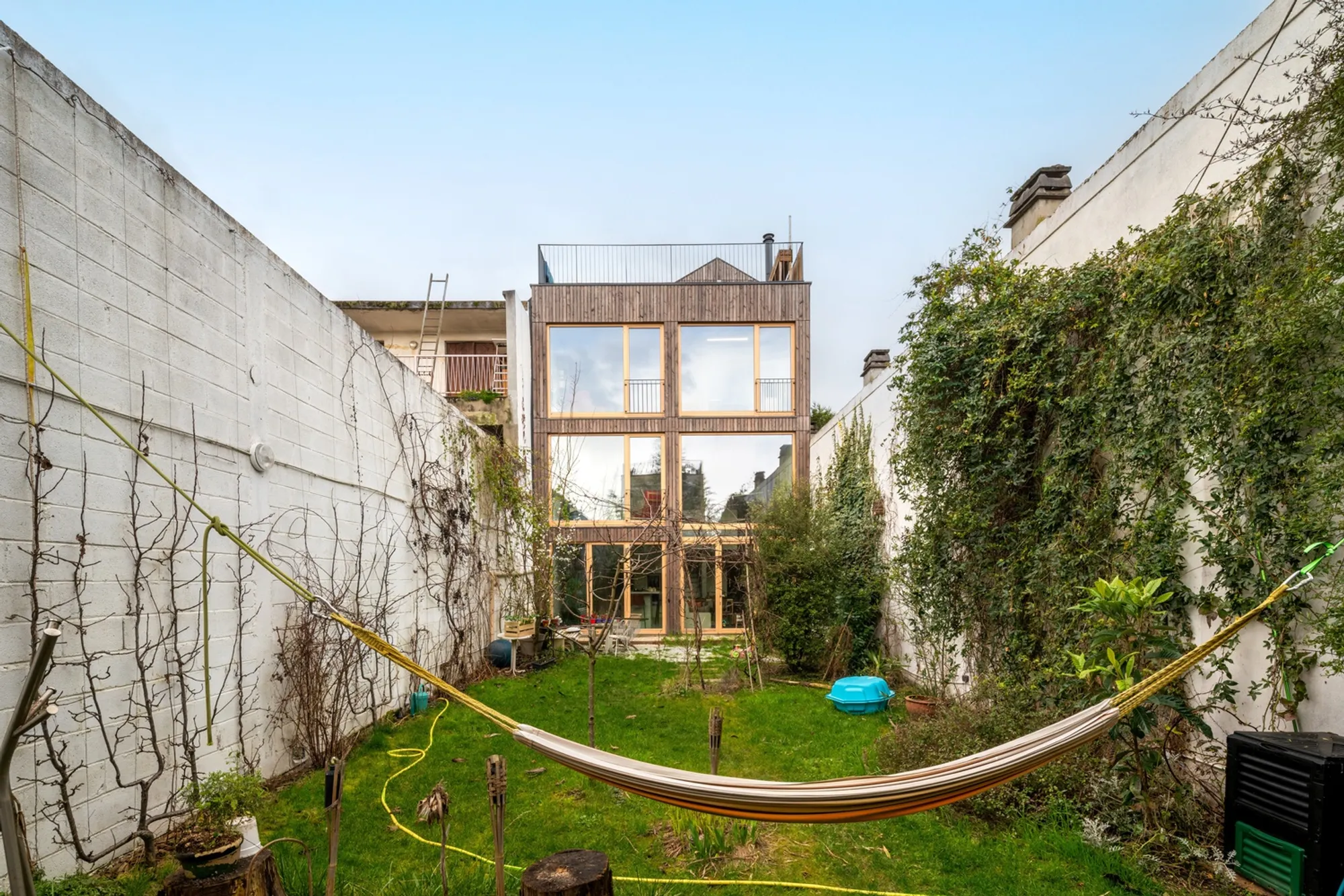
The Wood-Concrete House in Aubervilliers, France, designed by MANO, stands as a remarkable example of wood-concrete house design that balances material expression, spatial clarity, and contextual sensitivity. This project transforms a modest 1930s suburban house into a generous and light-filled three-story dwelling, showcasing how modern architecture can reinterpret traditional suburban forms.


Site Context and Urban Integration
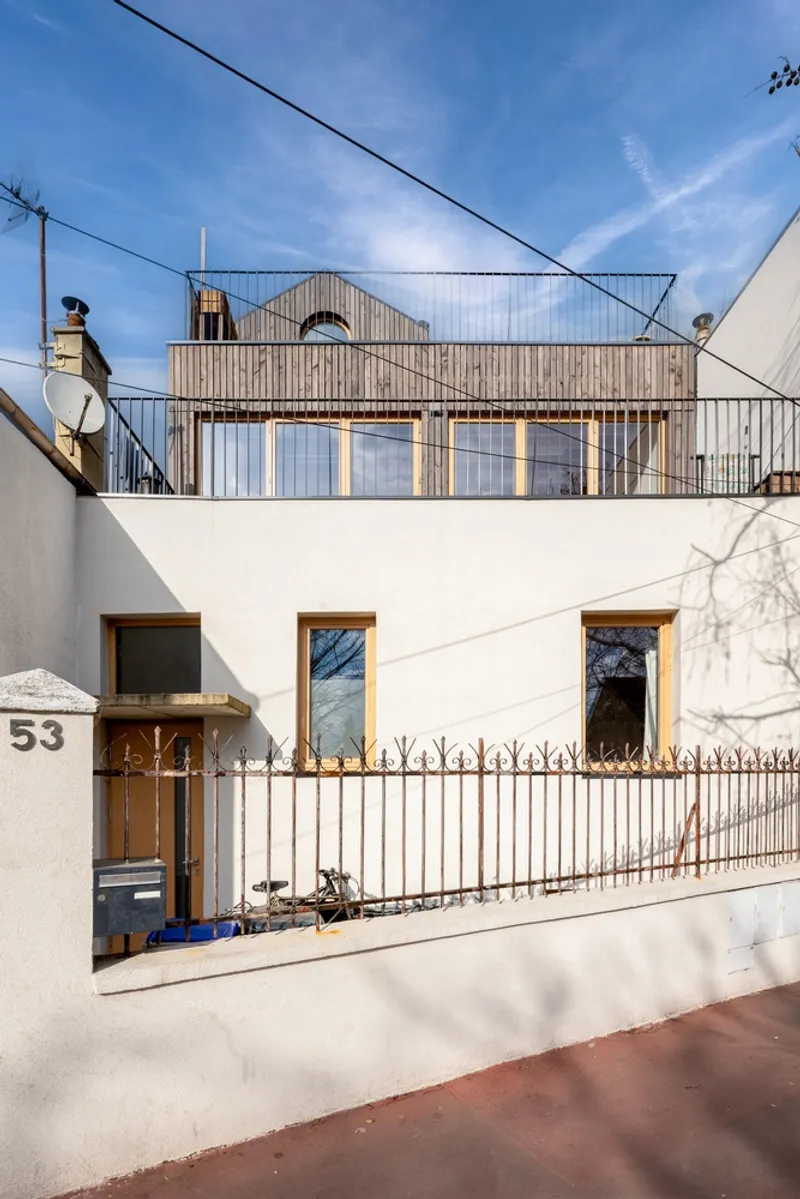
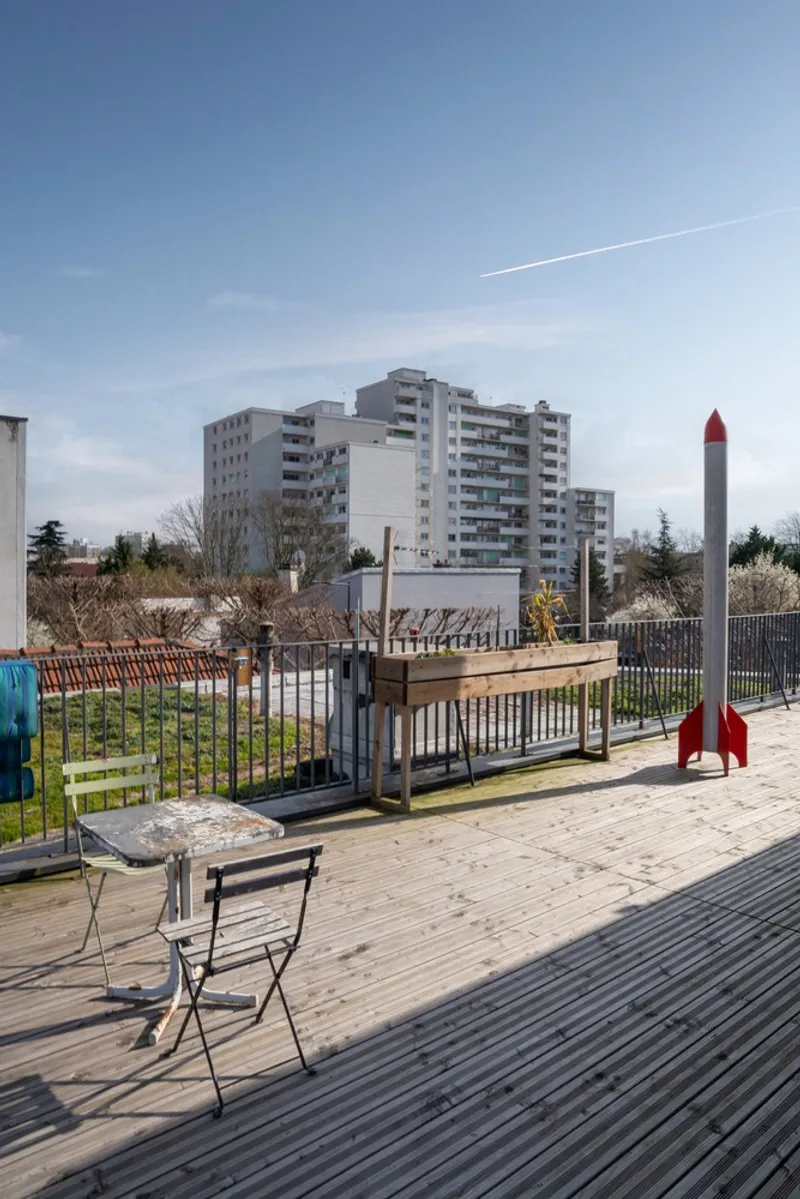
Located on a narrow plot within the discontinuous urban fabric of Aubervilliers, the Wood-Concrete House reimagines the detached suburban pavilion typology. While the house extends vertically, it respects the urban scale and rhythm of the street, maintaining a discrete façade that harmonizes with its surroundings. This thoughtful integration reinforces the importance of wood-concrete house design in balancing innovation with context.
Architectural Concept and Structure
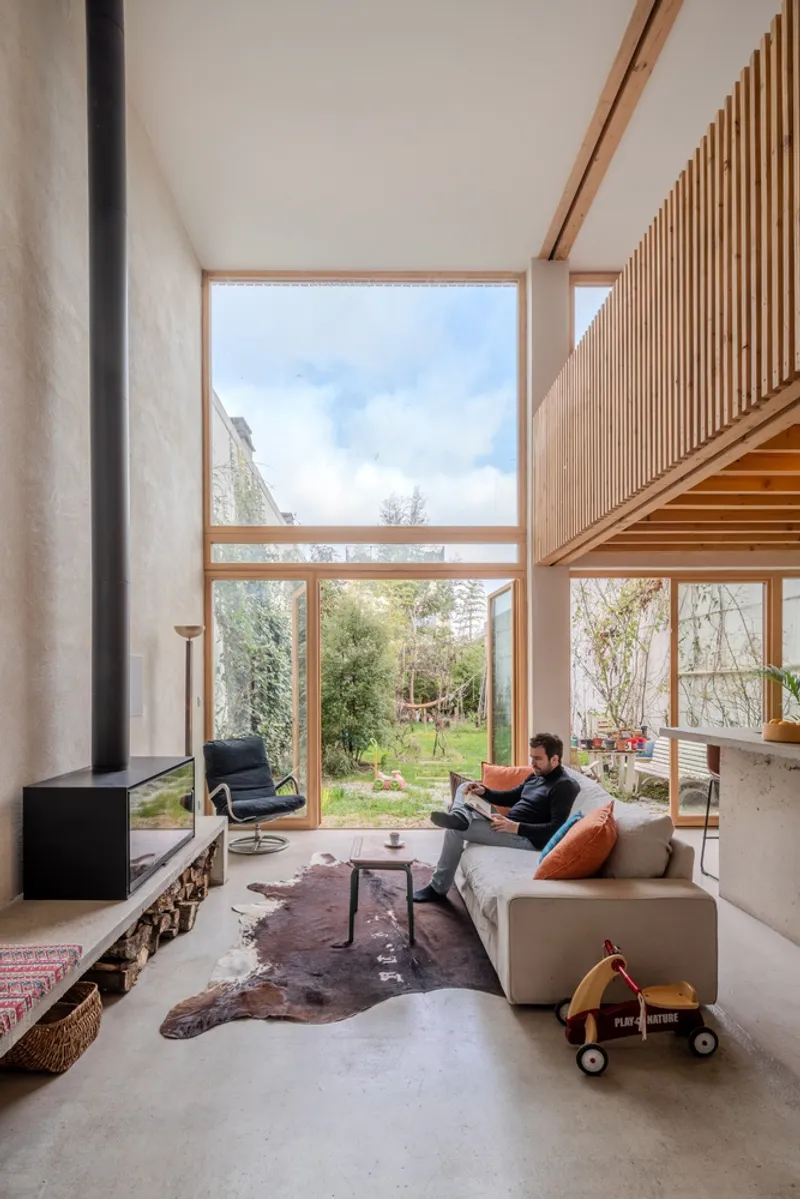
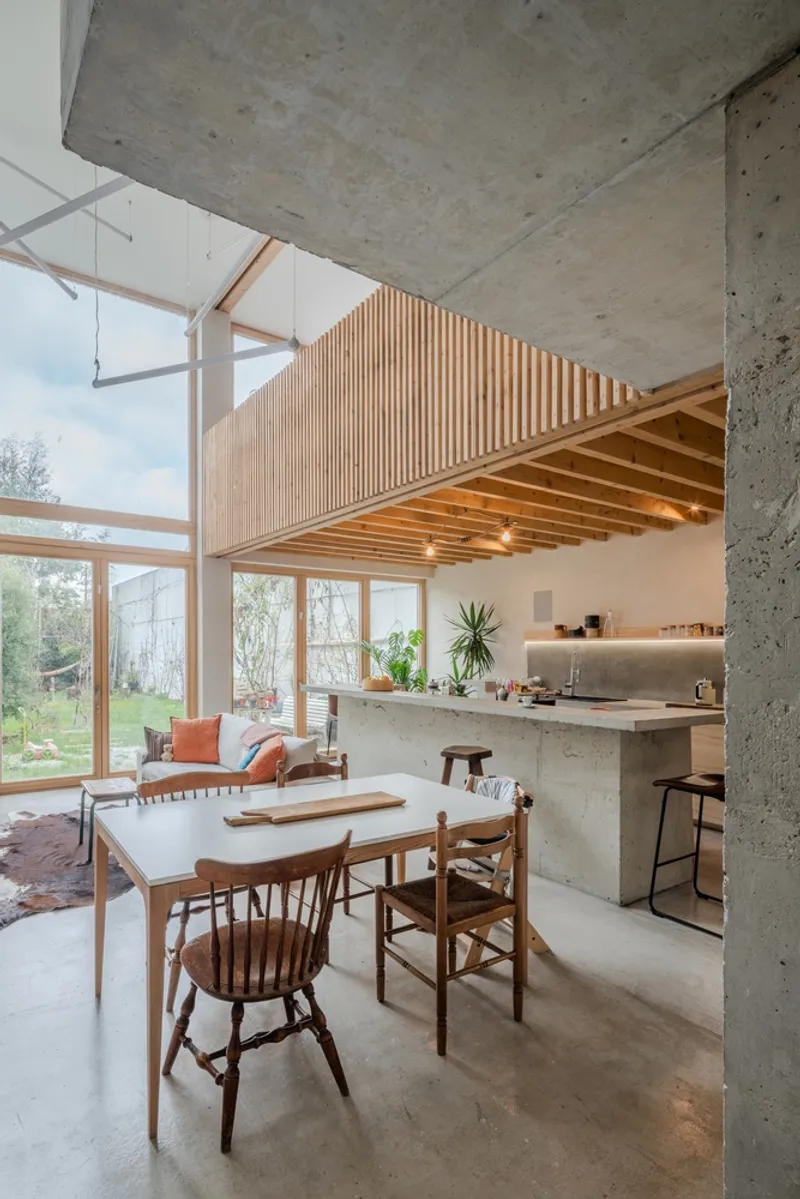
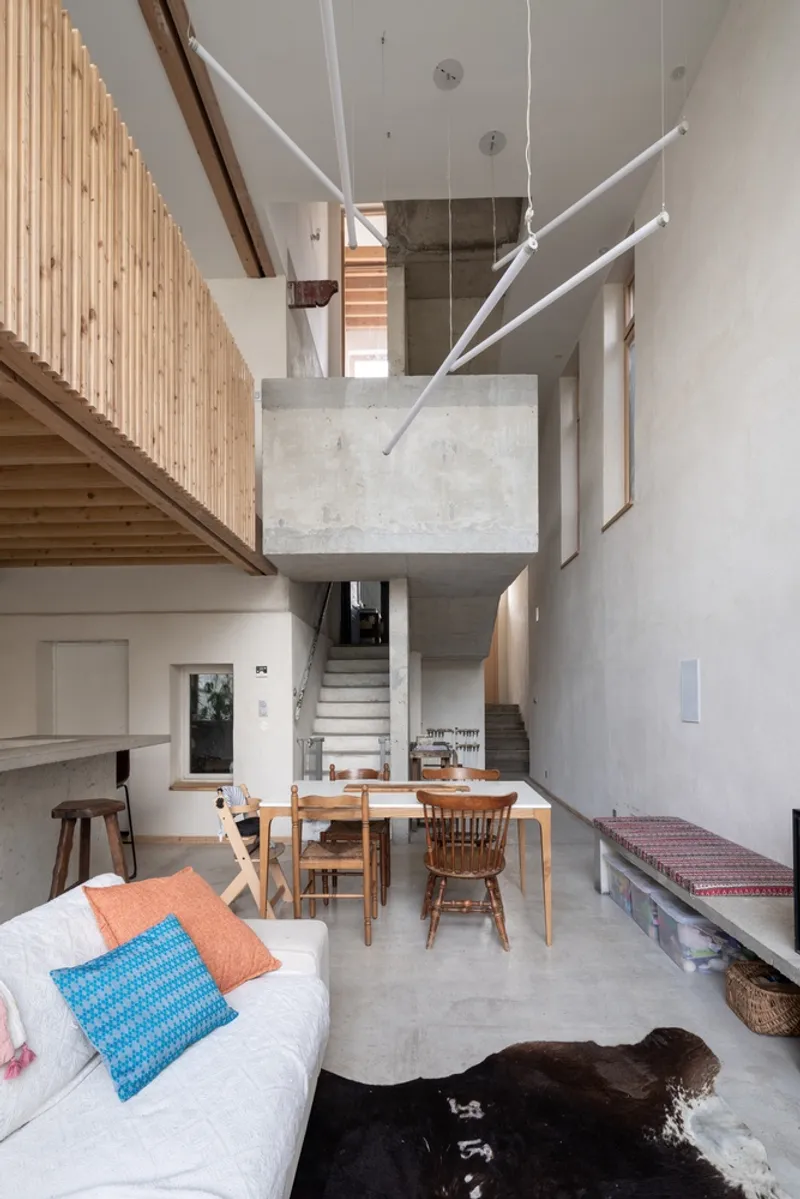
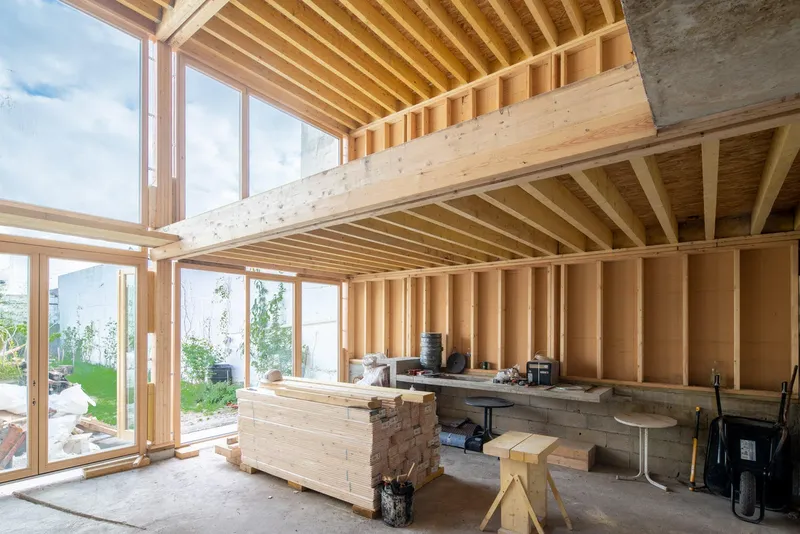
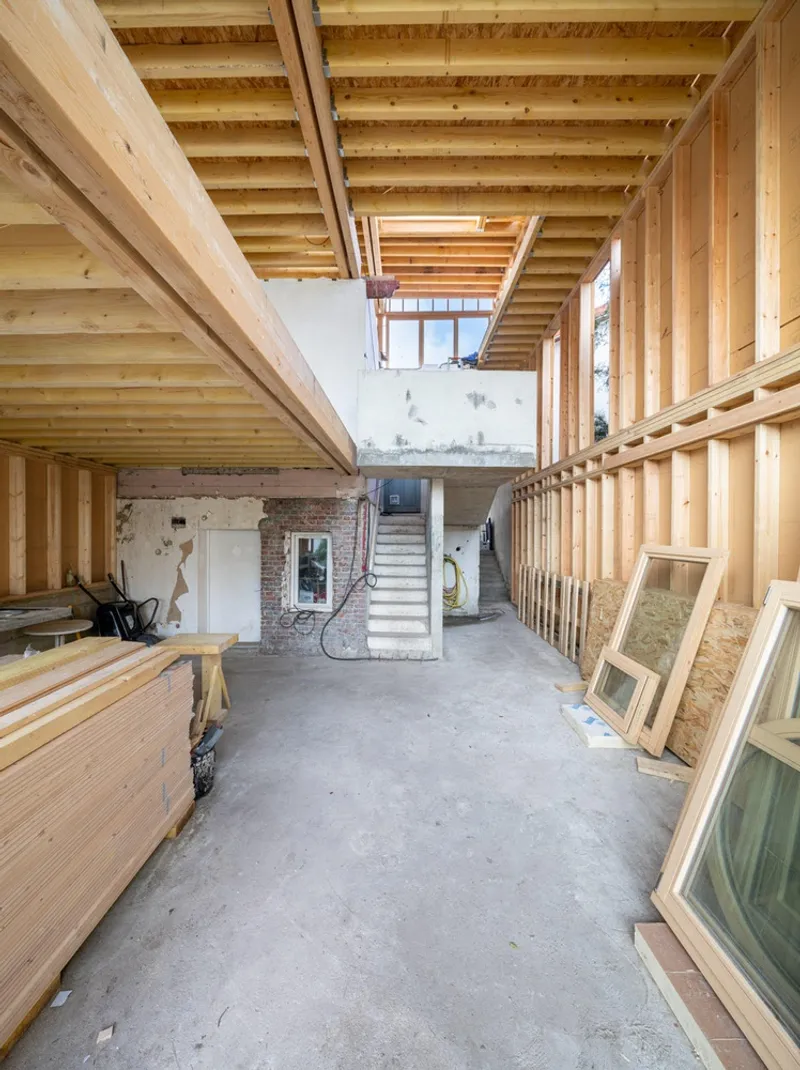
At the heart of the transformation is a timber frame structure anchored to the existing masonry, demonstrating MANO's commitment to material honesty and structural clarity. The garden-facing wooden façade establishes a striking dialogue with the lush exterior, while large-scale windows flood the interior with daylight. The contrast between raw concrete and warm wood forms the backbone of the domestic experience, offering an interplay of materiality that defines the home’s character.
Spatial Organization and Interior Experience
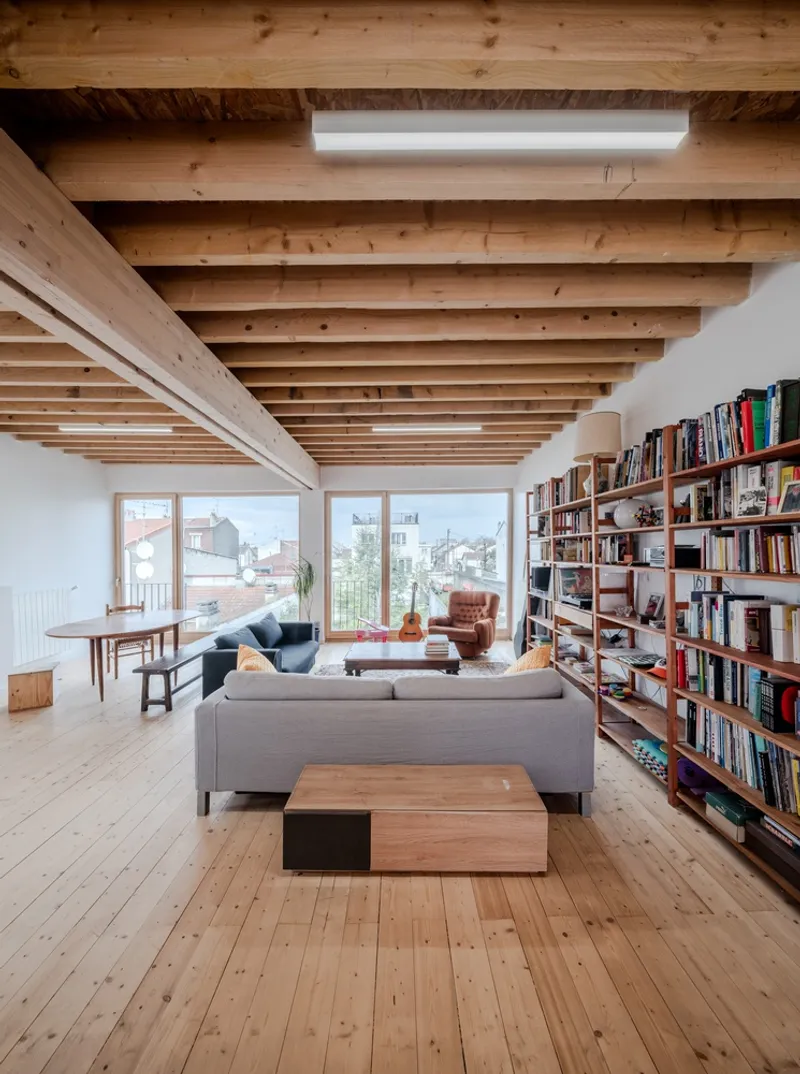
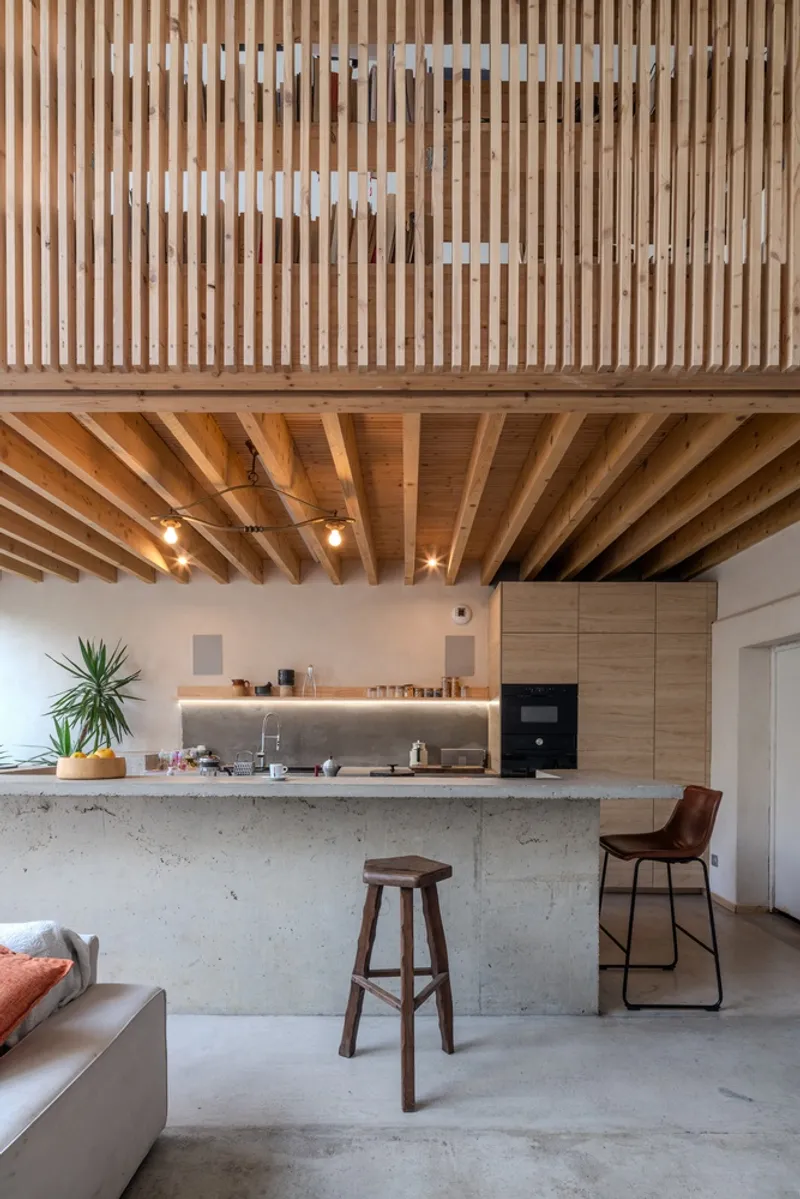
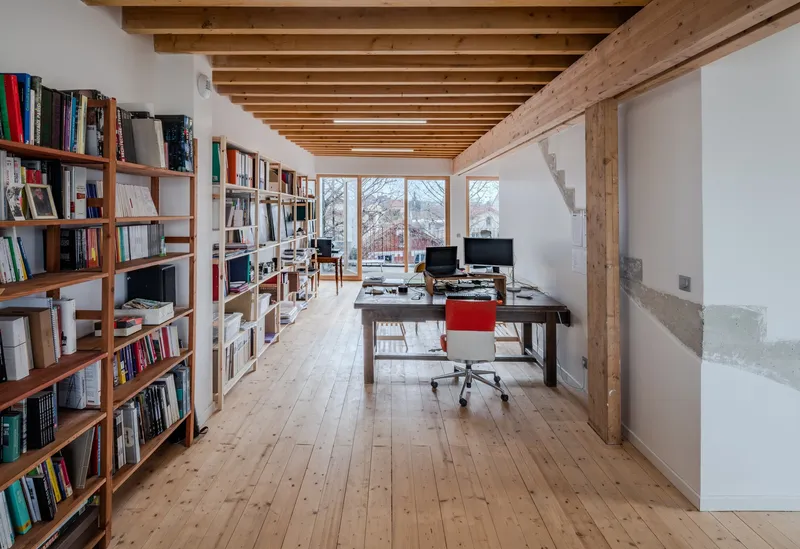
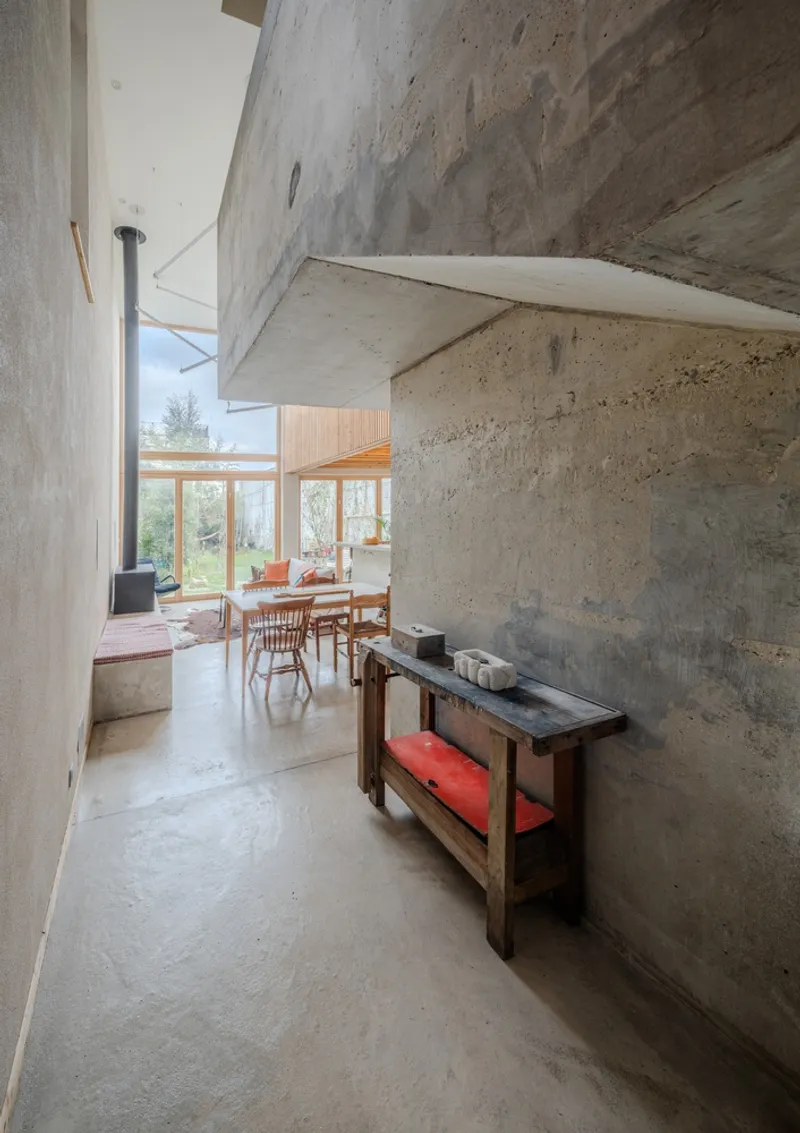
Inside, the house unfolds as a sequence of open-plan volumes across two main levels, creating full visual continuity from the street to the garden. The spatial arrangement emphasizes transparency, blurring the boundaries between interior and exterior. Daylight animates the spaces, enhancing the perception of volume and depth. The architectural language deliberately avoids formal excess, instead prioritizing calm, functional articulation through material and light.


Material Sincerity and Light Interaction
The success of this wood-concrete house design lies in its use of material as a narrative tool. Raw concrete elements bring a sense of groundedness and permanence, while the timber structure and wooden finishes introduce warmth and tactile richness. The large windows serve not only as openings but as mediators of light, transforming the atmosphere of the interiors throughout the day. This delicate balance fosters a harmonious living environment that feels both robust and intimate.

Participatory and Contextual Design Approach
As part of MANO’s broader design-research practice, the Wood-Concrete House reflects an ongoing exploration of participatory and contextual design. The project responds to complex spatial and social conditions with architectural clarity and constructive intelligence, offering a model for future residential projects in dense suburban contexts. By embracing the inherent tensions of its site and materials, the house presents a refined solution that is both contemporary and deeply rooted in place.

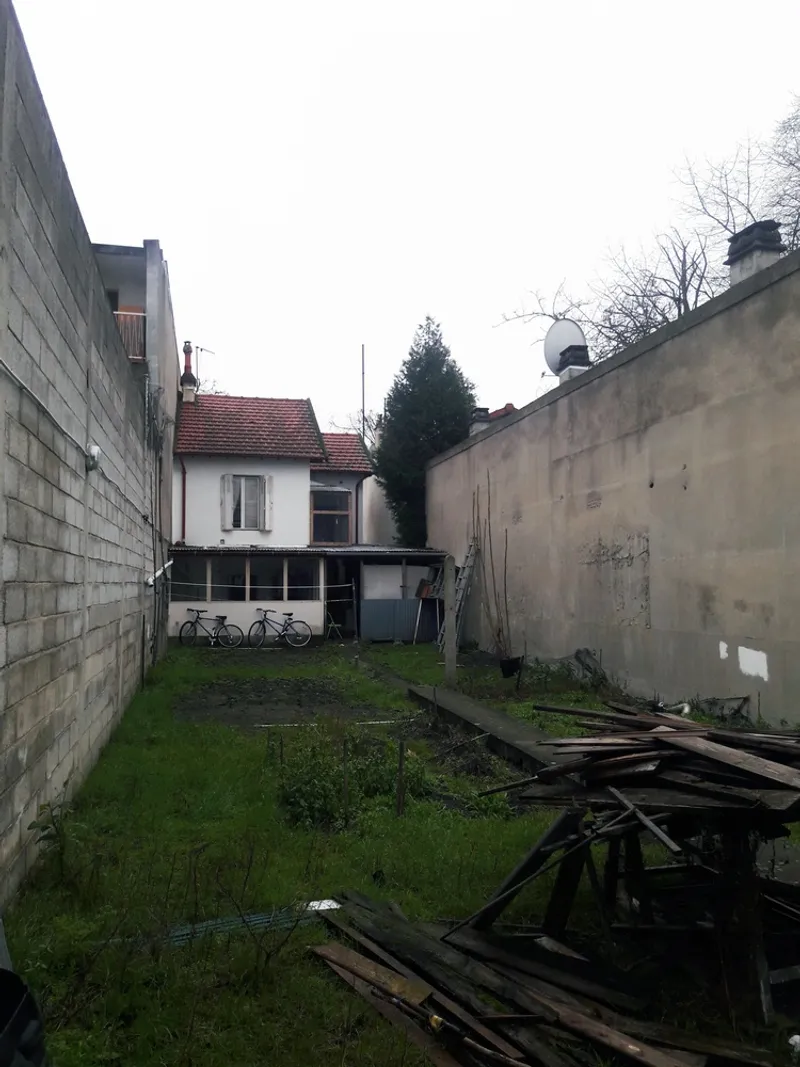
The Wood-Concrete House by MANO is an exemplary project in wood-concrete house design, merging structural innovation, spatial fluidity, and contextual sensitivity. It stands as a testament to how thoughtful architecture can transform existing structures into light-filled, contemporary homes while preserving the essence of their urban surroundings.
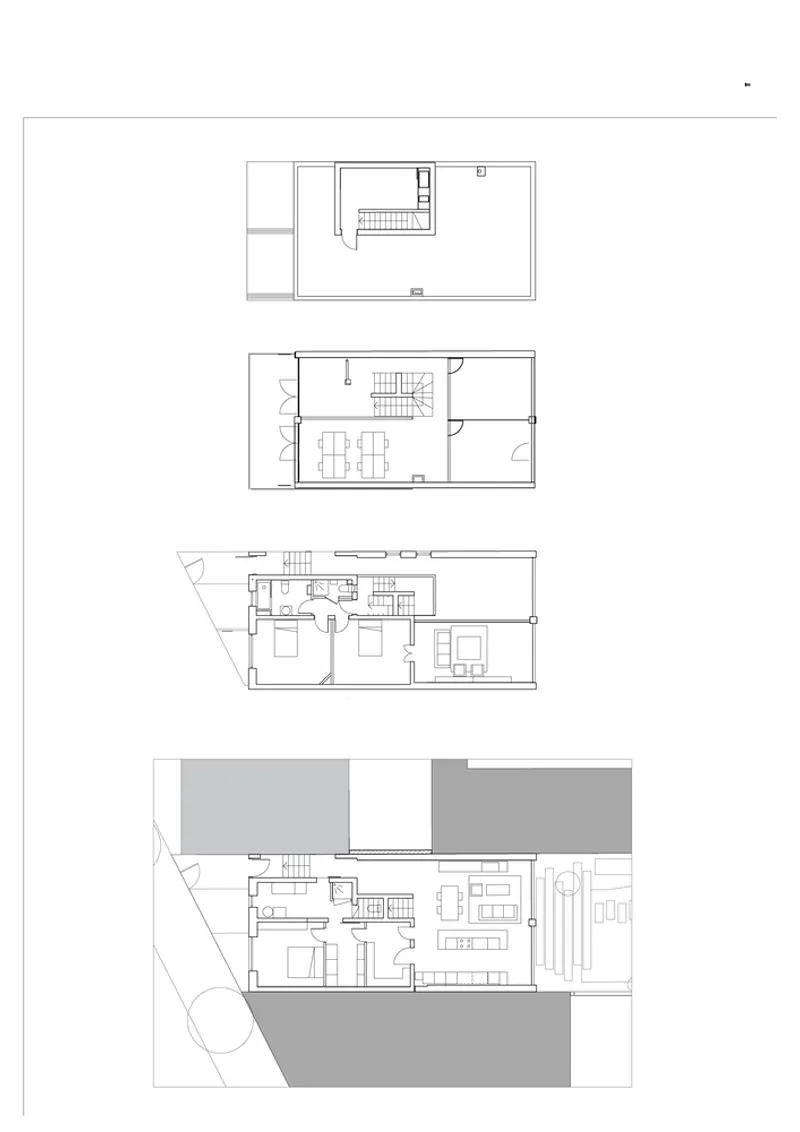
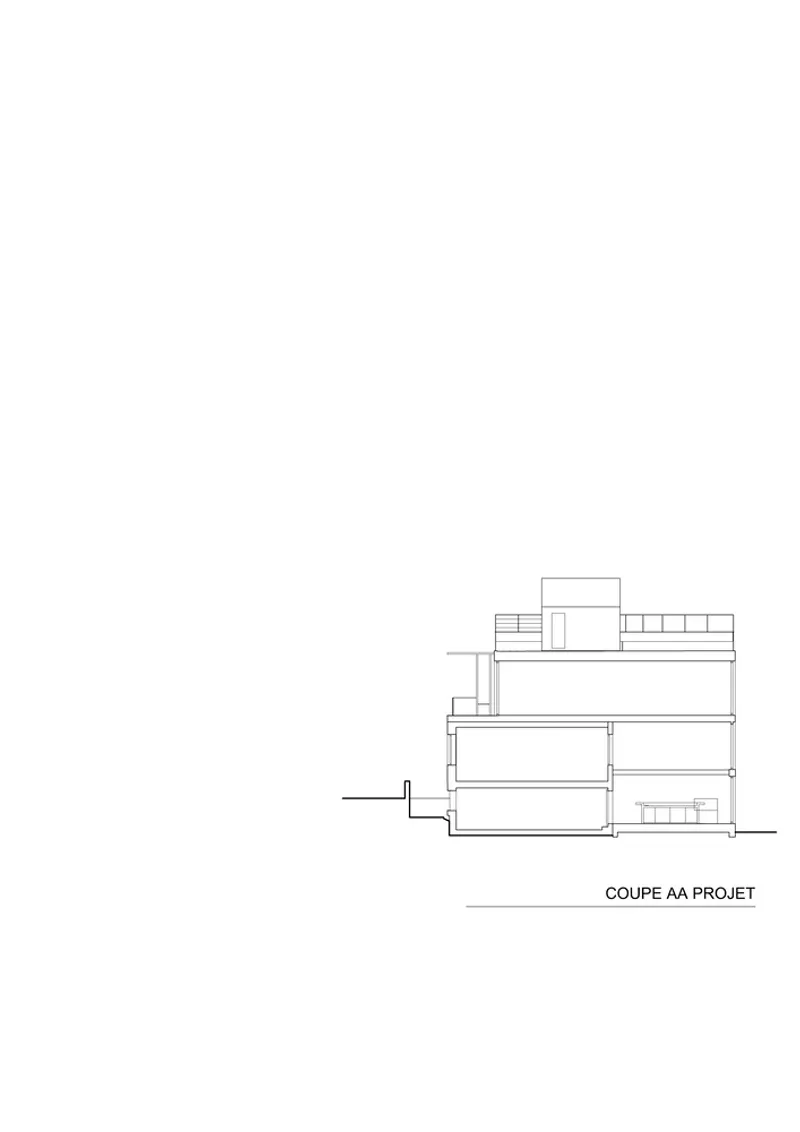
All the photographs are works of Antoine Duhamel




Popular Articles
Popular articles from the community


The Musturak Paradise: Senior Living Architecture for a Connected Future in Temara, Morocco
The Musturak Paradise reimagines senior living architecture in Temara via private homes, social spaces, culture, community, and shared care.

Riyadh For All: Intergenerational Urban Design for Active Aging in Rabat
Riyadh For All reimagines urban design in Rabat with intergenerational co-living, adaptive courtyards, and Moroccan cultural exchange today.

The Ocean Hive: Sustainable Architecture for a Self-Sufficient Civilization at Sea
The Ocean Hive imagines sustainable architecture at sea, where modular habitats, algae, wave power and ocean waste sustain a growing colony.

Hill & Cross Opera: Sculptural Opera House Architecture Shaped by Tallinn’s Landscape and Identity
Hill & Cross Opera reimagines opera house architecture in Tallinn through its sculptural hill, civic plaza, glass wave and a luminous cross.


Similar Reads
You might also enjoy these articles

Bamboo Housing Challenge 2026: Design Affordable, Sustainable Homes Using Bamboo
An international design competition by Bamboo U and IBUKU inviting architects and designers to reimagine affordable housing using bamboo — with the winning design built full-scale in Bali.

Computational Design & Education: Beegraphy Design Awards Introduces 7th Category (Featuring Jiyun's Innovative Approach)
Dive into Beegraphy’s 7th Design Awards category, where computational design meets education to create immersive, interactive learning tools, inspired by Jiyun’s work.
From Parametric Lighting to Urban Furniture: Join the 2nd Workshop in Beegraphy’s Computational Design Series
Dive into Cutting-Edge Design Techniques and Practical Applications with Industry Experts

Last Call: Unleash Your Architectural Genius in SHAK's Kindergarten Design Competition
Urgent call for architects to join SHAK's kindergarten design competition before the looming deadline


Explore Wood Construction Competitions
Discover active competitions in this discipline



Challenge to reimagine the Iron Throne


Photograph architecture without architects


Illustrate the lost glory of Angkor Wat - Render Challenge


Design challenge to reuse E-waste
Comments (0)
Please login or sign up to add comments
No comments yet. Be the first to comment!