
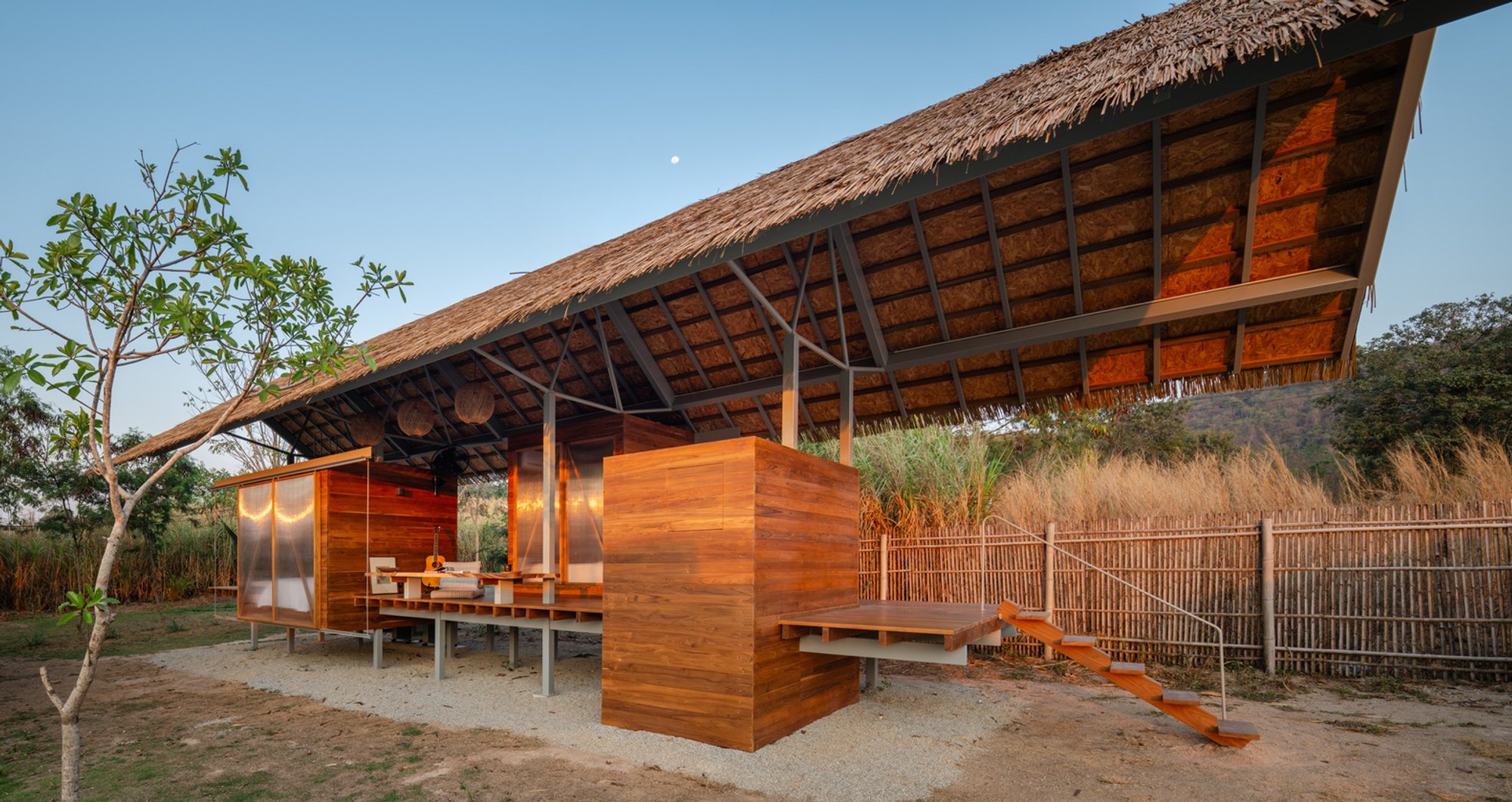
Wooden Cabin Architecture in Thailand: A Child-Friendly Nature Retreat by Imaginary Objects
A sustainable wooden cabin in Thailand designed for children, blending nature, play, and minimalist Thai architecture.

A Harmonious Blend of Design, Nature, and Childhood Imagination
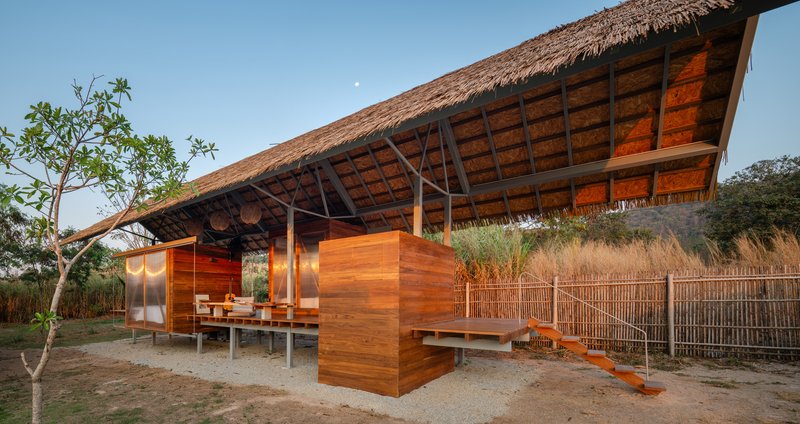
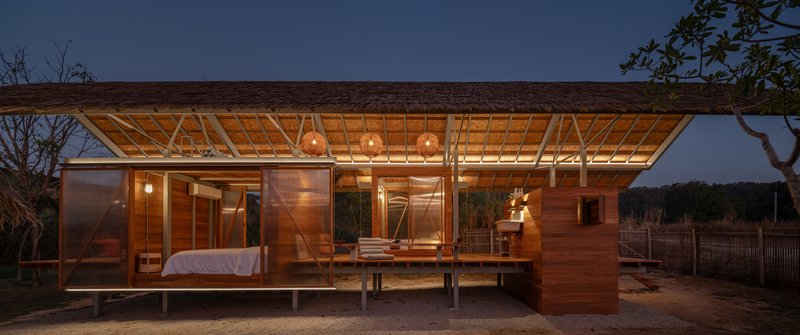
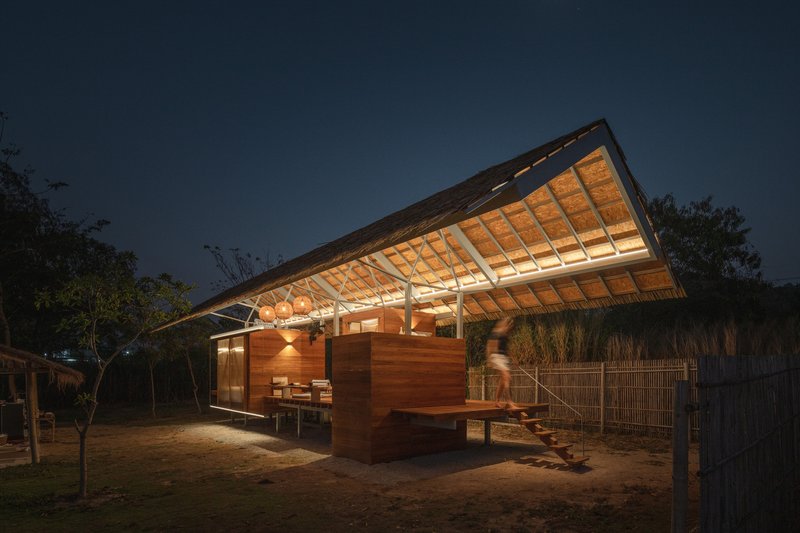
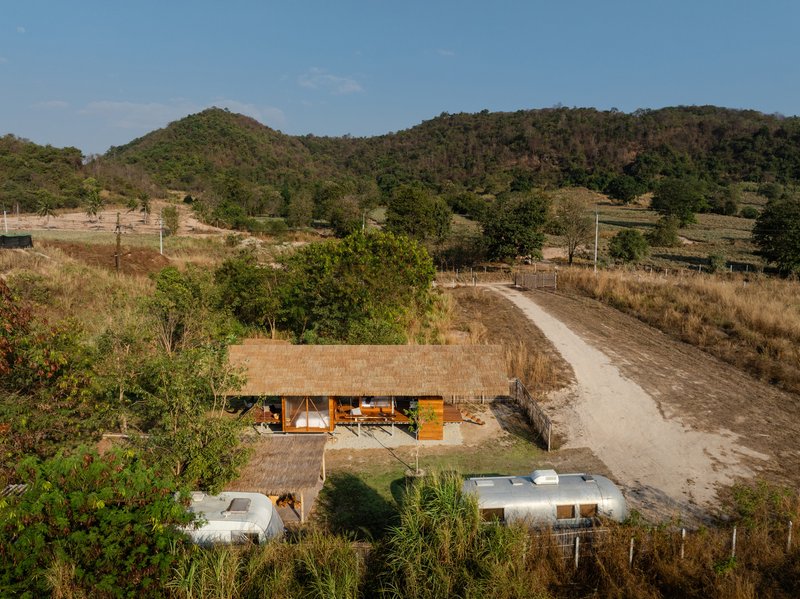
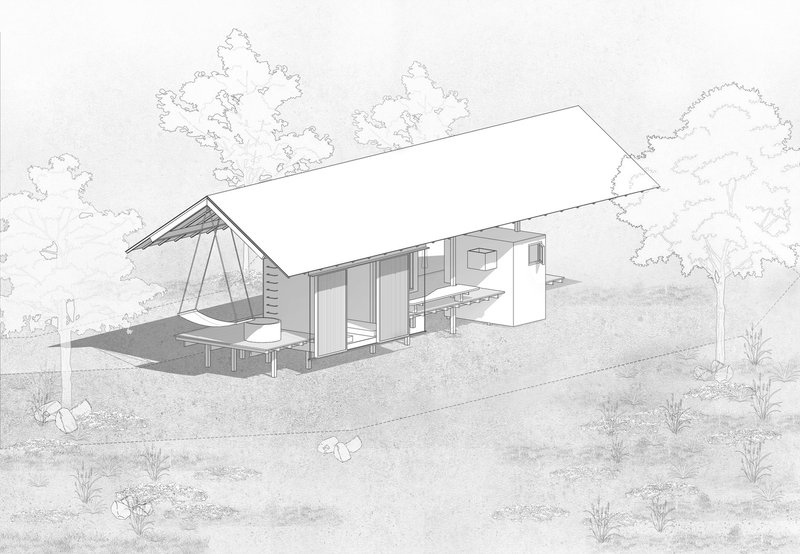
In the heart of Chonburi, Thailand, Kid Cabin by Imaginary Objects redefines wooden cabin architecture through a child-centered, nature-integrated design. Envisioned as a grounded interpretation of a treehouse, this 45-square-meter structure offers more than just shelter—it provides a tactile, immersive experience of the outdoors.
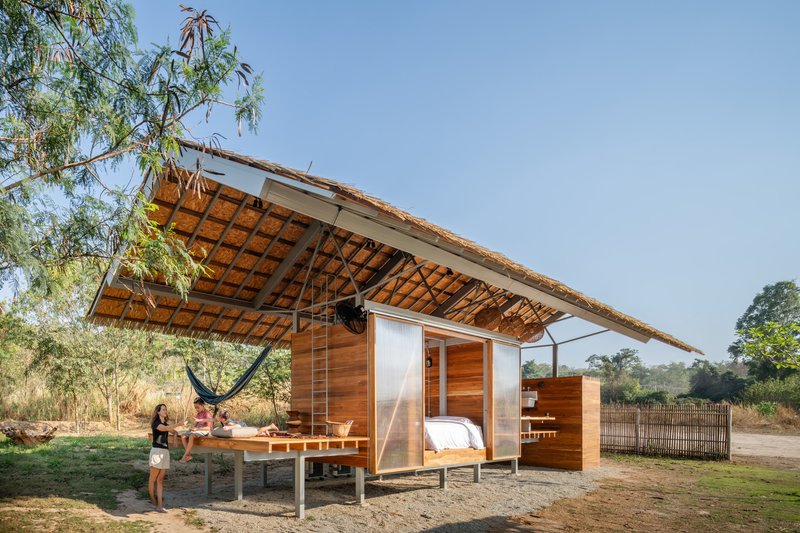
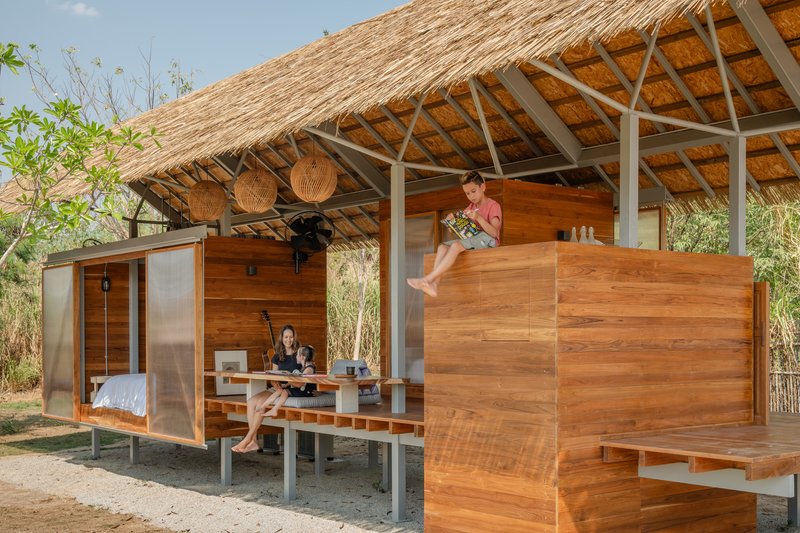
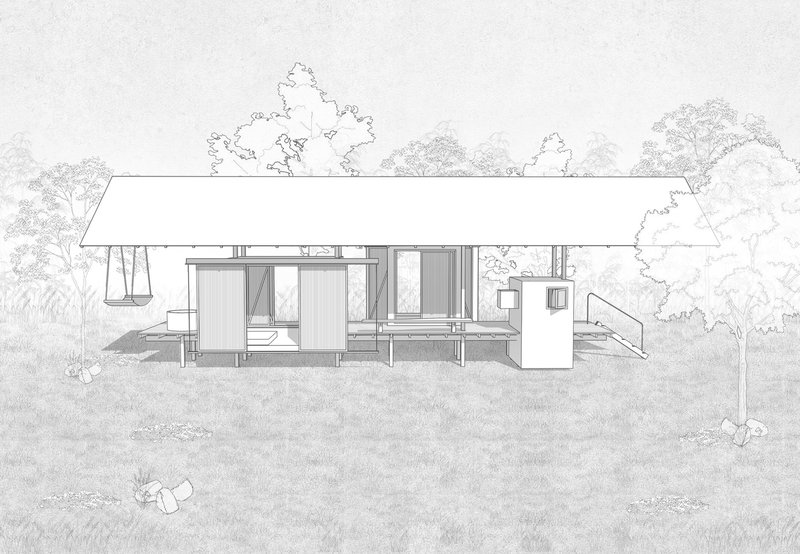
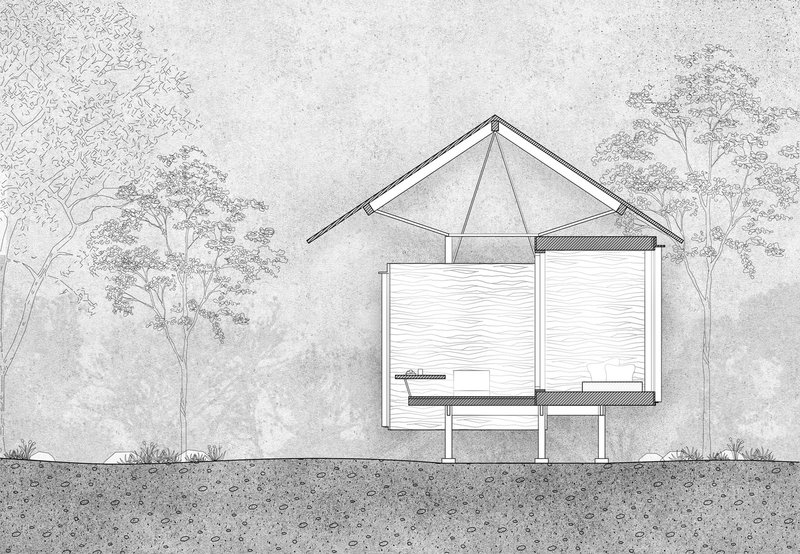
Led by architects Yarinda Bunnag and Roberto Requejo Belette, the project balances traditional Thai architectural elements with modern sensibilities. The lightweight teak construction is both elegant and sustainable, reflecting a commitment to local materials and cultural roots. Drawing inspiration from vernacular Thai homes, the structure features open spaces, an emphasis on airflow, and a seamless blend between inside and out.
Design Rooted in Nature and Simplicity
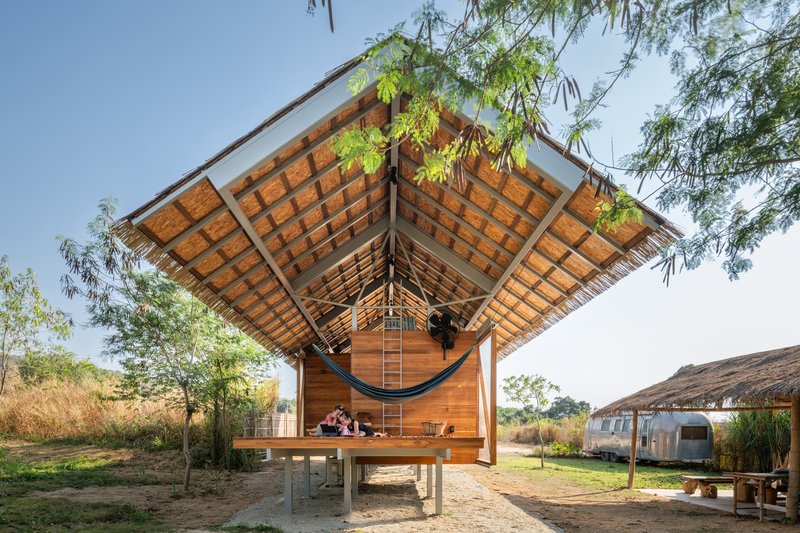
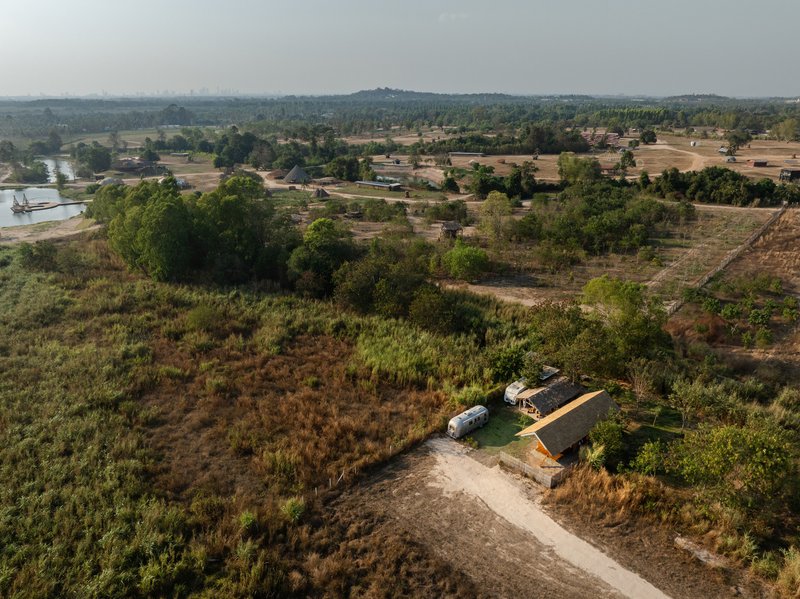
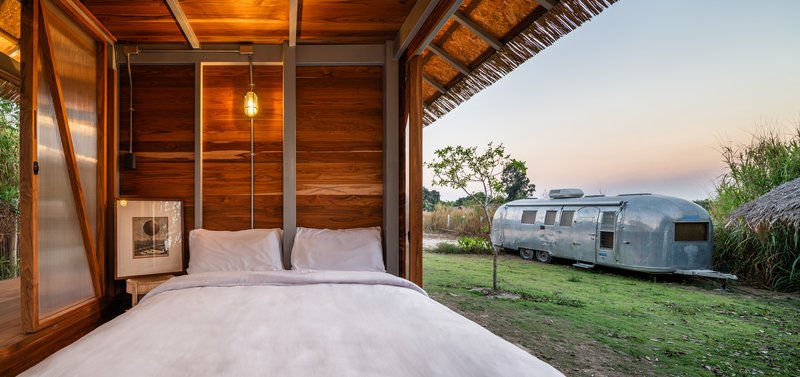
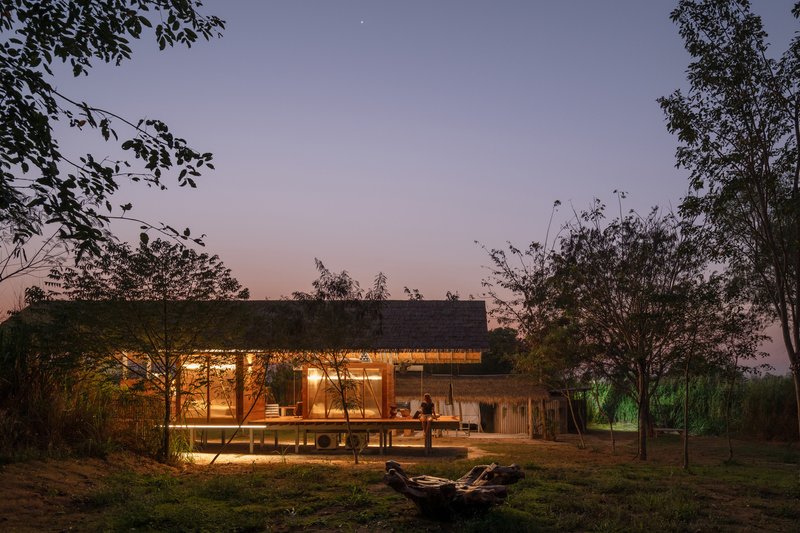
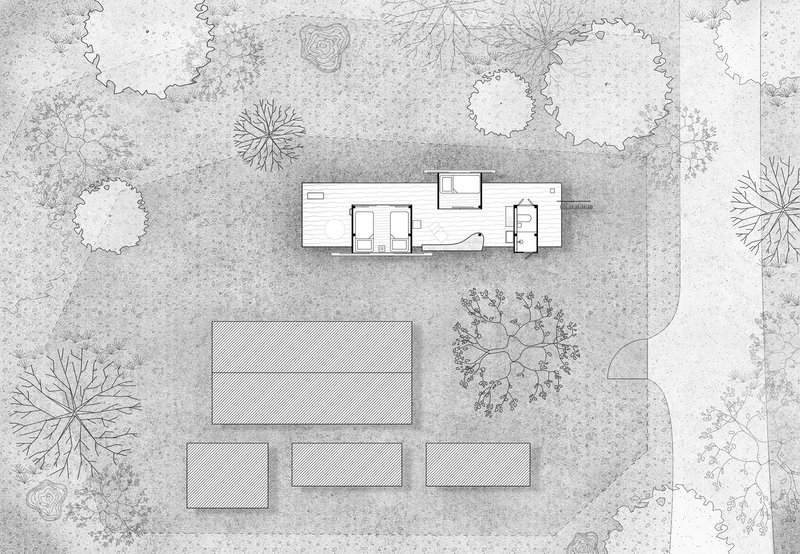
Kid Cabin sits adjacent to the client’s RV, creating a shared outdoor family space while still giving the children their own retreat. The architecture does not dominate the landscape but rather coexists with it, encouraging exploration, creativity, and play.
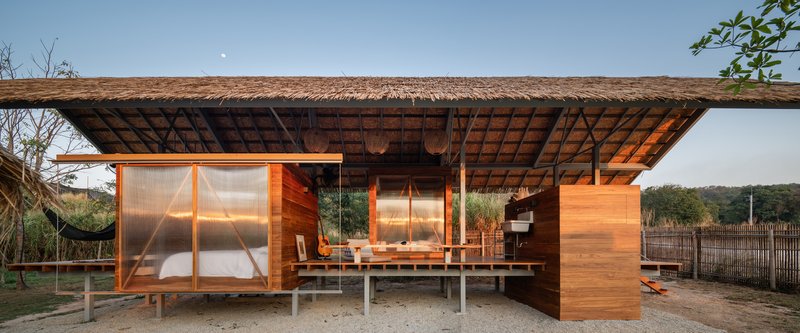
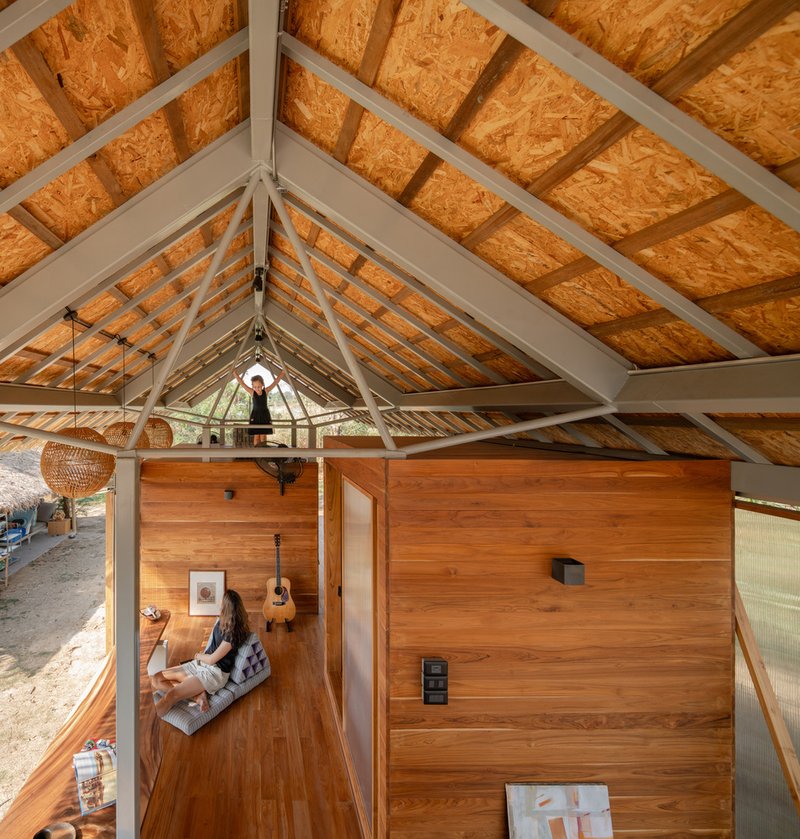
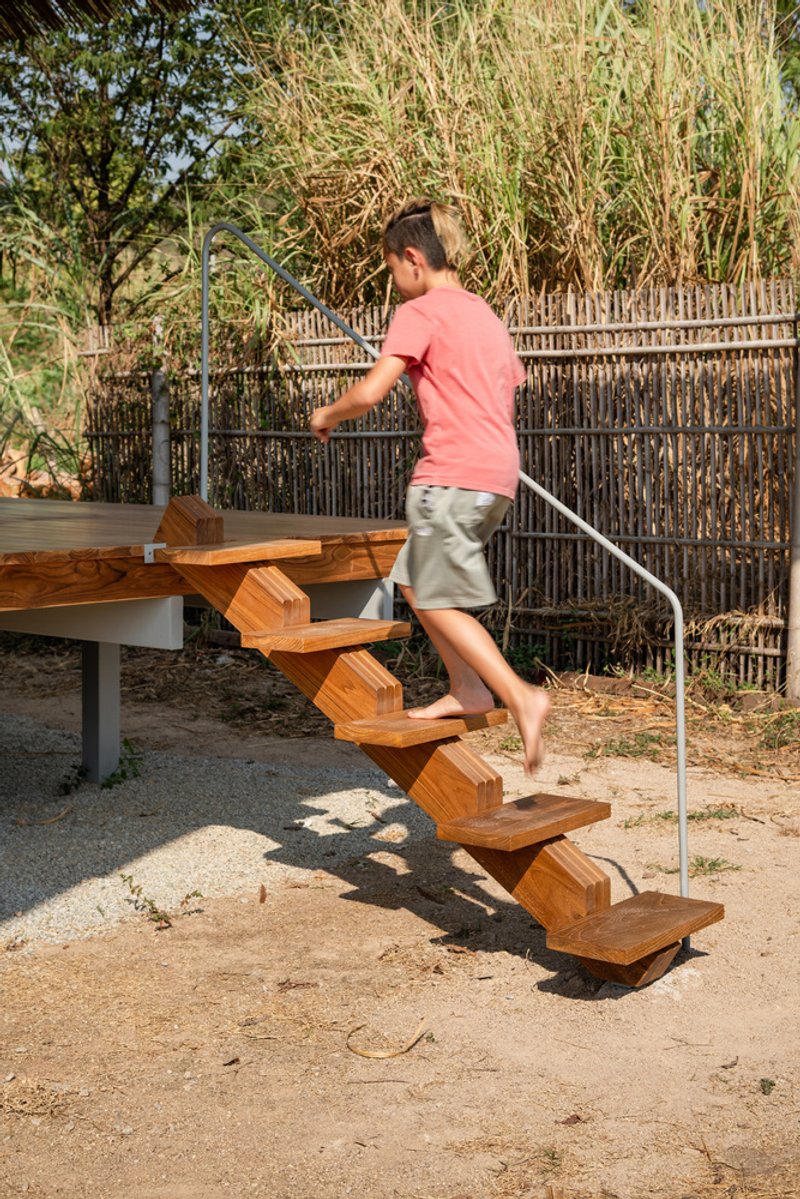
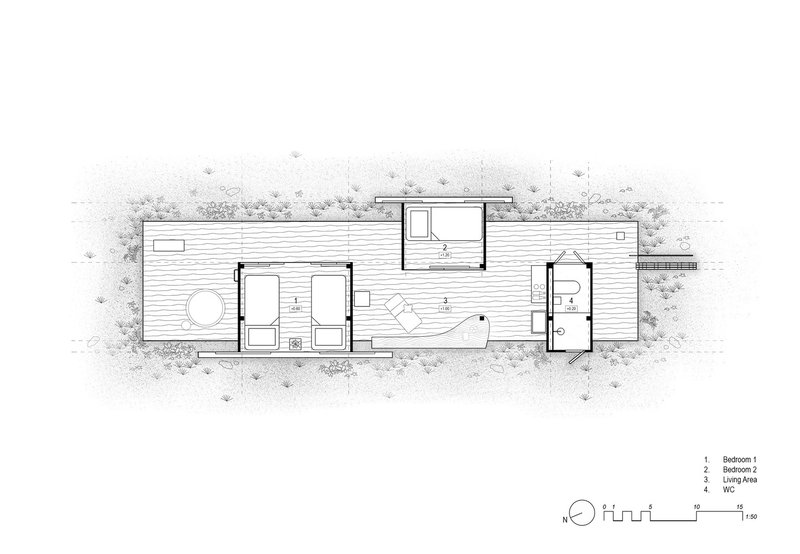
The layout includes two cozy bedrooms, a communal bathroom, and a generous open-air deck that serves as the living area. Designed specifically for children, the scale of architectural features like steps, ladders, and doors cater to smaller bodies, making the space intuitive and accessible.
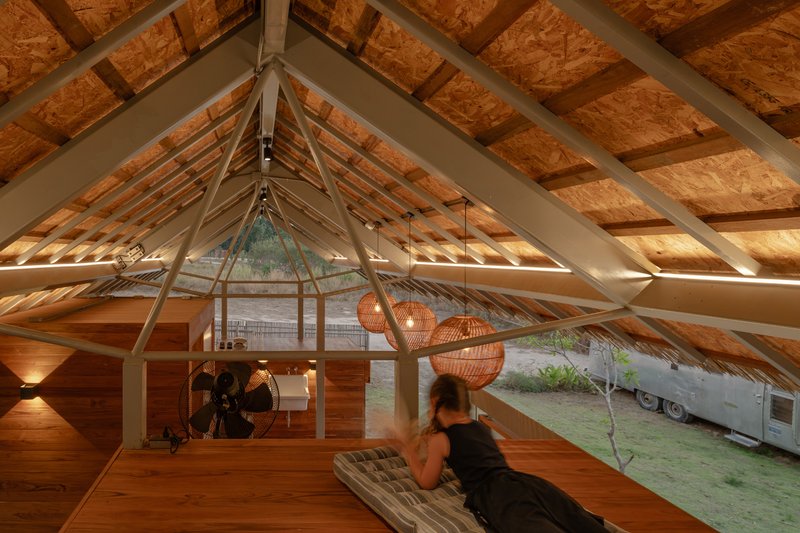
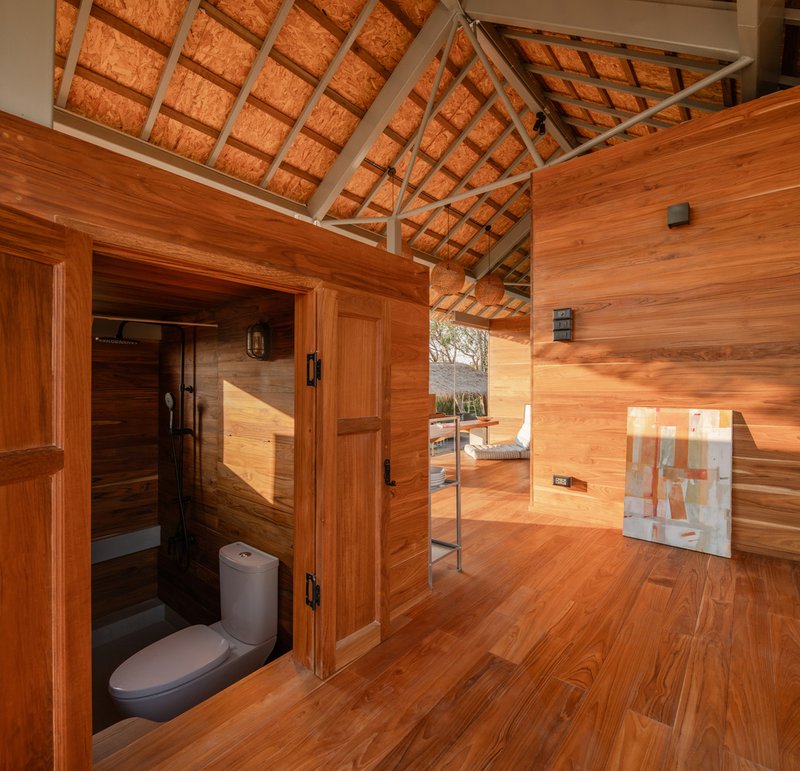
Merging Indoors and Outdoors
The cabin’s design celebrates openness. Large windows in the bedrooms can be completely opened to dissolve the boundary between inside and out. This strategy not only maximizes natural ventilation but also fosters a deeper bond with the surrounding environment.
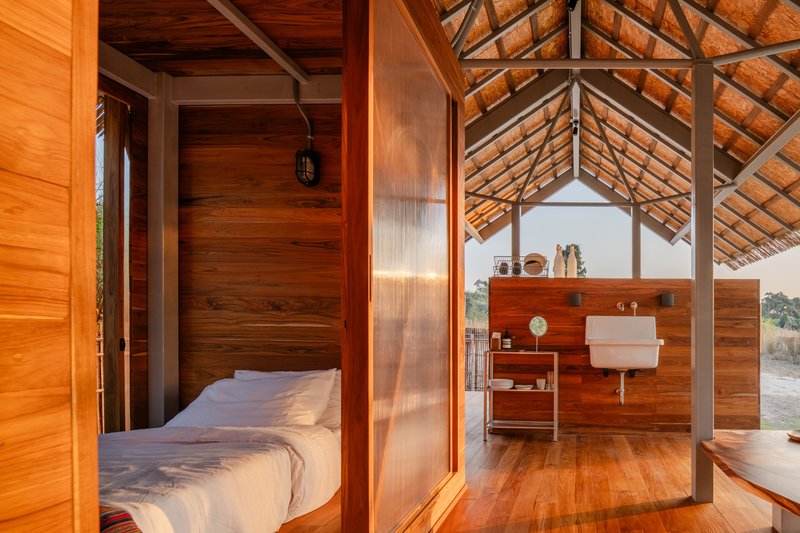
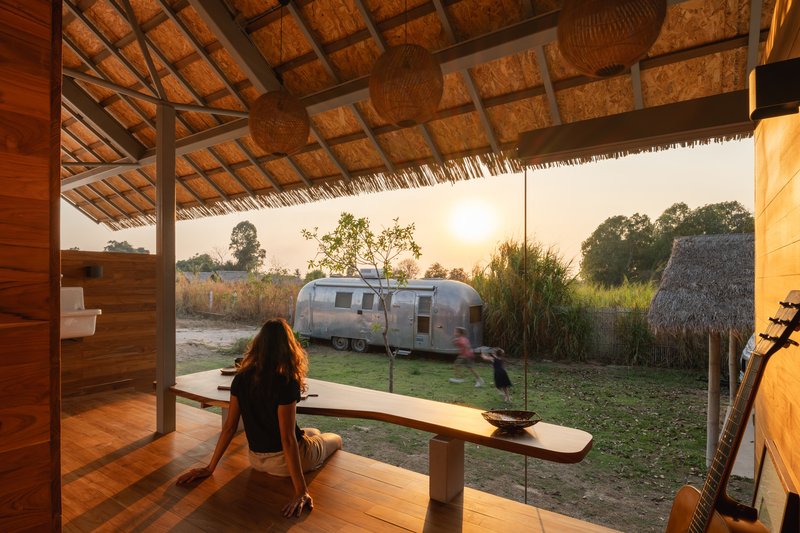
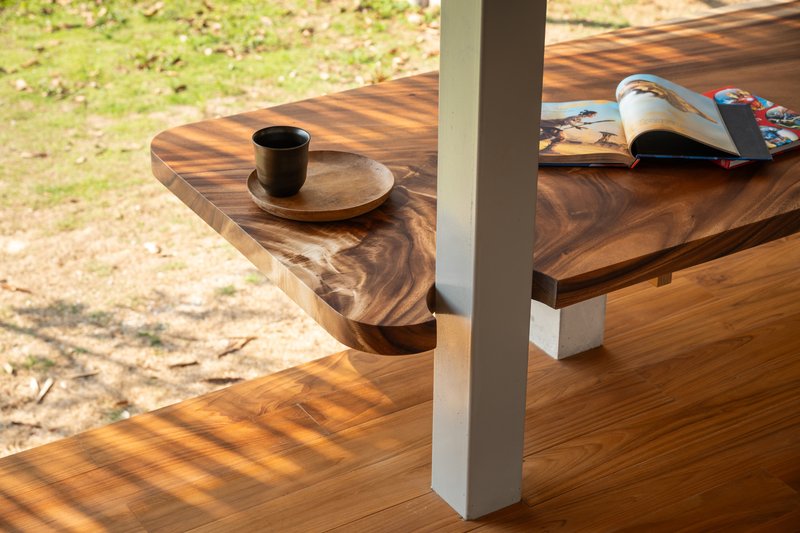
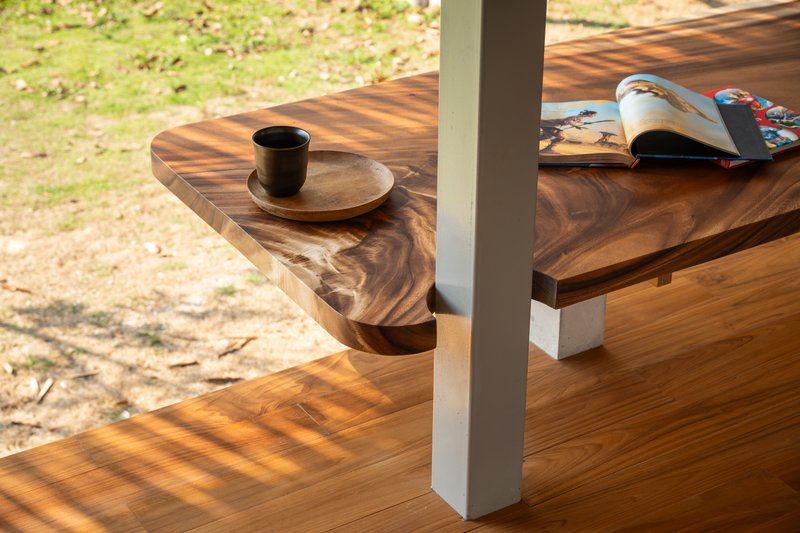
One of the cabin’s standout features is a dining and workshop table that cantilevers outward from the deck into the fields. This gesture pulls the interior experience into the outdoors, reinforcing a sense of adventure and creativity.
A Space for Exploration and Learning
Functionality meets whimsy in the large communal sink area where children can clean their collected natural treasures or engage in crafts and experiments. These design choices transform the cabin from a static dwelling into a dynamic learning and playing space.
This architectural approach aligns with the principles of wooden cabin architecture that prioritize minimalism, environmental harmony, and emotional resonance. Here, the emphasis is not on luxury but on meaningful experience—inviting young occupants to rediscover the outdoors on their terms.
A Model for Modern Wooden Cabin Architecture
Kid Cabin by Imaginary Objects is a compelling case study in wooden cabin architecture. It shows how thoughtful design can elevate even the most modest spaces into places of wonder. As more architects seek sustainable, child-focused, and nature-responsive solutions, this Thai retreat offers a model worth emulating.
By embracing traditional materials, prioritizing scale and function for children, and merging architecture with the landscape, this project exemplifies how wooden cabin architecture can serve as a medium for joy, exploration, and connection.
All Photographs are works of Jinnawat Borihankijanan



Popular Articles
Popular articles from the community

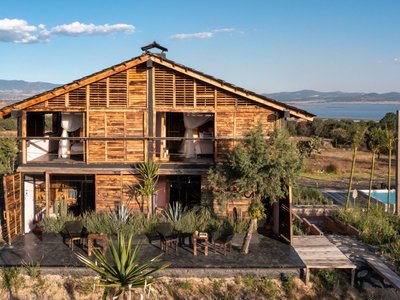
Fausto Terán and Toro Fuse Japanese Craft with Mexican Tradition in a Lakeside Retreat
Nakamura House pairs Shou-Sugi-Ban charred pine with handmade clay tile at the foot of Atlangatepec Lagoon in Mexico.

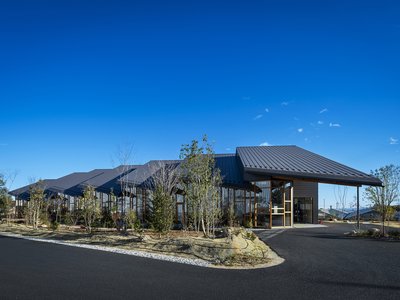
20 Most Popular Office Building Projects of 2025
From biophilic workspaces in India to net-positive energy offices in New Delhi, 20 office building projects that defined architecture in 2025.
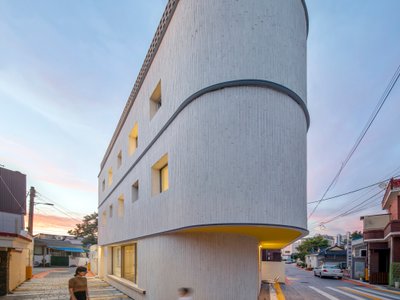
YOAP Architects Round a Corner in Yeongcheon with a Cylindrical Community Hub
A 197-square-meter brick and ribbed-clad tower turns a forgotten alley corner in South Korea into a public garden with a low threshold.
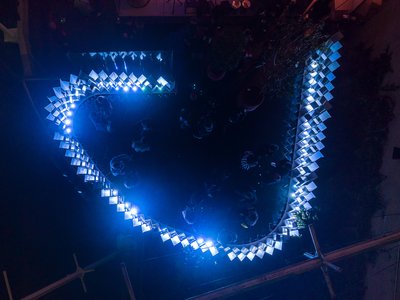
Rojkind Arquitectos and Think Parametric Build a Glueless Pavilion from 67 Interlocking Panels
A serpentine fiber-cement installation in Chapultepec Park celebrates a decade of architectural media in Mexico City.


Similar Reads
You might also enjoy these articles
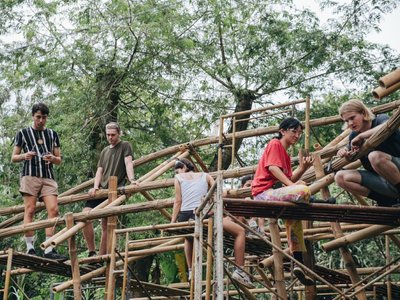
Bamboo Housing Challenge 2026: Design Affordable, Sustainable Homes Using Bamboo
An international design competition by Bamboo U and IBUKU inviting architects and designers to reimagine affordable housing using bamboo — with the winning design built full-scale in Bali.

Computational Design & Education: Beegraphy Design Awards Introduces 7th Category (Featuring Jiyun's Innovative Approach)
Dive into Beegraphy’s 7th Design Awards category, where computational design meets education to create immersive, interactive learning tools, inspired by Jiyun’s work.

From Parametric Lighting to Urban Furniture: Join the 2nd Workshop in Beegraphy’s Computational Design Series
Dive into Cutting-Edge Design Techniques and Practical Applications with Industry Experts

Introducing Sphere by UNI: Pioneering a New Era in AEC Industry
Unlocking Global Potential with BIM and Agile Management


Explore Architecture Competitions
Discover active competitions in this discipline




The International Standard for Design Portfolios


The Global Benchmark for Architecture Dissertation Awards


The Global Benchmark for Graduation Excellence


Challenge to reimagine the Iron Throne
Comments (0)
Please login or sign up to add comments
No comments yet. Be the first to comment!