
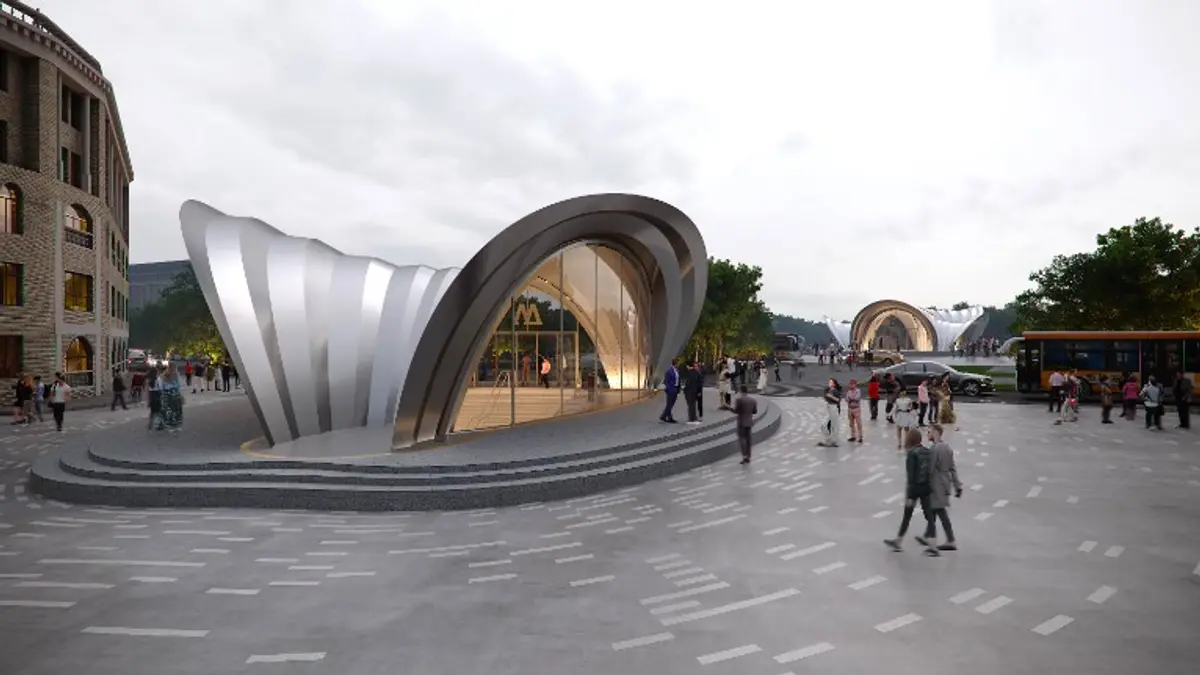
Zaha Hadid Architects to Build New Dnipro Metro Stations: Construction Underway
Revolutionizing Public Transit in Ukraine's Fourth Largest City

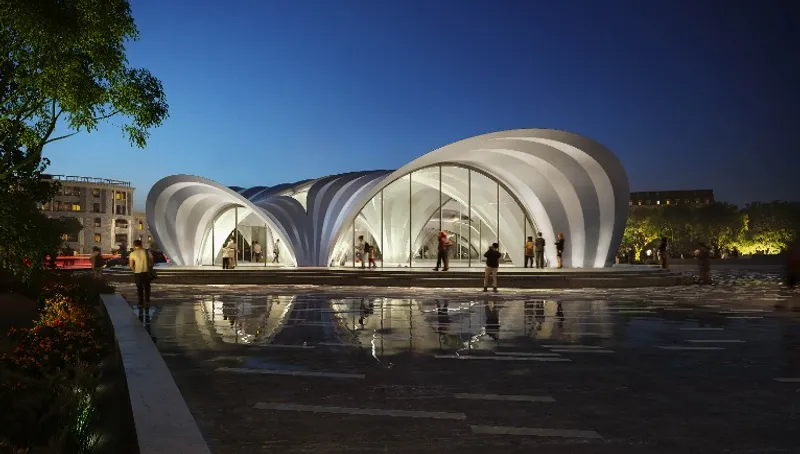
The city of Dnipro, a centre of excellence in engineering, metallurgy and manufacturing, is set to upgrade its transport network with a 4km extension to its metro line. The three new stations – Teatralna, Tsentalna and Muzeina – will connect the eastern districts of the city with the city centre and the Dnipro-Holovnyi railway terminus. The project, which began in 2016, is expected to reduce traffic congestion in central Dnipro and make the parks, beaches and recreational facilities on the banks of the Dnipro River more accessible from the city centre.
The new metro stations are designed to reflect the city's rich traditions in steel craftsmanship. The entrance pavilions, made of recycled steel from local foundries, are sculpted into thin structural shells that showcase Dnipro's expertise in steelwork. Each entrance pavilion is situated within a new public plaza, providing a recognisable landmark indicating access to the city's metro.
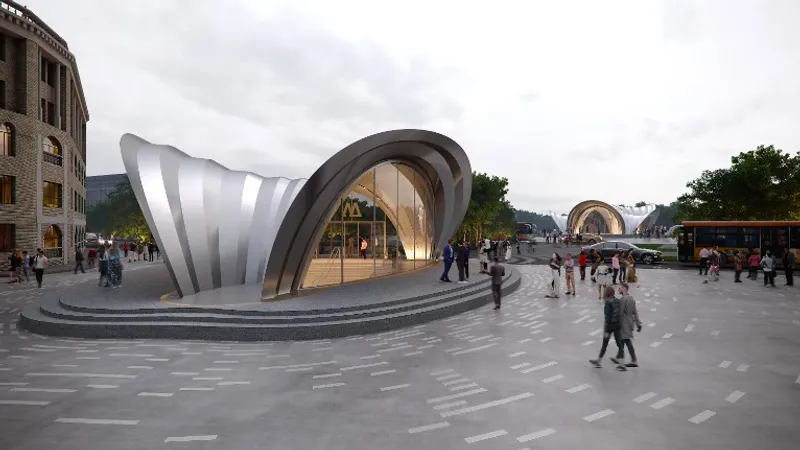
The ticket halls of each station are unique in design, but the interior concourses, corridors and platforms share a cohesive formal and spatial logic that gives the Dnipro Metro a strong identity. The interiors are designed with intuitive navigation in mind, orientating and directing passengers through each station to ensure a safe, comfortable and enjoyable transport experience across the city.
The three new deep-level stations are integral to the city's ongoing programme to upgrade its transport network. Passenger services to the three stations are expected to begin in 2025. This will be a significant development for the city, making it easier for residents, businesses, and cultural and academic institutions in the eastern districts to access the city centre and railway terminus.

The new metro stations will provide not only efficient transportation but also contribute to the city's architectural landscape. The sculptural forms of the entrance pavilions create an eye-catching visual presence that captures the city's steel craftsmanship. Moreover, the public plazas provide new gathering spaces for the city's residents and visitors.
The Dnipro Metro line extension project is an exciting development for the city, contributing to its growth, sustainability and infrastructure. It reflects the city's rich cultural and industrial heritage and its innovative approach to public transportation design. The Dnipro Metro is set to become a flagship project for the city, providing efficient, comfortable and sustainable transport services for its residents and visitors alike.

In conclusion, the new metro stations will not only provide efficient transportation but also contribute to the city's architectural landscape. The project reflects the city's rich cultural and industrial heritage and its innovative approach to public transportation design. The Dnipro Metro is set to become a flagship project for the city, providing efficient, comfortable and sustainable transport services for its residents and visitors alike. The project is a significant development for the city, contributing to its growth, sustainability and infrastructure.

Popular Articles
Popular articles from the community


Cloaked Colonization: A Mobile Underwater Habitat That Moves Like a Fish
Micah Abaya's shortlisted EHC Pacific entry reimagines ocean settlement as a dispersed network of self-sustaining architectural organisms.

Extended Shell: Retrofitting Kolkata's Balconies as Living Urban Thresholds
A modular retrofit system recovers the social and environmental intelligence of Kolkata's historic verandas for contemporary Park Street residents.

The Amber Palace Opera: A Geological Fiction Surfaces on Tallinn's Baltic Waterfront
Pierre Brillard reimagines a Baltic legend as a public landscape, opera house, and waterfront promenade rooted in Tallinn's coastal identity.

Faces of the Soviet Avant-Garde: Turning Moscow's Street Names into an Open-Air Museum
A network of sculptural installations across a Moscow residential district transforms forgotten architect names into spatial encounters with cultural memor

Similar Reads
You might also enjoy these articles
116 Rokeby Building, Collingwood
Sustainable Collingwood office building featuring double-skin façade, natural ventilation, rooftop amenities, and carbon-neutral design focused on wellbeing and longevity.
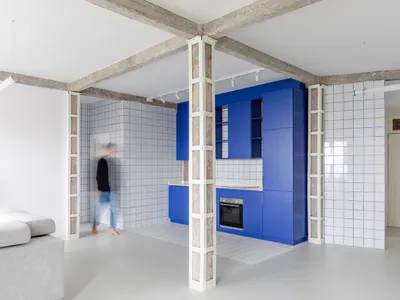
Contemporary Apartment Renovation in Spain: RV House by BIAN Opens Up to the Sea
A minimalist 1930s apartment in Santander is transformed into a flexible, sea-facing home through contemporary Spanish renovation.
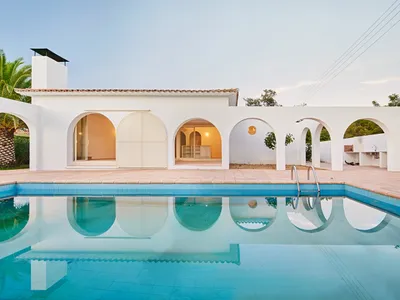
3 Marías House: A Contemporary Mediterranean Courtyard Retreat by Bajet Giramé + Burckhardt
Mediterranean courtyard home blending traditional architecture with modern design, terracotta flooring, flexible interiors, sustainable climate strategies, and garden integration.
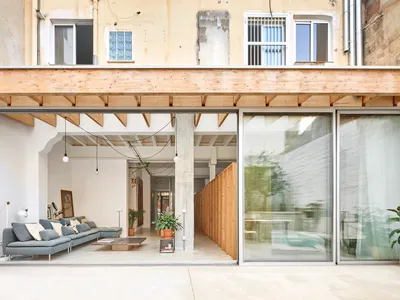
NZ10 Apartment by auba studio: Adaptive Reuse in Palma de Mallorca
Adaptive reuse apartment transforms bakery into light-filled home with patios, privacy layers, and wood interiors enhancing urban living experience.

Explore Cultural Architecture Competitions
Discover active competitions in this discipline


Challenge to reimagine the Iron Throne

Photograph architecture without architects

Illustrate the lost glory of Angkor Wat - Render Challenge

Bring back Drive In's
Comments (0)
Please login or sign up to add comments
No comments yet. Be the first to comment!