
Zootopia: Revolutionizing Lunar Architecture for a Sustainable Future
Explores Zootopia's innovative lunar architecture, integrating animal forms for sustainable, life-supporting moon habitats.


In 2124, Earth lies in ruins, a testament to humanity's insatiable greed and disregard for the environment. With the planet's resources exhausted and its ecosystems destroyed, humans have turned to the Moon, seeking refuge and a chance to start anew. Amidst this backdrop of desperation and hope, a visionary project named Zootopia Shortlisted Entry of Moon Base 2124 has emerged. Created by Xiaowu Lu, Peiru Long, Zhixin Guo, and Ziyan Qing, Zootopia is a lunar habitat that pays homage to Earth's extinct animals by integrating their forms into its architectural design. This innovative approach not only offers a functional living space but also serves as a poignant reminder of what was lost.
Analysis of Earth and Moon
Earth: Past and Future
Once a thriving home to humans and animals alike, Earth boasted a balanced ecosystem with ample resources. However, by 2124, human technological advancements had come at a steep cost. The relentless extraction of resources led to environmental collapse, rendering Earth uninhabitable. Animals, having lost their habitats, became extinct, leaving humanity to grapple with the consequences of its actions.

Moon: The New Frontier
The Moon, in stark contrast, offers a barren yet resource-rich environment. With lower gravity, no atmosphere, and extreme temperatures, it presents unique challenges for human habitation. However, these challenges also provide opportunities to innovate and create a sustainable habitat that can support human life while preserving the memory of Earth's biodiversity.
Zootopia's Vision: Integrating Animal Forms into Lunar Architecture
Zootopia aims to recreate the vibrancy and diversity of Earth's wildlife through its architectural design. By translating animal forms into functional modules, the project brings a touch of life to the desolate lunar surface. Each module embodies the characteristics of a specific animal, offering unique benefits and fostering a sense of connection to nature.
Pelican Module
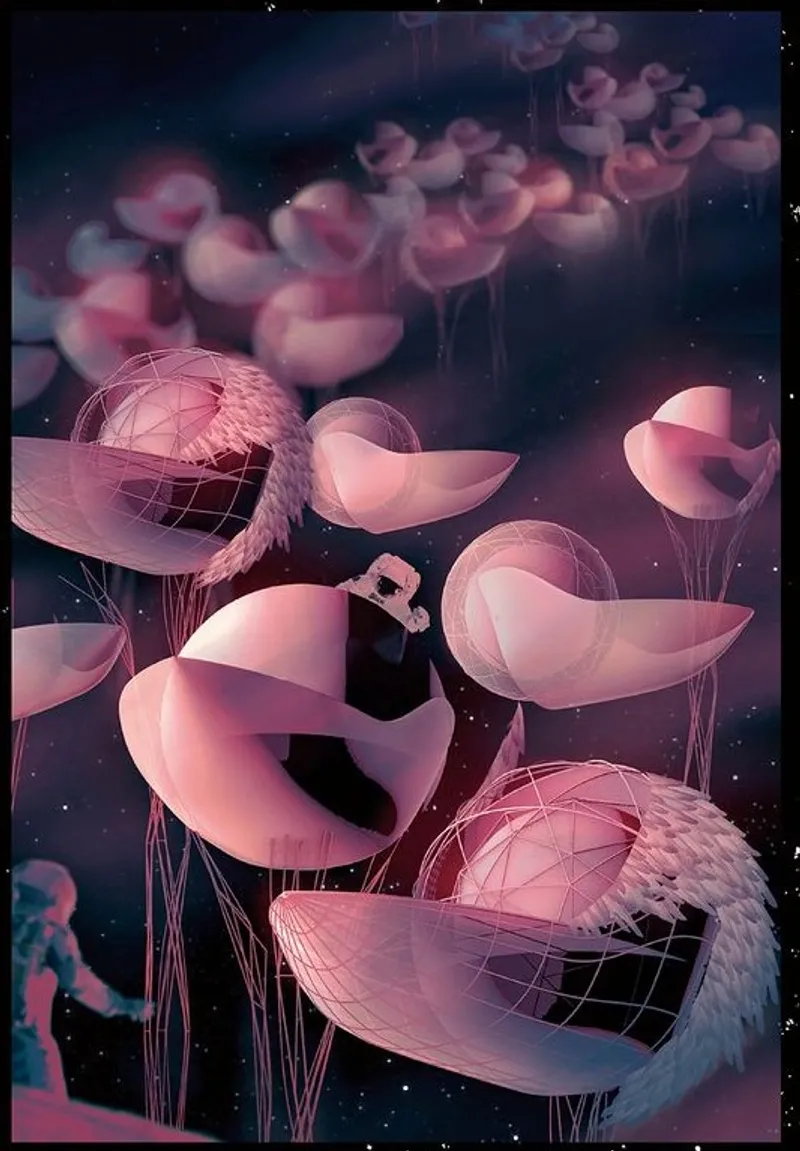
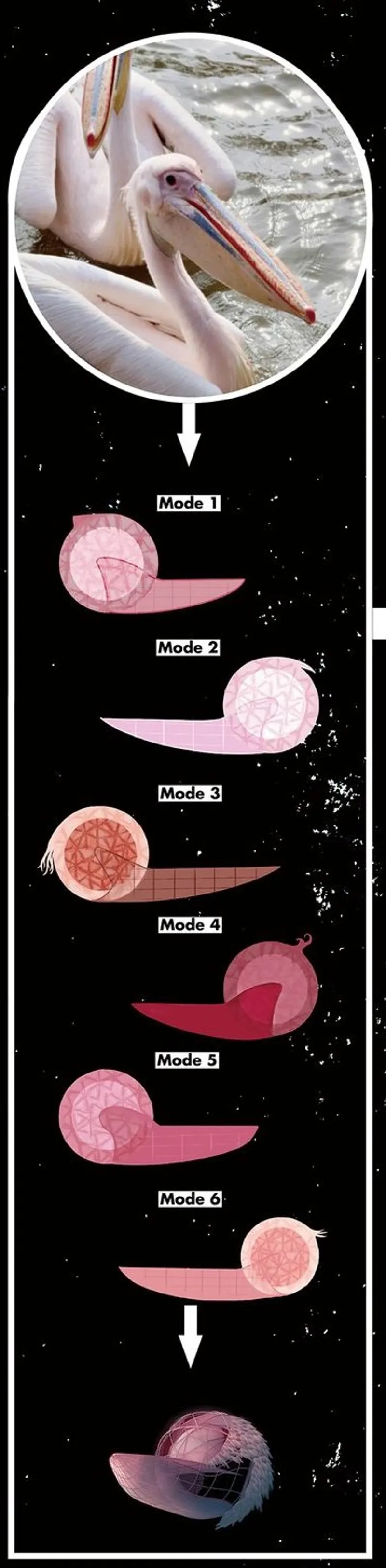
The Pelican Module draws inspiration from the bird's large, flexible mouth, which can open and close to store food. This flexibility is reflected in the module's design, allowing it to serve as a movable residential unit. The module is divided into two floors: the first for work and the second for living. Oxygen is provided through superpowered plants, while a network of pipes ensures a steady supply of air and materials.
Giraffe Module
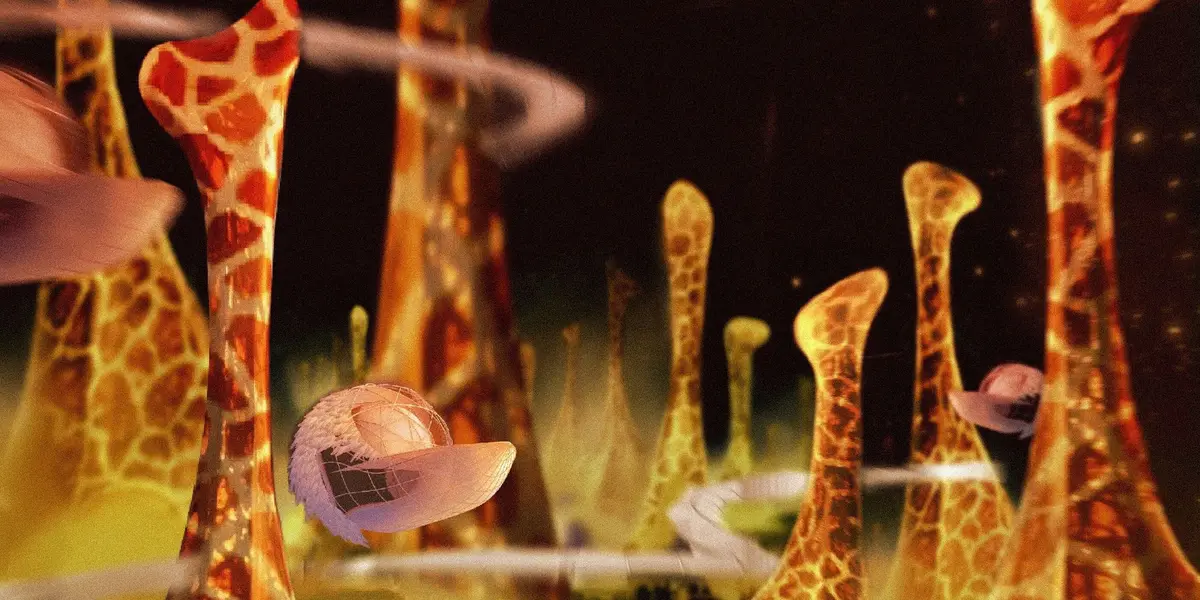
Inspired by the giraffe's long neck and distinctive skin patterns, the Giraffe Module is designed as a high-rise building. Its transparent windows mimic the giraffe's colorful spots, bringing warmth and light into the habitat. Serving as a central landmark, the Giraffe Module injects vitality into the lunar base and symbolizes hope for the future.

Tortoise Module
The Tortoise Module leverages the stability and protective qualities of a tortoise's shell. The shell's texture is used to create solar panels and sunshades, providing energy and shelter. Inside, the module is divided into layers that support plant growth, creating a base station of life amidst the harsh lunar environment.

Penguin Module
The Penguin Module captures the essence of a penguin's low center of gravity and dynamic movement. Designed as a public building, it features a swinging structure that adds an element of playfulness to the habitat. The module includes recreational facilities like a treadmill, boxing ring, and shopping mall, enhancing the quality of life for lunar inhabitants.

Life Support Systems
Ensuring a sustainable supply of air and food is crucial for any lunar habitat. Zootopia addresses these needs through advanced technological solutions:
- Air Supply: Generated through the electrolysis of carbon dioxide and enhanced by photosynthetic plants.
- Food Supply: Sourced from a combination of edible plants and synthesized foods, ensuring a diverse and nutritious diet.
Structural and Deployment Concepts
Zootopia's modular design allows for flexible deployment and expansion. The various animal-inspired modules are arranged around a central area, creating an interconnected and cohesive community. This layout not only maximizes the use of space but also fosters a sense of unity and cooperation among inhabitants.

Power Generation and Sustainability
Zootopia utilizes the Helium-3 reaction as its primary power source, supplemented by solar energy captured by the Tortoise Module's solar panels. This dual approach ensures a reliable and sustainable energy supply, capable of supporting the habitat's long-term needs.
Construction Technologies
The construction of Zootopia relies on 3D printing technology, utilizing lunar soil and minerals to reduce waste and conserve resources. This method allows for rapid deployment of building modules, with AI integration ensuring efficient and intelligent construction processes.

Long-Term Expansion Plans
The modular nature of Zootopia allows for continuous expansion. New modules can be added indefinitely, creating a sprawling lunar metropolis. This flexibility ensures that Zootopia can grow and adapt to meet the evolving needs of its inhabitants, reflecting humanity's determination to build a thriving new life on the Moon.
Zootopia represents a bold and innovative approach to lunar architecture, merging advanced technology with a deep respect for nature. By incorporating animal forms into its design, the project offers a unique and sustainable habitat that honors the memory of Earth's lost biodiversity. As humanity looks to the stars for new beginnings, Zootopia stands as a beacon of hope and a testament to our enduring spirit.


Popular Articles
Popular articles from the community


David Ortega Stacks a Two-Story Mexico City Penthouse Around a Steel Stair and a Pergola-Shaded Roof Terrace
In Colonia Roma, a 300 m² penthouse uses oak joinery, a planted steel stair and a slatted roof pergola to make a new-build apartment feel like a house.

Cube Design Draws an Ecological Corridor Between Two Shenzhen Hills with the Nankai Building
Beside Shenzhen's container docks, the Nankai Building pairs stacked balconies with a climbing green screen to connect two hillsides across its height.


The Amber Palace Opera: A Geological Fiction Surfaces on Tallinn's Baltic Waterfront
Pierre Brillard reimagines a Baltic legend as a public landscape, opera house, and waterfront promenade rooted in Tallinn's coastal identity.

Singing Woman: An Opera House That Performs Before the Curtain Rises
Ovidiu Cristian Pavel's conceptual opera house translates Estonia's choral identity into a sculpted waterfront landmark facing the Baltic Sea.

Similar Reads
You might also enjoy these articles

Vereda Arquitetos Renovates a 40-Square-Meter Apartment Inside Niemeyer's Copan Building
A compact unit in São Paulo's most iconic residential tower gets a material overhaul that pairs exposed concrete with bold blue Formica.

Shakur's House: Exposed Brick as an Interior Organiser in a 168 m² Mashhad Residence
Brick moves indoors in this Mashhad residence, where masonry walls, glass partitions and teal planes sequence a compact home without closing it off.

Day and Night Park: A Time-Based Urban Newsstand in Beijing
A temporary urban newsstand in Beijing blending travel, light, and reading through poetic colors, compact form, and community-focused design.

Modernist Patio Renovation in El Masnou, Barcelona by Oliver Segura Arquitectura + Cebrià Arquitectura
Modernist patio renovation blending tradition and innovation with a movable pool, leveled floors, and Catalan materials in El Masnou.


Comments (0)
Please login or sign up to add comments
No comments yet. Be the first to comment!