
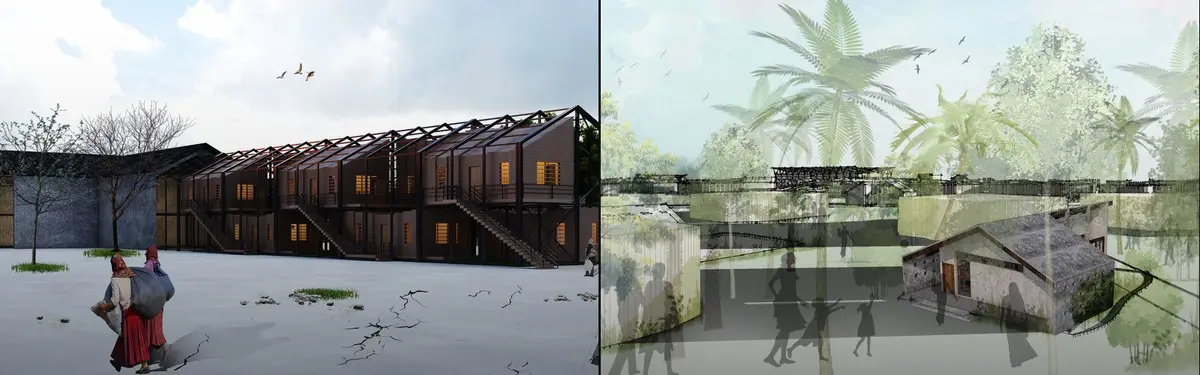


Adaptive Reuse
Transforming existing structures and spaces to serve new purposes, addressing social, environmental, and community needs.
Adaptive reuse involves redesigning and repurposing buildings, infrastructure, and spaces for contemporary functions. This approach extends the life of existing structures while addressing practical challenges in housing, social services, and community resilience.
The community explores adaptive reuse across diverse contexts: converting commercial buildings into social facilities, retrofitting infrastructure for refugee settlements, transforming industrial spaces into vocational centers, and reimagining public structures to support vulnerable populations and foster community recovery.


Popular projects
View all 13 projects


Latest journals
View all 77 journals
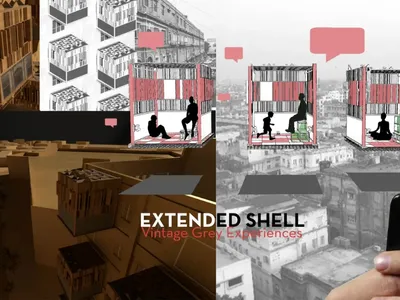
Extended Shell: Retrofitting Kolkata's Balconies as Living Urban Thresholds
A modular retrofit system recovers the social and environmental intelligence of Kolkata's historic verandas for contemporary Park Street residents.

Conversion of an Old Locksmith Shop by ALAS Alarcón Linde Architects
Adaptive reuse in Berlin transforms former locksmith shop into sustainable live-work spaces, blending history, craftsmanship, green design, and contemporary architecture.
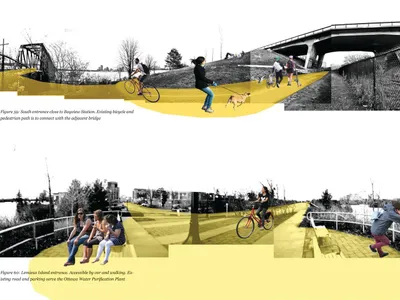
Adaptive Reuse of the Old Bridge: Foldable Rail Cars Turn a Disused Crossing into a Seasonal Public Room
Mariya Boneva rolls foldable modules onto a disused steel truss bridge, turning a crossing built for movement into a seasonal platform for staying.


Homeless Vocational Training Center: Modular Reuse as a Tool for Social Reintegration
An abandoned building in a fractured Taiwanese city becomes a rotatable, crane-assembled training hub that turns homeless residents into skilled workers.


