
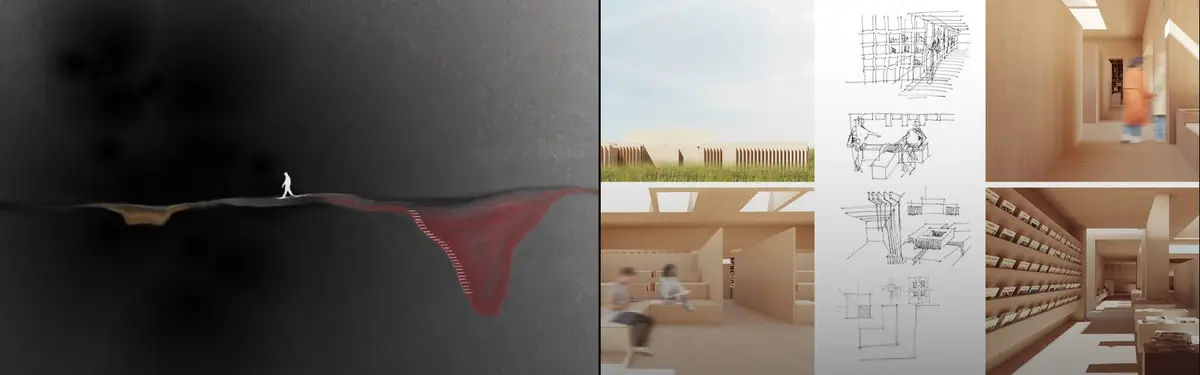
Architecture Of Time
Exploring how architecture responds to, measures, and embodies temporal change, memory, and cyclical processes.

Caspar Schols Raises a Kinetic Steel Meditation Box Seven Meters Above a Dutch Meadow
In the Netherlands, De-Vice is a 10 m² weathering steel tower where participants slowly open an enclosed box to the landscape through movement.


BBP Arkitekter Adds a Seven-Sided Brick Tower to a 1918 Copenhagen Villa for an After-School Club
In Amager, Copenhagen, Tidsmaskinen joins an unrestored headmaster's villa, a greenhouse link and a gabled tower into one ensemble for children.


Time, Place, Memory: Reading Kandahar's Urban Fabric to Build a Community for Widows of War
A shortlisted Resile entry that overlays proportional grids on Kandahar's streets and courtyards to shape a complete settlement for widows of war.

The “Timeless” Observatory: A Skills Centre Conceived as an Instrument for Watching Light, Life and Sky
A skills centre reimagined as an observatory beneath the treetops, where colonnades, courtyards and Mayan geometry turn learning into observation.


Architecture Of Time: A Steel Frame Built to Outlast the Programmes It Was Designed to Hold
An open steel frame carries plug-in concrete volumes, letting a building of workshops and markets absorb technologies that do not yet exist.


The illusion of permanence: the design for disassembly framework
Traditional architecture’s focus on permanence overlooks the environmental constraints of climate urgency. Design for Disassembly (DfD) challenges this by planning buildings to be dismantled, reused, or relocated. This thesis investigates the ecological and socio-economic potentials of DfD, exploring how modularity and reversible connections shape future-oriented construction. Shifting focus from building to responsibly unbuilding redefines permanence for a sustainable lifecycle.

TIME FRAME: A Steel Grid Framework That Lets a Learning Landscape Absorb Decades of Change
Shelter below and gathering above: this Architecture of Time 2020 winner treats time as a material and the grid frame as an armature for future use.


Architecture as a practice of re-grounding and restoring the sensitivity of place
This dissertation counters how globalization and ocularcentrism erode spatial identity, proposing architecture as a memory-bearing palimpsest. The framework is applied to Krakow's Krowodrza district (Poland), where a historic river landscape, once shaping a green gardening area, is now a dense city centre. By revealing 'traces of (in)presence', the work revitalizes this eclipsed heritage, advocating an "architecture of re-grounding."


the architectural memoir of memory
Memory is not static; it evolves, fades, transforms, and survives through people, rituals, and places. Within the Parsi community, the Tower of Silence at Doongerwadi has long existed as a sacred landscape carrying generations of funerary traditions, collective remembrance, and cultural identity. However, changing urban conditions, declining engagement with ritual spaces, and the gradual disconnect between community and sacred landscapes have led to the fading of these memories and spatial pract


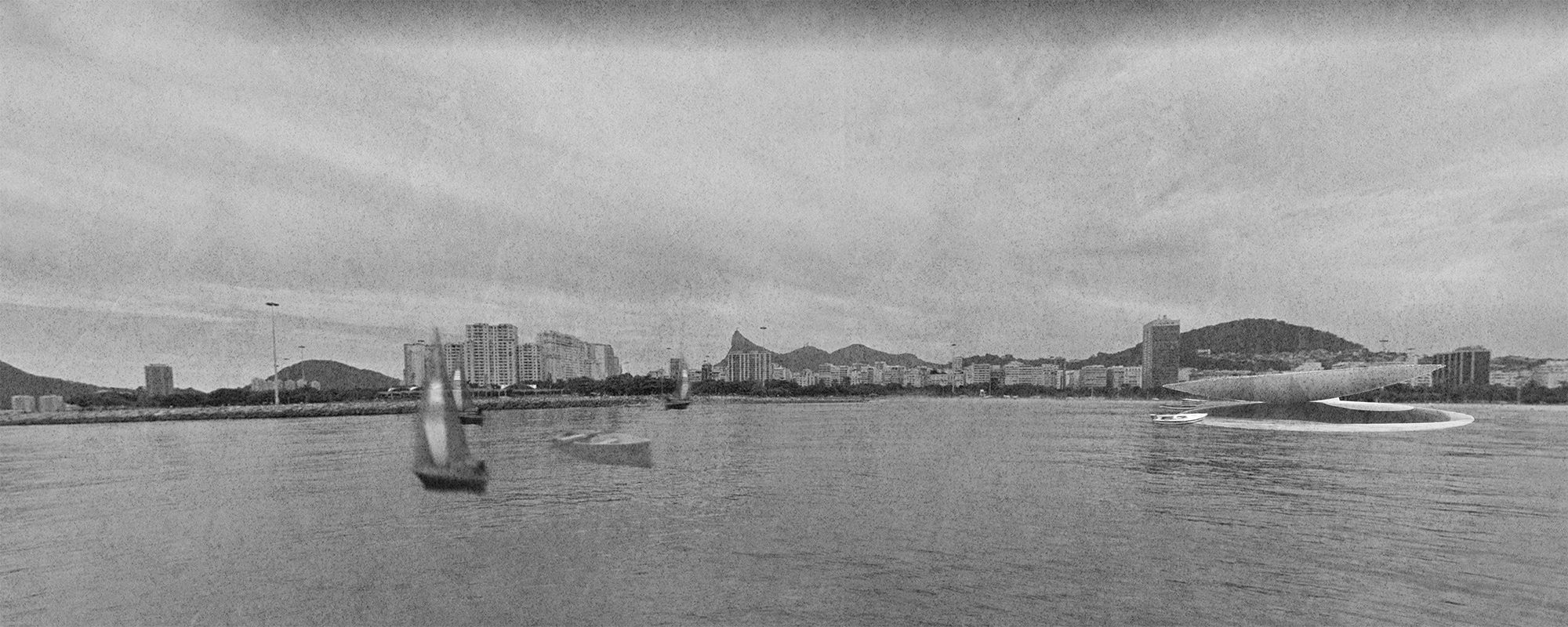
THE MESH
A place for discovery, experimentation and sharing It is here, facing one of the symbols of modern architecture, the MAC Niteroi by Oscar Niemeyer, that the Athenaeum emerges, as a ground movement in the seabed. The mesh appears in the bay as an artificial topography in the landscape, inspired by the mountains surrounding the city of Rio de Janeiro


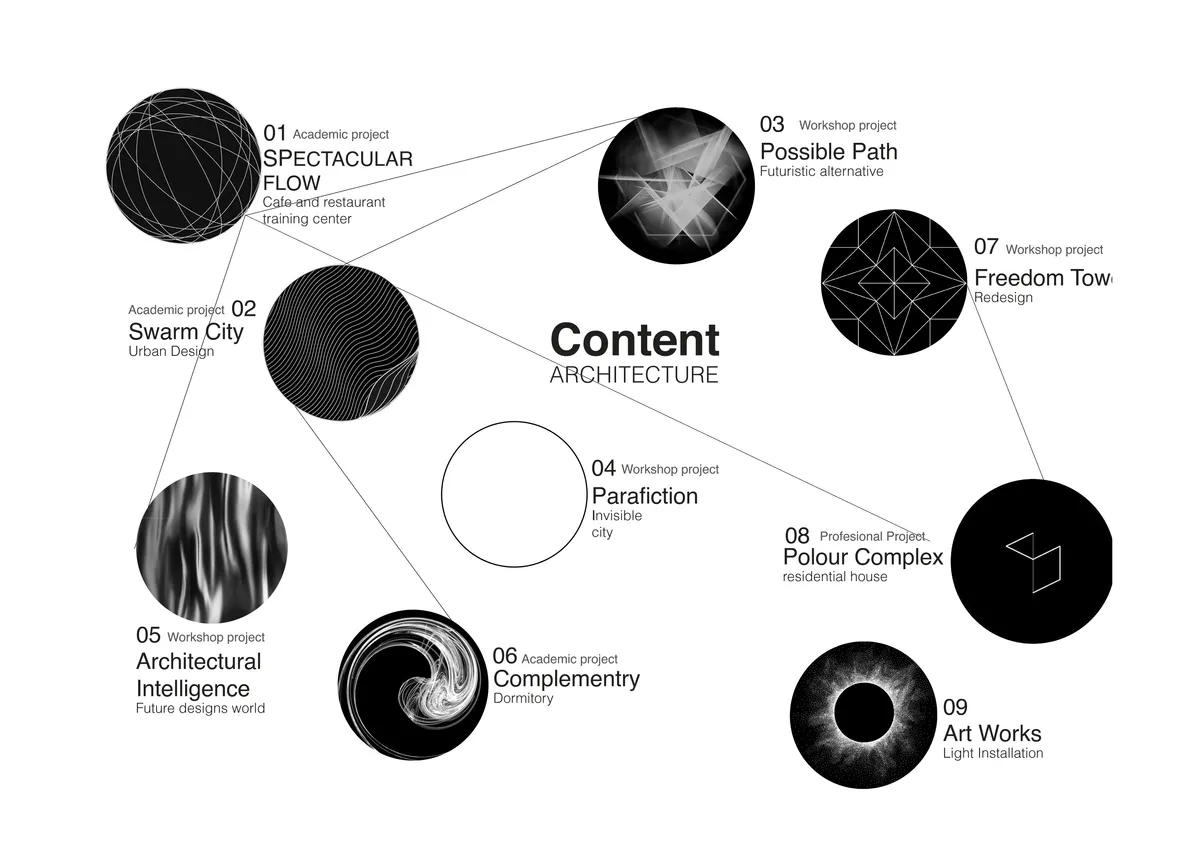
John Sasser Architecture Portfolio
This portfolio showcases a selection of academic projects completed throughout my first three years at Mississippi State University's School of Architecture. The work reflects the development of my architectural thinking through a wide range of representational methods, including hand drawing, digital modeling, technical documentation, and photorealistic visualization. These projects demonstrate a commitment to thoughtful design and the continual refinement of conceptual and technical skills.


Moment of Stillness: Reimagining Industrial Futures Through Architecture, Imagination, and Regeneration
What if architecture could do more than minimise harm? What if buildings could actively repair the environments they inhabit, transforming the legacy of industrialisation into an opportunity for ecological and social renewal? Moment of Stillness begins with these questions, proposing architecture not as an object of permanence but as a living system capable of healing landscapes and reshaping our relationship with the planet.



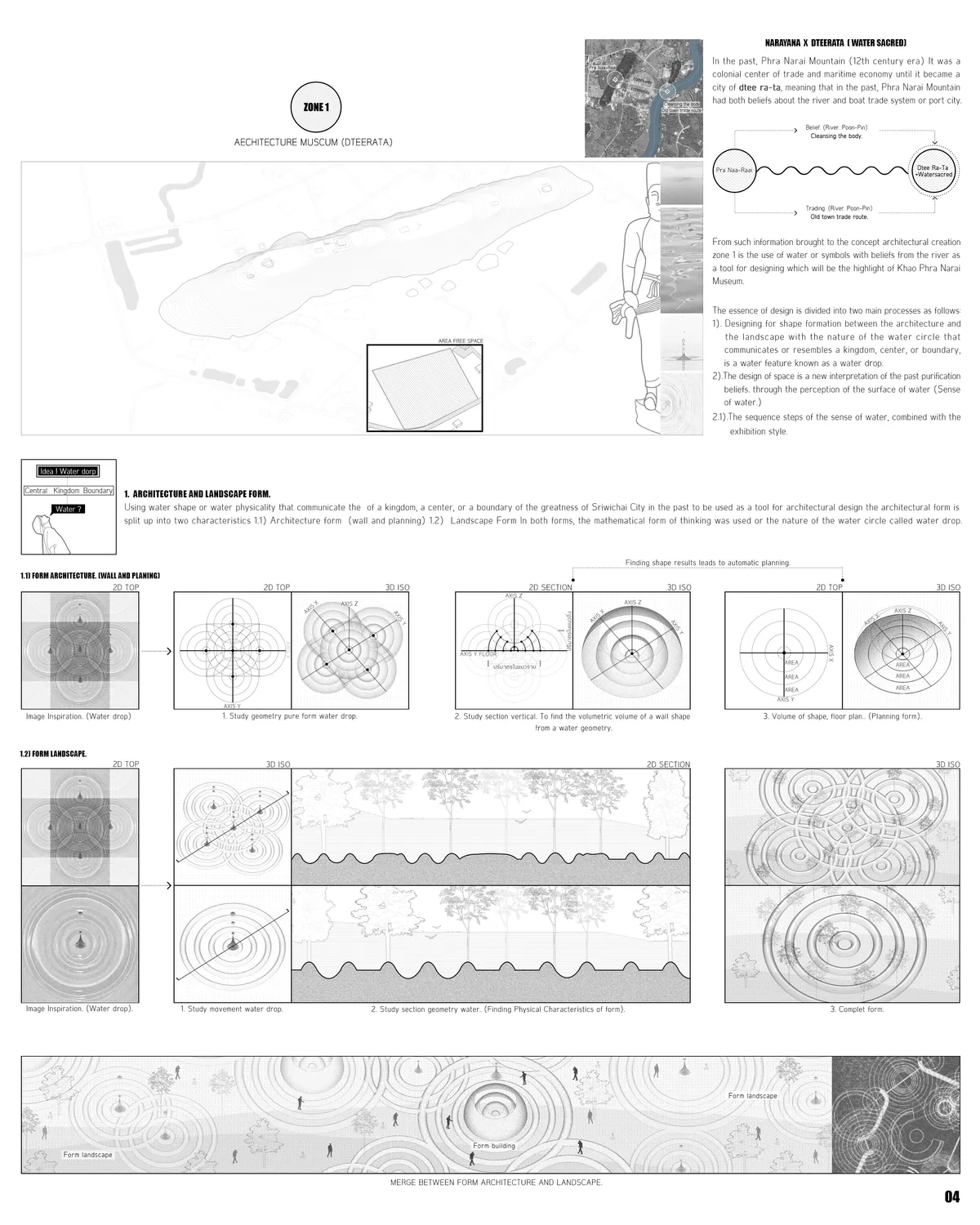
ARCHITECTURE FOR ARCHAEOLOGICAL SITE EXCAVATIONS
This thesis focuses on building an architecture that intervenes during archaeological excavations to mitigate the issue of lengthy excavation times that are not beneficial to the public. In addition, the architecture will act to protect the ancient ruins up to No.21 that are affected by the environment that occurs within the area.



The sensitive city
Grounded in architectural phenomenology, this article investigates the sensory foundations of urban experience, showing how the body, place, and memory shape the identity of the city beyond contemporary planning paradigms.


very interesting