
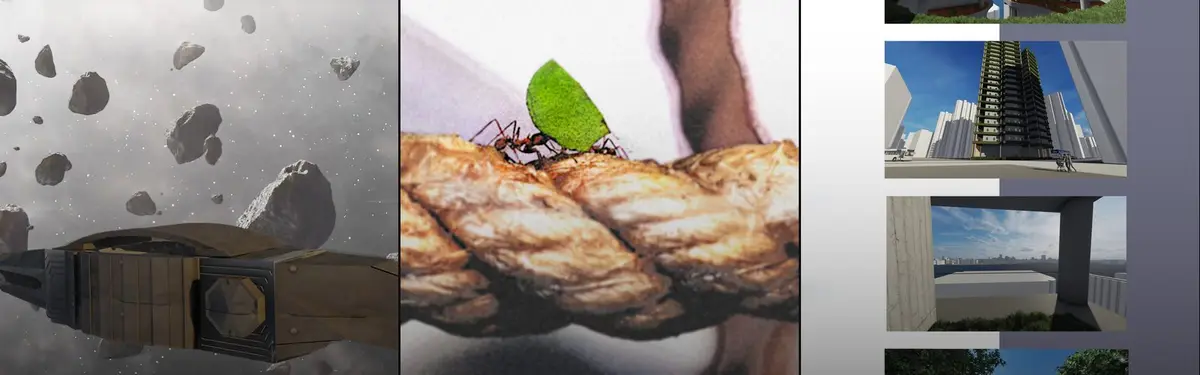


Biomimicry
Design and architecture informed by natural systems, organisms, and ecological processes.
Biomimicry applies strategies from nature to solve design challenges. By studying how organisms and ecosystems function, designers create systems that are more efficient, sustainable, and integrated with their environments.
The community explores biomimetic approaches across scales: passive cooling systems inspired by desert flowers, structural solutions derived from animal morphology, water management strategies based on natural hydrological systems, and architectural interventions that work symbiotically with existing ecosystems.


Popular projects
View all 56 projects





Latest journals
View all 57 journals
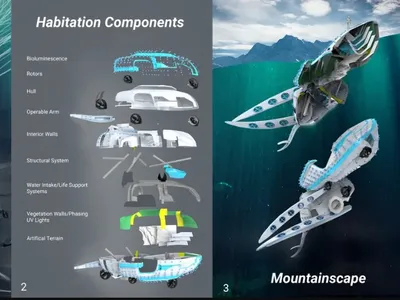
Tidal Survival: A Biomimetic Habitat That Glows, Moves, and Breathes Beneath the Ocean
Nicholas Miller's shortlisted EHC Pacific entry reimagines underwater habitation as a mobile, bioluminescent organism rather than a rigid capsule.
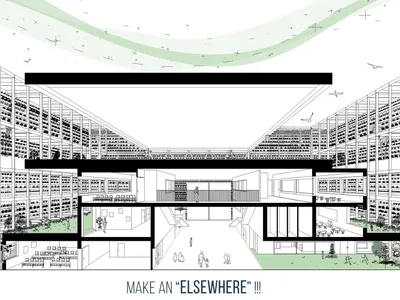
Make an Elsewhere: A Noah's Ark of Plants, Animals and Children Docked in the Dense City
Khanh Anh's shortlisted Education '20 entry wraps a school in planted shelves, sheltering plants, animals and children in one portable ecosystem.
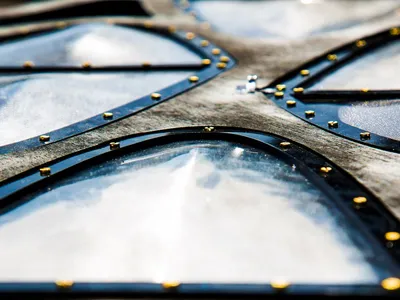
MORPHLUID: A Solar-Responsive Envelope That Shades and Breathes Through Liquid-Filled Panels
Sandesh's MORPHLUID uses sun-heated liquid chambers to morph panels, turning an envelope module into both a shading device and a ventilation system.

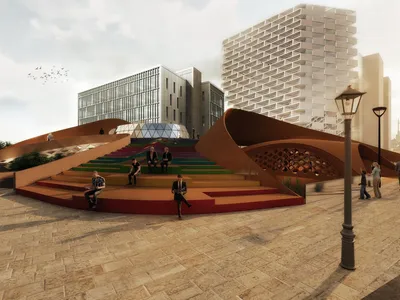
Flower of the Desert: Biomimetic Architecture That Breathes in Arid Heat
A petal-shaped public institution translates the survival strategies of a 1,500-year-old desert plant into climate-responsive courtyards and passive coolin


