


Feeding the City
Design and architecture projects addressing food production, distribution, and consumption in urban environments.

LIFE N AFTER LIFE
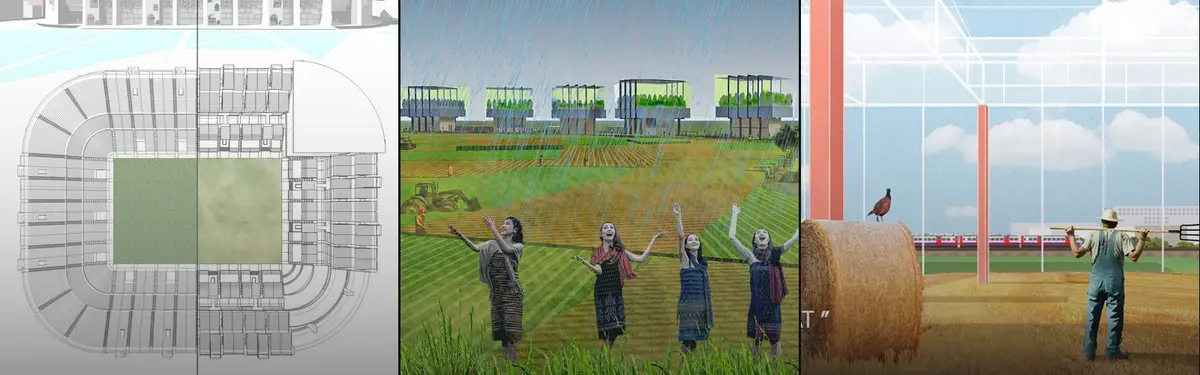
Proposed site is in Brooklyn, New York USA. The site is name McCarren Park has a significant role in history as it was developed by famous architect Robert Moses. Since years by years this site always faced issue and unable to dignify in urban context. Our proposal is giving another life to famous park and introducing convertible stadium to housing.


Ethnic Solidarities and the culture of commons
Ethnic Solidarities and the culture of commons



Toolset for a City's Metabolism
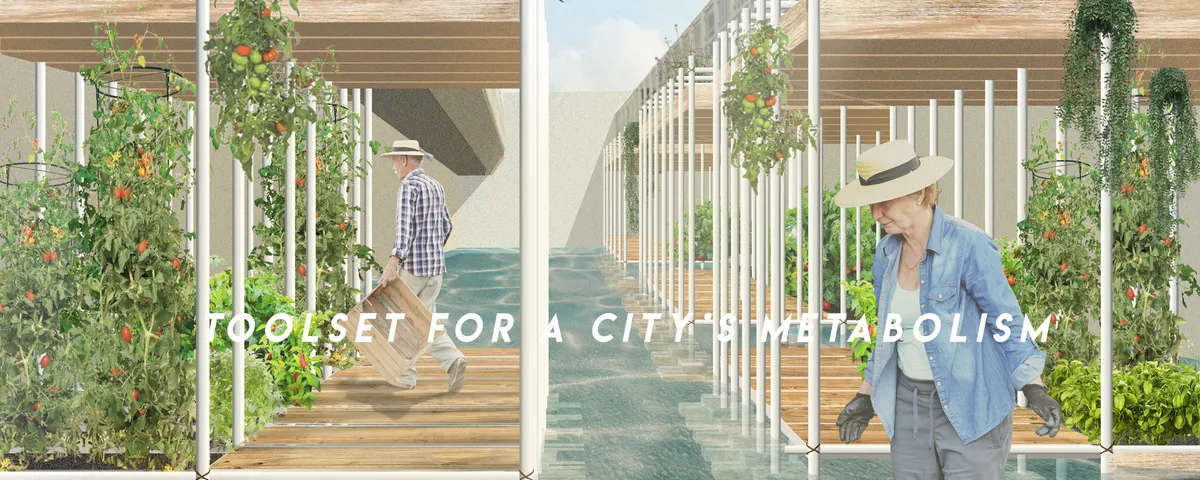
We call for embracing voids within urban tissue, not necessarily meaning these should be neglected in planning but rather open for spontaneity. As a spatial tool we propose a structure that can grow and shrink according to the needs and engagement of its creators - the locals. Constructed out of simple scaffolding elements it is fully reusable.


Life Line of a City: Urban Furniture as Bucharest's Connective Pulse
A modular system of scuffed aluminum street furniture reimagines Magheru Boulevard as a living corridor of social interaction.


Farms to Go
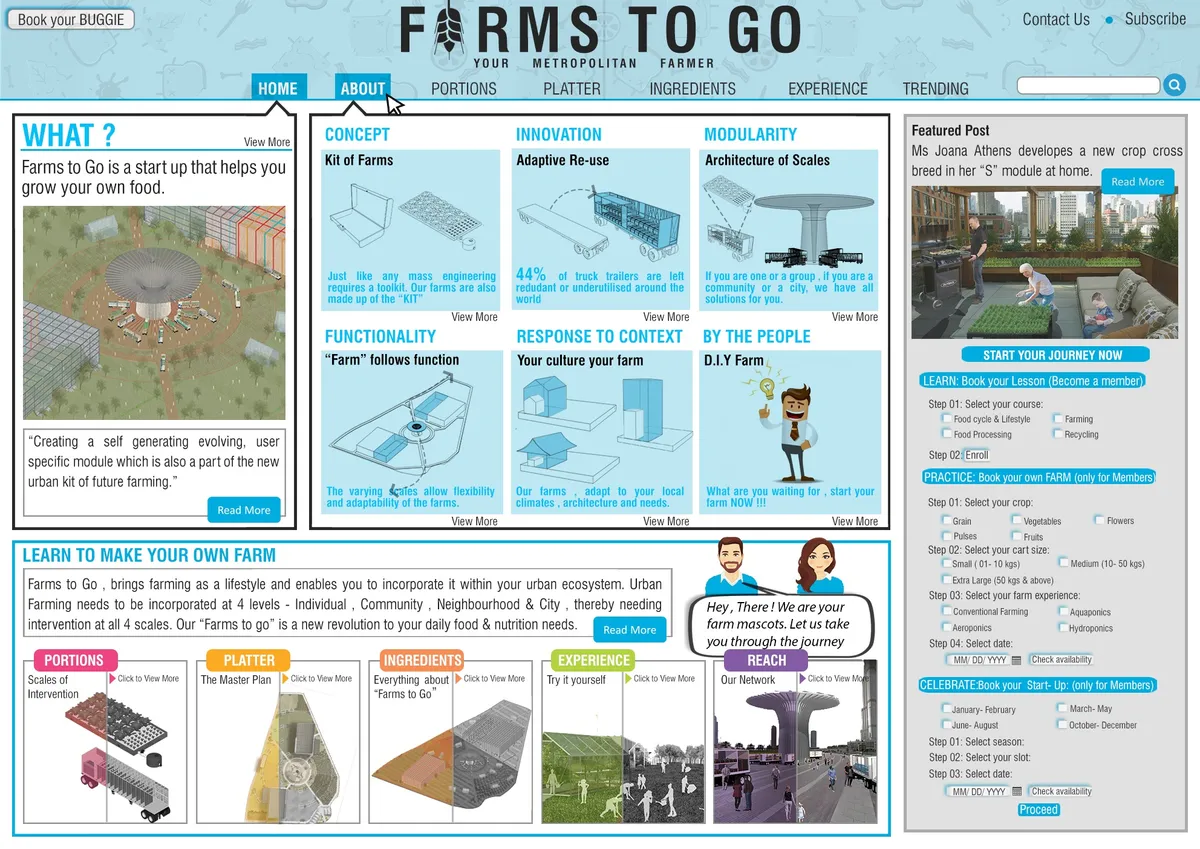
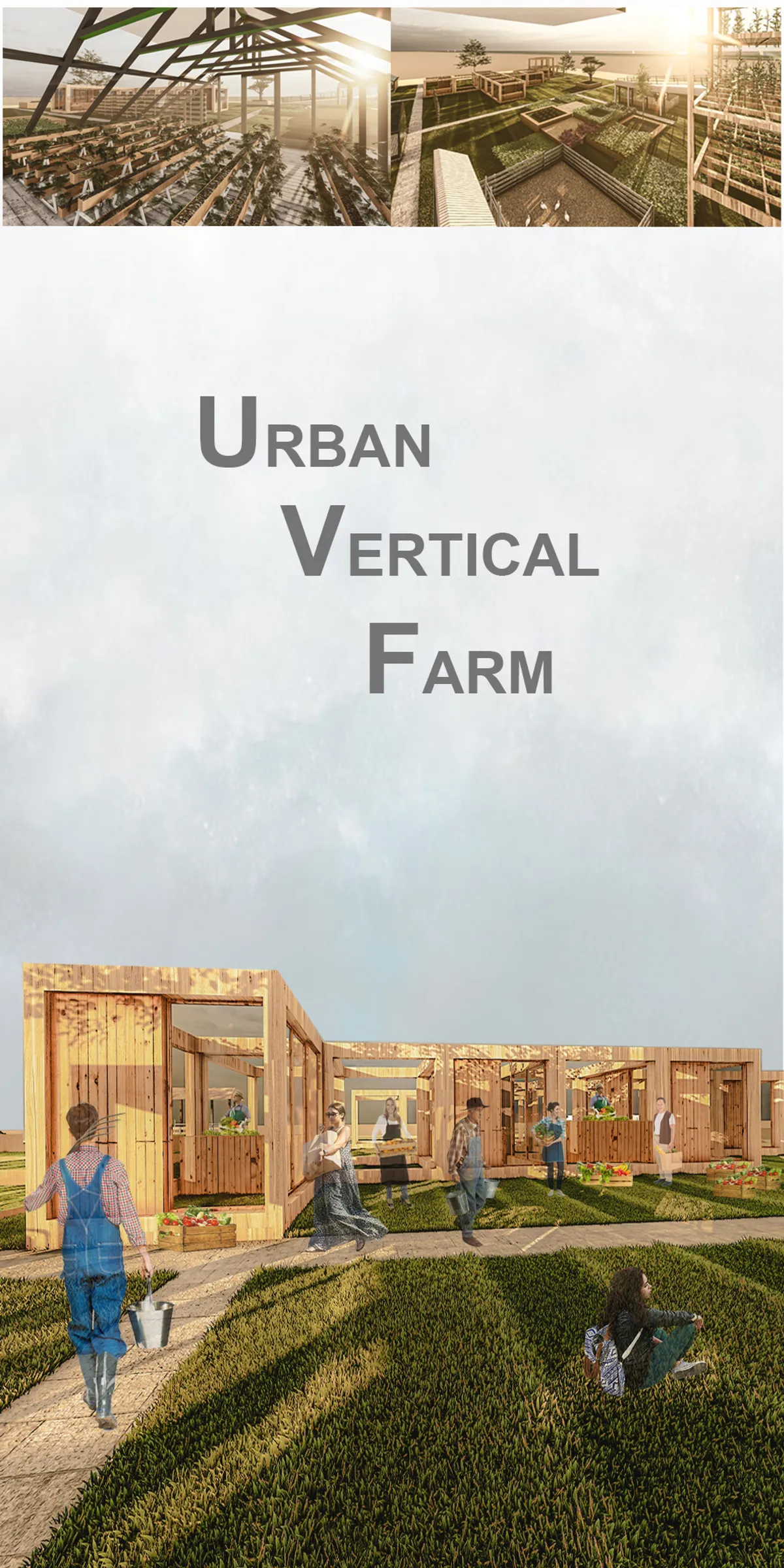
In order to rethink Urban Farming, it is essential that it needs to be a lifestyle choice & an urban intervention network instead of a site-specific design approach.?Farms to Go? is an urban farming kit that enables one to incorporate farming within the urban ecosystem by intervening a generative module at 4 scales ? Individual,Community,Neighborhood & City.

Farming For All
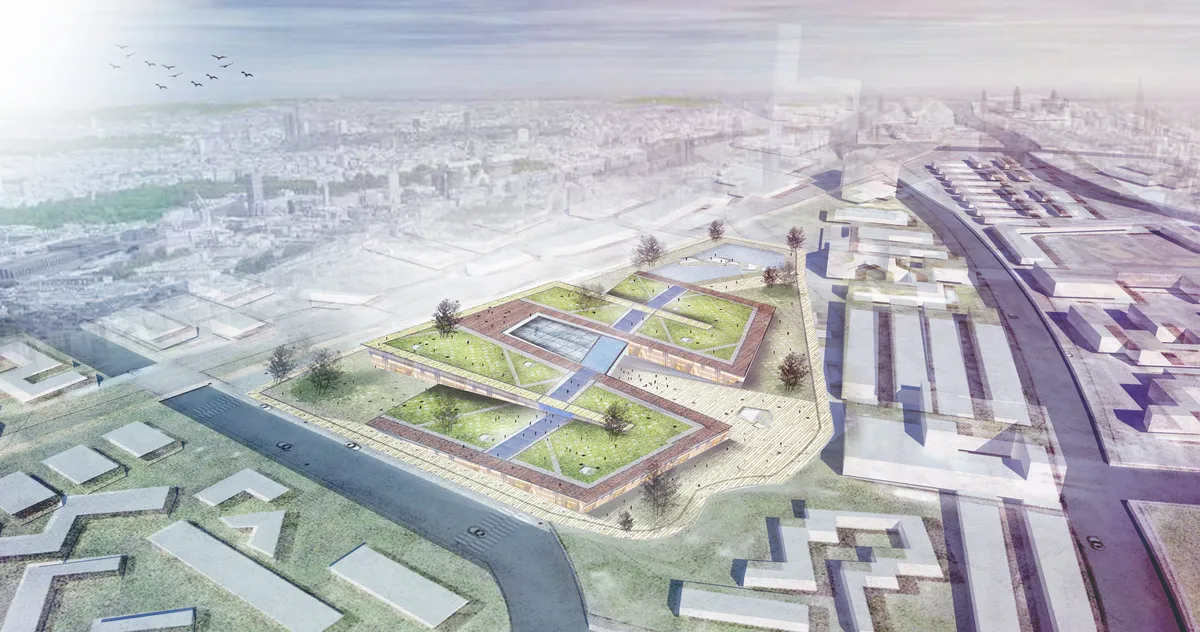
"Farming for All" is a living area that combines different programs focused on harvesting, learning, consumption, entertainment, and housing.

SHELTERED: Alternative Shelter and Urban Framework
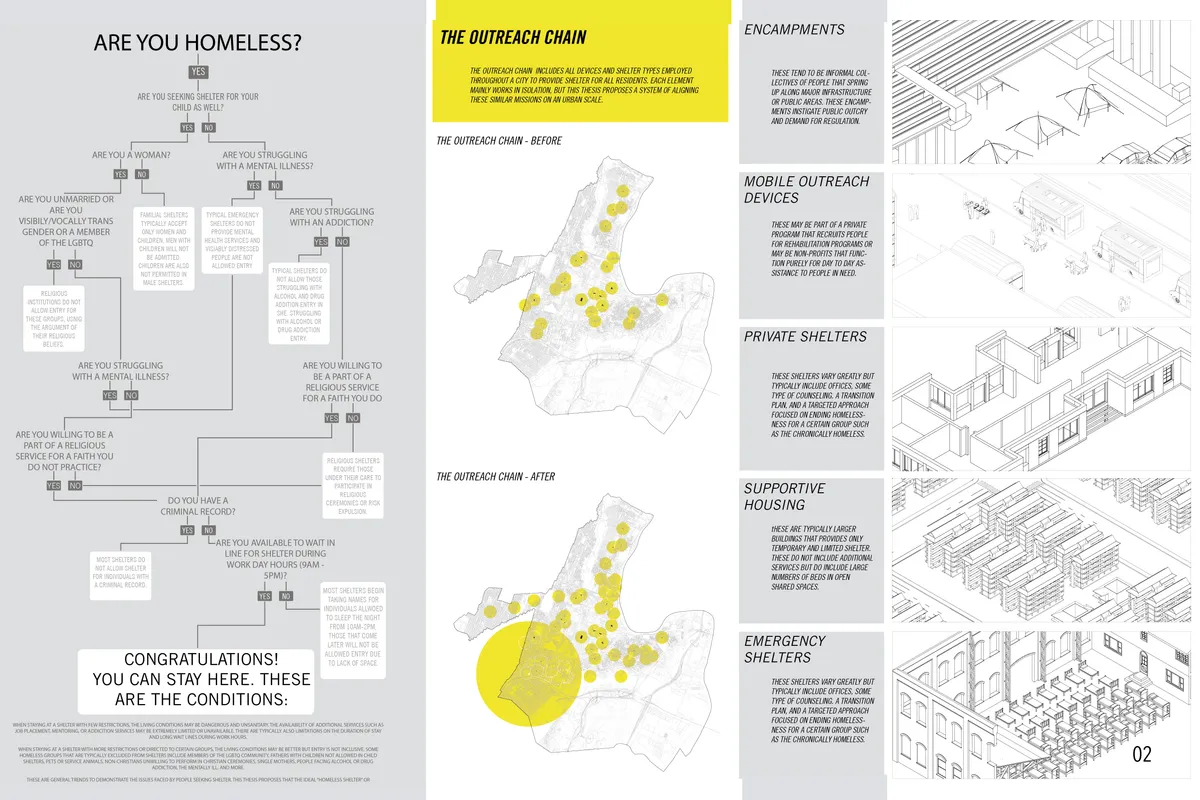
This thesis considers all homeless shelters and resources in an urban setting as one connected system, then uses architecture to bridge the gaps in this system in order to connect federal resources, municipal responsibilities, and non-profit efforts.


THE FOODPATH
"THE FOODPATH" aims to provide the public an experience the food cycle from cradle to cradle - from public roof farm, to visual education of food chain production, until the food waste treatment process, by an axial footpath, connecting the whole building in different dimension.
Farming for All: Closing the Food Loop in London's Nine Elms District
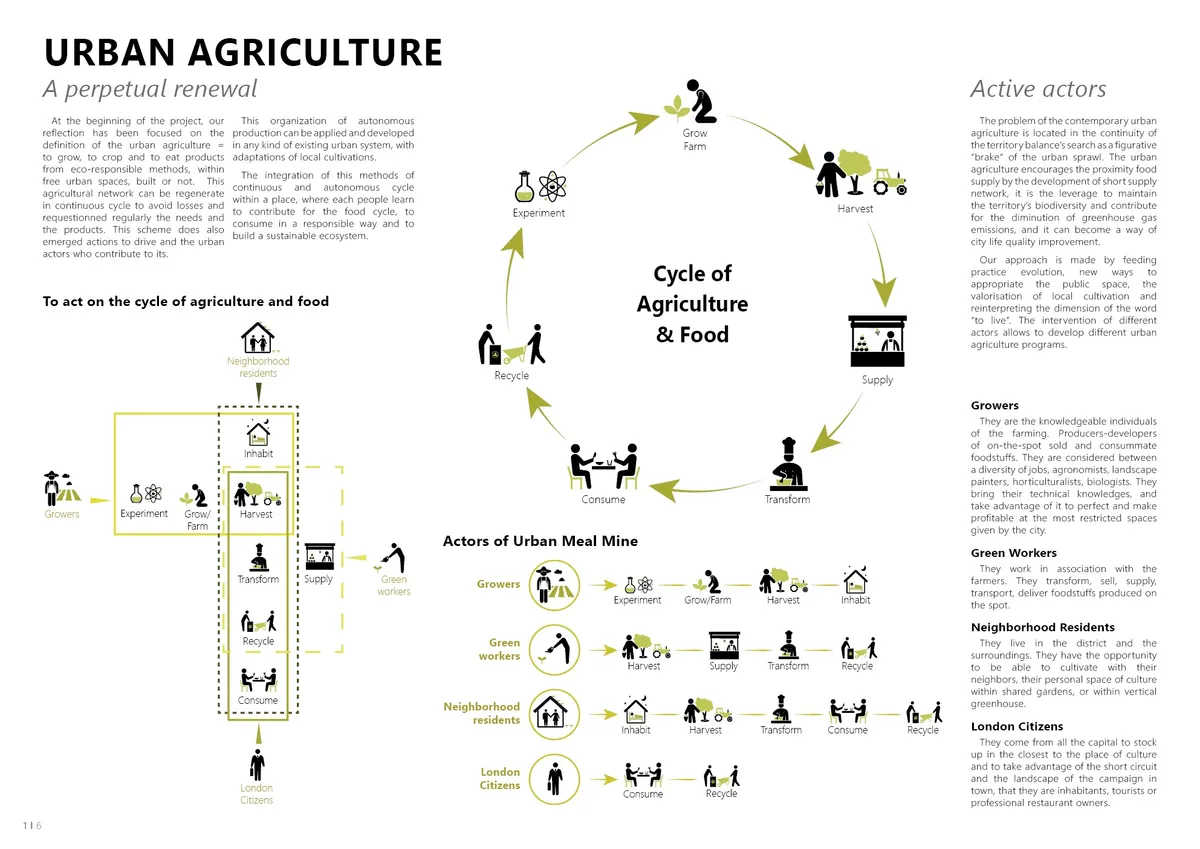
An edible park weaves vertical greenhouses, community gardens, and housing into a self-sustaining agricultural cycle for urban London.


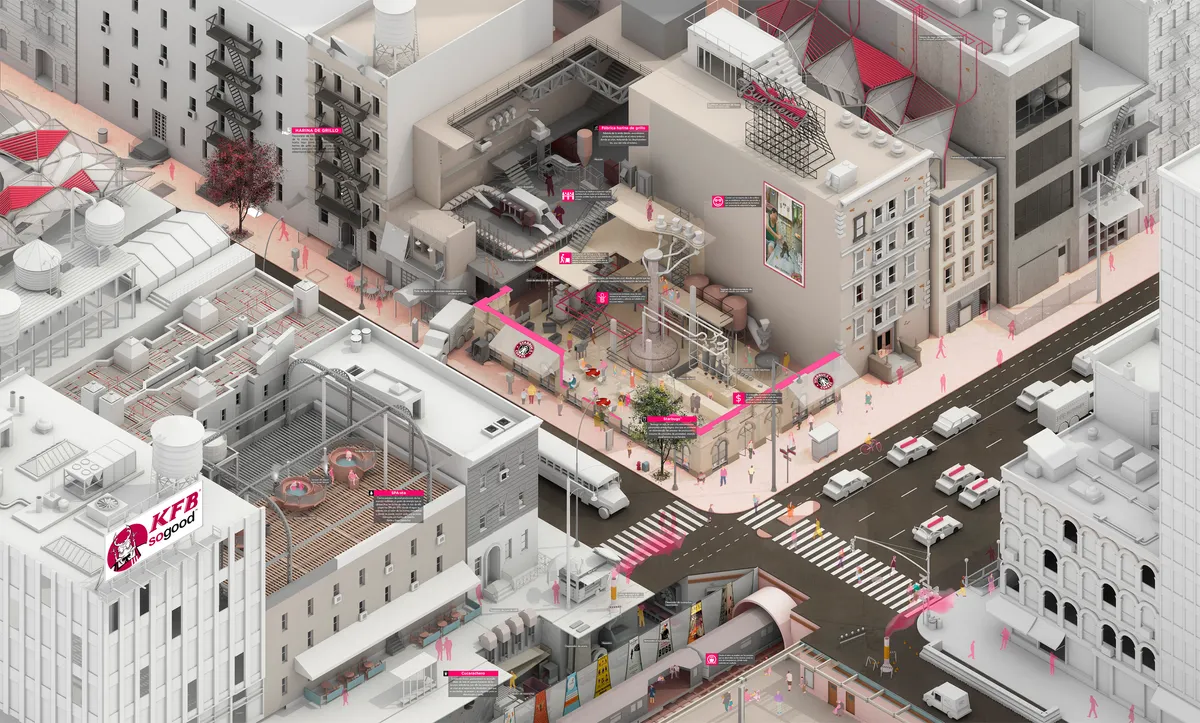
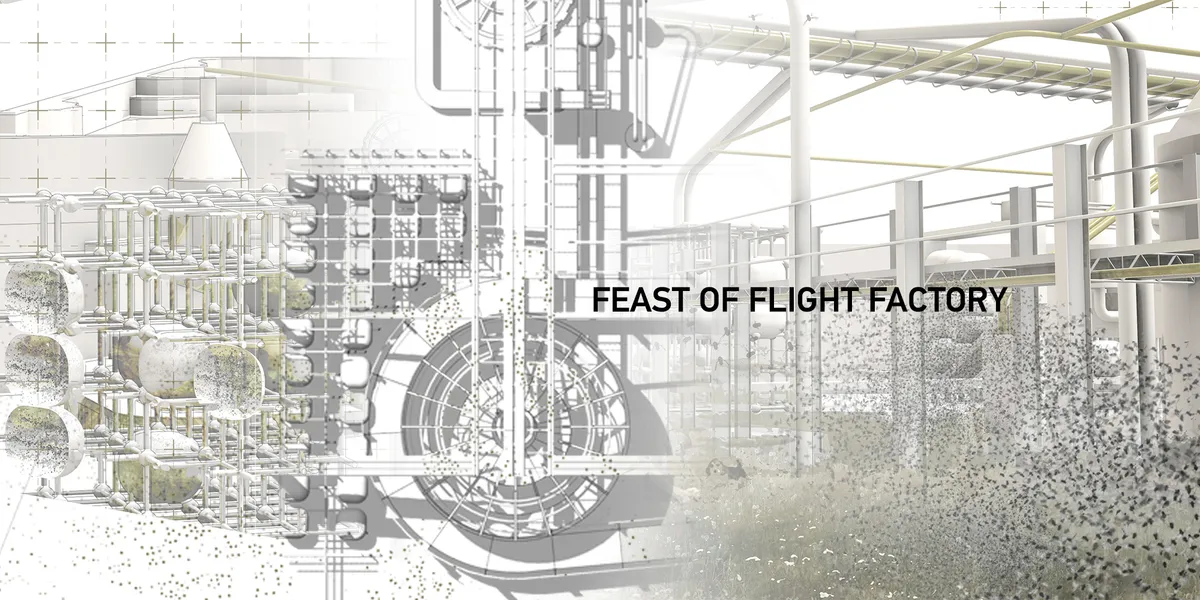
Entomomaniac
Population growth has achieved historical maxiums, mankind needs to adapt their daily diet to new dimensions. How it would be the transformation of a big city if insects would be our main protein source? What if we could design production centers into the city? What if eating insects would become a fashion as it happened with sushi or lobster decades ago?

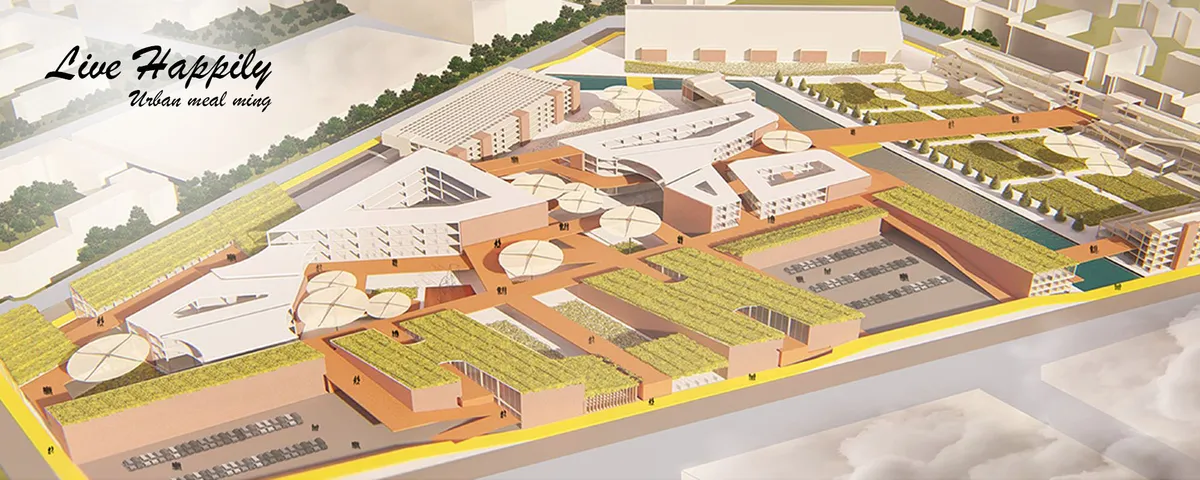
Project name : Live Happily
How design the pathway that helping to burn calories, walking as a workout, walking can also help burn fat as well and also use circulation to get people to use and in our work for a longer time. Using different paths, including climbing and walking down the ramp to avoid or walk over, and the roofs of connected buildings can also be used by users.


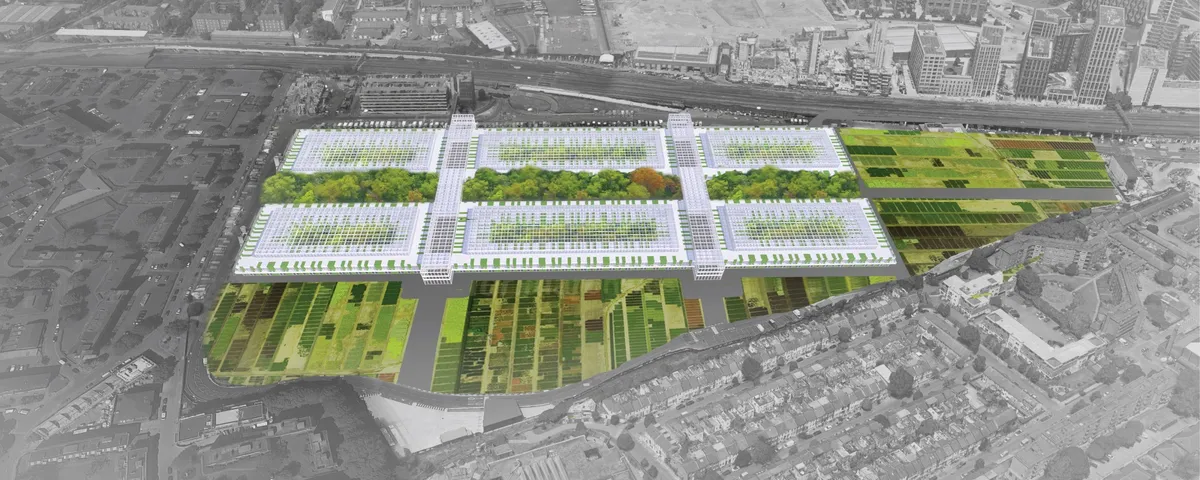
NINE ELMS FOOD PARK
The Nine Elms Food Park showcases a variety of food production strategies, giving visitors and residents the opportunity to learn how food from all over world is grown. The food produced and processed on-site offers a new urban lifestyle that revitalizes essential food production knowledge and skills while also connecting urban populations with nature.






Infrastructures of Care in Borderlands
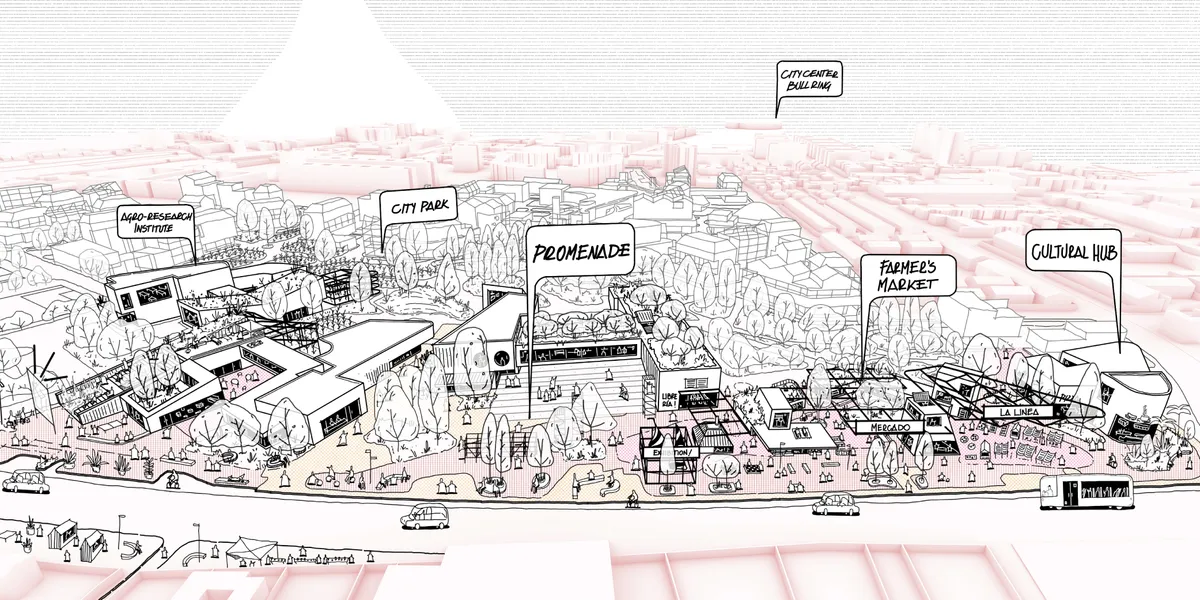
La Línea de la Concepción, at Spain's border with Gibraltar, faces socio-economic imbalances that create urban fragmentation and social exclusion. This thesis addresses these challenges through a trans-scalar strategy and urban design toolkit aimed at fostering inclusive infrastructures of care.

Food Street: A Timber-Canopied Market Street That Leads Diners from Open Kitchens to the Riverfront
Modular restaurant units line a pedestrian street under a glazed timber canopy, then step down to the water at Newton Creek in New York.



The Hungry Caterpillar By Lyth Design
A playful, caterpillar-inspired food street blending sustainable design, 3D-printed kitchens, bamboo structures, and recycled materials into an immersive public dining experience.



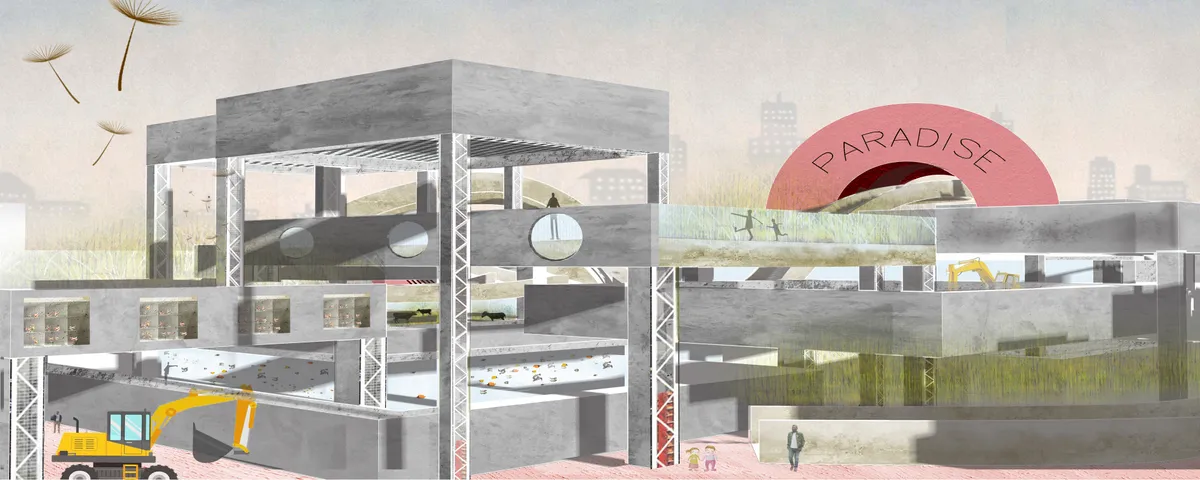
The city garden of Eden
We should not only build a system to ensure the process of food acquisition so as to integrate into the city for a long time, but also lack an element to ensure the operation of the system. On the contrary, we should ensure the participation of urban residents, who are the key to the operation of the system.


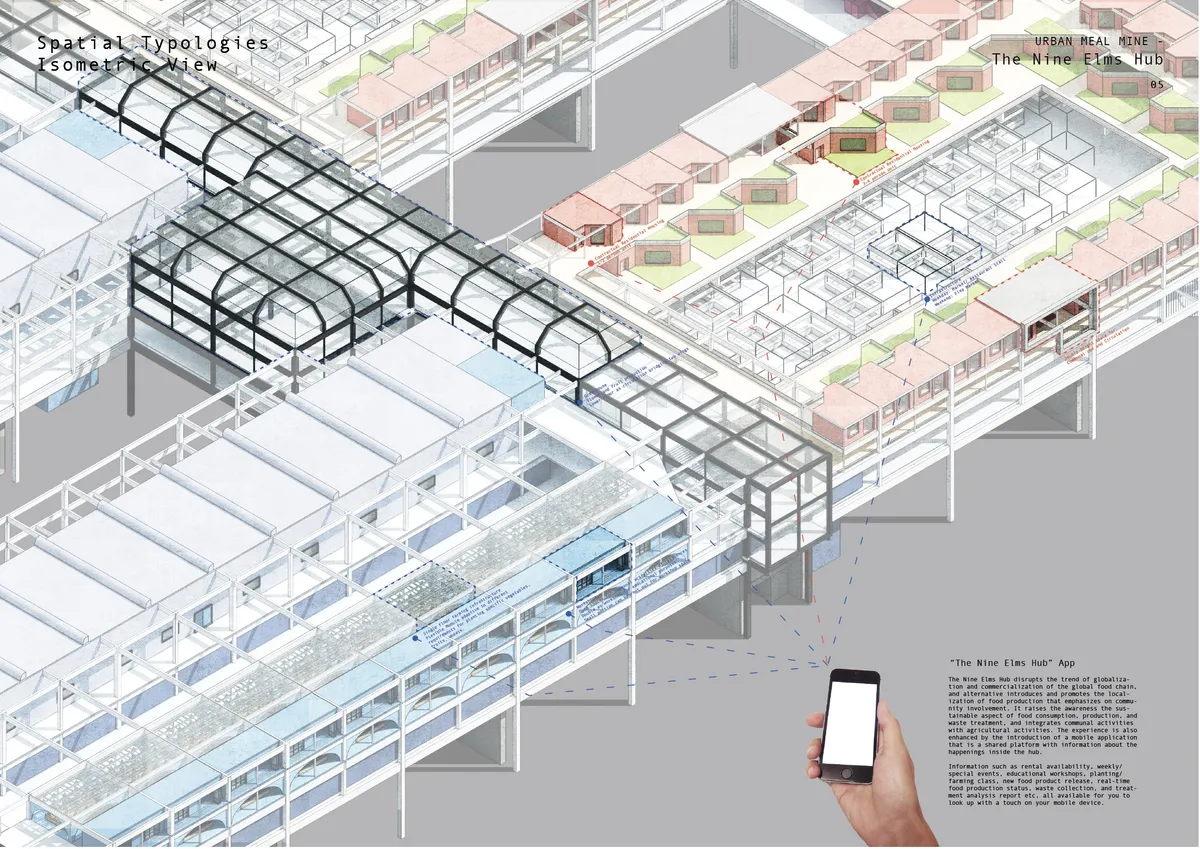
The Nine Elms Hub
The Nine Elms Hub is a model for rethinking the existing chain of food production, consumption, and distribution. The Hub tackles both ends of the chain, transforming the conventional linear production line into a circular one, achieving the ultimate goal of minimizing wastes and self-sustainability with a collective effort of both producers and consumers.


So good.
Such A Wow!
Perfect!