

Green Transit
Sustainable transportation infrastructure and urban mobility design that prioritizes environmental responsibility and community integration.


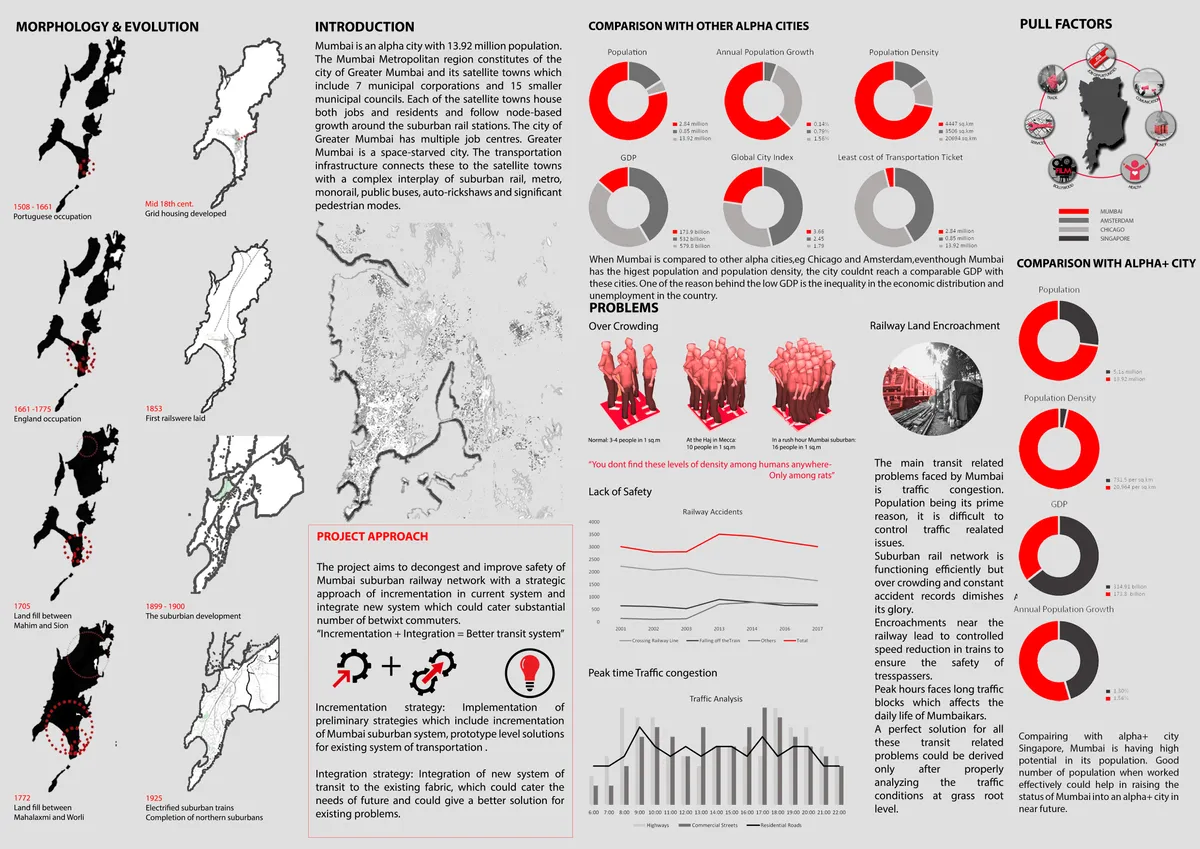
ALAWABBAD
ALAWABBAD is an aim to decongest and improve safety of Mumbai suburban railway network with a strategic approach of incrementation in tired and tested current system and integrate a new system which could cater substantial number of betwixt commuters.


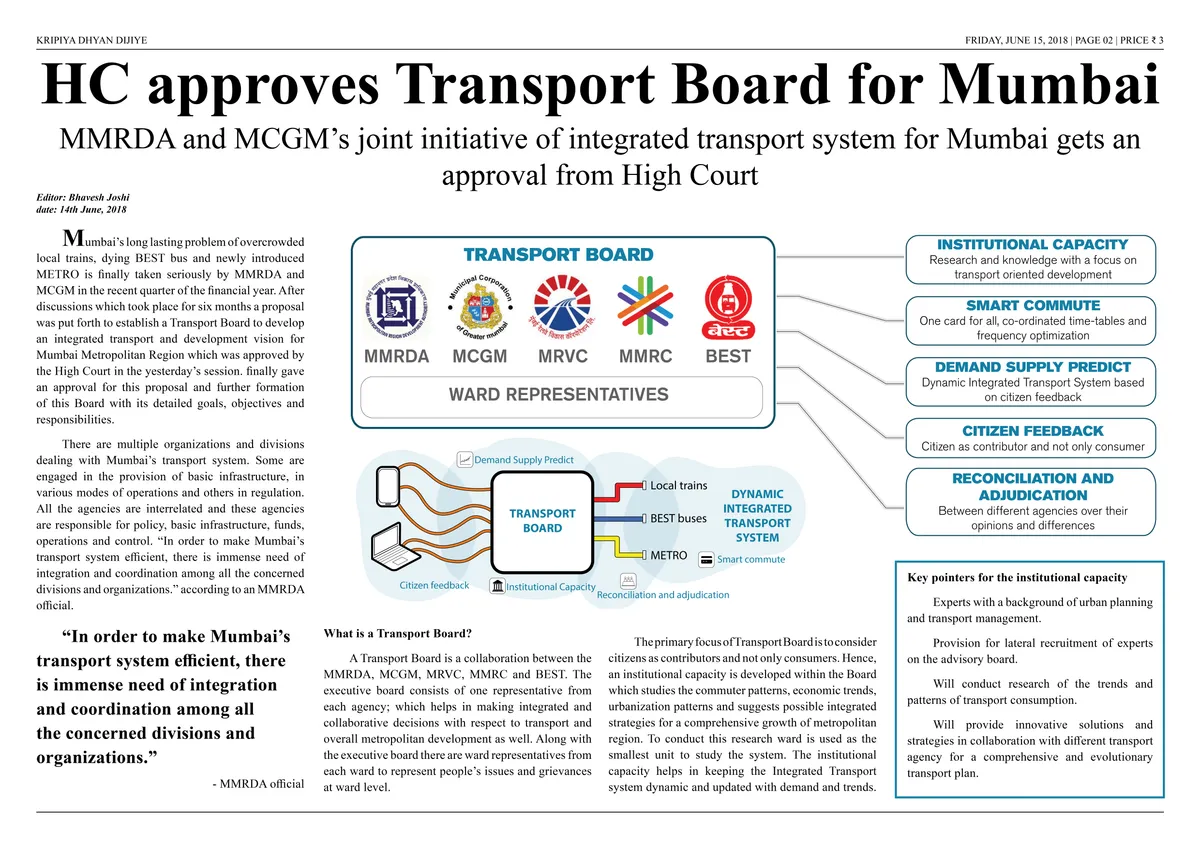
Kripya Dhyan Dijiye
Kripya Dhyan Dijiya is a holistic and rational approach in the rethinking of an integrated and transit oriented development for Mumbai. In order to address this, the project focussed on a consortium of stakeholders (transport board), integration and digitalisation of transport variables and active citizen participation. Public transport is one system now!

Imagining Transit Villages in India: A Scalable Solution for Sustainable and Inclusive Growth in India
This research presents a novel framework for Transit Villages as a scalable and inclusive urban planning model for India. By critically examining existing TOD approaches and comparing international and Indian case studies, the study proposes people-centric planning strategies that enhance mobility, affordability, and environmental sustainability while addressing the challenges of rapid urbanization and peri-urban growth.




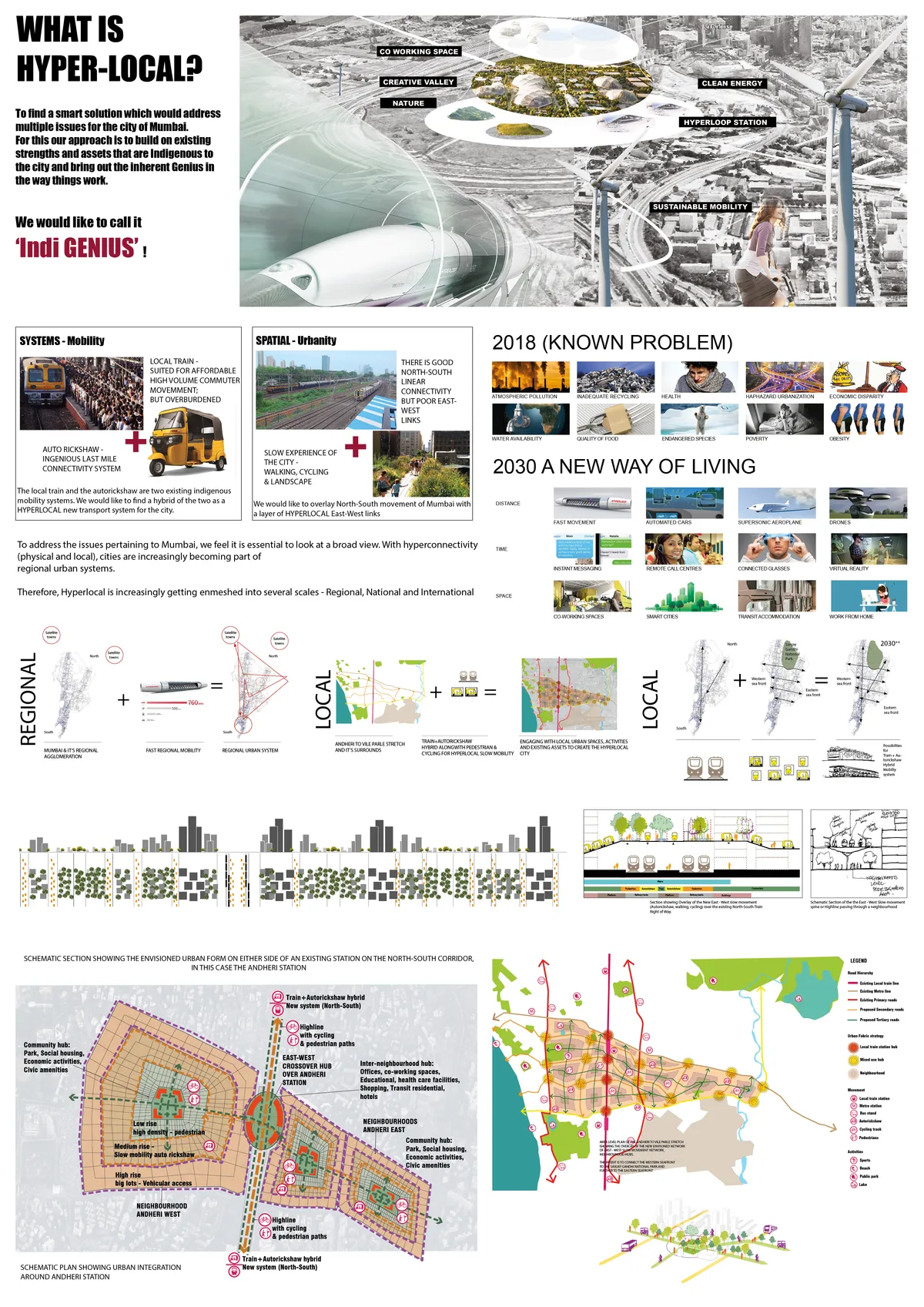
INDI GENIUS
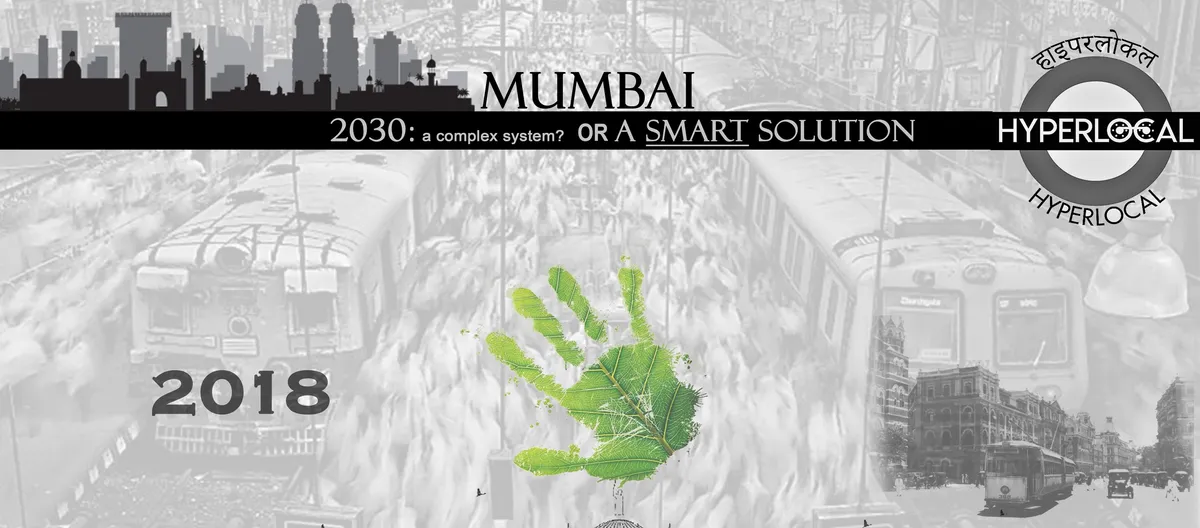
Tomorrow with Hyperloop we'll travel from cities in minutes but for us the critical standpoint is that it is even more to create strong engaging connections to the 'local' - people, places, memories, landscape. So, we have tried to reinforce the local mobility systems - local train & auto rickshaw ; and the local urbanity - create East West city links.


Hosoya Schaefer Architects Build a Timber-Clad Mobility Hub as Zug's Gateway to a Smart City District
A parking structure, retail hub, and pedestrian bridge in Zug, Switzerland, designed to evolve alongside autonomous vehicle technology.

locallll Replaces the Gas Station with a Timber Forest Canopy on the Norwegian Coast
A pilot charging station in Straume, Norway, uses modular wooden canopies, green roofs, and battery storage to rethink roadside infrastructure.


Encounters with the City: Transit Beyond Efficiency
This thesis, Transit Beyond Efficiency: Encounters with the City, investigates the complexities of transit in Mumbai through the lens of scale, movement, and lived experience, focusing on the relationships between transit hubs and commercial districts. The research stems from the need to question efficiency-driven urban planning that privileges vehicles and large-scale infrastructure over pedestrian inclusivity and commuter experience. Using a mixed methodology of mapping studies, commuter surveys, personal observations, and case studies of Churchgate, Lower Parel, and Bandra, the thesis reveals stark contrasts in how different transit hubs have evolved and how these differences shape the daily lives of commuters. The findings highlight that while Churchgate and Lower Parel benefit from organically developed systems, Bandra and BKC expose a mismatch between imagined urban visions and lived realities, resulting in disconnection, alienation, and infrastructural inadequacy. The outcome underscores the importance of rethinking transit infrastructure and allied systems through human scale and inclusivity, setting the stage for interventions that reframe BKC as an accessible and empathetic business district rather than a detached corporate enclave.

VIASCAPE Design Transforms the Underside of a Shanghai Light Rail into a Technicolor Public Park
A formerly blighted stretch beneath Metro Line 3 in Shanghai becomes a vibrant, color-coded landscape of sport, play, and repose.


Transitional Linkage: An Elevated Pedestrian Spine That Formalizes a City's Most Dangerous Shortcut
Zillur Rahman turns an informal crossing over rail and highway into a raised civic spine that ties six transport modes together at a single shared level.


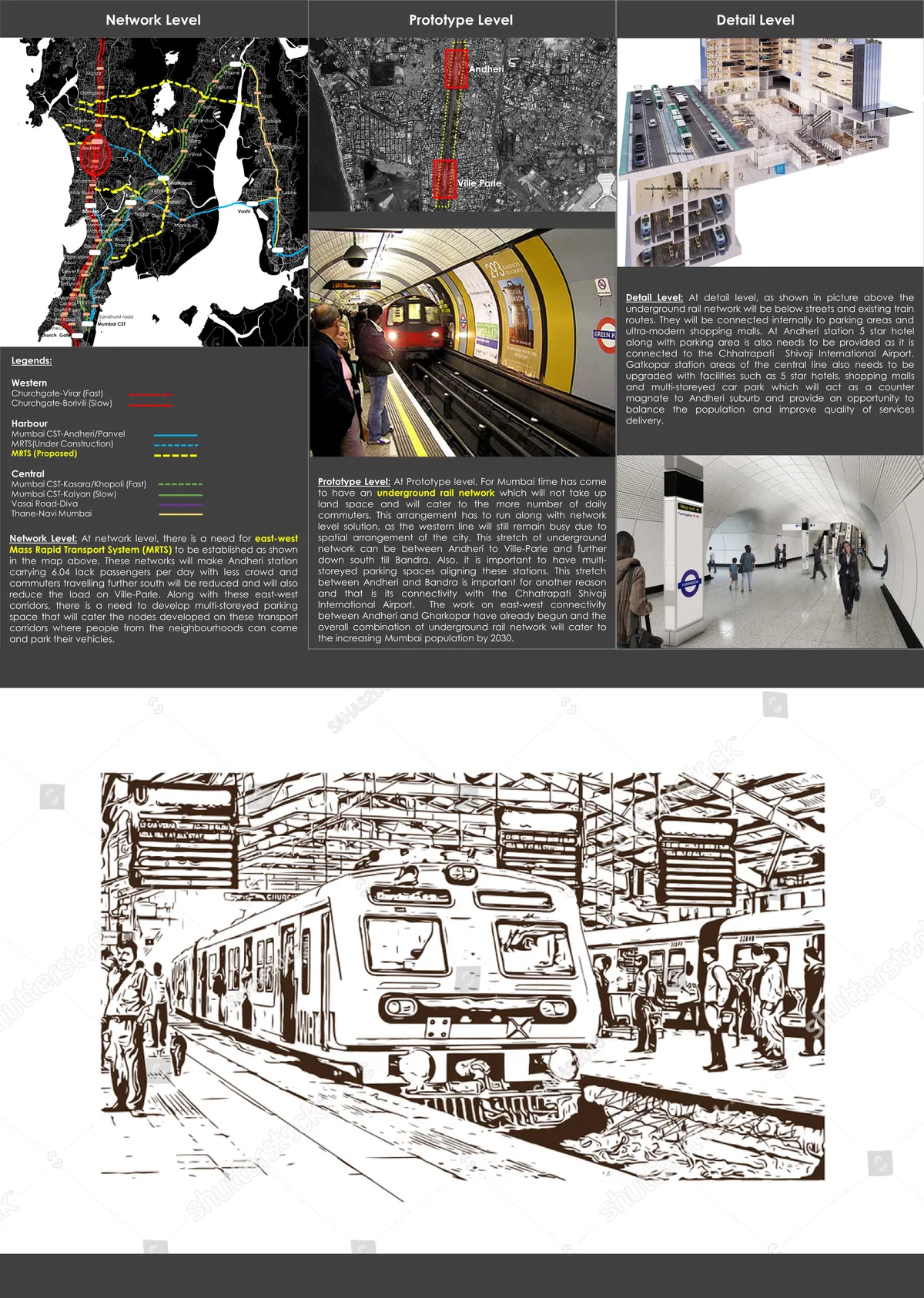
Lifeline Underground.....
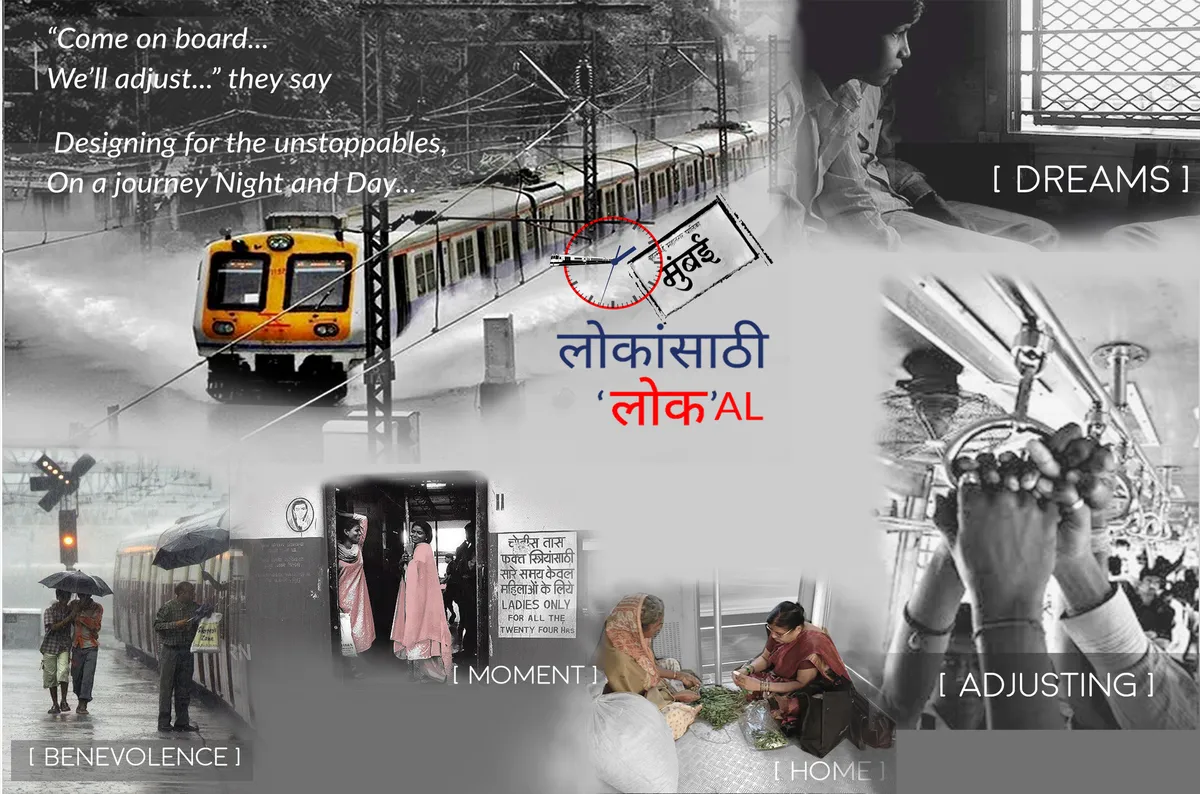
Mumbai local train service is the life line of this city carrying almost half of the city to their work places every day. To address the ever-increasing crisis of the fatal accidents due to overcrowding in the local trains it is Lifeline underground......



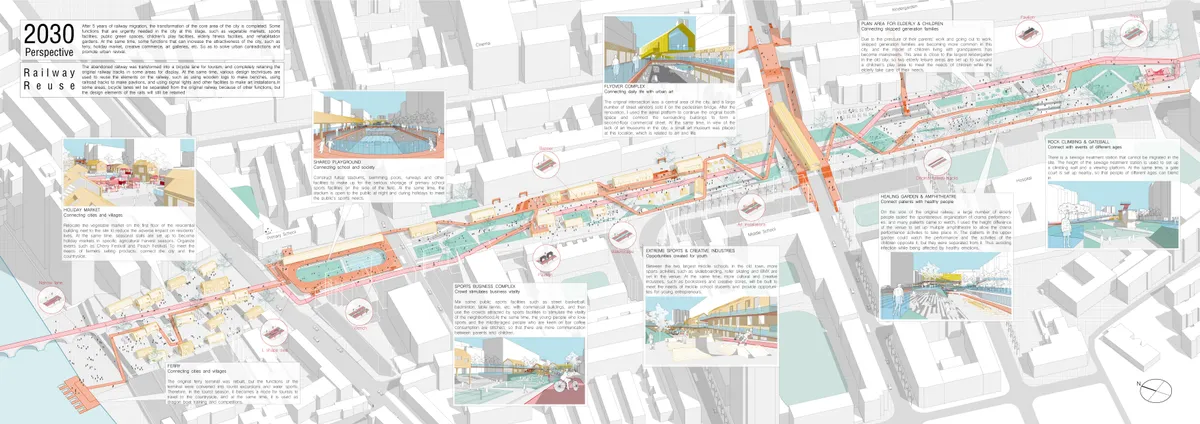
The Green Link
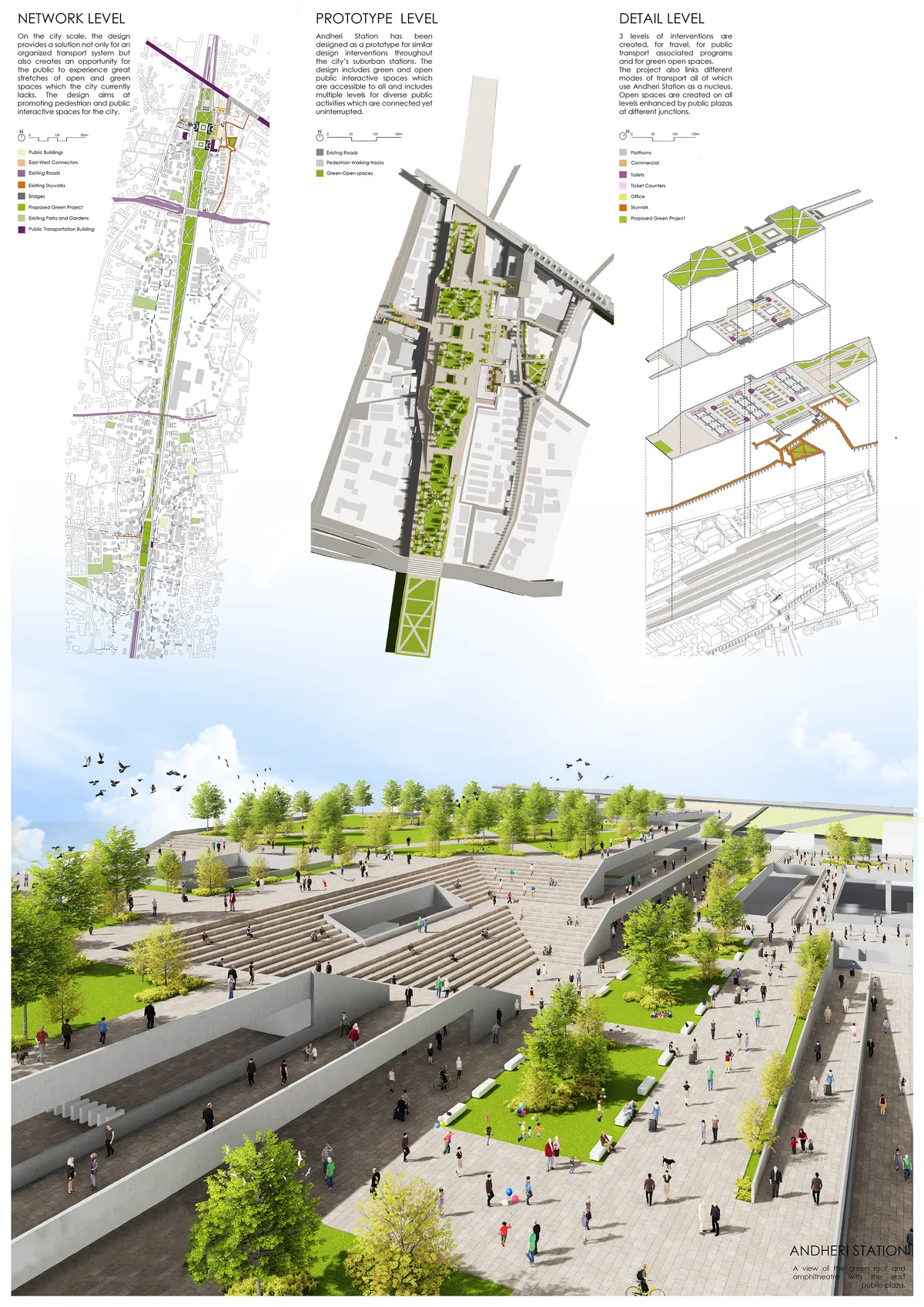
The development of an urban park above railway lines creates accessible and usable green public spaces providing an enhanced experience for daily commuters & casual visitors. The design suggests a renewed system of transport, allowing one to walk, cycle & use the train, generating a balance between private & public modes reducing congestion and overcrowding.

Transitional Linkage
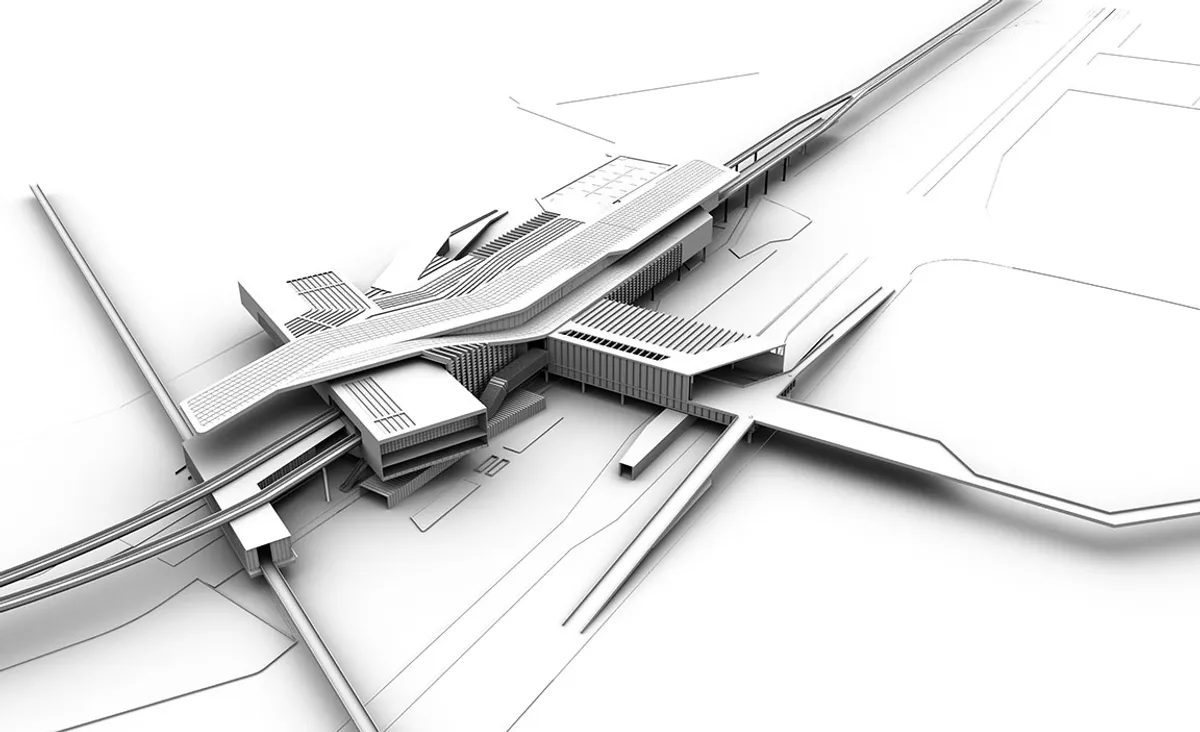
Concept of this project came from the site. Studying the site it was found that there is an invisible path going through the rail line and crossing the highway. That path was created because of peoples need. So I try to formalize that path in my project for the ease of movement of local pedestrian. Those paths become my concept of central space of my project
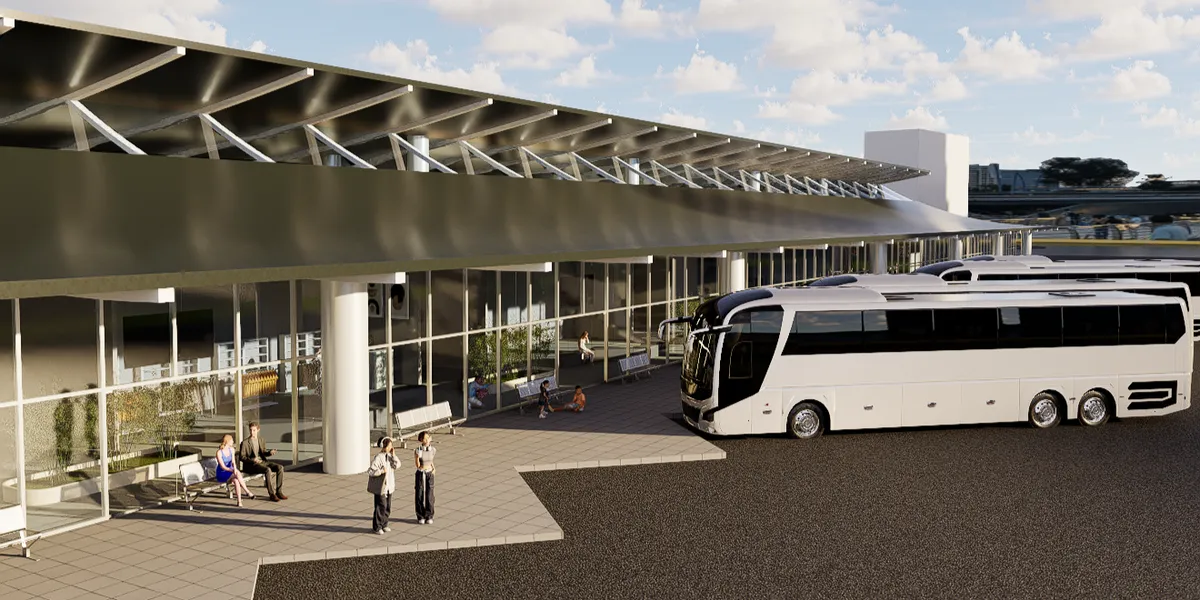
TerraHub
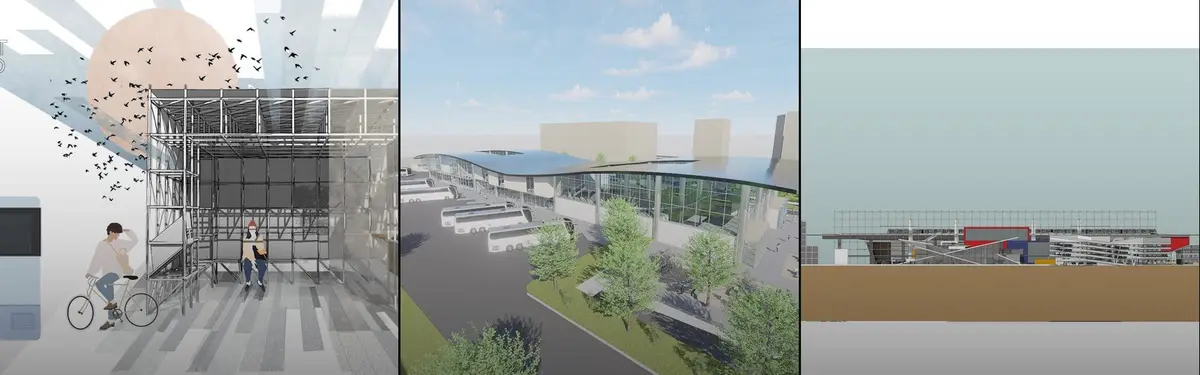
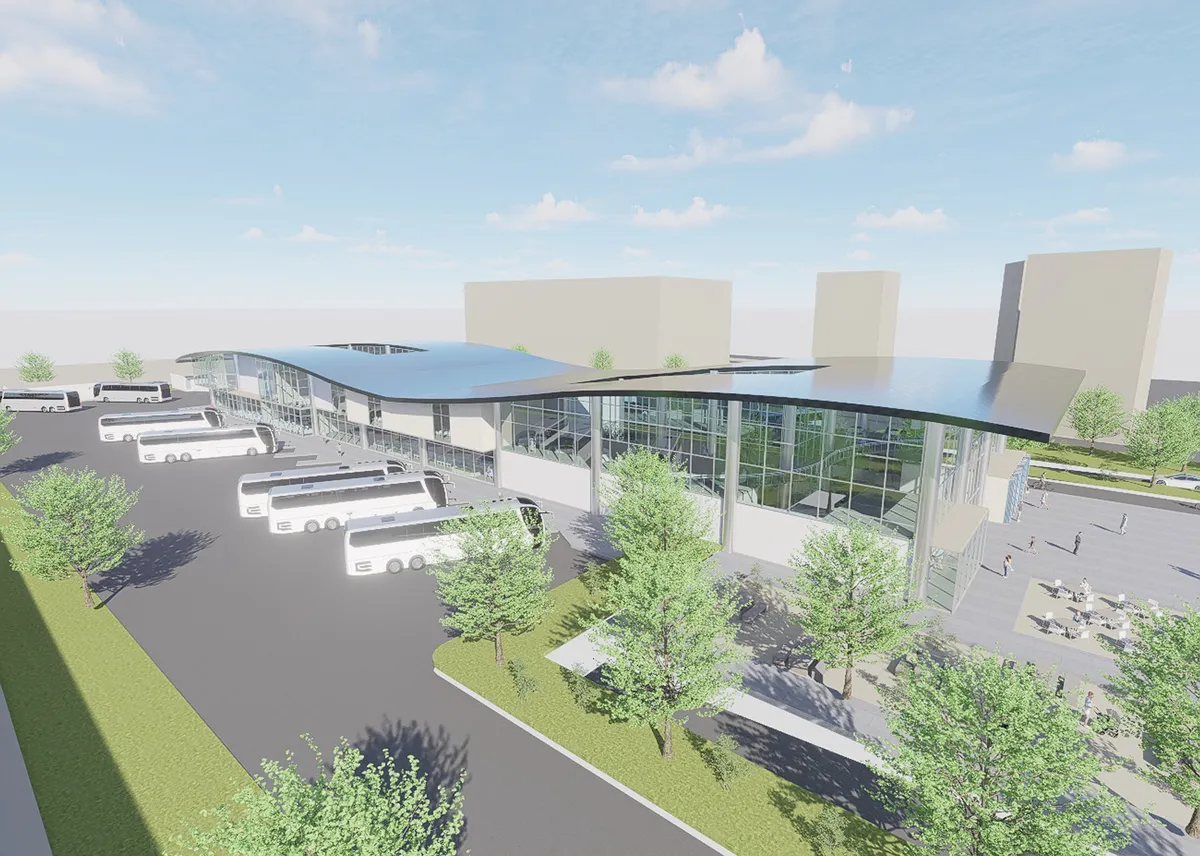
TerraHUb is a contemporary bus terminal that blends functional transportation with vibrant public life. Designed as more than a transit hub, it features a spacious plaza at the entrance, offering areas for local product sales, tastings, and cultural events. Green seating zones throughout the plaza enhance social interaction and user comfort. Inside the Terra


THE THREE PLANES OF RESURRECTION
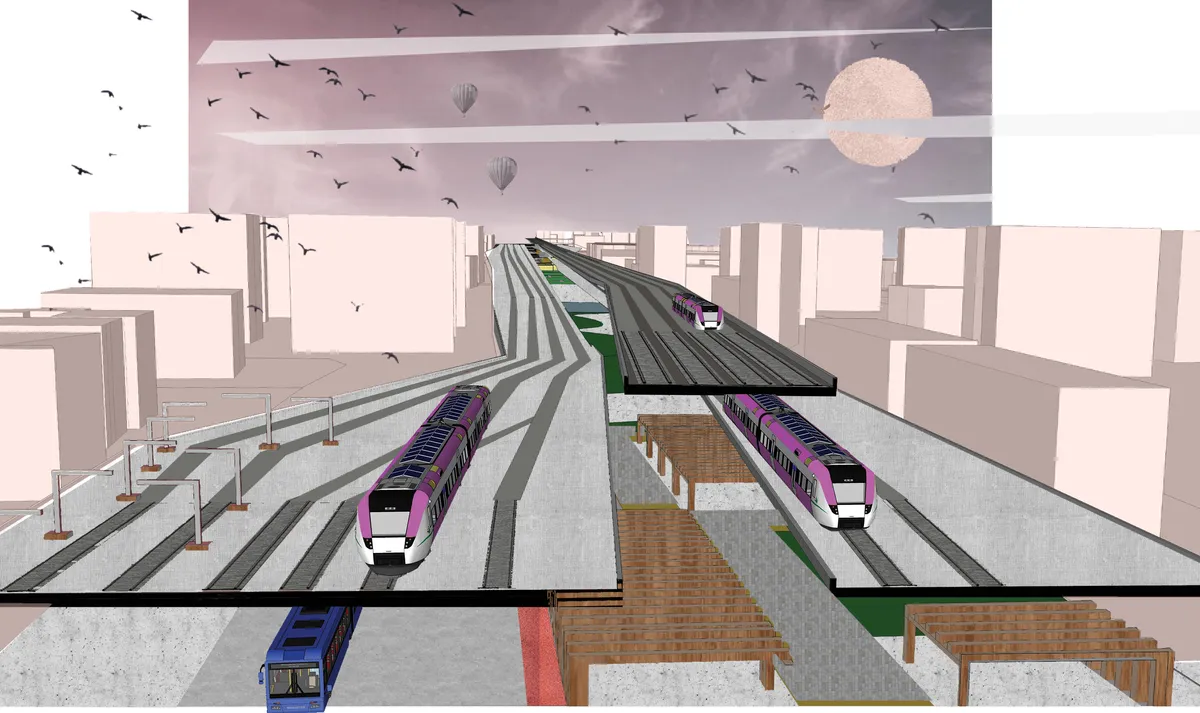
The intervention acts as an antidote to the never-ending rush hour and congestion of the city. It makes the ultimate use of the limits by dividing it in three vertical planes to give a new system that solves this city's problem. Using two modes of transport amalgamating and not competing utilizing the under space for economic benefits and resurrecting it.

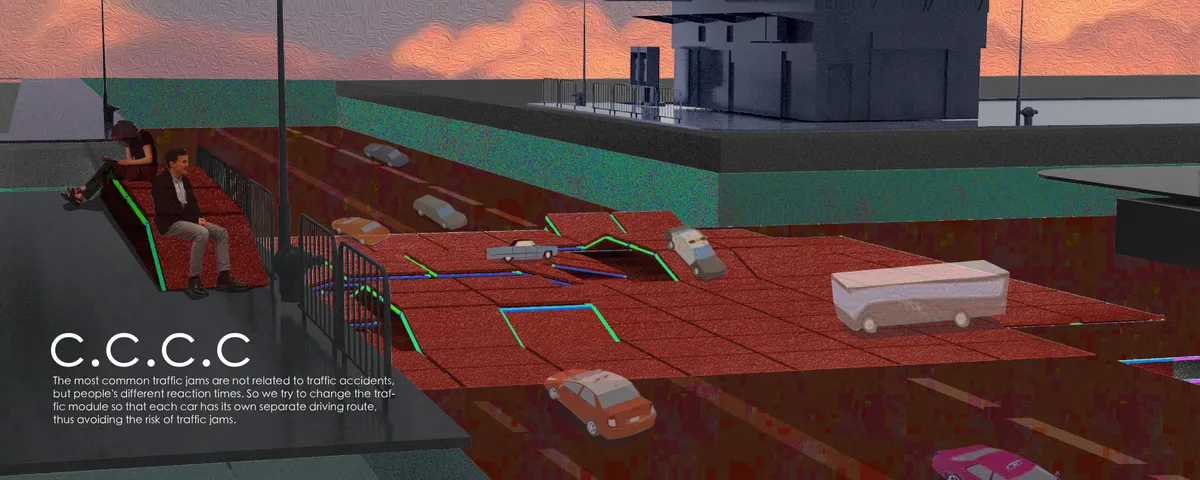
C.C.C.C
The most common traffic jams are not related to traffic accidents, but people's different reaction times. So we try to change the traffic module so that each car has its own separate driving route, thus avoiding the risk of traffic jams.


The Big Green Foot
The thought about stepping my foot into this city crammed with people and vehicles torments me every day and night bringing chills through my spine. One step towards a better place to live in is what i'm asking for; One step for a place with fresh air to breathe in; One big green step for a better city to live in. I call this step as my big green foot!

Multi Modal Transit Hub - Ahmedabad
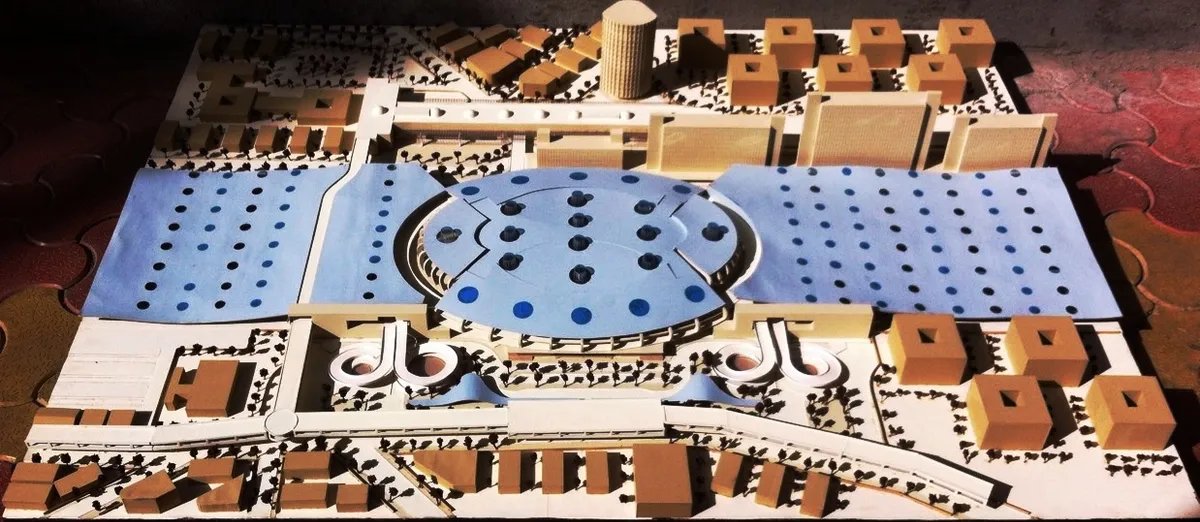
Ahmedabad Transit Centre is a proposal for a multi modal transportation hub, a mixed used development and a new urban landscape model for the capital of Gujarat.It is positioned greatly to expand the scope and connectivity of the city?s infrastructural networks which will serve as a catalyst for transformation and economic vitality of Ahmedabad.