


Industrial Heritage
Adaptive reuse of factories, mills, and industrial sites, from museums and urban furniture to water treatment and mixed-use precincts.
Industrial heritage refers to former manufacturing sites, such as factories, steel mills, and processing plants, that remain after production has ceased. Designers working with these structures decide what to retain, what to remove, and how the building's industrial past should be legible in its new function. The field draws on conservation practice as well as contemporary architecture.
Members here explore conversions of former factories into museums, hospitality and retail precincts, and civic infrastructure, as well as smaller interventions such as urban furniture and lighthouse-like landmarks on post-industrial land. Several projects treat the transformation of a site as a question of community and landscape, not only of building fabric.


Popular projects
View all 53 projects


Latest journals
View all 101 journals
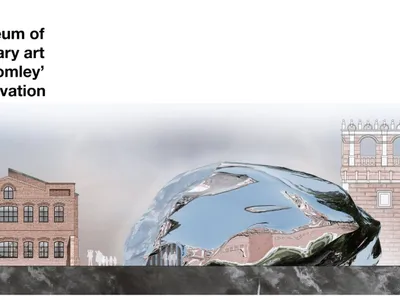
Renovation of the Former Bromley Factory: A Mirror Drop Museum Facing the Donskoy Monastery
Sasha Pokidova sets a reflective museum volume beside a Moscow brick factory, turning its surface into an archive of monastery, industry and city.

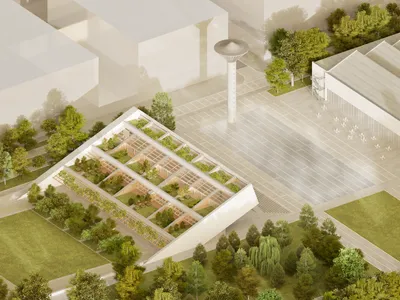
The Spark: Reimagining a Post-Industrial Landscape through Community, Nature and Adaptive Architecture
Where Industrial Heritage Meets Community and Nature.


Genton Converts a Sprawling 1950s Cigarette Factory in Moorabbin into a Mixed-Use Hospitality Precinct
Morris Moor transforms six hectares of Philip Morris industrial heritage into a lush commercial village on Melbourne's suburban edge.
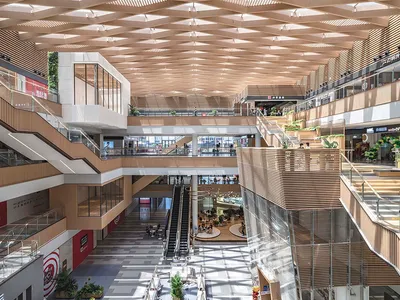
CCTN Design Converts a Century-Old Beijing Steel Mill into a 223,000 m² Lakeside Mall
Liugong Hui reimagines Shougang's industrial heritage between two lakes as a post-Olympic commercial campus in west Beijing.


