
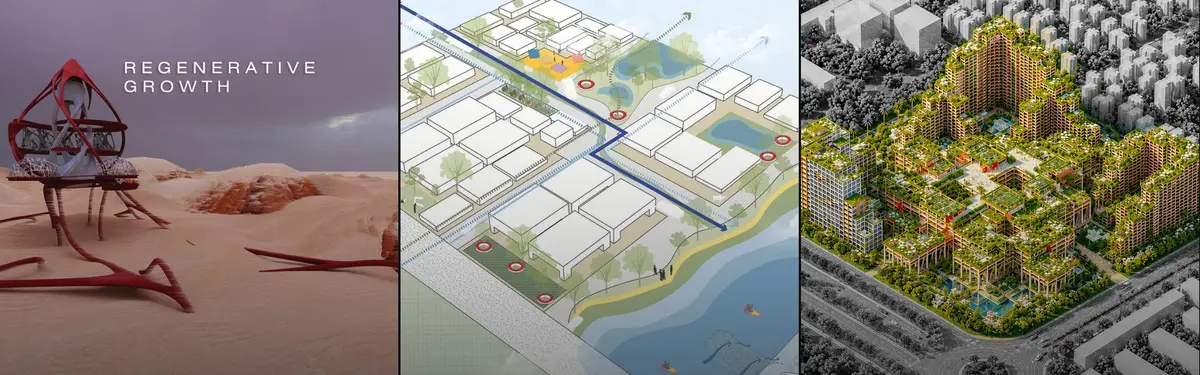
Landfill Regeneration
Design strategies for transforming landfills and post-industrial sites into functional landscapes and communities.

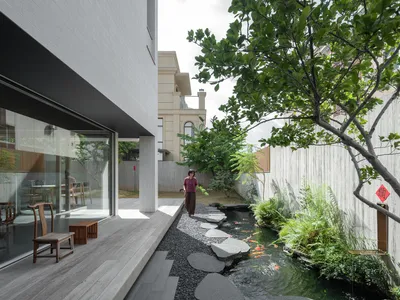
MOZHAO ARCHITECTS Carves Courtyards and Koi Ponds into a Dense Shenzhen Village House
A 600-square-meter homestead renovation in Shajing reimagines the handshake building as a layered sequence of gardens, water, and timber.
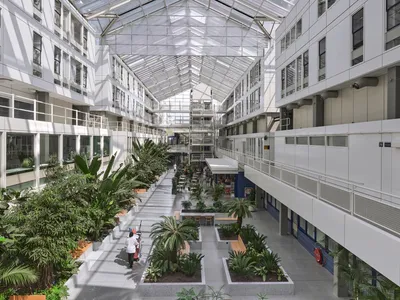
Bureau Ira Koers and Studio Roelof Mulder Transform a 1980s Dutch Hospital into an Indoor Jungle
A sky-lit atrium in Purmerend gets terrazzo planters, tropical foliage, and bamboo seating that blur the line between hospital and garden.

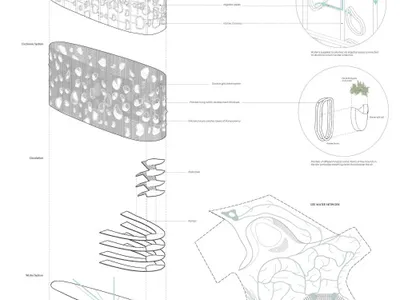
Biophilia Lagos: A Shortlisted Stadium That Heals the Landfill It Stands On
Rachel George reimagines a Lagos landfill as a living stadium, wrapping the bowl in planted lattice screens and reshaping waste into public landforms.
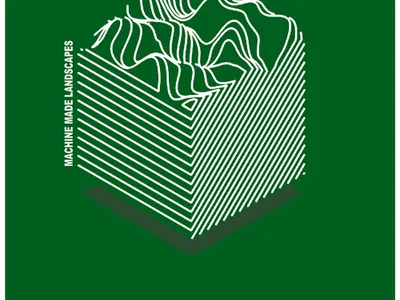
Machine Made Landscapes: Turning a Closed Bengaluru Quarry into a Public Ecological Park
Karan Anand treats the cliffs, pits and flooded voids of the 152-acre Betthalasuru quarry as ground to build on, not scars to erase.

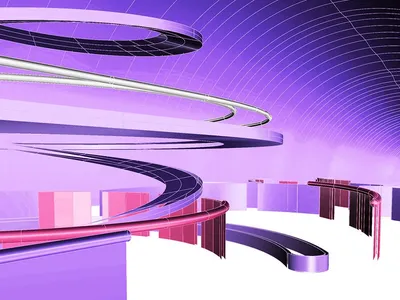
RAGE: A School Built from Garbage on a Bangalore Landfill
A recycling-driven educational complex in Mavallipura transforms landfill waste into building materials, farmland, and a radical new pedagogy.
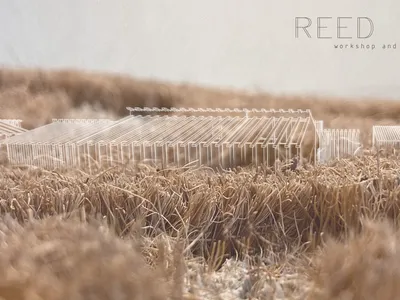
Reed Maze: Architecture That Vanishes into the Landscape It Heals
A regenerative workshop and research centre in the Tame Valley uses Miscanthus grass to conceal and reveal its timber pavilions with the seasons.

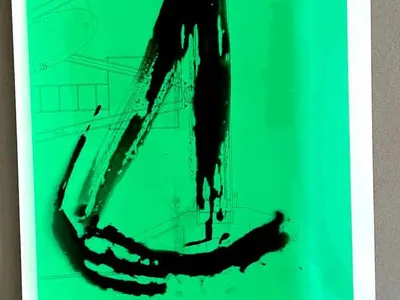
A Slow Black Metamorphosis : unbuilding and regenerating
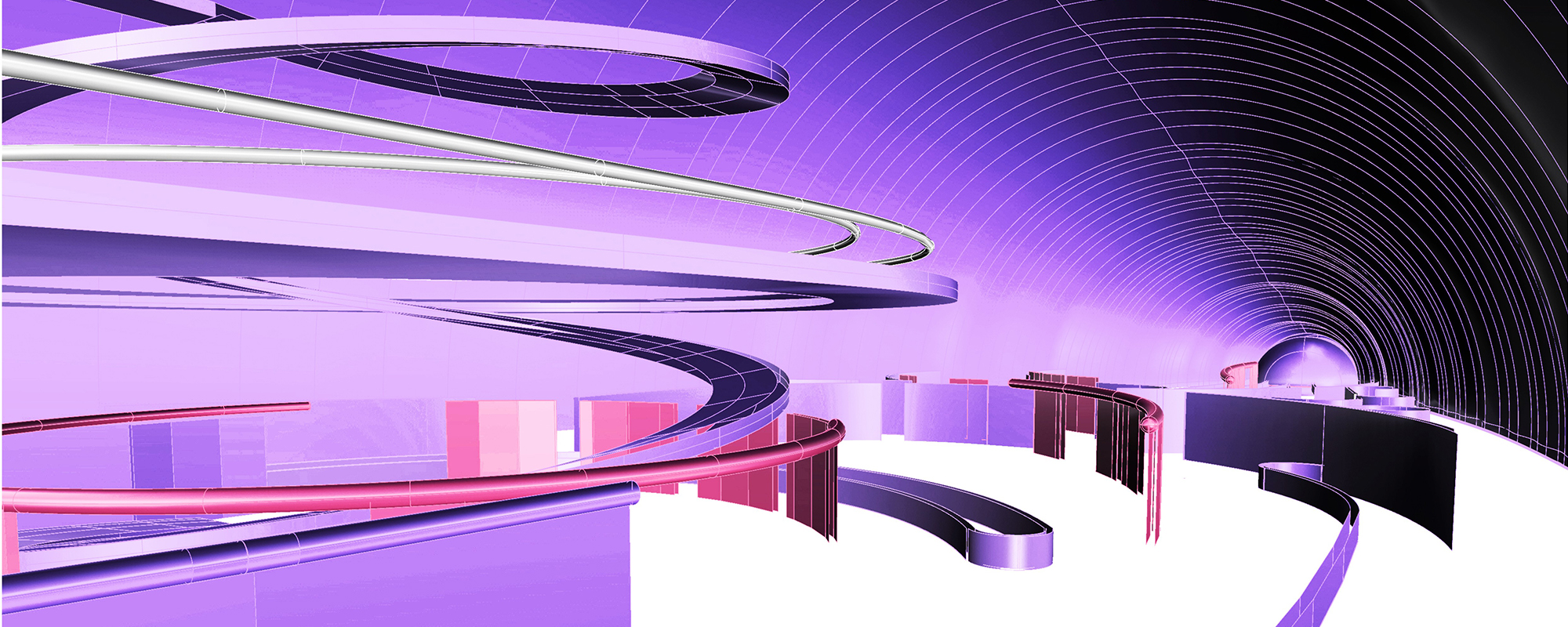
What would be the conditions of slow unbuilding and regenerating? The modes of measuring the different identities of the site give way for discoveries underground. What strategies of individuation and communing are involved in the geologizing a slow tread over the context? It shall challenge the extents of its territory in terms of horizontal and vertical depths. The thesis is oriented around Inglewood oilfields, Los Angeles. Instances taken from Noah Purifoy and El Anatsui works where the ideologies behind are politics, value embedded on materials and waste, how to reevaluate and re-contextualize them in visual aspect. The project questions the contemporary status of the post oil in oil extraction field. How can infrastructure be looked at and how could built environment around them be reconsidered after its intended use? The project questions on passage of resistance to highly programmed environment but rather move towards a lesser tread over the lands for a slow metamorphosis. It posits the question of excess and waste through introduction to props and interventions with existing dilapidated/functioning props on site. The scenario of post-fracking is taken into consideration, but the motions are still in function. The site is approached at three scales: the whole site; a small extent of the landscape; the pumpjacks. The project shall take advantage of the overflowing infrastructure especially the acoustic energies exuded from these sources. It shall be a transitional space, a multi-sensory park for the public to explore, as an underground and overground system. Three stages are considered for the metamorphosis: in the process of remediation, during remediation and post- recovery. The remediation stages utilize the technology of geosynthetics and take advantage of infrastructure as sources of sound, amplifying them, harnessing them to mold spaces and generate visual aids on notification of vibrations present in that zone of the landscape. Membranes introduced act as zealots for emphasis of treating the landscape as an instrument. Hence, the landscape is not just a platform of resources but also a place for harnessing and generating energies excluding the prior exploitation methods deployed impacting communities and eco-systems. The pumpjack “jackets” laid over the pump jacks are defined by the mechanical and acoustic motions of the pumpjack. The jackets unravel around the site creating spaces for recreation and remediation. One of the main considerations emphasized here are the afterhours in order to stagnate the life on landscape, thereby acting as a spectacle node for the whole neighborhood of Inglewood, Baldwin Hills.

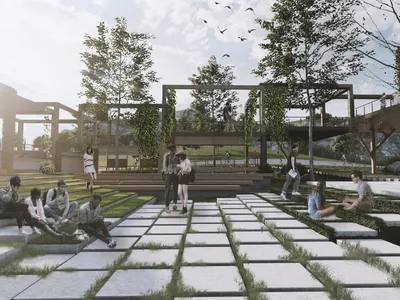
REGENERATION
This project represents the regeneration. The design shows the adopting process in nature after Human intervention and its endeavor for survival.

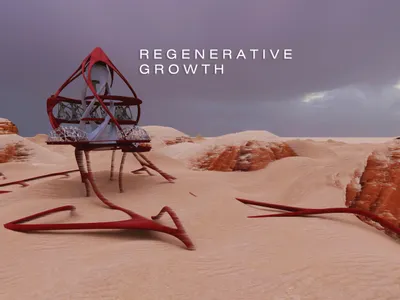

RevitaLine
Simlpe and fast method to create living from recycled materials.


