
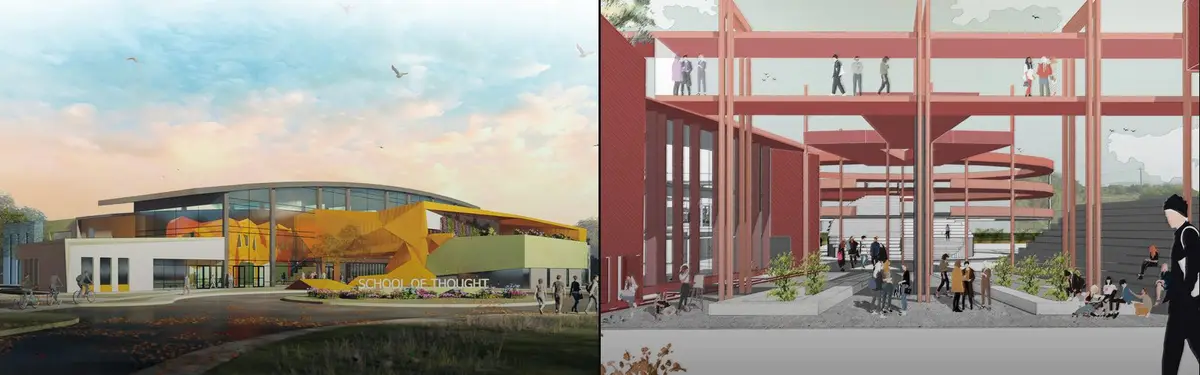
Learning Experience
Design approaches that shape how people learn through physical and spatial environments.
Learning experience design examines how architecture, spatial planning, and environmental design influence educational outcomes and student engagement. Designers in this area explore the relationship between built environments and pedagogical methods, considering how space can support different learning styles and foster curiosity.
The community investigates parametric and adaptive educational spaces, vocational learning environments, museum-based learning, and grassroots educational facilities. Projects range from taxonomy-informed architectural frameworks to community-centered learning spaces that prioritize experiential and student-driven approaches.


Popular projects
View all 9 projects


Latest journals
View all 9 journals
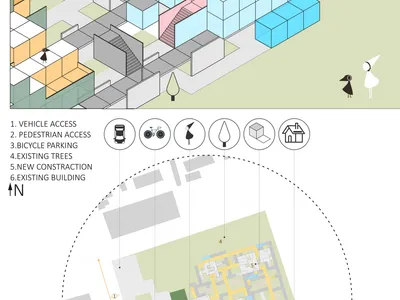
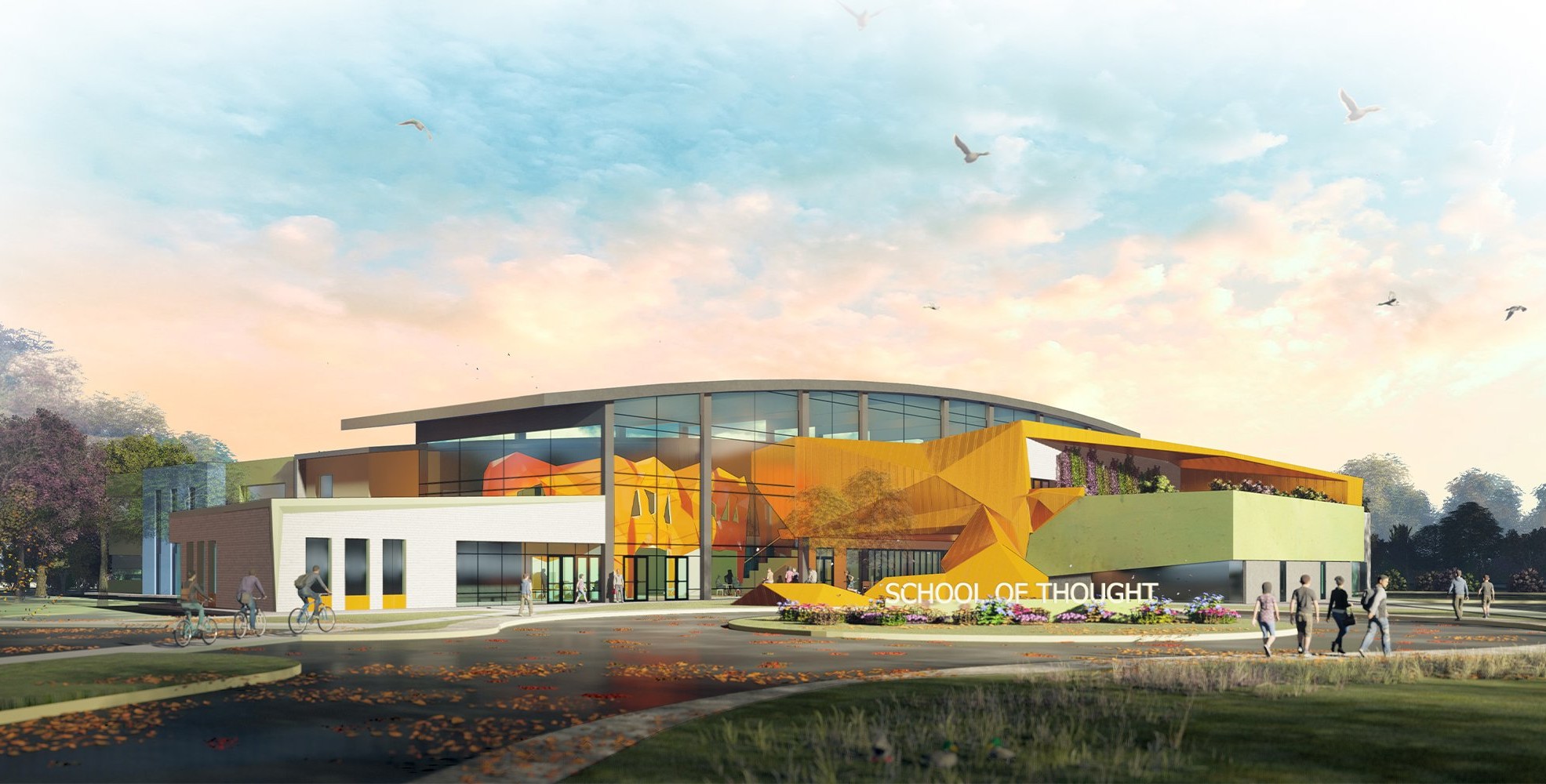
School of Thought: A Shortlisted School Where Air, Ground and Underground Routes Teach Through Getting Lost
Nakisa Haeri treats circulation as curriculum, using three routes, terrazzo stairs and deliberate dead-ends to make finding your way a lesson in itself.
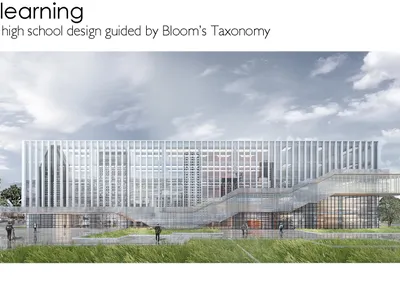
Learn by Learning: A High School That Builds Bloom's Taxonomy Into Its Plan
Zhenquan Fang turns thinking, feeling and doing into three interlocking spatial domains, with a spiraling atrium binding the school to its city.
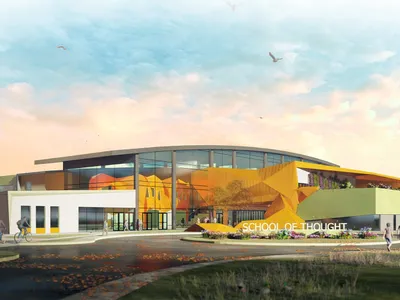
GRADE-IENT: A School Organised as a Gradient Students Navigate Between Modes of Learning
A gradient of learning zones, floating Iceberg studios and a central Collaboratorium let students choose how, where and with whom they learn.
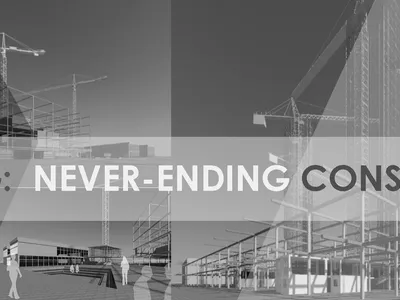
Learning: Never-Ending Construction: A Library That Treats the Building Site as Its Permanent State
A modular library of steel containers and permanent cranes that keeps assembling itself, treating the uncertain future of the book as its design brief.


