
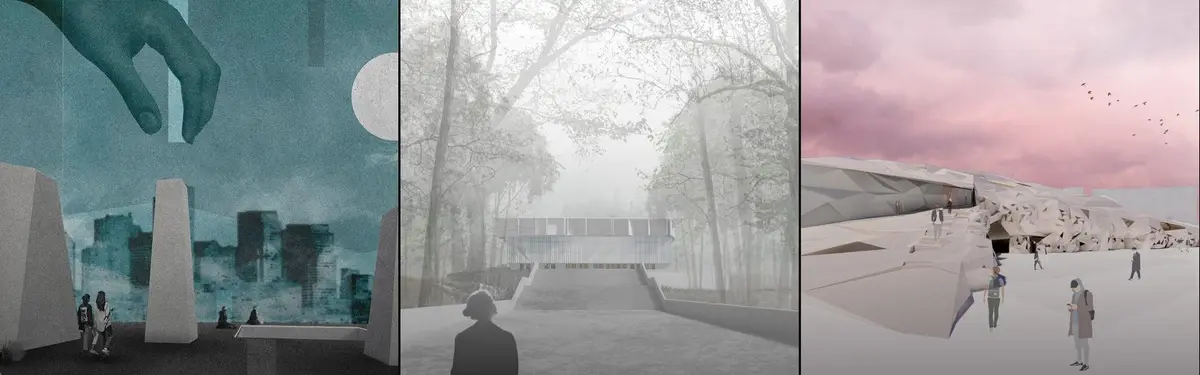


Museum Typology
Architectural approaches to museum design, from spatial organization to material expression and site integration.
Museum typology examines how architects design institutions for cultural preservation and public engagement. This includes decisions about spatial hierarchy, material systems, and the relationship between building form and programmatic function.
The community explores diverse museum strategies: subterranean and underground configurations, material-focused collections, pavilion clusters, and site-specific interventions that anchor museums to landscape features or employ distinctive structural systems.


Popular projects
View all 44 projects


Latest journals
View all 27 journals
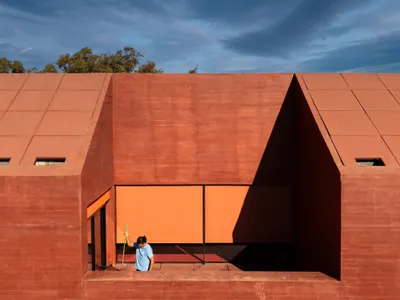
Spaceworkers Anchors a Red Concrete Museum to the Algarve Cliffs at Vila do Bispo
A pair of repurposed granaries and a new pigmented-concrete volume form a cultural anchor in southern Portugal's windswept coastal town.
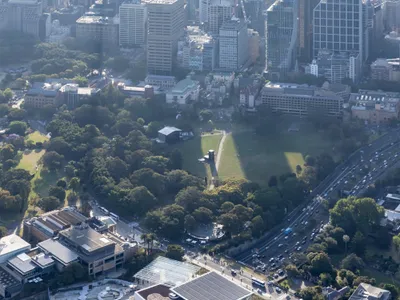
SANAA Steps a Cluster of Glass and Limestone Pavilions Down a Sydney Hillside Toward the Harbour
The Sydney Modern Museum transforms the Art Gallery of New South Wales with 40,000 square metres of galleries, tanks, and terraces above wartime ruins.

Kengo Kuma Wraps a Paris Museum in a Biological Skin of Aluminum and Wood
The Albert Kahn Museum in Boulogne-Billancourt reinterprets the Japanese engawa as a filter between city street and historic garden.
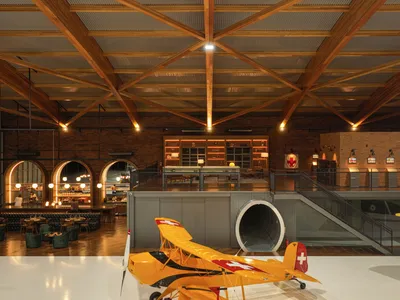
Nola Arquitetura Builds Brazil's Largest Laminated Wood Arch to Shelter Vintage Aircraft
A 50-meter free-span hangar in southern Brazil channels the spirit of early aviation with eucalyptus arches and galvanized steel.


