
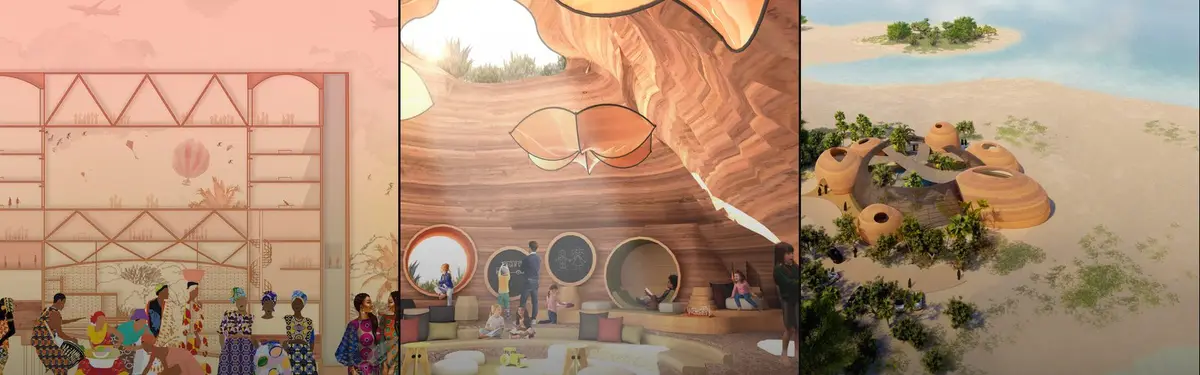


Soil Architecture
Design and architecture that engages soil as a material, medium, and organizing principle for landscapes and built environments.
Soil architecture explores the intersection of earth, landscape, and design. It treats soil not merely as a foundation but as an active material that shapes spatial experience, ecological function, and cultural meaning.
The community examines agricultural landscapes, terraced systems, earth-based installations, and urban interventions that work with soil's properties. Projects range from archaeological site design and desert cooling strategies to food-growing installations and environmental art that foreground the ground itself.


Popular projects
View all 55 projects





Latest journals
View all 53 journals

Transforming Landscapes: An Archaeological Architecture at Keeladi That Grows With the Dig
Namrata Narendra's UnIATA '19 proposal for Keeladi phases architecture over a decade, letting shelters, paths and platforms follow the excavation.


Alluvium: Slot Canyon Urbanism That Cools a Desert Community
Rammed earth walls, canyon corridors, and passive systems transform arid hardscape into a living, learning public landscape.
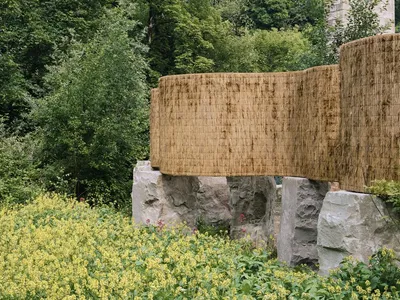
Solum Installation by Atelier Faber – A Landmark Environmental Art & Landscape Architecture Project in Luxembourg
House in Anglesea blends timber, light, and coastal design to create a warm, modern retreat seamlessly connected to its natural surroundings.
The Garden: An Urban Meal Mine Where Architecture Grows Food and Culture
Hsiang-Yi Ho's layered proposal weaves rooftop farms, aquaponics, and open markets into a productive urban ecosystem for London.


