

Urbanism
The study and design of cities, urban spaces, and systems that shape how people live and interact in built environments.

Life line of a city
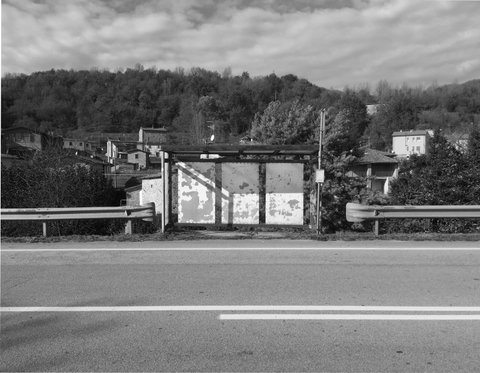
A city has it's own vibration and essence. This life of the city affects it's citizen in a subconsciousness matter. Through this symbiosis within city and urban furniture, a new aspect of life can be given to the city and it's citizens. Our aim is to reveal the life of the city to it's citizens.
Urban Continuum:An alternative learning ecosystem
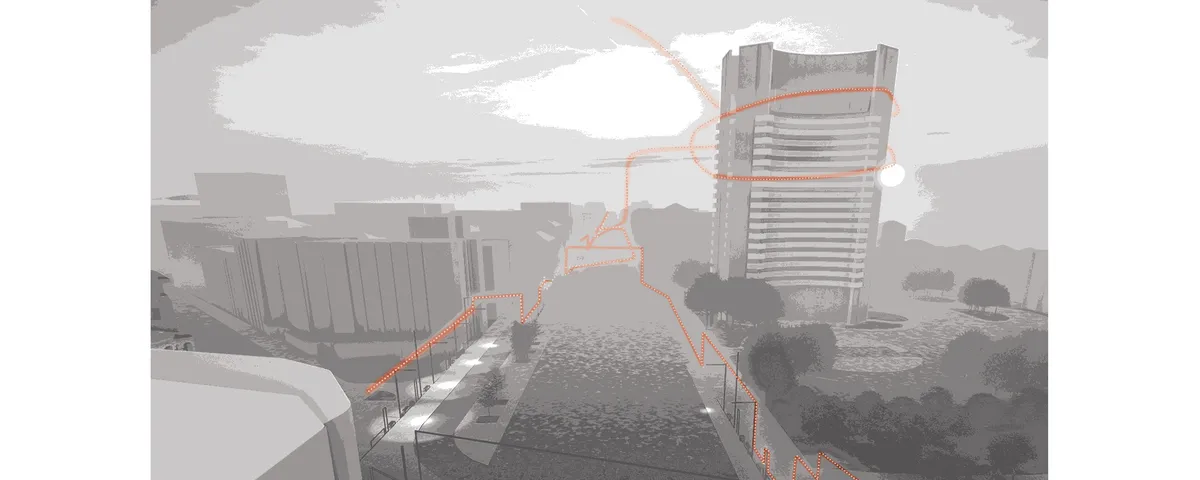
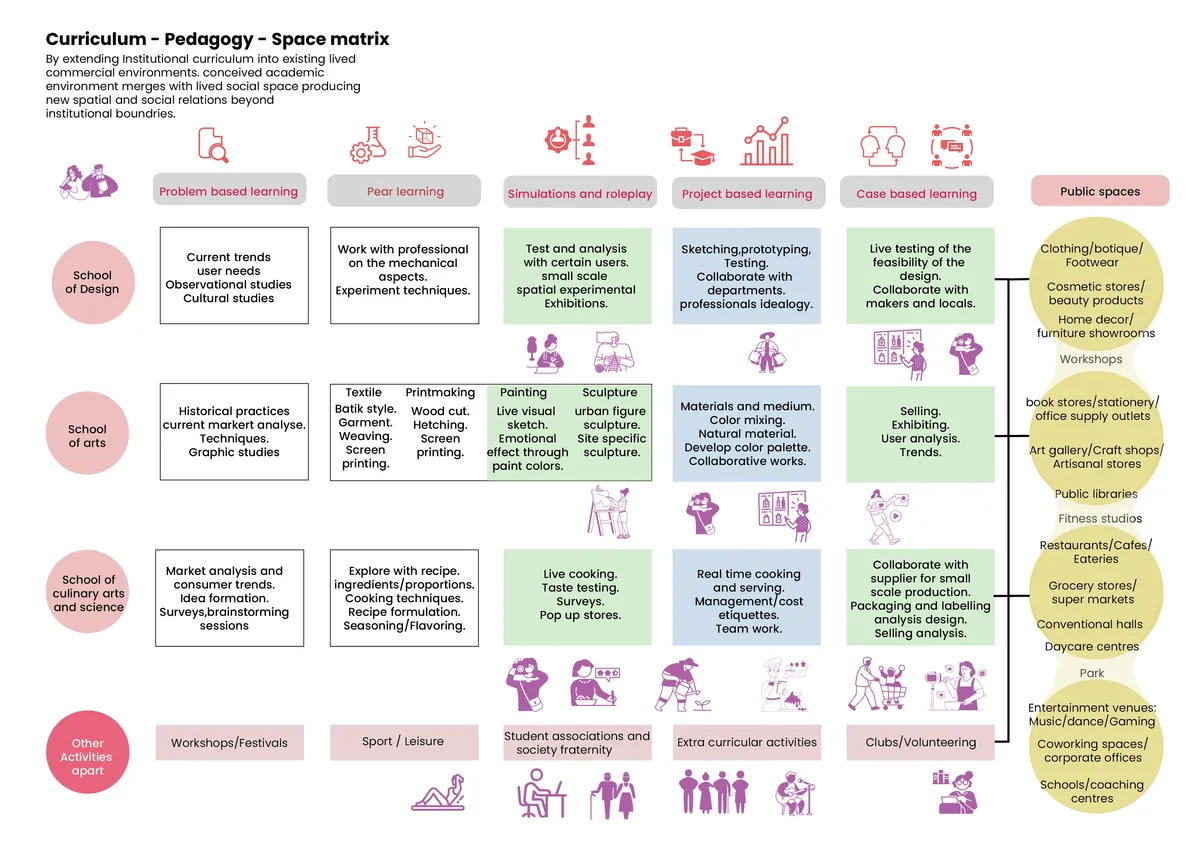
Education has increasingly become detached from the lived realities of the city. Urban Continuum proposes an alternative model in which learning is embedded within the rhythms of everyday urban life. Instead of concentrating education inside institutional boundaries, the project distributes learning across existing neighbourhood spaces, creating an interconn


Vertical Village
XXX
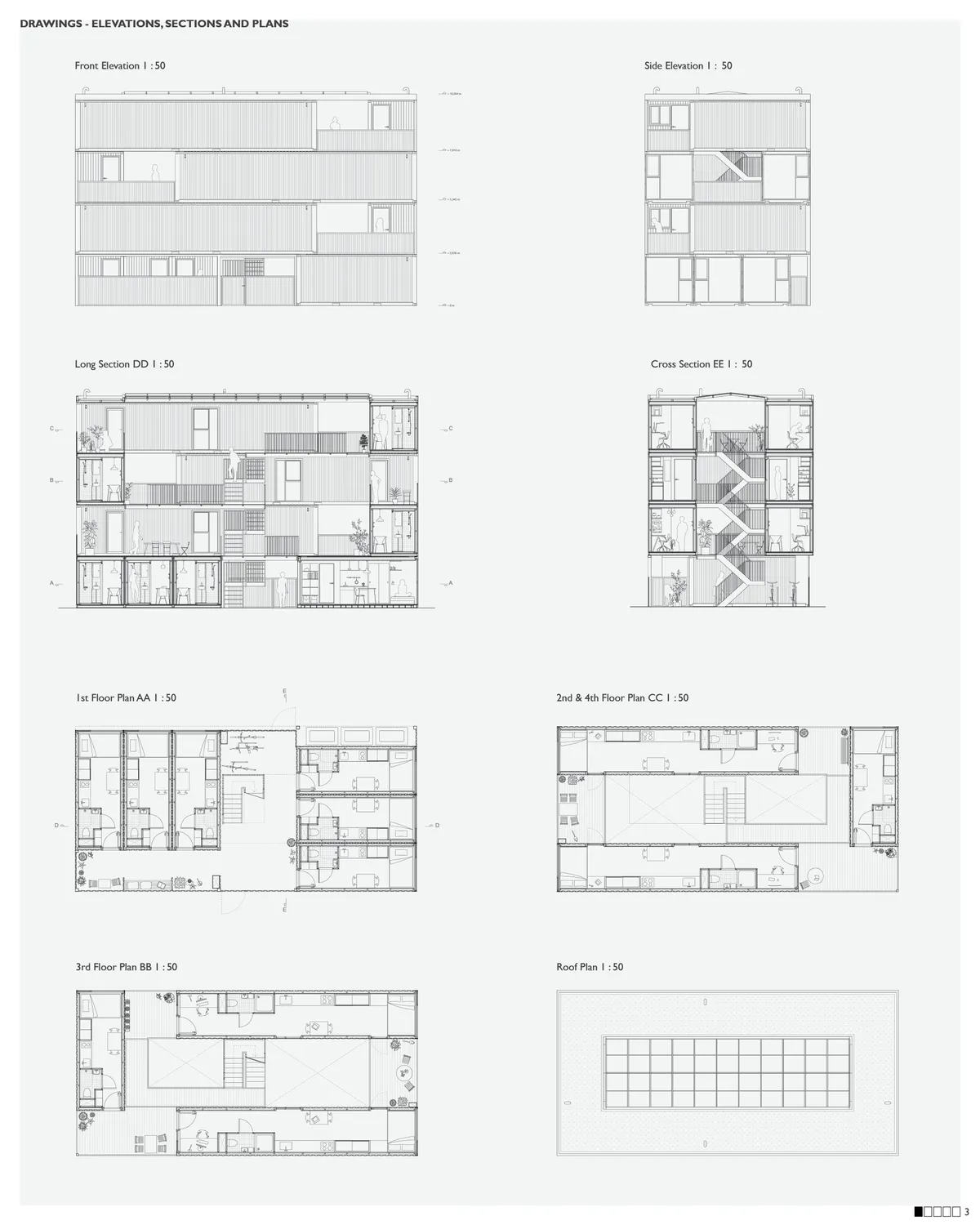

Really solid work with a good developed details.

Congratulations

Very suitable design for industrial (+heritage) zones of cities.

The post-carbon city
Moving beyond the question of decarbonizing transport, this article investigates the post-carbon transition as a catalyst for reconfiguring urban space. It examines how changing mobility paradigms reshape metropolitan structures, public space, and territorial organization, laying the foundations for a renewed architectural and urban model.

The end of expansionary urban planning
The article shows that the future of urban planning lies in transforming existing spaces rather than expanding cities, in order to address ecological, economic, and territorial challenges.
An urban social network
Our proposal implies a way to design the city thinking of all population segments, from little kids that start to discover their neighborhood to senior citizens that hardly go out anymore because their needs have changed. We designed a m
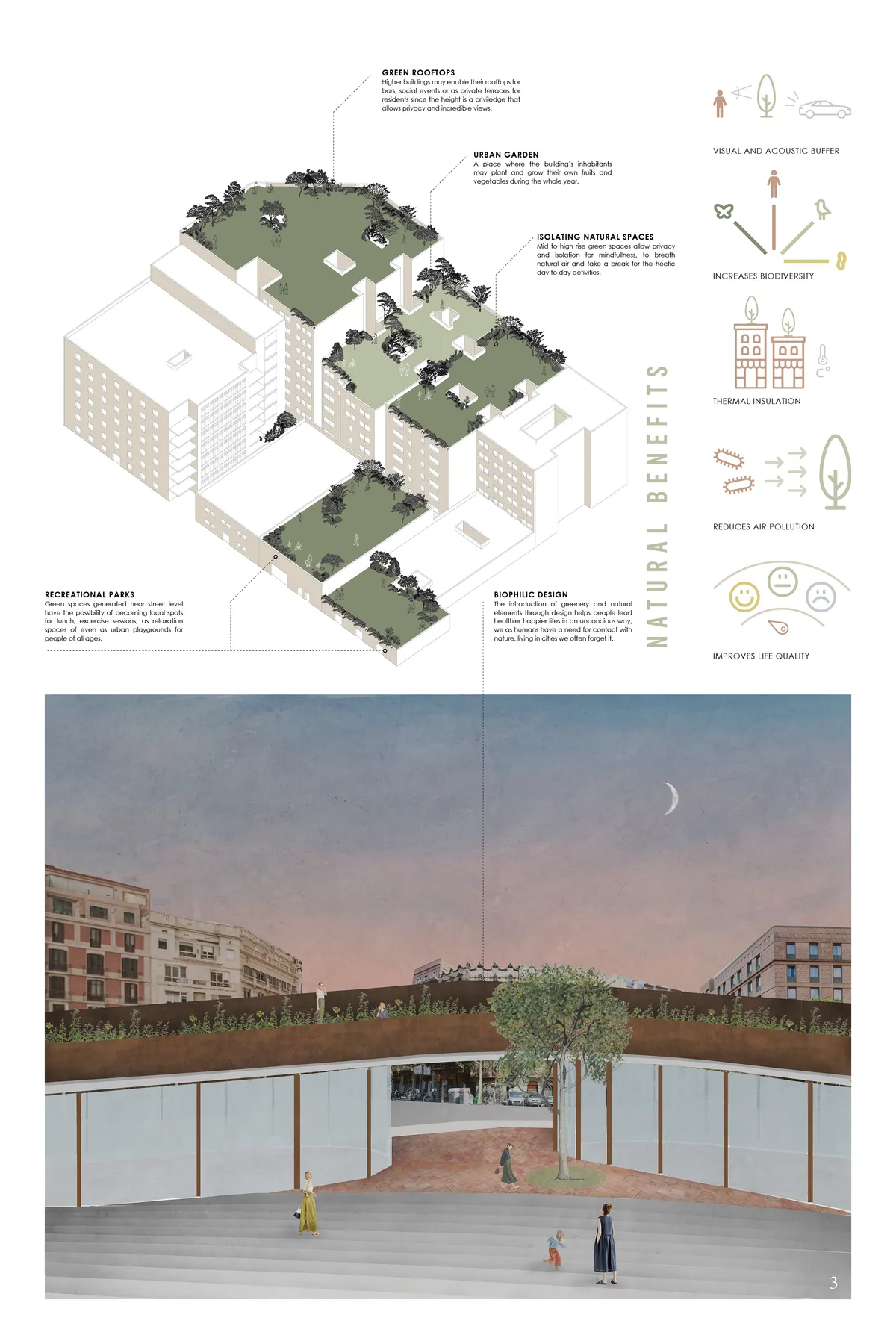

An urban social
Our proposal implies a way to design the city thinking of all population segments, from little kids that start to discover their neighborhood to senior citizens that hardly go out anymore because their needs have changed. We designed a main collective adaptable space for different programs accompanied by a series of niche public spaces within housing blocks.
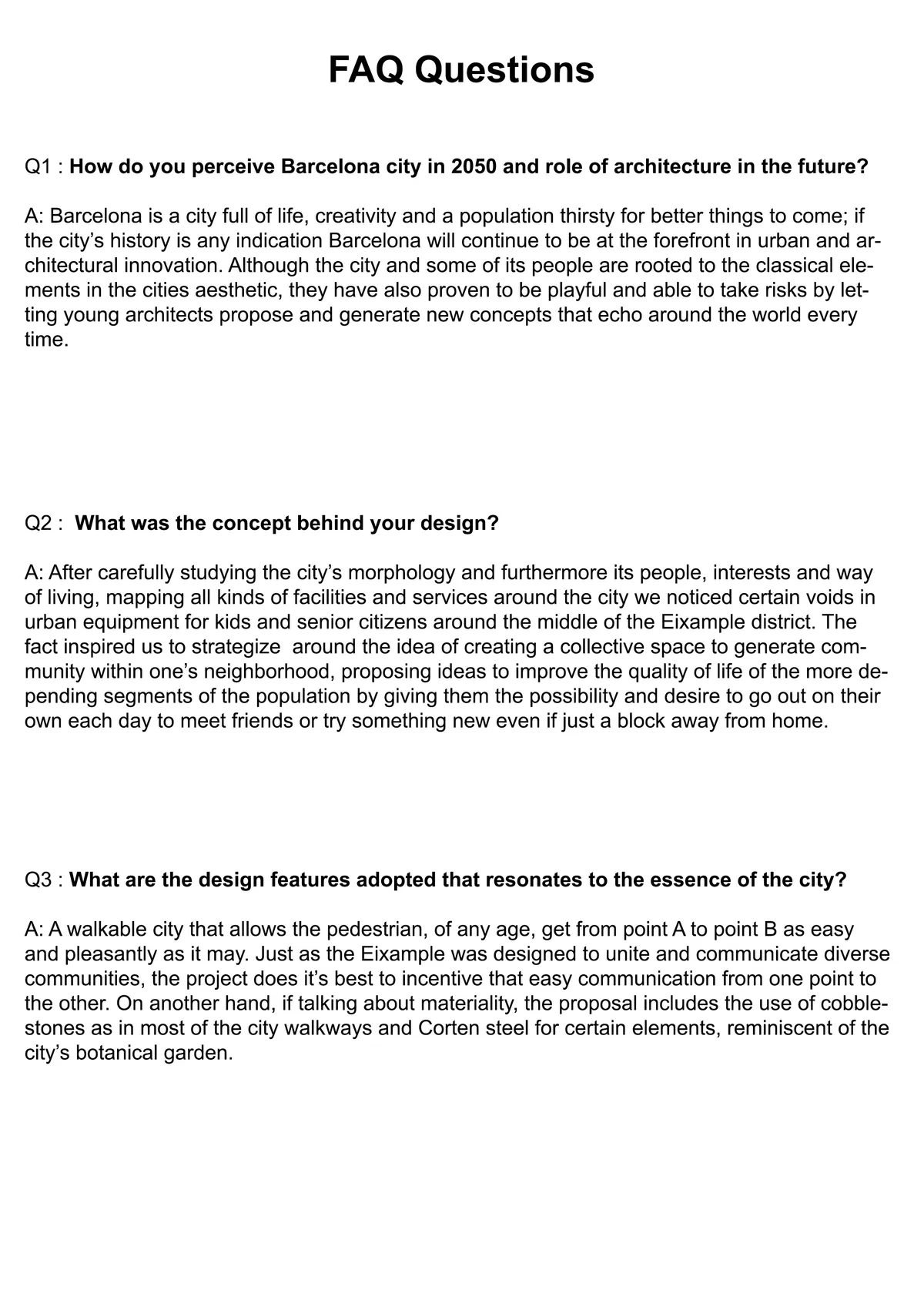

Respectul proposal. Missing a more radical and visionary approach. I wonder if I may have understood the project better with more drawings and pictures.

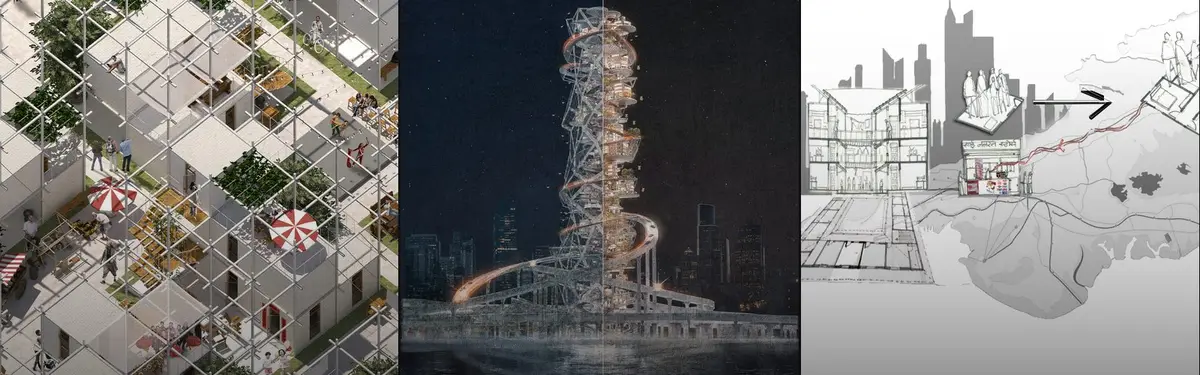
The idea of increasing occupant connectivity to the natural environment, thanks to a system of interconnected people or things, is the cue. Exchange information, contacts, and experience for healthy purposes needs a dynamic structure. If we think this way, from scratch, we will learn that architecture is related to innovation and sustainability. The transformation of the historical city in the last century as a leisure space has to be replaced in the contemporary cities as a productive and connective cultural and natural space. The cities need to be thought as a dynamic structure where time is the matter to design new intelligent realities.

PENCIL DWELLING
The one-unit-per-floor paradigm of Tokyo pencil building demonstrates both a natural solo dwelling and the Japanese social dilemma of loneliness. In an age of solo living, this project aims to address the following questions: - what space do you want to keep completely to yourself? - which part of li
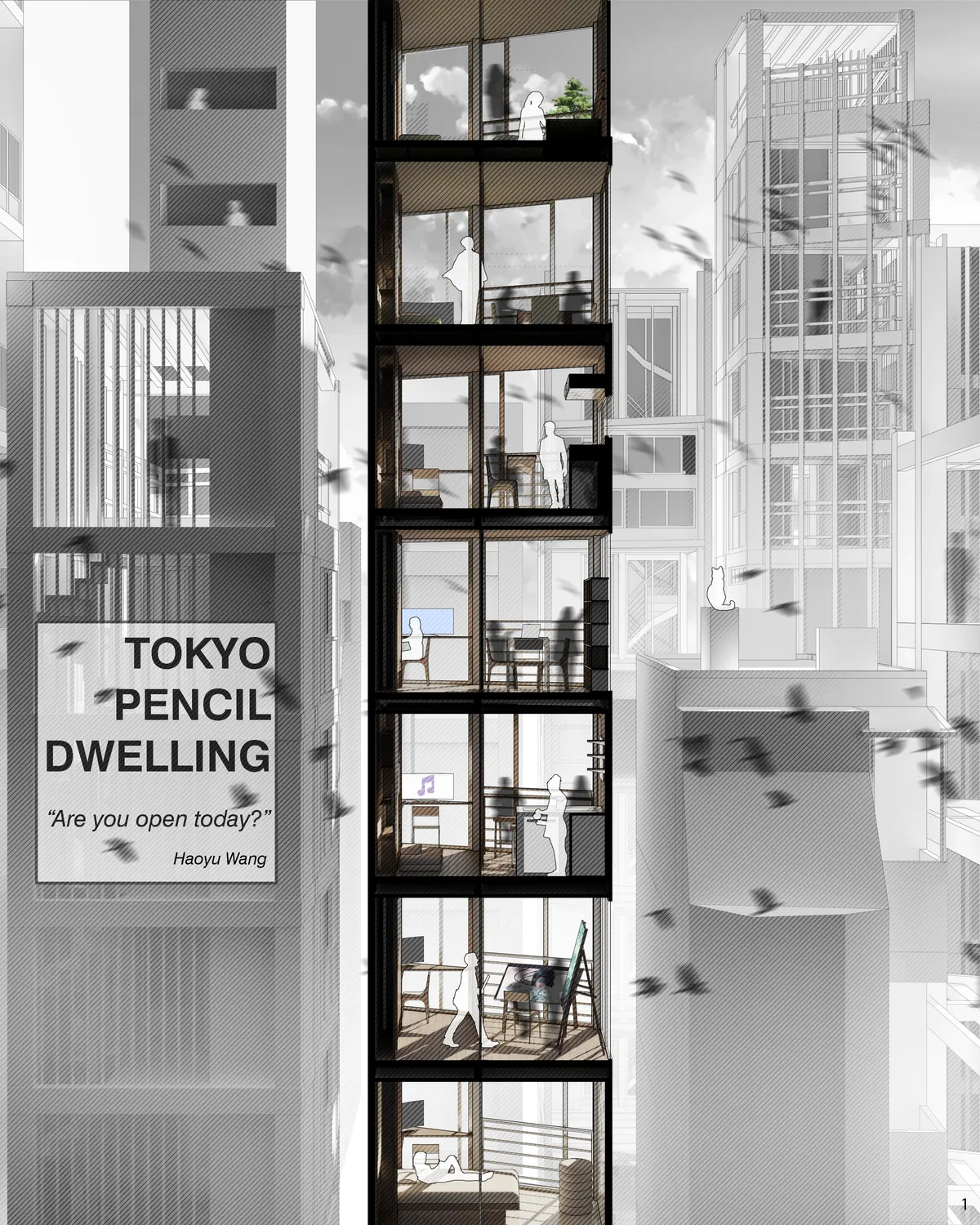

Interesting research for the historical reason for the development of small pencil buildings in Tokyo. In Tokyo, there exists so many pencil buildings and small apartments, but they are all closed and lucking the possibility of communication. This idea present possible new way of half-open half-private living. The idea is experimental and realistic at the same time. I can imagine interesting life in this building through beautiful presentation.


Atlantis 2023: Vertical Farm Towers That Turn a City's Waste Into Its Own Food Supply
Jakub Sokólski proposes a network of timber farming towers where organic waste, water and energy circulate in a closed loop inside the dense city.




[UP]Town
![[UP]Town](https://img.uni.xyz/eyJidWNrZXQiOiJ1bmktcHJvamVjdHMiLCJrZXkiOiI4L2FiZjAyYmUxLWYwODAtNGFhYy1hNjNlLTY1NTliNDVjODc5Ny90dWdjZTIyMDIxLTA1LTAxVDIzLTUxLTUwLTcxNTc5NC5qcGciLCJlZGl0cyI6eyJyZXNpemUiOnsid2lkdGgiOjEyMDAsImZpdCI6Imluc2lkZSJ9LCJqcGVnIjp7InF1YWxpdHkiOjgwfSwid2VicCI6eyJxdWFsaXR5Ijo4MH0sImZsYXR0ZW4iOmZhbHNlLCJub3JtYWxpc2UiOmZhbHNlfX0=)

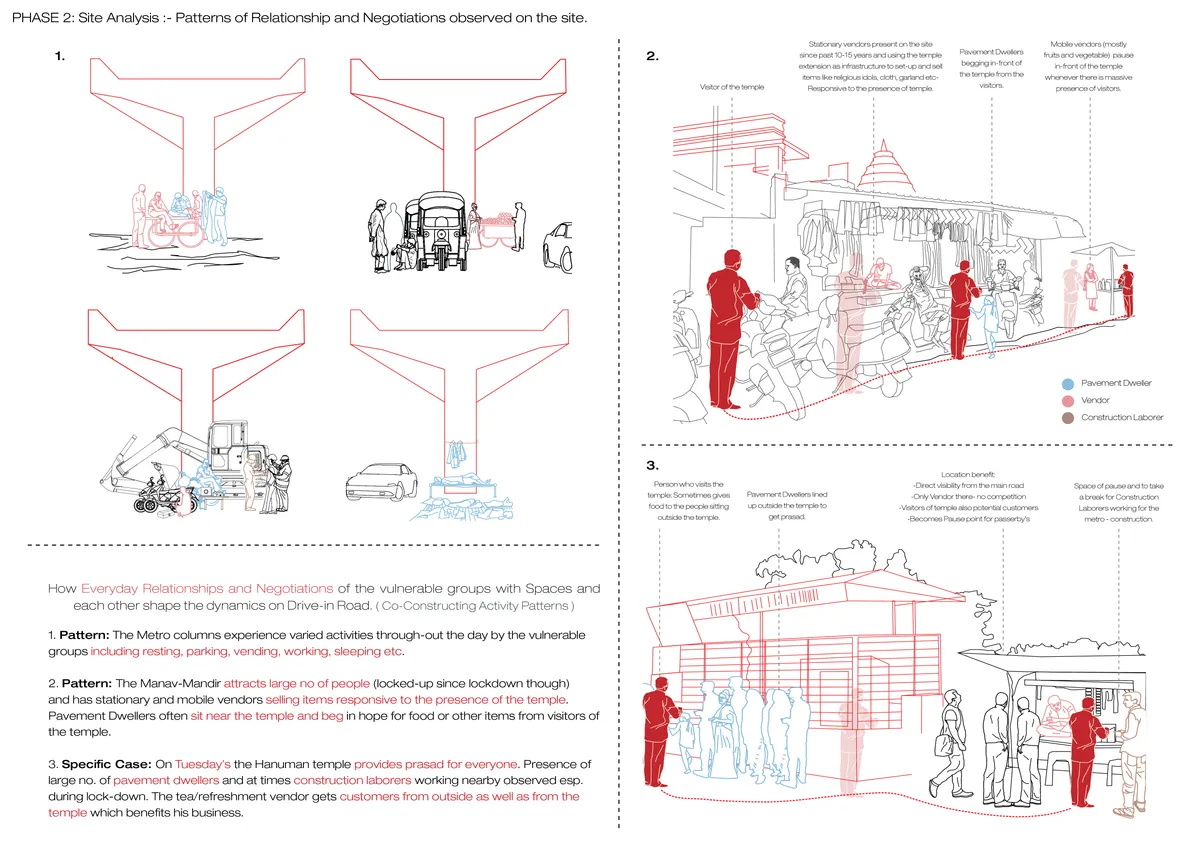
I think this is a great concept to allow provide a space for homeless people by using the rooftop spaces of buildings that are not utilised otherwise. It gives a good feeling of community and safely. However there are things that haven't been addressed such as ablutions and protection from the cold.

Interresting design for commonspaces. Not very futuristic or resolving "habitation" issues.

EARTH-SCRAPER " AN UTOPIAN HABITAT
New ideas have evolved in the architecture, that recognise today's issues caused due to mass urbanisation, which are designed in a way that they help to build a better future. The project is an attempt to show the SURREAL design idea which can deal with the problems of mass urbanisation, climate change, lack of land in city for future development.

Earth-scraper - An utopian habitat
This thesis project is an attempt to show the SURREAL design idea which can deal with the problems of mass urbanisation, climate change, lack of land in city for future development and to shatter the paradigm of Human perception for an underground space. The design challenge addresses to Myth and problems faced by an underground space architecturally.



Modern urban area in an epidemic
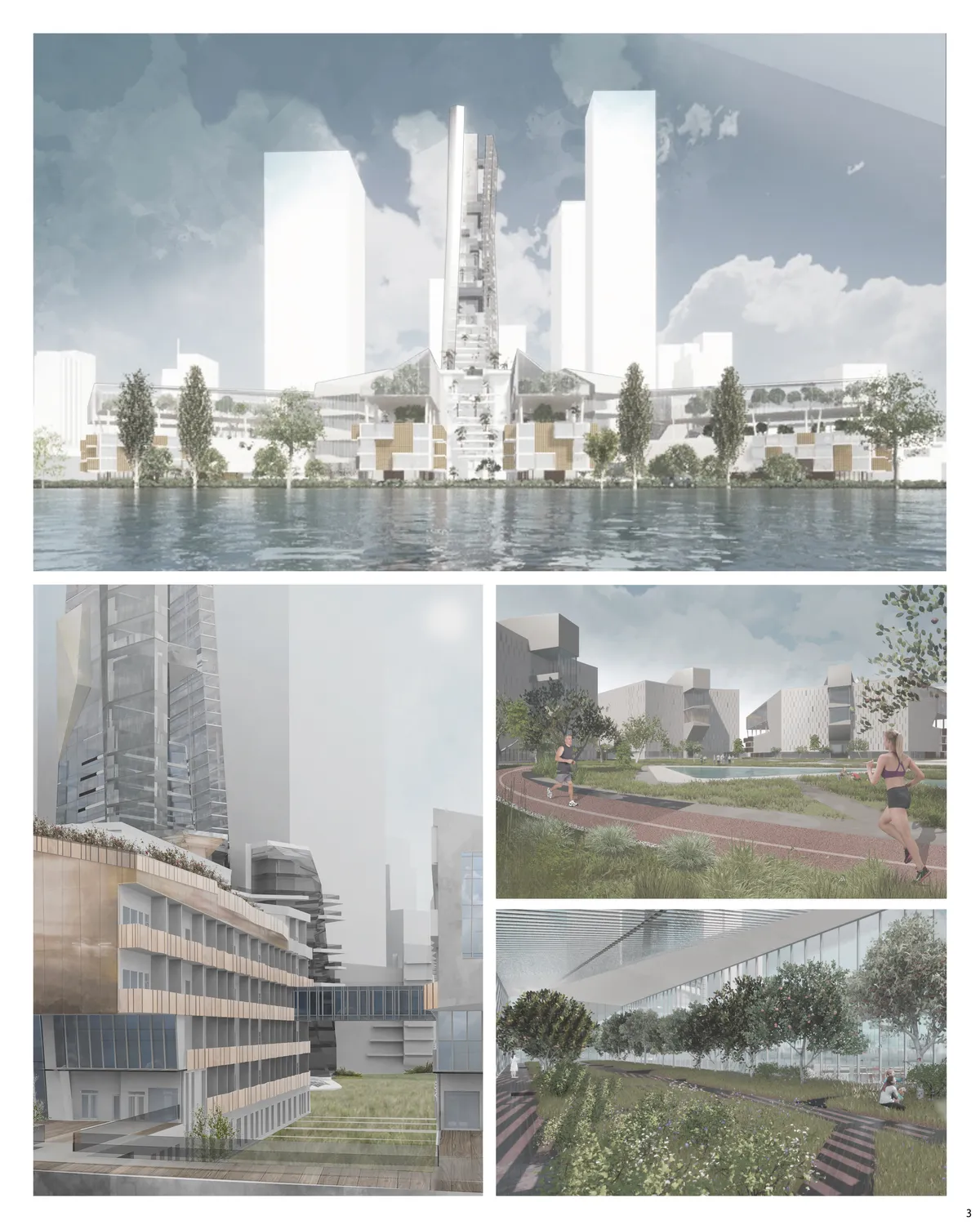

Architectural fantasies are always welcome in competitions--keep developing your ideas!

very high quality
Очень сильно. Молодец!

Coexistence - city in Daya Iriji
Saharan terrain has been created from complex relations between ground, wind, water and sun and to ensure safe habitance in the city we must not break the delicate balance. Building the new city in coexistence with nature is the core concept of the project.
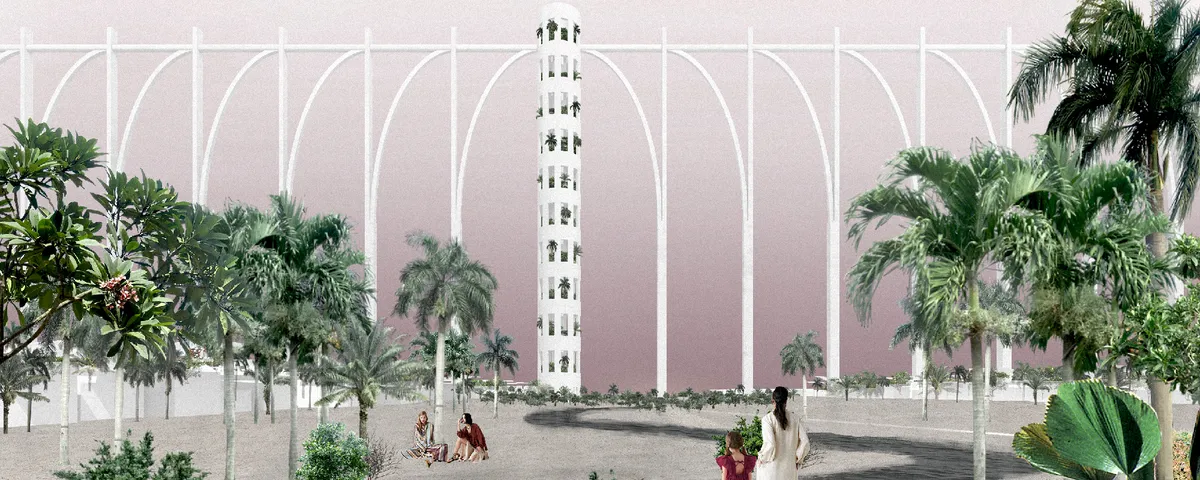

Garden of Athan
Resilience Center for the Widows of Afghanistan
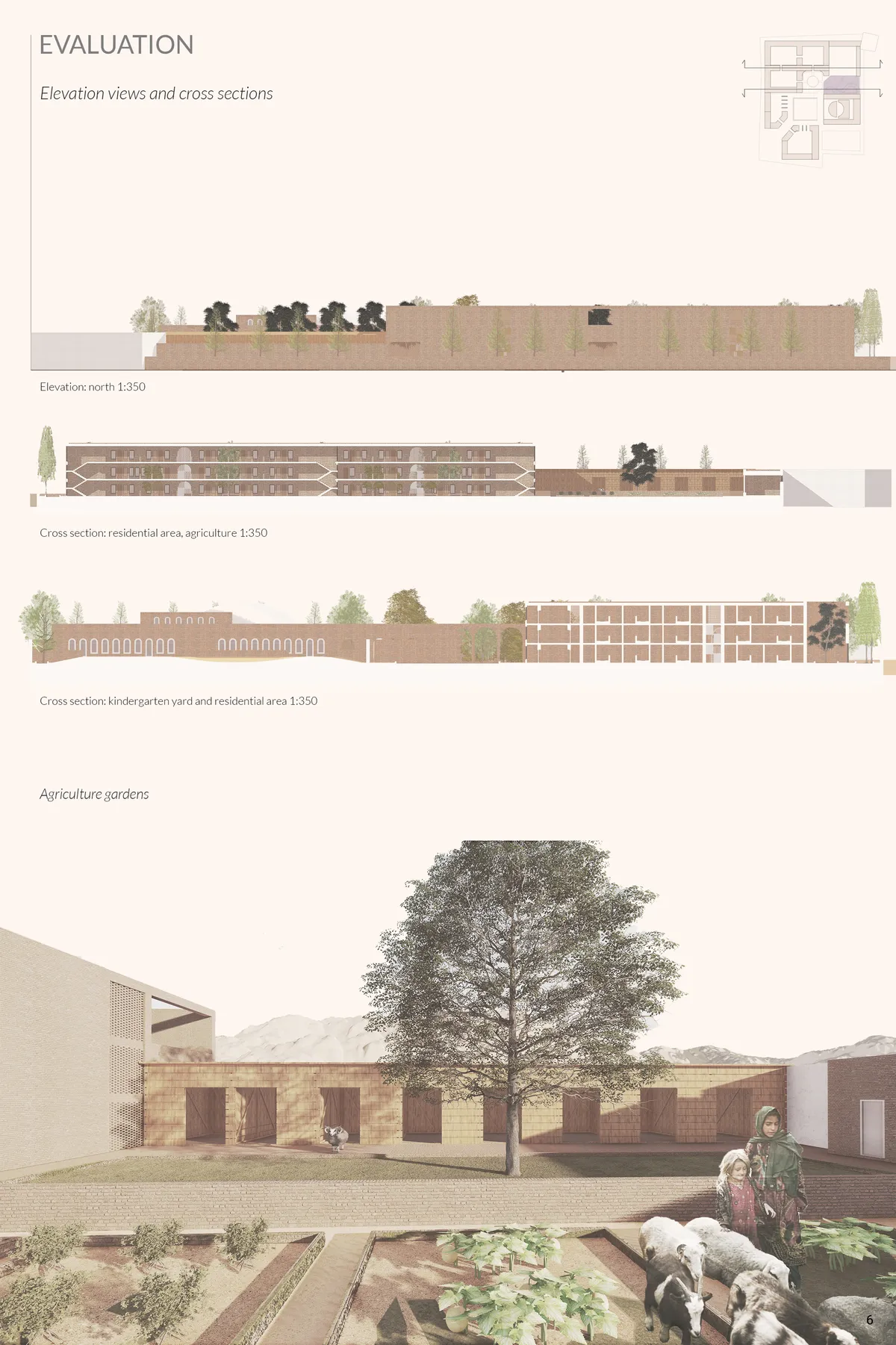

Great architecture using traditional materials in a new way. Also to be commended is the weaving of traditional and modern concepts.

The use of traditional materials and construction systems under a new perspective endow the proposal with a project austerity and logic with great maturity.

Revitalizing the Pedestrian Approach to the City of Panjim: The Social Magnet
Project type: Urban revitalization architectural thesis


Urban Street Make Over
A street, converted from a dump yard to a lively and resilient public space, for the users living in the vicinity as well as other commuters who enjoy the presence of such breathing space in the core of Pune city in India.
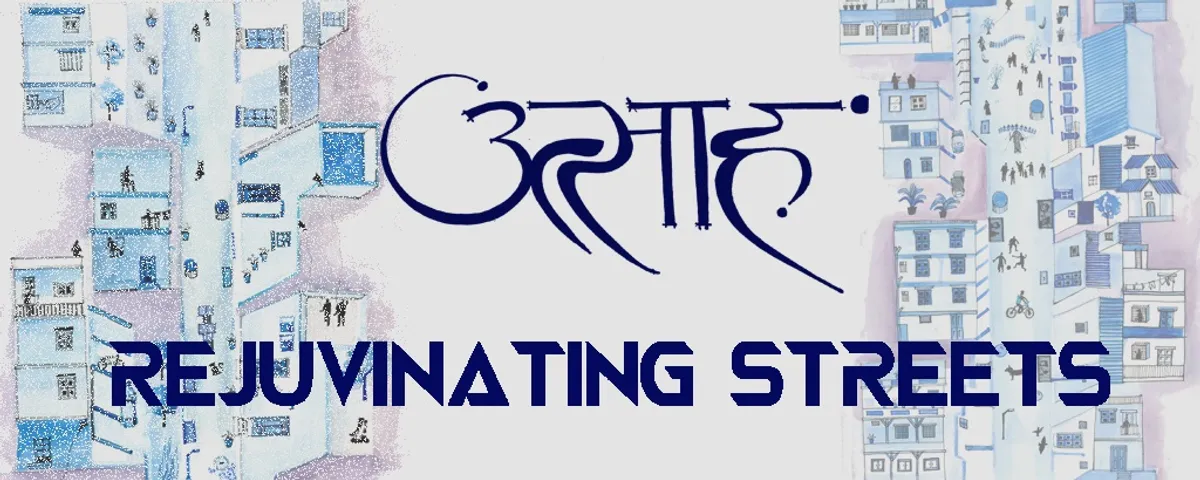
From Vibrancy to Vacancy: Addressing the Decline of Urban Structures
“When the ‘Heart’ weeps for what it has lost, The ‘Spirit’ laughs for what it has found”


A thoughtful and original approach that expands learning into everyday urban life. Further exploring how this model can operate across different public spaces could strengthen its potential and impact.
Thank you so much for the thoughtful feedback. The project grew from questioning the mono-functional nature of urban spaces and eventually led me to explore learning as something that could connect people, genetations and everyday civic life beyond the conventional campus. Your suggestion to test this model across different public spaces is something i'd really like to explore further, particularly how different urban contexts could create different opportunities for learning and collective information.