


Walkable City
Design approaches to creating cities that prioritize pedestrian movement, cycling, and accessible public spaces.



The Green Bridge
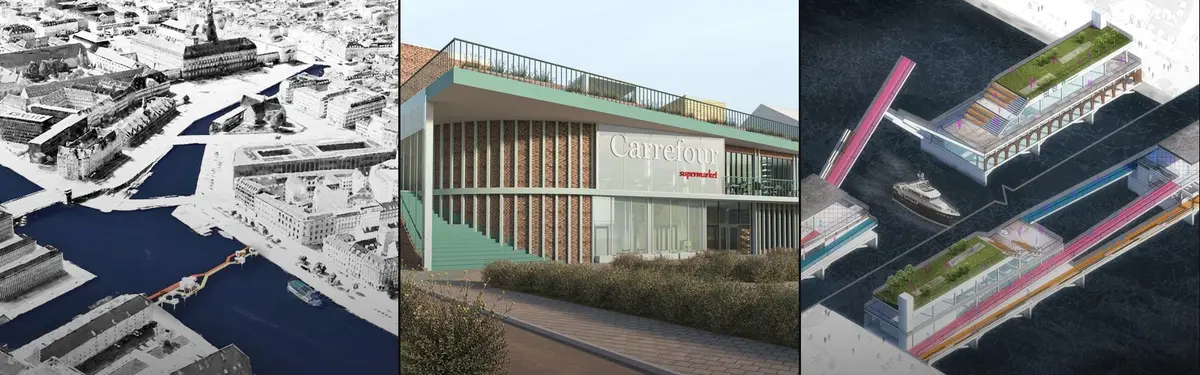
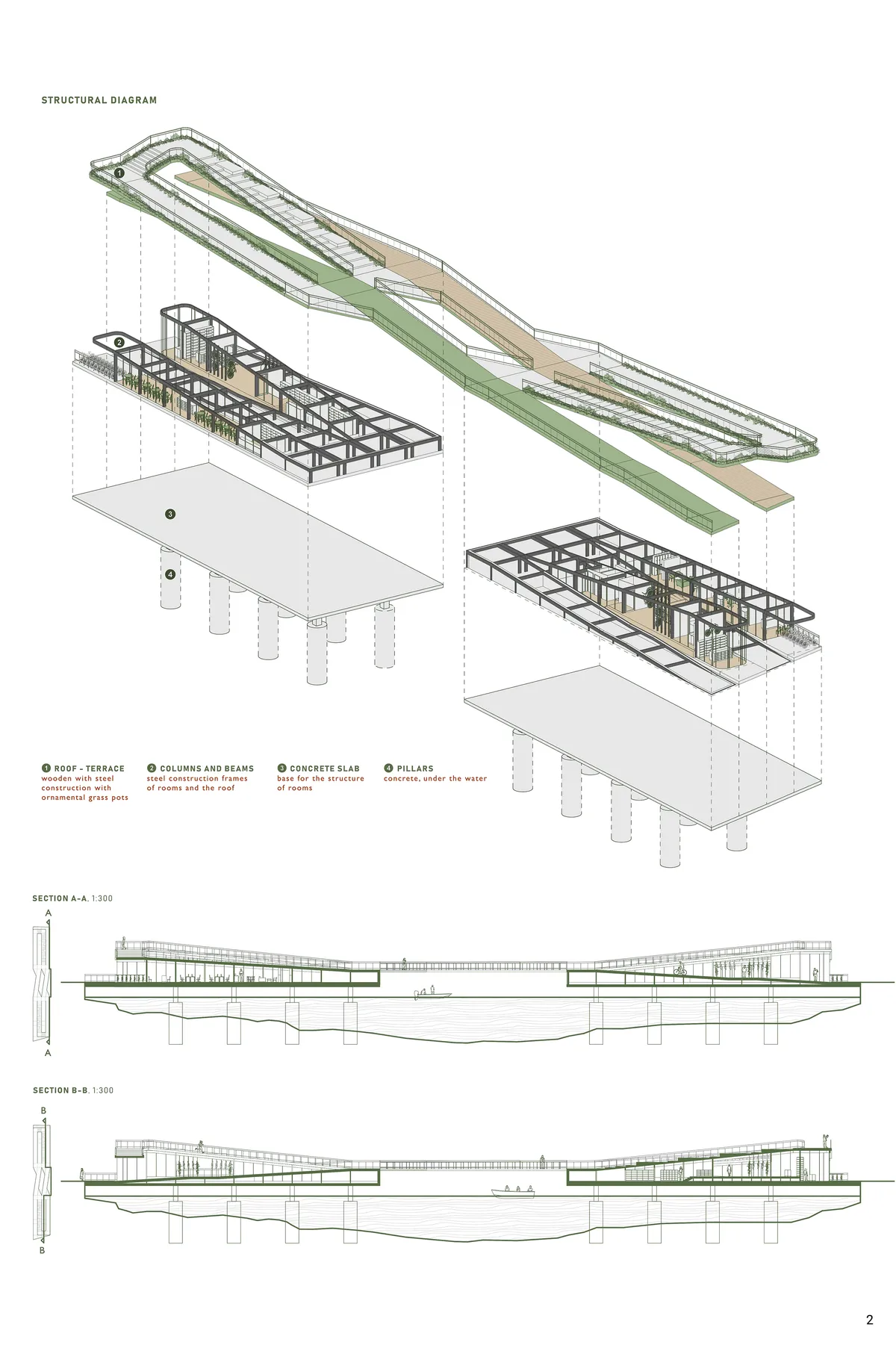
A new bridge connecting Gammelholm and Christianshavn is an object designed as a walkability manifesto in Copenhagen. It is a public area only for pedestrians and cyclists that provide them with a wide range of facilities and a possibility to rest in many ways.


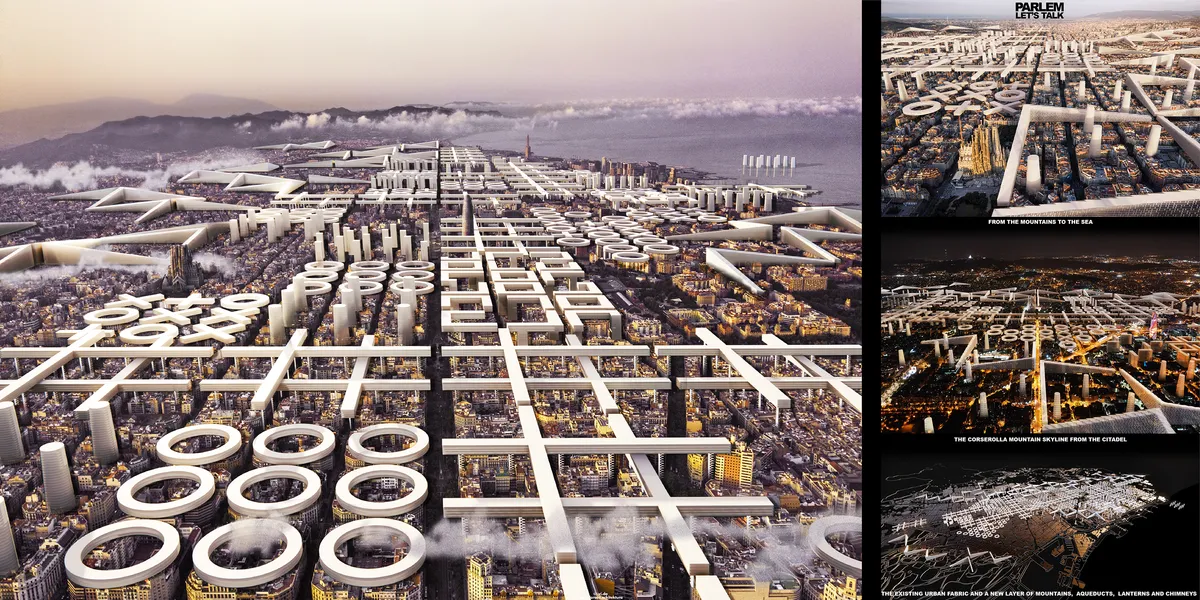
Customized Instant City Module Operating System: A Second, Movable City Above Barcelona's Eixample
A post-metabolist plan for Barcelona's Eixample inserts a mobile lattice of modules into the air, rooftops and courtyards rather than razing the grid.



Cities for Every Generation
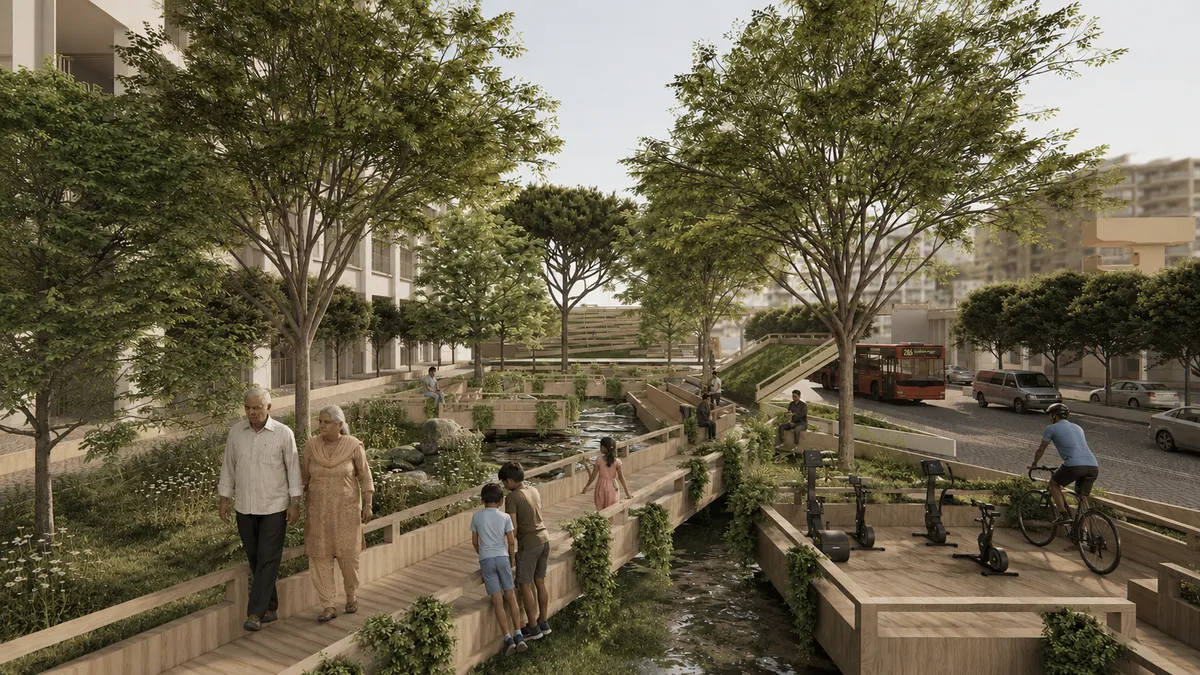
Planning Kochi for Safer, Inclusive, and Family-Friendly Urban Living By Heba Rasheed


INDI GENIUS
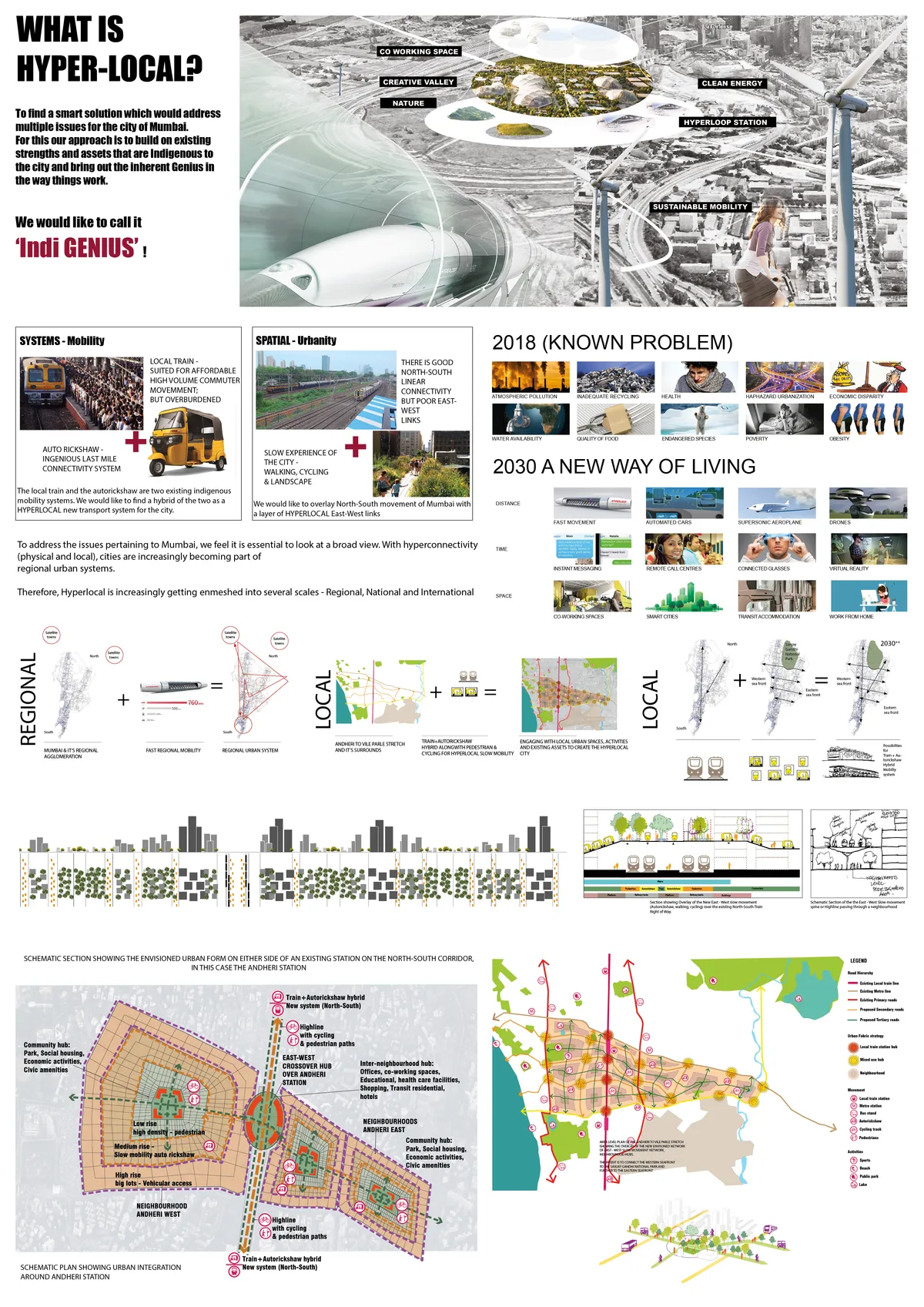
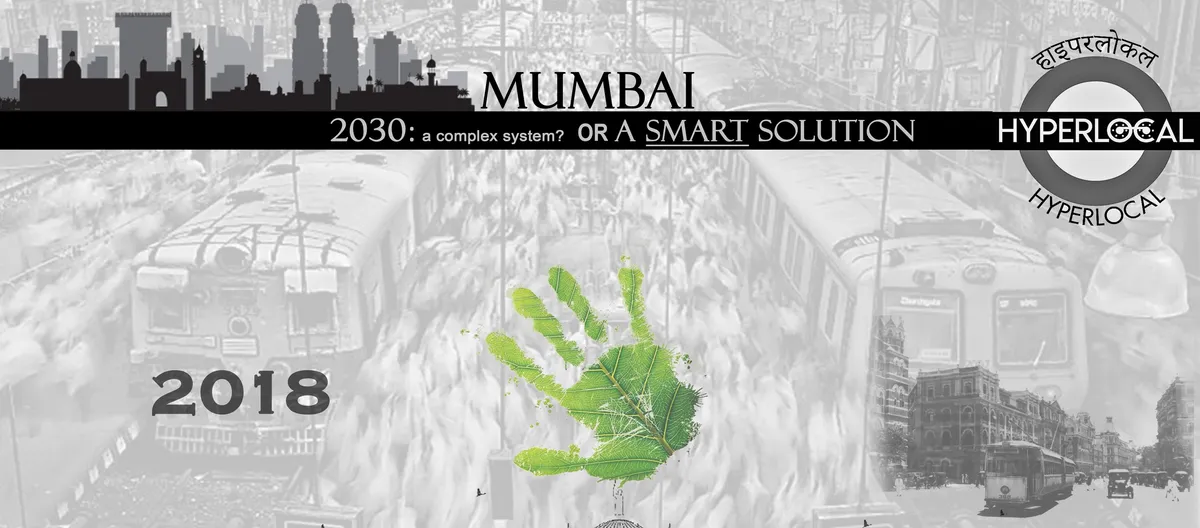
Tomorrow with Hyperloop we'll travel from cities in minutes but for us the critical standpoint is that it is even more to create strong engaging connections to the 'local' - people, places, memories, landscape. So, we have tried to reinforce the local mobility systems - local train & auto rickshaw ; and the local urbanity - create East West city links.


The Wall
Our project proposes an alternative approach towards skyscrapers; we hope to uplift the city, especially the Karun river, and purify the air of Ahvaz. Our project has the potential to become an icon by creating a diverse way of living and a connection with older city icons. Housing, environment, and social interactions are the main focuses of our design.
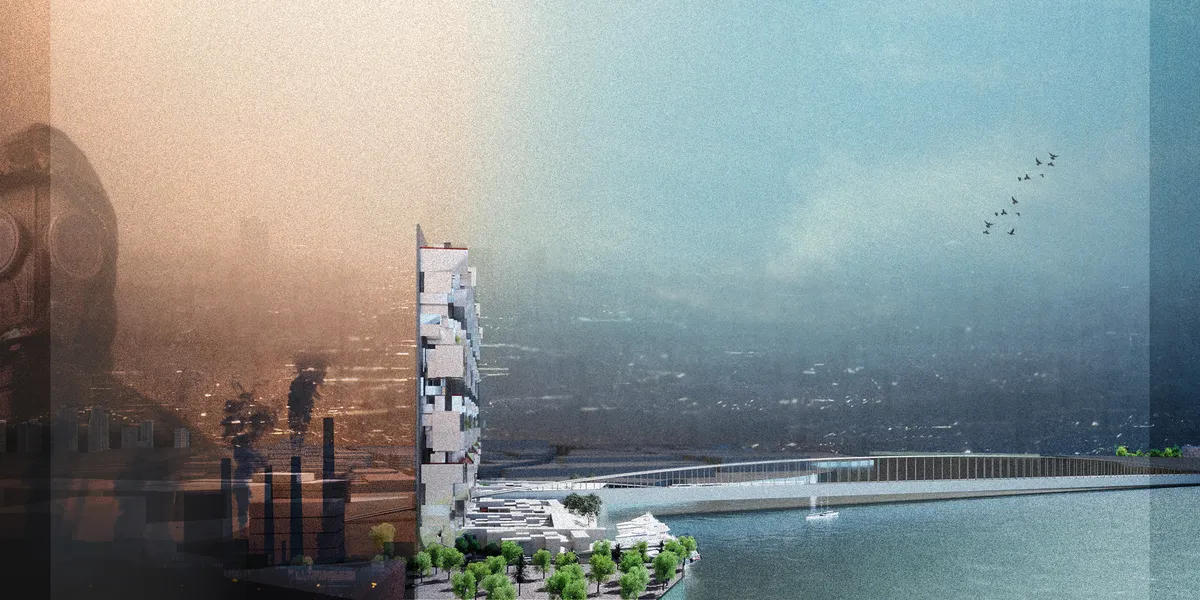

You have dealt with the climate problems in Ahvaz city in an excellent and creative way, and using the city map and texture as a vertical element is really smart.

An urban social
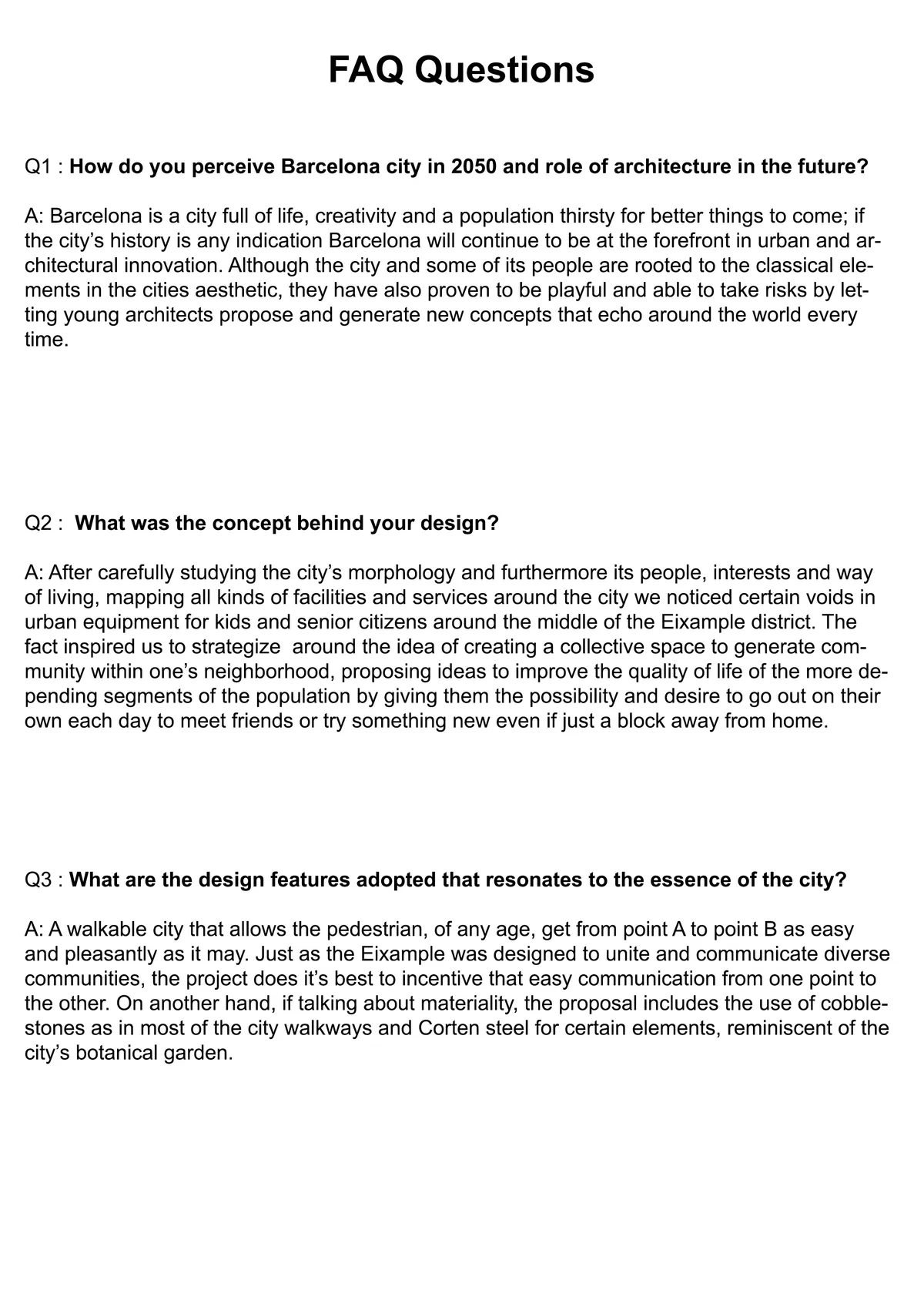
Our proposal implies a way to design the city thinking of all population segments, from little kids that start to discover their neighborhood to senior citizens that hardly go out anymore because their needs have changed. We designed a main collective adaptable space for different programs accompanied by a series of niche public spaces within housing blocks.

Respectul proposal. Missing a more radical and visionary approach. I wonder if I may have understood the project better with more drawings and pictures.

The idea of increasing occupant connectivity to the natural environment, thanks to a system of interconnected people or things, is the cue. Exchange information, contacts, and experience for healthy purposes needs a dynamic structure. If we think this way, from scratch, we will learn that architecture is related to innovation and sustainability. The transformation of the historical city in the last century as a leisure space has to be replaced in the contemporary cities as a productive and connective cultural and natural space. The cities need to be thought as a dynamic structure where time is the matter to design new intelligent realities.

A New Vision of Routine facilities
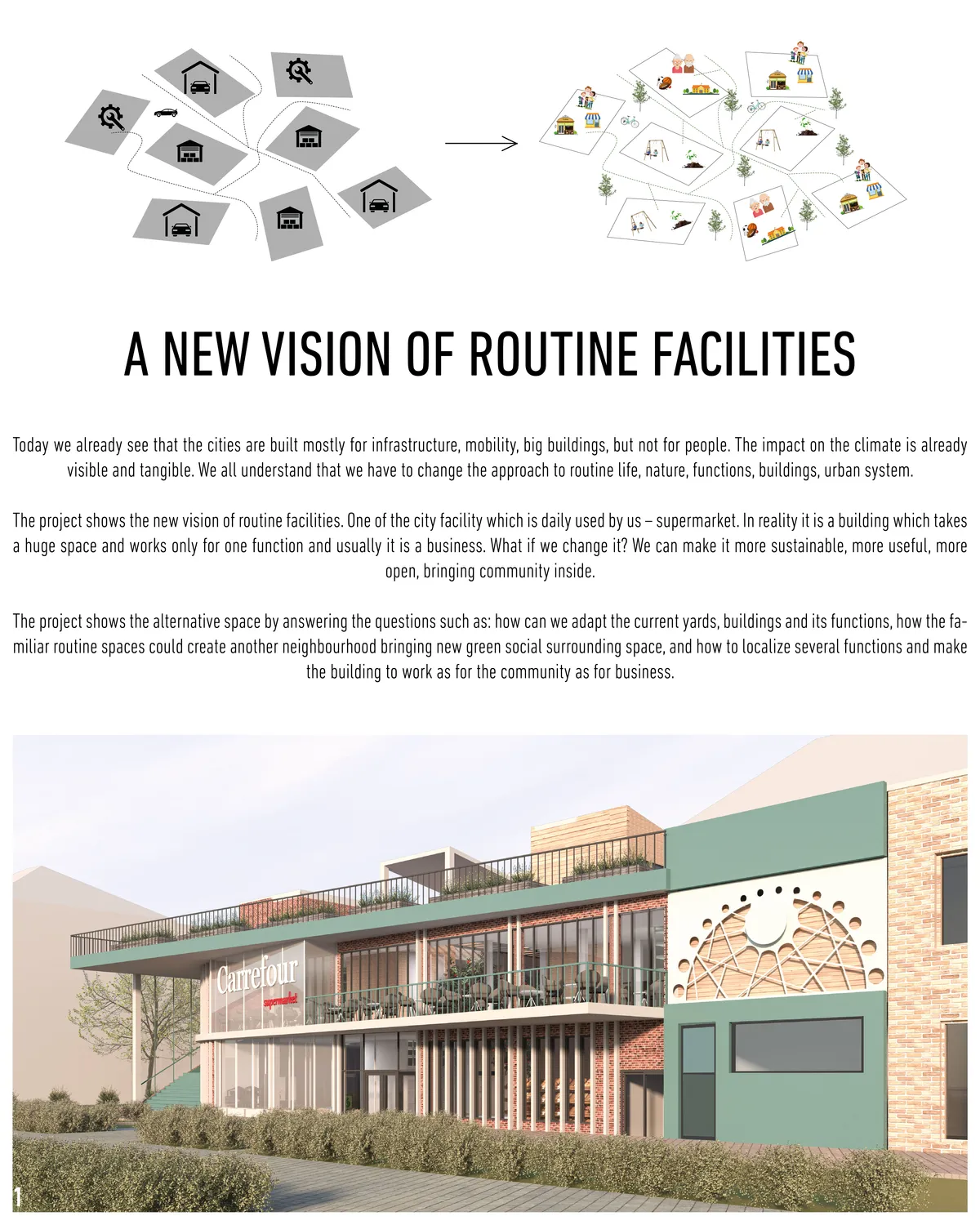
The project considers the topics about the adaptation of the city to the sustainable future realities, its functions and space, to make it more comfortable in use for people. How the routine facilities coul m the higher quality of neighbourhood for local people, bringing all needed facilities, but keeping business part to have and support own economy.
The City Hub: A Copenhagen Bascule Bridge That Anchors a Floating Public Platform Beneath Its Span
A cycling bridge with two 50-metre bascule leaves and a two-level floating platform turns a Copenhagen canal crossing into a place to stay.

Copenhagen Link: A Pedestrian and Bicycle Bridge That Splits Its Users Across Three Solar-Powered Paths
Three 100-metre paths, 540 solar panels and self-cleaning concrete turn a river crossing into a place to pause, recharge and drink coffee.

NEW WAVE
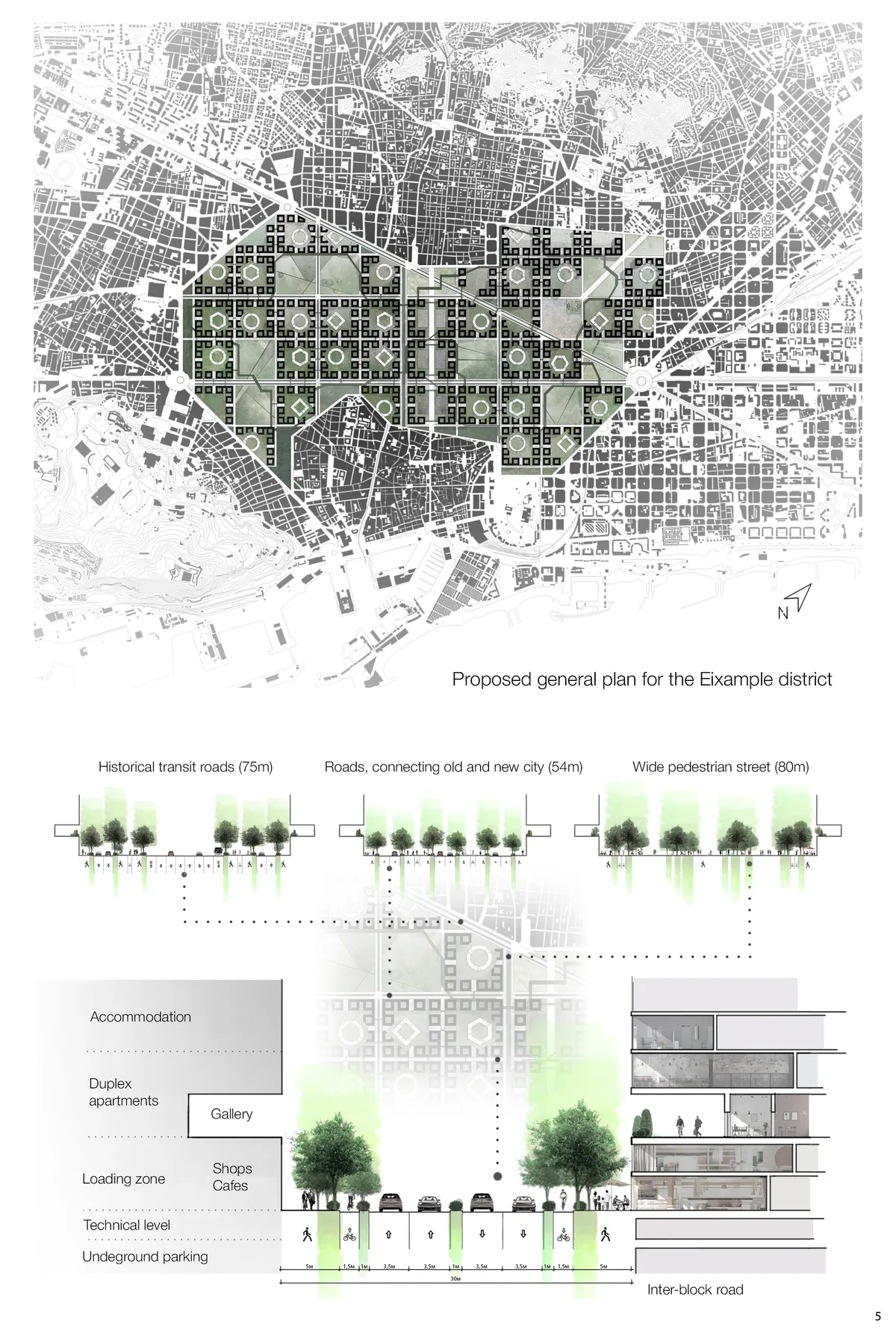
NEW WAVE is a conceptual project, that is based on rethinking Cerda’s legacy. Our main goal was to improve and adapt the existing scheme, saving the unique atmoshpere of Barcelona.
To mention the musical New Wave as a counterpart of post-punk, where the artists were influenced by bourgeois pressure from the musical pop of 1960s. Could we use the reference as a projective approach talking about social future behaviors?
The Shelter: A Copenhagen Bridge That Stacks Cyclists, Pedestrians and a Bird Sanctuary
Eve C's harbour crossing nests cycle lanes, an elevated promenade, civic programmes and a 15-metre planted tower for birds into one curving structure.
Transitional Linkage: An Elevated Pedestrian Spine That Formalizes a City's Most Dangerous Shortcut
Zillur Rahman turns an informal crossing over rail and highway into a raised civic spine that ties six transport modes together at a single shared level.


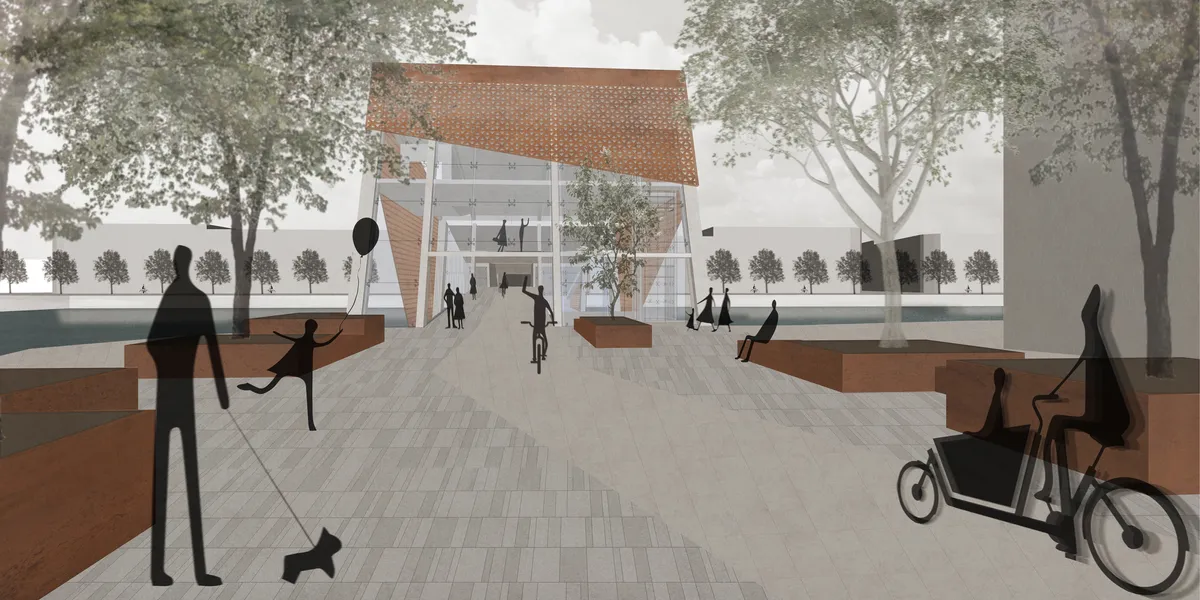


Lines of The Land
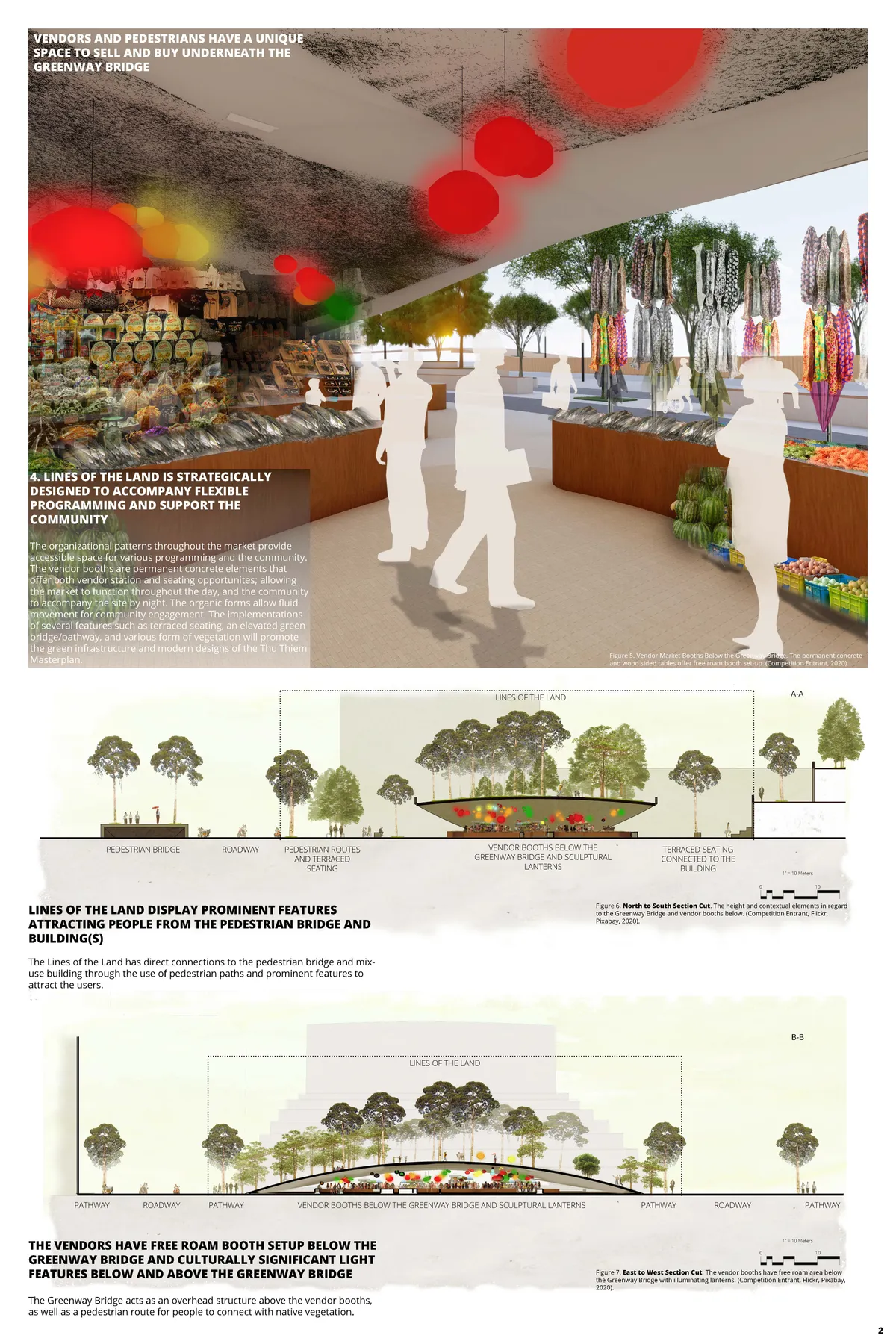
The Lines of the Land is an Urban Fish Market integrating an arching Greenway Bridge as the iconic element spanning above the market. By honoring the terraced forms in Vietnamese agricultural fields, this proposal incorporates design elements, street city market vendors, and the local traditions into the Lines of the Land.
Fantastic work bud

Excellent stuff
Love it

Recovering Through Incision
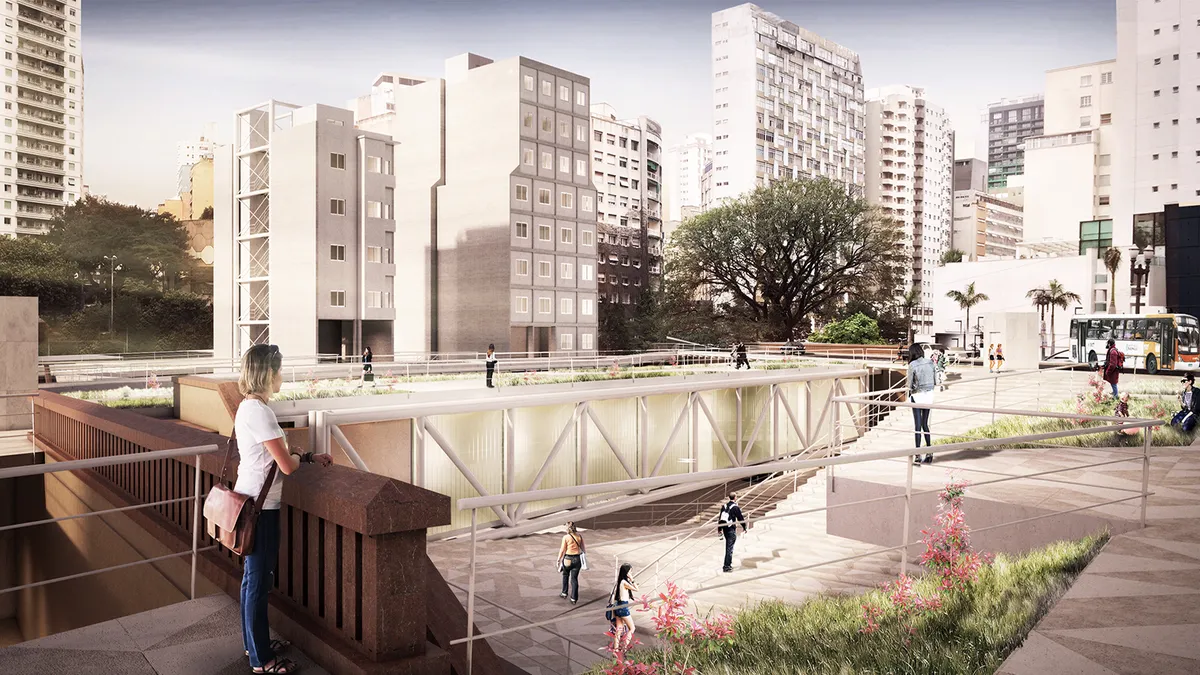
The Project is in the north portion of the Bela Vista neighborhood (S?o Paulo, Brazil) and acts both in the urban and architectural scale. Treating its symptoms through a few strategic interventions, it aims to recover this degraded "urban organism" entirely, hence the name Recovering Through Incision. The viaduct crossings are a key aspect of this strategy.


The Big Green Foot
The thought about stepping my foot into this city crammed with people and vehicles torments me every day and night bringing chills through my spine. One step towards a better place to live in is what i'm asking for; One step for a place with fresh air to breathe in; One big green step for a better city to live in. I call this step as my big green foot!
MOBILITY 3
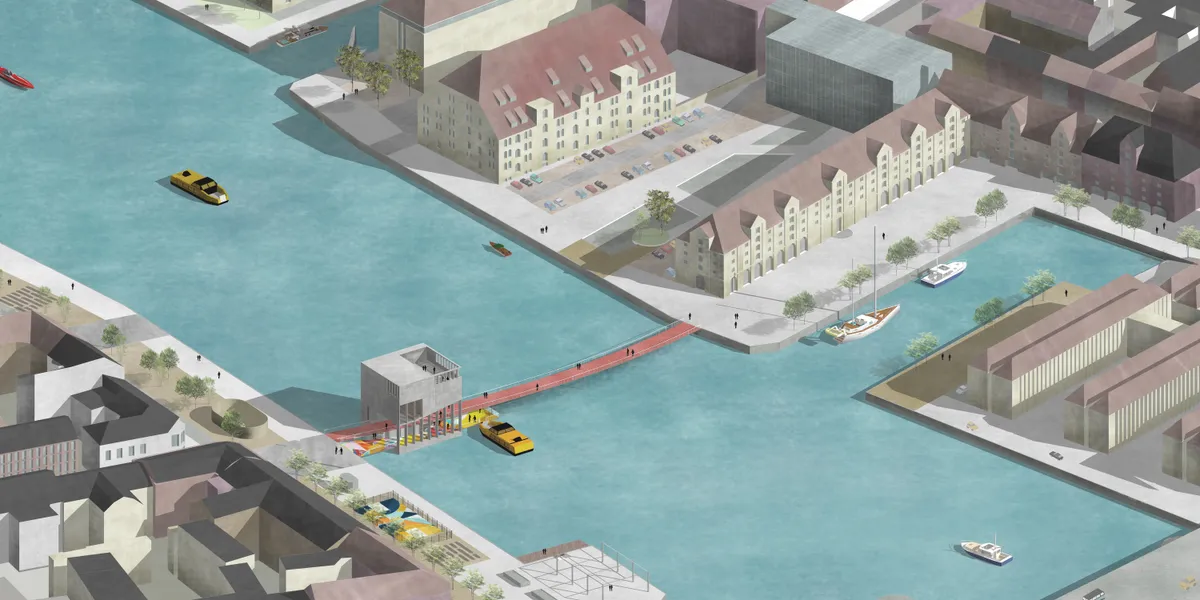
Our bridge has two levels…the upper level serving the bicycles or pedestrians and the lower level where the harbor boats circulate. So the project is a station where you can drink coffee, see an exhibition while waiting for your boat or waiting to have your bike repaired. A place where one can have information about the city before taking a tour.


"At night we know these towers by their illumination in color. These yellow, red, green, blue and white towers tell us the sector we are entering and, along the approach, light is used to see by and give us direction in ideas of lighting in rhythm with our speed". Midtown Philadelphia, Louis I. Kahn.