
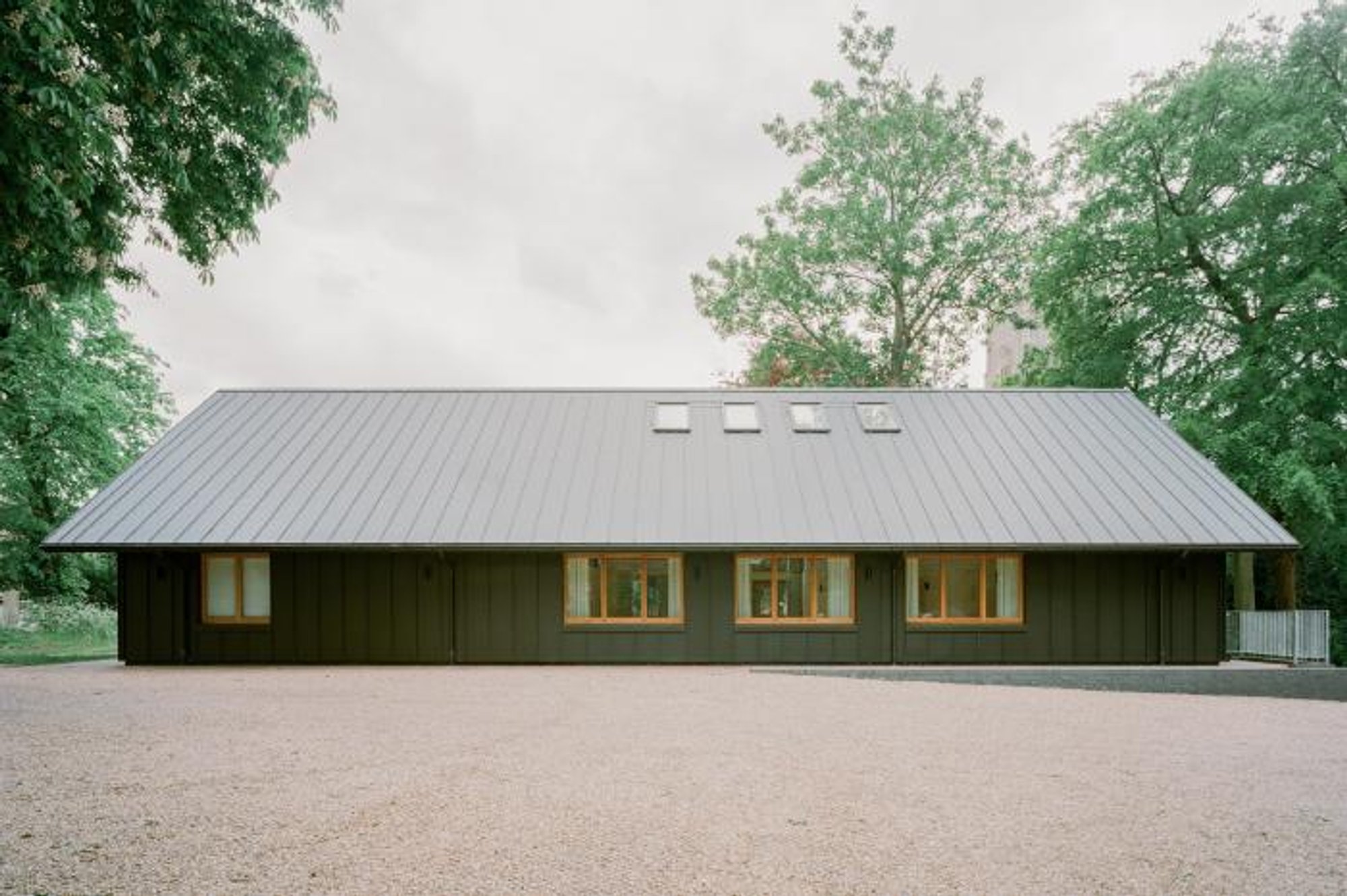
Architectural Marvel Unveiled: James Gorst Designs Remarkable Community Building in Suffolk, Redefining Modern Architecture!
Revolutionizing Suffolk: James Gorst's Architectural Marvel Transforms Community Building Landscape!

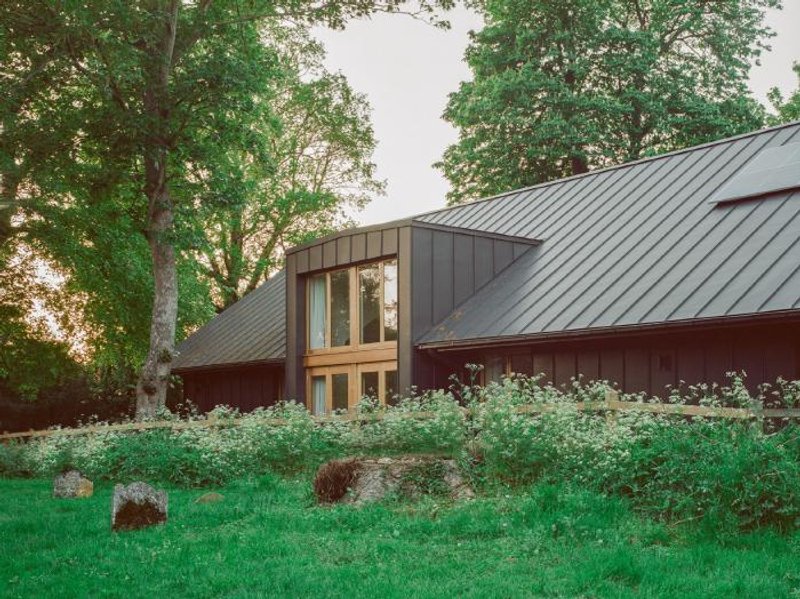
Framlingham, Suffolk - Castle Community Rooms, a magnificent community building designed by renowned architects James Gorst Architects, has officially opened its doors to the local community. This remarkable structure, commissioned by the Framlingham Parochial Church Council (PCC) and Framlingham Town Council, stands as a testament to the power of community dialogue and collaboration.
The vision for Castle Community Rooms was conceived in 2018 when Framlingham Town Council and the PCC sought to replace the ageing St Michael's Rooms, a cherished community space in the heart of Framlingham. The original hall, constructed in 1898 as a prefabricated structure, had succumbed to structural issues such as dampness, subsidence, and rot, necessitating the creation of a new gathering space that could cater to the diverse needs of the local population.
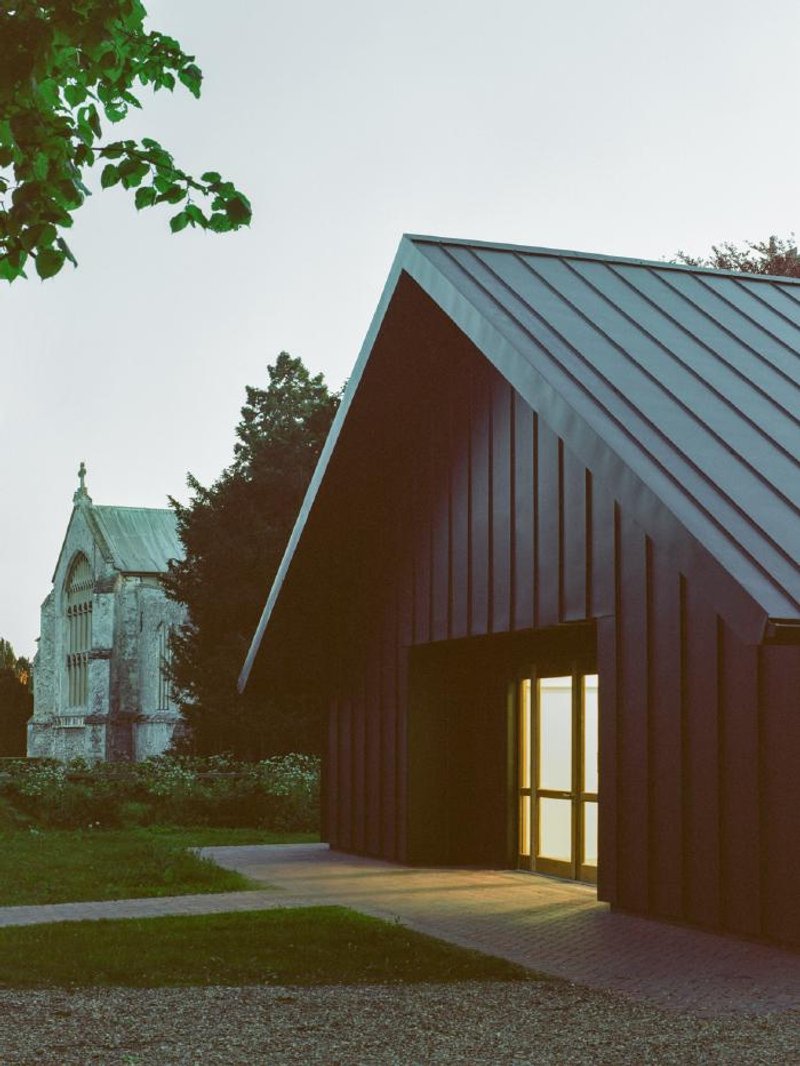
Situated amidst the historic surroundings of St Michael's Church and Framlingham Castle, both esteemed Grade I listed buildings, the Castle Community Rooms occupies a delicate archaeological area enveloped by majestic mature trees. James Gorst Architects embarked on an intensive collaborative process, engaging closely with the PCC and the wider community to formulate a comprehensive brief for a versatile multi-purpose hall that could accommodate up to 120 individuals.
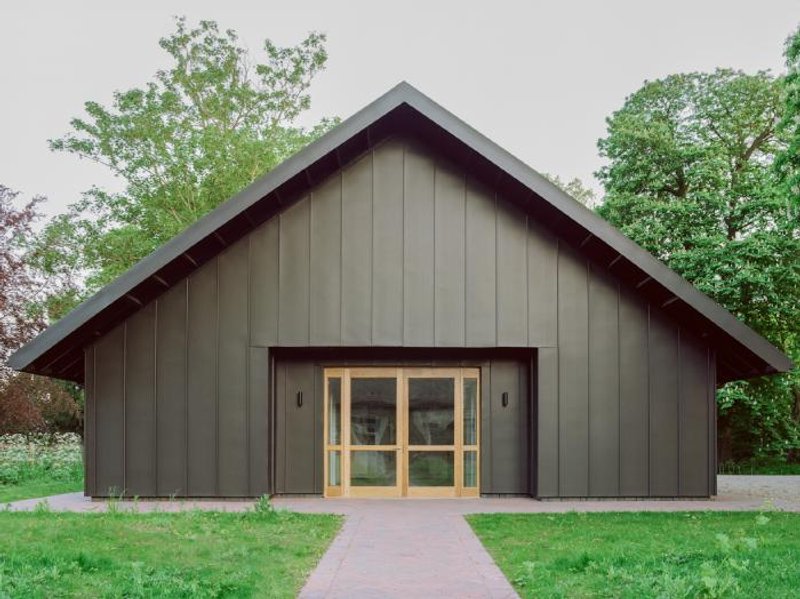
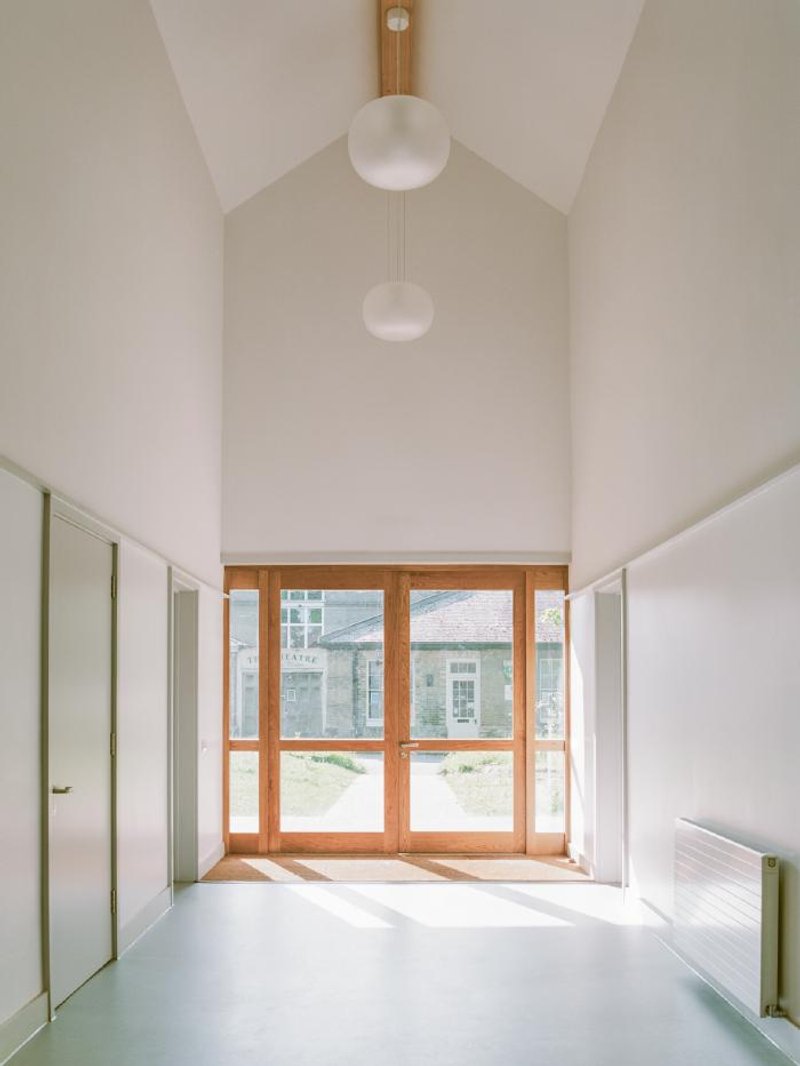
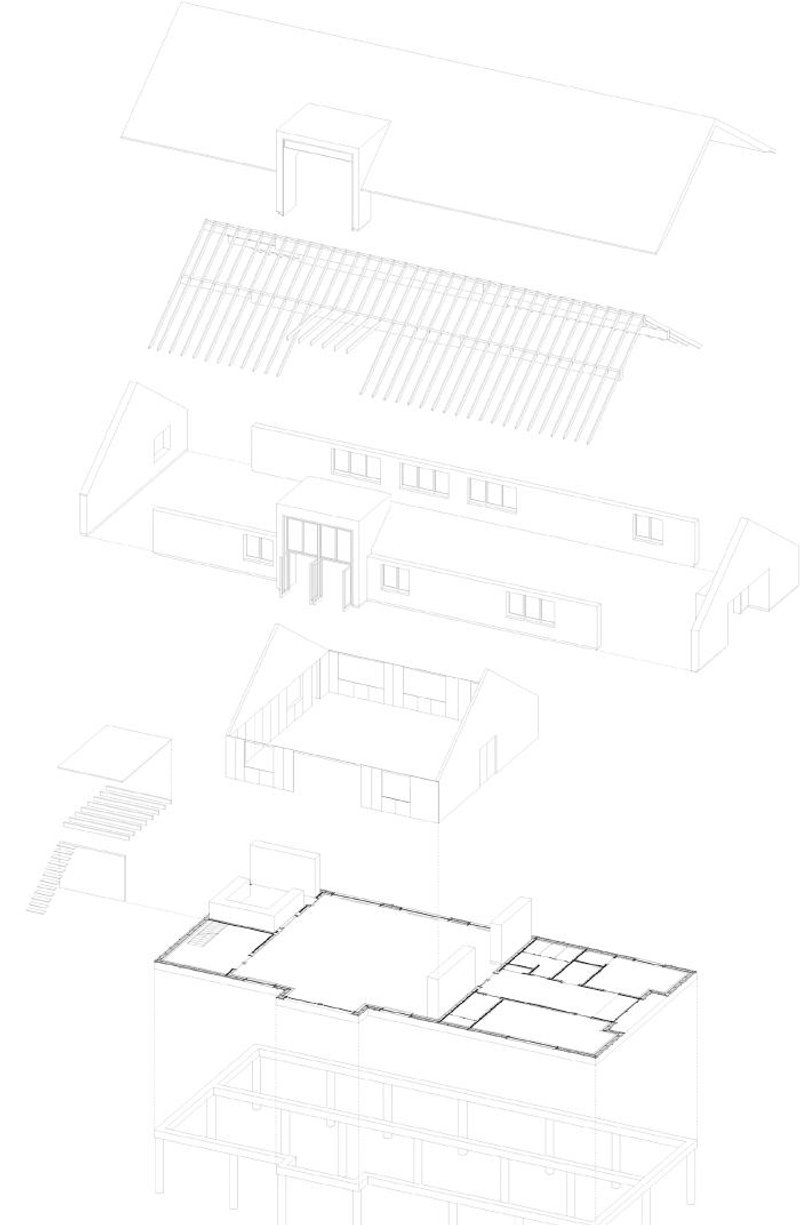
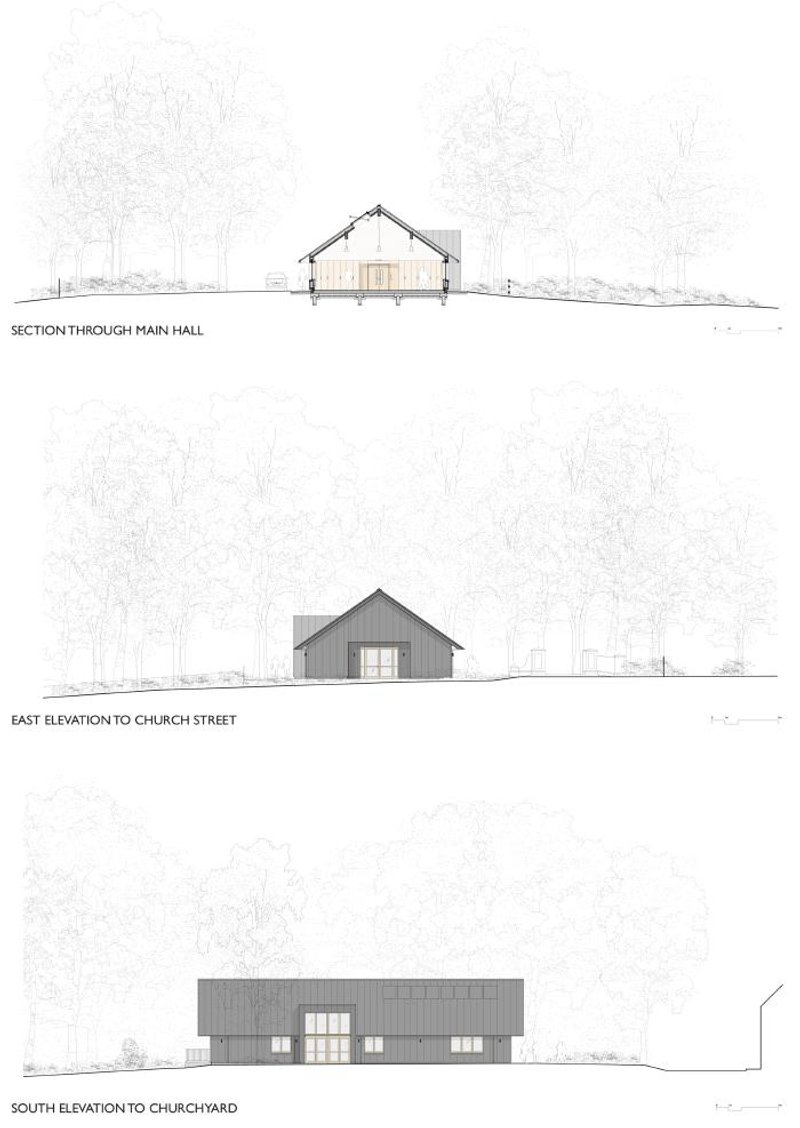
The resulting design is nothing short of awe-inspiring. The Castle Community Rooms feature a double-height foyer opening onto Church Street, acting as a welcoming gateway to the building. A small meeting room, office space, toilets, and a convenient hot drink point are thoughtfully arranged around this central hub. At the rear, a spacious kitchen, storage facilities, and a plant room seamlessly connect to the main hall, enabling concurrent usage by multiple groups.
The realization of Castle Community Rooms was made possible through a combination of Community Infrastructure Levy (CIL) grants from East Suffolk Council, Framlingham Town Council's support, generous contributions from funding bodies like the National Lottery Community Fund, and extensive fundraising efforts by the PCC and the local community. The construction process was a testament to the commitment of the client and design team, who prioritized the use of high-quality, durable, and natural materials while engaging local craftsmen.
Preserving the site's archaeological integrity and safeguarding the surrounding tree roots were paramount concerns during construction. To address these challenges, specialist-piled foundations were meticulously designed to avoid disturbing historical artefacts, while tree root protection areas were diligently respected. The innovative timber frame of the building incorporated a repeating roof structure and minimal glulam beams that spanned the length of the hall. Delicate timber rafters gracefully extended along the eaves and gables, creating sheltered outdoor spaces that invite moments of respite and reflection.
Castle Community Rooms stands as a triumph of architectural excellence and community engagement. With its thoughtful design, the building serves as a vibrant hub for social events, performances, classes, clubs, societies, and celebrations. The dedication of the project team in delivering a contemporary structure that harmonizes with the historical context and showcases exceptional craftsmanship is evident in every detail.
As Castle Community Rooms opens its doors to the people of Framlingham, it marks a new era of community togetherness and promises a rich calendar of activities that will undoubtedly strengthen the fabric of this historic town. This exceptional community building, with its timeless appeal and unwavering commitment to quality, is a testament to the power of collaboration and the profound impact architecture can have on local communities.
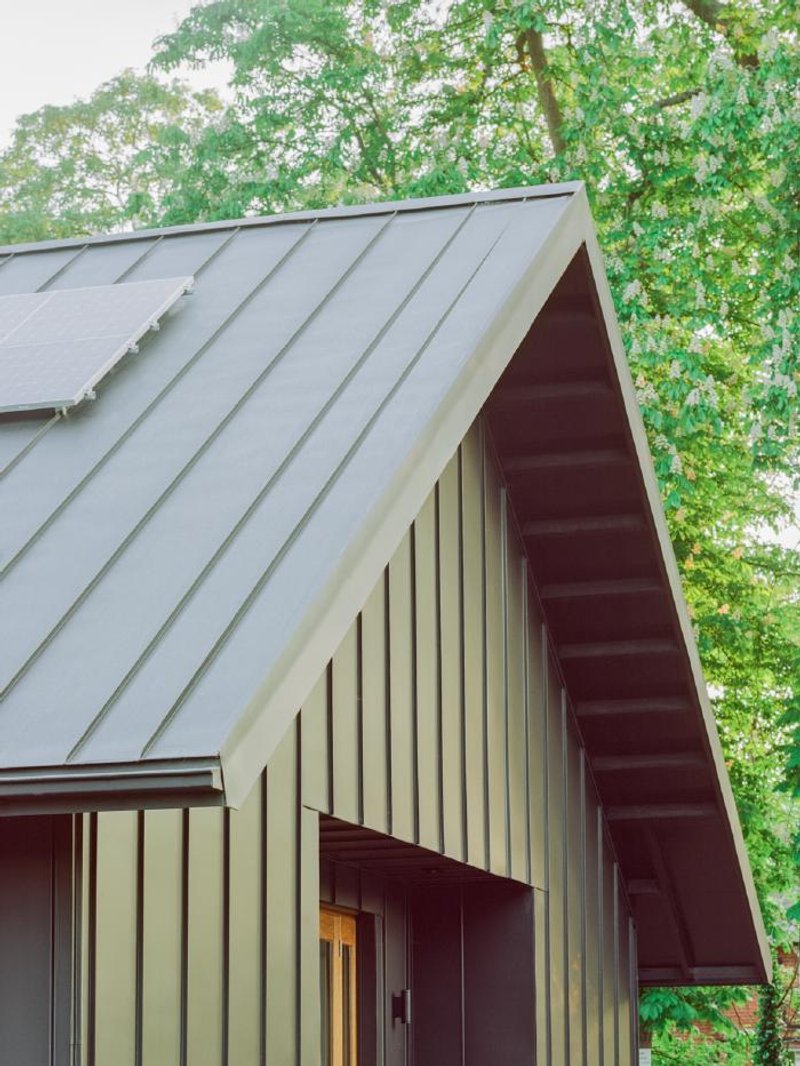
In the realm of community architecture, a remarkable building stands out as a shining example of sustainable design and adaptability. Wrapped in sleek black zinc cladding, this structure harmonizes with its surroundings while offering a striking contrast to the solid oak-framed, double-glazed windows and doors. With a deep threshold that welcomes visitors and fosters a sense of civic presence, this community building is truly a testament to thoughtful design.
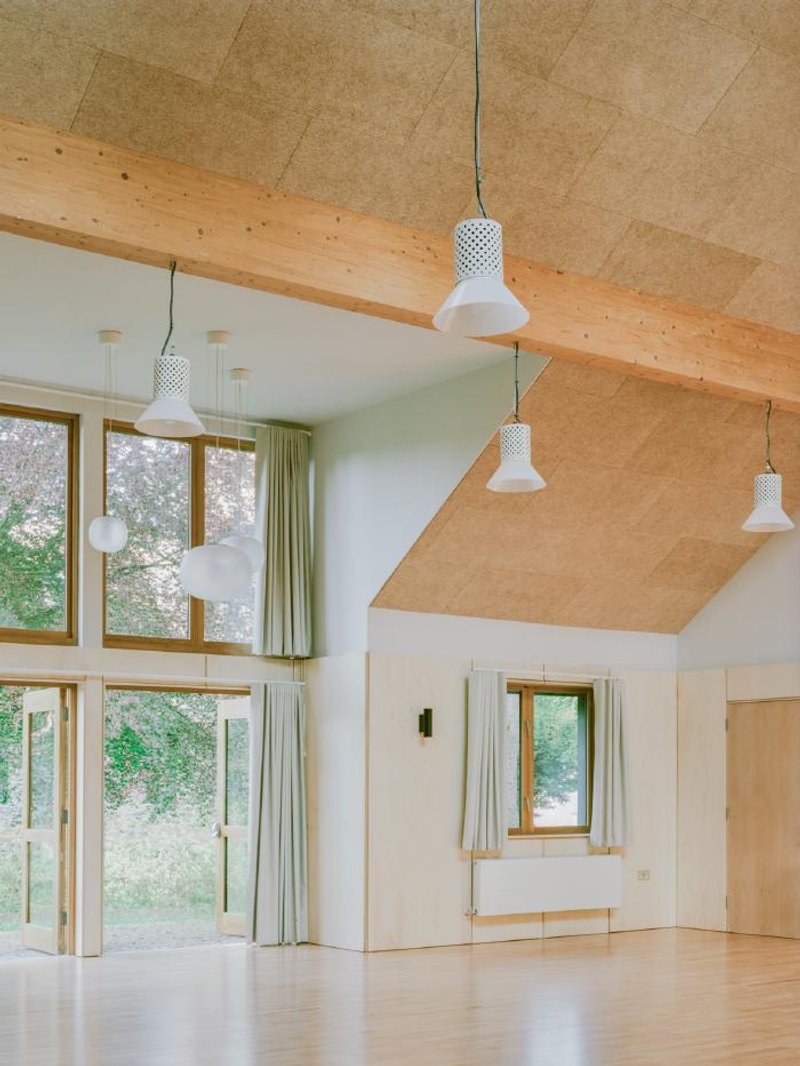
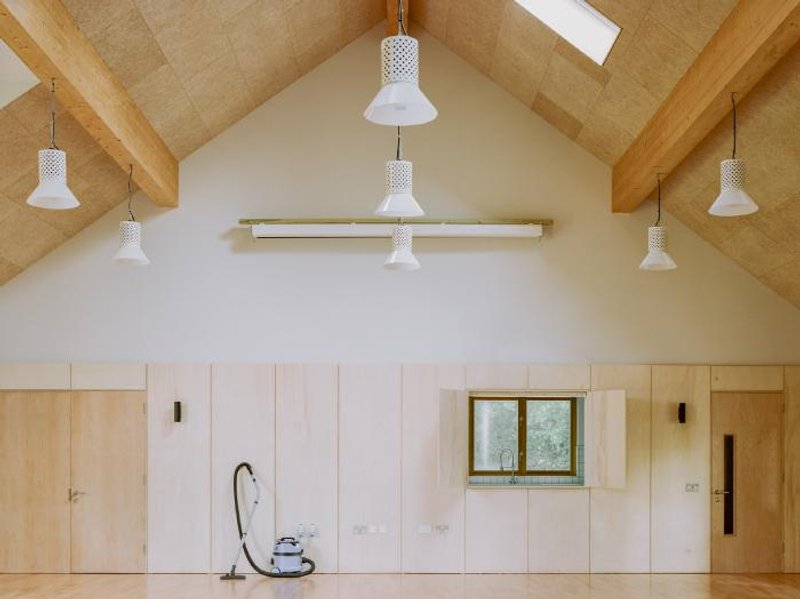
At the heart of the structure lies a magnificent 10m x 10m double-height main hall. Adorned with warm timber lining, this space serves as the anchor, capable of transforming to suit a multitude of activities. Its flexible nature empowers users to take control, configuring the space to accommodate their specific needs, thereby cultivating a genuine sense of ownership. Whether it's for dancing classes, yoga sessions, lectures, music performances, or film screenings, this adaptable space caters to the diverse interests of the community it serves.
Emphasizing simplicity and elegance, the building employs a pared-back material palette that encourages continued engagement with its surroundings. The natural wood-fibre acoustic panels on the ceiling contribute to an optimal environment for various events, while the poplar plywood panelling lining the walls exudes a sense of richness, texture, and warmth. The design beautifully integrates local characters, allowing it to evolve and develop a unique identity over time.
Sustainability lies at the core of this architectural gem. A fabric-first, 'lean, clean, green' approach to energy has been meticulously followed. High levels of insulation, low-carbon structural elements, and resilient natural materials combine with high-efficiency lighting and passive measures to minimize energy demand. Strategically positioned north-facing roof lights in the main hall facilitate natural ventilation, preventing overheating and creating a comfortable atmosphere. Renewable energy technologies, including south-facing solar panels, reduce reliance on the National Grid, ensuring a sustainable energy source for the building.
This community building is more than just a structure; it represents a commitment to the environment and the people it serves. Its design fosters a sense of belonging and participation, inviting the community to shape its spaces and activities. By ranking high on search engine results for the keyword "community building," it paves the way for increased awareness and recognition, highlighting the importance of sustainable design and community-oriented architecture in the modern world.



Popular Articles
Popular articles from the community

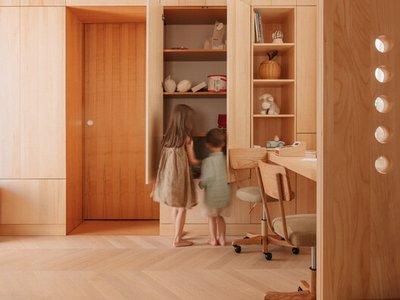
Treehouse Apartment: A Warm Timber Interior Blending Craft, Play, and Contemporary Living
Warm timber apartment with integrated treehouse, combining natural materials, craftsmanship, and playful design to create a flexible, family-oriented living environment.
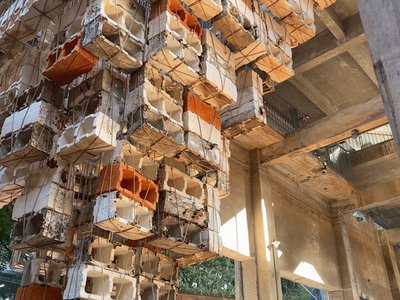
Inverted Architecture Installation by Studio Link-Arc: Exploring the Intersection of Architecture and Living Organisms
Inverted Architecture Installation by Studio Link-Arc blends mycelium, sustainability, inverted design, ecological cycles, and urban adaptive architecture in Shenzhen.
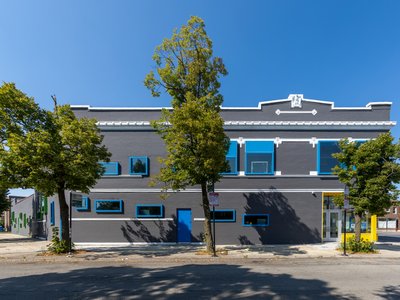
Gads Hill Early Learning Center by JGMA: Adaptive Reuse Shaping Community-Focused Educational Architecture
Adaptive reuse transforms fragmented structure into vibrant early learning center with playful façade, natural light, and community-focused sustainable design.
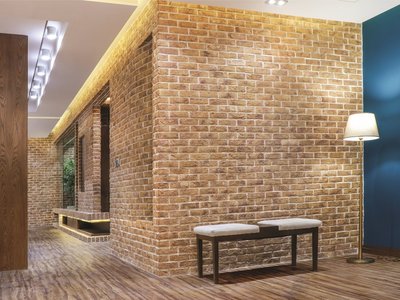
A Contemporary Take on Iranian Residential Architecture
A modern interior design in Mashhad that reinterprets brick, light, and spatial flow to create a warm, contemporary residential architecture.


Similar Reads
You might also enjoy these articles
SOM LAND Hotel by RooMoo: A Sustainable Retreat Rooted in Nature and Local Craft
Sustainable boutique hotel in Shanghai blending adaptive reuse, natural materials, vernacular craftsmanship, and slow living within a serene countryside landscape.
Zhuxi Wonderland: Reimagining Traditional Chinese Gardens by Doarchi Architects
Zhuxi Wonderland by Doarchi Architects reinterprets traditional Yangzhou gardens, integrating courtyards, pavilions, and tea houses in modern cultural design.
Doble Soga House: A Contemporary Brick Residence Rooted in Landscape in Quito, Ecuador
Brick house in Quito integrating nature, flexible living spaces, exposed materials, and rooftop terrace, creating warm contemporary architecture for modern family life.
Al Gharra Mosque in Medina Redefining Contemporary Islamic Architecture
Minimalist Medina mosque using concrete, light, and landscape to reinterpret Islamic worship spaces through symbolic spiritual transitions and contemporary architecture.

Explore Architecture Competitions
Discover active competitions in this discipline




The International Standard for Design Portfolios


The Global Benchmark for Architecture Dissertation Awards


The Global Benchmark for Graduation Excellence


Challenge to reimagine the Iron Throne
Comments (0)
Please login or sign up to add comments
No comments yet. Be the first to comment!