
Bamboo Architecture: The Lumi Shala by IBUKU
The article explores the innovative use of bamboo architecture in the design of the Lumi Shala wellness space in Bali.

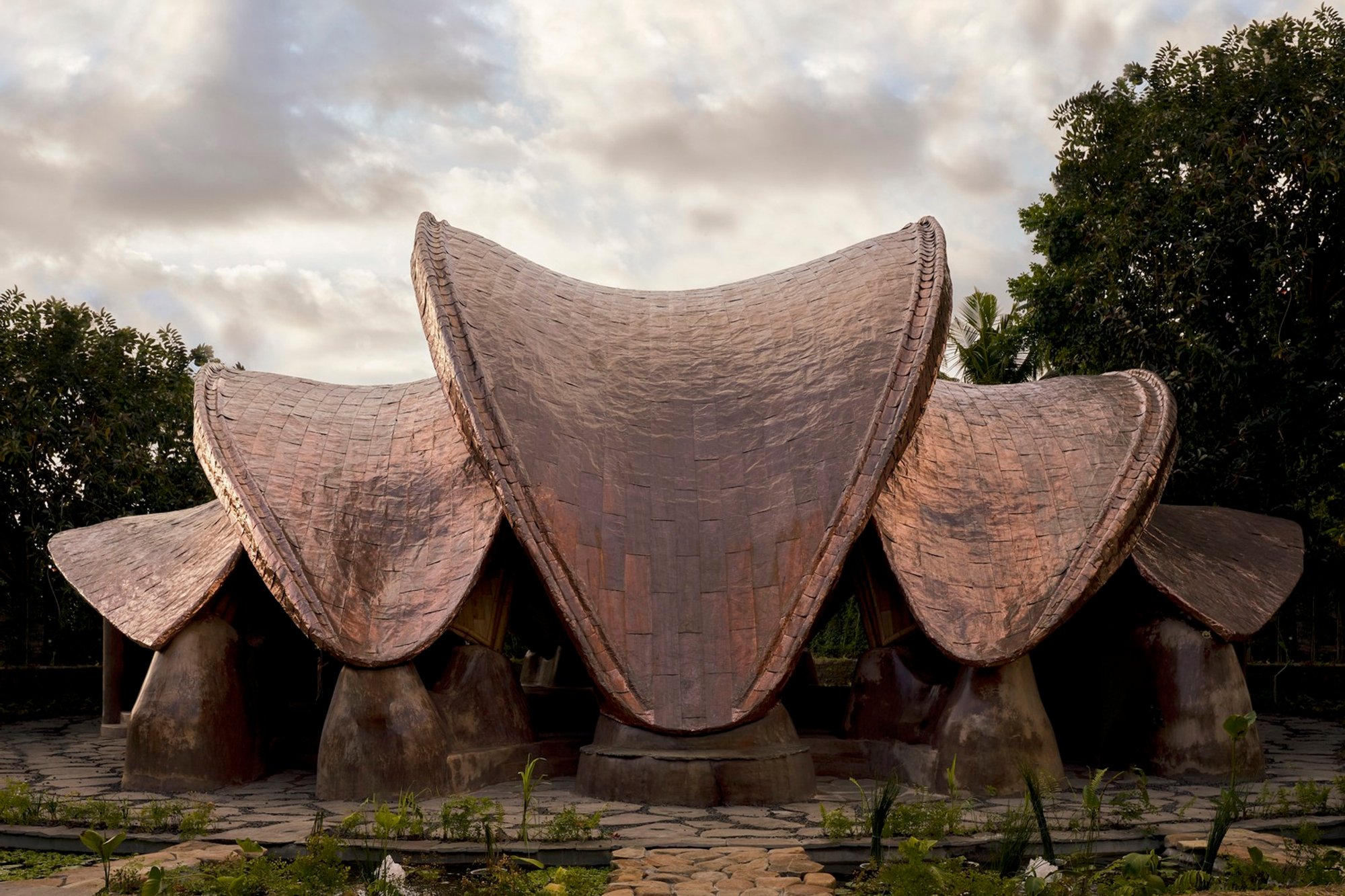
The Lumi Shala, located at the Alchemy Yoga Center in Bali, is a prime example of bamboo architecture that blends sustainability with innovative design. Designed by IBUKU, this wellness space uses bamboo, a sustainable material that is at the forefront of eco-friendly construction, to create a serene environment for yoga practices. Completed in 2023, the Lumi Shala stands as a testament to the potential of bamboo in modern architecture.
What is Bamboo Architecture?
Bamboo architecture refers to the use of bamboo as a primary building material in the construction of buildings and structures. Bamboo is known for its sustainability, strength, and flexibility, making it an ideal choice for environmentally conscious designs. In recent years, bamboo has become a popular material in eco-friendly architecture, offering a renewable resource for construction while reducing carbon footprints.
The Role of Bamboo in Sustainable Design
Bamboo grows rapidly, making it one of the most sustainable building materials available. It’s a fast-growing grass that can be harvested in just a few years, unlike traditional timber, which can take decades to mature. Bamboo's natural strength, combined with its lightweight nature, allows architects to create innovative structures that are both resilient and environmentally friendly.
The Design of the Lumi Shala: A Masterpiece of Bamboo Architecture
IBUKU’s design for the Lumi Shala incorporates bamboo as a central element of the structure, creating an organic and harmonious space that connects people to nature. The design reflects a deep understanding of bamboo’s properties and demonstrates how it can be used in innovative ways to create large, open, and airy spaces.
Bamboo Arches and Grid Shell Roof
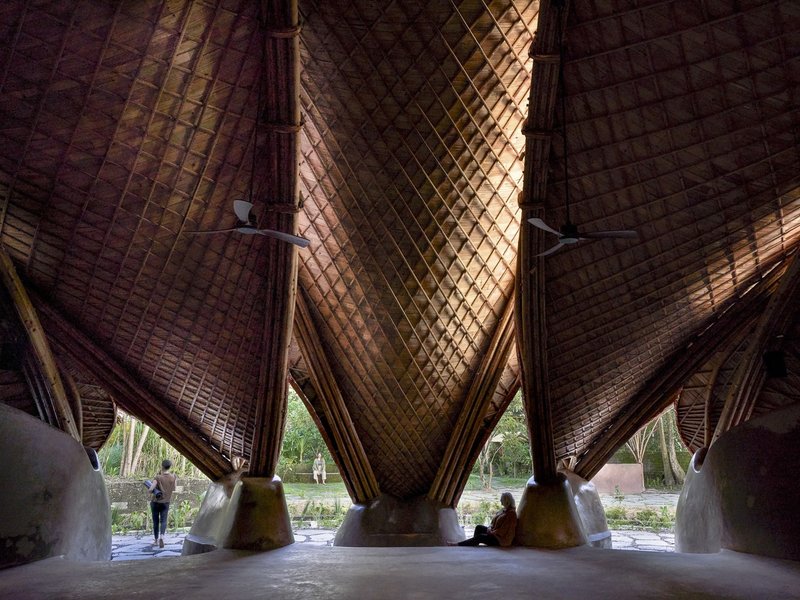
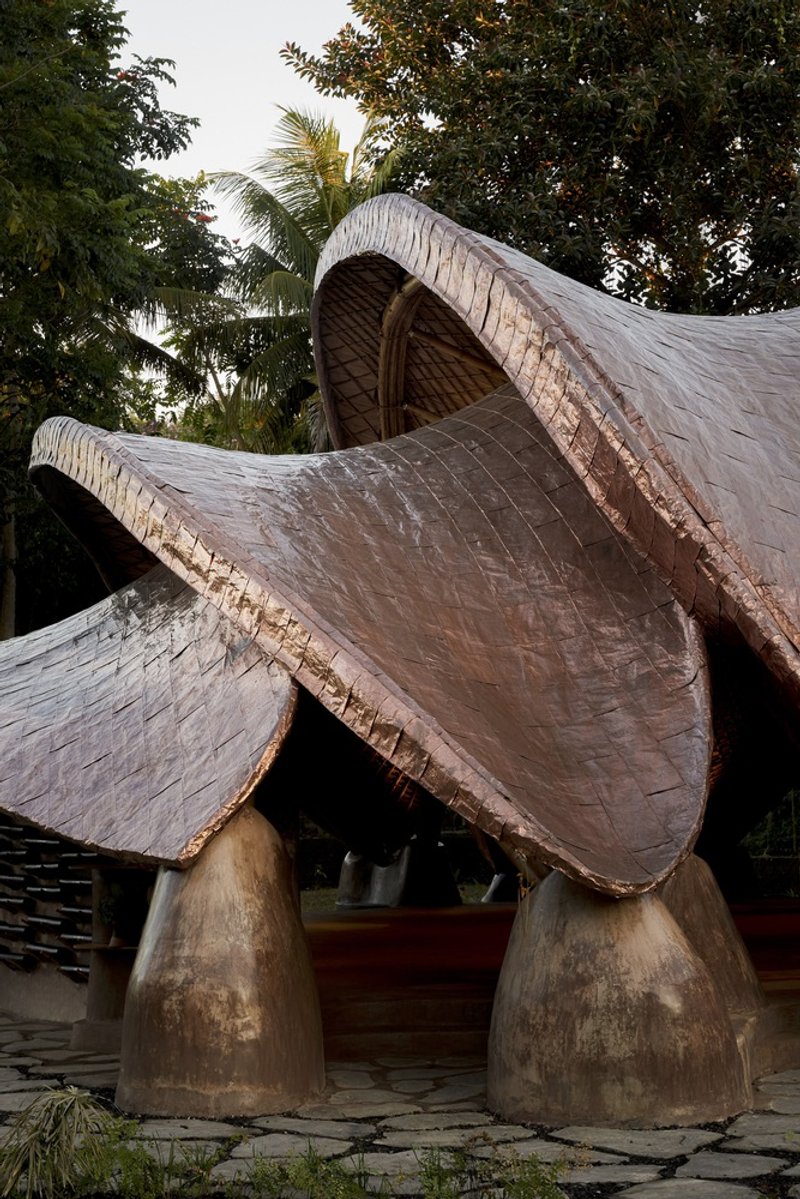
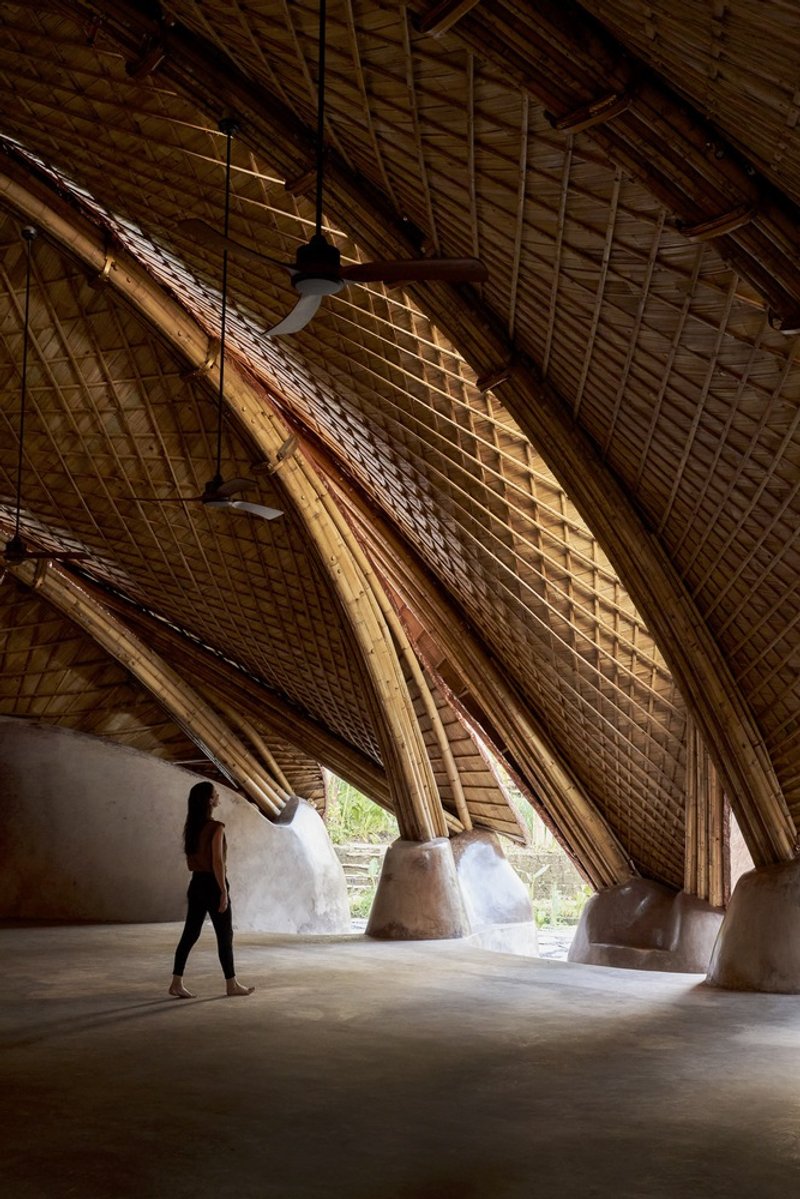
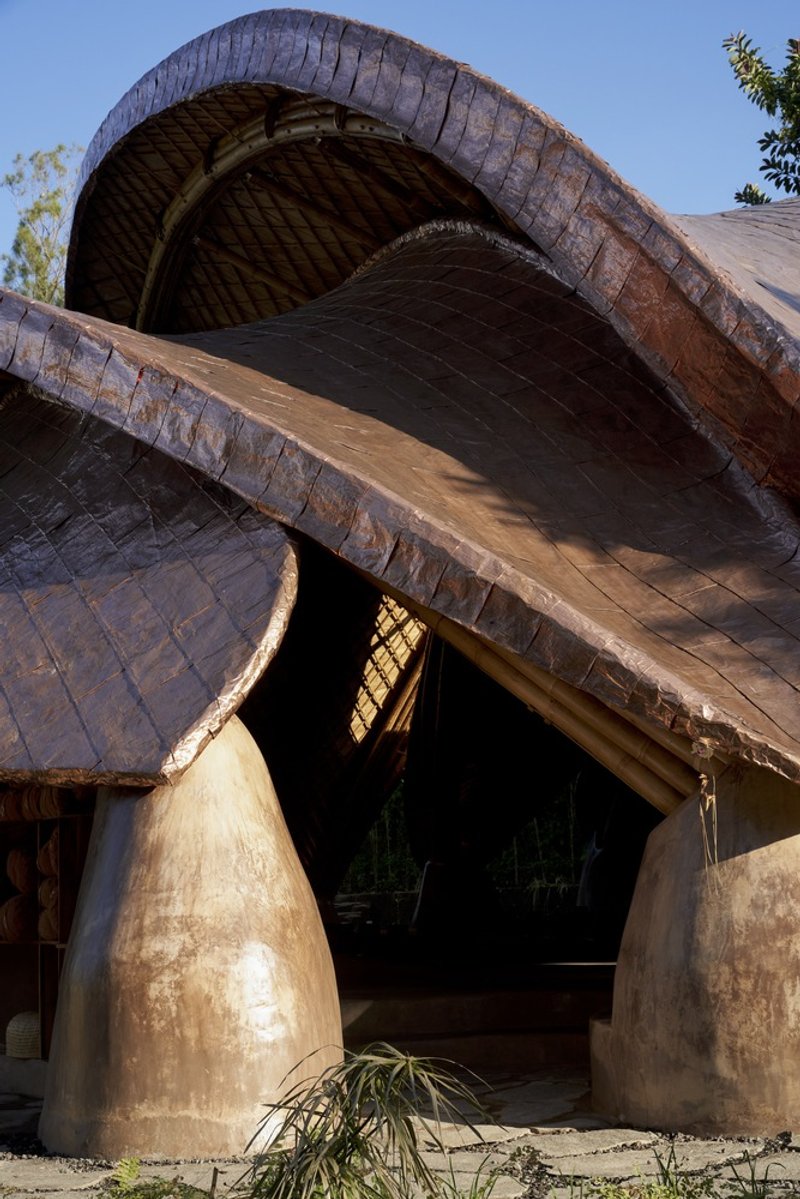
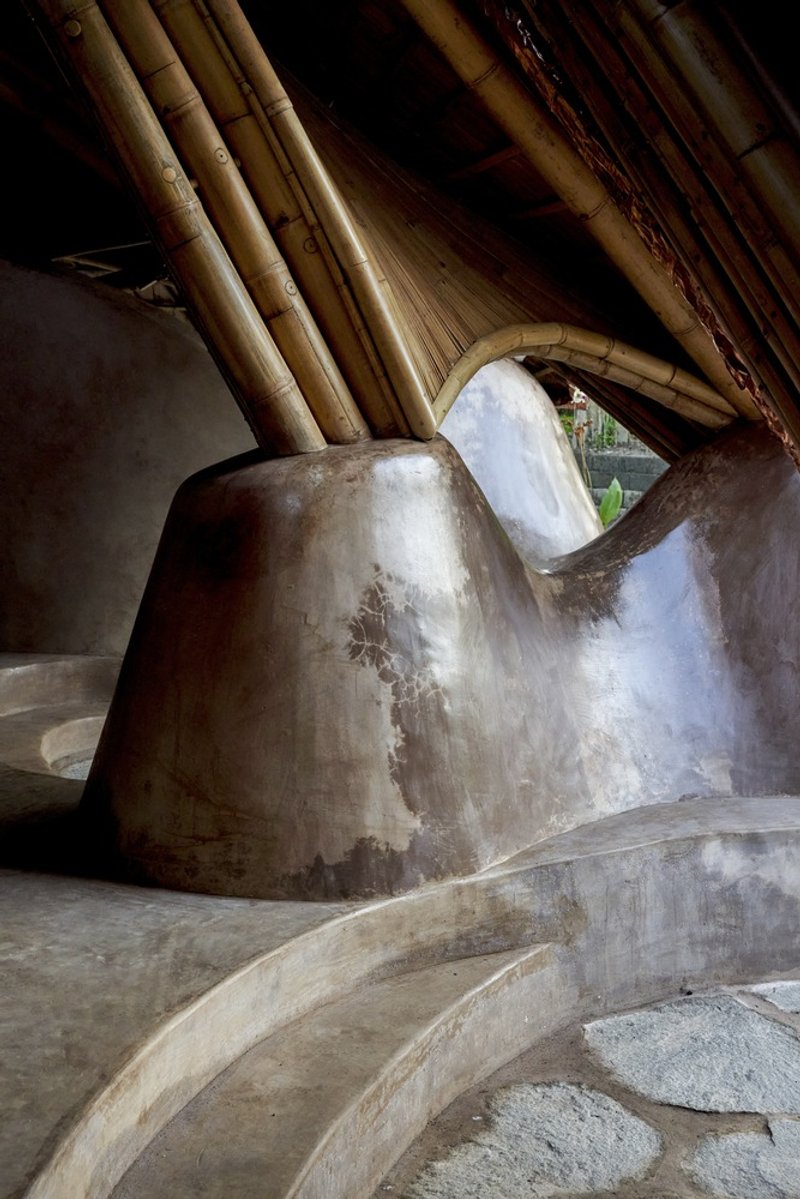
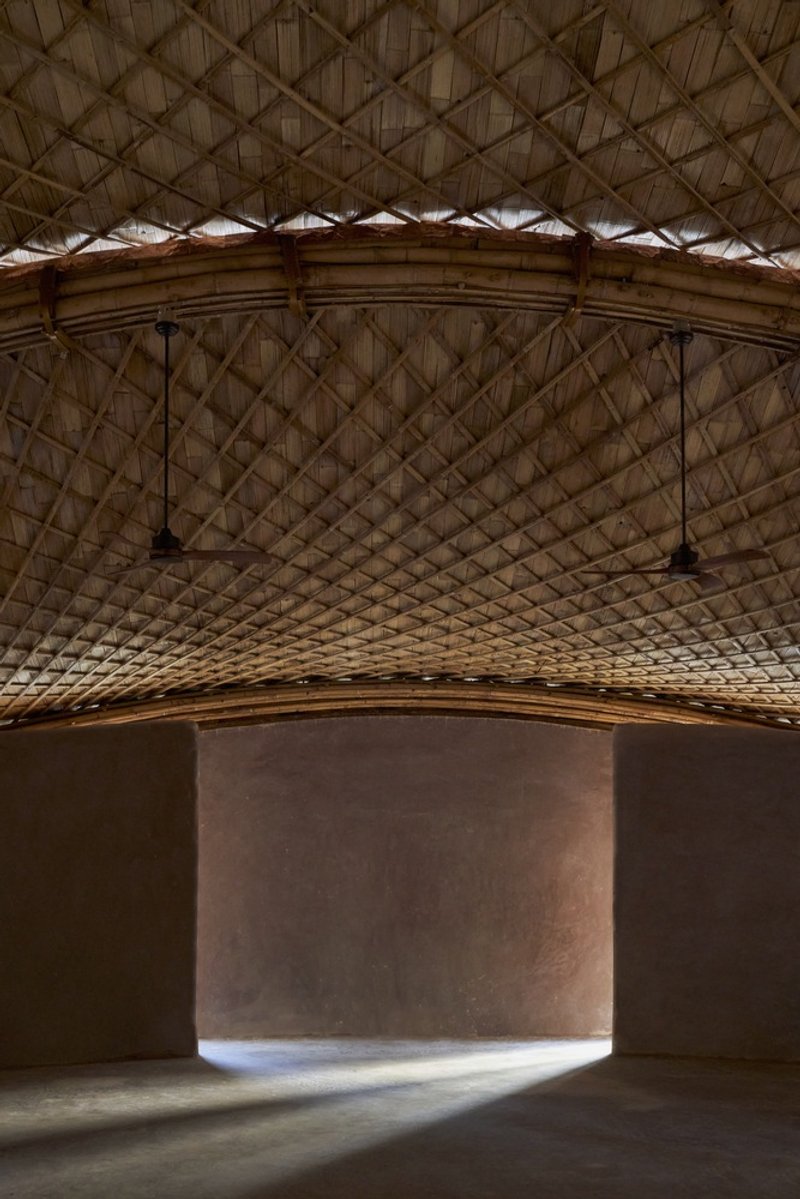
The most striking feature of the Lumi Shala is its bamboo arches, which soar overhead from mounded foundations. These arches are a perfect example of how bamboo architecture can be used to create dynamic, organic forms. The arches are not only visually stunning but also serve as structural supports, holding up the five grid shell roof petals that provide ample natural light to the interior.
The bamboo arches are bundled and tied together using structural grid shells, a groundbreaking technique that allows for clear spans of up to 21 meters. This method of using bamboo in conjunction with grid shells is a great example of the versatility and strength of bamboo in modern architecture.
Integration of Natural Light
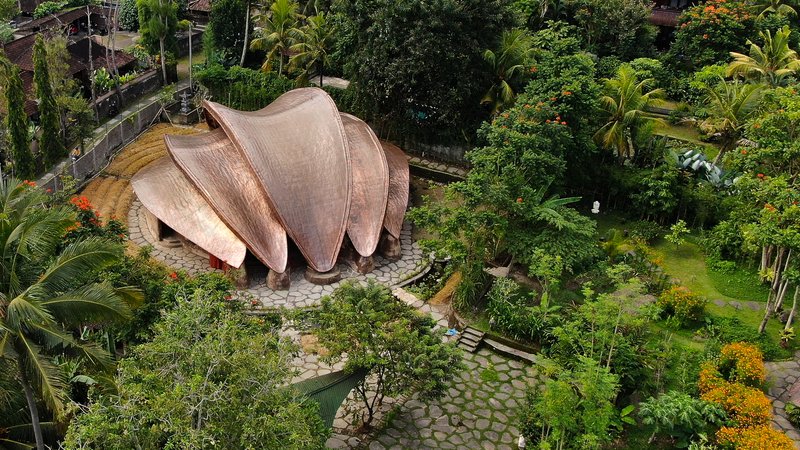
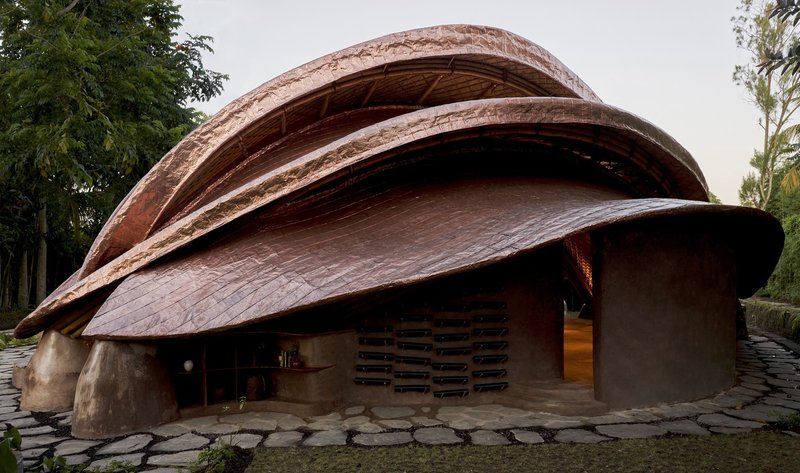
The grid shell roof design is made up of five overlapping petals, arranged to optimize natural light and airflow within the space. These roof petals create a soft, diffused light that floods the interior of the building, creating an inviting and calming atmosphere perfect for yoga practice. The careful consideration of natural light is another example of how bamboo architecture can be adapted to create functional and aesthetically pleasing spaces.
The Structural Innovation Behind the Design
IBUKU’s design for the Lumi Shala builds on the innovative structural techniques used in their previous project, the Arc at Green School. Both projects use bamboo architecture in unique ways, with the Lumi Shala featuring new orchestration of bamboo arches and grid shell elements to achieve the impressive 21-meter clear span. The use of deep trusses, which are artfully angled and hidden from view, gives the structure a light and airy feel despite its large scale.
The Future of Bamboo Architecture
The Lumi Shala is just one example of how bamboo architecture is transforming the landscape of sustainable design. As architects continue to explore the potential of bamboo in modern construction, we can expect to see more innovative and eco-friendly buildings like the Lumi Shala in the years to come. Bamboo offers a solution to the pressing environmental challenges faced by the construction industry, providing a renewable, durable, and aesthetically pleasing alternative to traditional building materials.
Why Bamboo Architecture is the Future
With the growing emphasis on sustainability, bamboo architecture is poised to play a crucial role in the future of eco-friendly construction. Bamboo's strength, versatility, and rapid growth rate make it an ideal choice for architects looking to reduce their environmental impact while creating beautiful, functional spaces.
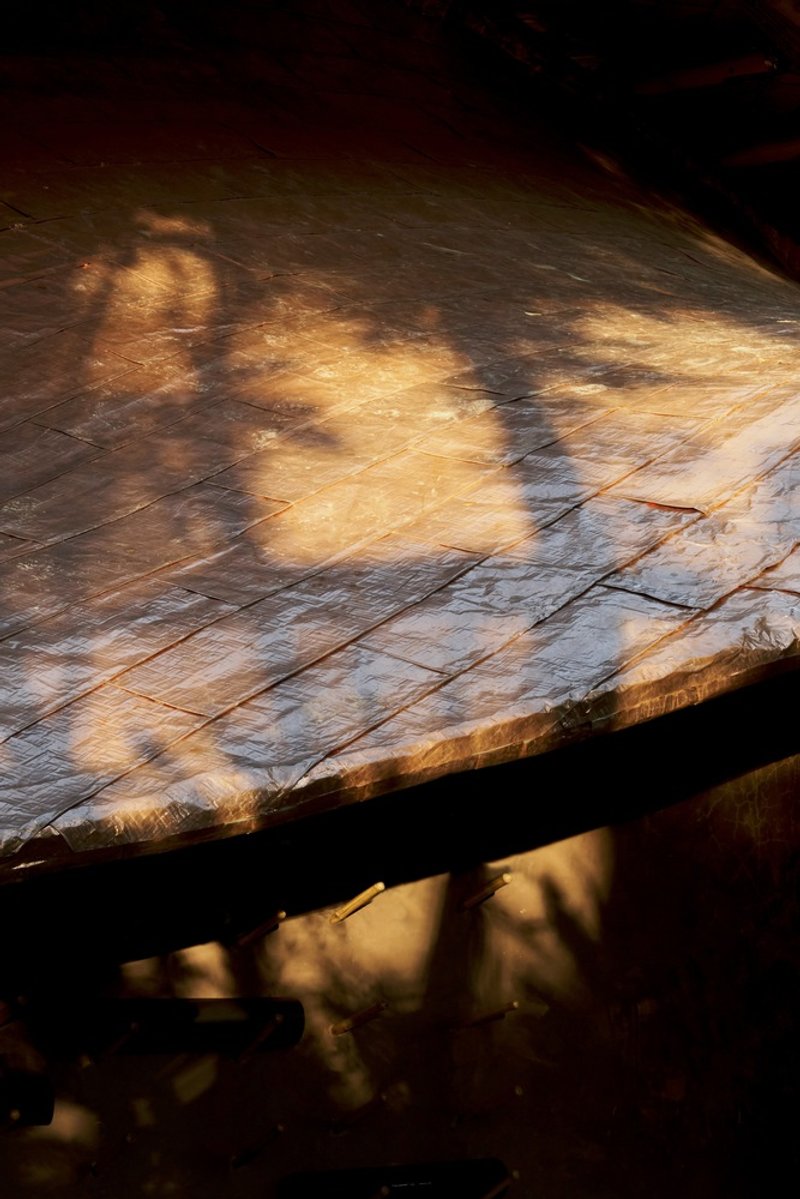
The Lumi Shala by IBUKU is a stunning example of bamboo architecture at its finest. Through innovative design and sustainable building practices, IBUKU has created a space that not only meets the needs of its users but also respects and enhances the natural environment. As the world moves toward more sustainable building practices, bamboo will undoubtedly continue to be a key material in shaping the architecture of tomorrow.
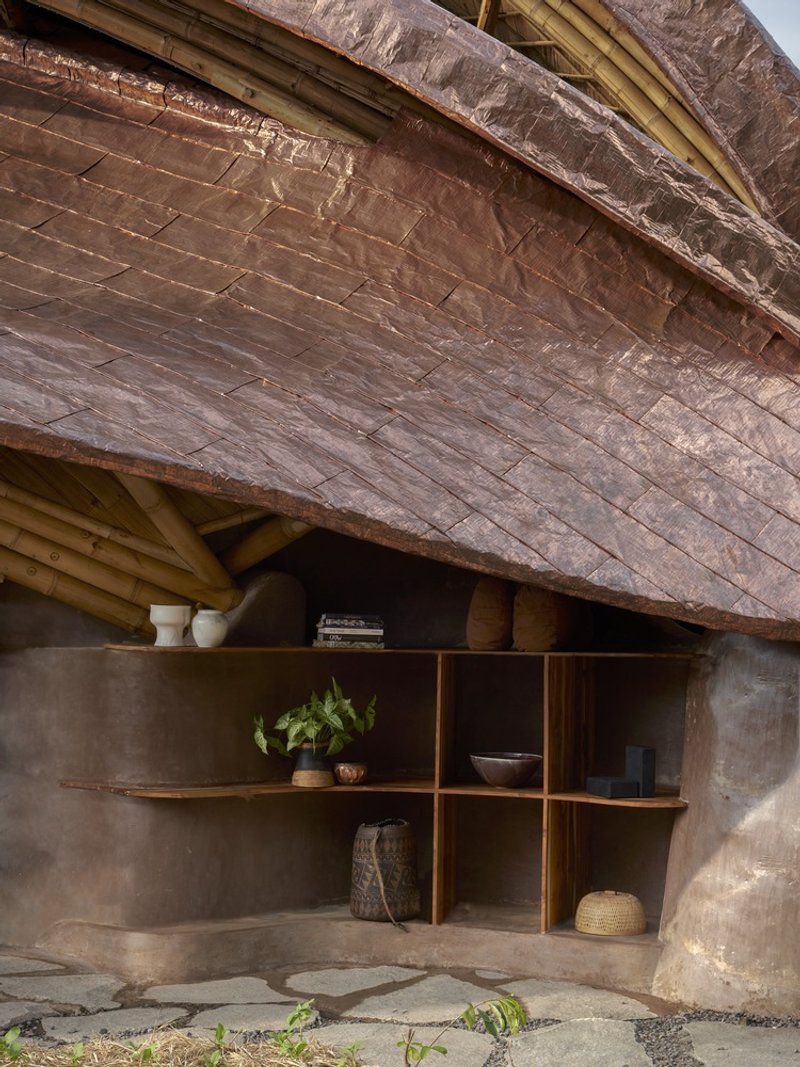
All Photographs are work ofZuñiga Alonso, Putu Aris Sumardiana




Popular Articles
Popular articles from the community

Louis Malle Cinema: A Limestone Cultural Landmark Revitalizing Community Life in Prayssac
Limestone cinema extension with public forecourt, blending heritage and modern design to create flexible cultural spaces and strengthen community interaction.
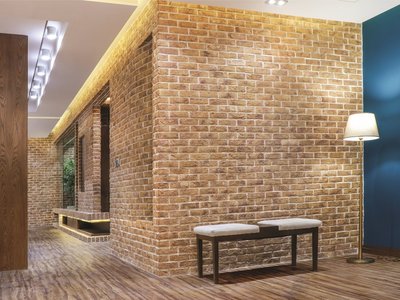
A Contemporary Take on Iranian Residential Architecture
A modern interior design in Mashhad that reinterprets brick, light, and spatial flow to create a warm, contemporary residential architecture.
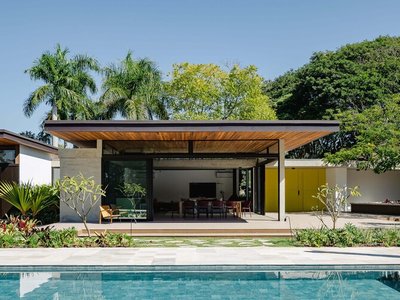
Flamboyant House by Juliana Camargo + Prumo Projetos
Modern Brazilian house integrating existing tree, pool, and volumes with glass, wood, and transitional spaces blending interior, exterior, and landscape seamlessly.
On the Brooks House by Monsoon Collective – A Contemporary Kerala Home Rooted in Tradition
Kerala home blending tradition and modernity with water-inspired design, brick architecture, courtyard planning, and sustainable rainwater harvesting strategies.


Similar Reads
You might also enjoy these articles


The Ken Roberts Memorial Delineation Competition (Krob)
As the most senior architectural drawing competition currently in operation anywhere in the world, it draws hundreds of entries each year, awarding the very best submissions in a series of medium-based categories.


Waterfront Redevelopment and Urban Revitalization in Mumbai: Forging a New Dawn for Darukhana
A transformative waterfront redevelopment project reimagining Darukhana’s shipbreaking heritage into an inclusive urban future.

OUT-OF-MAP: A Call for Postcards on Feminist Narratives of Public Space
Rhizoma Design and Research Lab invites artists, designers, architects, researchers, and students to reflect on how feminist perspectives can reshape public space. Selected works will be exhibited in Barcelona, October 2026. Submissions open until 15 April 2026.


Documentation Work on Buddhist Wooden Temple
Architectural syncretism and cultural hybridity: A comparative study of the Buddhist temples in Chattogram Hill tracks


Explore Architecture Competitions
Discover active competitions in this discipline




The International Standard for Design Portfolios


The Global Benchmark for Architecture Dissertation Awards


The Global Benchmark for Graduation Excellence


Challenge to reimagine the Iron Throne
Comments (0)
Please login or sign up to add comments
No comments yet. Be the first to comment!