
Benedetta Tagliabue unveils 'San Giacomo Apostolo' in Ferrara
EMBT's Modern Design Meets Historical Charm in Ferrara's Newest Religious Landmark

Miralles Tagliabue EMBT studio has recently unveiled its latest project - the San Giacomo Apostolo church and parish complex located in the peripheral neighbourhood of Arginone in Ferrara, Italy. The project, which took over a decade to complete, spans over 2183 square meters and includes a church, parish complex, and an outdoor landscaped area. Designed to serve both the ecclesiastical and secular communities, the project is a symbol of unity and community spirit.
The exterior of the building is a sight to behold. It features an organic-shaped building surrounded by a slender grove. Access to the building is through two lateral routes leading to a naturalistic design square in front of the church, which symbolizes the centre of two large arms open to the community. The design is inspired by nature, and it aims to bring a sense of peace and tranquillity to the community.
The church itself is a marvel of modern architecture. Its light and suspended roof, with an undulating silhouette covered with copper, is inspired by the aerial and monumental forms of a hot air balloon. The inspiration for the roof came from the annual hot air balloon festival held in September. The result is a contemporary church that is both rich in symbolism and familiar at the same time.
The combination of materials and construction systems used in the project is unique. Different materials have been used to characterize the different areas of the program, from the most monumental space, the church, to the more domestic spaces of the parish complex. The facades play with plaster and exposed brick placed in different arrangements, with a three-pointed design reminiscent of the Palazzo dei Diamanti in Ferrara, a masterpiece of the Renaissance.
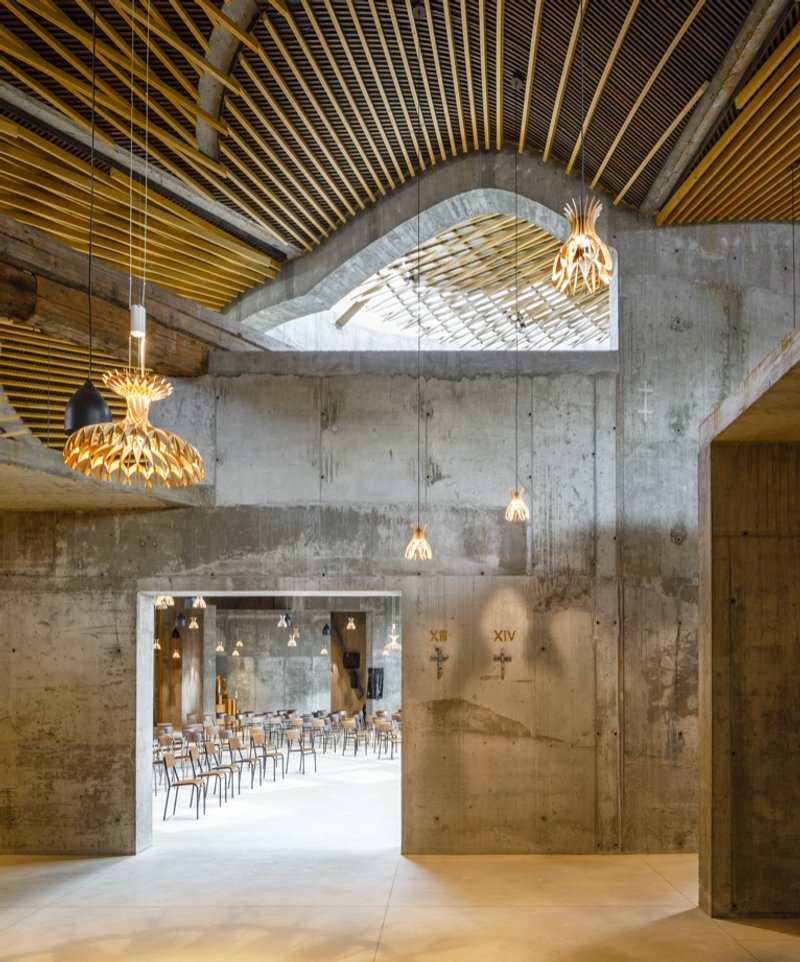
Access to the temple is through a large wooden gate, a fundamental natural material that is also present in the roof, furniture, and carpentry, which draw tree shapes. The interior of the church is equally impressive. The altar, located in a circular presbytery, is the focal point of the hall and the side chapel. The vaulted wooden ceiling, arranged radially around a ring of light surrounding a suspended baldachin, is reminiscent of the naves of medieval churches.
In conclusion, the San Giacomo Apostolo church and parish complex is a remarkable project that embodies the spirit of community and unity. The design, inspired by nature, is a perfect example of how modern architecture can coexist with traditional designs. The combination of different materials and construction systems has created a unique building that will be cherished by the community for years to come. The project is a testament to the creativity and innovation of the Miralles Tagliabue EMBT studio, and it will undoubtedly inspire future architects and designers to push the boundaries of modern architecture.
The parish complex of San Giacomo Apostolo, commissioned by the Arcidiocesi di Ferrara-Comacchio, stands as a symbol of balance between the old and the new. The project, which won a competition in 2011, has been carried out with the aim of promoting the urban area and creating a space that fosters identity and socialization within the community.
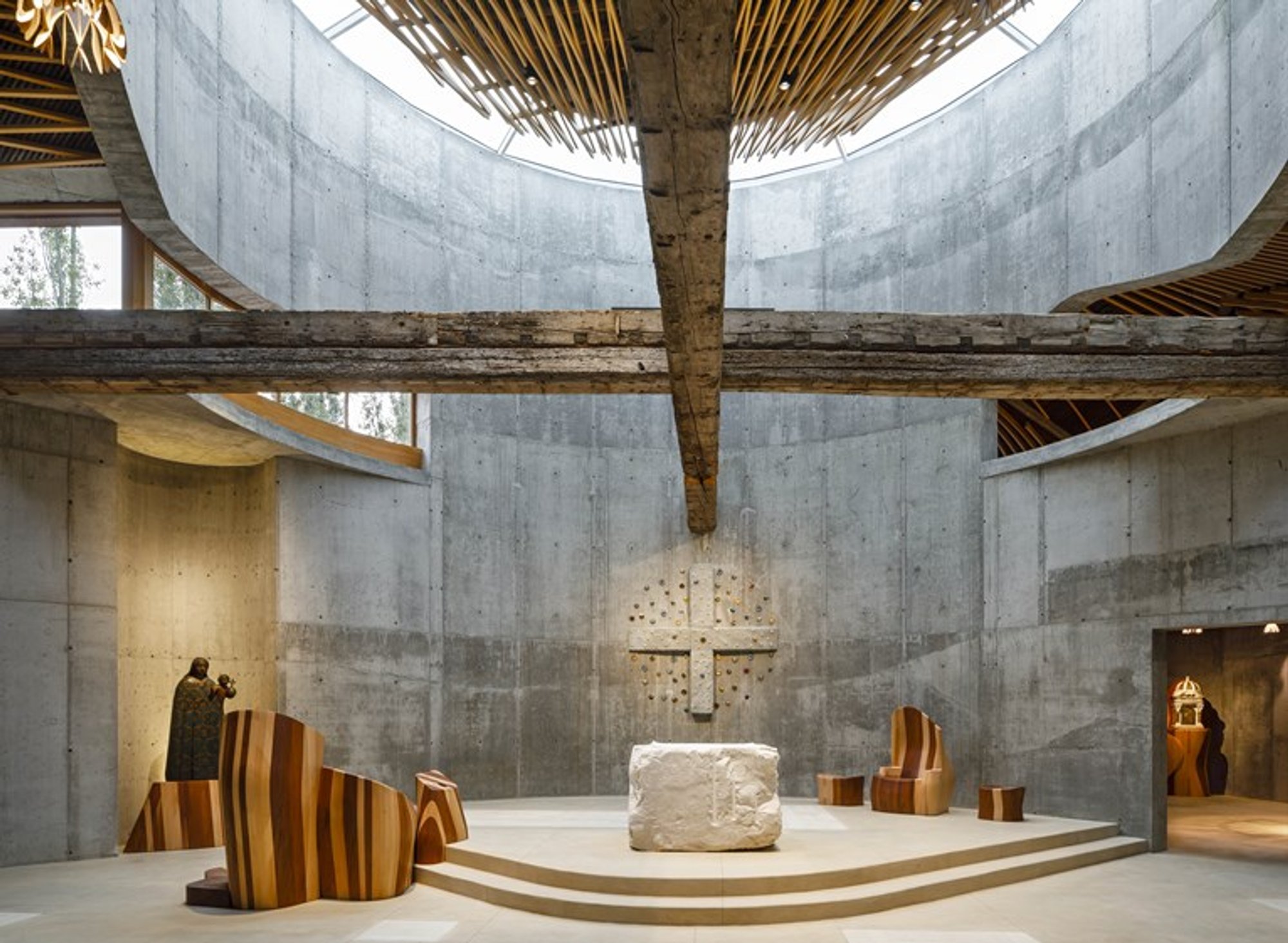
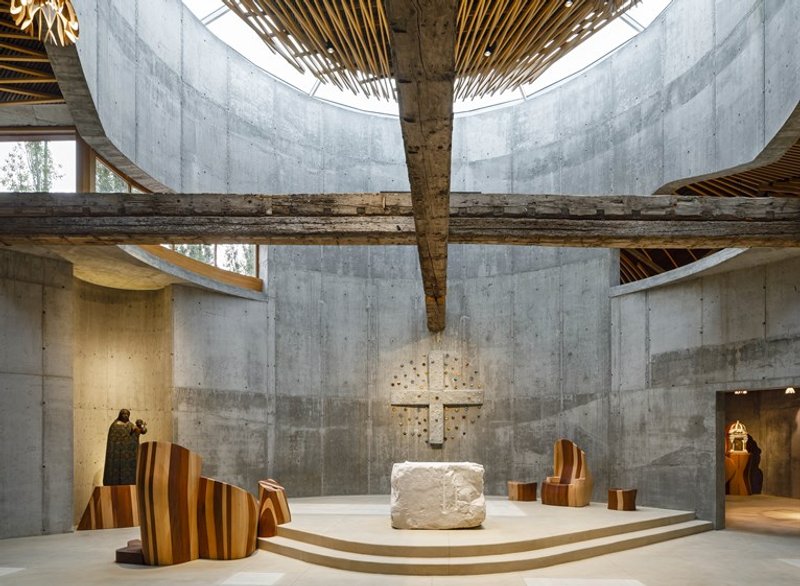
The interior of the church is characterized by a large wooden cross that spans the entire nave, made from ancient woods found in the old Town Hall of Ferrara. The altar, made of untreated white Trani stone, features a secret drawer that holds a relic, while laminated wood furniture contrasts with the raw concrete and stone of the walls and floor. The semi-circular arrangement of the room and the row of curved seats provide proximity to the altar and encourage collective celebration.
Italian artist Enzo Cucchi was commissioned to create the iconographic instrument of the art objects. Large crosses made of serene stone and black ceramic pieces depicting moments of the Old and New Testament adorn each of the walls of the church and the baptistery. An altar made of serene stone, inspired by the cross of gems, is surrounded by gleaming pieces of coloured ceramics that symbolize stars and planets, saints, angels, and sacred figures of Christianity. Wooden altars house the relics of the Apostle St. James and a seventeenth-century wooden statue of the Virgin Mary, while the ancient baptismal font was donated by the Tagliabue Family.
The church's open space leads to the chapel of daily worship, containing the Blessed Sacrament. The complex also includes spaces for the sacristy, the parish house, and a conversation room between the faithful and the parish priest. Additionally, there are annexed spaces that offer educational, associative, and recreational services to the community, as well as new multifunctional areas for the nearby school. The space is designed to encourage interaction and promote the community's social and educational development.
Benedetta Tagliabue designed suspension lamps that illuminate the interior. Made from thin wooden slats that create small domes, the lamps radiate light and create poetic geometries and angelic reflections.
In conclusion, the parish complex of San Giacomo Apostolo stands as a testament to the balance between the old and the new. Its design and architecture reflect the community's identity and promote socialization, education, and interaction within it. The use of ancient woods, serene stone, and coloured ceramics, combined with modern materials like laminated wood and concrete, creates a space that is both organic and sculptural. The complex's annexed spaces offer opportunities for educational, associative, and recreational activities, making it a hub for community development.




Popular Articles
Popular articles from the community


Inverted Architecture Installation by Studio Link-Arc: Exploring the Intersection of Architecture and Living Organisms
Inverted Architecture Installation by Studio Link-Arc blends mycelium, sustainability, inverted design, ecological cycles, and urban adaptive architecture in Shenzhen.
On the Brooks House by Monsoon Collective – A Contemporary Kerala Home Rooted in Tradition
Kerala home blending tradition and modernity with water-inspired design, brick architecture, courtyard planning, and sustainable rainwater harvesting strategies.
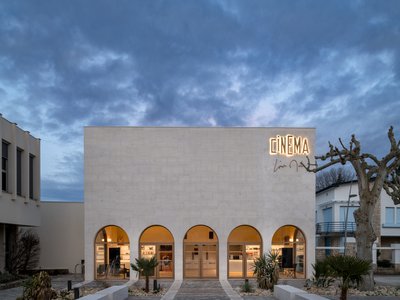
Louis Malle Cinema: A Limestone Cultural Landmark Revitalizing Community Life in Prayssac
Limestone cinema extension with public forecourt, blending heritage and modern design to create flexible cultural spaces and strengthen community interaction.
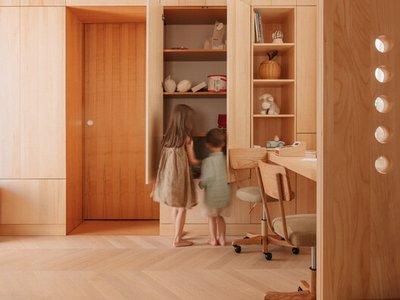
Treehouse Apartment: A Warm Timber Interior Blending Craft, Play, and Contemporary Living
Warm timber apartment with integrated treehouse, combining natural materials, craftsmanship, and playful design to create a flexible, family-oriented living environment.


Similar Reads
You might also enjoy these articles
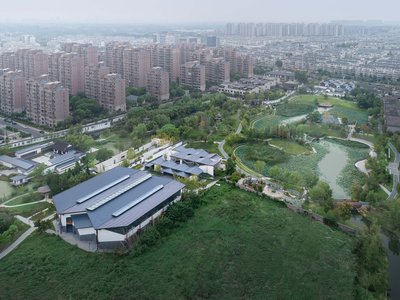
Zhuxi Wonderland: Reimagining Traditional Chinese Gardens by Doarchi Architects
Zhuxi Wonderland by Doarchi Architects reinterprets traditional Yangzhou gardens, integrating courtyards, pavilions, and tea houses in modern cultural design.
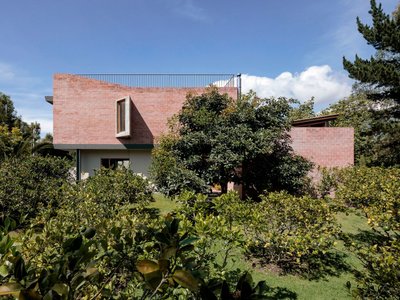
Doble Soga House: A Contemporary Brick Residence Rooted in Landscape in Quito, Ecuador
Brick house in Quito integrating nature, flexible living spaces, exposed materials, and rooftop terrace, creating warm contemporary architecture for modern family life.
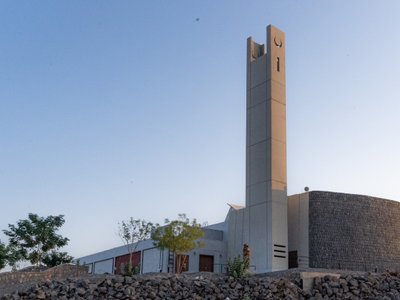
Al Gharra Mosque in Medina Redefining Contemporary Islamic Architecture
Minimalist Medina mosque using concrete, light, and landscape to reinterpret Islamic worship spaces through symbolic spiritual transitions and contemporary architecture.
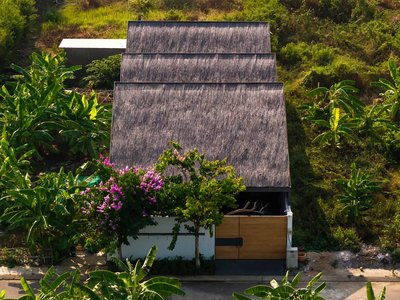
Viczonecode Villa by DDconcept – Tropical Family Living in Ho Chi Minh City
Tropical family villa in Ho Chi Minh City featuring courtyards, skylights, natural ventilation, elevated flooring, and seamless indoor–outdoor living surrounded by greenery.

Explore Architecture Competitions
Discover active competitions in this discipline




The International Standard for Design Portfolios


The Global Benchmark for Architecture Dissertation Awards


The Global Benchmark for Graduation Excellence


Design Challenge - Contemporary interpretation of a religious complex
Comments (0)
Please login or sign up to add comments
No comments yet. Be the first to comment!