
Breathtaking Harmony: Unveiling the Serene Splendor of Baracco + Wright Architects' Garden House
Can Baracco + Wright Architects' Garden House Transform Your Living Space into a Green Paradise?

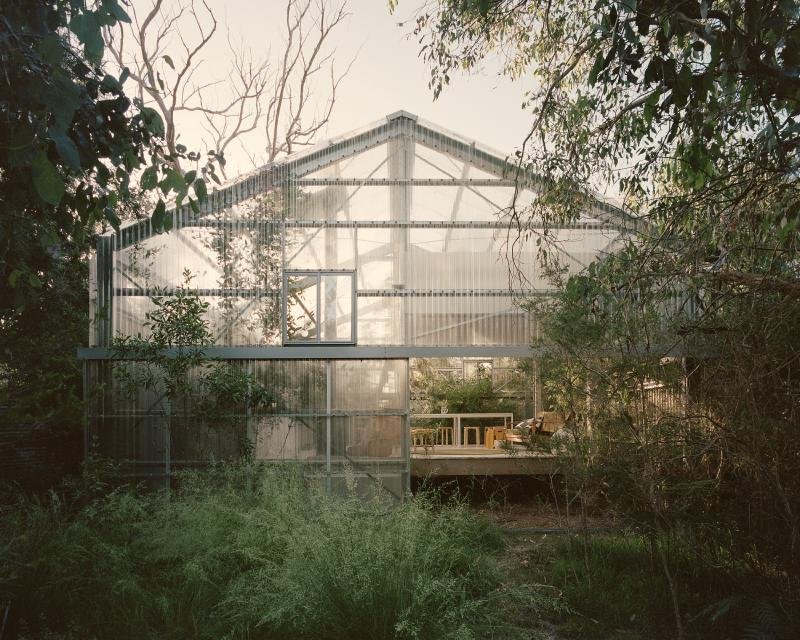
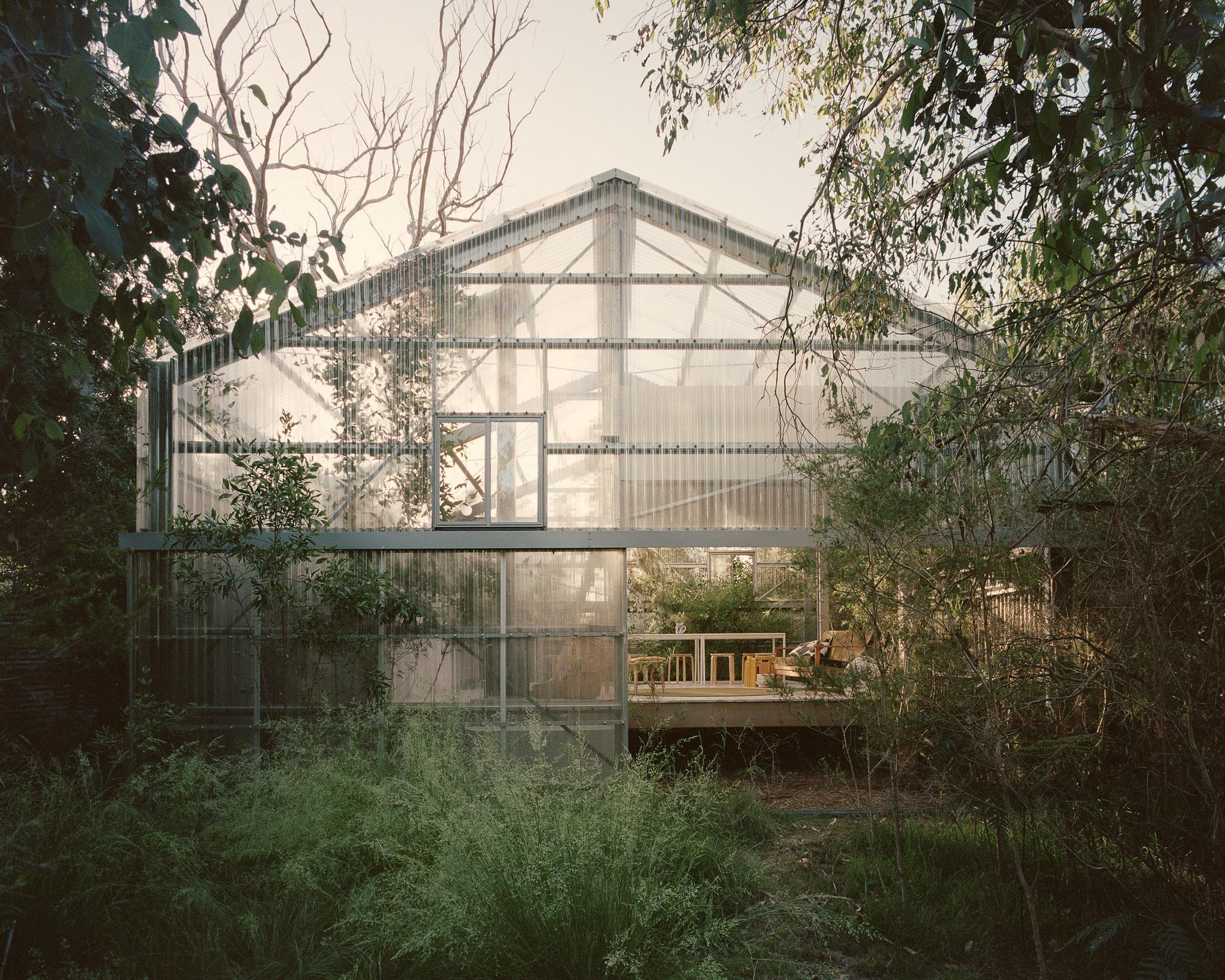
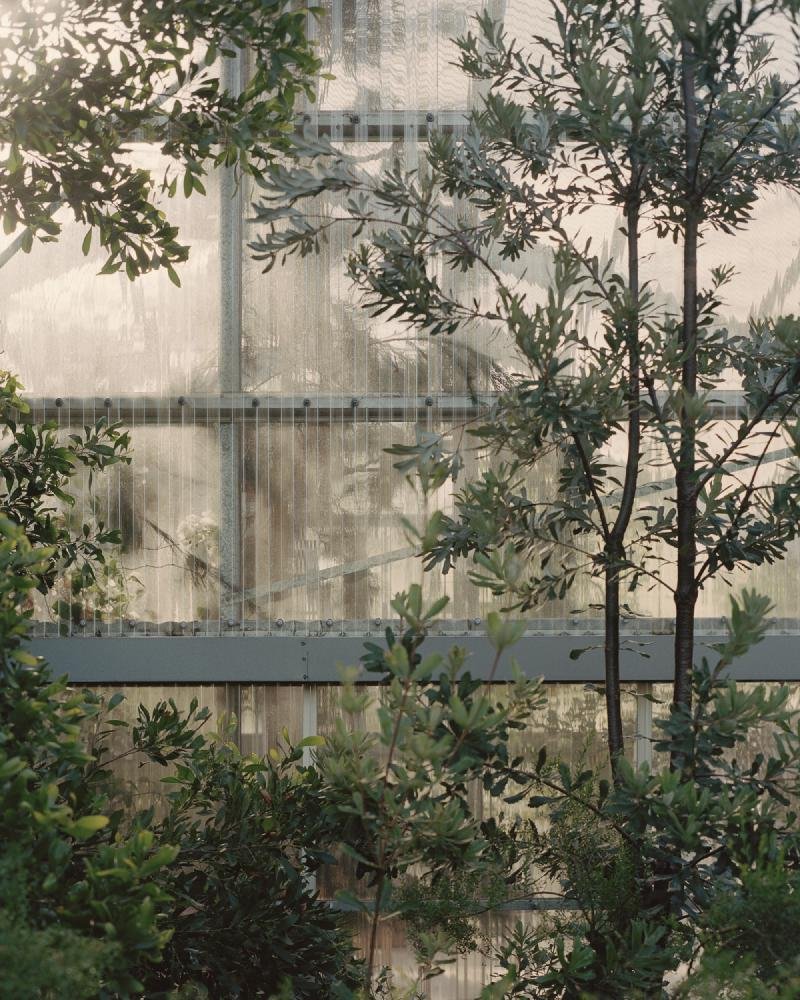
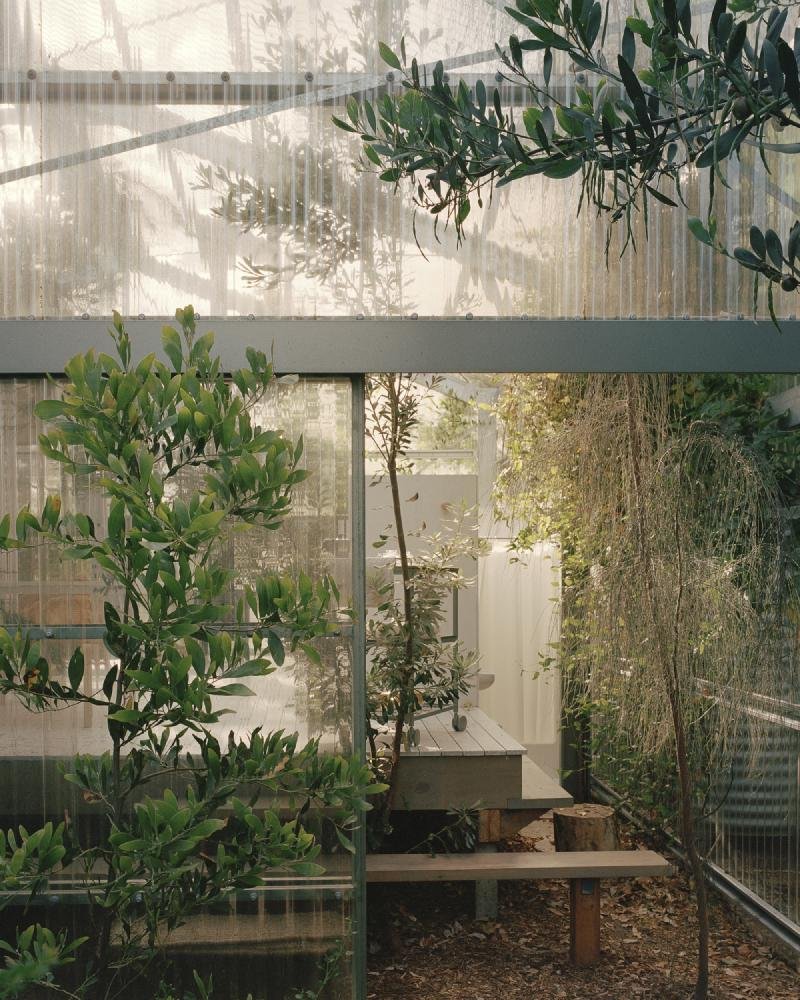
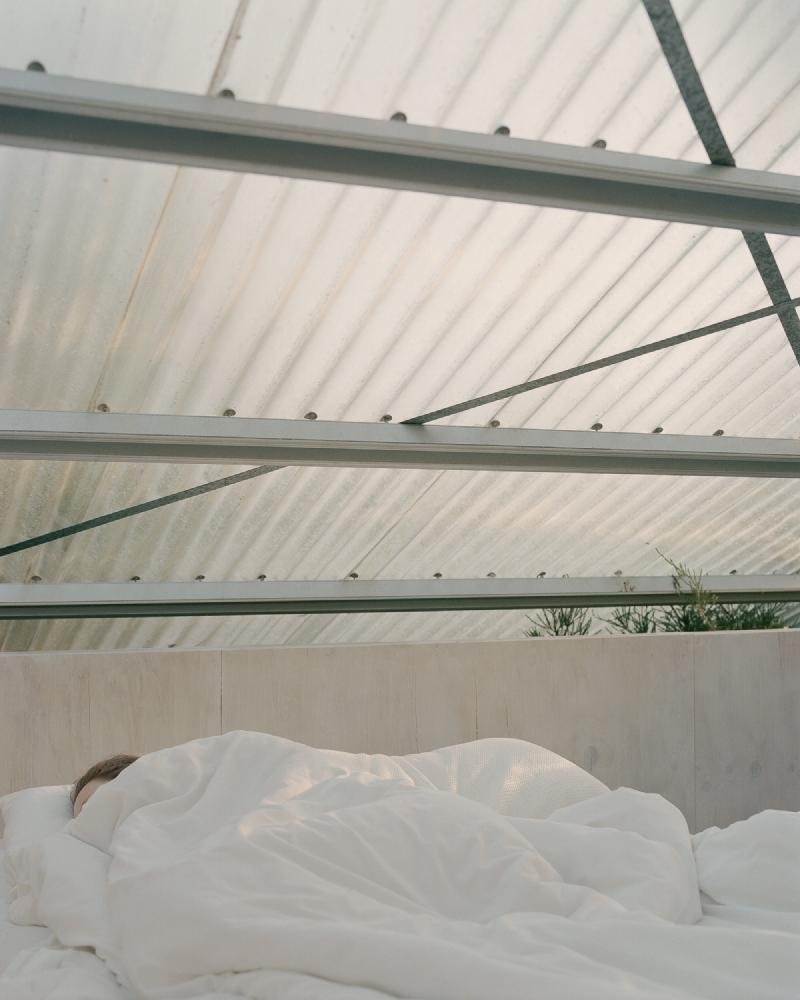
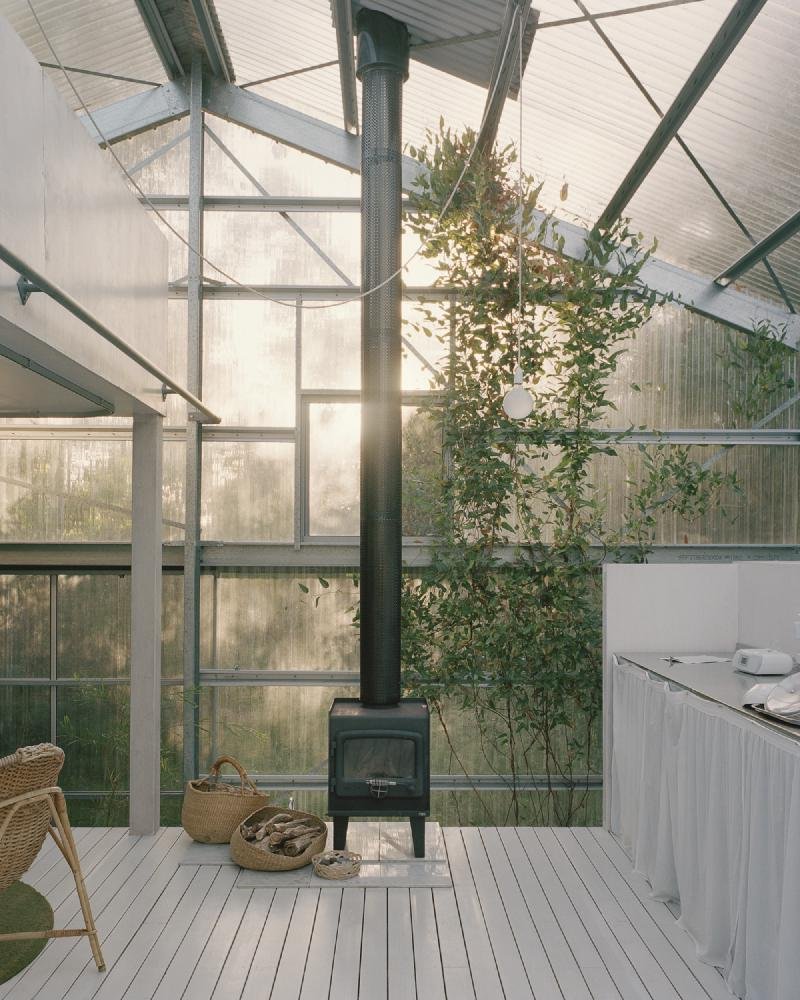
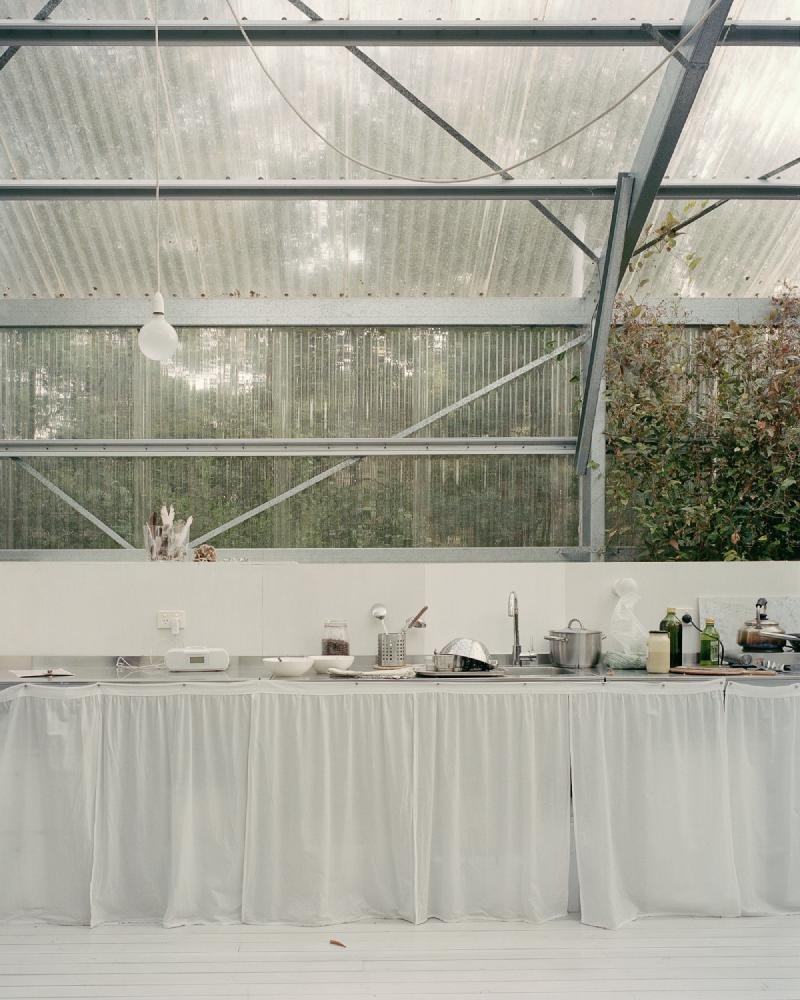
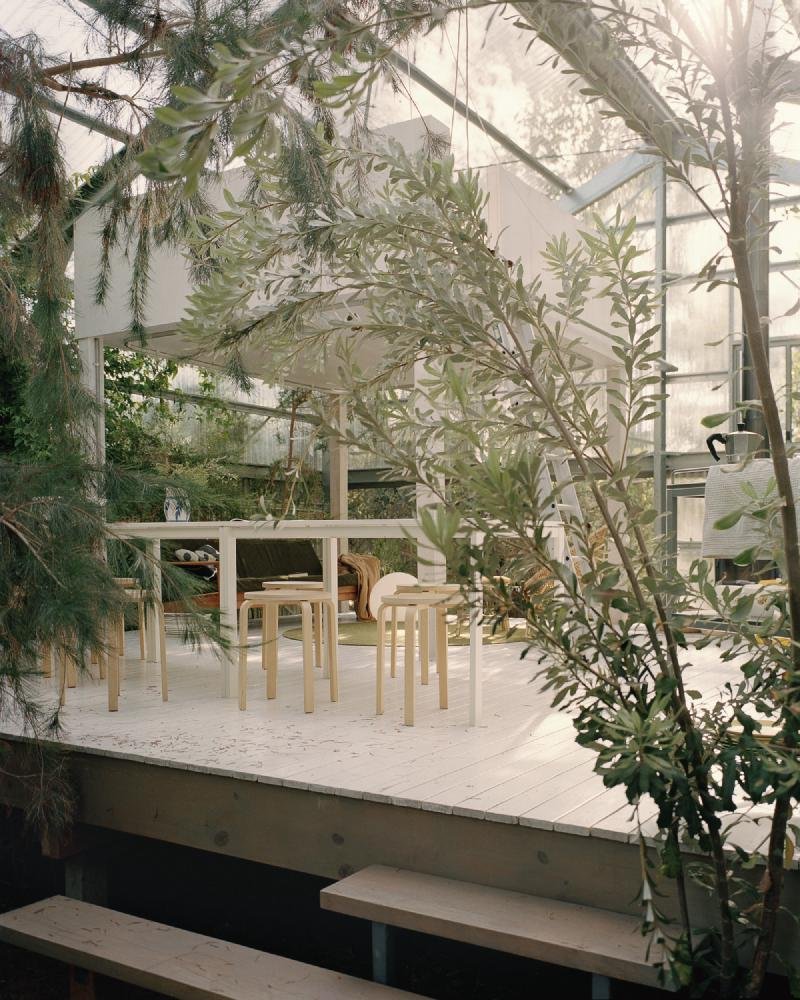
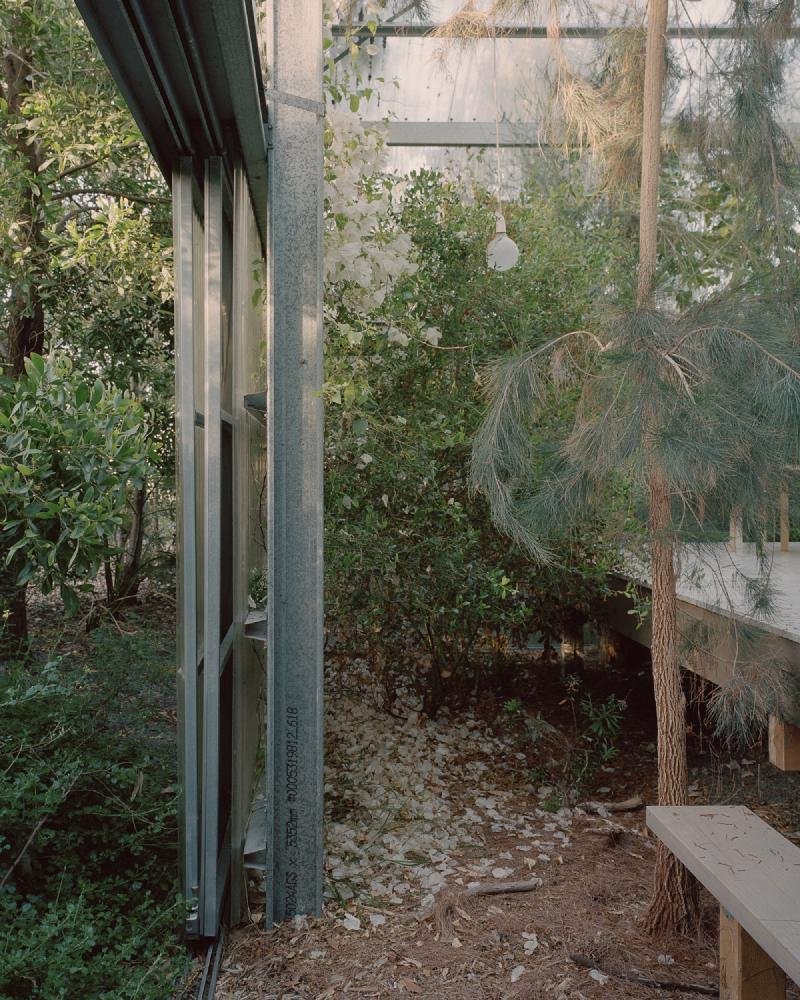
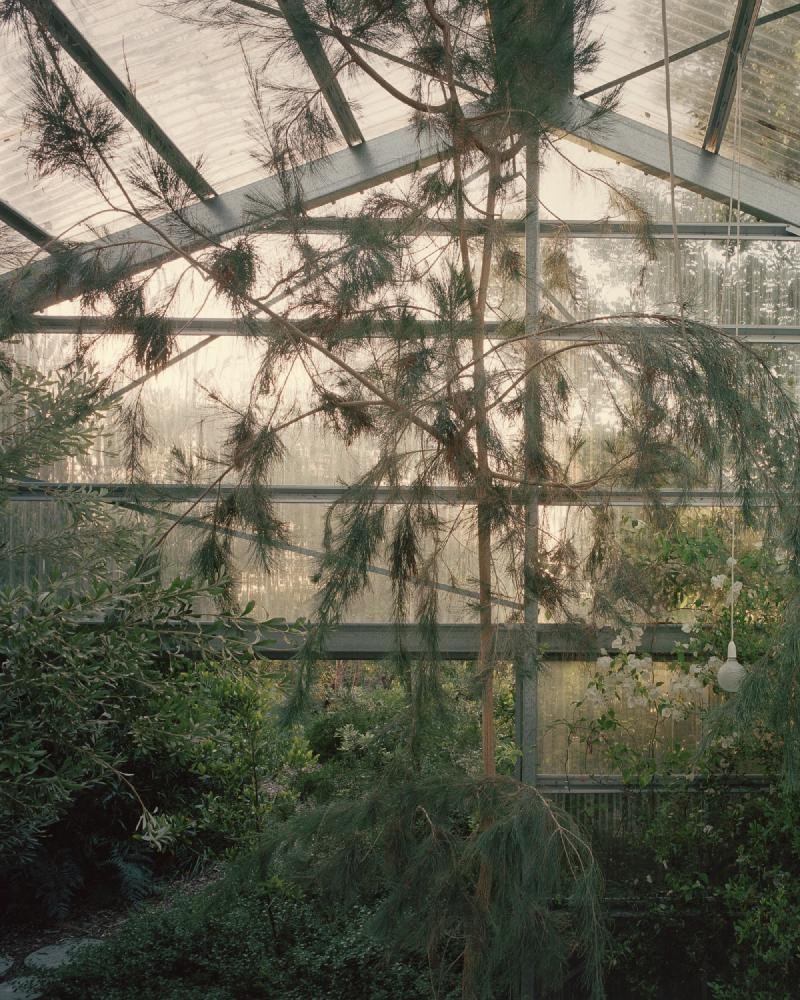
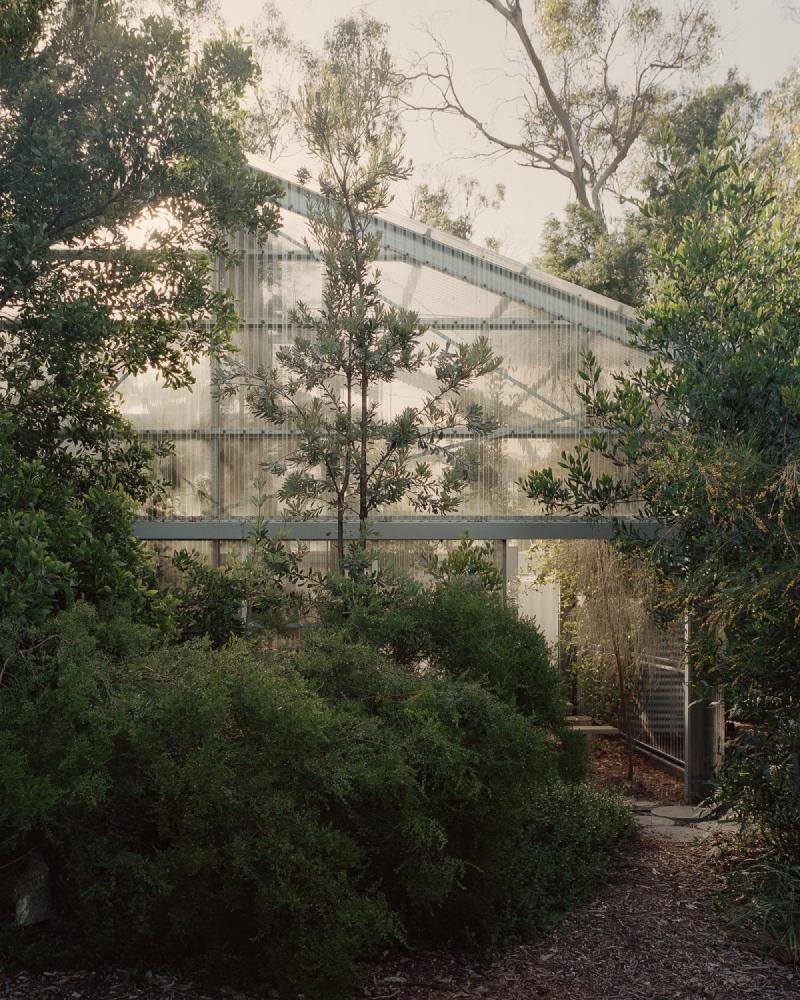
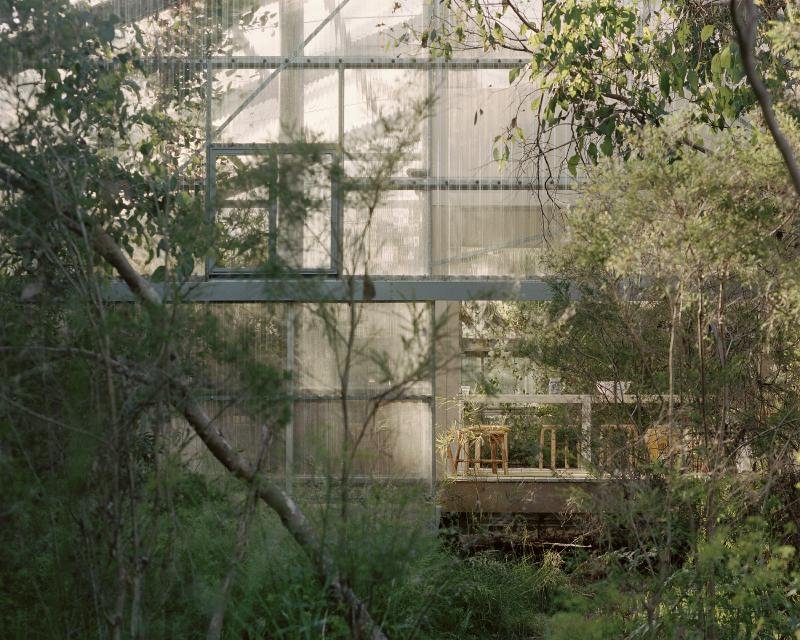
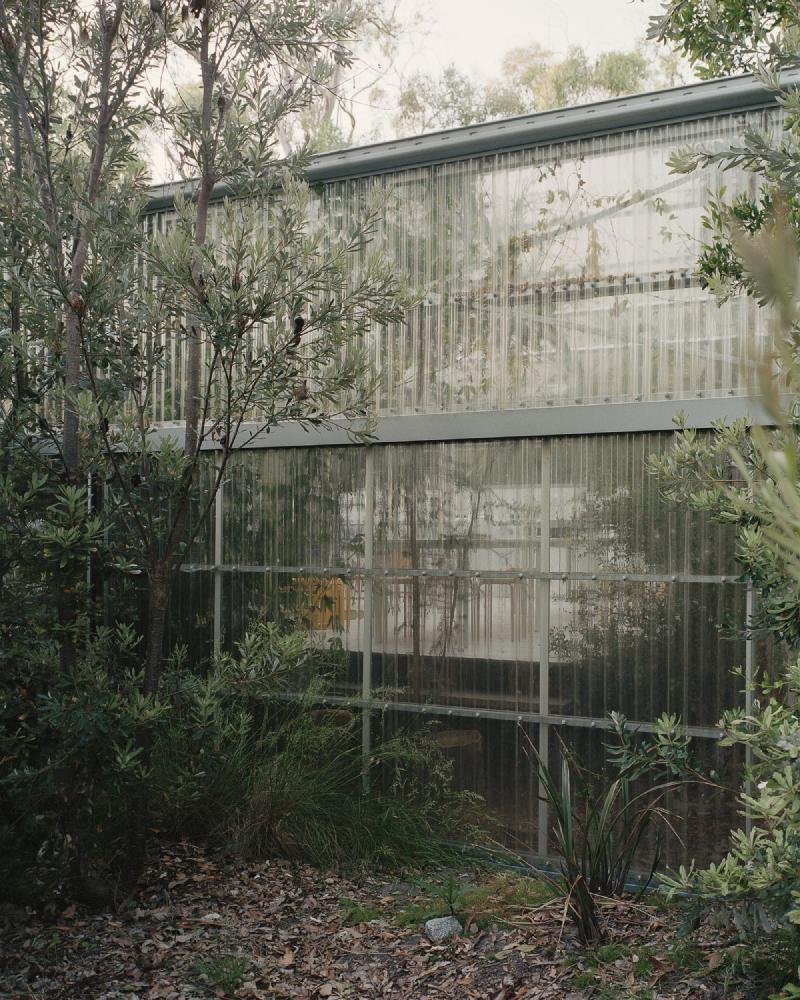
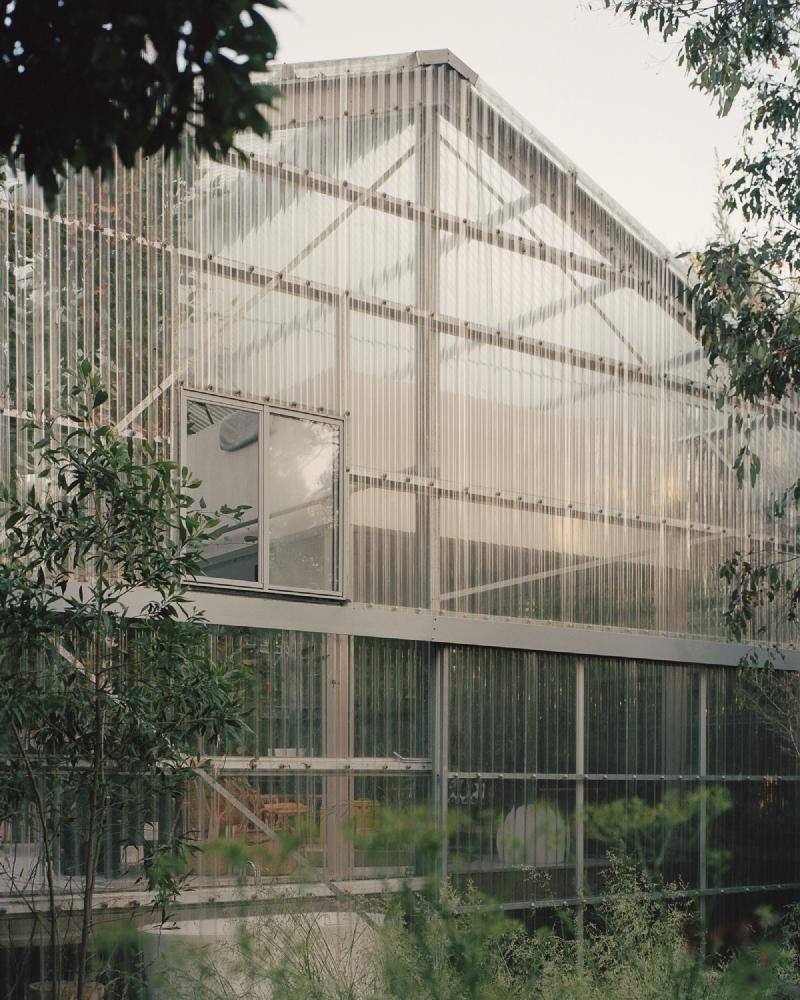
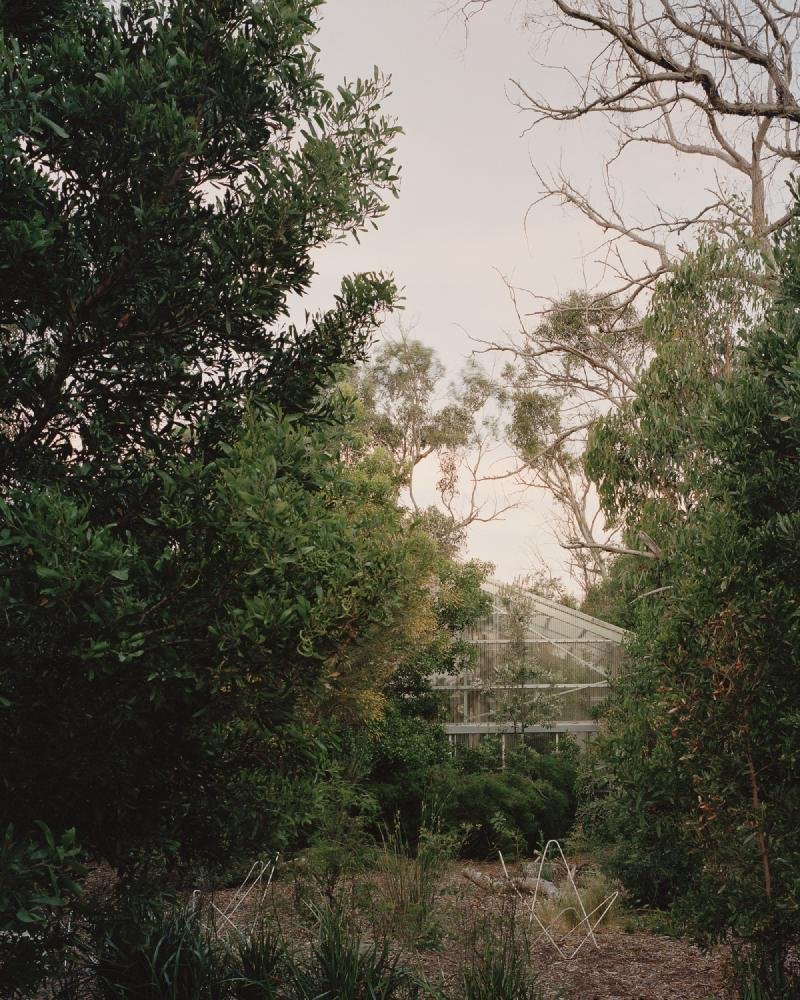
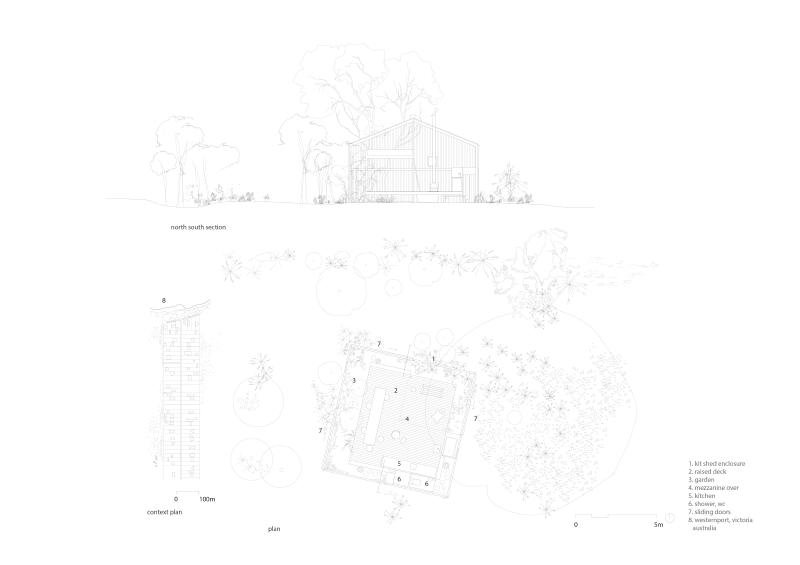
This experimental house, located on Boon Wurrung land, was conceived as a way to repair the site's ecosystem. Its architecture is a reflection of the physical place and the life it supports. It is made with a combination of industrialized elements (steel frame) and handmade (timber frame) without concern for its own modes of making. A thin physical boundary, a polycarbonate sheet, maintains transparency, rather than the usual material theory of transparency. Spatial boundaries are not achieved through walls, windows, rooms, ceilings, and floors, but by the vegetation on either side of the polycarbonate layer. Together with the vegetation, an ill-defined wall is created, starting on the inside with the moat-like horizontal boundary achieved through the raised floor. The raised deck is another expanded threshold, this time with the ground, allowing the unsealed ground and its floodwaters to pass through.
The window that usually frames an interior's relationship with nature is absent in Rory Gardiner's photographic technique. Instead of frames, images fill the view without edges, making it unclear if you are looking inside or outside. This quality of space is echoed in Baracco+Wright's design of this building, which could be thought of as more than a tent: a deck and raised platform, covered by a transparent 'shed', with an interior perimeter 'verandah' that is a garden and spontaneous vegetation space. Living areas are dynamic yet subtly spatially defined, with the soil and natural ground line maintained and carried through. In the temperate southeastern Australian climate, one is sometimes a little cold and hot but mostly comfortable. Surprisingly, this house offers the ability to hear the outside. Nature is noisy, and hearing it enables one to locate themselves in space outside their own body. The story of the natural history of the site drove the decision-making, as the site is part of a leftover heavily vegetated corridor in between cleared grazing land.
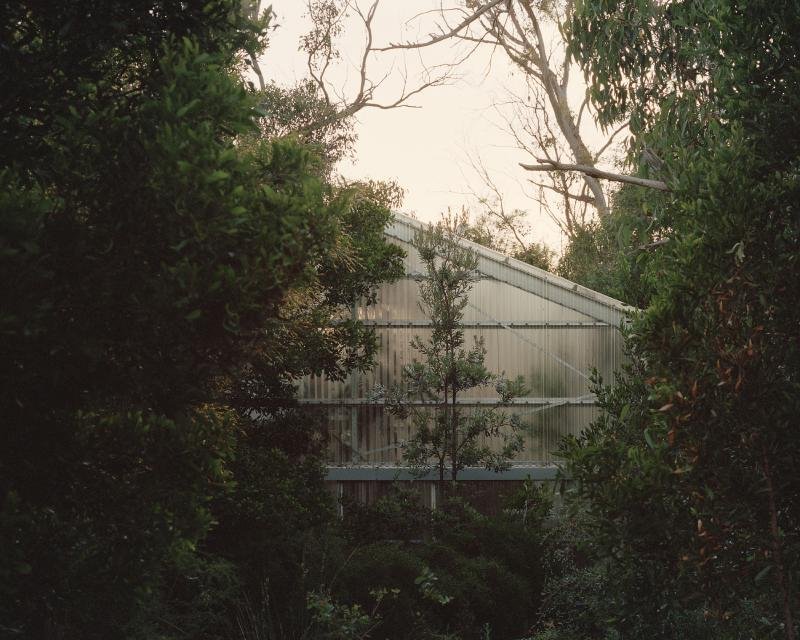
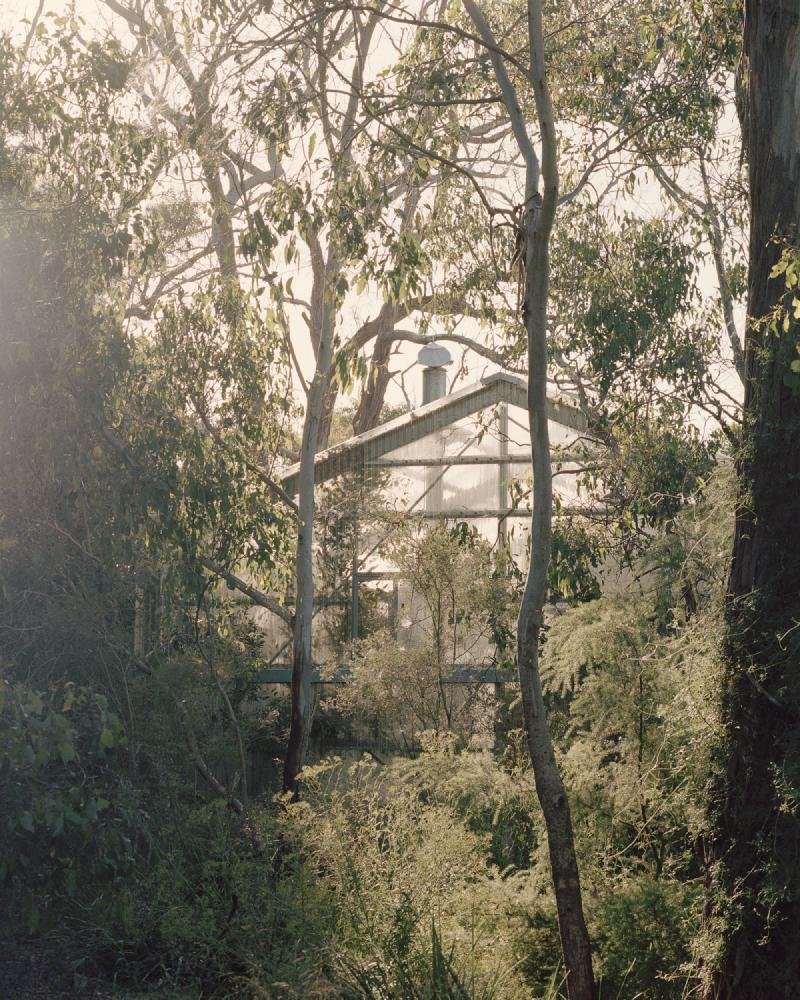
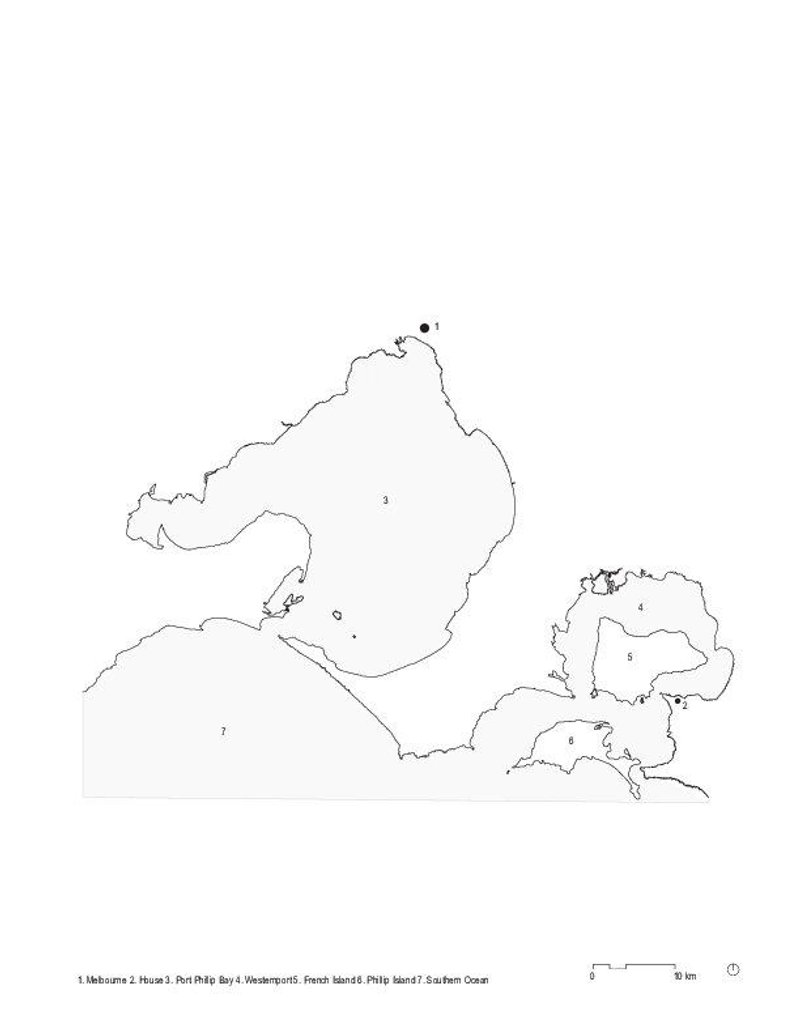
This site offers a unique glimpse into the past, with small patches of the original endemic vegetation still present, although it has been altered by domestic gardens, and human and non-native animal activity. It connects to its neighbouring vegetation and Westernport Bay, and the road now occupies the position of an ephemeral creek. This area can be seasonally wet and dry and can flood, acting as a compromised wildlife corridor for animals travelling from Gurdies Nature Conservation Reserve to the coast. It is also a successful habitat for birds. The presence of endemic terrestrial orchids indicated that the soil had not been altered and that the bones of a plant community that once grew there were still embedded in the soil and under the introduced grass. To support the strength of the remnant indigenous vegetation, weeding was carried out using the Bradley method, which works from ‘good’ outward so that the vegetation can be re-established slowly. However, it is difficult to know if this ongoing activity strengthens the plant community or if it will always depend on human care. The presence of Greenhood Orchids (Pterostylis Nutans) is evidence of Mycorrhiza, a crucial foundation for healthy soils and has recently been credited with the network used by trees to communicate with each other. Changes to the site's hydrology, such as water penetration/overland flow/microclimate, and the removal of symbiotic trees, among other things, could have meant the disappearance of these orchids in the near future.
By observing and supporting the expansion of small remnant patches of endemic vegetation, a shape of the site emerged that revealed an area where no regeneration was occurring. It turned out that this area had been the site of imported fill, effectively smothering the seed stock and altering the soil. The house was situated on this ‘clearing’, raised above the ground to allow for overland flow and to prevent ‘cutting’ the site. Apart from a small utility area, no ground was sealed, which supported the expansion of the vegetation inside the house. Now part of this ecosystem, this house supports life. The disturbance generated by the construction was minimal, but enough to generate the expansion of tea trees (which respond to disturbance). Tea trees now regularly grow inside.
Architects: Baracco+Wright Architects
Year: 2021
Photographs: Rory Gardiner




Popular Articles
Popular articles from the community

On the Brooks House by Monsoon Collective – A Contemporary Kerala Home Rooted in Tradition
Kerala home blending tradition and modernity with water-inspired design, brick architecture, courtyard planning, and sustainable rainwater harvesting strategies.
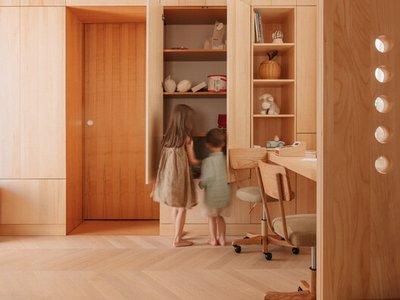
Treehouse Apartment: A Warm Timber Interior Blending Craft, Play, and Contemporary Living
Warm timber apartment with integrated treehouse, combining natural materials, craftsmanship, and playful design to create a flexible, family-oriented living environment.


The Ken Roberts Memorial Delineation Competition (Krob)
As the most senior architectural drawing competition currently in operation anywhere in the world, it draws hundreds of entries each year, awarding the very best submissions in a series of medium-based categories.
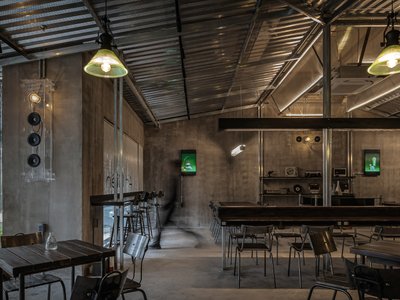
An Miên Lumière Cafe by xưởng xép, Ho Chi Minh City, Vietnam
An industrial-inspired café where layered steel and warm light create a dynamic, immersive environment shaped by reflection, depth, and perception.


Similar Reads
You might also enjoy these articles
The Ken Roberts Memorial Delineation Competition (Krob)
As the most senior architectural drawing competition currently in operation anywhere in the world, it draws hundreds of entries each year, awarding the very best submissions in a series of medium-based categories.
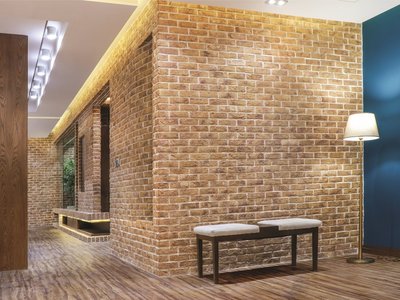
A Contemporary Take on Iranian Residential Architecture
A modern interior design in Mashhad that reinterprets brick, light, and spatial flow to create a warm, contemporary residential architecture.
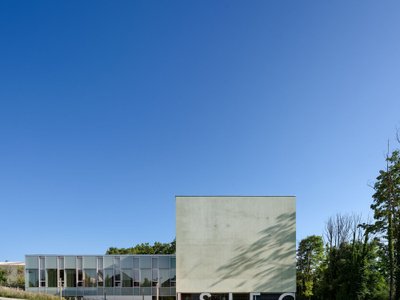
Franche-Comté Advanced School of Engineering by Dominique Coulon & associés, Besançon
A flexible engineering school immersed in woodland, combining concrete minimalism, adaptable spaces, and natural light to support evolving educational environments.

Documentation Work on Buddhist Wooden Temple
Architectural syncretism and cultural hybridity: A comparative study of the Buddhist temples in Chattogram Hill tracks


Explore Architecture Competitions
Discover active competitions in this discipline




The International Standard for Design Portfolios


The Global Benchmark for Architecture Dissertation Awards


The Global Benchmark for Graduation Excellence


Challenge to reimagine the Iron Throne
Comments (0)
Please login or sign up to add comments
No comments yet. Be the first to comment!