
Brutalist Brick House Design: The House of Dancing Cactus
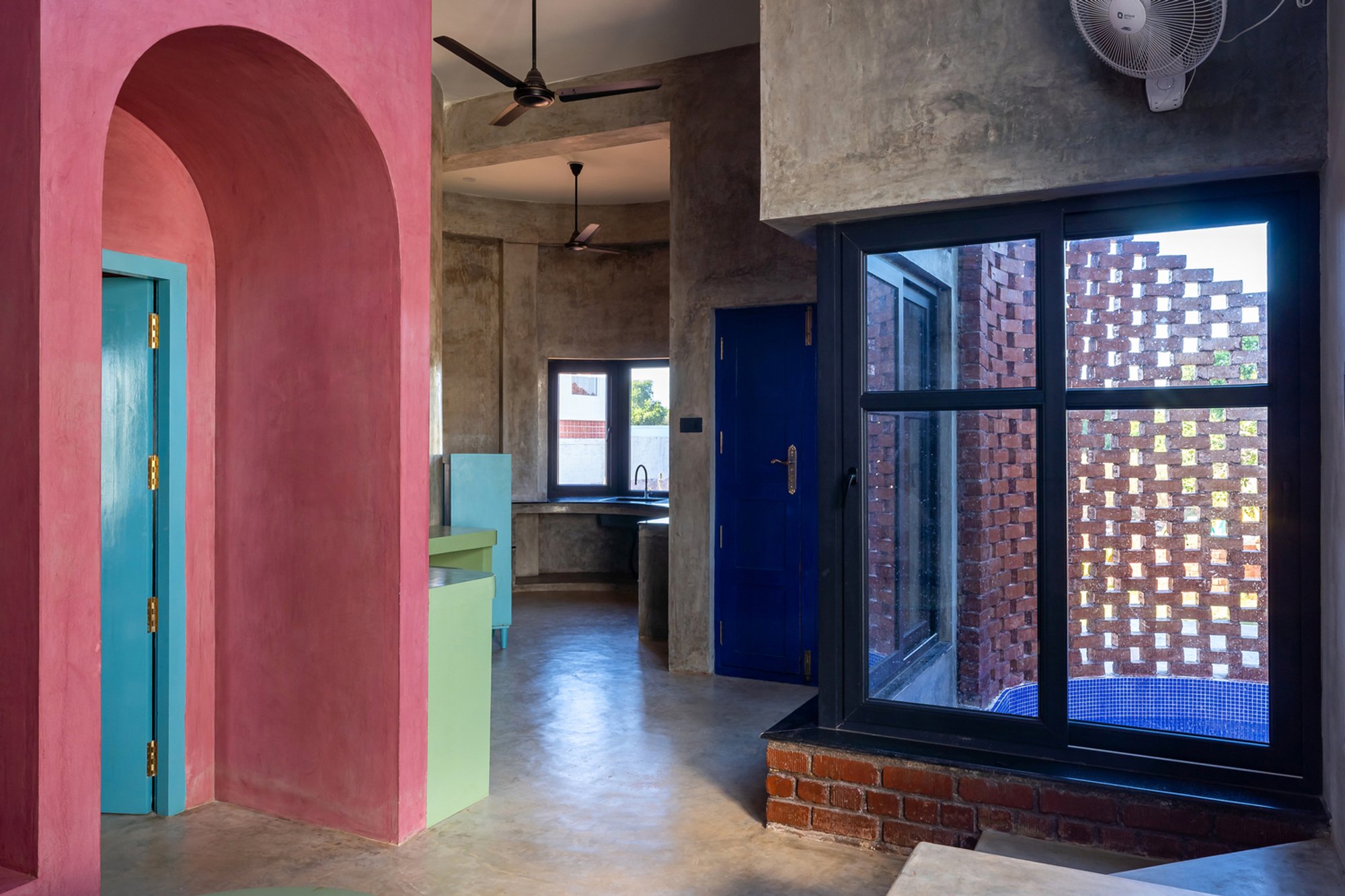
House of Dancing Cactus exemplifies Brutalist Brick House Design, blending sculptural craftsmanship with sustainability in Pondicherry’s coastal landscape.

A Unique Architectural Statement in Pondicherry
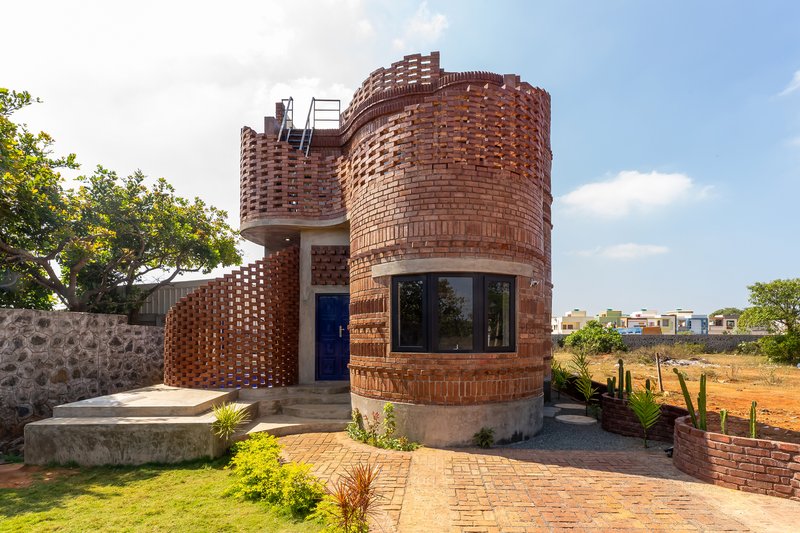
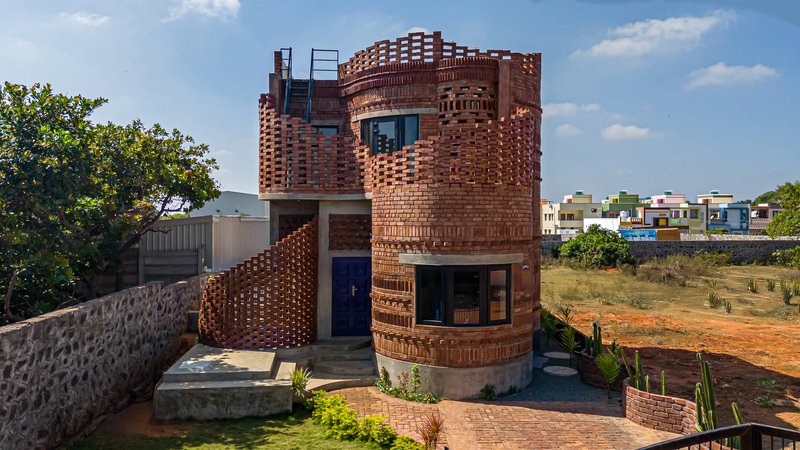
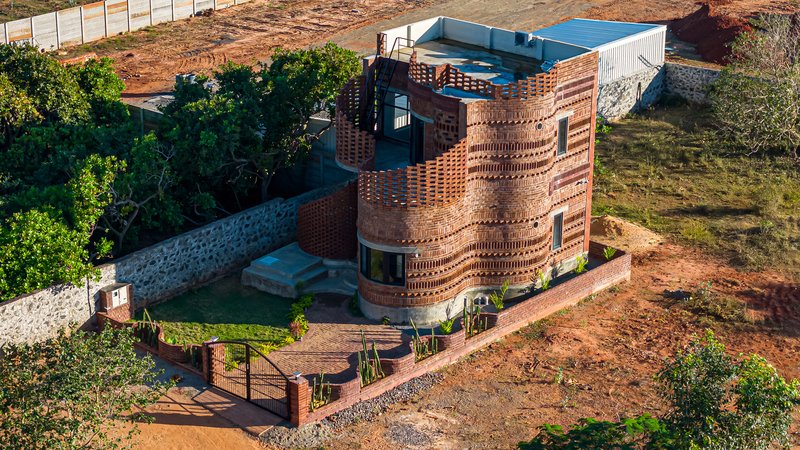
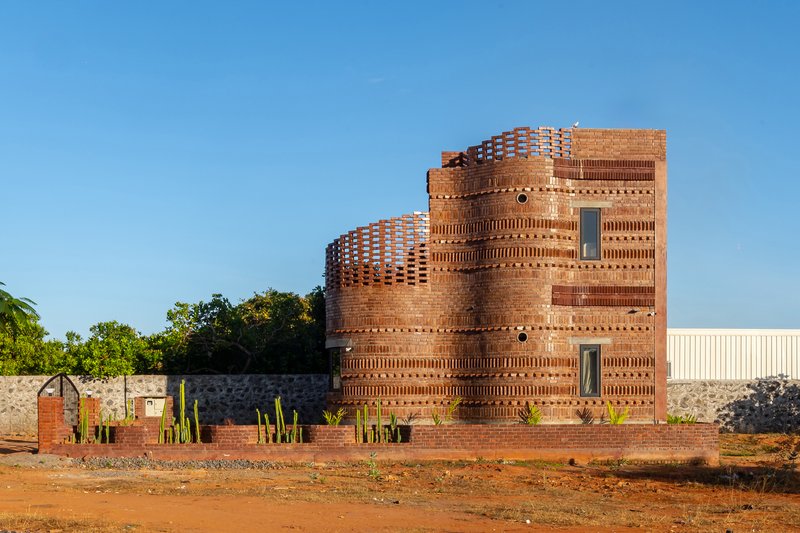
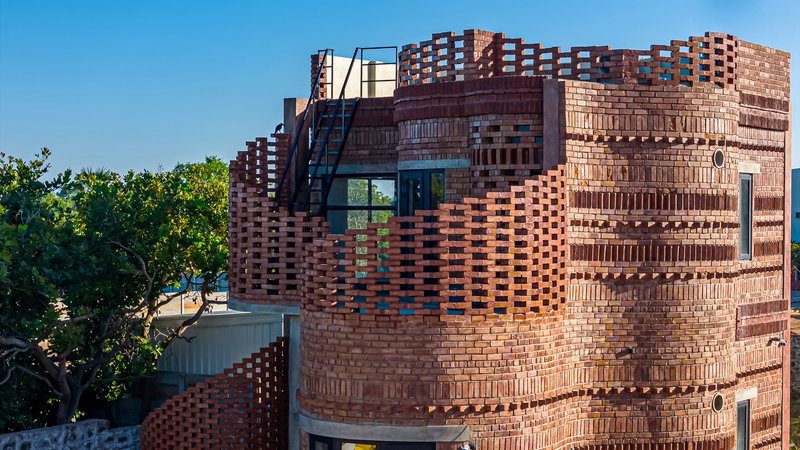
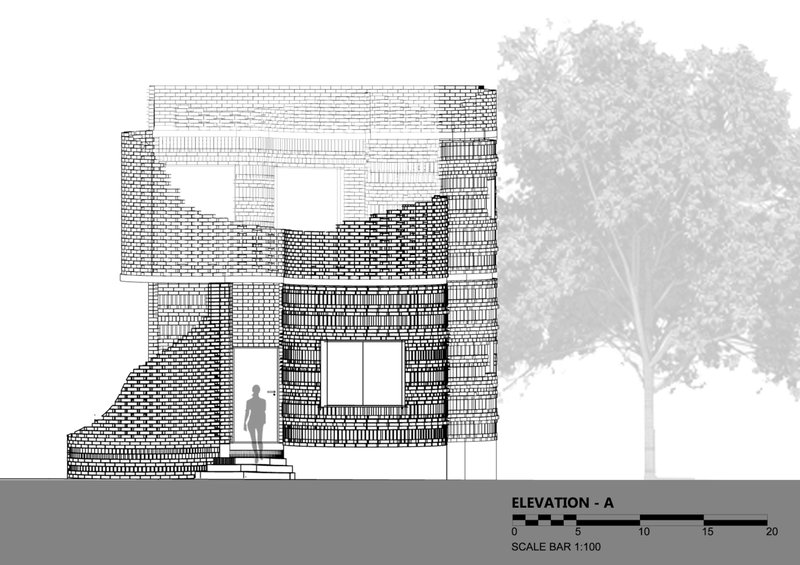
The Brutalist Brick House Design of the House of Dancing Cactus stands as an innovative architectural marvel in Pondicherry, India. Designed by Art & Architecture, this striking residence merges traditional brick craftsmanship with modernist aesthetics to create a bold, sculptural dwelling. With its wavy brick facade mimicking the rhythm of the sea and an intricate play of shadows, the house redefines conventional brick construction.
A Sculptural Facade Inspired by Nature
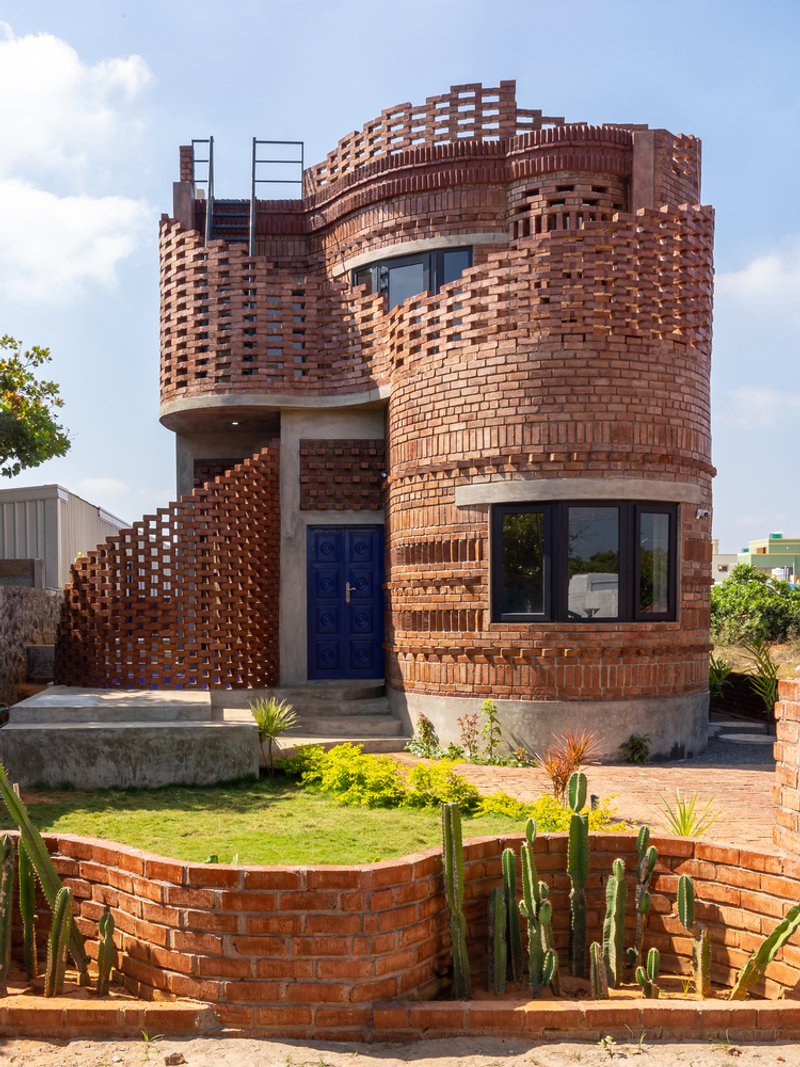
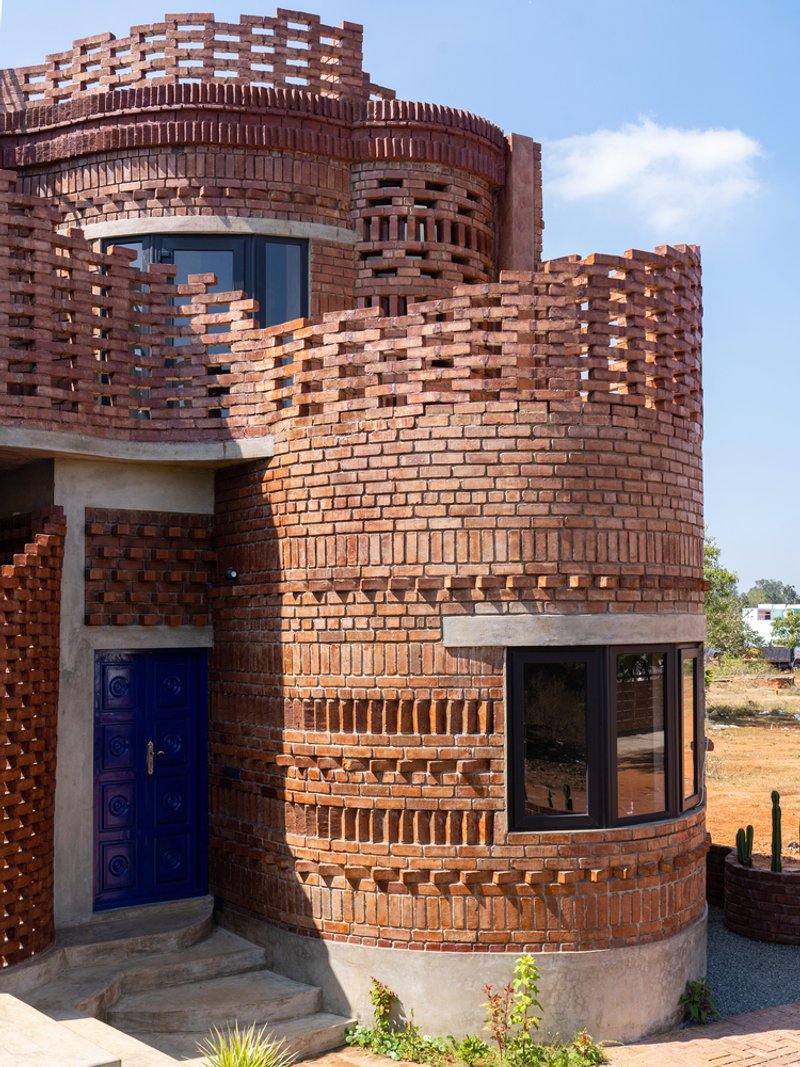
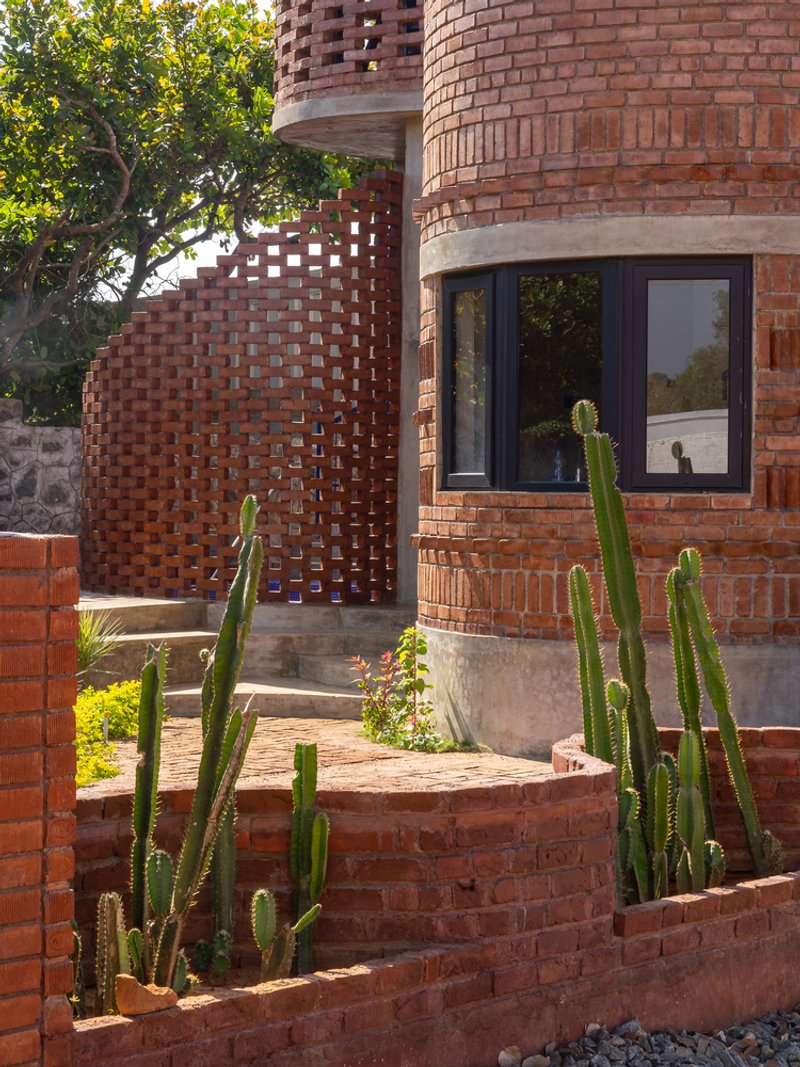
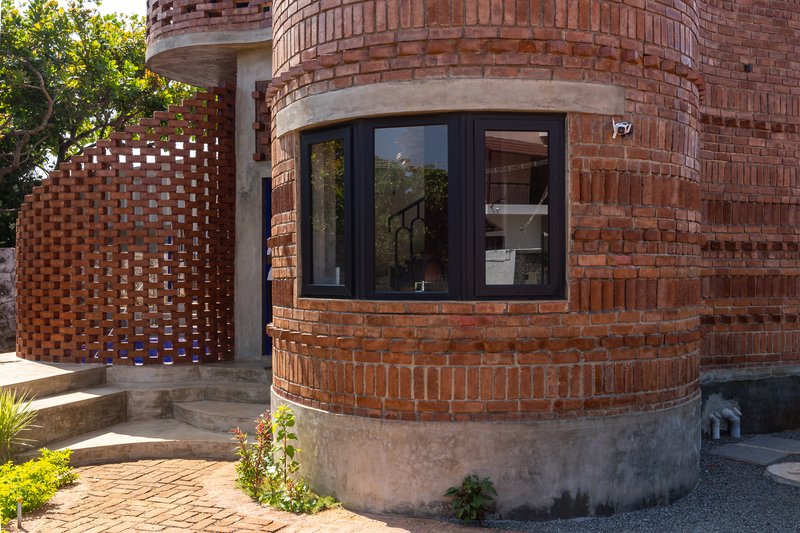
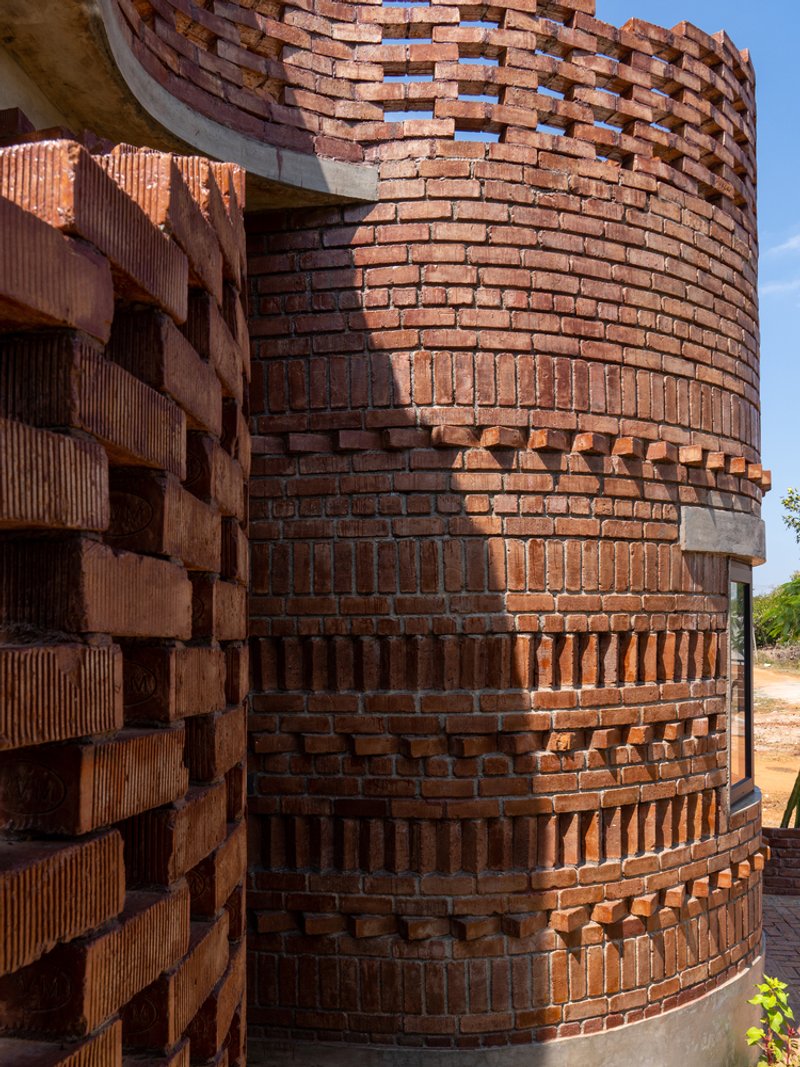
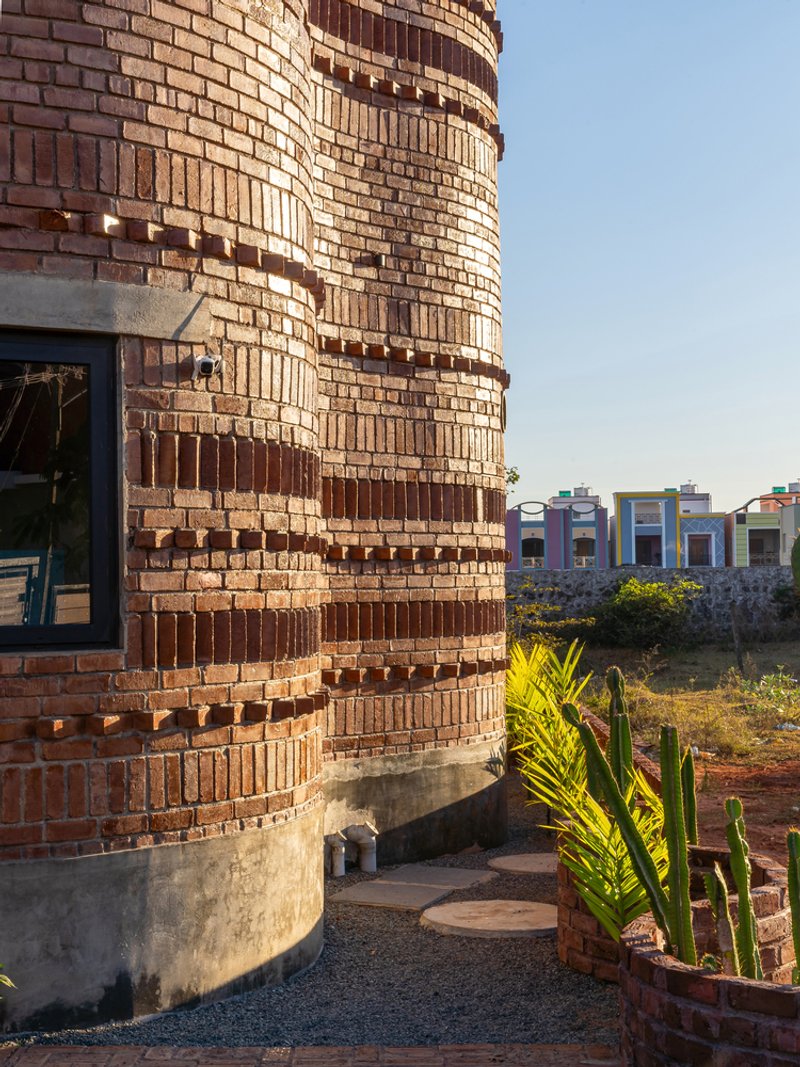
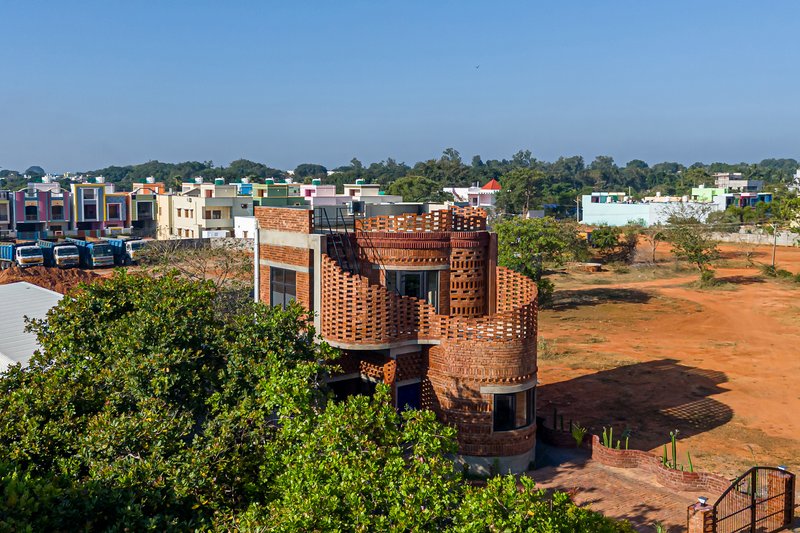
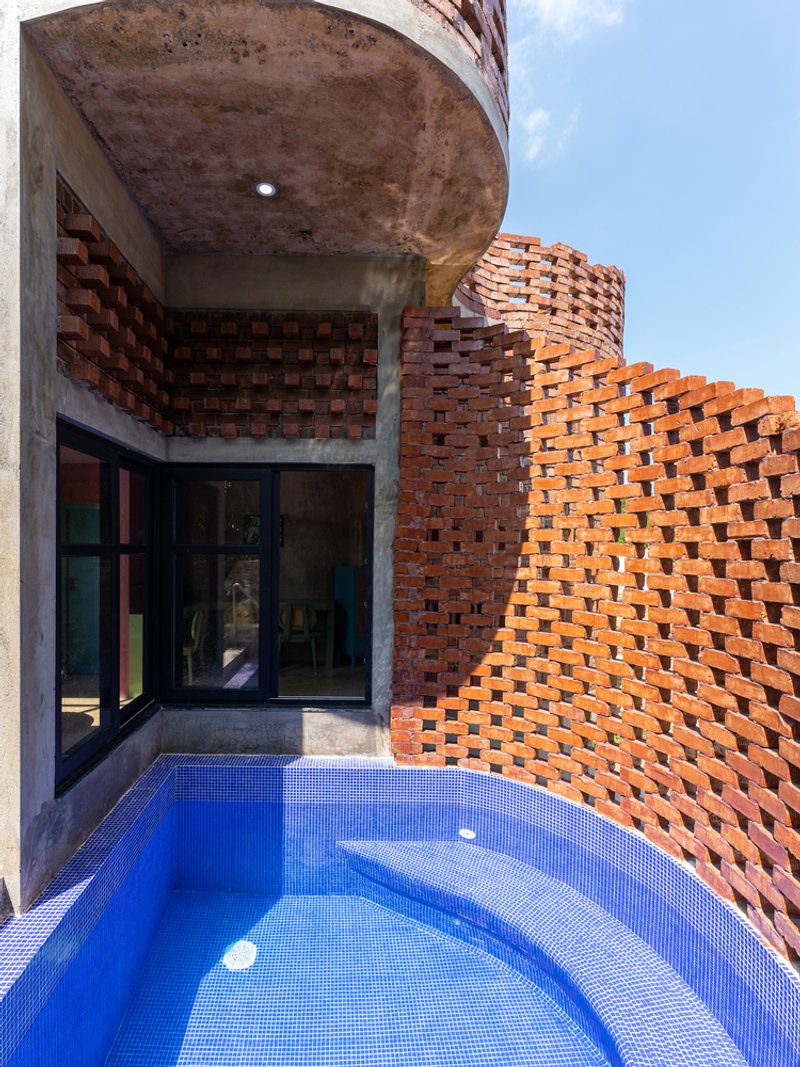
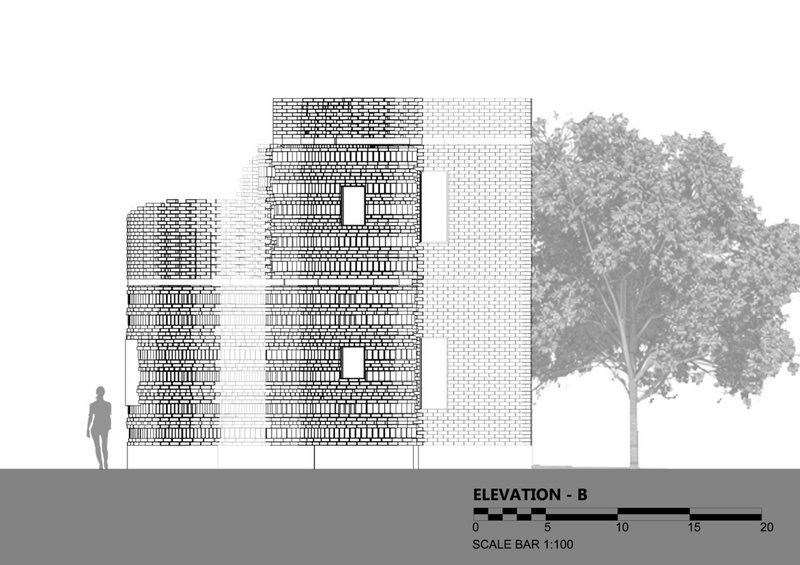
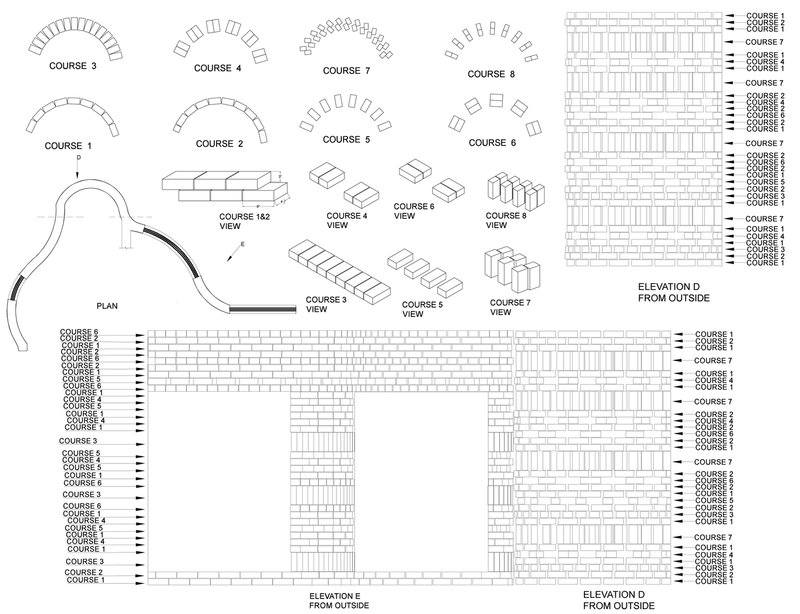
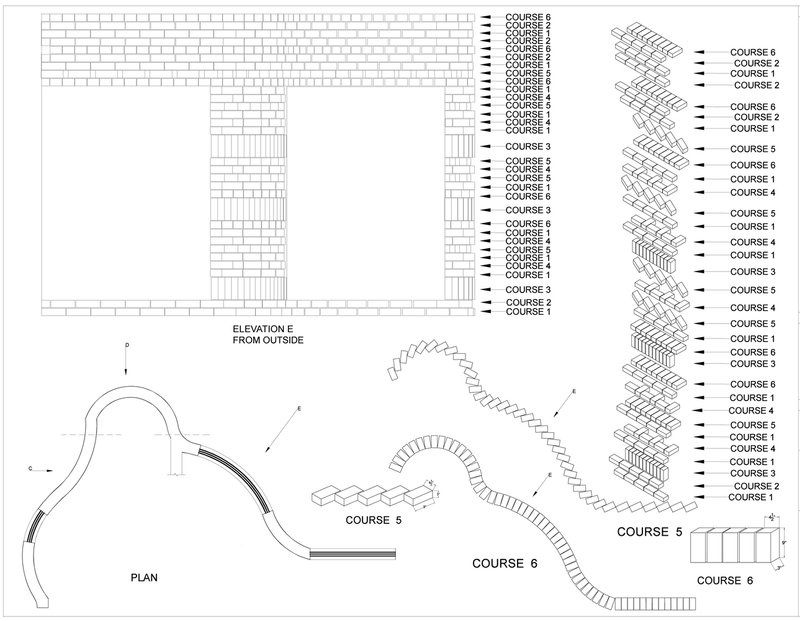
The exterior of the House of Dancing Cactus challenges conventional brick masonry with an undulating brick pattern that not only enhances its visual appeal but also provides functional advantages. This sinuous design increases surface area, creating natural shading elements that help in reducing heat absorption. The structure takes on the form of a cactus within a garden, symbolizing resilience and adaptability in the coastal climate of Pondicherry.
Spatial Organization and Seamless Connectivity
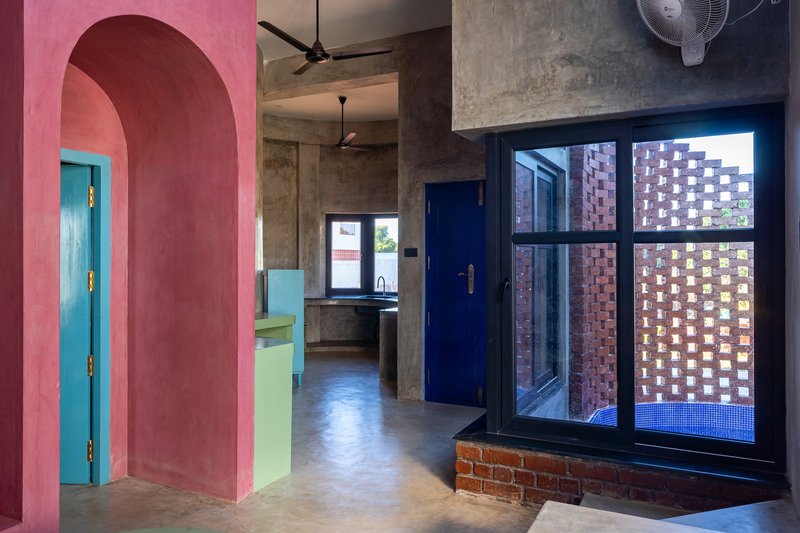
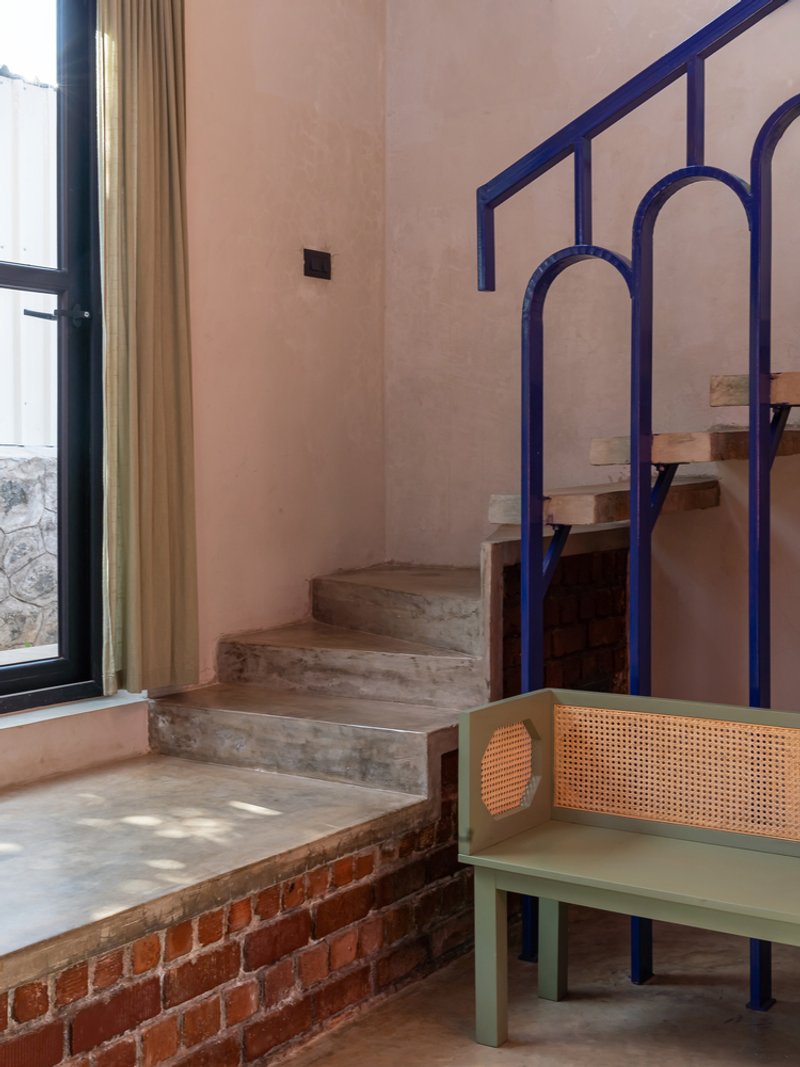
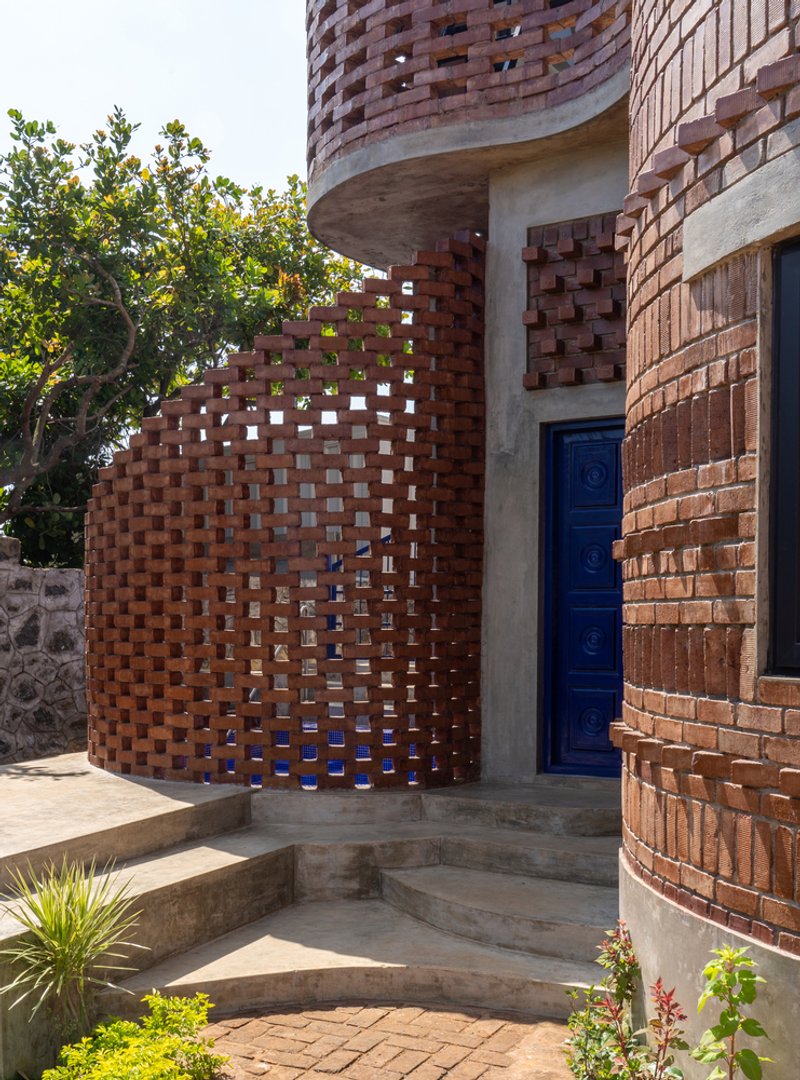
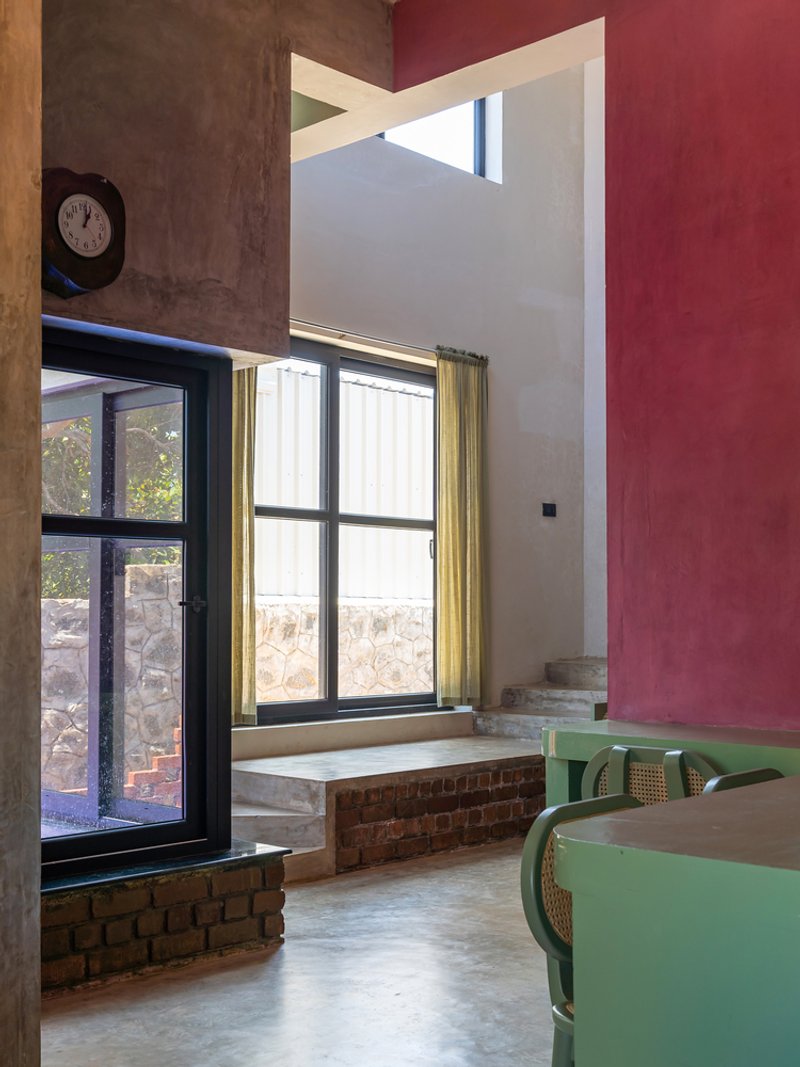
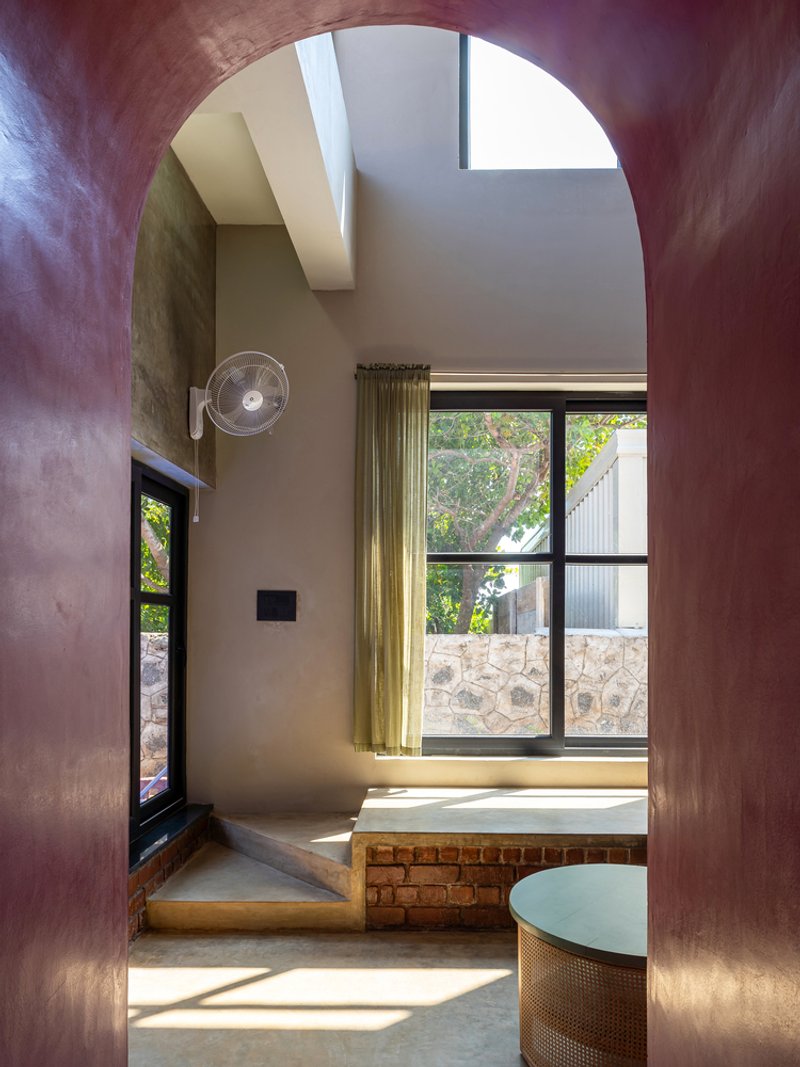
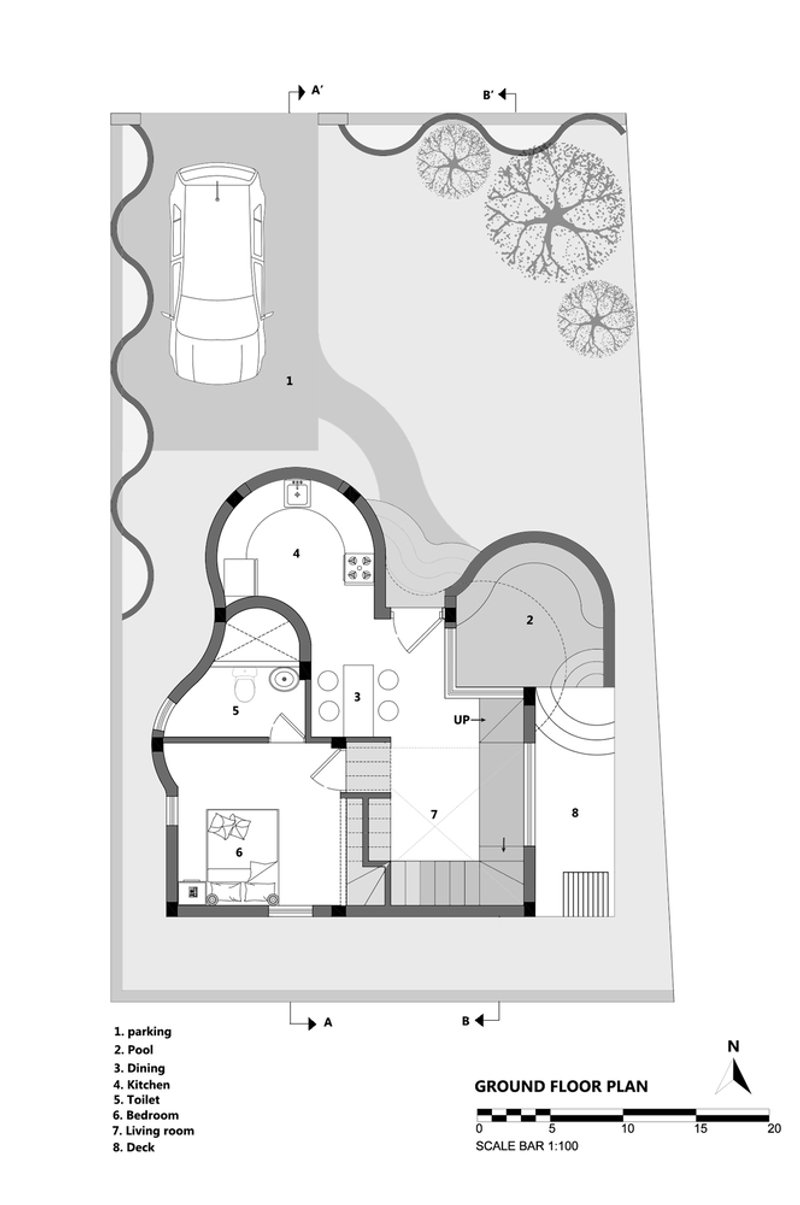
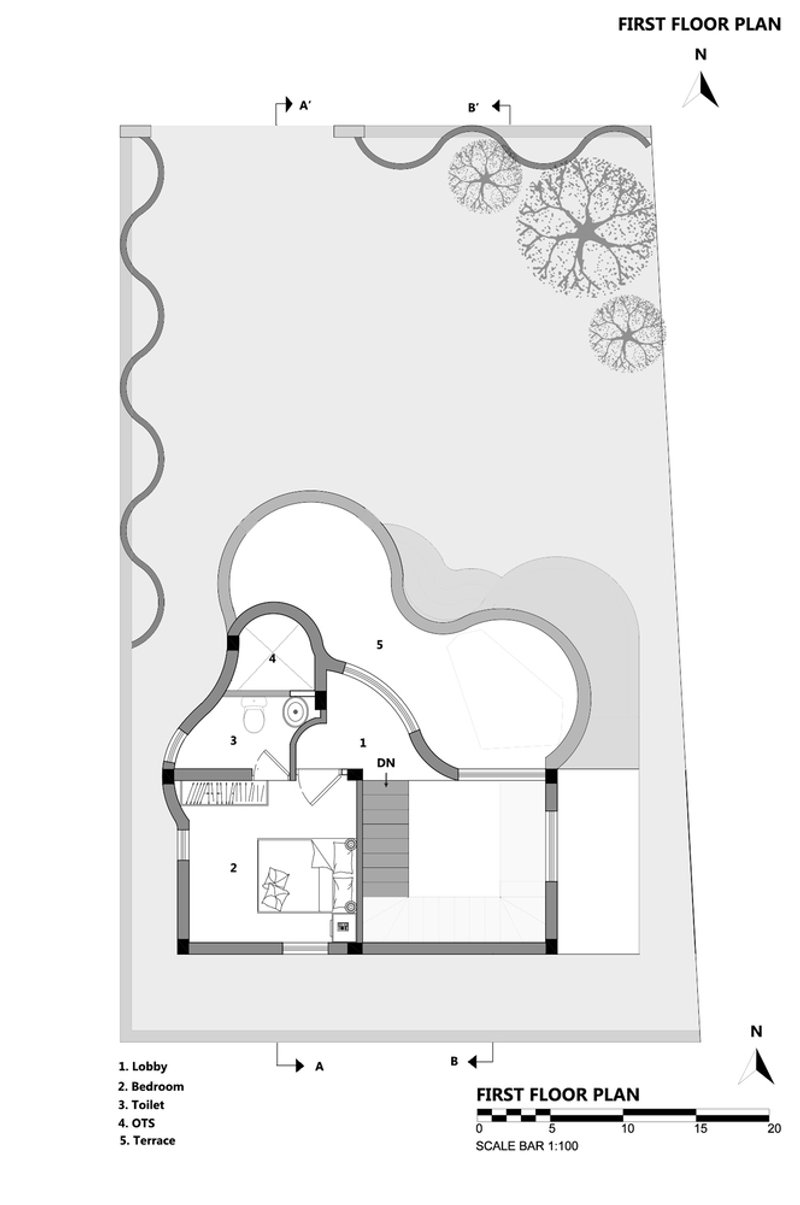
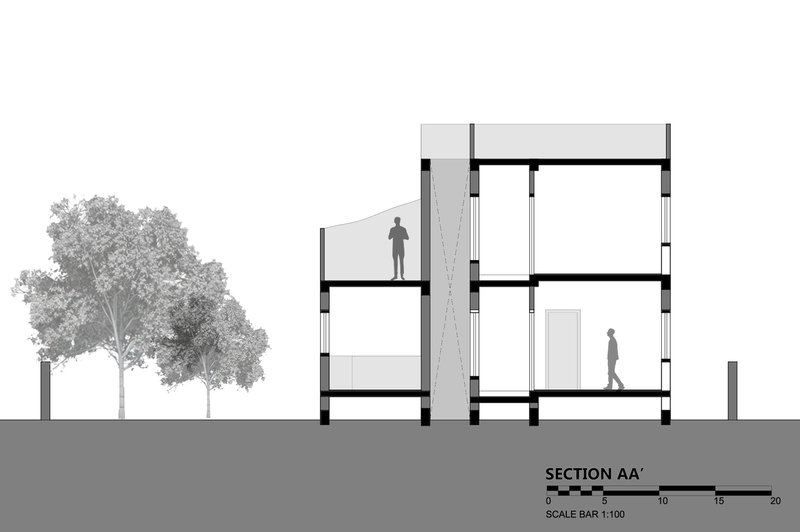
The ground floor of the house integrates an open-plan layout, connecting the living, dining, and kitchen spaces while maintaining a fluid circulation. A step-integrated seating arrangement defines the living area, leading to an archway that opens into a bedroom. The Oxford blue entrance door provides a striking contrast against the warm brick tones, harmonizing with the plunge pool that forms a centerpiece of the residence. French doors open onto this pool, visually linking the indoor and outdoor spaces.
A Play of Light and Shadow
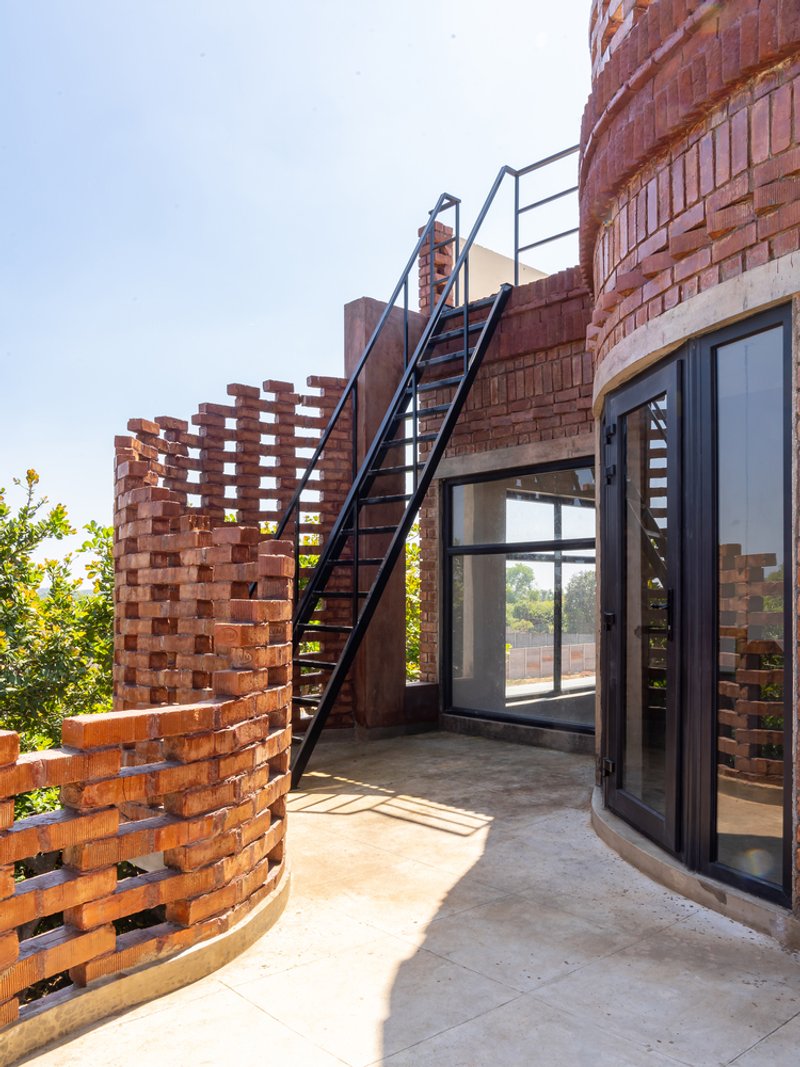
The orientation of the house allows natural light to filter through the perforated brickwork, casting dynamic patterns across the interiors. These thoughtful design elements provide privacy while maintaining a connection with nature. The wavy brick wall that surrounds the swimming pool ensures seclusion without obstructing airflow, making the space feel both open and intimate.
Vertical Connection and Functional Design
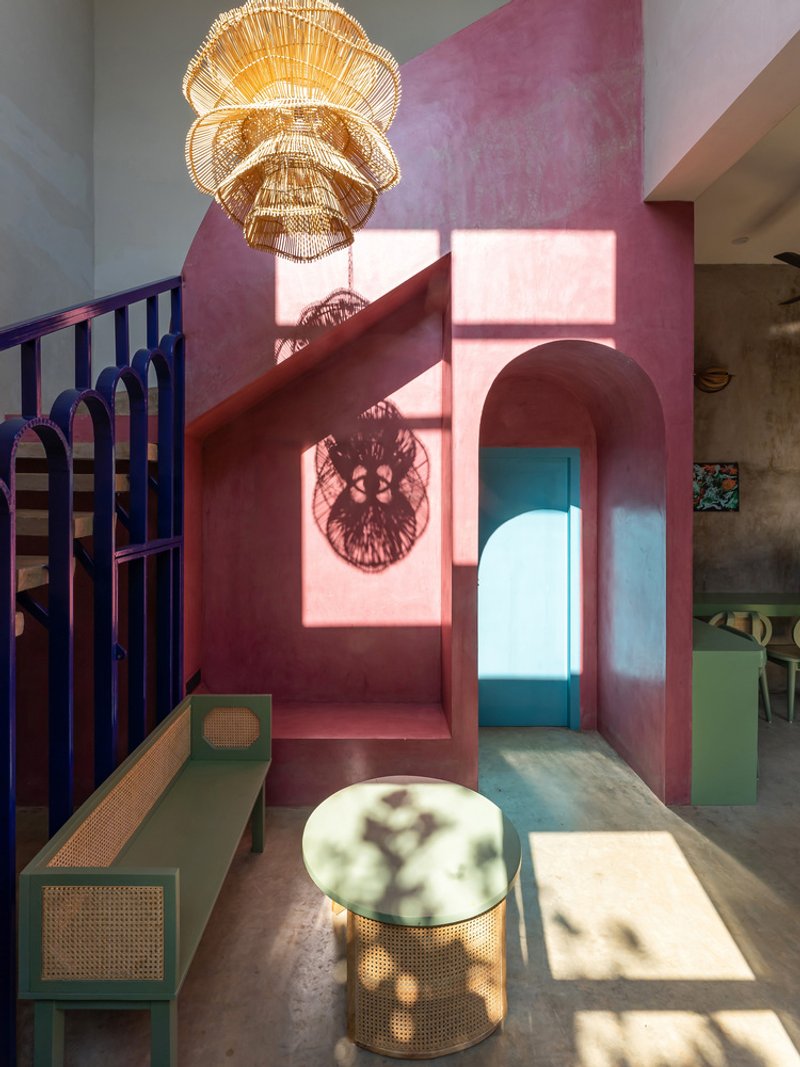
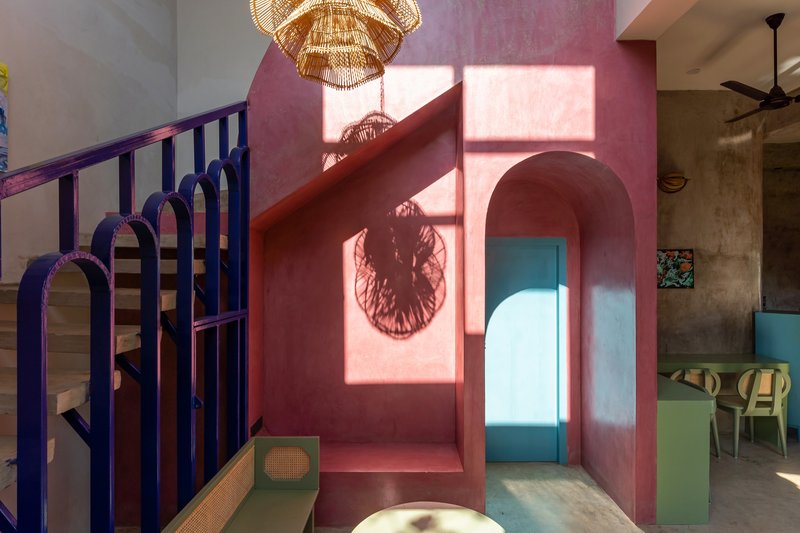
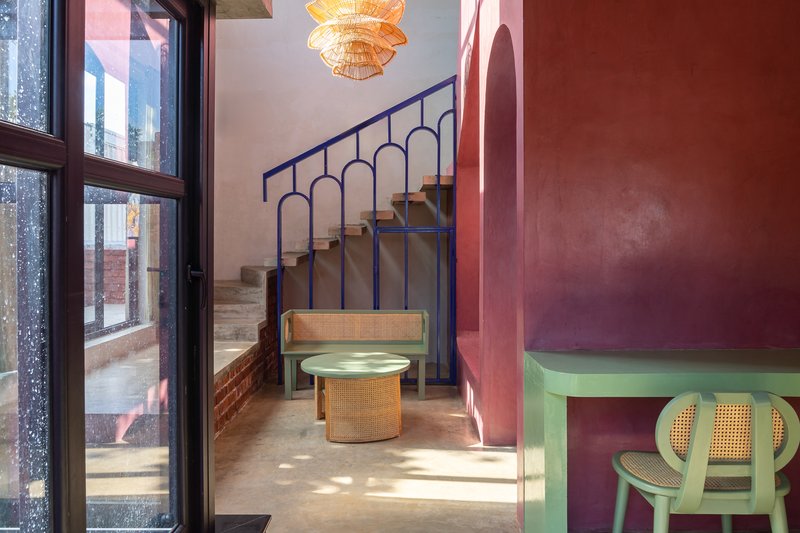
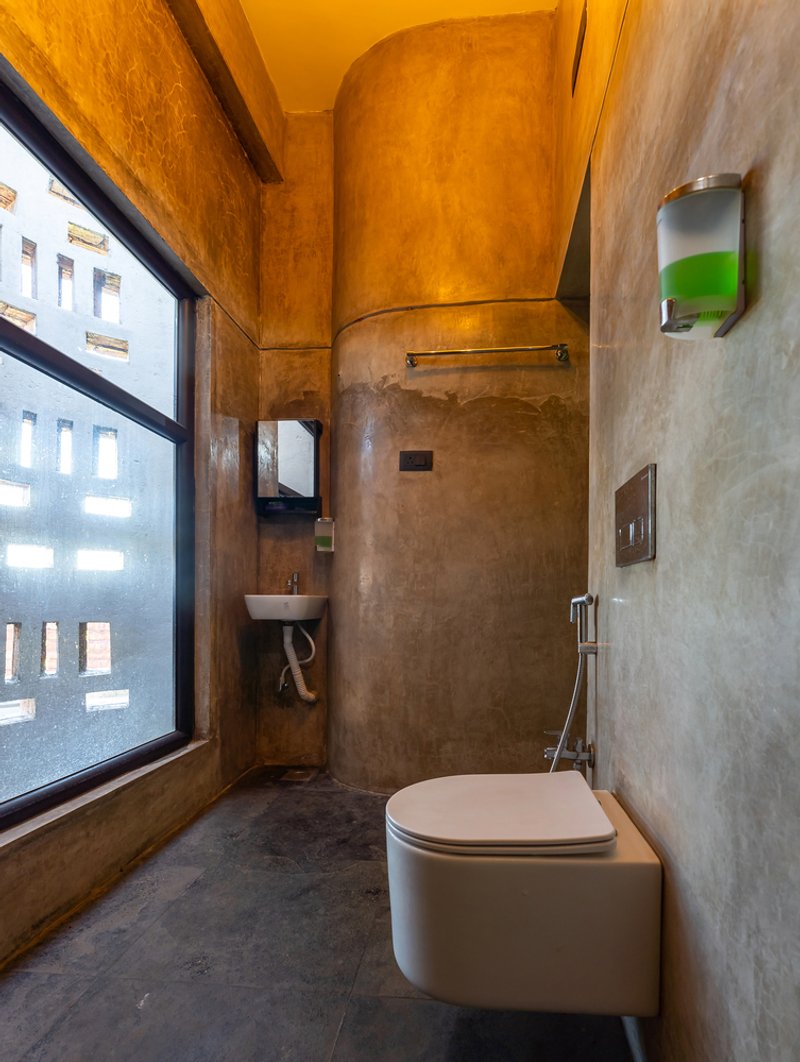
A staircase connects the double-height living space to the first floor, maintaining a visual link between private and social areas. Underneath the staircase, a built-in niche doubles as additional seating, optimizing the use of space. The upper floor houses another bedroom and a terrace overlooking the garden, following the same organic brick pattern seen on the facade. Open-to-sky bathrooms provide natural ventilation and ambient sunlight, enhancing the sensory experience of the home.
Sustainable Building Practices and Thermal Comfort
The curvilinear garden wall, known as the "Crinkle-Crackle Wall," exemplifies sustainable design. Its unique shape requires fewer bricks while ensuring structural stability, demonstrating an innovative approach to material efficiency. Small pockets within the wall house cacti, which retain heat and thrive in the region’s humid climate. This integration of natural elements with architecture enhances both the aesthetic and environmental performance of the house.
A Fusion of Color and Materiality
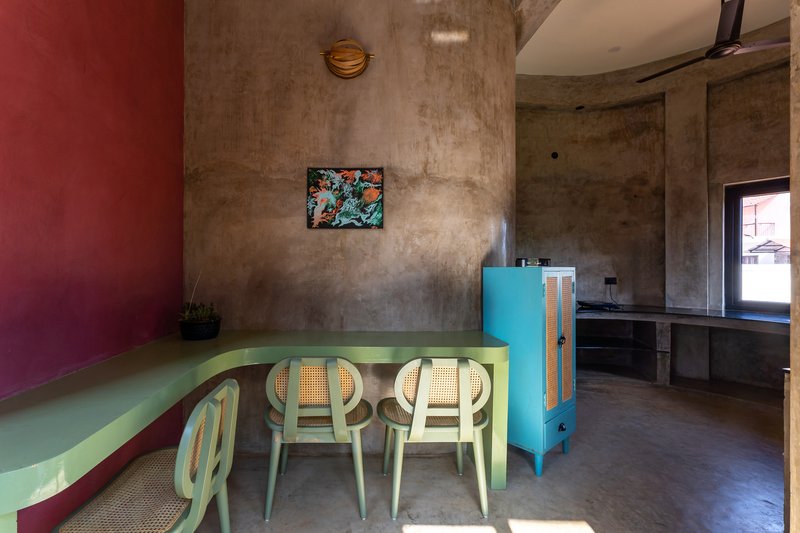
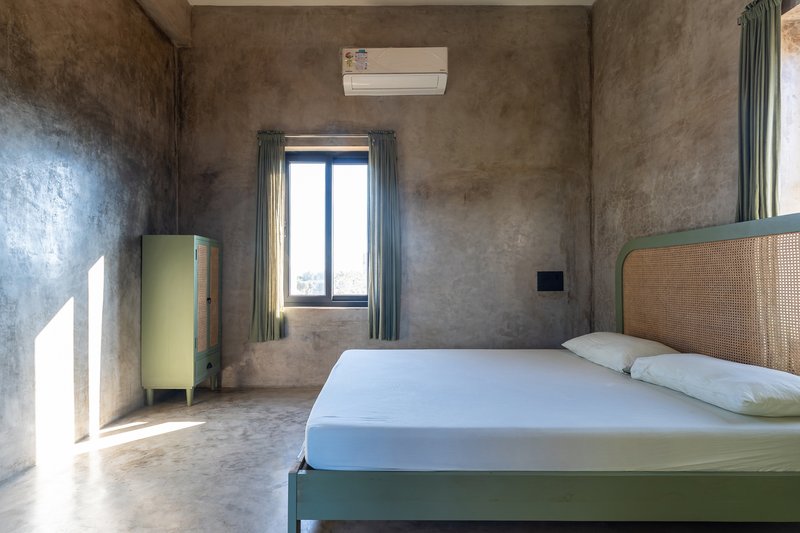
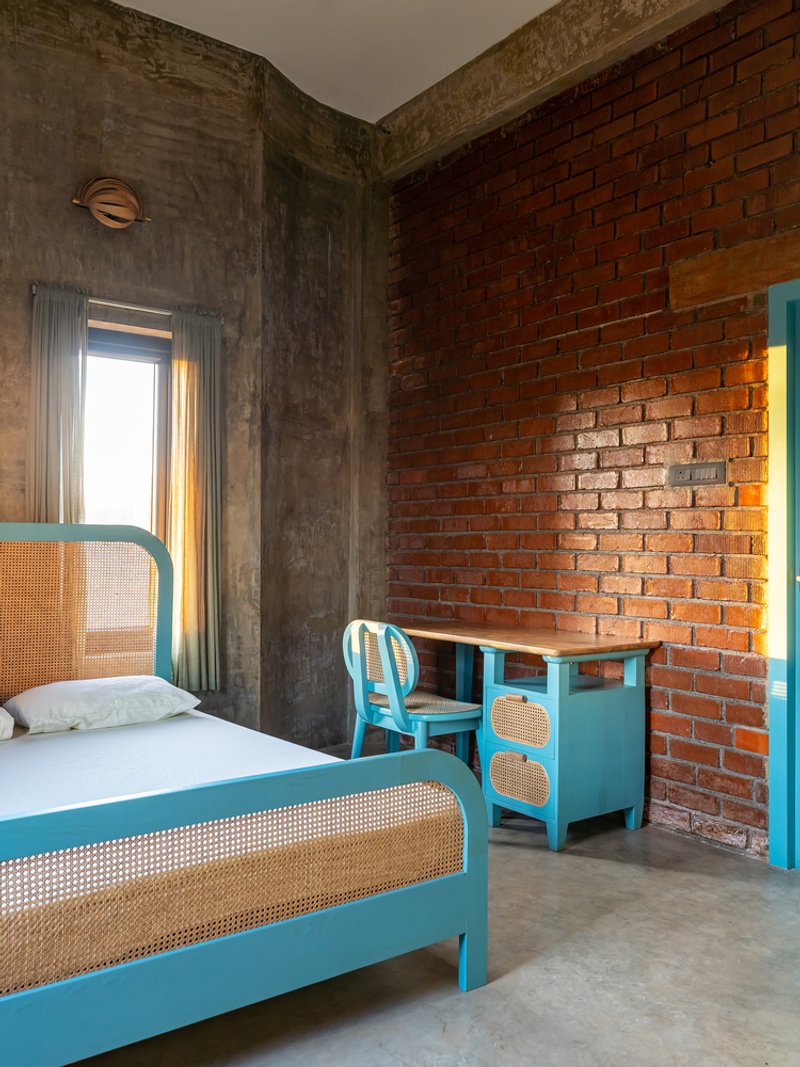
The interior palette blends muted tones of grey, pink, and cyan, complemented by rattan furniture that embraces a Bohemian coastal aesthetic. The choice of materials and colors reinforces the relaxed, laid-back atmosphere of the house, while natural ventilation and an abundance of sunlight keep the space bright and thermally comfortable throughout the day.
A Testament to Experimental Brick Architecture
The House of Dancing Cactus is more than just a residence—it is a contemporary reinterpretation of Brutalist Brick House Design. By combining local materials, sculptural craftsmanship, and climate-responsive strategies, this project pushes the boundaries of traditional brickwork. Its dynamic interplay of form, function, and nature sets a precedent for future architectural explorations in sustainable and expressive brick construction.
All Photographs are works of Kaptured Studios




Popular Articles
Popular articles from the community

An Miên Lumière Cafe by xưởng xép, Ho Chi Minh City, Vietnam
An industrial-inspired café where layered steel and warm light create a dynamic, immersive environment shaped by reflection, depth, and perception.
A Contemporary Take on Iranian Residential Architecture
A modern interior design in Mashhad that reinterprets brick, light, and spatial flow to create a warm, contemporary residential architecture.


The Ken Roberts Memorial Delineation Competition (Krob)
As the most senior architectural drawing competition currently in operation anywhere in the world, it draws hundreds of entries each year, awarding the very best submissions in a series of medium-based categories.
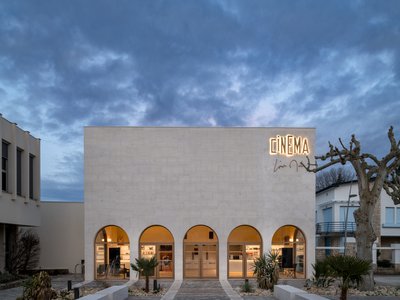
Louis Malle Cinema: A Limestone Cultural Landmark Revitalizing Community Life in Prayssac
Limestone cinema extension with public forecourt, blending heritage and modern design to create flexible cultural spaces and strengthen community interaction.

Similar Reads
You might also enjoy these articles

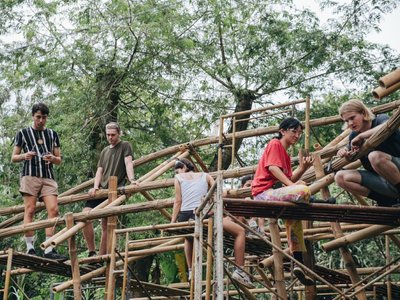
Bamboo Housing Challenge 2026: Design Affordable, Sustainable Homes Using Bamboo
An international design competition by Bamboo U and IBUKU inviting architects and designers to reimagine affordable housing using bamboo — with the winning design built full-scale in Bali.
Computational Design & Education: Beegraphy Design Awards Introduces 7th Category (Featuring Jiyun's Innovative Approach)
Dive into Beegraphy’s 7th Design Awards category, where computational design meets education to create immersive, interactive learning tools, inspired by Jiyun’s work.

From Parametric Lighting to Urban Furniture: Join the 2nd Workshop in Beegraphy’s Computational Design Series
Dive into Cutting-Edge Design Techniques and Practical Applications with Industry Experts
Introducing Sphere by UNI: Pioneering a New Era in AEC Industry
Unlocking Global Potential with BIM and Agile Management


Explore Architecture Competitions
Discover active competitions in this discipline




The International Standard for Design Portfolios


The Global Benchmark for Architecture Dissertation Awards


The Global Benchmark for Graduation Excellence


Challenge to reimagine the Iron Throne
Comments (0)
Please login or sign up to add comments
No comments yet. Be the first to comment!