
Capella Building: A Milestone in King's Cross Residential Architecture
Capella Building is a pivotal project in the King's Cross redevelopment, blending market and social housing with modern design.


Capella Building, designed by Allies and Morrison, is one of the final residential projects to be completed as part of the extensive King's Cross redevelopment. Situated at the heart of this dynamic urban transformation, the Capella Building offers a mix of social and market homes, contributing to the diverse architectural landscape of the neighborhood. This 21,840 m² residential complex combines modern design with a deep respect for the area's evolving context, becoming an integral part of the King's Cross masterplan.
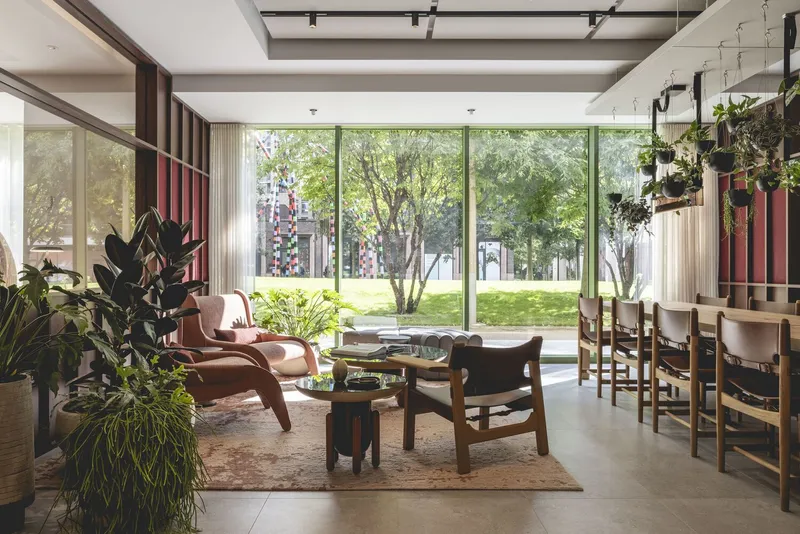
The King's Cross Masterplan: A Vision for Urban Living
King's Cross, a neighborhood that has undergone significant regeneration over the past two decades, has emerged as one of London's most exciting areas for urban living. The Capella Building is a key milestone in this transformation, joining a collection of architecturally eclectic residential buildings situated around the scenic Lewis Cubitt Park. The area is a model of mixed-use urbanism, offering a blend of commercial, social, and residential spaces that cater to diverse demographics.

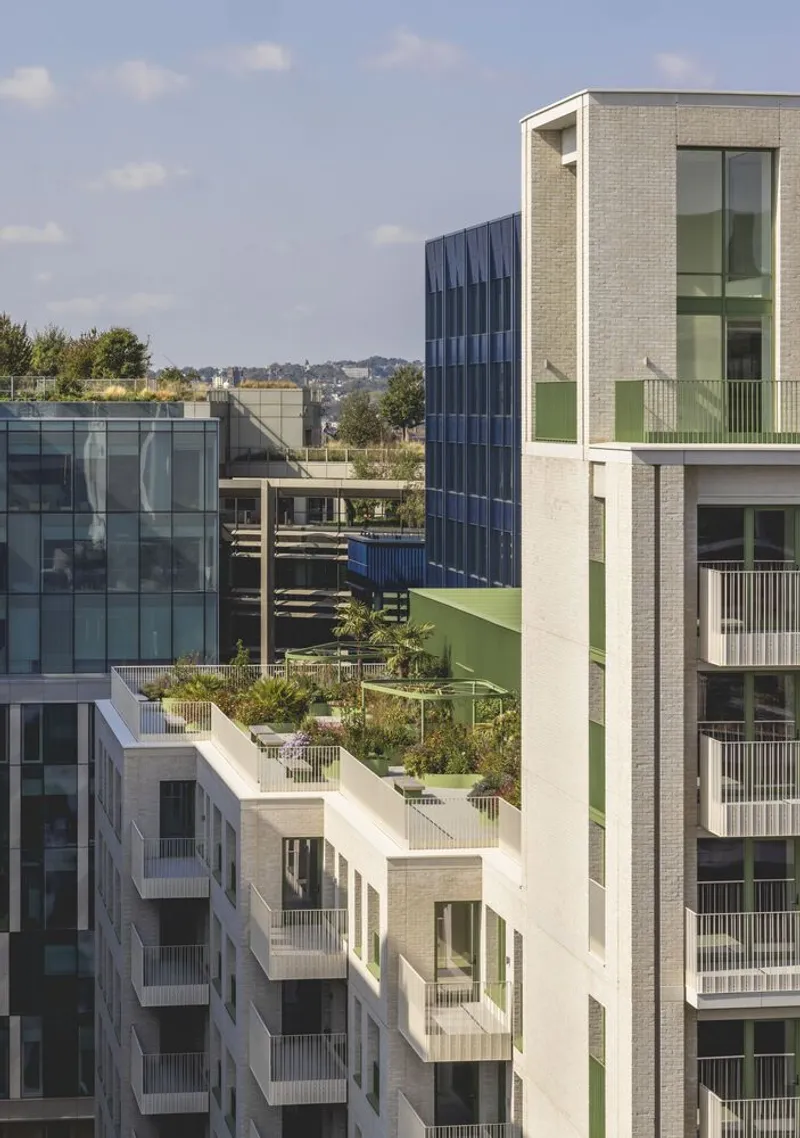
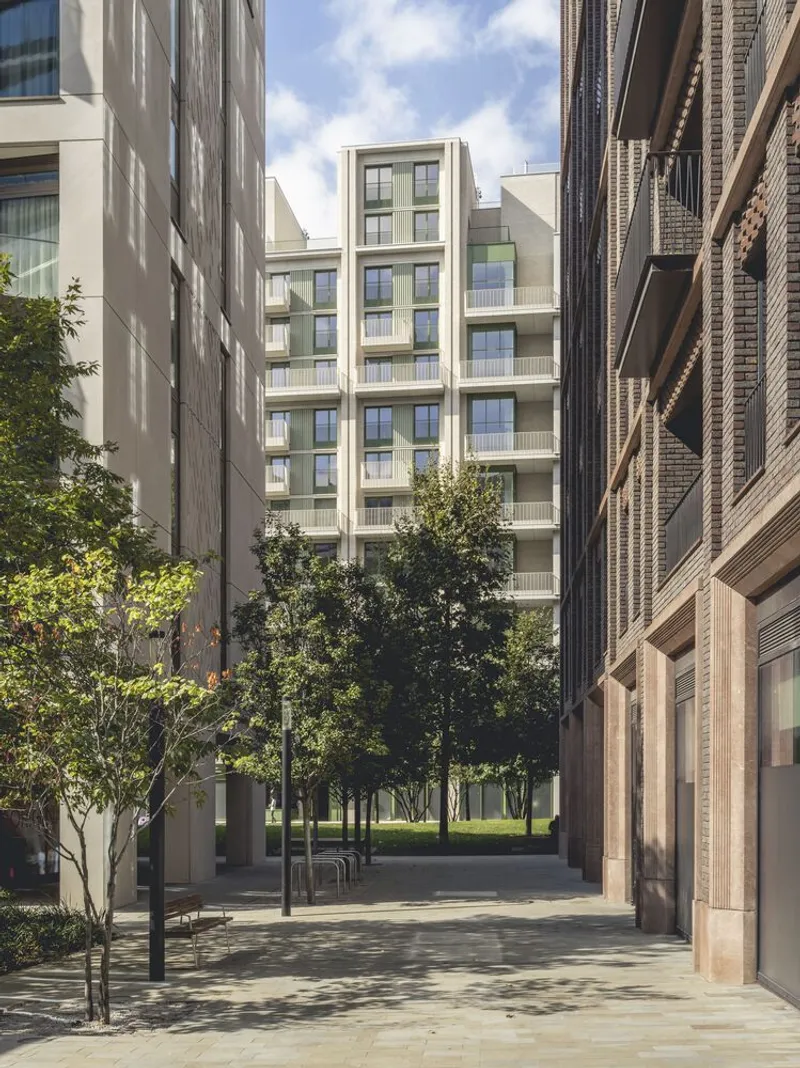
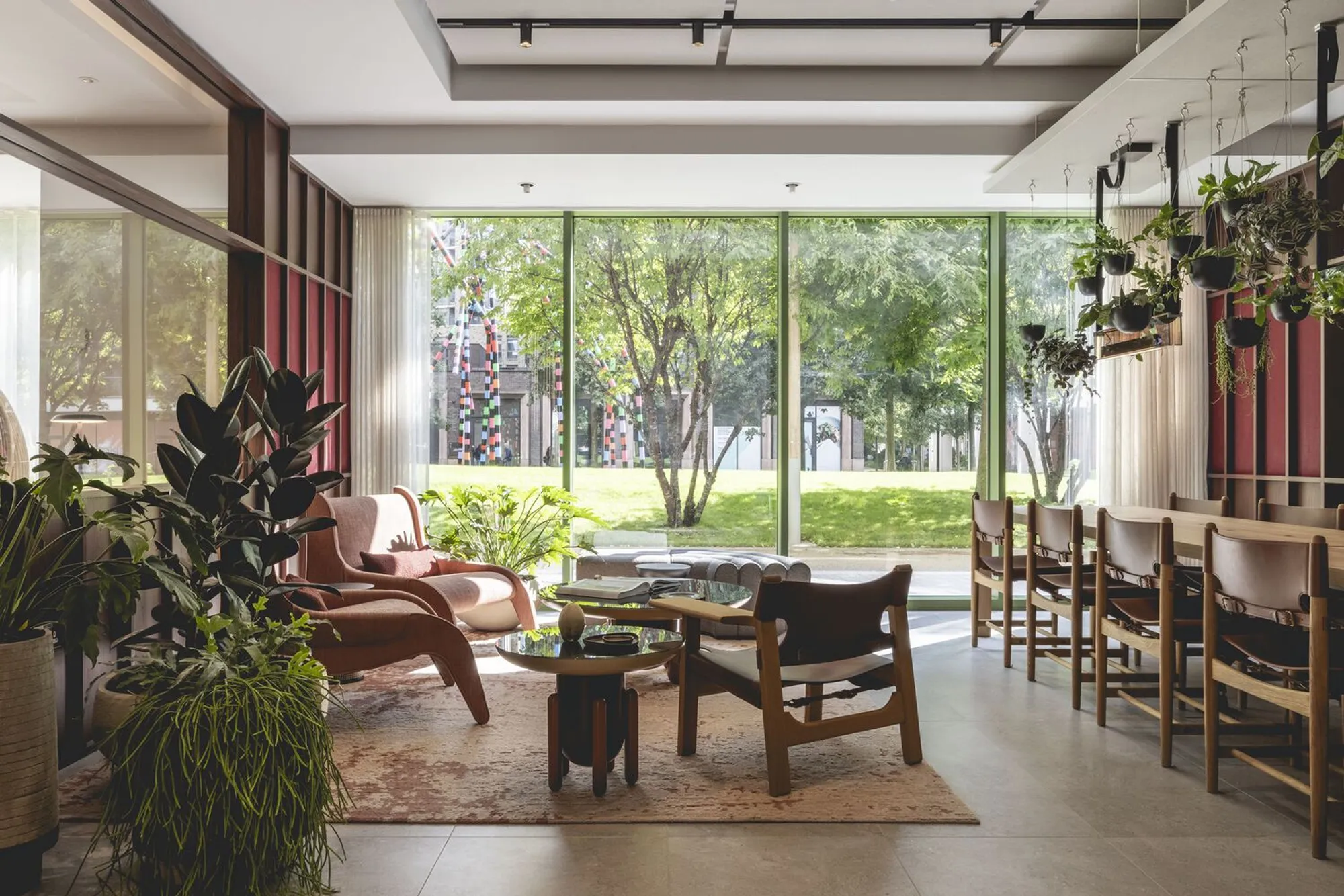
The Capella Building, with its 120 market flats and 56 socially rented apartments, stands as an example of how urban design can seamlessly blend social and market housing in a single development. The project also incorporates three retail units and tenant amenities at the ground floor, ensuring that the building remains a vibrant part of the community. The building’s location within the King's Cross masterplan allows it to contribute to the overall identity of the area while offering much-needed residential space in a bustling urban environment.

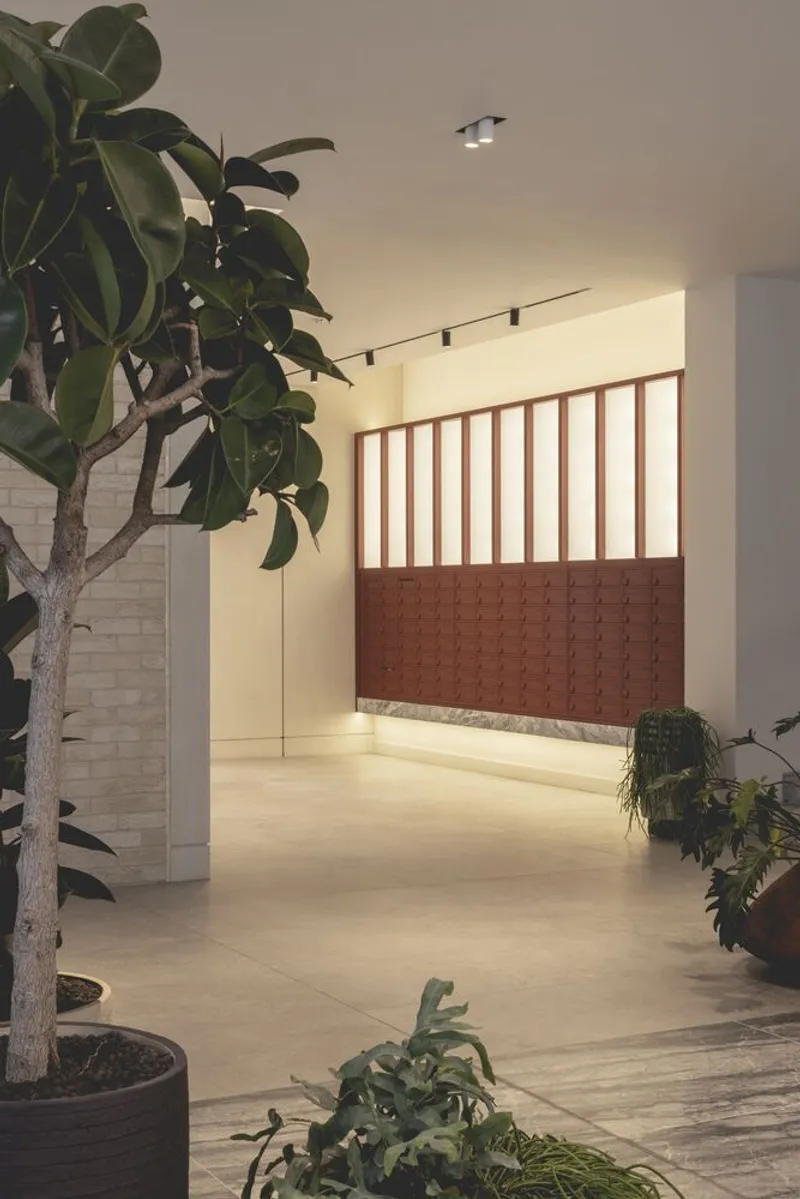
Architectural Design: Creating a Strong Identity Through Materials
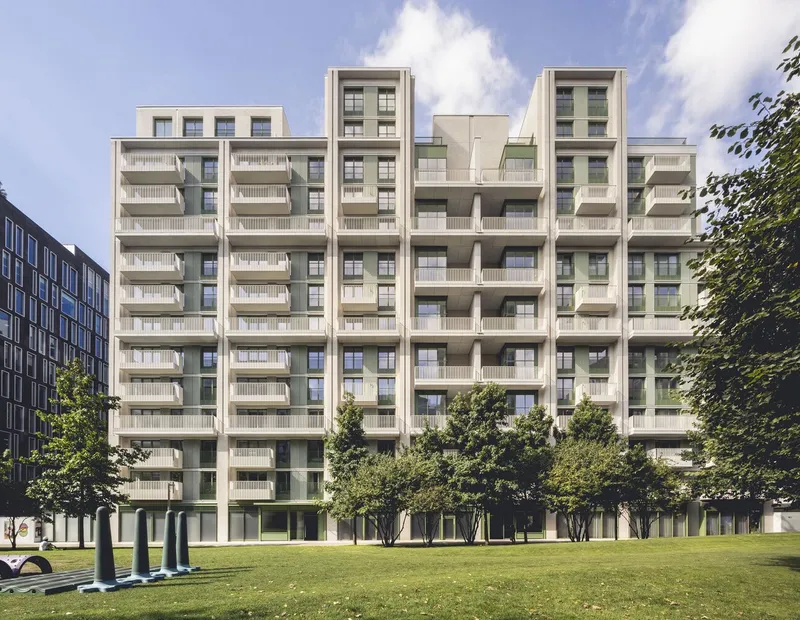
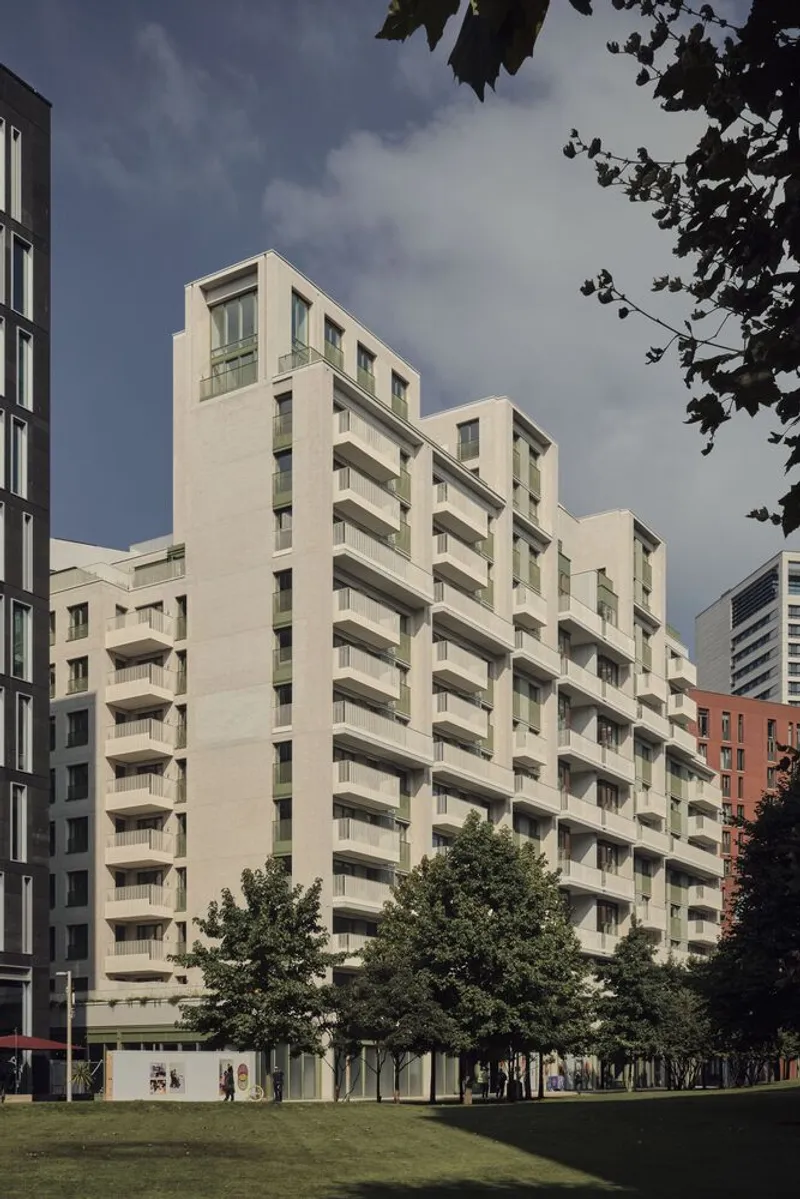
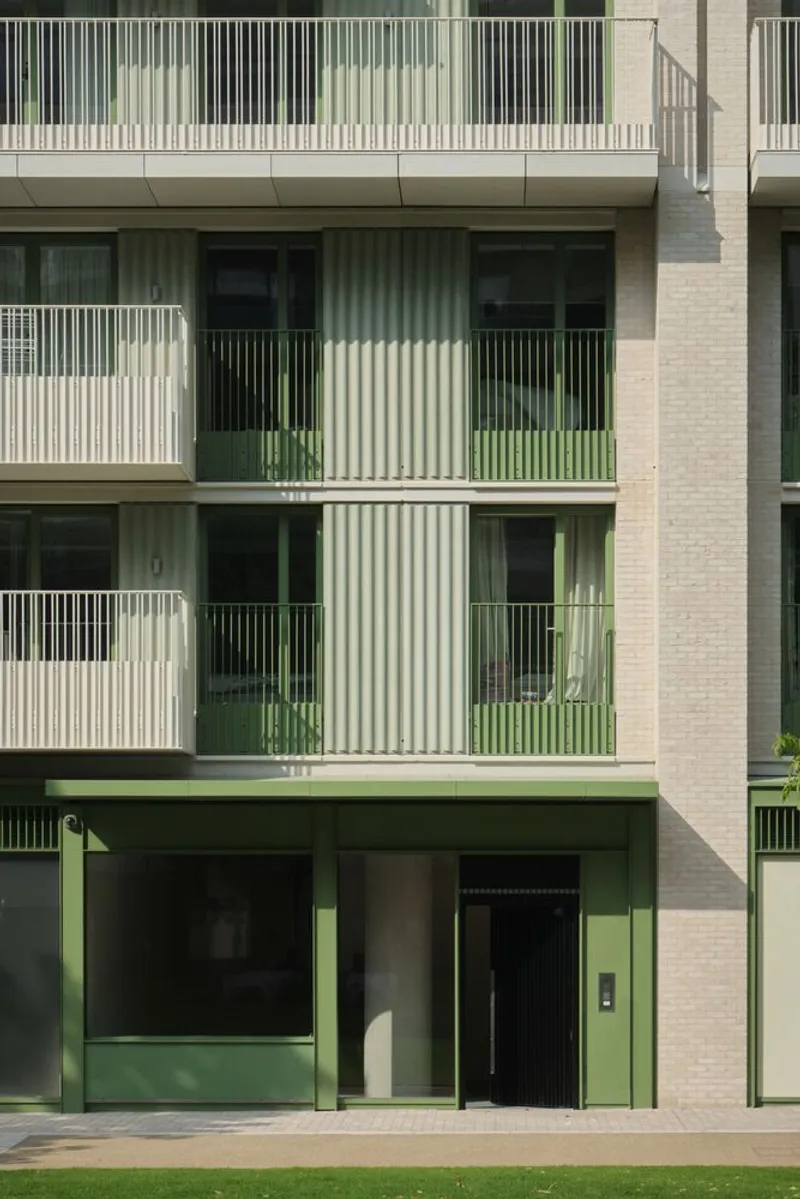
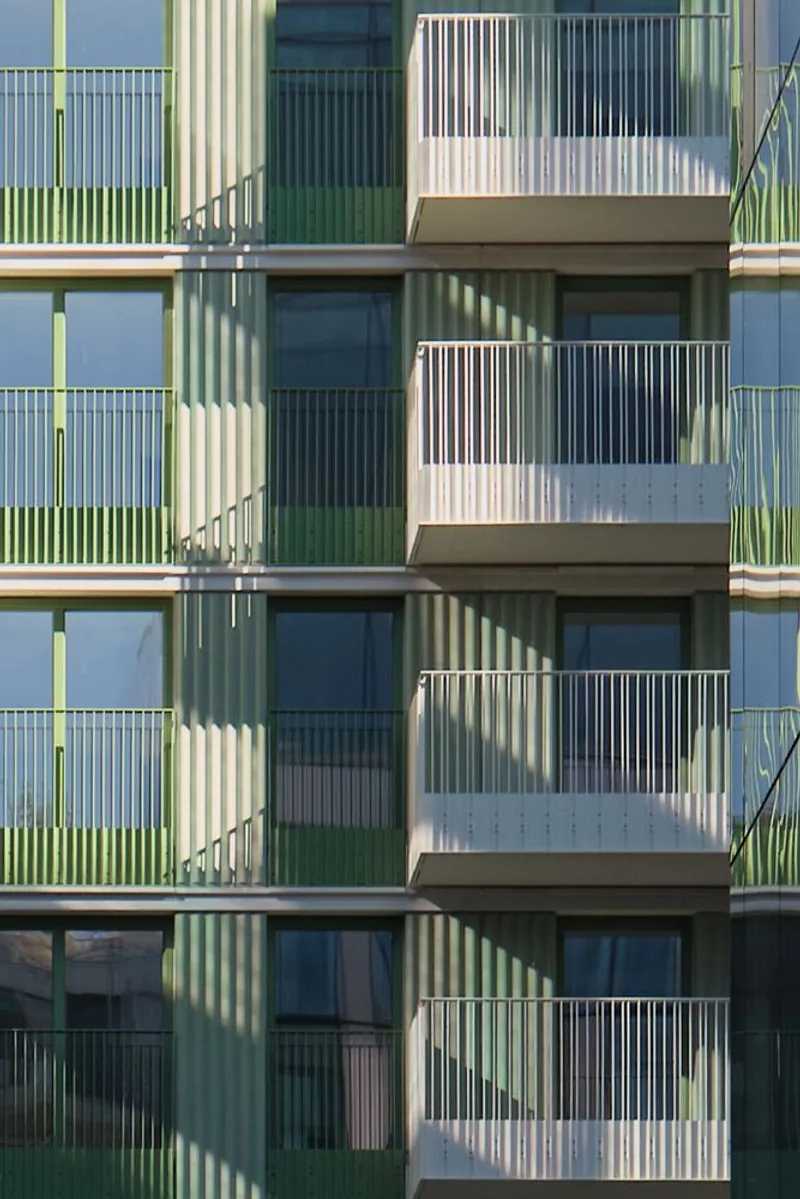
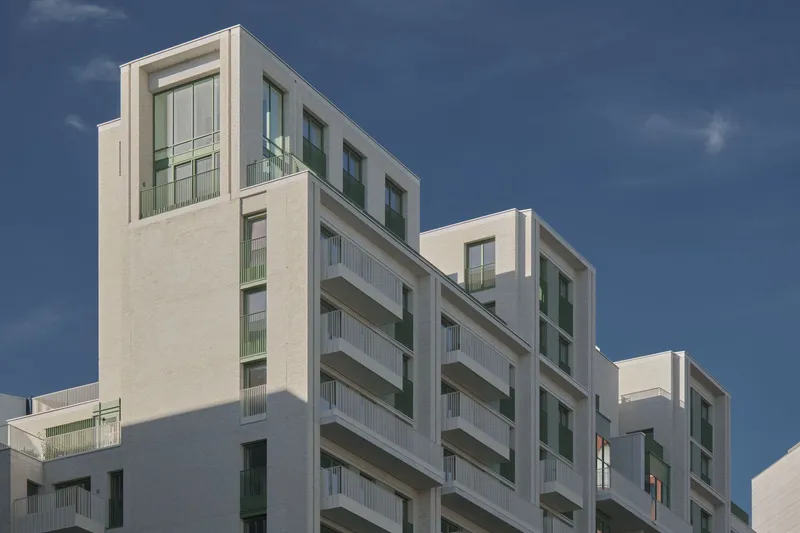
The architectural design of Capella is defined by its distinctive use of materials, combining cream-colored brick, light green concrete panels, and white balconies to create a cohesive and striking façade. The color palette is carefully chosen to complement the light tones of the nearby Luma building while contrasting with the darker tones of the surrounding developments. This subtle material contrast helps Capella carve out its unique identity within the diverse architectural fabric of King's Cross.
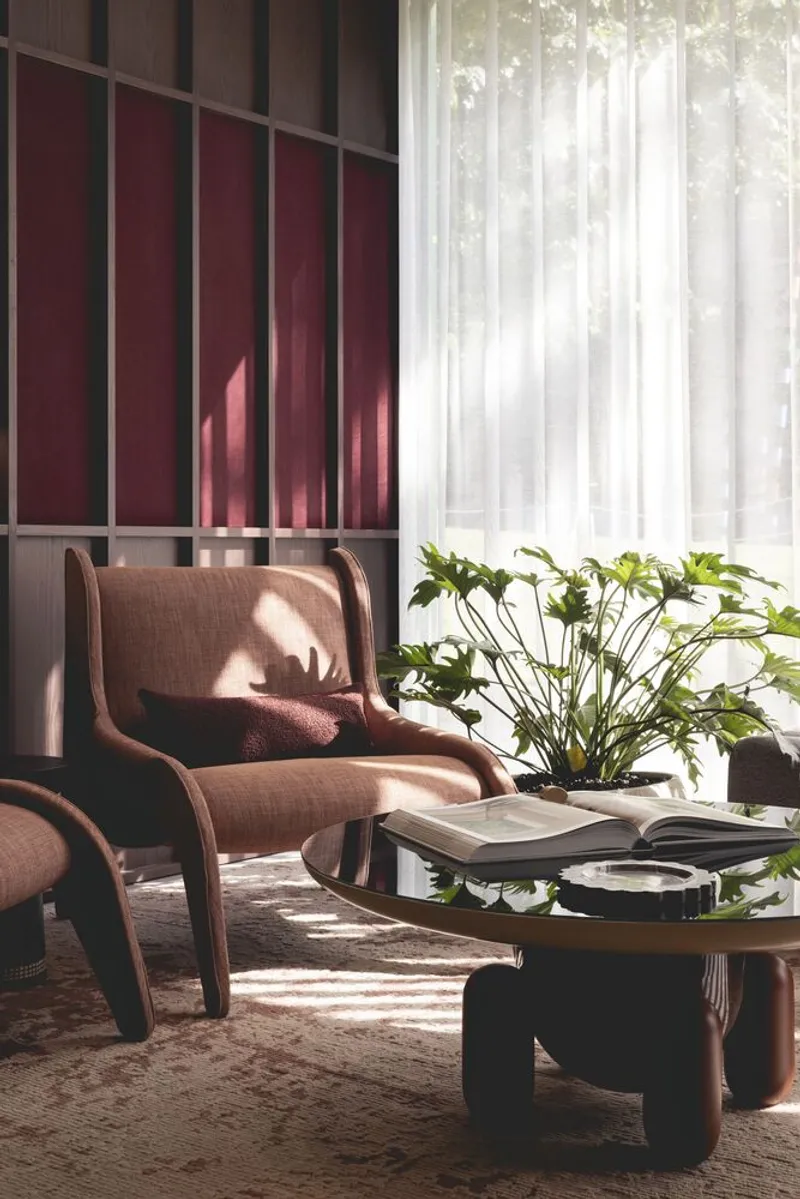
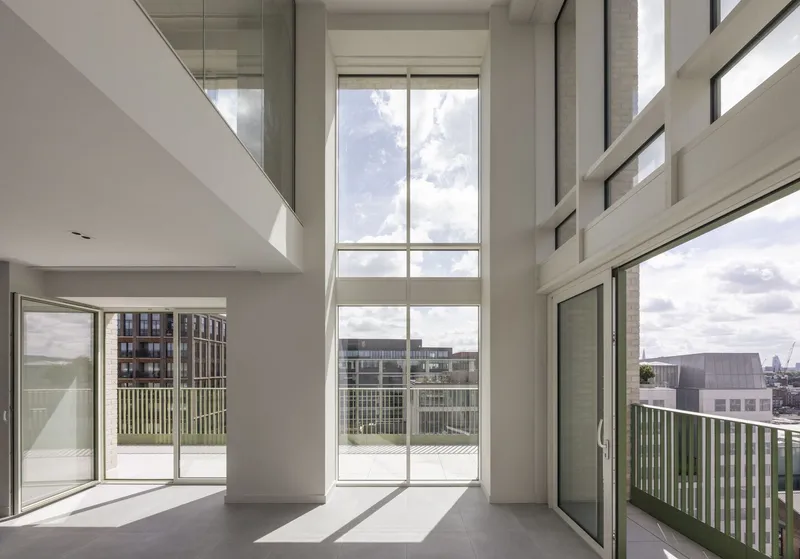
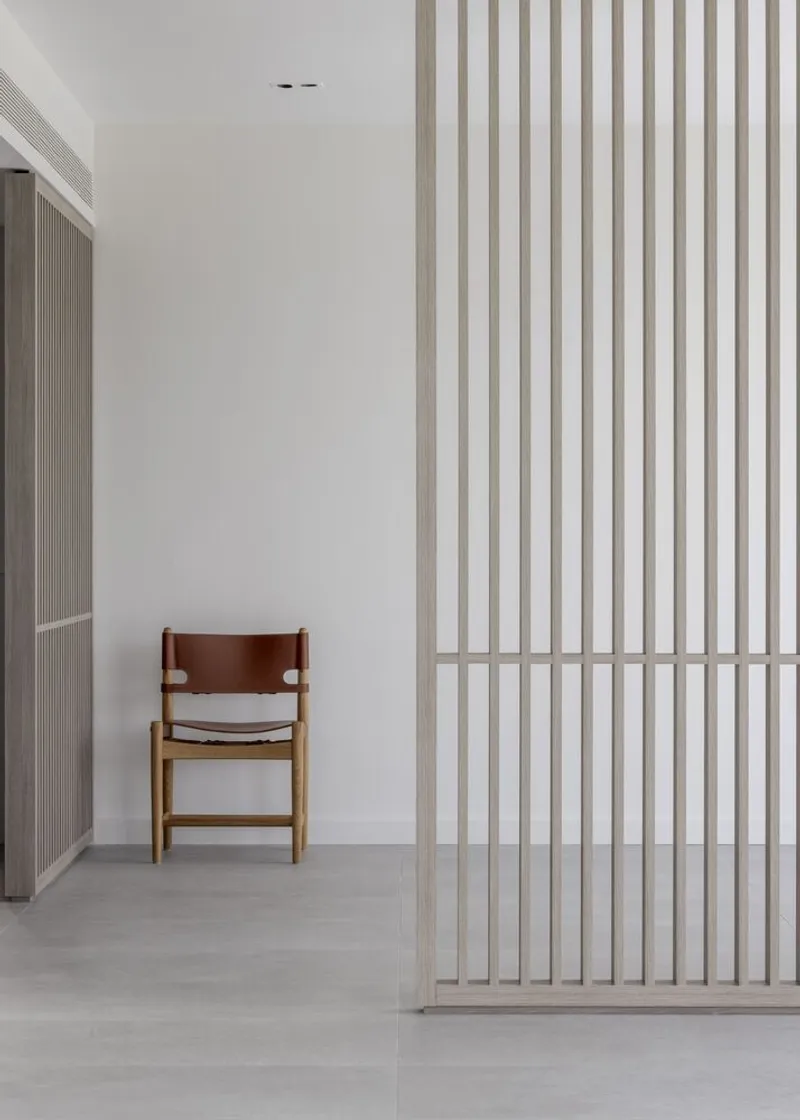
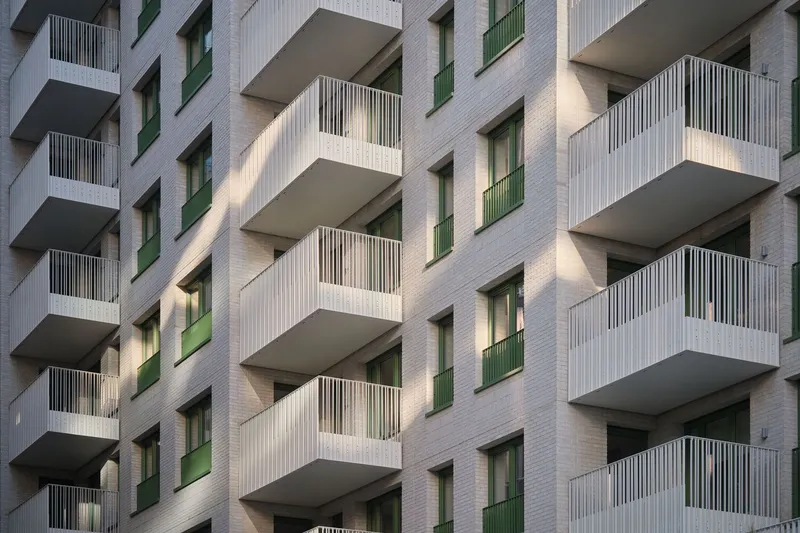
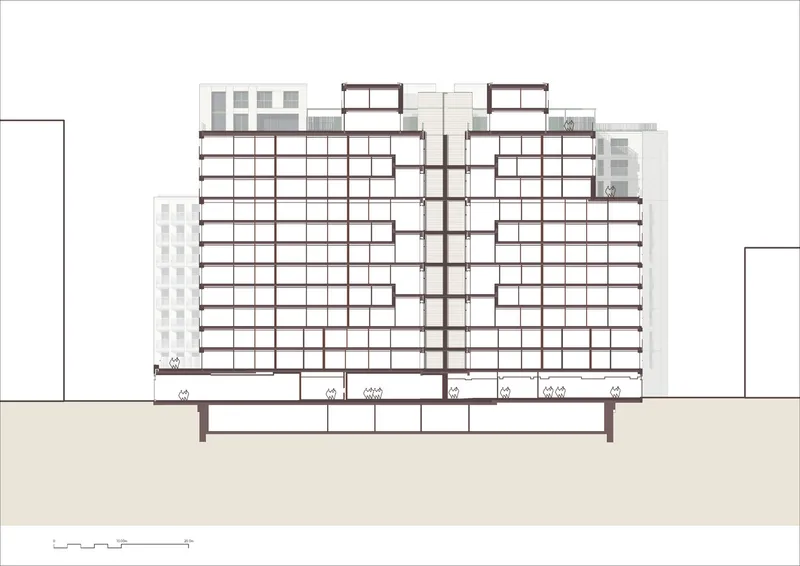
The building's façade features a rhythm of masonry piers, which rise through its height and are accentuated by white precast balconies that project every third floor. These balconies, along with the lighter green concrete panels, create a sense of movement and texture, making Capella’s façade both dynamic and welcoming. The building’s form is rational and efficient, but its picturesque facades give it a distinct character that fits perfectly into the evolving King's Cross skyline.
Apartment Variety and Thoughtful Spatial Planning
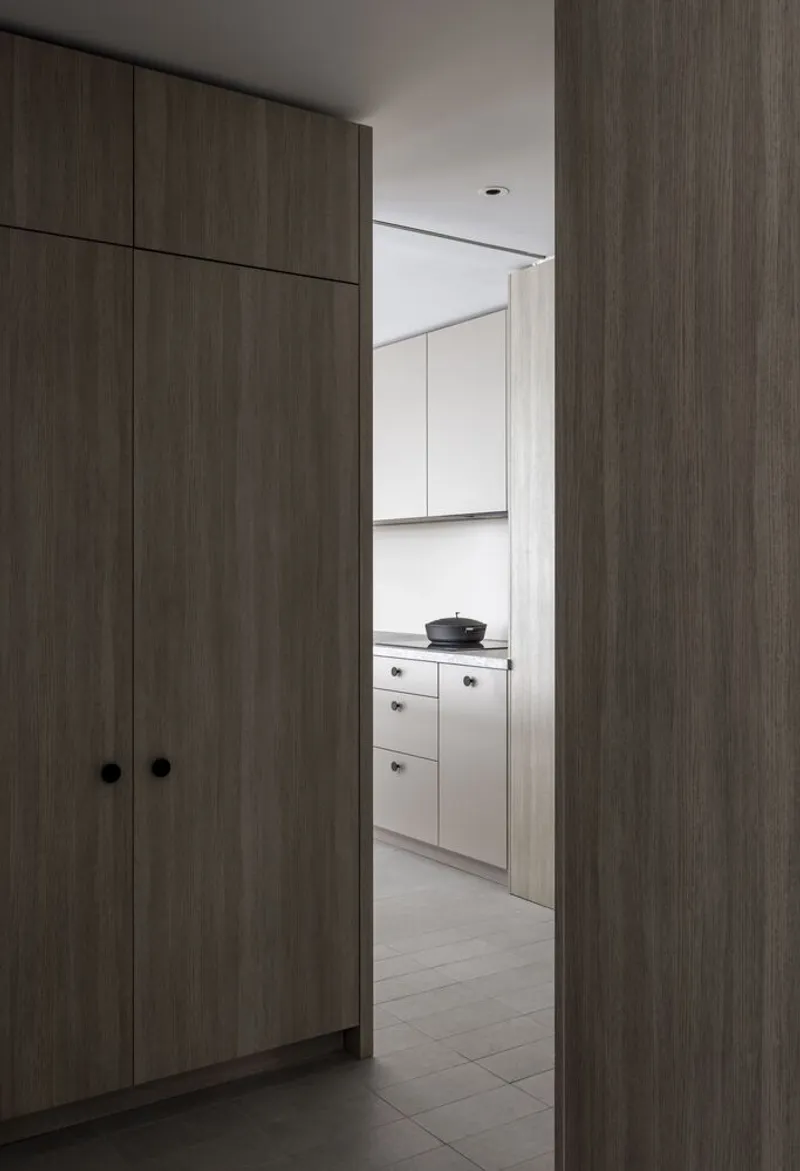
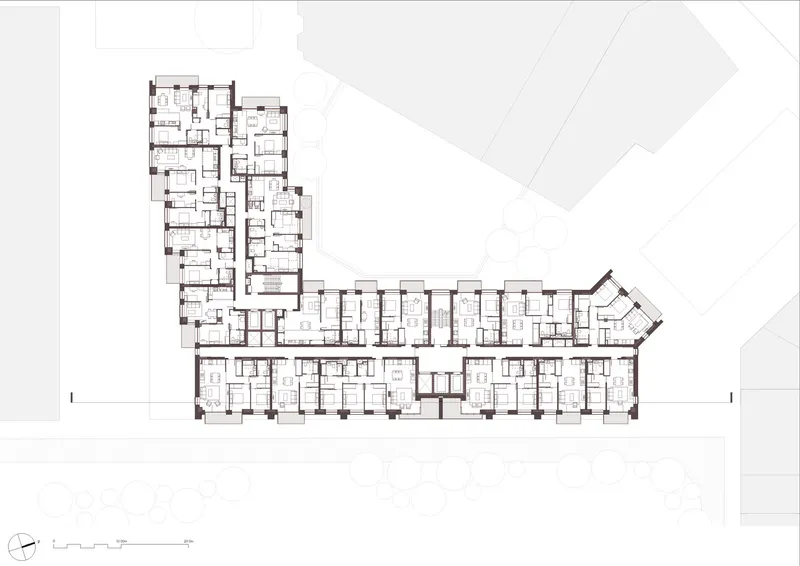
Capella Building offers a range of apartment types, from compact studio apartments to spacious four-bedroom family homes. This variety is reflected in the design of the façade, where the rhythm of the balconies changes depending on the apartment types they serve. For example, the east-facing façade features deeper L-shaped balconies that correspond to the two-story apartments, while the more delicate white metal balconies project in front of olive-green window frames.
The layout of the apartments is designed to maximize natural light and ventilation. The building features a mix of double-loaded corridors, wide enough to allow for daylit access to the apartments, creating a pleasant and airy atmosphere in the common spaces. Every apartment leads to a balcony or terrace, most of which exceed the minimum required dimensions, providing residents with ample outdoor space to enjoy.

On the twelfth floor, five two-story houses with private rooftop gardens are incorporated into the design, offering residents exclusive access to expansive outdoor areas and stunning views over Lewis Cubitt Park. The inclusion of a 260-square-meter planted roof garden is another key feature that enhances the overall living experience for all residents, regardless of tenure.
Community Integration and Placemaking
Capella is not just a residential building; it is a part of the broader King's Cross masterplan, contributing to the local placemaking efforts. The building’s ground-floor retail units and tenant amenities help create a vibrant and mixed-use environment, while the strategic placement of apartments ensures that residents can enjoy views of the park and surrounding areas. The building’s design fosters a sense of community by providing accessible outdoor spaces, including shared gardens and terraces, which encourage interaction among residents.
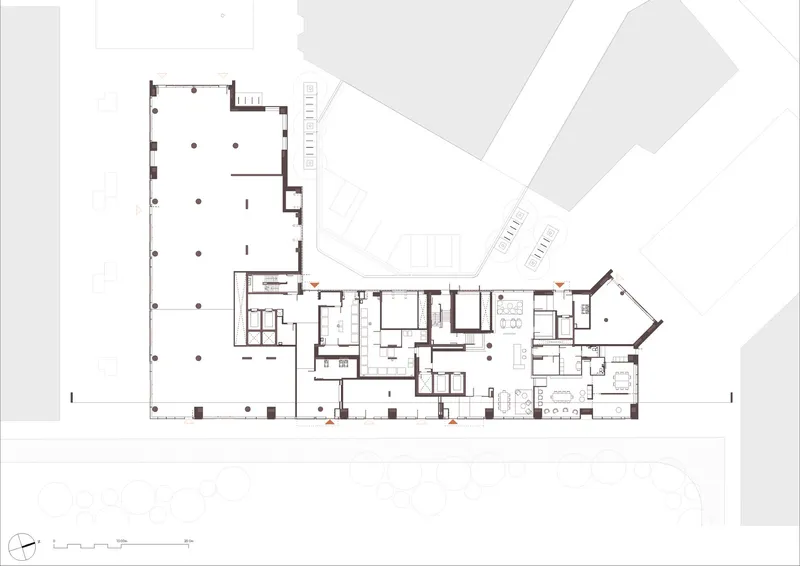
The building’s integration into the King’s Cross masterplan reflects the overarching goal of creating a cohesive and thriving urban neighborhood. The varied architectural styles within the area are thoughtfully arranged to create a balanced urban landscape that offers both diversity and unity.
Capella as a New Icon of Urban Living in King's Cross
Capella Building exemplifies the successful integration of residential, social, and commercial spaces within a dynamic urban context. Its careful design, which incorporates varied apartment types, modern materials, and accessible communal spaces, makes it a standout project in the King's Cross development. By contributing to the area’s architectural diversity while maintaining a strong sense of identity, Capella not only enhances the immediate neighborhood but also plays an important role in shaping the future of urban living in London.
All Photographs are work of Billy Bolton, Allies and Morrison




Popular Articles
Popular articles from the community


Co-life: Sustainable Architecture for Age-Friendly Community Living
Co-life reimagines sustainable architecture for seniors through courtyards, rammed earth, shared gardens, and spaces designed for belonging.

Co-Life: Senior Housing Design That Reconnects Older Adults With the City
Co-Life reimagines senior housing design through healing gardens, shared streets, workshops, and a sustainable community across generations.

The Earth Pod: 3D Printed Homes for Resilient Refugee Communities
The Earth Pod reimagines refugee housing through 3D printed homes made from clay, combining resilience, self-sufficiency, and rapid shelter.

The Musturak Paradise: Senior Living Architecture for a Connected Future in Temara, Morocco
The Musturak Paradise reimagines senior living architecture in Temara via private homes, social spaces, culture, community, and shared care.


Similar Reads
You might also enjoy these articles

Bamboo Housing Challenge 2026: Design Affordable, Sustainable Homes Using Bamboo
An international design competition by Bamboo U and IBUKU inviting architects and designers to reimagine affordable housing using bamboo — with the winning design built full-scale in Bali.

Computational Design & Education: Beegraphy Design Awards Introduces 7th Category (Featuring Jiyun's Innovative Approach)
Dive into Beegraphy’s 7th Design Awards category, where computational design meets education to create immersive, interactive learning tools, inspired by Jiyun’s work.
From Parametric Lighting to Urban Furniture: Join the 2nd Workshop in Beegraphy’s Computational Design Series
Dive into Cutting-Edge Design Techniques and Practical Applications with Industry Experts

Last Call: Unleash Your Architectural Genius in SHAK's Kindergarten Design Competition
Urgent call for architects to join SHAK's kindergarten design competition before the looming deadline


Explore Iconic Building Competitions
Discover active competitions in this discipline


Challenge to design mud housing for contemporary communities


Challenge to reimagine the Iron Throne


Photograph architecture without architects


Illustrate the lost glory of Angkor Wat - Render Challenge
Comments (0)
Please login or sign up to add comments
No comments yet. Be the first to comment!