
Collective Housing Architecture in Argentina: A Case Study in Jesús María
The article explores an innovative collective housing project in Jesús María, Argentina, emphasizing sustainable design, functionality, and urban integration.

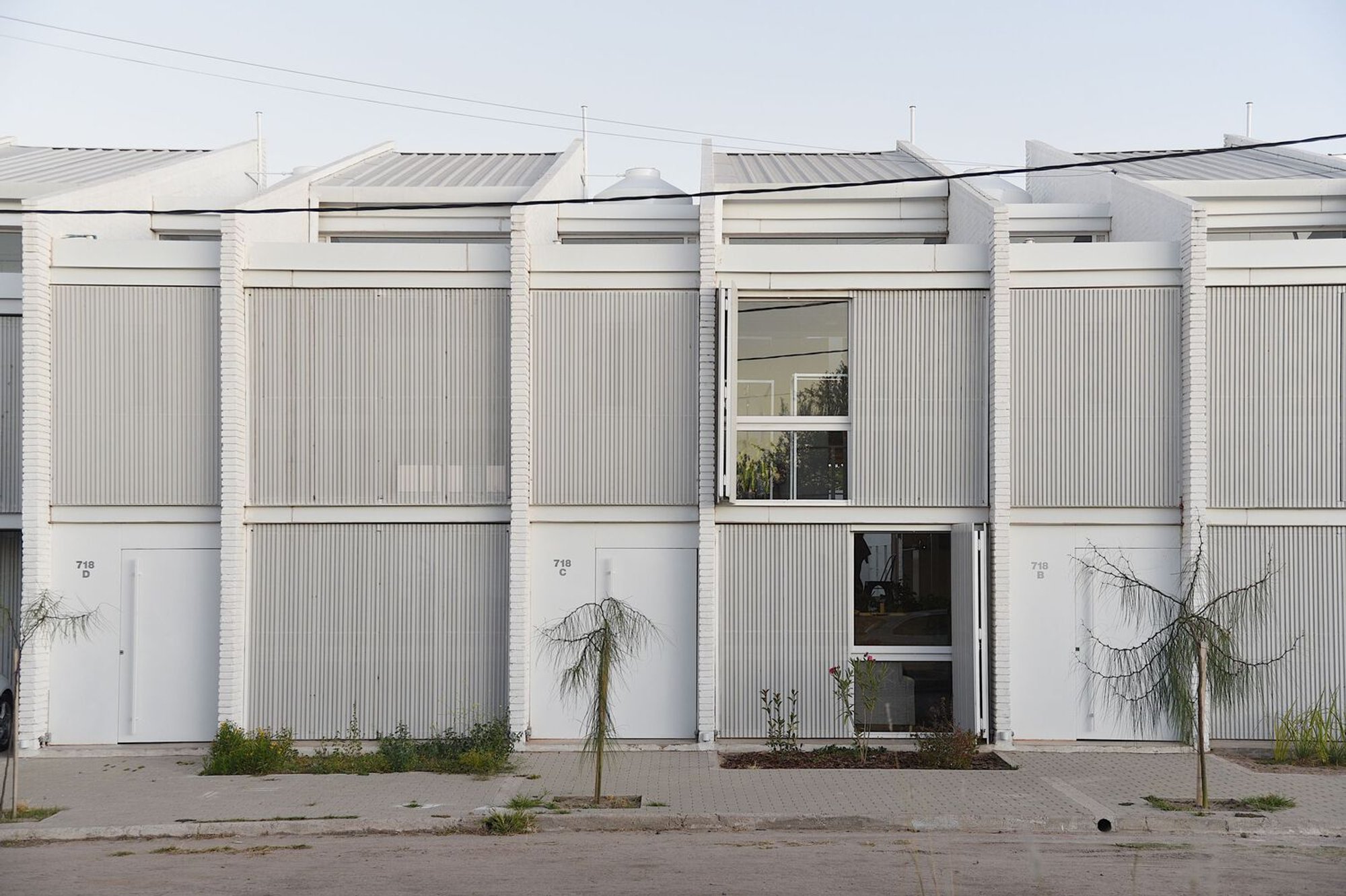
Collective housing is transforming the architectural landscape in Argentina, offering innovative solutions to urban challenges. Jesús María, a medium-scale city 50 km from Córdoba, is an excellent case study where Carranza Vazquez Arquitectos designed an exemplary housing project in 2021. This project demonstrates how architecture can balance modern demands with contextual and environmental considerations.
Project Overview: Collective Housing in Jesús María
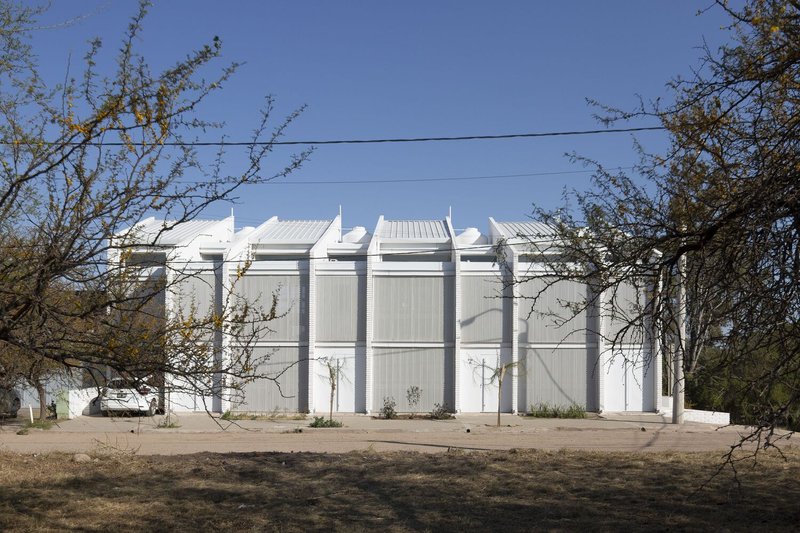
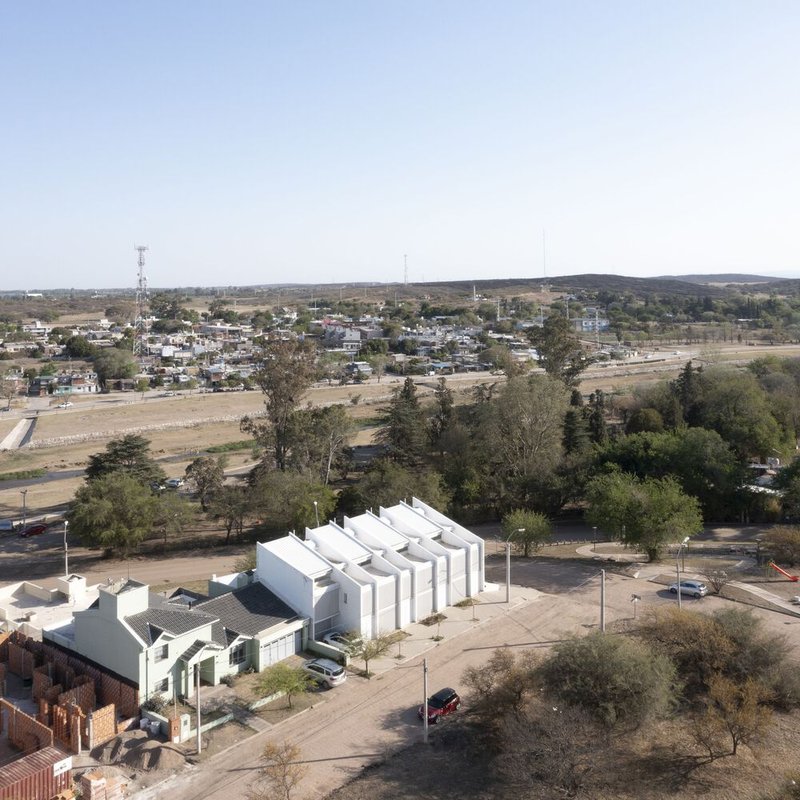
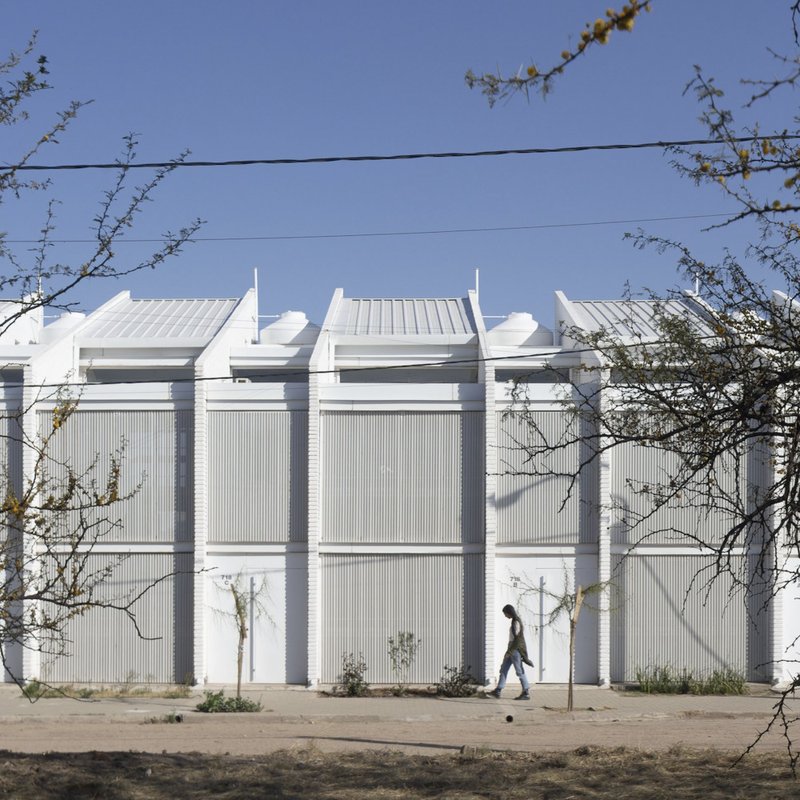
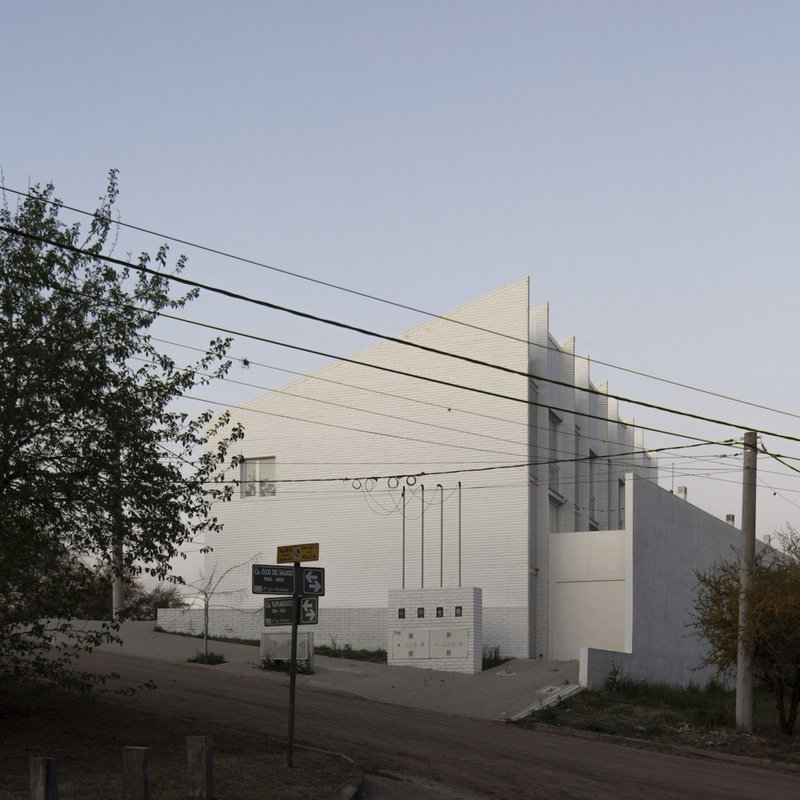
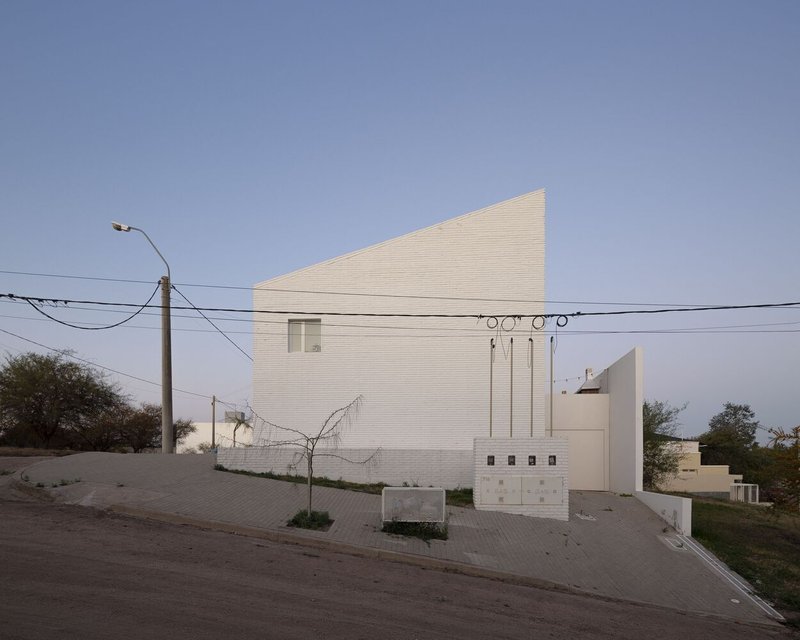
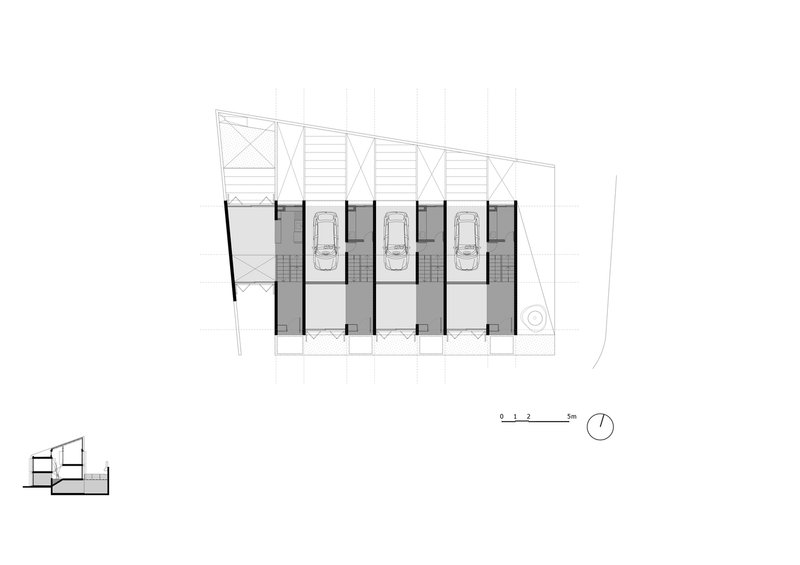
Located on a 420 m² corner lot, the project accommodates four housing units, each spanning 130 m². The design respects the natural slope of the site, situated in a region characterized by low-density urban development. With high demand for housing in Jesús María, the project represents a sustainable approach to maximizing limited urban land.
Adapting to Topography in Collective Housing Design
The architects utilized the site’s natural topography to create a layered design that integrates with its surroundings. The housing units are structured on half levels, preserving the original terrain and minimizing the impact on the natural soil. This approach ensures a harmonious blend with the surrounding urban fabric while optimizing the use of space.
Functional Layout and Space Optimization
Each unit is organized into two programmatic strips:
- Service and Circulation ZoneHouses vertical circulations and essential services.
- Houses vertical circulations and essential services.
- Common and Private AreasIncludes living spaces and bedrooms, fostering functionality and comfort.
- Includes living spaces and bedrooms, fostering functionality and comfort.
The integration of half levels creates a dynamic spatial experience, offering privacy while maintaining connectivity.
Innovative Use of Materials and Construction Techniques
The project emphasizes simplicity and efficiency in construction. Key features include:
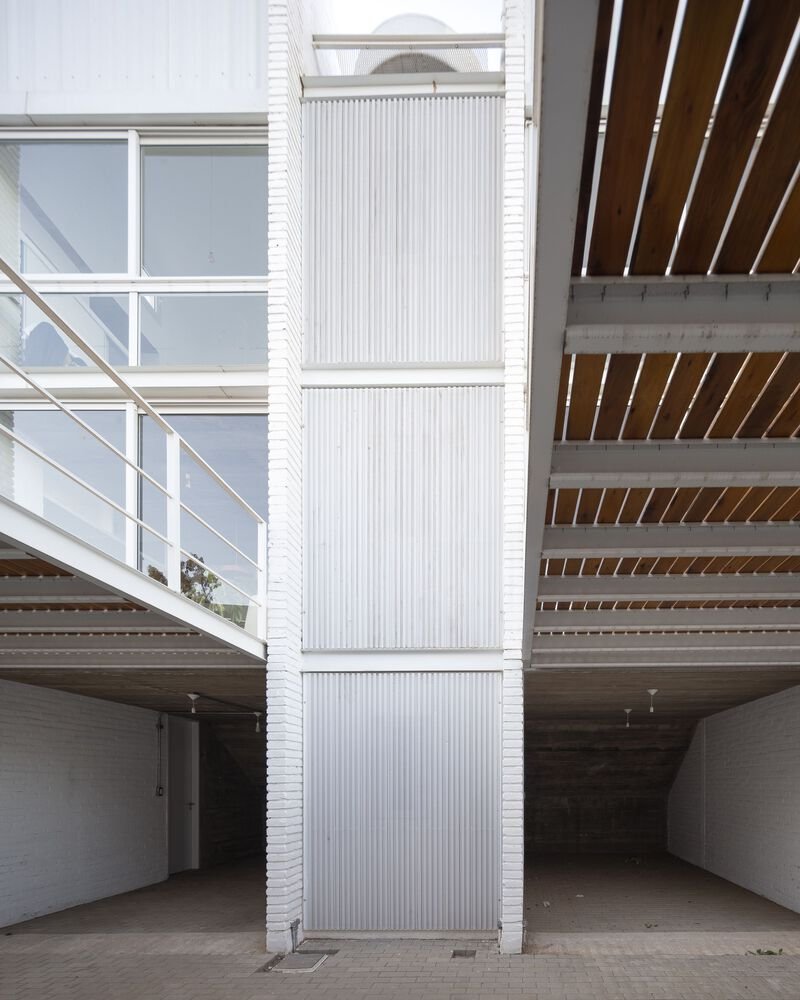
- Load-Bearing Brick Walls: These walls not only define spaces but also serve as structural elements.
- Reinforced Concrete Slabs: Used for spanning between supports, ensuring durability and stability.
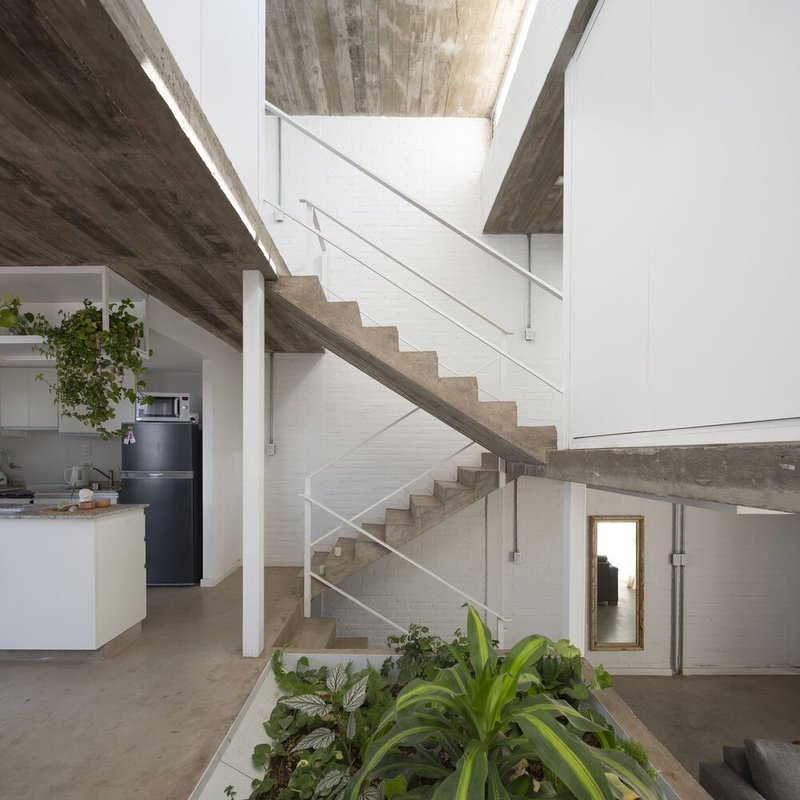
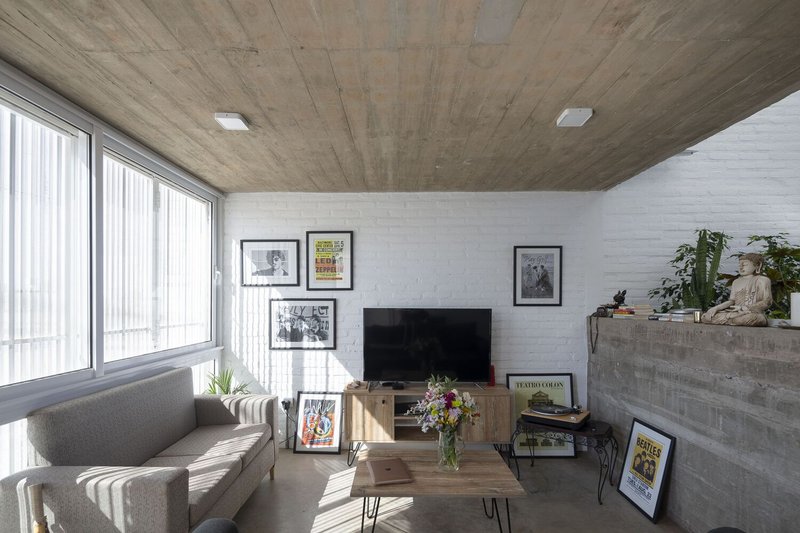
- Exposed Materials: The brick and polished concrete create a raw, modern aesthetic while reducing the need for additional finishes.
Sustainability in Collective Housing Architecture
This project demonstrates sustainable practices in design and construction:
- Minimal Soil Disruption: The design preserves the site’s natural contours.
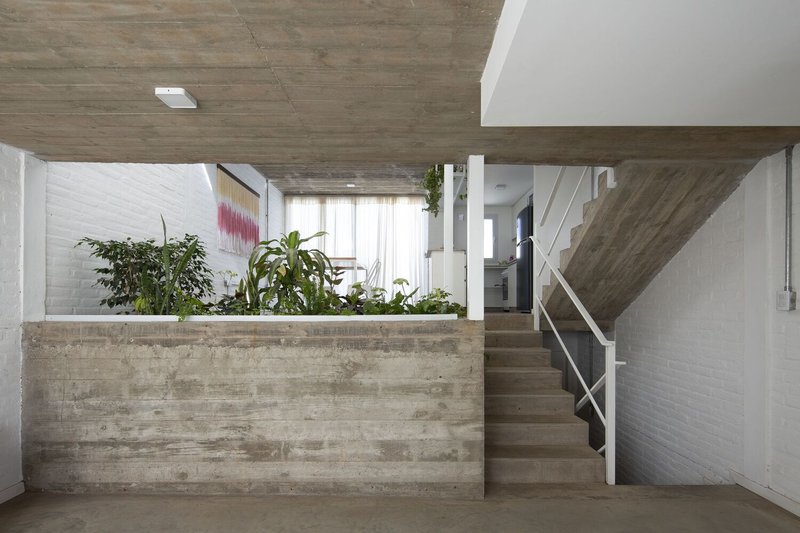
- Natural Ventilation and Lighting: Central voids with vegetation enhance indoor air quality and light distribution.
- Reconfigurable Spaces: Folding panels allow occupants to modify spaces based on their needs, enhancing the building’s longevity and adaptability.
Architectural Features Promoting Community Living
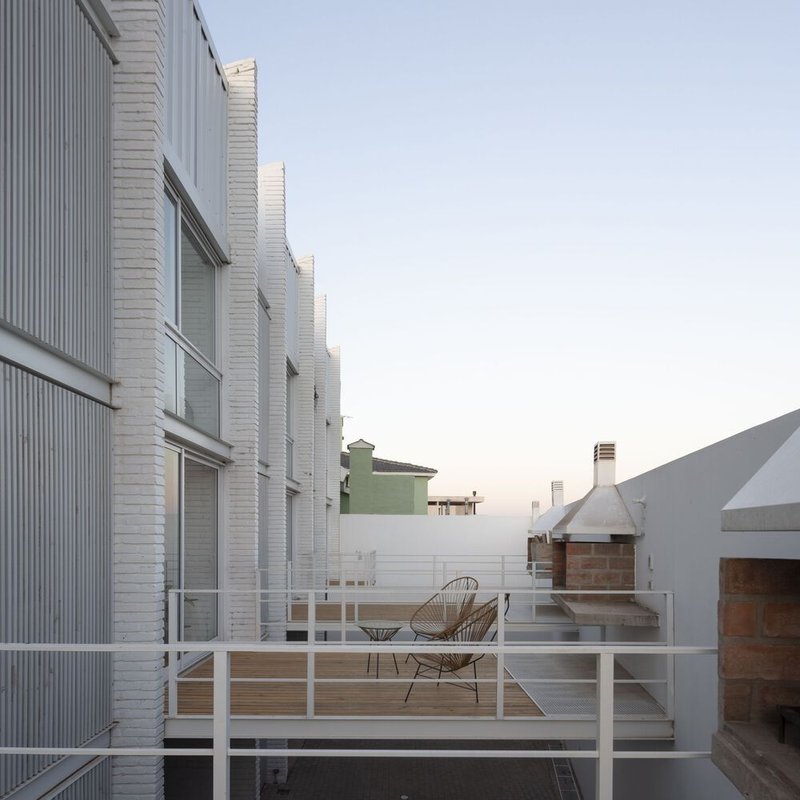
The project fosters a sense of community through shared and private spaces. Covered voids connecting the levels incorporate greenery, bridging the indoor and outdoor environments. This design encourages social interaction while providing personal retreat areas, striking a balance between collective living and privacy.
Impact on Local Housing Dynamics
The Jesús María collective housing project challenges the traditional lot-by-lot housing model prevalent in the region. By introducing a multi-unit approach, it provides a scalable and efficient housing solution that meets modern demands while respecting the city’s historical and cultural context.
Carranza Vazquez Arquitectos' work in Jesús María exemplifies the potential of collective housing architecture in Argentina. By leveraging innovative design, sustainable practices, and efficient material use, the project addresses urban housing challenges while blending seamlessly into its environment. As cities like Jesús María grow, projects like these set a benchmark for future developments.
All photographs are work of Javier Agustín Rojas




Popular Articles
Popular articles from the community

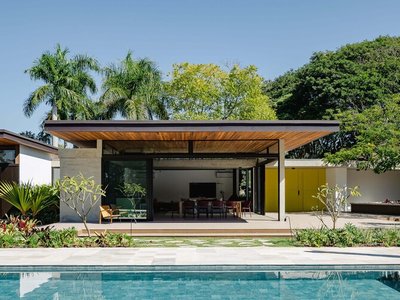
Flamboyant House by Juliana Camargo + Prumo Projetos
Modern Brazilian house integrating existing tree, pool, and volumes with glass, wood, and transitional spaces blending interior, exterior, and landscape seamlessly.
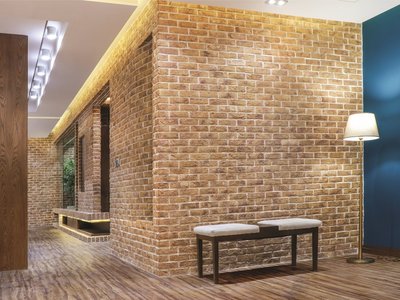
A Contemporary Take on Iranian Residential Architecture
A modern interior design in Mashhad that reinterprets brick, light, and spatial flow to create a warm, contemporary residential architecture.


The Ken Roberts Memorial Delineation Competition (Krob)
As the most senior architectural drawing competition currently in operation anywhere in the world, it draws hundreds of entries each year, awarding the very best submissions in a series of medium-based categories.
On the Brooks House by Monsoon Collective – A Contemporary Kerala Home Rooted in Tradition
Kerala home blending tradition and modernity with water-inspired design, brick architecture, courtyard planning, and sustainable rainwater harvesting strategies.


Similar Reads
You might also enjoy these articles
The Ken Roberts Memorial Delineation Competition (Krob)
As the most senior architectural drawing competition currently in operation anywhere in the world, it draws hundreds of entries each year, awarding the very best submissions in a series of medium-based categories.

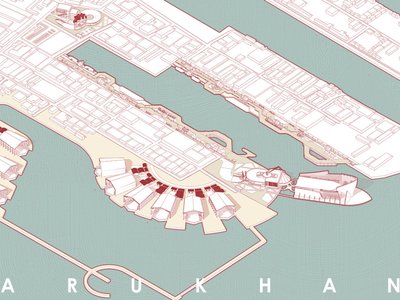
Waterfront Redevelopment and Urban Revitalization in Mumbai: Forging a New Dawn for Darukhana
A transformative waterfront redevelopment project reimagining Darukhana’s shipbreaking heritage into an inclusive urban future.

OUT-OF-MAP: A Call for Postcards on Feminist Narratives of Public Space
Rhizoma Design and Research Lab invites artists, designers, architects, researchers, and students to reflect on how feminist perspectives can reshape public space. Selected works will be exhibited in Barcelona, October 2026. Submissions open until 15 April 2026.


Documentation Work on Buddhist Wooden Temple
Architectural syncretism and cultural hybridity: A comparative study of the Buddhist temples in Chattogram Hill tracks


Explore Architecture Competitions
Discover active competitions in this discipline




The International Standard for Design Portfolios


The Global Benchmark for Architecture Dissertation Awards


The Global Benchmark for Graduation Excellence


Challenge to reimagine the Iron Throne
Comments (0)
Please login or sign up to add comments
No comments yet. Be the first to comment!