
Double Roof Architecture in Tainan: The Innovative Design of Double Roof House by Studio Tngtetshiu
A contemporary interpretation of double roof architecture blending residence, warehouse, and playground with contextual and material harmony in Tainan.

A Contextual Response to Heritage and Function
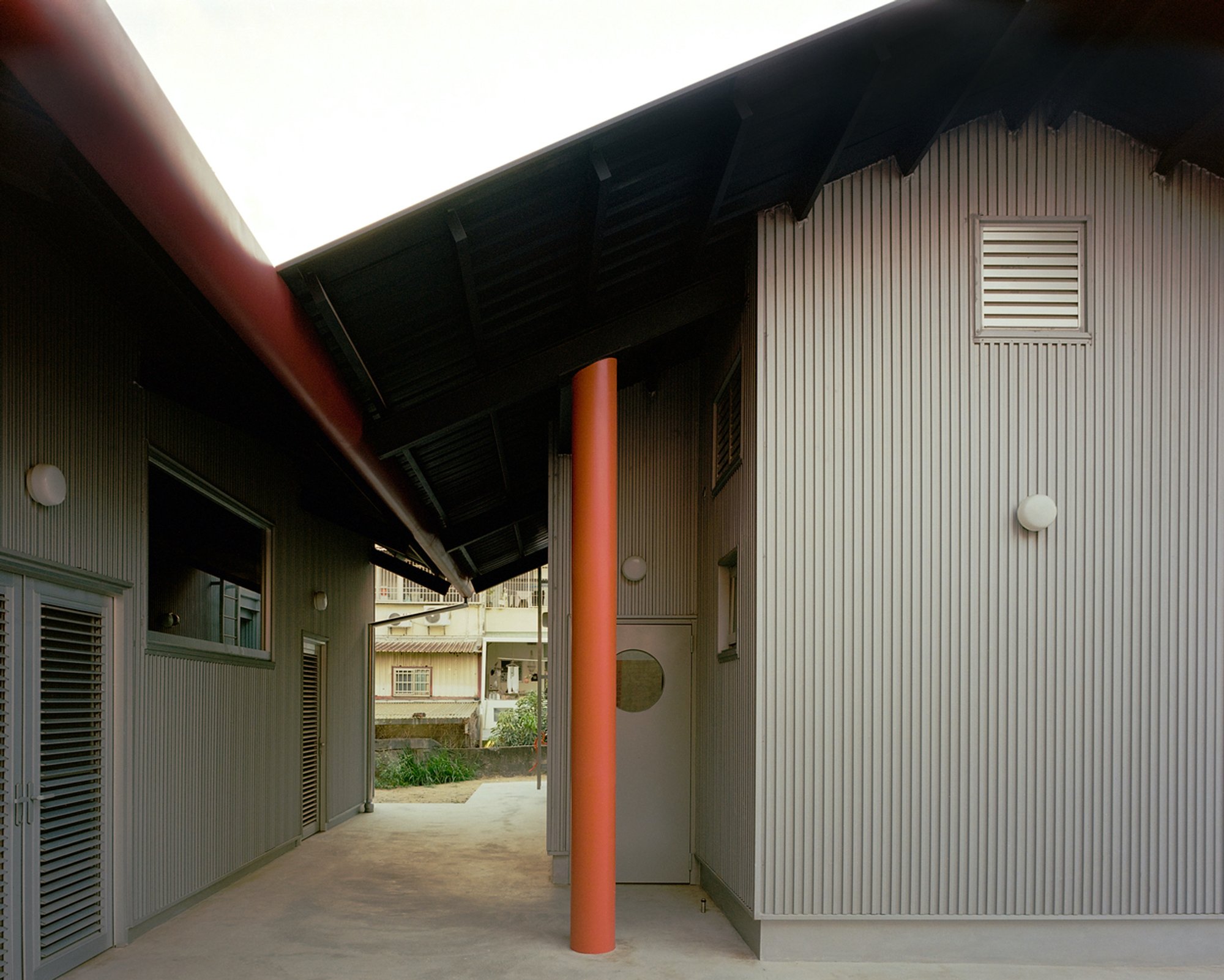
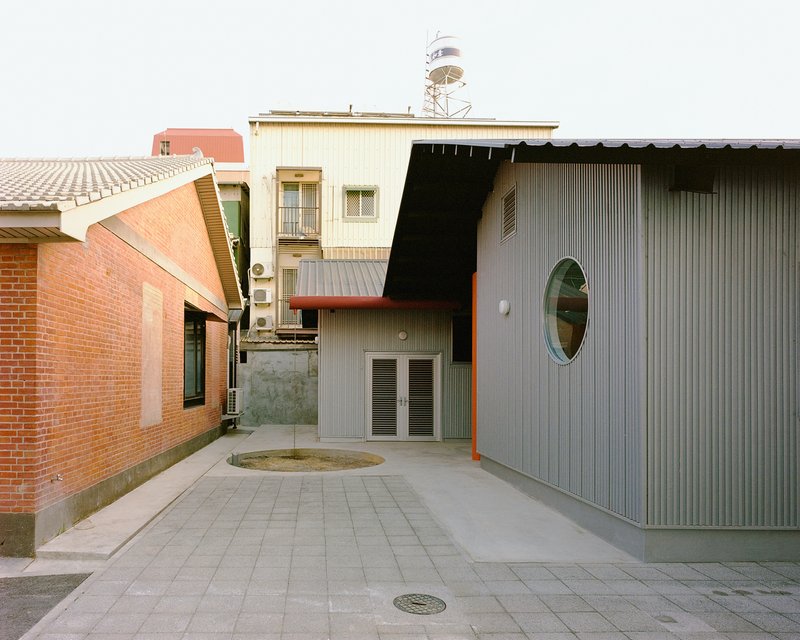
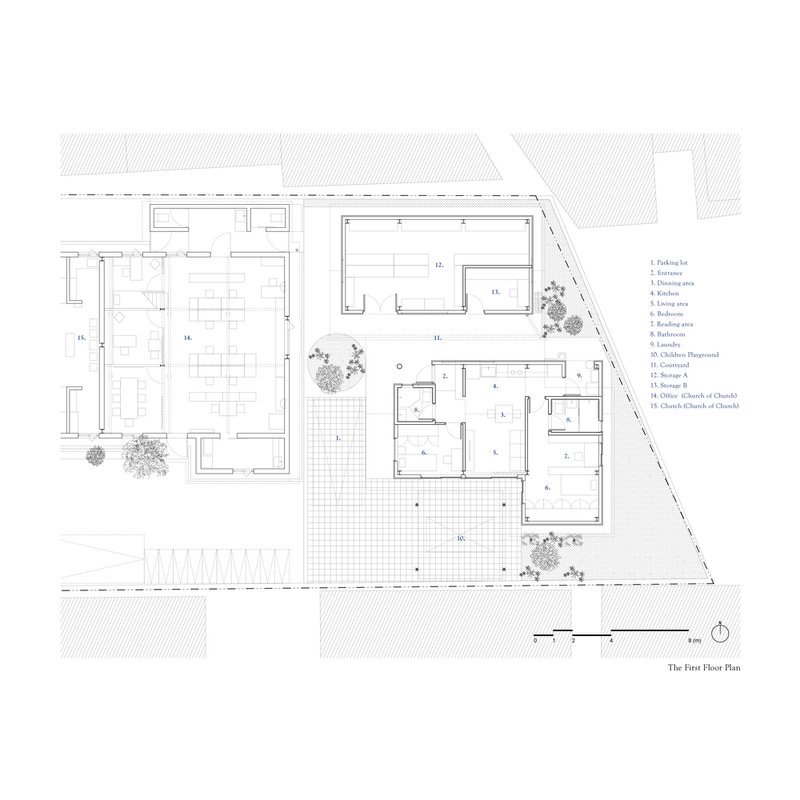
Located in Tainan, Taiwan, the Double Roof House by Studio Tngtetshiu exemplifies how double roof architecture can become a tool for resolving functional complexity while creating a powerful architectural dialogue with its historical surroundings. This new mixed-use complex—comprising a residence, warehouse, and playground—stands adjacent to a 60-year-old red-brick church, a structure the studio had restored a year earlier as the "Church of Church." Together, the two buildings engage in a conversation across time and material expression.
Blending Contrasts: Steel and Brick
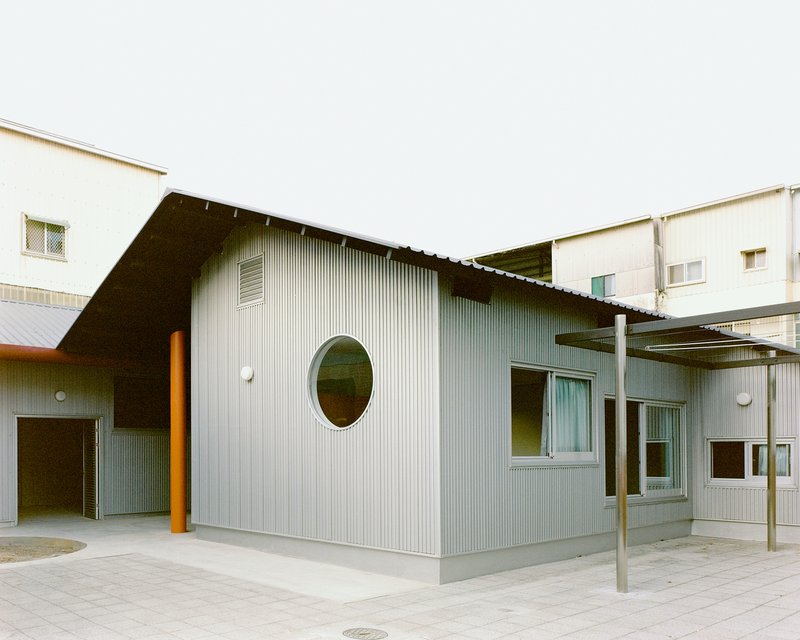
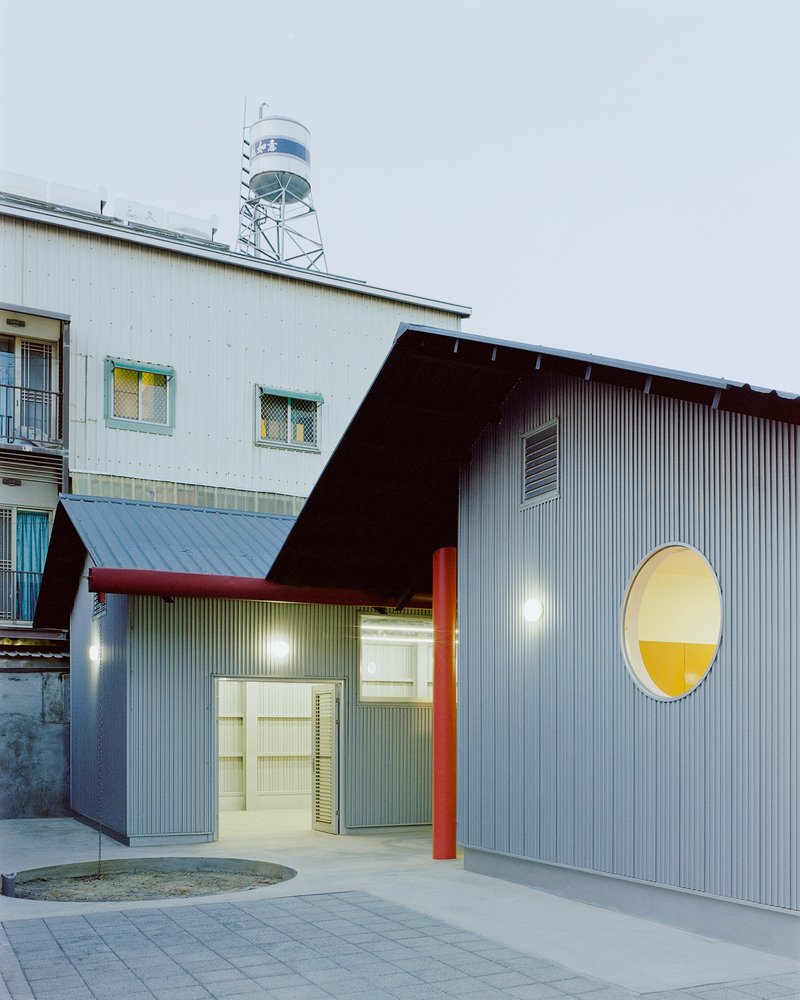
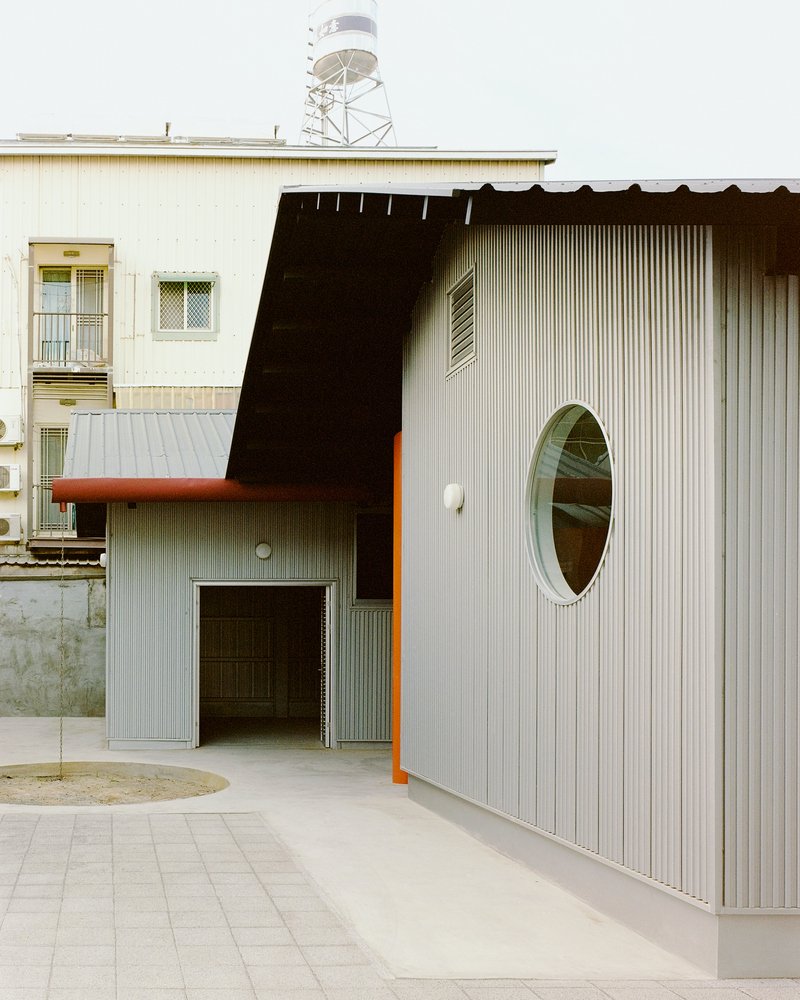
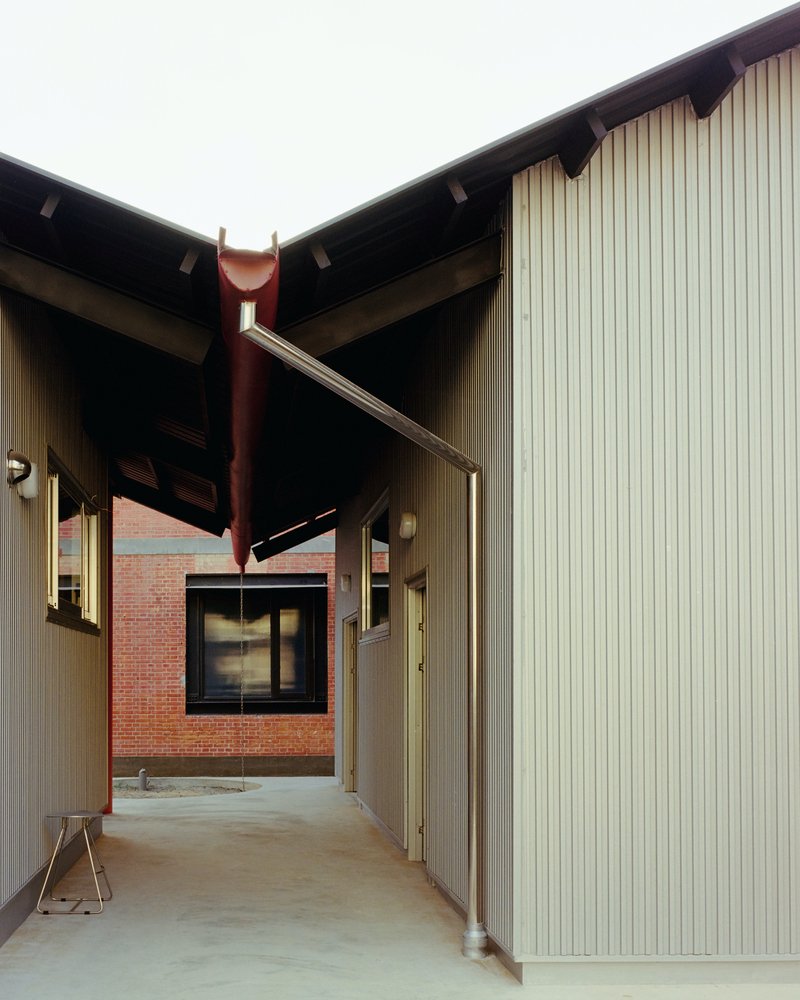
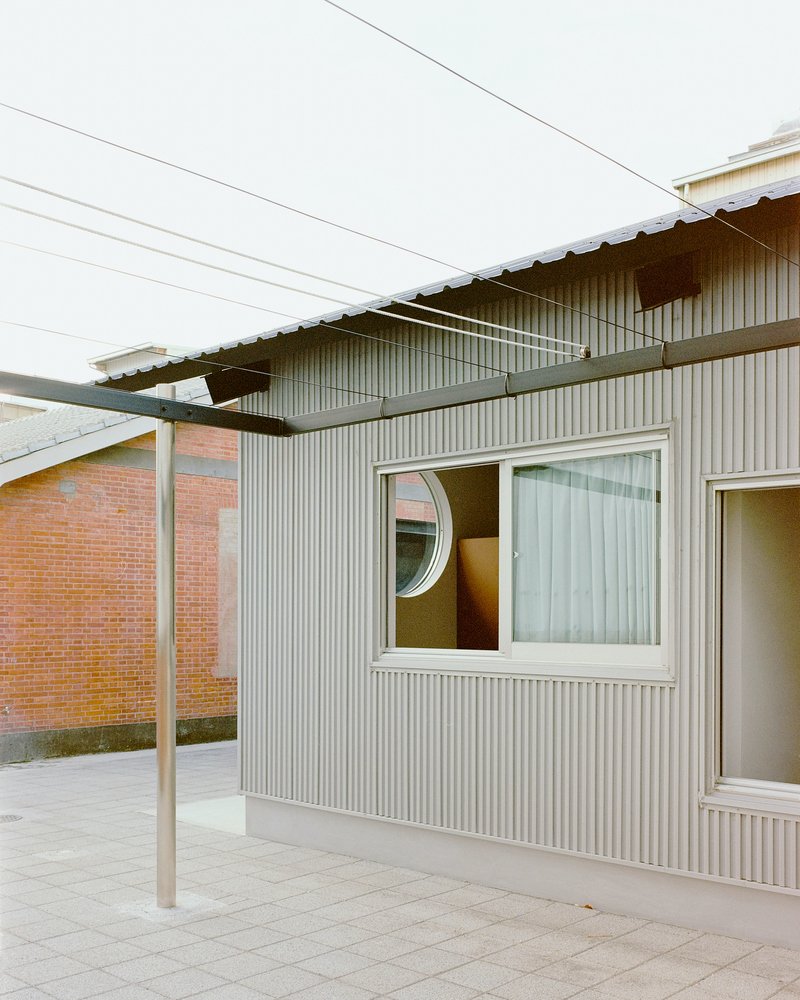
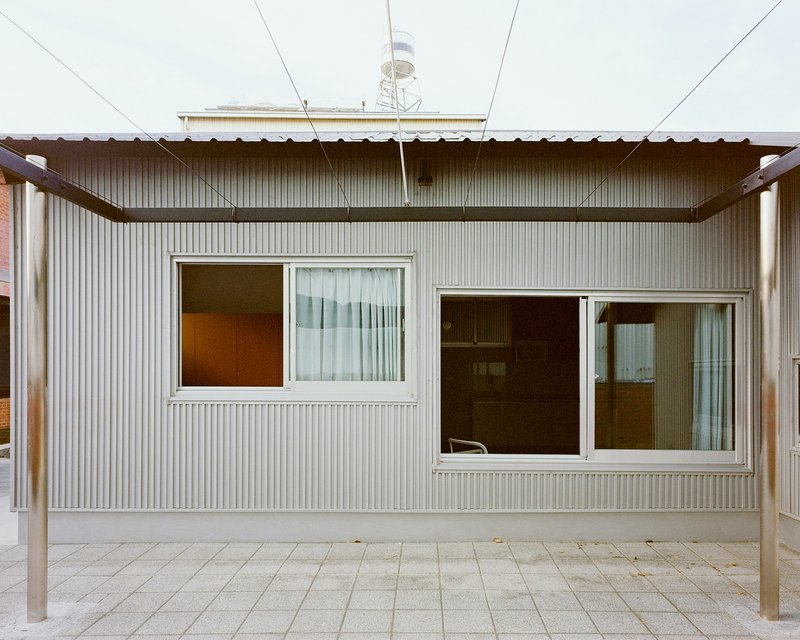
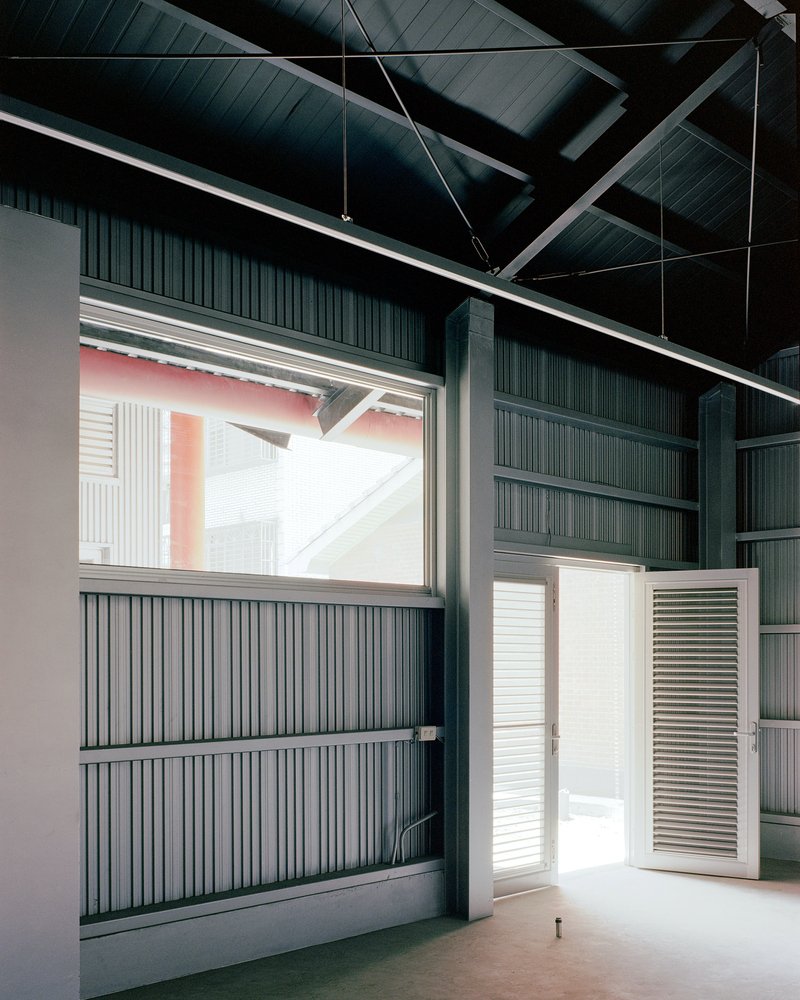
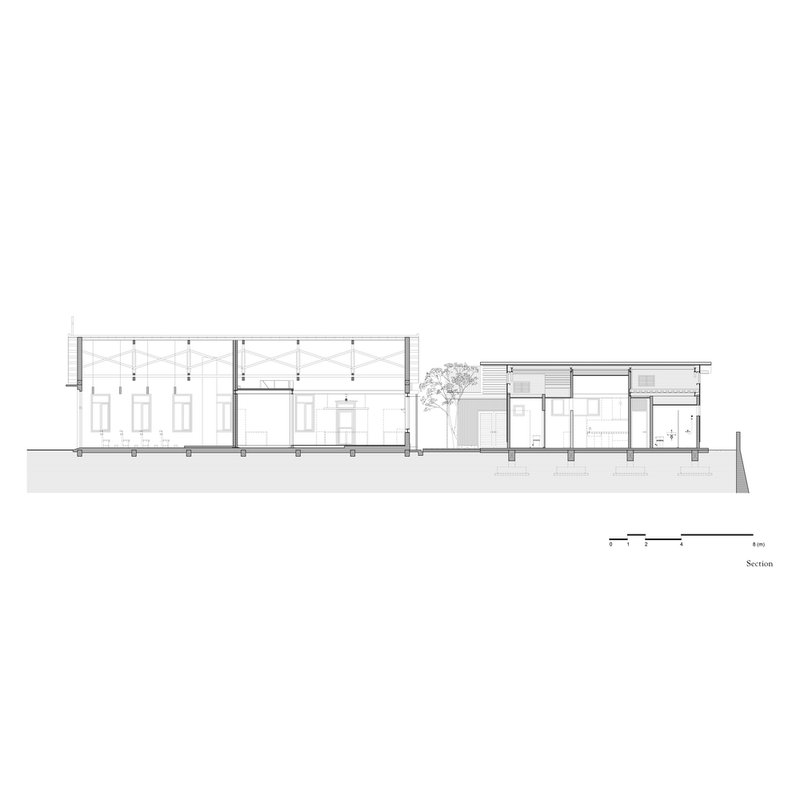
While the church represents the solid and grounded nature of traditional brick construction, the new building introduces a lightweight steel structure. The architects deliberately juxtapose these two materials to reflect both the evolution of architectural technology and the programmatic split within the project. This architectural dialogue highlights the contrast between old and new, weight and lightness, permanence and adaptability. The result is a structure that serves as both a residence and a warehouse, unified yet distinct in their spatial identities.
Forming a Cohesive System Through In-Between Space
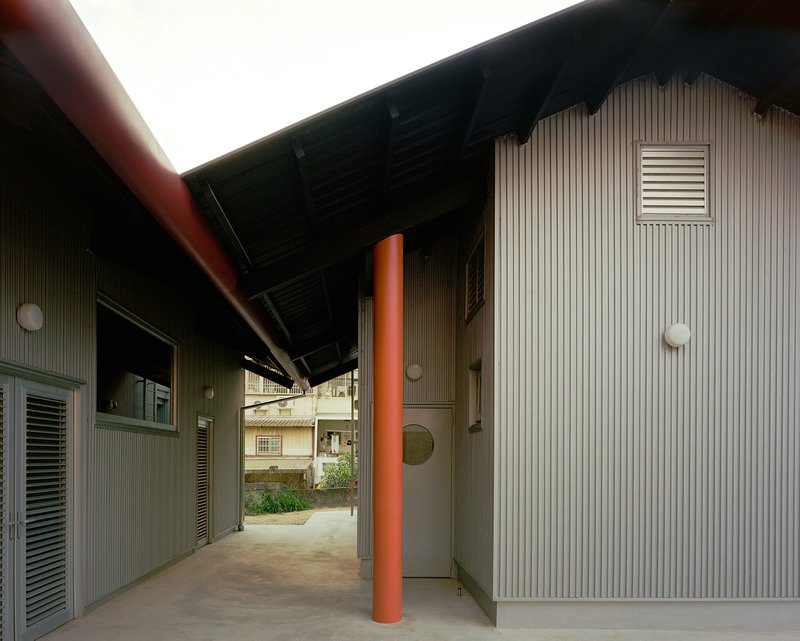
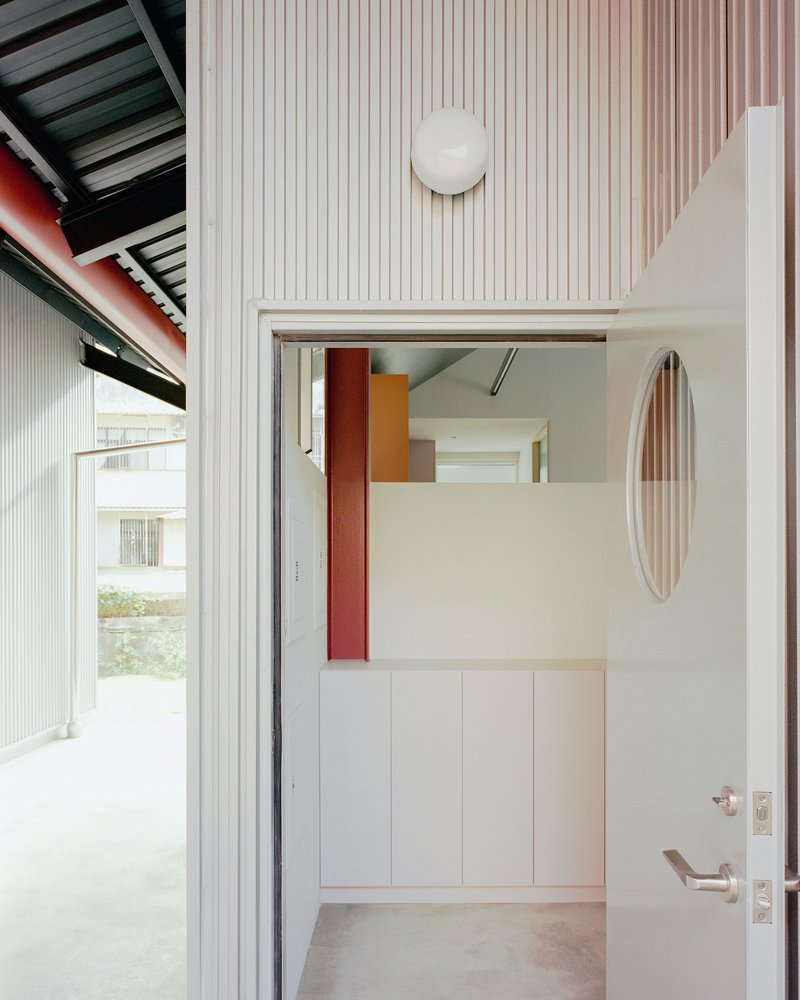
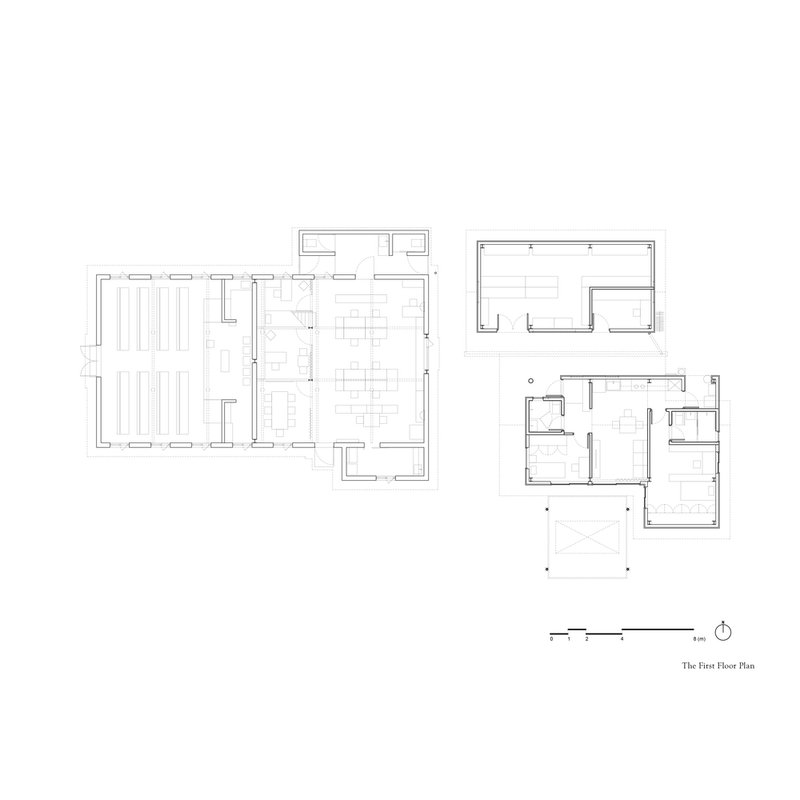
The design centers on an undefined “in-between” space aligned with the central axis of the church. This space is not merely a corridor or void; it serves as a transitional threshold that links the various building components without sacrificing autonomy. Each functional zone—residential, storage, and recreational—is physically and symbolically connected through this shared architectural rhythm, made possible by the double roof system that spans across and within the volumes.
The Double Roof Expression
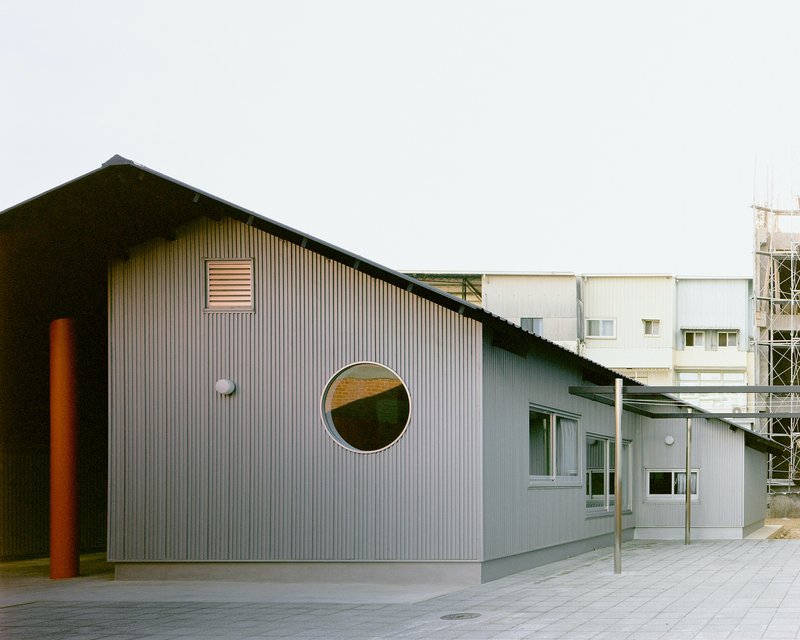
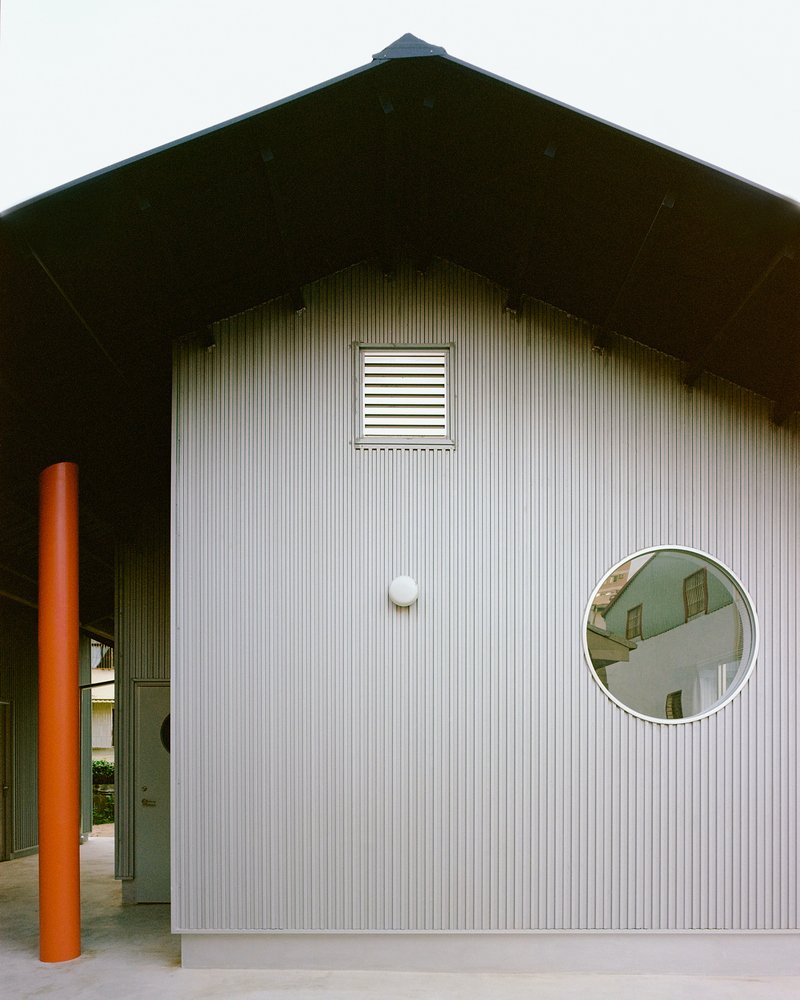
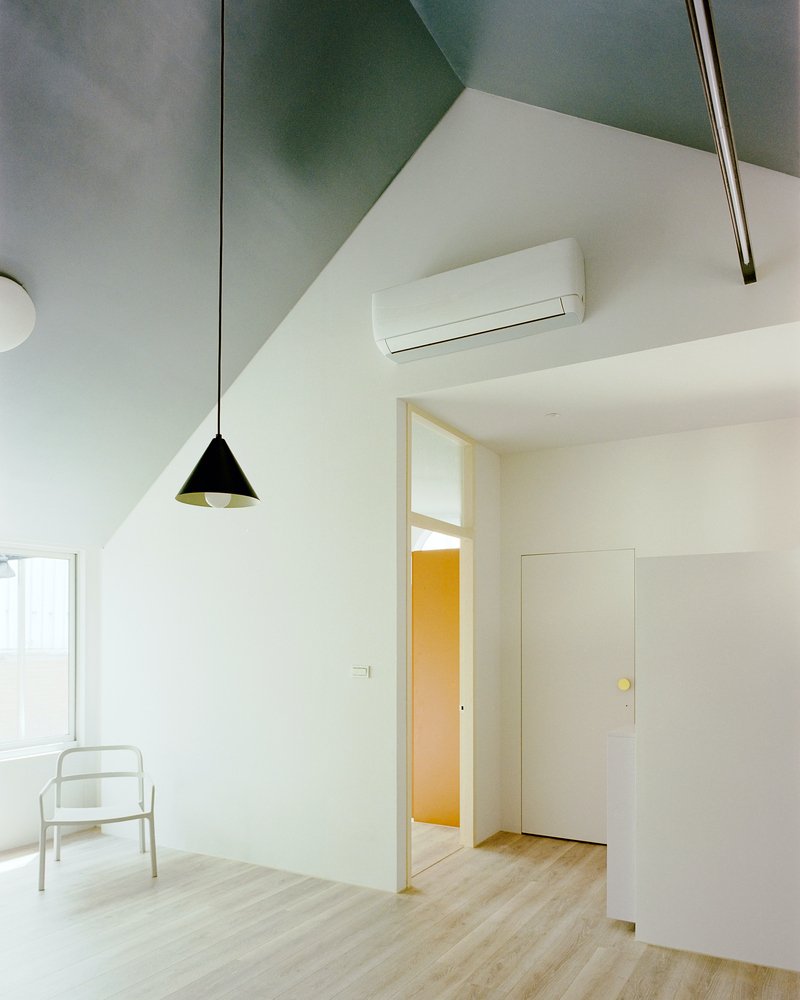
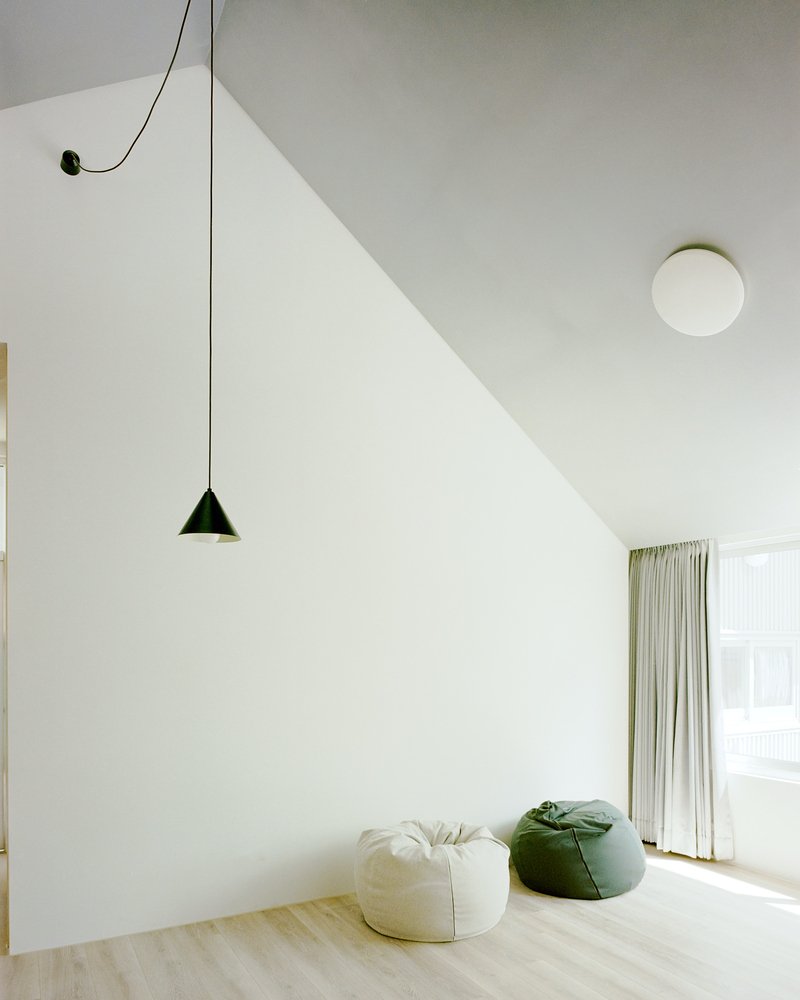
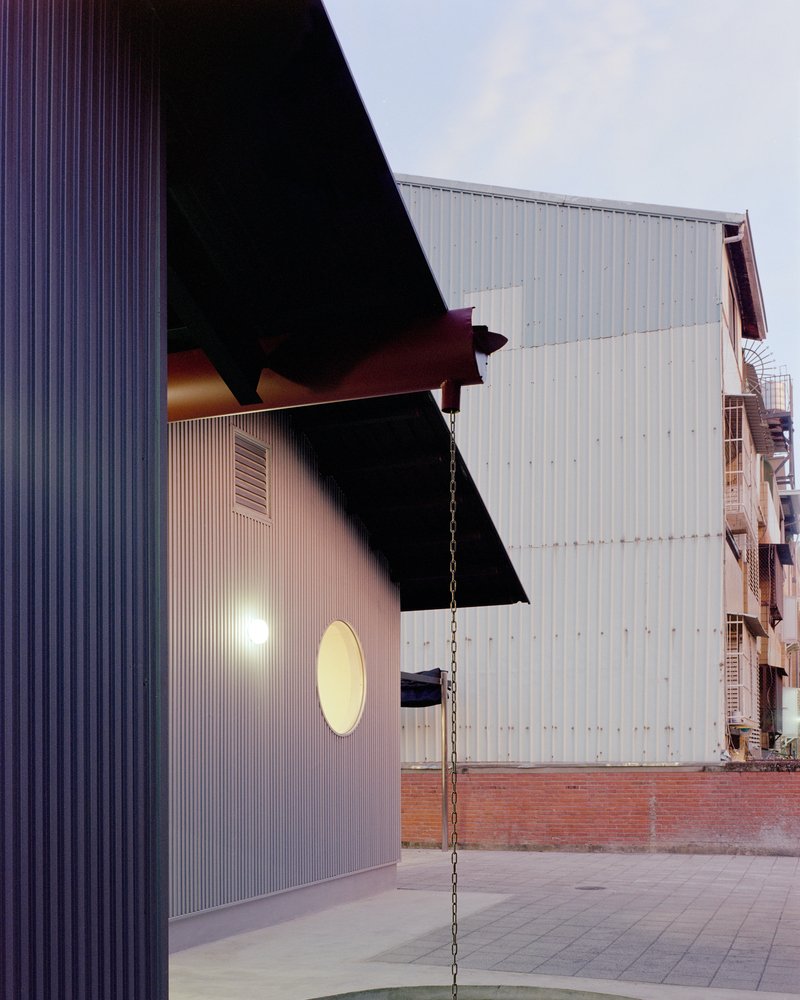
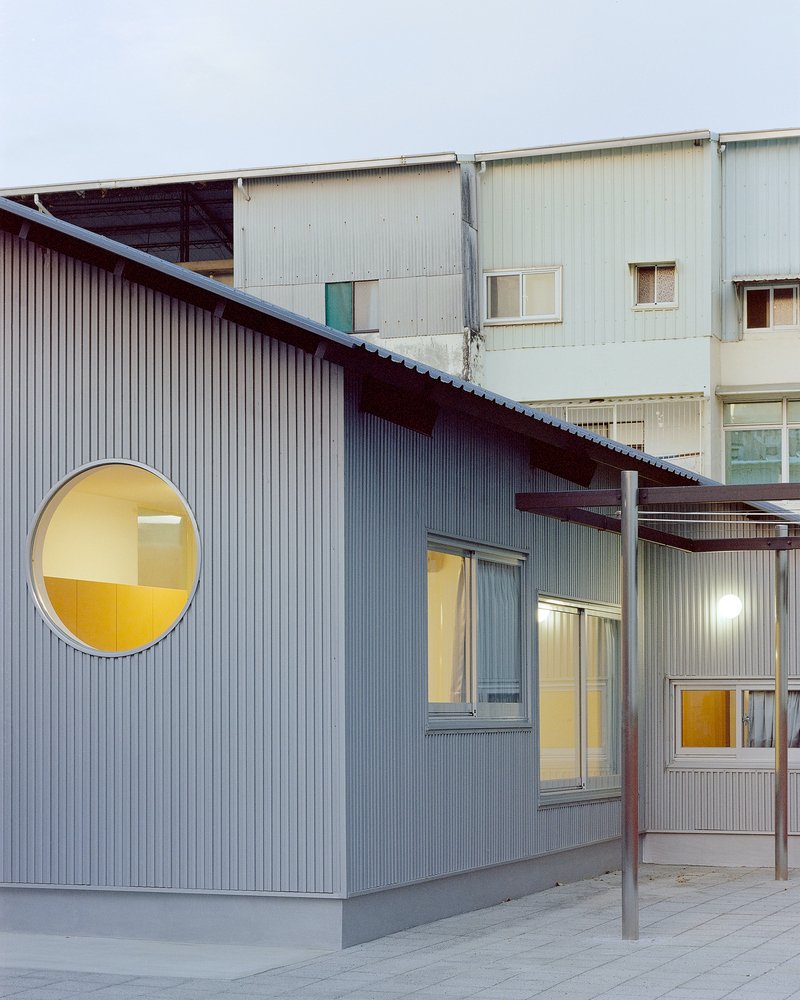
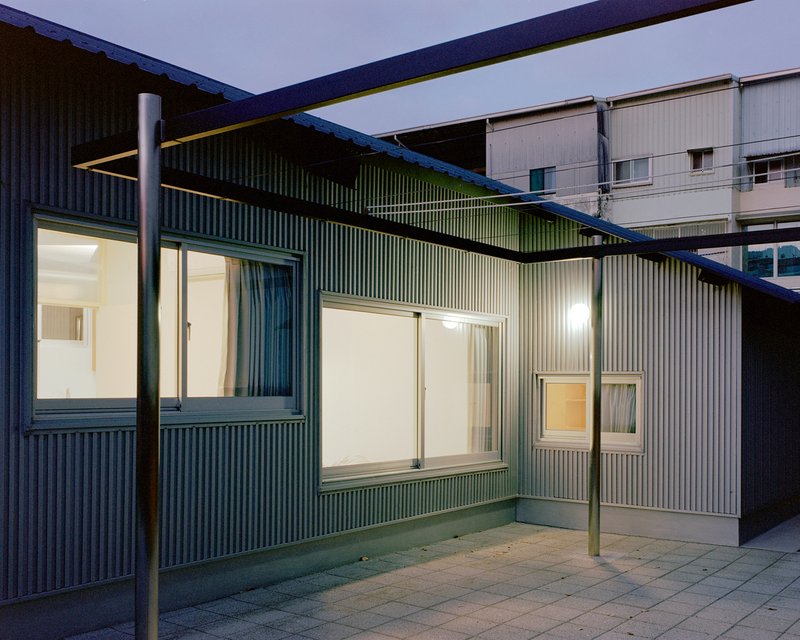
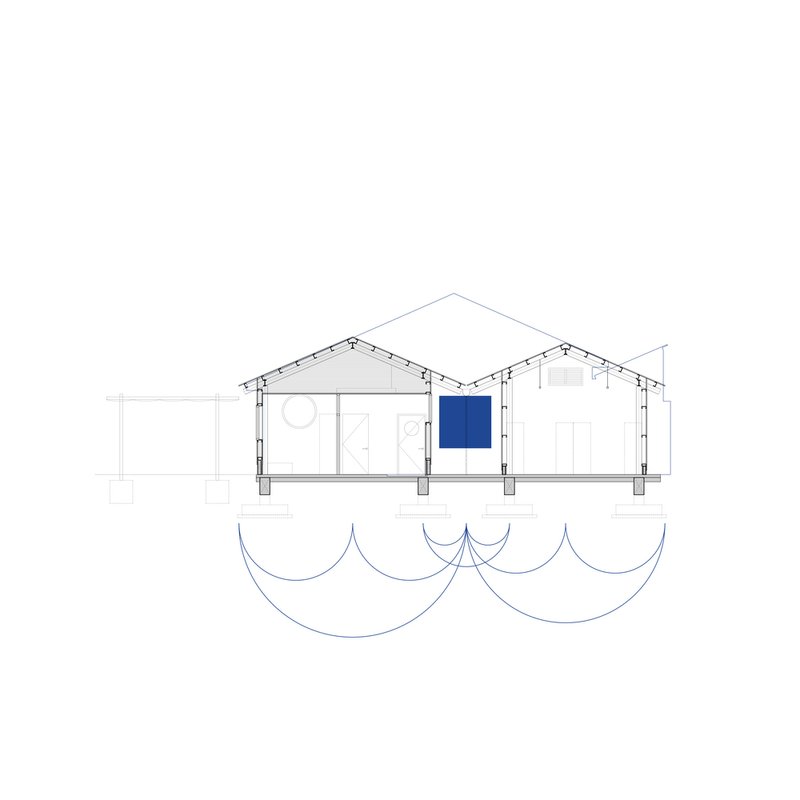
True to its name, the Double Roof House is structured by two sets of double-sloped roofs, giving the impression of multiple overlapping houses. This design both references the ad-hoc nature of rural iron-clad homes and establishes a new architectural typology. The double roof does more than offer formal identity—it also creates additional height and ventilation, while forming spatial pockets that modulate openness and privacy. The layered roofs act as a unifying gesture, bringing cohesion to the independent elements below.
Architectural Fragments and Church References
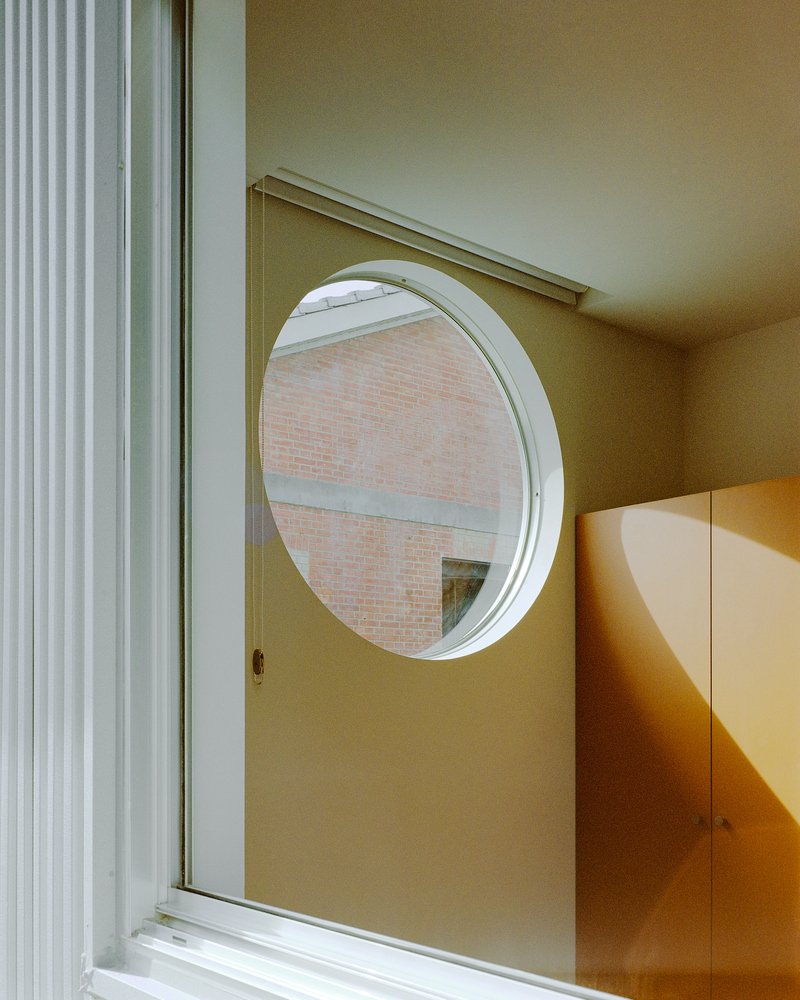
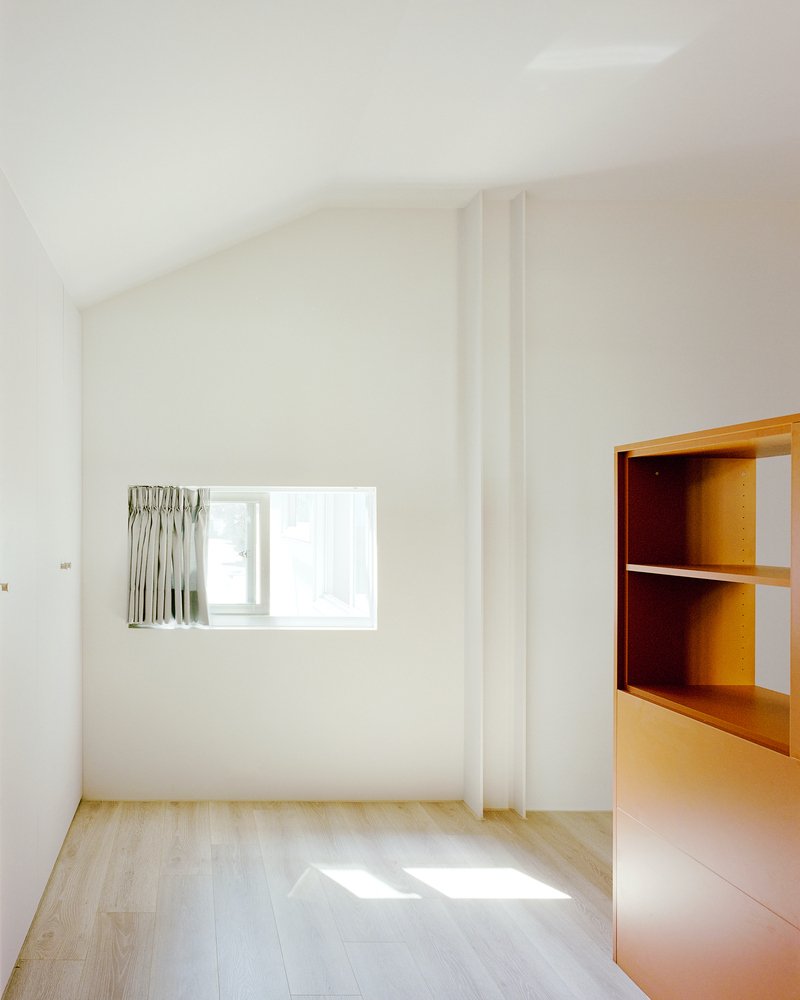
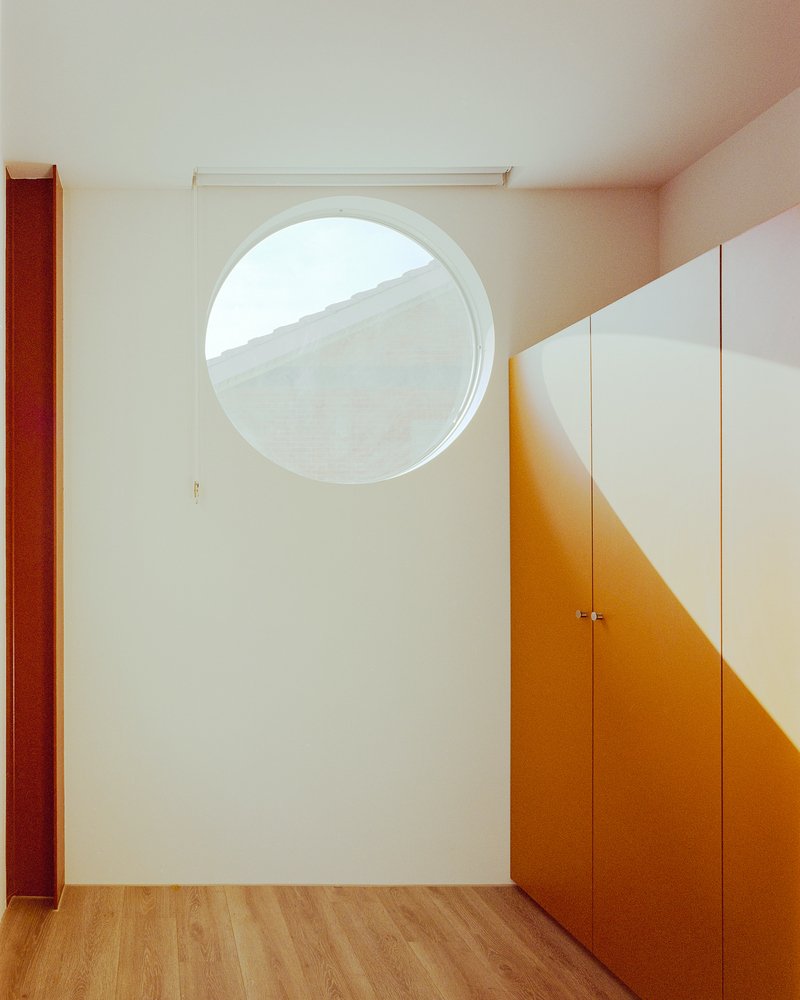
Key architectural elements within the Double Roof House borrow from the language established in the Church of Church. Fragmented openings of varying dimensions and placements offer selective glimpses to the outside, enhancing light while preserving privacy. These perforations in the facade maintain a visual rhythm and invoke the symbolic thresholds seen in ecclesiastical architecture, further blurring the boundary between sacred and domestic, utility and aesthetics.
Interior and Spatial Fluidity
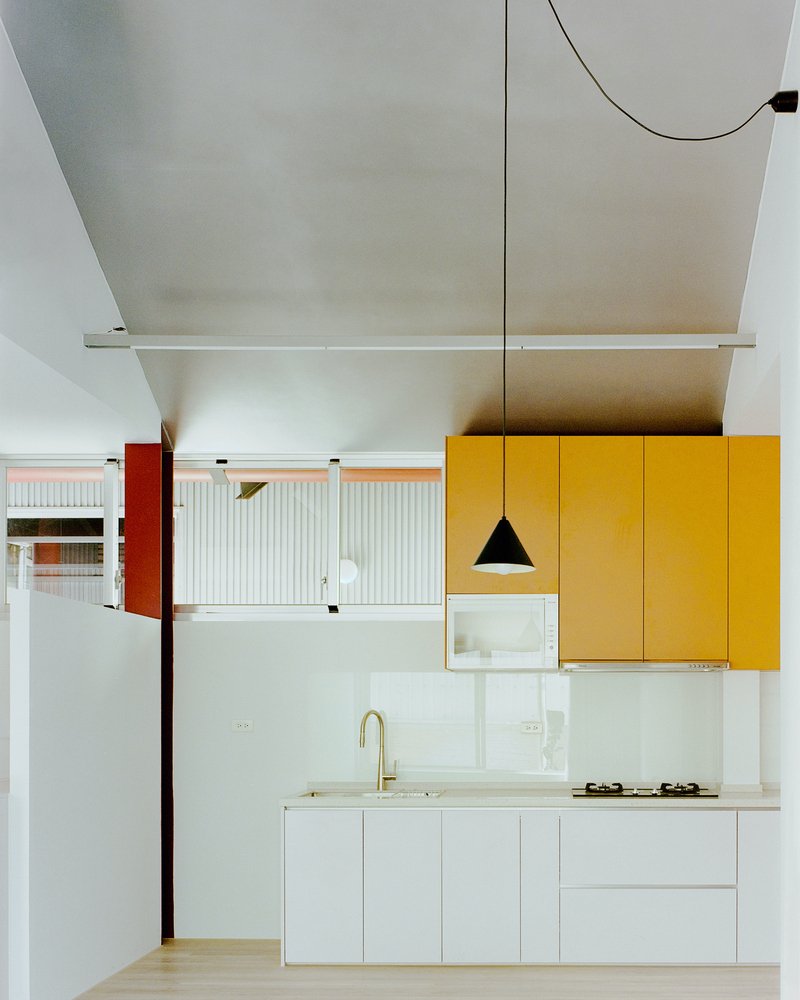
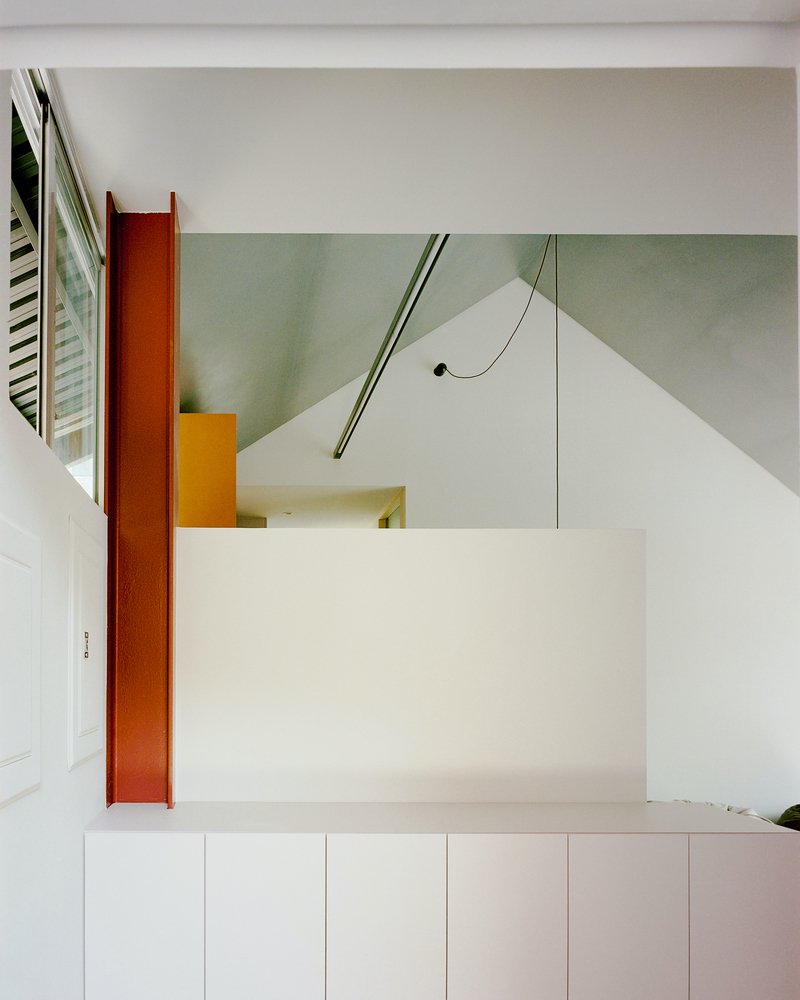
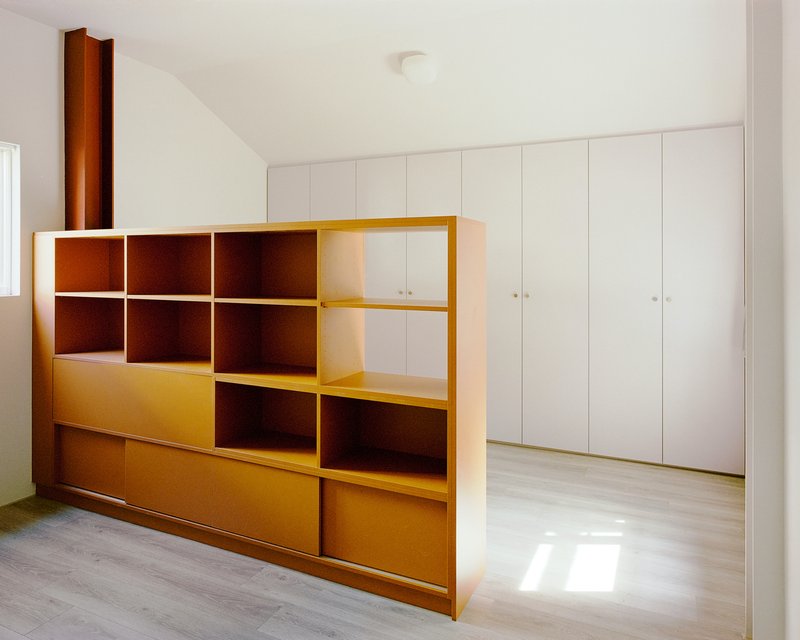
Inside, the spaces are functional yet emotionally resonant. Wood, light, and proportion guide the user experience. The residence is not simply a place to live, nor is the warehouse merely a place to store—each is enriched by thoughtful design interventions that elevate their everyday use. The multiplicity of rooflines and ceiling heights subtly demarcate zones and promote flexibility, encouraging users to interact with the space intuitively.
A Contemporary Rural Identity
By embracing the familiar silhouettes of Taiwan’s rural construction and embedding them with contemporary detailing and function, the Double Roof House asserts a new model for double roof architecture. It honors its past, respects its neighbors, and redefines how architecture can serve overlapping and evolving functions without losing coherence or emotional depth.
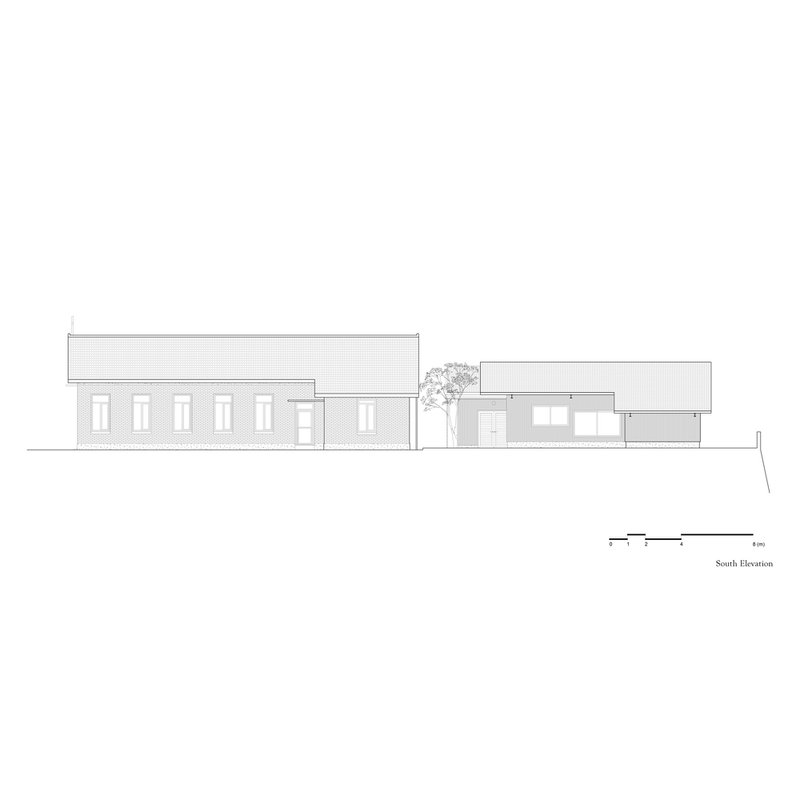
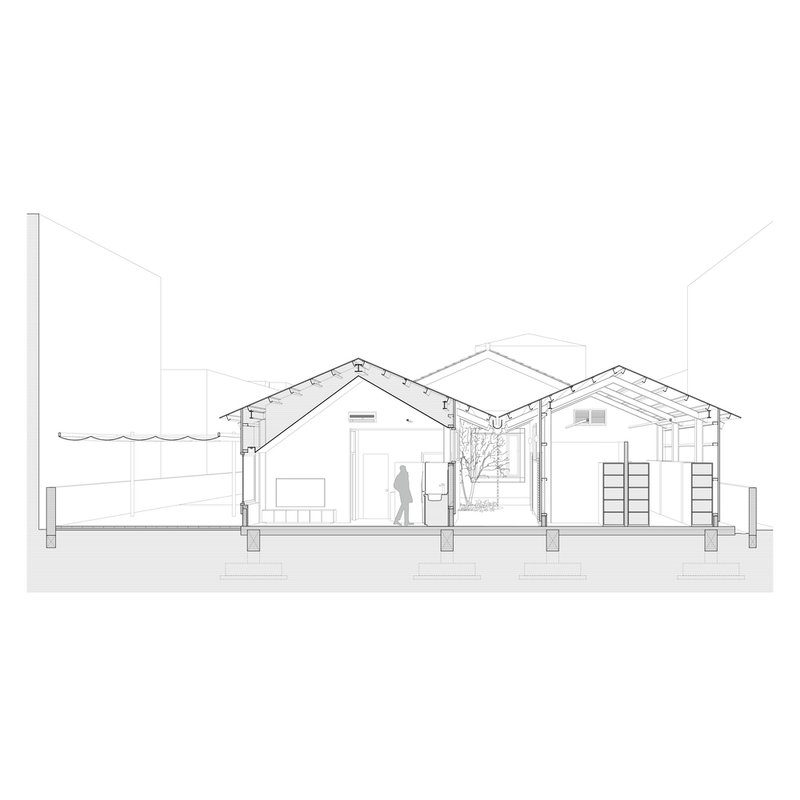
All Photographs are works of Studio Millspace




Popular Articles
Popular articles from the community

3dor Concepts Wraps a Kerala Home in Mirrored Concrete Arcs Around a Courtyard Tree
In the Western Ghats foothills of Thamarassery, a 270 m² single-story house uses two curved volumes to frame nature as its center.
YOAP Architects Round a Corner in Yeongcheon with a Cylindrical Community Hub
A 197-square-meter brick and ribbed-clad tower turns a forgotten alley corner in South Korea into a public garden with a low threshold.
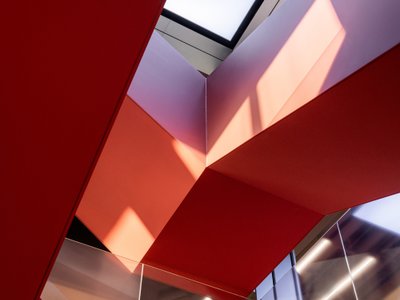
Ippolito Fleitz Group Identity Architects Turn Eight Floors in Shanghai into a Vertical Creative City
Publicis Groupe's new headquarters in Xintiandi reimagines the office as a courtyard-driven urban landscape stacked across eight floors.

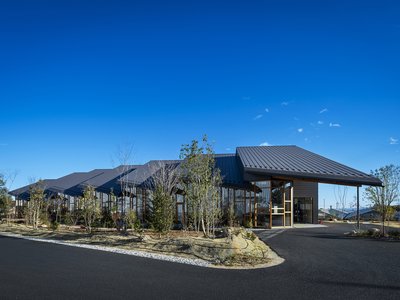
20 Most Popular Office Building Projects of 2025
From biophilic workspaces in India to net-positive energy offices in New Delhi, 20 office building projects that defined architecture in 2025.


Similar Reads
You might also enjoy these articles
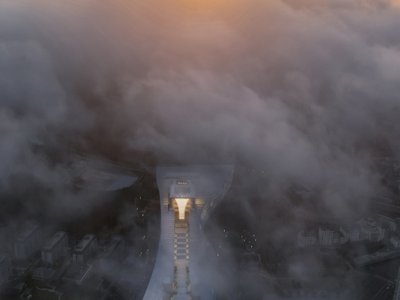
CSADI Carves a Jade Blade into the Qinling Mountains for China's First Ecology Museum
A 43,788 square meter terraced museum in Shangluo draws its form from a Xia Dynasty artifact and steps down toward the valley below.
Ippolito Fleitz Group Identity Architects Turn Eight Floors in Shanghai into a Vertical Creative City
Publicis Groupe's new headquarters in Xintiandi reimagines the office as a courtyard-driven urban landscape stacked across eight floors.
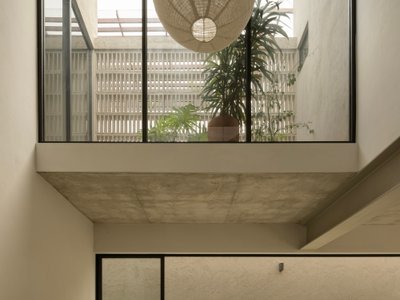
Díaz Webster Arquitectura Carves Light and Air into a Compact Zapopan House
A 237-square-meter residence in western Zapopan uses courtyards and double-height voids to dissolve the boundary between interior and garden.
BAST Slots a Four-Story Glass House into a Narrow Gap Between Toulouse Townhouses
In the dense Bonnefoy district, a stepped infill building merges home and office while preserving a majestic hackberry tree.


Explore Architecture Competitions
Discover active competitions in this discipline




The International Standard for Design Portfolios


The Global Benchmark for Architecture Dissertation Awards


The Global Benchmark for Graduation Excellence


Challenge to reimagine the Iron Throne
Comments (0)
Please login or sign up to add comments
No comments yet. Be the first to comment!